



How Titanium Sheets Perform in Seawater and Chloride Environments
Materials that are resistant to saltwater, chloride brines, and salty atmospheres are required for a variety of industry applications, including chemical processing, shipbuilding, marine engineering, and desalination. Carbon steel, aluminium, and some stainless steels are susceptible to pitting, crevice corrosion, and premature failure as a result of these situations. Sheets of titanium glow in this area. Engineers employ titanium sheets because of their resistance to corrosion, high strength-to-weight ratio, and decades of field performance. Titanium sheets are used in the construction of buildings and equipment that are intended to withstand the worst aquatic conditions. Jucheng Titanium, a national high-tech corporation located in Baoji, China's Titanium Valley, has been producing exceptional titanium sheets for industries all over the globe for nearly twenty years. This article will examine the reactions that titanium sheets have when exposed to chloride and saltwater, as well as the grades that should be selected, the applications for which they are used, and the reasons why Jucheng Titanium is an excellent choice for your project.
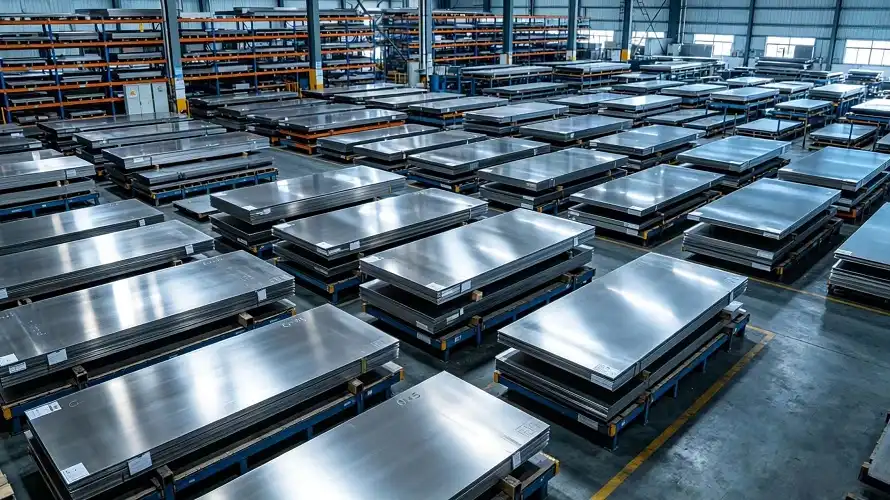
Why Titanium Sheets Excel in Seawater and Chloride-Rich Environments
The Natural Corrosion Resistance of Titanium Sheets
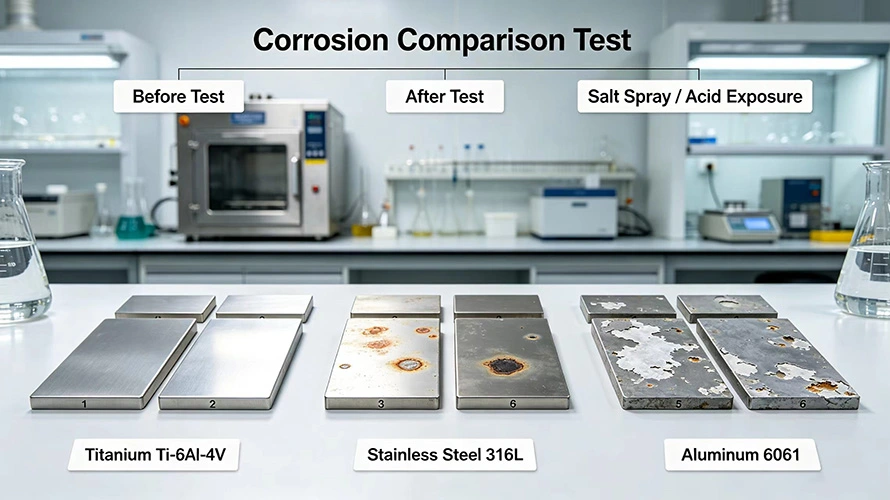
Titanium sheets, in contrast to other structural metals, are resistant to pitting, crevice corrosion, and stress corrosion cracking in chloride-bearing fluids, as shown by studies conducted in the field and in laboratories over the course of many decades. The failure of a metal surface occurs when the passive coating is broken locally by contaminants such as seawater, industrial brine, or hydrochloric acid. This results in rapid penetration and structural deterioration. Titanium sheets do not oxidise in aqueous chloride environments because their thermodynamic potential is passive. It is because of this that they are able to avoid this failure mechanism. Titanium sheets, as opposed to stainless steel or copper-nickel sheets, are used by seawater cooling engineers, who claim that they significantly reduce the amount of money spent on maintenance and unscheduled shutdowns. In the open ocean at 25 degrees Celsius, concentrated brine at 80 degrees Celsius, or hypochlorite-treated cooling loops, titanium sheets do not degrade and continue to work at a high level year after year. Due to the reliability of titanium sheets, the whole marine and chemical processing industry depends on them as a last option, or increasingly, as the first choice.
The Passive Oxide Film: Titanium's Built-In Shield
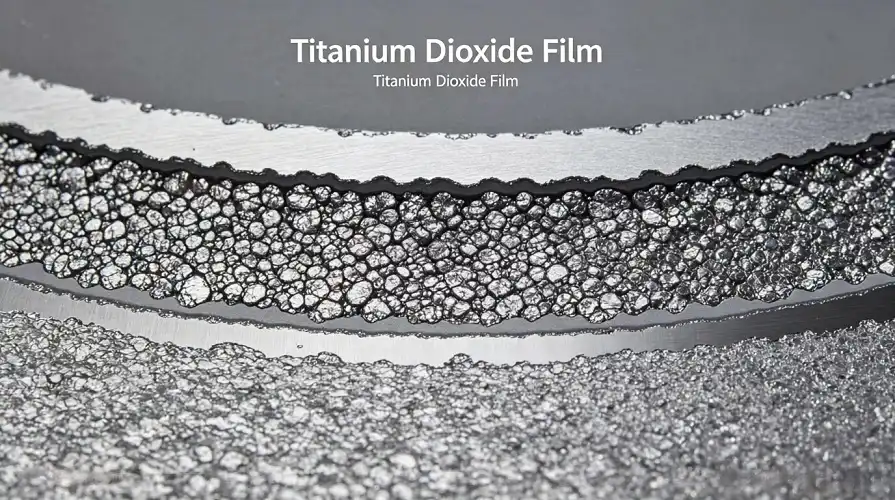
As a result of the stable passive coating of titanium dioxide (TiO2) that titanium sheets have, which arises spontaneously within milliseconds of contact with air or water, titanium sheets are not susceptible to damage. Within the context of an oxygenated chloride environment, the oxide layer is able to recover quickly after being scratched, physically abraded, or chemically damaged. This is what makes this film so distinctive. On the other hand, in order to maintain its integrity, the chromium oxide coating of stainless steels requires precisely controlled chloride thresholds and temperatures. Titanium sheets that have been coated with titanium oxide (TiO2) provide total protection in areas where crevice conditions are favourable for isolated attacks, such as in warm saltwater or stagnant chloride pockets. As a result of the film's tenacious adhesion and chemical inertness, titanium sheet surfaces reduce the amount of biofouling and scaling that occurs in maritime heat exchangers and pipelines. Titanium sheets are often chosen by design engineers for splash-zone cladding, seawater lift pipework, and chlorinated cooling water systems where reliability is prioritised above cost. This is because titanium sheets are used in these applications.
Mechanical Advantages That Complement Corrosion Performance
In the event that titanium sheets were fragile, brittle, or difficult to manufacture, protection against corrosion would not be sufficient. Titanium sheets are advantageous because of their protective oxide behaviour, high tensile strength (ranging from 170 MPa for Gr1 to 830 MPa for Gr5), resilience to fatigue, and formability. Compared to steel, naval architects and chemical plant designers may be able to reduce the wall thicknesses and structural weights of their structures, which would result in an increase in the cargo capacity of marine vessels and a reduction in the cost of fuel. Because titanium sheets are non-magnetic, biocompatible, and resistant to erosion and corrosion in high-velocity seawater, they are an excellent material for use in naval defensive systems, medical-grade marine equipment, and high-flow desalination pipelines. The table that follows presents a comparison of titanium sheets to several alternatives that are often used in seawater and chloride performance measurements.
| Property | Titanium Sheets (Gr2) | 316L Stainless Steel | Aluminum 5083 |
|---|---|---|---|
| Seawater Corrosion Rate | ~0.0001 mm/yr | 0.1–0.5 mm/yr | 0.1–0.3 mm/yr |
| Pitting Resistance in Chlorides | Excellent | Moderate | Poor |
| Strength-to-Weight Ratio | High | Moderate | Low |
| Service Life in Marine Use | 50+ years | 15–25 years | 10–15 years |
| Maintenance Frequency | Minimal | Regular | Frequent |
As this comparison makes clear, titanium sheets outperform competing materials across every dimension that matters in seawater and chloride exposure, making them the material of choice for mission-critical marine and chemical projects.
Selecting the Right Titanium Sheets Grade for Corrosive Environments
Commercially Pure Titanium Sheets: Gr1 and Gr2
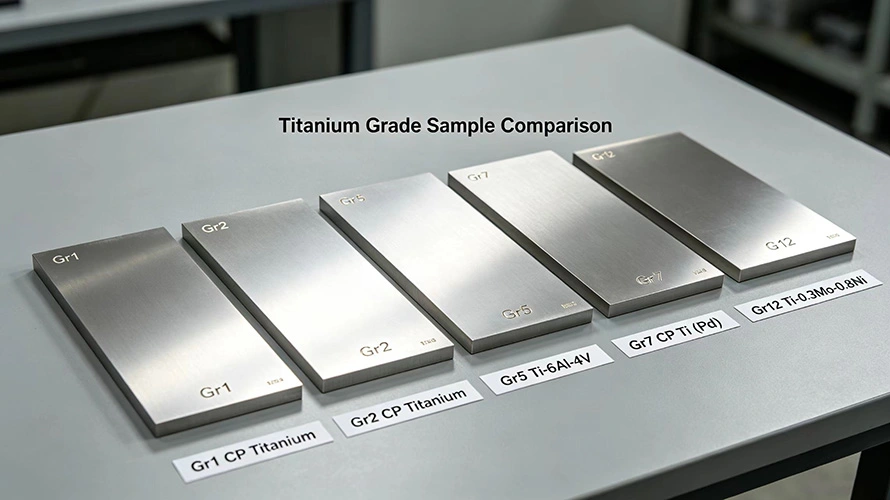
The majority of applications involving saltwater and mild chloride need commercially pure (CP) titanium sheets of grades 1 and 2, since this is the standard. Due to the fact that bellows, corrugated panels, and thin-walled ducting need the highest level of ductility and workability, grade 1 titanium sheets are the most suitable option. Grade 2 titanium sheets provide excellent formability, structural capabilities, and resistance to corrosion. These sheets are considerably more robust than grade 1 titanium sheets, having a yield strength of 275 MPa. Tests have been conducted on both grades in chlorinated seawater, coastal industrial atmospheres, and mild hydrochloric acid. These are all environments in which the corrosion rates are so low that gravimetric methods are unable to quantify them. The company Jucheng Titanium provides CP titanium sheets that are available in thicknesses ranging from 0.3 to 100 mm. The common sizes of these sheets are 1000 × 2000 mm and 1220 × 2440 mm, which allow for a wide range of applications in the chemical and maritime industries.
High-Strength Titanium Sheets: Gr5 (Ti-6Al-4V)
Grade 5 (Ti-6Al-4V) titanium sheets have yield strengths that are more than 830 MPa and chloride resistance that is comparable to that of pure titanium. These sheets are used in the construction of submarine hull sections, frames for deep-sea research vehicles, and housings for high-pressure chemical reactors. Although Gr5 is made up of elements that are alloyed with vanadium and aluminium, it has been subjected to thorough corrosion testing in warm seawater and chloride solutions, and the results have shown that it has excellent pitting and crevice resistance in real service conditions. Titanium sheets of grade 5 are often selected by engineers due to their low weight and high mechanical strength. Whether you need assistance selecting Gr2 for ordinary marine exposure or Gr5 for extreme structural loads, the technical professionals at Jucheng Titanium are here to provide.
Surface Finish, Thickness, and Dimensional Considerations
It is essential to choose the appropriate surface finish for titanium sheets when they are in settings that are high in chloride. Smooth and polished surfaces prevent fissures that may be used by chloride solutions to build up and destabilise the passive layer. This is particularly important in saltwater heat exchangers and pipelines that are stationary or have low flow rates. In applications that are not as demanding, mill-finish and pickled sheets are more cost-effective than sandblasted or meticulously treated surfaces, which may be appropriate for bonding or coatings. Sheet thicknesses that are often used range from very thin foils for accurate fabrication to plates measuring 100 millimetres for the construction of structural hulls and vessels. Obtaining titanium sheet often requires meeting stringent project deadlines; thus, it is essential to choose a reliable provider that has a large quantity of inventory. As a result of Jucheng Titanium's year-round supply of 3,000 tonnes of titanium, the company is able to facilitate the expedited delivery of standard and custom-sized titanium sheets without the need for lengthy lead times, which often cause projects in the chemical and marine industries to fail.
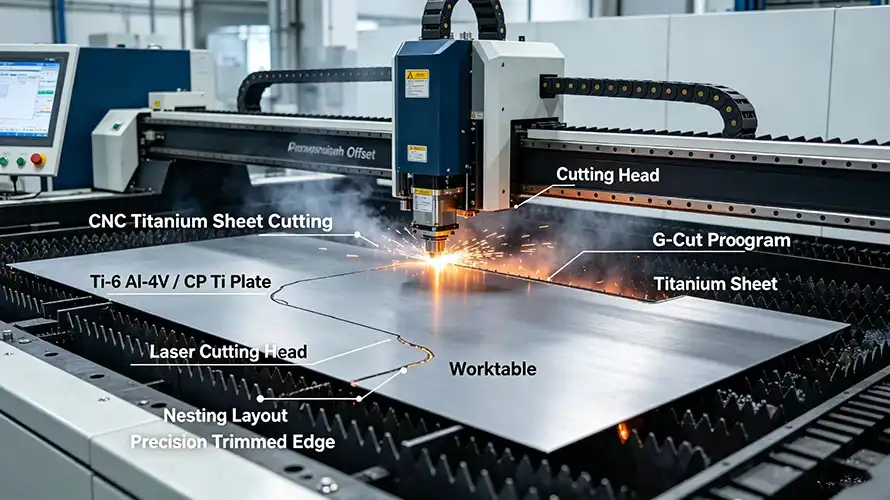
For marine and chemical projects exposed to seawater and chloride-rich conditions, selecting the right titanium grade and sheet dimensions is essential. Jucheng Titanium offers titanium sheets for demanding industrial applications, with inventory and customized processing options. Email s4@juchengti.com to discuss your project requirements and request technical support and a quotation.
Real-World Applications of Titanium Sheets in Marine and Chemical Sectors
Shipbuilding and Offshore Engineering Structures
Titanium sheets are being used by naval architects and offshore platform designers for the purpose of building hull plating, bulkheads, pipelines, and deck gear in vessels that are used for research, research vessels, and floating production systems. Titanium structures have been employed in submarine designs by the United States Navy. These structures have been able to withstand decades of full-depth saltwater immersion without deteriorating, which is sufficient evidence of the outstanding endurance of titanium sheets in severe marine environments. For offshore oil and gas sites, the use of chlorinated cooling water systems, salt spray, and splash-zone wet/dry cycling are all equally severe. In situations where coated carbon steels need frequent recoating and duplex stainless steels run the danger of stress corrosion cracking, titanium sheets are being utilised for splash-zone cladding and seawater lift piping. Titanium sheets ensure that inspection intervals are reduced, maintenance cycles are extended, and total cost of ownership is reduced throughout the course of a platform's design life, which may range from thirty to fifty years.
Desalination Plants and Chemical Processing Facilities
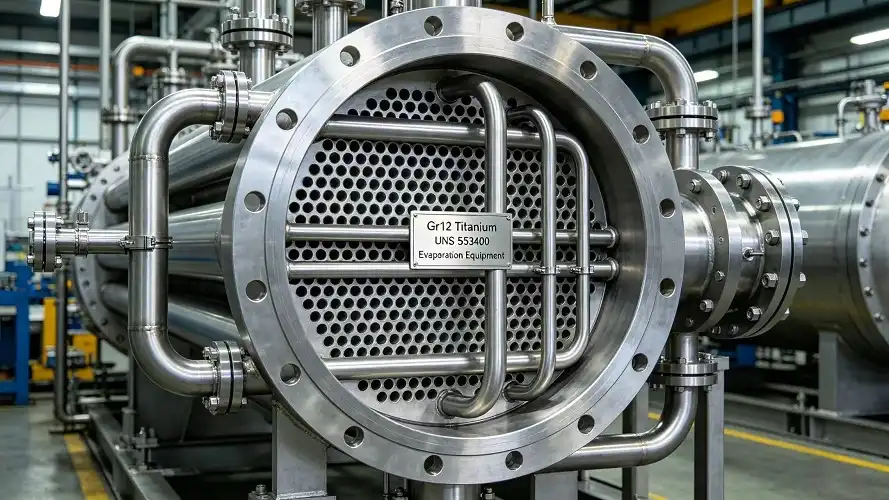
Heat exchanger plates, tube sheets, and structural internals that come into contact with hot brine at high temperatures are all examples of applications for titanium sheets in the desalination sector. These applications include multi-stage flash (MSF) and reverse osmosis (RO) pre-heater systems employed all over the globe. The chloride-induced stress corrosion cracking that occurs under these conditions renders 316L and duplex stainless steels unreliable, but titanium sheets have a lifespan of over thirty years with very little wall loss associated with them. Titanium sheets are used in the chlor-alkali sector for the purpose of lining reactors, brine evaporators, and cell components. This is because exposure to chlorine gas, hypochlorous acid, and strong hydrochloric acid would cause damage to the majority of metals. As a result of Jucheng Titanium's provision of titanium sheets and equipment to prominent petrochemical and desalination operators, including titanium-based composite tubes that were commissioned at Luoyang Petrochemical, we have established a reputation as a reliable partner in applications that include corrosive environments.
Heat Exchangers, Condensers, and Process Equipment
Condenser tube sheets, plate heat exchanger packages, reactor internals, and air cooler cores are all examples of applications for titanium sheets that are used in power plants, refineries, and food processing facilities. Jucheng Titanium is responsible for the delivery of around 500 pieces of titanium equipment on an annual basis. These items include the largest titanium spiral plate heat exchanger in China, which is for the WUGANG Group, as well as all-titanium air coolers that are recognised in North America. With over 1,500 tonnes of titanium anode plates produced annually—more than 70 percent of the market share in hydrometallurgy—and equipment installed in marine, chemical, aerospace, and biomedical fields, our titanium sheets and products derived from them have established the standard for dependability in chloride environments that are particularly harsh. The table that follows illustrates the performance benefits that titanium sheets provide in marine and chemical applications of various kinds.
| Application | Recommended Grade | Key Performance Advantage |
|---|---|---|
| Submarine hull structures | Gr5 (Ti-6Al-4V) | High strength combined with seawater immunity |
| Desalination heat exchangers | Gr2 | Decades of service in hot concentrated brine |
| Chlor-alkali cell components | Gr1 | Complete resistance to chlorine and hypochlorite attack |
| Splash-zone cladding | Gr2 / Gr5 | Crevice and erosion-corrosion resistance |
| Titanium-lined reactors | Gr2 | Broad chemical compatibility and long life |
As this overview illustrates, titanium sheets are versatile enough to meet virtually every corrosion challenge found in marine and chemical processing, and their proven track record continues to drive wider adoption across industries.
How Jucheng Titanium Ensures Premium Titanium Sheets Performance
Advanced Manufacturing and Rigorous Quality Assurance
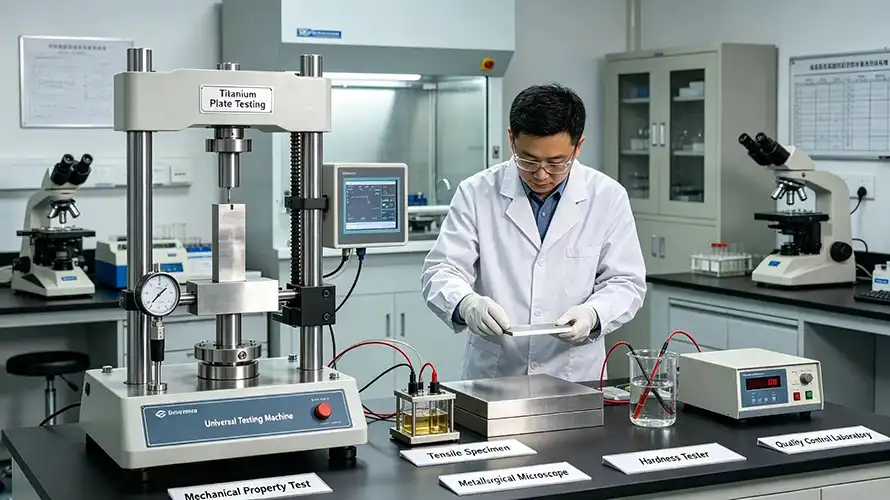
In 2004, Jucheng Titanium was established in Baoji, which is located in Shaanxi Province, which is the center of the titanium industry. The company has more than twenty years of experience in the manufacture, processing, and distribution of titanium materials. The firm entered the National Equities Exchange and Quotations in 2017 with a registered capital of fifty million RMB, making it the first private titanium enterprise in the province of Shaanxi to participate in the listing process. It is also a National High-Tech firm and a new "little giant" firm that operates on a national level and specialises in a particular field. Four invention patents and forty-one utility model patents are held by Jucheng Titanium, which has specialist research and development teams as well as quality inspection teams to oversee every stage of the production process. Titanium sheets manufactured by our company fulfil or exceed the criteria set out by ASTM, AMS, and GB for traceability and client confidence. These requirements include verification of the raw materials, analysis of the chemical composition, dimensional inspection, and mechanical testing.
Customization, Large Inventory, and Rapid Delivery
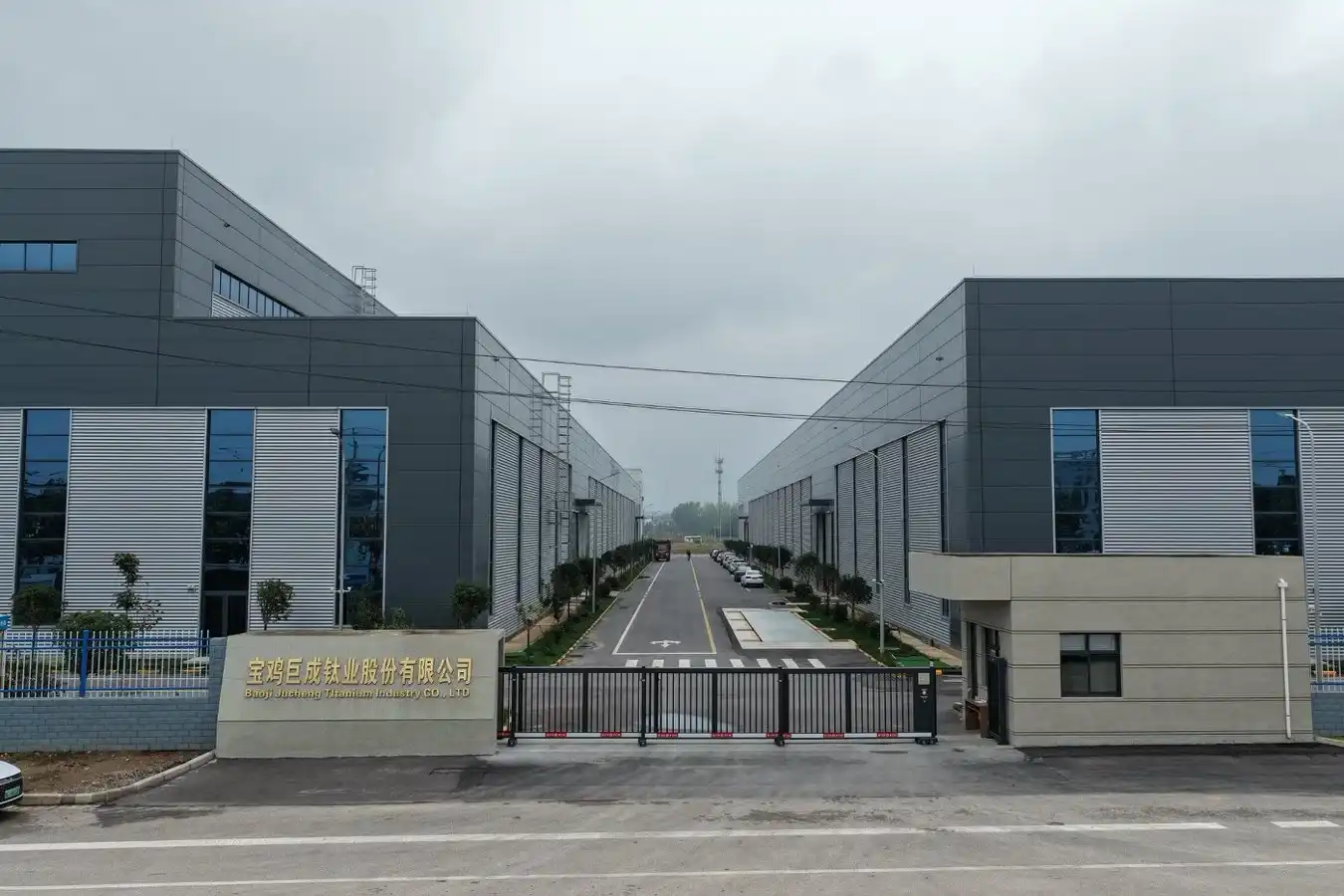
The production facility of Jucheng Titanium, which spans 120,000 square meters, is equipped with 3,000 tonnes of titanium inventory, which enables the company to quickly fulfill catalogue requests and provide custom fabrication to cater to client designs. Whether you want heavy-gauge titanium plates for a submarine structural assembly or precision-cut titanium sheets for a desalination plate pack, our individualised production and processing services are able to satisfy your requirements. With sales revenue that has increased by more than thirty percent annually for the last three years and a comprehensive after-sales service management team, Jucheng Titanium ensures that our clients may purchase with confidence and use our products with complete peace of mind. The fact that we have such close relationships with Jiangxi Copper Group and the Northwest Institute for Nonferrous Metal Research is evidence of our commitment to quality and growth.
Research Partnerships Driving Continuous Innovation
Tsinghua University, Northwest University, and the Northwest Institute for Nonferrous Metal Research are the three universities with which Jucheng Titanium has formed relationships for "production, learning, and research" in order to maintain its position as a leader in titanium technology. These agreements encourage alloy development, corrosion testing, and manufacturing, which is beneficial to customers that use titanium sheets for applications that need the highest level of toughness, such as those involving saltwater and chloride. By investing in research and development and working with academic institutions, Jucheng Titanium ensures that our titanium sheets are able to adapt to the requirements of the industrial sector and continue to perform dependably for many years.
Conclusion
In situations including chloride and saltwater, titanium sheets provide corrosion resistance and lifespan that are unparalleled. Jucheng Titanium, which has been in business for more than twenty years and has world-class production facilities in China's Titanium Valley, guarantees that every sheet of titanium is of the finest quality; begin working with us right now for your next project.
Frequently Asked Questions
1. What makes titanium sheets superior to stainless steel in seawater?
A1: Titanium sheets form a self-healing TiO₂ passive film that prevents pitting and crevice corrosion, even in warm chloride-rich seawater where stainless steel can fail.
2. Which titanium grade is best suited for chloride environments?
A2: Grade 1 and Grade 2 titanium sheets cover most applications; Grade 5 (Ti-6Al-4V) is recommended when high structural strength is also required.
3. How long do titanium sheets last in marine service?
A3: Titanium sheets typically exceed 50 years of service life in seawater with corrosion rates approaching zero.
4. Can Jucheng Titanium provide customized titanium sheet sizes?
A4: Yes. Jucheng Titanium offers custom cutting and fabrication to your exact drawings, supported by roughly 3,000 tons of inventory for rapid delivery.
Ready to Specify Titanium Sheets for Your Project?
Get in touch with Jucheng Titanium at s4@juchengti.com today for expert technical guidance, competitive pricing, and fast delivery of high-quality titanium sheets. Let our 20+ years of titanium expertise support your next seawater or chloride application—reach out now!
References
1. Lütjering, G., & Williams, J.C. (2007). Titanium (2nd ed.). Springer.
2. Leyens, C., & Peters, M. (2003). Titanium and Titanium Alloys: Fundamentals and Applications. Wiley-VCH.
3. Schutz, R.W., & Thomas, D.E. (1987). Corrosion of titanium and titanium alloys. In ASM Handbook, Volume 13: Corrosion (pp. 669–706). ASM International.
4. Revie, R.W., & Uhlig, H.H. (2008). Corrosion and Corrosion Control: An Introduction to Corrosion Science and Engineering (4th ed.). Wiley.
5. ASM International. (2000). ASM Handbook Volume 2: Properties and Selection: Nonferrous Alloys and Special-Purpose Materials. ASM International.
6. Donohue, F.L. (2000). Titanium: Industrial Base, Price Trends, and Technology Initiatives. Congressional Budget Office.