
Where to buy pure titanium rods?
Finding excellent titanium rods for precise, acceptable, and dependable projects might be difficult. Find a reliable vendor who understands what you need when purchasing pharmaceuticals, medical gadgets, or aeroplane parts. The proper partner provides supplies, tracks them, charges reasonable pricing, and responds swiftly. Here are the most crucial things to know to evaluate suppliers, grasp material standards, and ensure your purchases help your organisation succeed.
Understanding Pure Titanium Rods and Their Industrial Applications
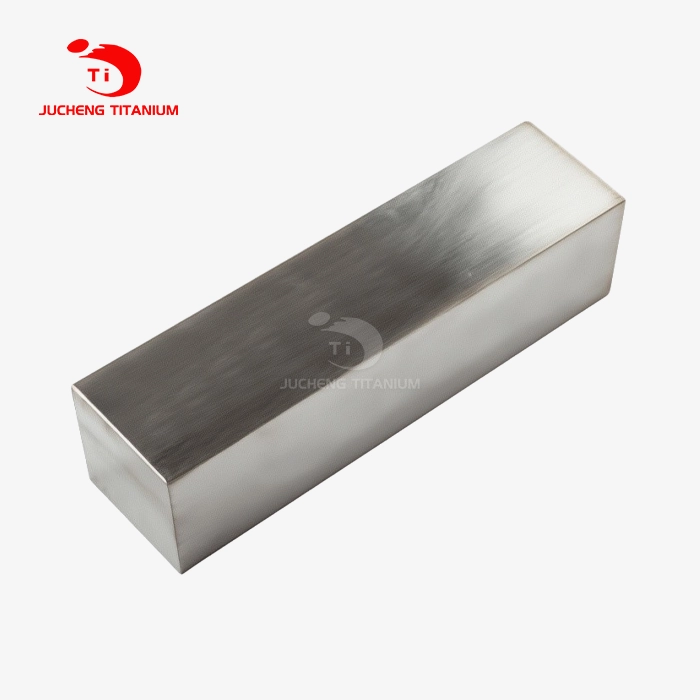
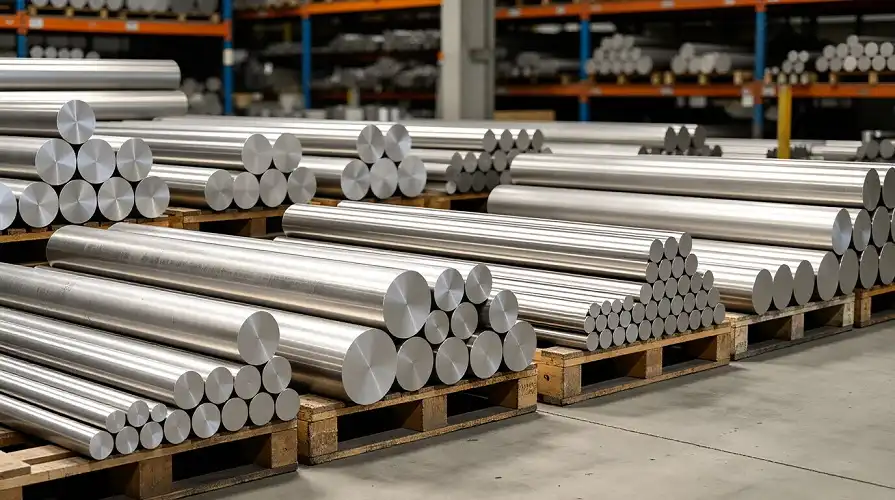
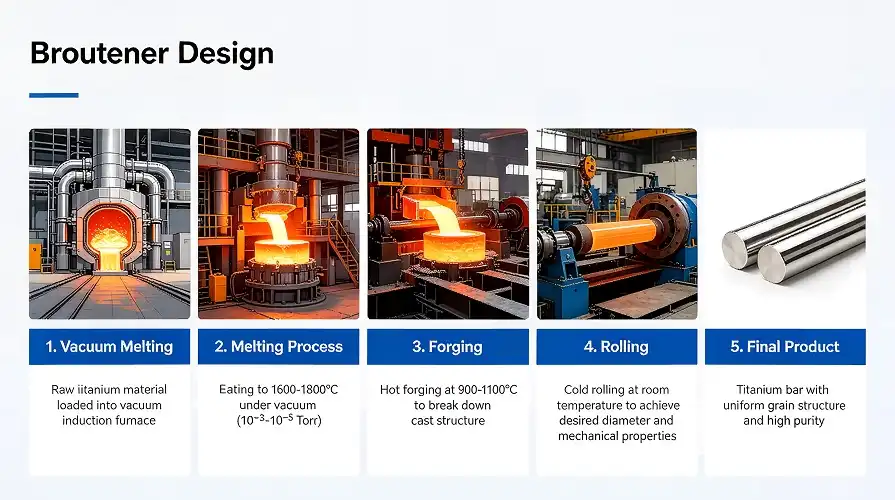
Cylindrical pure titanium rods are solid. Forging, accurate rolling, and vacuum arc remelting make them. These light, robust materials don't react negatively with chemicals and get along with living things. They can't be replaced in harsh production environments where other metals would shatter due to their properties.
Common Grades and Their Characteristics
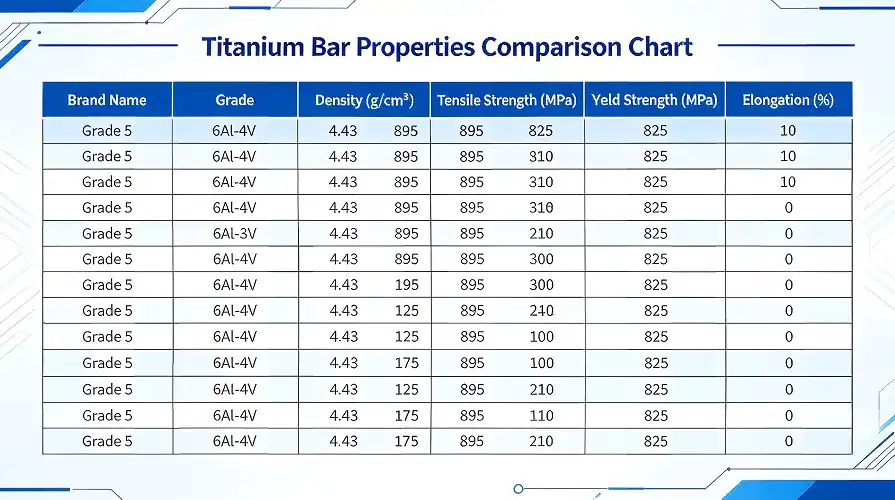
Different titanium rods perform differently. Grade 1 is ideal for chemical handling since it doesn't rust or fail. Grade 2 is usually utilised in industry because it offers the finest strength-to-rust protection ratio. Grad 4 is stronger for constructing, but Grade 5 (Ti-6Al-4V), a combination of aluminium and vanadium, is better for aeroplanes and high-stress usage. Grade 23 (Ti-6Al-4V ELI) has extra-low interstitials for biocompatibility, thus MedTech businesses prefer it.
If they understand these variances, buying managers can match supplies to project demands. Due to its greater tensile strength, aeroplane landing gear parts require Grade 5, whereas chemical labs need Grade 2 for acid protection.
Key Industries Relying on Titanium Rods
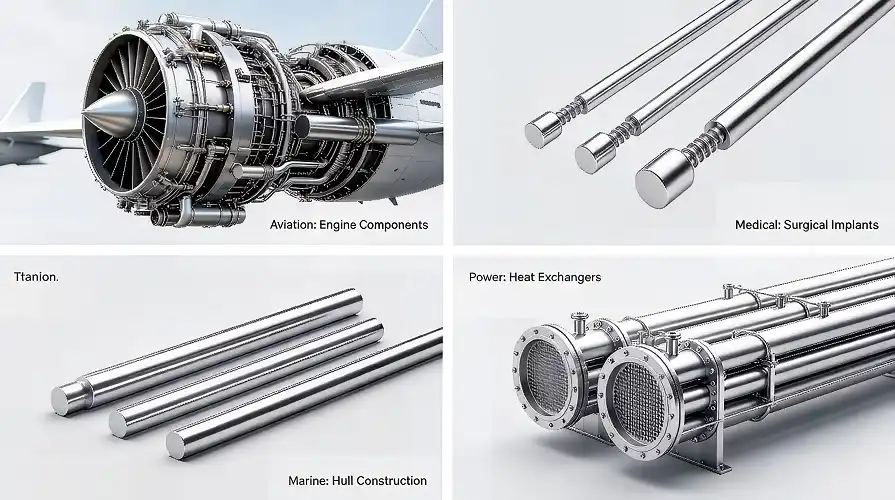
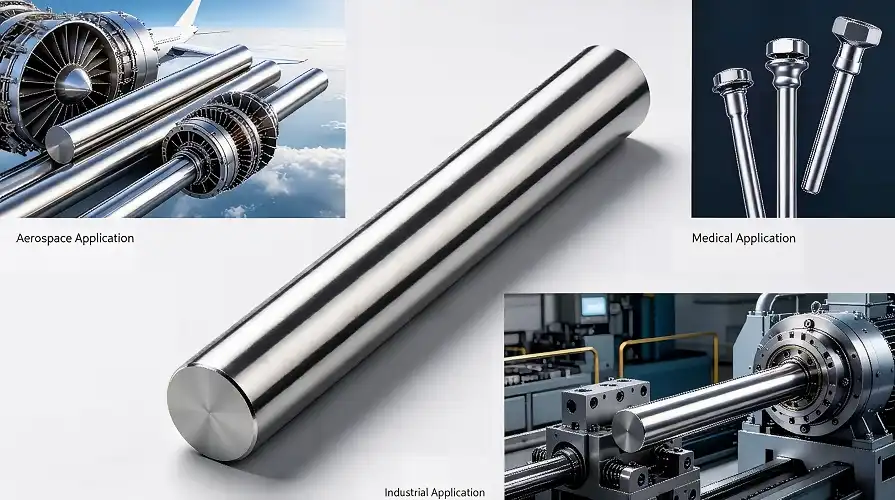
Titanium rods are used for structural bolts, engine parts, and landing gear parts in aerospace, where weight reductions improve fuel economy. Heat and mechanical stress don't break down the substance. Titanium rods prevent pumps, valves, and reactors from rusting when acids and chlorides attack. Because titanium rods blend well with bone and tissue, medical device manufacturers utilise them to build orthopaedic implants, surgical equipment, and dental pieces. Because it doesn't interact with seawater, naval engineers use it for heat transfer tubes, ship fittings, and propeller shafts. Power plants use titanium rods in cooling lines and condenser systems, where rust would need more frequent maintenance.
Performance data shows titanium lasts longer than stainless steel in months. Aerospace-grade strength is achieved at half the weight of steel parts of the same size.
Core Criteria to Consider When Choosing Titanium Rod Suppliers
You must consider several factors to select a reliable titanium rod supplier. These factors impact material quality, delivery time, and relationship value. If you choose too soon or primarily on pricing, you risk poor quality, project delays, and expensive repairs.
Certifications and Quality Assurance
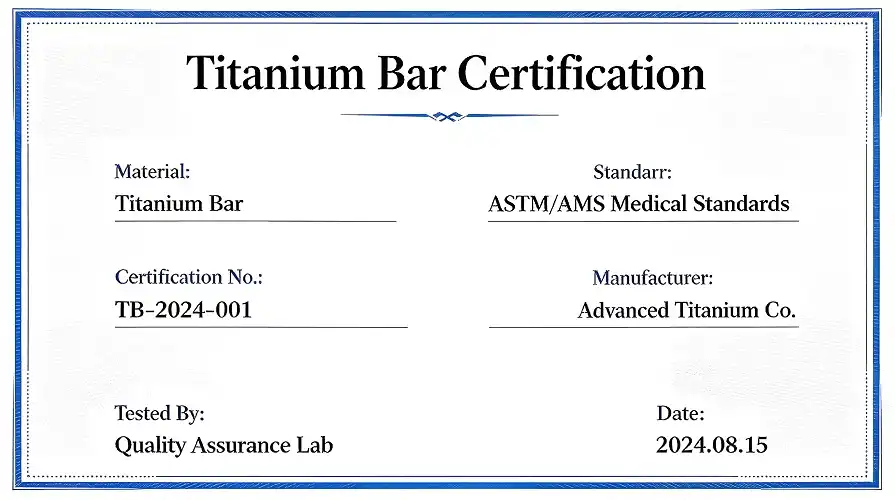
A provider with ISO 9001 quality control clearance is always reliable. Aircraft suppliers must be AS9100-approved. This demonstrates that they have tight process and product tracking controls. Medical titanium must be ISO 13485-approved and FDA-compliant. Material test reports are required for all packages. These records should include chemical, mechanical characteristics, and heat treatment histories. These records allow tracking from raw material to finished product. This is crucial for regulated enterprises.
Suppliers outside the US must meet ISO 5832-3, ASTM B348, ASME SB348, and AMS 4928. These guidelines specify size, form, strength, surface polish, and acceptance criteria. Checking whether a supplier meets these criteria ensures you won't acquire low-quality materials that might hurt your product or have it rejected by authorities.
Product Range and Customisation Capabilities
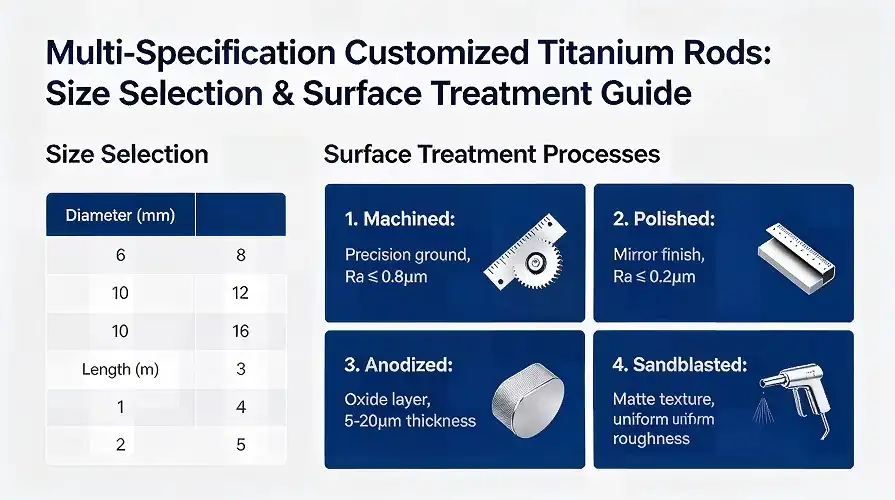
This comprehensive source offers titanium grades and metal formulations for numerous uses. Since market purity grades and aircraft metals exist, manufacturing may be adaptable. It's crucial to have size options. You may pick the correct size for your design—diameters from 6mm to 450mm and lengths up to 6000mm or 12000mm for custom orders—without settling for less or buying too much.
Making things to order is valuable. You don't need many suppliers for unique dimensionalisation, surface treatments, and precise cutting. You should have choices for sanding, pickling, centerless grinding, polished skins, and turned ends. These services reduce wait times and improve supply lines.
Pricing Structure and Total Cost Considerations
Titanium prices vary by quality, quantity, workability, and market. Pure grades like Ti-6Al-4V cost less than alloyed ones. Sales volume may earn you discounts, but small groups may not qualify for the minimum order. To obtain a solid understanding of how much anything costs, gather prices that include the main item, processing or certification fees, and delivery.
Their items may be poor, there may not be adequate quality inspections, or they may not deliver on time. The true cost includes the possibility of project delays, missed checks, and more effort due to subpar suppliers. Signing a long-term arrangement with a reliable source might earn you better discounts than buying products individually. The quality will also be consistent.
Logistics and Delivery Performance
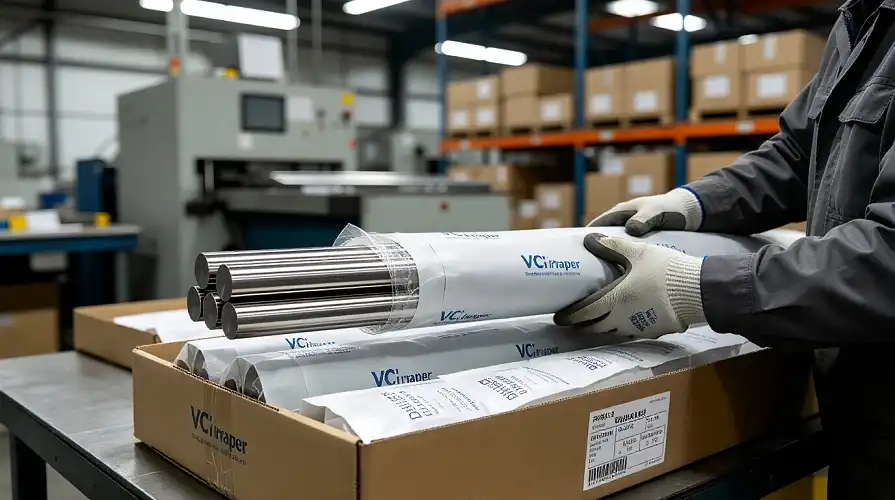
Four to eight weeks are typical for ordinary titanium rods. Some rods take 12 weeks or more to produce. Stockpile vendors can deliver swiftly when you need anything. How effectively the materials were packed affects their appearance. Good crating, moisture barriers, and secure packaging keep surfaces clean and safe throughout shipping.
An overseas vendor should have customs documentation, know how to acquire items, and have shipping relationships to demonstrate exporting. Tracking products and communicating with shipping providers throughout delivery might help you meet production schedules.
Where to Buy Pure Titanium Rods – Evaluating Global Suppliers and Marketplaces
Where to acquire pure titanium rods? We searched global marketplaces and suppliers. Mills, distributors, and internet retailers make up the worldwide titanium supply chain. Each path offers perks and downsides based on sales, technology, and service standards.
Direct Engagement with Manufacturers
You may receive better rates on big purchases, make adjustments, and get professional advice right away when you buy directly from producers. Big, well-known companies like Baoji Jucheng Titanium Industry store plenty of materials, the latest working equipment, and international-standard quality control procedures. These firms usually have higher minimum order quantities, but they can help with technical concerns and certify items better than retailers.
Look at their craftsmanship, technical knowledge, and customer reviews when picking producers. A twenty-year titanium producer has real-world expertise that helps them avoid design and material blunders. They can create titanium heat exchangers, reactors, and other metal compositions, making them better than bar makers.
B2B Marketplaces and Trading Platforms
Business-to-business (B2B) websites help buyers compare prices and browse several vendors. Small sales and trying out new suppliers are OK on these platforms, but you should thoroughly vet your merchants. Products may lack information, and you must ensure quality. Learn to resolve conflicts before making a contract. Every site has its own regulations.
Consider the hazards and ease of getting online. Pictures and descriptions may not match reality. Communication challenges, multiple time zones, and insufficient technical assistance may make tough tasks harder. These methods work well for regular demands and long-standing partnerships. Big tasks that need collaboration don't suit them.
Regional Distribution Networks
Regional wholesalers carry popular sizes to meet demands quickly. They supply mills less than they require and connect end consumers with mills. Distributors are valuable because they are nearby, fast, and have distribution networks. They charge more than creators and may not be as helpful as production specialists.
They are ideal for rapid restocking, buying several brands, or dealing in local currency to make importing simpler. When you have dependable distributors, you may purchase from several firms. Direct producer relationships help with this.
The Buying Process – Step-by-Step Guide for B2B Procurement of Titanium Rods
Here are the steps you need to take as a business to buy titanium rods. To buy things correctly, you need to plan how you'll rate them, be clear with your communication, and check everything over very carefully. There are fewer risks when you use a planned method, and the information you get will meet all of your needs.
Defining Technical Requirements
First, write down all the specifics, such as the type of titanium, its length and width, how much you need, when you need it, and any standards that apply, such as ASTM B348 or AMS 4928 specs. To finish the surface, you need to decide whether it should be cleaned, turned, ground, or pickled. Find out what credentials are needed, like compliance certificates, material test records, and measurement inspection reports for use in hospitals or aeroplanes.
Get engineering teams involved early on to make sure that the materials chosen are compatible with the design goals and the ways they will be made. Not being clear about the requirements can lead to misunderstanding, the use of the wrong materials, and delays in the work. It is easier to understand how to judge seller offers when you write down your needs in detail.
Researching and Qualifying Suppliers
To learn more about providers, use trade groups, professional networks, and industry directories. Ask the company for a biography that lists their production skills, titles, a list of clients they've worked with, and how long they've been in business. Instead of believing what the ads say at face value, check the certifications they say they have with the groups that gave them out.
Talk to people who have already used the service to find out how reliable it is, how well they interact, how they handle problems, and how well they produce. By going to production sites, you can learn a lot about how quality control is done, what tools can do, and how well the company runs. It is common to buy things from far away these days, but meeting with key sellers in person builds trust and relationships.
Requesting Quotations and Sample Testing
Make thorough request-for-quotation papers that list all the technology you need, when you want it delivered, how you'd like to be paid, and how you'll judge the quality of the work. You can compare providers more effectively if you send RFQs to several qualified ones. As you ask questions, rate the replies based on the total cost, the time it takes to get an answer, how well they meet your technical needs, and how quickly they react.
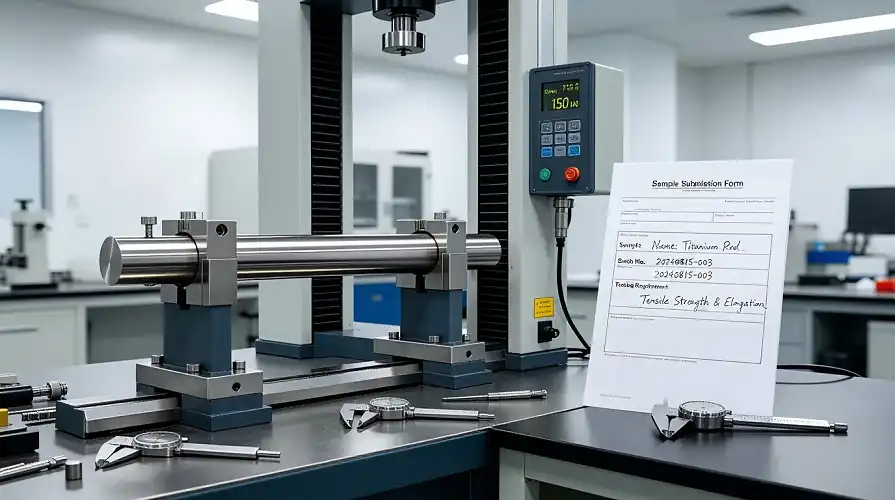
Ask for samples of the material before you place a large order. This is especially important if you are working with a new provider. Testing samples makes sure that the measures are correct and that the samples have the right chemical makeup, mechanical properties, and surface quality. An impartial third party tests what the seller says to make sure it's true. It doesn't cost much to get samples and check them, which keeps mistakes from happening that would cost a lot in full sales.
Negotiation and Contract Management
Talk about prices, ways to pay, arriving times, and rules for making sure the work is done well. Make it clearer what the promise covers, what the standards are for acceptance, and how to handle material that doesn't meet those standards. Make sure that everyone knows what to expect by writing down all of your deals. This will protect both of you.
Set rules for what information is needed to approve the material, how it should be packed, how it should be shipped, and who is responsible for insurance. Describe the steps that are taken for review and acceptance. For example, say whether the materials are checked at the supplier's place of business, when they are shipped, or while they are being made. When there are clear contracts, arguments don't happen as often, and problems are easier to fix when they do.
Conclusion
When looking for good titanium rods, it's important to think about the scientific needs, the skills of the seller, the real prices, and how the rods will be delivered. Working with skilled makers who offer consistent quality, clear contact, and all-around service is the best way to get things bought. You can get commercially pure Grade 2 Ti-6Al-4V or aerospace-grade Ti-6Al-4V by taking the time to review sources and build relationships. This will pay off in the form of a steady supply, low prices, and the ability to work together technically. Titanium is sold all over the world, but it's important to find the right seller so that you can keep working with them even as your needs change and your projects get bigger.
FAQ
1. How Can I Verify the Quality of Titanium Rods Before Purchasing?
Before I buy titanium rods, how can I tell if they are good? Request that the material's test results be signed off on by reputable labs, and make a list of what chemicals are in it and how it works. There should be individual heat or lot numbers in these reports that can be related to your order. Have a third-party test some models to make sure they meet the ASTM B348, AMS 4928, or ISO 5832-3 standards that your product needs to meet. If you ask for licenses and samples, a reliable provider will gladly give them to you. But if they pause, it could mean that there are problems with the quality.
2. What Are Typical Lead Times for Bulk Titanium Rod Orders?
In general, how long does it take to get big orders? Normal sizes and grades are sent out four to eight weeks after ordering from a reliable source with stock on hand. It could take eight to twelve weeks to process custom orders with weird sizes, special metals, or special surface treatments. They can speed up big sales and sometimes send them in two to three weeks if they keep a lot of stock on hand. It's important to know when things need to be done and to allow extra time in case something goes wrong.
3. Are Custom Titanium Rods More Expensive Than Standard Sizes?
Custom titanium rods cost more than rods that come in normal sizes, right? Custom sizes, surface treatments, and widths that aren't standard cause more work and steps to be taken, so the price per unit goes up. But getting exactly what your plan calls for cuts down on loss from stock that is too big and extra work that needs to be done on it. The price difference is based on how big and complicated the order is. Custom orders that are small are priced more like special orders, and custom orders that are large are priced more like regular orders. Talk about the costs of customisation when getting a rate to get an idea of the total value.
Partner with Jucheng Titanium for Reliable Titanium Rod Supply

Businesses from all over the world have been buying titanium rods from Baoji Jucheng Titanium Industry for more than twenty years. Their rods meet the toughest standards. We keep about 3,000 tons of different kinds of stock in our warehouse, so we can quickly fill both normal orders and urgent ones. We make titanium goods that meet the standards set by ASTM B348, ASME SB348, AMS 4928, and ISO 5832-3. We also provide full material approvals and tracking data.
It's possible for us to vacuum melt, hot roll, cast, and do exact surface processes like grinding, sanding, pickling, and sandblasting. You can ask our professional team to help you pick the best materials and specs, whether you need Grade 2 bars for chemical processing equipment or Ti-6Al-4V for structural parts. Companies in North America and other parts of the world that make medical gadgets, flight tools, and industrial fabrics are welcome to work with us.
Send our titanium rod supply team an email at s4@juchengti.com to talk about your project's needs, get prices, or set up samples of the material. Quality, low prices, and reliable service are what we do every step of the way, from the first request to the final delivery.
References
1. American Society for Testing and Materials. (2020). "Standard Specification for Titanium and Titanium Alloy Bars and Billets." ASTM B348-20.
2. Boyer, R., Welsch, G., & Collings, E.W. (1994). "Materials Properties Handbook: Titanium Alloys." ASM International, Materials Park, Ohio.
3. Donachie, M.J. (2000). "Titanium: A Technical Guide, 2nd Edition." ASM International, Materials Park, Ohio.
4. Lutjering, G. & Williams, J.C. (2007). "Titanium: Engineering Materials and Processes, 2nd Edition." Springer-Verlag, Berlin.
5. Peters, M., Kumpfert, J., Ward, C.H., & Leyens, C. (2003). "Titanium Alloys for Aerospace Applications." Advanced Engineering Materials, Volume 5, Issue 6.
6. Veiga, C., Davim, J.P., & Loureiro, A.J.R. (2012). "Properties and Applications of Titanium Alloys: A Brief Review." Reviews on Advanced Materials Science, Volume 32.