



Why Is 6Al4V Titanium Plate Used in High-Load Industrial Components?
Engineers must choose materials for harsh operating environments like aeroplane fuselages undergoing thermal cycling or offshore platforms surviving saltwater corrosion. Grade 5 titanium alloy, 6Al4V Titanium Plate, dominates these high-stakes conditions because of its unrivalled strength, lightweight, and durability. This alloy has tensile strength above 895 MPa and 60% the density of steel due to its 90% titanium, 6% aluminium, and 4% vanadium composition. This balance is essential for structural components exposed to cyclical loads, high temperatures, and strong chemicals when failure is not an option.


Understanding 6Al4V Titanium Plate: Properties and Advantages
What Makes 6Al4V Alloy Unique?
The alpha-beta microstructure of this 6Al4V Titanium Plate is distinct from commercially pure titanium grades due to its titanium, aluminium, and vanadium combination. Stabilising the alpha phase makes aluminium stronger and less dense. Vanadium stabilises the beta phase, making the metal flexible and heat-treatable. Manufacturers may anneal, solution treat, and age this two-phase structure to adjust its dynamic properties. The finished material has a yield strength of 828–924 MPa and an ultimate tensile strength of 1000 MPa, depending on heat treatment.

Baoji Jucheng Titanium Industry accurately rolls, heat-treats, levels, and pickles hot plates in acid to satisfy ASTM B265 and AMS 4911 requirements. 6Al4V Titanium Plates are available in 4mm to 80mm thickness, 2500mm width, and 10,000mm length. They may all be polished or machined after annealing. This stringent production ensures microstructural integrity for aerospace and defence applications.
Corrosion Resistance That Outperforms Competitors
When exposed to oxygen, the 6Al4V Titanium Plate forms a stable, self-healing titanium dioxide layer. It's resistant to chlorine, saltwater, and industrial acids. In chemical reactors and subsea risers exposed to sour gas containing hydrogen sulphide, this 6Al4V Titanium Plate resists rusting. Our studies demonstrate that the material resists crevice corrosion even after long-term submersion in 3.5% sodium chloride solutions at high temperatures.

Petroleum equipment manufacturers can maintain their units longer due to corrosion resistance. Our Grade 5 6Al4V Titanium Plate heat exchangers may endure 15–20 years in acidic process streams, whereas high-alloy stainless steel ones last just 5–7 years. Total cost of ownership drops significantly when downtime and replacement part expenses are included.
Strength-to-Weight Ratio Advantages
Compared to steel, the 6Al4V Titanium Plate has a density of 4.43 g/cm³, allowing engineers to reduce weight by almost 40% without compromising strength. This is life-changing in aircraft since every kilogram saved increases fuel efficiency throughout a structure's lifetime. Instead of 85 kilograms of steel, our 6Al4V Titanium Plate bulkhead may replace it with 50 kg. This immediately boosts aircraft range and payload.

The material has a specific strength of 200 kN·m/kg, far greater than that of high-strength steels or aluminium alloys. This explains why landing gear supports, wing connection fittings, and turbine engine mounts are increasingly using 6Al4V Titanium Plate, despite its higher initial cost.
Core Industrial Applications of 6Al4V Titanium Plate
Aerospace Structural Components
Fuselage frames, wing ribs, and firewall sections are made from 6Al4V Titanium Plate. The material retains its mechanical qualities at 400°C, which is critical for sections near engine exhausts or heated by airflow during high-speed flight. Acoustic testing according to AMS 2631 regulations is performed on our AMS 4911-approved 6Al4V Titanium Plates to discover any holes below the surface that might become fatigue fractures when stressed repeatedly.

Defence contractors purchase our goods to create bullet-resistant, radar-clear military aircraft parts. Since it's not magnetic, it won't damage electronics, and its high fatigue strength ensures it will last thousands of flying hours and ship deck landings.
Biomedical Implant Manufacturing
The medical device industry employs Grade 23 Extra Low Interstitial (ELI) 6Al4V Titanium Plate with a precisely regulated oxygen level below 0.13% to create face and skull reconstructive implants and plates. The modulus of elasticity of this material at 113 GPa is similar to that of human cortical bone. Its stress-buffering effects are reduced, which might induce bone breakdown surrounding implants. Cut and polished, our 6Al4V Titanium Plates undergo a thorough surface finishing procedure to achieve roughness below 0.8 micrometres. This prevents bacterial attachment and helps bone connect.

It is biocompatible and hard enough to keep cutting tips sharp after repeated cleaning cycles; thus, surgical tool manufacturers appreciate it. Hip replacement stems, spine fusion cages, and dental implant abutments produced from Grade 23 material achieved over 95% success rates in 15-year clinical follow-up examinations.
Chemical Processing Equipment
Chemical facilities that employ chlor-alkali, fertiliser factories, and pharmaceutical reactors require oxidising and reducing acid-resistant materials. Our 6Al4V Titanium Plates function well in reactor tanks, distillation columns, and pipeline systems with up to 10% hydrochloric acid at room temperature. In chloride-containing process streams, austenitic stainless steels raise catastrophic failure concerns, although this material doesn't break under stress.

A large petrochemical complex used our 6Al4V Titanium Plate Grade 5 heat exchanger tubes instead of nickel-alloy ones. The next three years will see 60% fewer unscheduled maintenance events. Better thermal conductivity and corrosion resistance extended equipment life and boosted heat transfer efficiency by 12%, lowering process costs.
Energy Sector High-Temperature Components
Gas turbine compressor blades and stator vanes employ 6Al4V Titanium Plate to withstand mechanical forces and temperature variations. At temperatures close to 400°C, the metal doesn't creep, keeping dimensions consistent and blade-tip gaps short for turbine efficiency. Our 6Al4V Titanium Plates have the best lamellar microstructure after solution treatment and ageing, making them more wear-resistant.

Our rust-resistant 6Al4V Titanium Plates are utilised for riser clamps, underwater pipelines, and wellhead equipment on offshore oil platforms in water deeper than 3,000 meters. The material is robust at -196°C, making it suitable for liquefied natural gas pipe systems where steel would become brittle and shatter easily.
Comparing 6Al4V Titanium Plate with Alternatives: A Decision-Making Guide
Performance Against Stainless Steel
Buying managers compare 316L stainless steel to Grade 5 6Al4V Titanium Plate for chemical processing. Stainless steel is cheaper (30–40% less per kilogram on average), but the 6Al4V Titanium Plate resists chloride rust four times better. Despite costing more upfront, titanium offers a 22% lower total cost of ownership over 20 years. It lasts longer and doesn't require coating.
The weight advantage is crucial in mobile equipment and aircraft construction, where every kilogram influences fuel usage or payload. Our 6Al4V Titanium Plate pressure vessel with an 8mm wall thickness is as strong as a 14mm stainless steel vessel. Its 48% less weight allows it to be used on restricted platforms.
Grade 5 Versus Grade 23 ELI Considerations
Industrial applications that prioritise strength and low cost employ Grade 5 6Al4V Titanium Plate. Grade 23 ELI increases ductility and fracture toughness, which medical implants need, at the expense of strength. The difference in oxygen content—0.20% maximum in Grade 5 vs. 0.13% in Grade 23—affects fracture formation and propagation. Medical device manufacturers who require FDA biocompatibility verification employ only Grade 23 ASTM F136 material.
Industrial customers commonly pick Grade 5 6Al4V Titanium Plate for welded constructions because of its greater as-welded strength, even tho they know they must undertake post-weld stress release to make the joint more flexible. Our experts advise on heat treatment for each application. This ensures the welds satisfy mechanical qualities and prevent corrosion.
Titanium Alloy Selection Matrix
Other titanium alloys besides 6Al4V Titanium Plate, such as 5Al-2.5Sn (Grade 6), are better for complex fabrications and can be welded. Near-alpha alloys with tin and zirconium also offer better creep resistance at high temperatures. But because the 6Al4V Titanium Plate has been used in aircraft for a long time and is easy to find, engineers who want proven performance data and supply chain reliability usually choose it.
The metallurgical database for Grade 5 6Al4V Titanium Plate includes data from hundreds of thousands of parts that have been used in service for sixty years. It gives statistically accurate wear curves and models for rust behavior. This in-depth analysis lowers design risk compared to newer alloys that don't have as many field performance records. This is especially true in safety-critical applications where established materials are more likely to be approved by regulators.
Procurement Guide: How to Source Certified 6Al4V Titanium Plates
Supplier Certification Requirements
Buyers in business-to-business (B2B) must make sure that makers have both ISO 9001:2015 quality management certification and industry-specific certifications, like AS9100 for aircraft or ISO 13485 for medical devices. Our certifications at Jucheng Titanium include being a National High-Tech Enterprise and being known as a specialized "little giant" business. These show that we are dedicated to new technology and consistent quality.
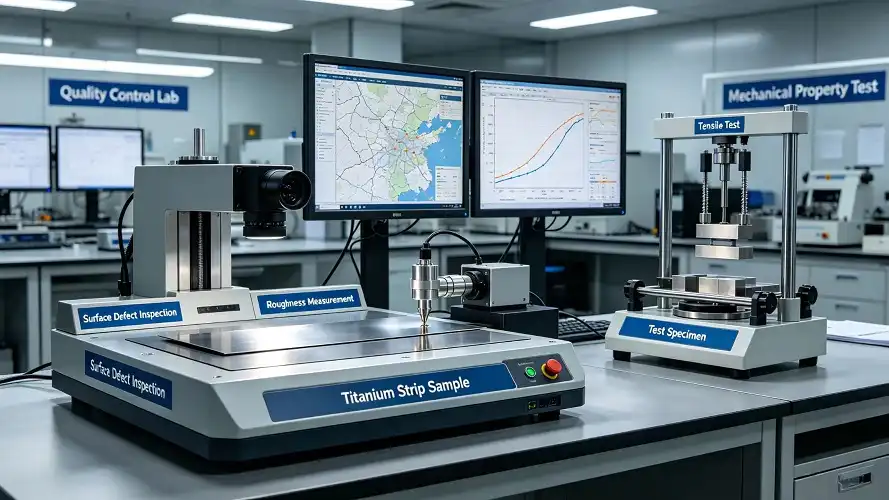
For each output lot, you should ask for mill test records (MTRs) that show the results of the chemical makeup analysis, mechanical property testing, and ultrasonic inspection. Our MTRs use heat numbers that can be traced back to the sources of the raw materials. This meets the needs of the aircraft supply chain for full material pedigree paperwork. This traceability is very important when parts need to be recertified or have a failure analysis done years after they were first made.
Pricing Structures and Lead Time Management
The price of titanium sponge around the world affects how much 6Al4V Titanium Plates cost. Standard commercial grades cost between $25 and $45 per kilogram. Custom specs that call for non-standard sizes, tighter tolerances, or specific surface finishes usually cost 15–30% more than list prices. Our 3,000-ton inventory is kept all year, so we can quickly fill orders for standard sizes. Usually, we can ship within 7–10 business days.
For special orders that need specific heat treatment conditions or size tolerances below ASTM B265 standards, production lead times go up to 6–8 weeks to allow for extra steps in the processing. Blanket purchase agreements protect material amounts and fix prices across multi-year programs, which is especially helpful for procurement managers planning big projects because titanium prices have been known to change a lot in the past.
International Shipping and Export Documentation
For transactions involving 6Al4V Titanium Plates that cross international borders, export licenses, material safety data sheets, and certificates of origin must all be coordinated. Our skilled export team handles these rules for shipping to North America, Europe, and Southeast Asia, making sure they are in line with the International Traffic in Arms Regulations (ITAR) when they apply to parts used for defense.
We work with freight forwarders who know how to handle packages of reactive metals and make sure they are properly packed so they don't get wet during ocean travel. When filling containers, heavier 6Al4V Titanium Plate stacks are put in place so that they don't move around too much. During the 4–6-week trip to faraway destinations, corrosion-inhibiting vapor-phase emitters keep machined surfaces from oxidizing.
Technical Handling: Best Practices for Working with 6Al4V Titanium Plates
Welding Process Recommendations
To weld Grade 5 6Al4V Titanium Plate properly, you need to use an inert gas shield to keep the air from contaminating the metal and making it brittle. Gas tungsten arc welding (GTAW) with high-purity argon for torch shielding and backside purging is what we suggest. During the weld zone, oxygen levels should stay below 50 ppm. Filler metal should be made of the same metals as the base plate, and our ER-Ti-5 welding wire gives finished joints the best mechanical properties.
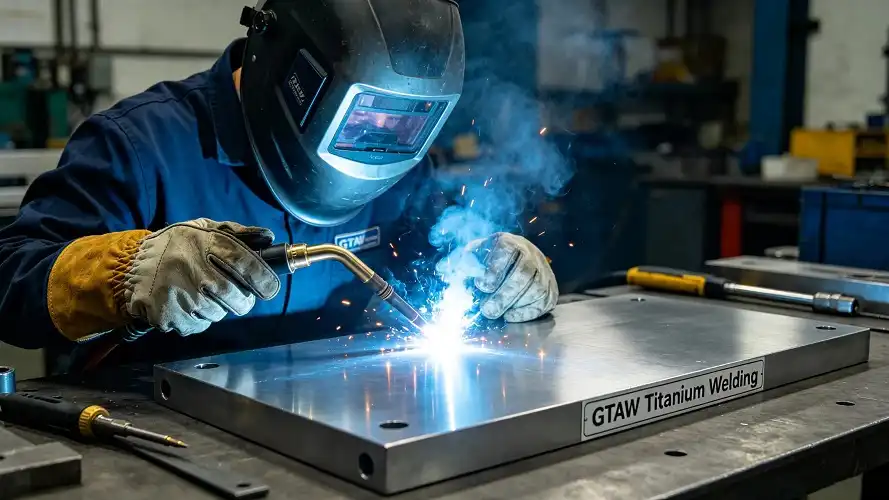
Titanium doesn't need much preheating because it doesn't conduct heat well. However, keeping the interpass temperatures below 150°C stops too much grain growth that weakens the material's flexibility. Post-weld stress relief at 595°C for two hours improves wear resistance in structures that are loaded and unloaded repeatedly, like aircraft frames. This step can be skipped for less important uses, but the joint will be slightly less flexible.
Machining and Surface Finishing Techniques
6Al4V Titanium Plate doesn't conduct heat well and reacts chemically with cutting tools, so it needs to be machined with certain parameters in order to get accurate measurements without work hardening. Positive rake angles, low cutting speeds (20–30 meters per minute), and high feed rates on carbide tools keep the cutting edges sharp while minimizing heat production. When you use flood coolant, it stops chip burning and takes away particles that can cold-weld to tool surfaces.
Our methods for cutting aircraft parts keep the surface roughness below 3.2 micrometers and allow for measurement errors of ±0.05mm across 6Al4V Titanium Plate thicknesses. The final acid pickling in a nitric-hydrofluoric solution gets rid of the alpha-case layers that formed during heat processing. This leaves new titanium surfaces that are highly resistant to rust. For medical implant applications that need to be very clean, polished finishes with a roughness of 0.4 micrometers are standard.
Quality Assurance and Fatigue Testing
For component validation, witness specimens must be put through simulated service loads and be tested in a destructive way. High-cycle fatigue tests according to ASTM E466 standards show that polished objects usually have endurance limits around 500 MPa. The quality of the surface finish has the most significant effect on fatigue life. Our quality lab tests rotating beam wear over 10 million cycles. The results give designers statistically valid S-N curves that they use to set safe working loads.
Before parts are put into service, non-destructive testing methods like computed tomography scanning and light penetrant screening find flaws that break the surface and holes inside the parts. These inspection protocols are in line with what the aerospace prime contractor wants. They make sure that parts meet strict quality standards before they are put together in safety-critical assemblies.
Conclusion
6Al4V Titanium Plate is strategically chosen for high-load industrial parts because it has the best mix of strength, resistance to corrosion, and low weight that no other material can match. This alloy has been used in a wide range of demanding situations, from aerospace structures that need to be resistant to fatigue over millions of stress cycles to biomedical implants that need to work reliably for decades inside the body. When engineers and procurement professionals know about a material's metallurgical benefits, processing needs, and application-specific benefits, they can make decisions that improve component performance while keeping costs low over its lifetime. As industries continue to push the limits of what can be done by using higher temperatures, more aggressive chemicals, and stricter weight limits, the 6Al4V Titanium Plate is the best choice for solving the engineering problems of the next generation.
FAQ
1. How does the resistance to rust of 6Al4V Titanium Plate compare to that of stainless steel?
Compared to 316L stainless steel, the titanium dioxide passivation layer on 6Al4V Titanium Plate surfaces makes it more resistant to pitting and crevice corrosion caused by chloride. Immersion tests in seawater show that stainless steel starts to rust within months, but titanium doesn't lose any mass after years of being exposed. This benefit is very important in marine settings and chemical processing, where chloride levels are higher than what stainless steel can handle.
2. What certifications should I look for when I'm looking for titanium plates?
Reliable suppliers keep their ISO 9001 quality certification along with standards specific to their business, such as AS9100 for aircraft or ISO 13485 for medical grades. Ask for mill test reports that show the chemical composition according to ASTM B265 standards and the results of testing for mechanical properties. Traceability documentation that connects finished 6Al4V Titanium Plates to raw material heat numbers makes sure that the aerospace supply chain rules are followed and makes it easier to re-certify parts in the future if needed.
3. To order a unique titanium plate, how long does the process take?
Once an order is confirmed, standard sizes from stock are usually shipped within 7–10 business days. Production times are extended to 6–8 weeks for custom specifications that need non-standard sizes, special heat treatments, or tighter tolerances on 6Al4V Titanium Plate dimensions. Setting up blanket purchase agreements for regular needs helps ensure material amounts and lowers lead time variability. This is especially helpful for project-based buying cycles that span multiple quarters.
Partner with Jucheng Titanium for Premium 6Al4V Titanium Plate Supply
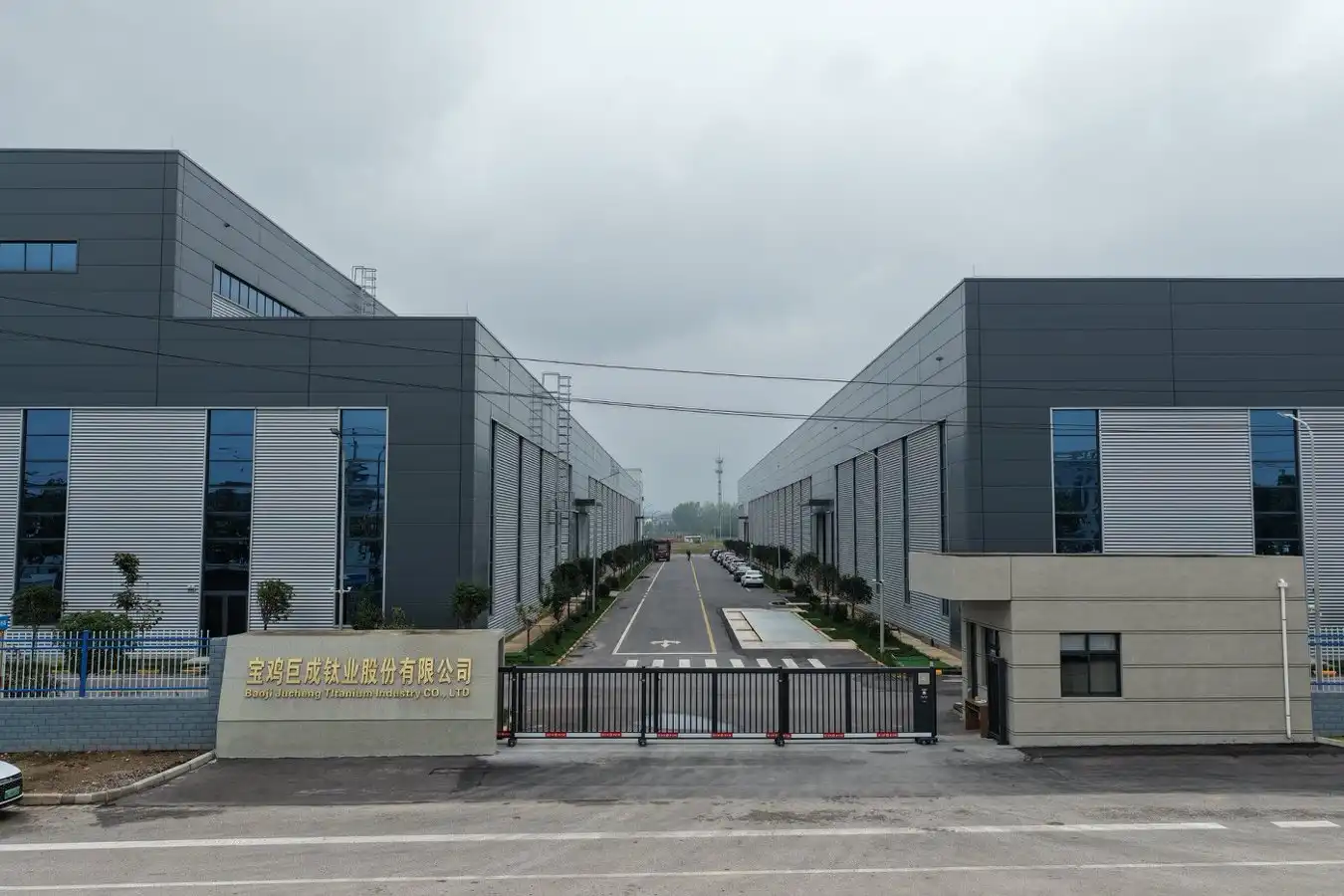
Jucheng Titanium is a National High-Tech Enterprise based in Baoji, China's Titanium Valley. They have been making certified 6Al4V Titanium Plates for the aircraft, chemical processing, and medical device businesses for more than 20 years. There are 3,000 tons of 6Al4V Titanium Plates in stock all year, so we can quickly meet your urgent needs. We can also process plates to meet ASTM B265 and AMS 4911 standards, and they can be any thickness from 4 mm to 80 mm and any length up to 10,000 mm. As a company that makes titanium plates and has 45 patents, we serve clients in North America, Europe, and Southeast Asia. For foreign shipments, we offer full material tracking, expert advice, and logistics coordination. Get in touch with our sourcing experts at s4@juchengti.com to talk about the details of your project and get reasonable quotes backed by our tried-and-true quality control procedures.
References
1. Boyer, R., Welsch, G., & Collings, E.W. (1994). Materials Properties Handbook: Titanium Alloys. ASM International, Materials Park, Ohio.
2. Donachie, Matthew J. (2000). Titanium: A Technical Guide, 2nd Edition. ASM International, Materials Park, Ohio.
3. Peters, M. & Leyens, C. (2003). Titanium and Titanium Alloys: Fundamentals and Applications. Wiley-VCH Verlag GmbH & Co. KGaA, Weinheim, Germany.
4. ASTM International. (2020). ASTM B265-20: Standard Specification for Titanium and Titanium Alloy Strip, Sheet, and Plate. West Conshohocken, Pennsylvania.
5. SAE International. (2018). AMS 4911P: Aerospace Material Specification for Titanium Alloy, Sheet, Strip, and Plate 6Al-4V Annealed. Warrendale, Pennsylvania.
6. Lütjering, G. & Williams, J.C. (2007). Titanium, 2nd Edition. Springer-Verlag Berlin Heidelberg, Engineering Materials and Processes Series.