



How to Choose Gr12 Titanium Plate for Corrosive Environments
Titanium alloy selection for demanding industrial applications may determine equipment longevity. Gr12 titanium plate bridges the performance gap between economically pure grades and expensive palladium-alloyed alternatives in hostile chemical environments, high-temperature brines, and reducing acid conditions. Combining 0.3% molybdenum and 0.8% nickel with titanium's corrosion resistance, this near-alpha alloy protects against crevice corrosion and pitting, typical failure mechanisms in Grade 2 applications, while being cost-effective compared to Grade 7. Understanding how to analyse and specify this material offers the best performance, lifespan, and investment value for your vital equipment.
Understanding Gr12 Titanium Plate and Its Properties
What Makes Gr12 Titanium Unique
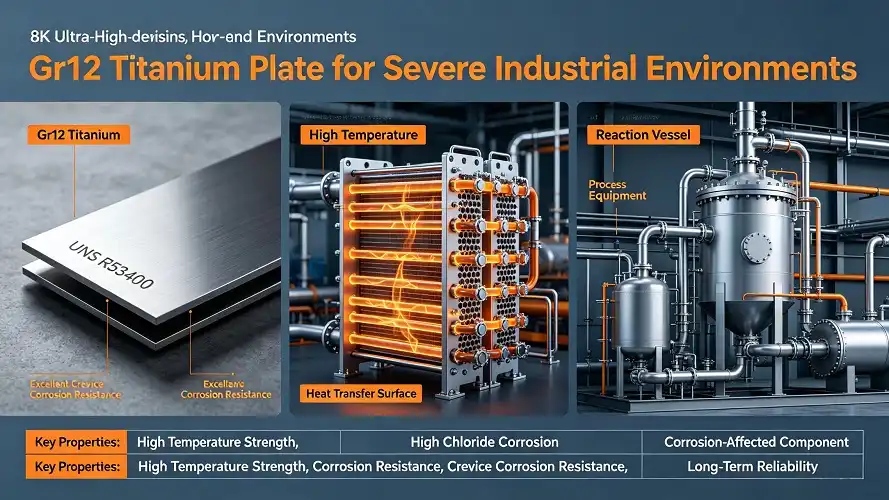
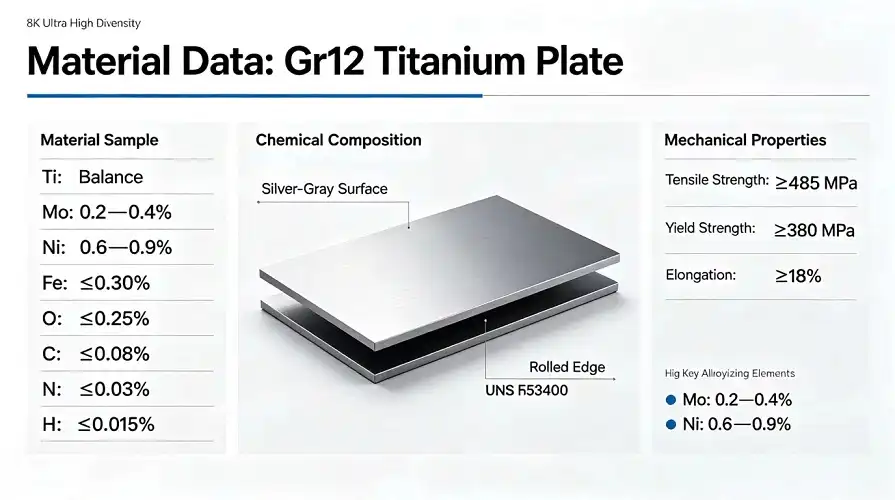
Gr12 titanium plate (UNS R53400) is a new strategic alloy that was made to solve rust problems in industries where pure titanium doesn't work well enough. Adding molybdenum and nickel on purpose improves the microstructure, which makes it much more resistant to localized corrosion in environments with chloride and mild reducing agents. Unlike pure titanium grades, which only rely on passive oxide film formation, the Mo-Ni alloy actively stops corrosion, especially when flow is slow or stops, which is where crevice corrosion usually starts.
Chemical Composition and Mechanical Properties
The controlled alloying elements in Gr12 titanium plate make the product work better in measured ways. This material is strong enough for pressure vessels because its tensile strength is between 70,000 and 90,000 psi and its yield strength is between 50,000 and 75,000 psi. When steel is annealed, it becomes very flexible while still being strong enough for manufacturing processes like welding, forming, and cutting. Rolling, annealing, leveling, and pickling are all types of heat treatment that improve the microstructure so that the mechanical properties are the same across the whole plate thickness, which is usually between 4mm and 80mm.
Performance in Aggressive Environments
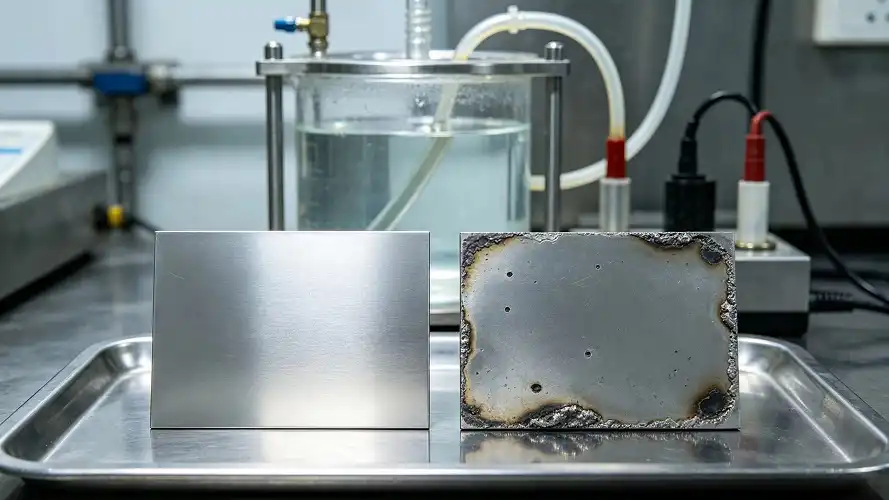
The temperature is a very important factor in choosing materials. Up to about 315°C (600°F), Gr12 titanium plate keeps its ability to fight rust and its structural allowables. This makes it suitable for high-temperature process equipment. The alloy is more resistant to hot chloride solutions, weak sulfuric acid, and marine conditions than types that aren't alloyed. Test results from factories show that corrosion rates are much lower in places like salt evaporators, hydrometallurgical autoclaves, and seawater heat exchangers, which are normally places where Grade 2 titanium loses too much material.
Key Criteria for Selecting Gr12 Titanium Plate in Corrosive Environments
Matching Material to Environmental Challenges
Corrosion mechanisms are very different in different industrial settings, so you need to carefully look at your own operating conditions. Gr12 titanium plate's higher resistance is especially helpful in chemical processing areas with changing pH, temperature cycling, and a mix of oxidizing and reducing conditions. Marine desalination plants that use concentrated high-temperature brines have to deal with situations where commercially clean grades are attacked locally. This is why the Mo-Ni alloy is so important for the equipment's life. This grade gives extra protection against hydrogen embrittlement and stress corrosion cracking, which is needed in petrochemical uses that work with sour gas, wet chlorine, or acidic condensates.
Dimensional Specifications and Standards Compliance
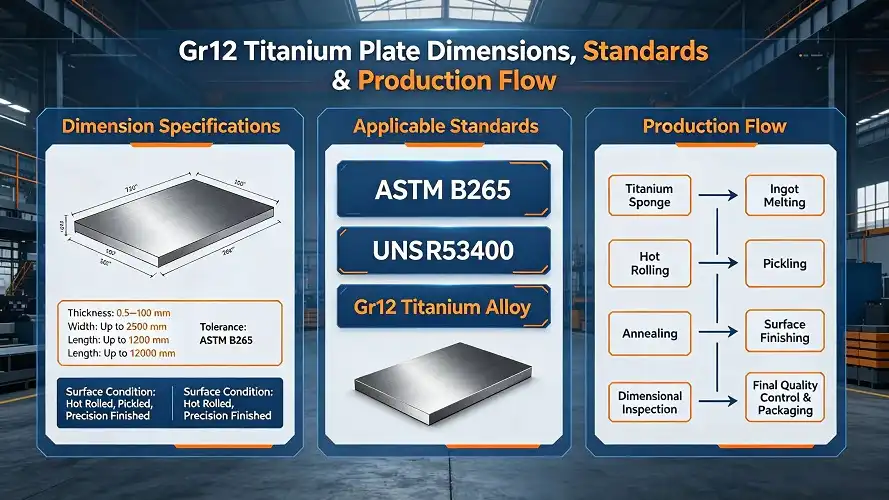
To make sure that materials can be tracked and quality is checked, procurement specs must include references to relevant standards. The main standard for Gr12 titanium plate, sheet, and strip is ASTM B265, while ASME SB265 is more specific for pressure vessel uses. When it applies, AMS 4911 covers the standards for aircraft materials. The widths that are available range from 950mm to 2500mm, and the lengths that are available go up to 10,000mm. Custom sizes can also be made for specific uses. To meet strict requirements for flatness and surface quality, hot-rolled plate goes through a strict process control process that includes rolling, annealing, leveling, pickling, and finishing the surface.
Surface Condition and Quality Requirements
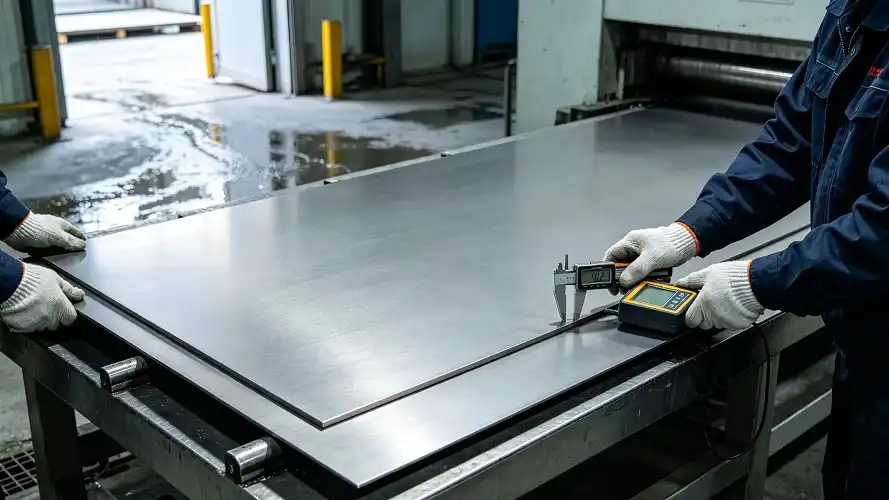
Surface cleaning has a direct effect on both how well it resists corrosion and how well it works for production. Acid-pickled surfaces get rid of the thermal oxide scale that forms when metal is hot-rolled. This leaves a clean metal surface that is good for inspection and resists rusting best. For close-tolerance applications, machined surfaces offer precise control over dimensions, while polished finishes meet requirements for hygiene or esthetics. By specifying the right surface condition, you can avoid expensive rework and make sure the material arrives ready to be put together. An inspection should make sure that the surface doesn't have any flaws like cracks, splits, or spots that could affect how well it works.
Certification and Material Traceability
In serious situations, documentation needs to go beyond simple mill test records. Certifications for materials should include a chemical composition analysis, test results for mechanical properties, records of heat treatment, and the ability to trace back to the original melt batch. When project requirements call for higher-quality security, third-party inspection services provide extra proof. To meet the ASME Code standards for pressure vessels, suppliers must keep strict quality control systems and paperwork processes in place so that materials can be tracked throughout the entire manufacturing process.
Comparing Gr12 Titanium Plate with Alternative Materials
Grade 12 Versus Other Titanium Alloys
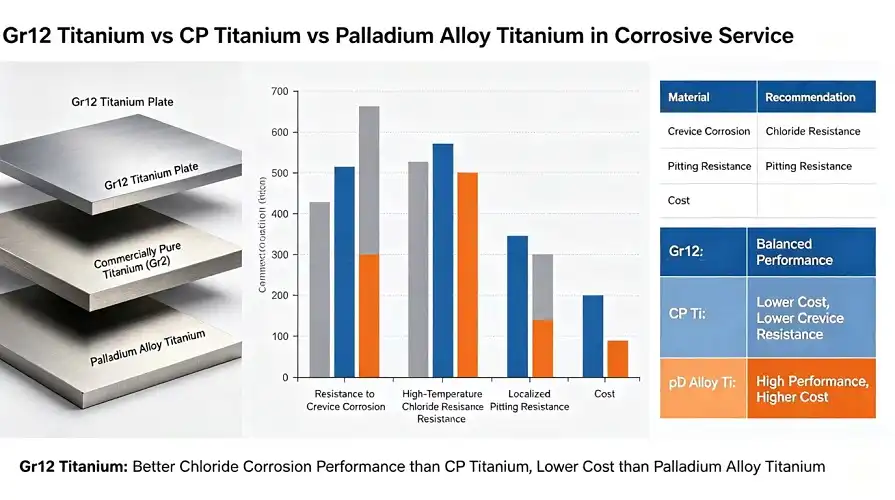
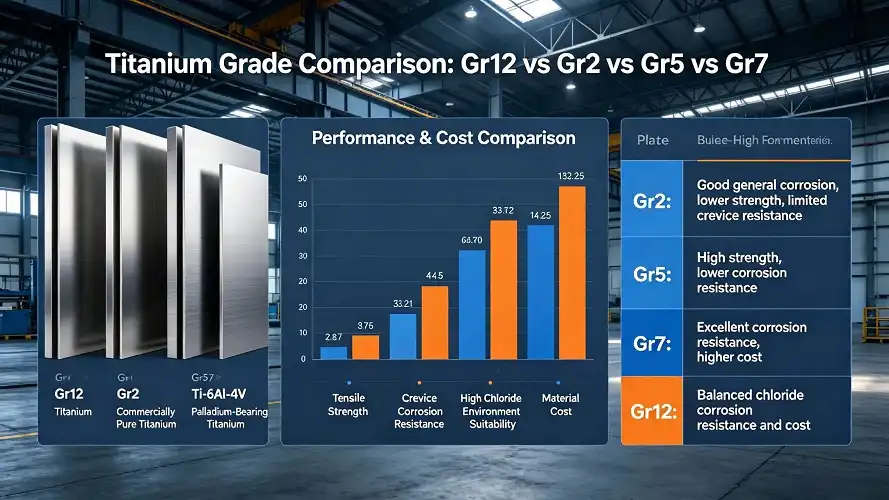
Knowing the range of titanium grades helps you choose the best material. Grade 2, which is the most common, widely used grade, has good resistance to corrosion in general, but not to corrosion in cracks, which is needed in chloride settings where the metal is not moving. Grade 5 (Ti-6Al-4V) is very strong, but it is also much more expensive and less resistant to rust. Palladium is added to Grade 7 to make it more resistant to acids, but it costs a lot—often 30–40% more than Gr12 titanium plate—so it's only worth it in the harshest service conditions. Gr12 titanium plate is strategically placed in the middle. It has 80–90% of Grade 7's corrosion resistance at a much lower cost of materials.
Titanium Versus Stainless Steel and Nickel Alloys
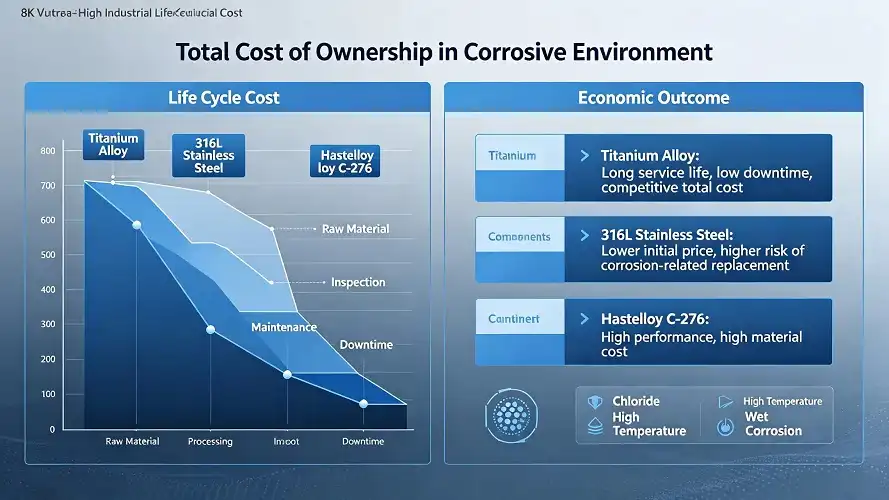
Lifecycle cost analysis, not just buy price analysis, is needed to compare different material systems. Austenitic stainless steels (304, 316) break down quickly in hot chloride environments because they pit and crack under stress. Duplex stainless grades are better at resisting chlorides, but they can still be damaged at high temperatures. Nickel-based metals, like Hastelloy and Inconel, are very resistant to rust, but they are three to five times more expensive than Gr12 titanium plate, and they are also much denser, which means they need more support in the structure. Titanium is the best material for many chemical process applications because it doesn't rust, isn't too dense, and doesn't cost too much.
Maintenance and Lifecycle Considerations
The total cost of ownership includes more than just the price of buying the item. When corrosion damages equipment, it needs to be shut down without warning, fixed quickly, and production is lost. These costs are usually much higher than the extra money paid for better alloys. Gr12 titanium plate installations in chemical processing plants have service lives of more than 20 years with little maintenance, while materials that aren't properly specified need to be replaced every 3 to 5 years. Engineers should specify corrosion-resistant materials because they don't need to be maintained as often, they don't need to account for corrosion in the design, and they want to avoid catastrophic failure risks.
How to Procure Certified and High-Quality Gr12 Titanium Plate
Identifying Qualified Suppliers
When choosing a supplier, the first thing that needs to be done is to check their manufacturing and quality credentials for Gr12 titanium plate. Manufacturers who have been around for a while keep certifications like ISO 9001 quality management, ASME pressure vessel authorization, and qualifications specific to their industry. When planning supply times, production capacity is important. Facilities that keep a large inventory (at least 500 tons) can meet pressing needs without having to wait for longer lead times. The best providers offer technical support that includes metallurgical advice, manufacturing guidance, and application engineering help to help choose the best materials and specifications.
Evaluating Supplier Credentials and Experience
Through application, knowledge gained over time, and industry experience add value that can't be seen or touched. Titanium manufacturing experts who have been in the business for decades know how the material reacts to different uses. Patent portfolios show that a company is committed to ongoing research and development. Look for companies that have both invention patents and utility patents for their production processes. Being recognized as a high-tech business or a specialized "little giant" company shows that the government believes in a company's technical abilities. Having a 70% market share in hydrometallurgical applications, for example, shows that you're good at what you do and that your customers are happy.
Customization and Technical Support
Standard sizes are useful for many things, but the ability to change them makes the material more useful overall. When suppliers offer custom sizes, tolerances, and surface treatments, designers can get the best results without sacrificing quality. Technical collaboration is more than just fulfilling orders; it also includes working together to solve problems, test materials, and make new applications. It is easier to use Gr12 titanium plate solutions in tough situations when you have access to metallurgy labs, mechanical testing facilities, and process development tools. By advancing materials science all the time, partnerships with research institutions make it easier for suppliers to do their jobs.
Logistics and Global Supply Chain Management
Buying things from other countries adds a level of complexity that needs to be carefully managed. Reliable suppliers keep up with their logistics networks so that deliveries can be made on time across continental distances. Costly delays can be avoided by being clear about lead times, shipping methods, and customs paperwork. Flexibility in the minimum order number allows for both big production runs and smaller amounts for testing or prototypes. After-sales support, such as technical service, warranty coverage, and helpful customer service, makes sure that the project runs smoothly and gives you options if problems happen during fabrication or commissioning.
Case Studies and Practical Applications of Gr12 Titanium Plate
Chemical Processing Heat Exchanger Success
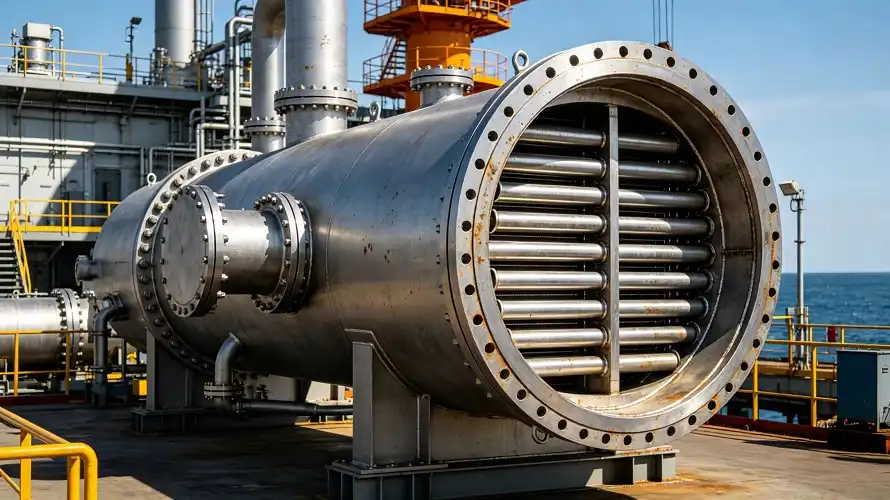
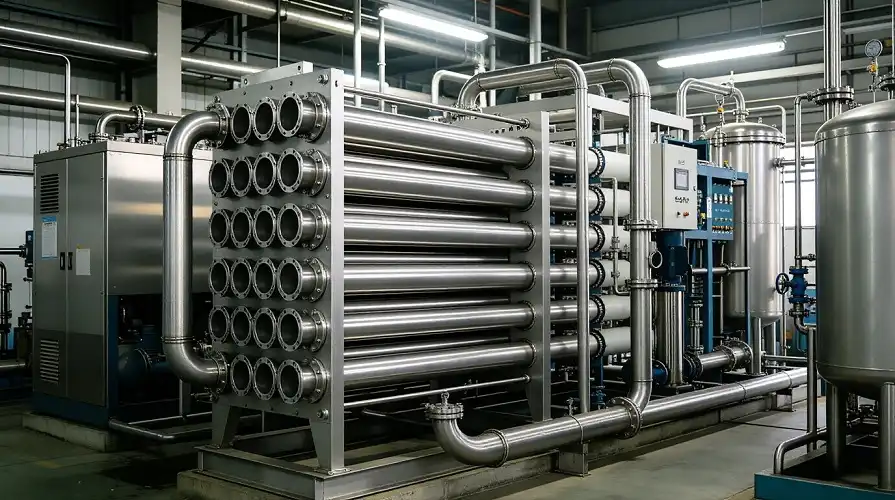
Shell-and-tube heat exchangers that handled hot acidic chloride solutions kept breaking down at a big chemical processing plant. The original equipment called for Grade 2 titanium tubes, but within 18 months, they developed crevice rust at the tube-to-tubesheet joints, which meant the whole bundle had to be replaced. The failure mode was eliminated when the specifications were changed to use Gr12 titanium plate for tubesheets and Gr12 titanium plate tubing. The upgraded exchanger has been in use nonstop for more than seven years without any upkeep linked to corrosion. This shows that the material can handle this tough job. The longer service life changed the project's economics. The extra cost of the materials was paid for within three years by the money saved on repairs and replacements.
Marine Desalination Plant Enhancement
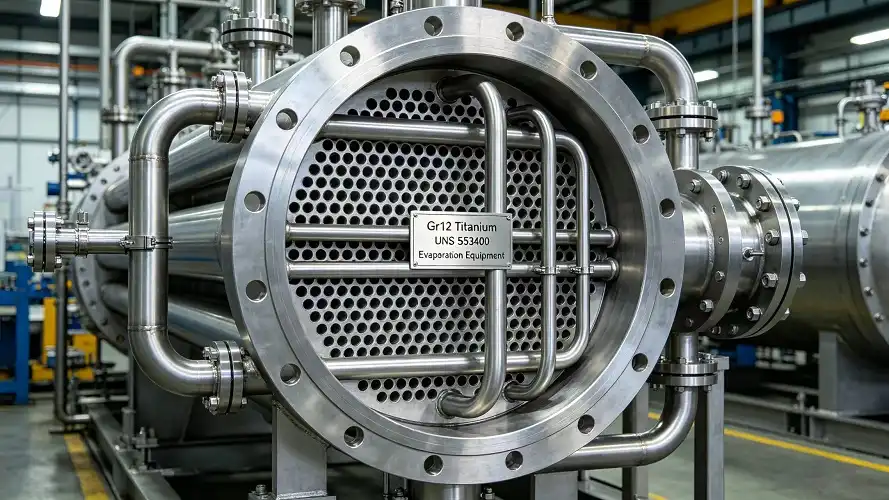
Early pitting happened in evaporator vessels made of Grade 2 titanium at a desalination plant in the Middle East. The working conditions included seawater that was three times as salty as usual and 110°C, which made it a rough place for cracks to form. An engineering study found that a Gr12 titanium plate was the best substitute material because it had better strength without the higher cost of grades that are alloyed with palladium. An inspection four years after the replacement showed that there was no measurable corrosion, which proved that the choice of material was the right one. Plant managers said that the upgraded equipment was more reliable and that maintenance costs had gone down. They were also confident that the equipment would last the 20 years that it was designed to.
Hydrometallurgical Process Equipment
To get nickel and cobalt out of ores, high-pressure acid leaching (HPAL) autoclaves are used. These work at temperatures above 250°C with sulfuric acid slurries. In these conditions, there is mechanical stress, abrasive wear, and corrosive attack. This is an area of use that quickly destroys most materials. Making autoclave liners out of Gr12 titanium plate gives them the corrosion protection they need while keeping their structural integrity during pressure cycles. Over 2 million tons of ore have been processed by one large installation without the liner needing to be replaced, showing how durable it is. Because of how well the material worked, the project could have been economically successful even if equipment had to be replaced often or if an unusual alloy had been used instead.
Conclusion
When picking Gr12 titanium plate for corrosive environments, you have to weigh technical needs, cost concerns, and the supplier's abilities. This engineered alloy performs better than commercially pure grades in chloride-containing, high-temperature, and slightly reducing environments while still being more cost-effective than options that use palladium. To choose the right materials, you need to carefully consider the conditions of use, make sure you follow all the rules, and work with reliable suppliers who can offer technical support. Case studies from the business world show that the material can make equipment last longer, cost less to maintain, and be more reliable in chemical processing, marine, and extractive metallurgy settings. Now that procurement professionals and engineers know this, they can confidently ask for Gr12 titanium plate, knowing that they have chosen a tried-and-true solution for tough corrosion problems.
FAQ
1. How does Grade 12 compare to Grade 7 in cost versus performance?
In terms of cost vs. achievement, how does Gr12 titanium plate stack up against Grade 7? Because it doesn't use expensive palladium, Gr12 titanium plate usually costs 30–40% less than Grade 7. This is because it uses nickel and molybdenum instead. While Grade 7 works a little better in very acidic (pH 0–2) situations, Gr12 titanium plate is good enough for most hot brine, chloride, and mild acid uses when it comes to resisting crevice corrosion. Because of this, Gr12 titanium plate is the best choice for chemical processing equipment where the higher cost of Grade 7 can't be justified by small improvements in performance.
2. Can Grade 12 be welded to other titanium grades?
Yes, Gr12 titanium plate can be welded well with commercially pure titanium grades using either TIG (GTAW) or MIG methods. Choose ErTi-12 filler wire or a higher-alloyed filler material to keep the rust protection in the weld zone. Controlling the heat input and shielding gas coverage (argon) properly keeps the weld from getting contaminated and ensures its quality. The middling strength and good flexibility of the material make it easy to work with without the need for special heat treatment before or after welding.
3. What is the maximum service temperature for a Grade 12 plate?
Gr12 titanium plate keeps its useful structural strength, and the ASME Code allows temperatures of up to about 315°C (600°F). When the temperature goes above this point, rust speeds up, and creep strength goes down, which could compromise long-term stability. For uses that need to be able to handle higher temperatures, different alloys should be considered. The 315°C limit includes most of the chemical processing, electrolysis, and hydrometallurgical tasks that Gr12 titanium plate is great at.
4. How do I check the grade and approval of a supplier?
Ask for full material approvals that include a chemical makeup analysis, test results for mechanical properties, records of heat treatment, and the ability to trace back to the melt batch. Check to see if the supplier still has ISO 9001 certification, ASME authorization (if needed), and any other industry-specific qualifications. Ask for references from similar projects and make sure the supplier has experience in your industry. Third-party inspection services give extra peace of mind for important tasks that need stronger quality checks.
Partner with Jucheng Titanium for Your Gr12 Titanium Plate Needs
Choosing the right Gr12 titanium plate supplier is important for making sure that your project gets the best value and performance. Baoji Jucheng Titanium Industry Co., Ltd. has been handling titanium for more than 20 years and has 45 patents to back it up. It is also a National High-Tech Enterprise. Our plant keeps a large inventory—about 3,000 tons—so that we can deliver quickly to meet tight project deadlines without sacrificing quality. We make titanium tools and parts that meet ASTM B265, ASME SB265, and AMS 4911 standards. We can also make them to your exact specs for thickness (4–80mm), width (950–2500mm), and length (up to 10,000mm). Our technical team helps engineers with everything from choosing materials to making things. They do this by working in partnership with top research institutions. As a reputable maker of Gr12 titanium plates that sells to customers all over the world, we offer the quality assurance, supply chain reliability, and technical know-how that your important applications need. You can email our team at s4@juchengti.com to talk about your specific needs, get more information, or get a custom quote.
References
1. ASM International. (2015). Titanium: A Technical Guide, 2nd Edition. Materials Park, OH: ASM International.
2. Schutz, R. W., & Thomas, D. E. (2019). "Corrosion of Titanium and Titanium Alloys." In ASM Handbook, Volume 13B: Corrosion: Materials. ASM International.
3. ASTM International. (2021). ASTM B265-20a: Standard Specification for Titanium and Titanium Alloy Strip, Sheet, and Plate. West Conshohocken, PA: ASTM International.
4. Donachie, M. J. (2000). Titanium: A Technical Guide for Engineers and Manufacturers. Materials Park, OH: ASM International.
5. Peters, M., Kumpfert, J., Ward, C. H., & Leyens, C. (2003). "Titanium Alloys for Aerospace Applications." Advanced Engineering Materials, 5(6), 419-427.
6. Cotton, J. D. (2017). "Selection and Use of Titanium Alloys for Seawater and Aggressive Aqueous Media Service." Journal of Materials Engineering and Performance, 26(1), 189-198.