



CP Grade 2 Titanium Sheet vs 6Al4V: Which Is Better for Industry?
Your operating objectives determine whether to use CP Grade 2 titanium sheet or 6Al4V titanium alloy. For purity-sensitive chemical processing equipment, heat exchangers, and biomedical implants, CP Grade 2 titanium sheet is corrosion-resistant and formable. 6Al4V (Grade 5) is the industry standard for aircraft structural components and defence applications because of its high tensile strength and elevated-temperature performance. Whether your project needs optimum corrosion protection and fabrication flexibility or high mechanical strength and fatigue endurance under heat stress determines which material is "better".
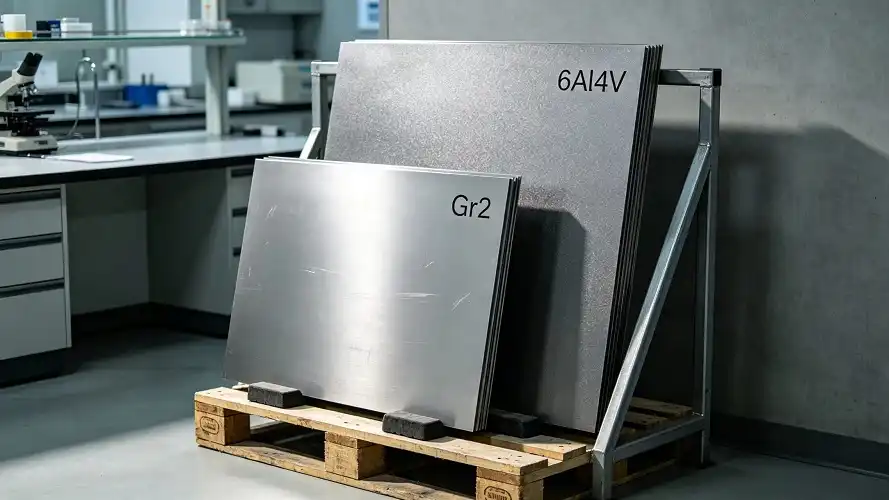
Understanding the Basic Properties of CP Grade 2 and 6Al4V Titanium Sheets
Understanding how chemical composition affects performance is crucial to choosing the proper titanium grade. Both materials are essential to industry, but their compositions affect manufacturing and service capabilities.
Chemical Composition and Purity Levels
ASTM B265-compliant CP Grade 2 titanium sheet is commercially pure and alloy-free. The structure consists of titanium, oxygen (≤0.25%), iron (≤0.30%), nitrogen (≦0.03%), and carbon (≤0.08%). In acidic or chloride-rich conditions, its high purity prevents rust, which chemical reactors and maritime devices appreciate.
The alpha-beta metal 6Al4V contains titanium, 6% aluminium, and 4% vanadium. These alloying elements increase tensile strength to nearly 900 MPa compared to CP Grade 2 titanium sheet's 345 MPa, but complicate welding and heat processing. Aluminium resists oxidation at high temperatures, while vanadium stabilises the beta phase to maintain strength over thermal cycles.
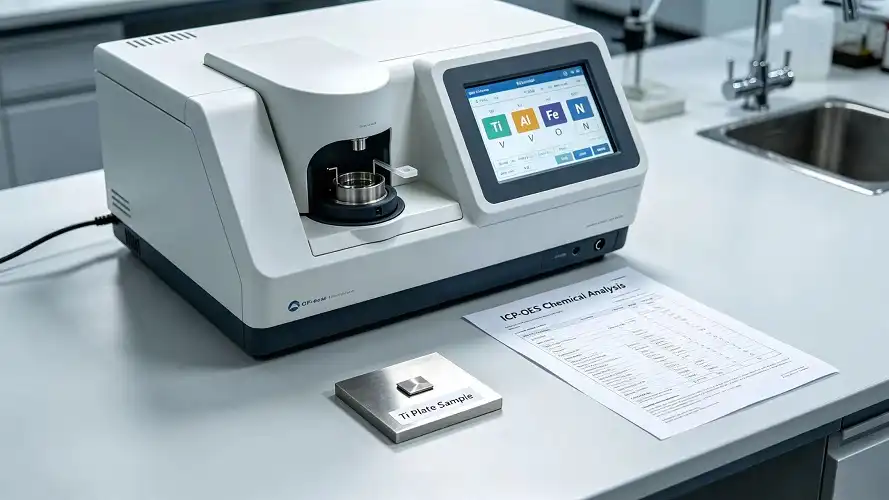
Mechanical Performance and Corrosion Behavior
Bendability and shapeability define CP Grade 2 titanium sheet's mechanical character. Because its stretch value is normally around 20%, this grade can withstand deep drawing, hydroforming, and cold bending without splitting. Its yield strength of 275 MPa is sufficient for pressure tanks and pipe systems where hostile chemicals must be considered over structural stresses.
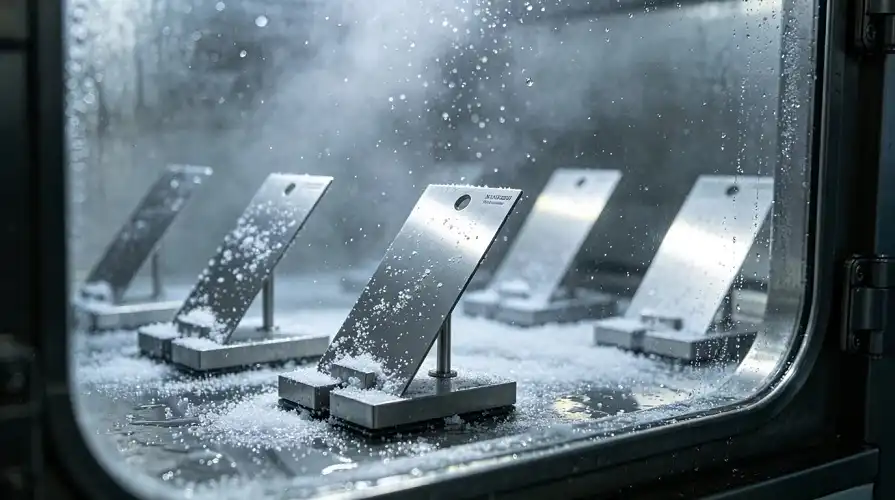
6Al4V is strong-to-weight and wear-resistant. These are crucial for aircraft bulkheads, landing gear, and turbine blades. They can operate at 400°C without losing strength. Widely pure grades can't match this performance. The alloy has strong corrosion resistance; however, CP Grade 2 titanium sheet resists acid and saltwater exposure better.
Fabrication Characteristics and Weldability
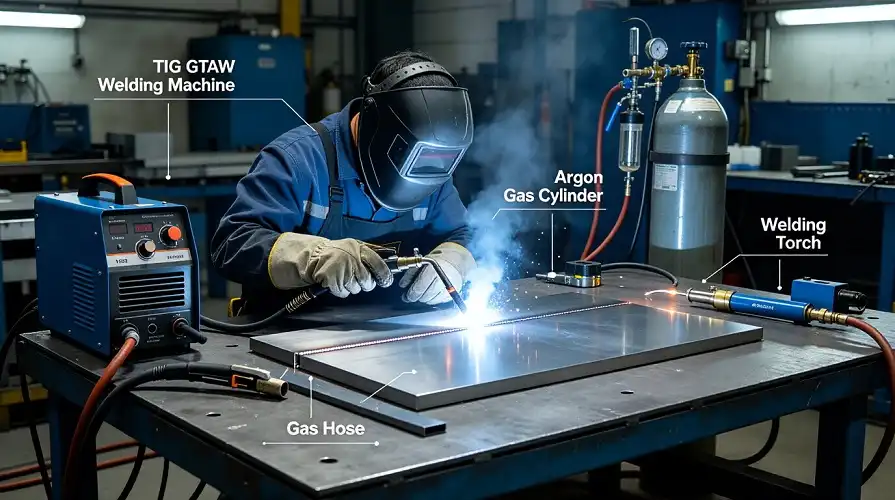
Commercially pure CP Grade 2 titanium sheet may be welded with TIG and MIG without heating or heat. Heat-affected zones are less likely to become brittle without alloying elements. This gives fabricators confidence in difficult geometries. Hot rolling and heating create an alpha-case coating that acid pickling removes. This optimises mechanical properties.
For 6Al4V welding, tighter regulations apply. A neutral gas environment and a regulated cooling rate are needed to protect the joint from oxygen, nitrogen, or hydrogen contamination during fusion. Heat treatment generally removes tensions and improves microstructure after welding. These additional processes increase production costs and time, which are essential in project-driven procurement cycles.
Comparative Analysis: CP Grade 2 Titanium Sheet vs 6Al4V Alloy
Understanding where each material excels clarifies decision pathways for procurement teams navigating technical specifications and budget constraints.
Tensile Strength and Structural Loading
6Al4V wins when it comes to structural strength under severe loads. Since its maximum tensile strength is above 900 MPa, aerospace frames, military vehicle armour, and high-performance automotive suspension systems employ it. When loaded and unloaded repeatedly, metal retains its form. It is less likely to shatter in fatigue-critical circumstances like helicopter rotor hubs and missile shells.
CP Grade 2 titanium sheet has a tensile strength of 345 MPa and is utilised when corrosion resistance is more essential than raw strength. It resists pitting and crevice corrosion in chemical distillation columns, electroplating anodes, and pharmaceutical units for decades. Lower material strength doesn't matter when equipment breaks due to chemical assault instead of mechanical stress.
Industry-Specific Application Scenarios
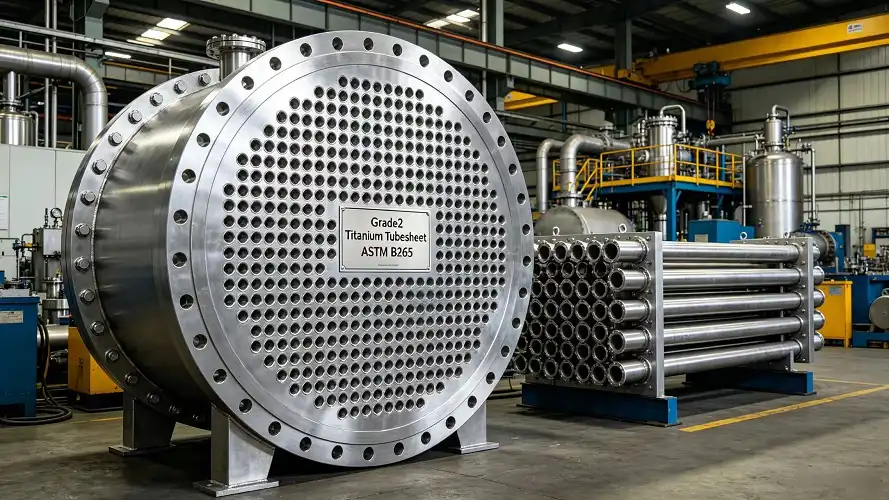
Chemical processing and petrochemical industries prefer CP Grade 2 titanium sheet for heat exchangers, condenser tubes, and scrubbers. It works well in saltwater cooling systems and acidic process streams since it doesn't fracture under chloride stress. Equipment manufacturers claim their goods may last 20 years, when stainless steel would shatter in months.
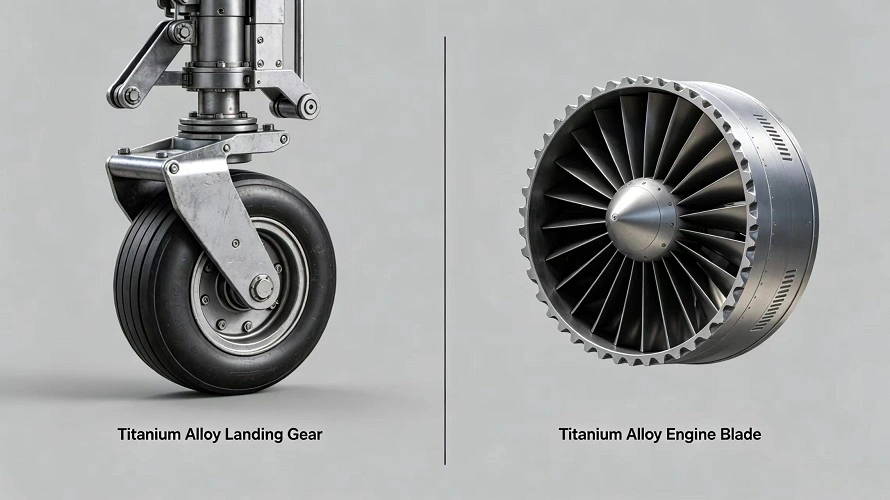
Aerospace and defence businesses employ 6Al4V for robust, light components. Aircraft engine mounts, landing gear struts, and wing attachment fittings exploit the alloy's fatigue resistance and high-temperature performance. Companies with rigorous dependability criteria might pay extra for the material since it has worked in mission-critical scenarios.
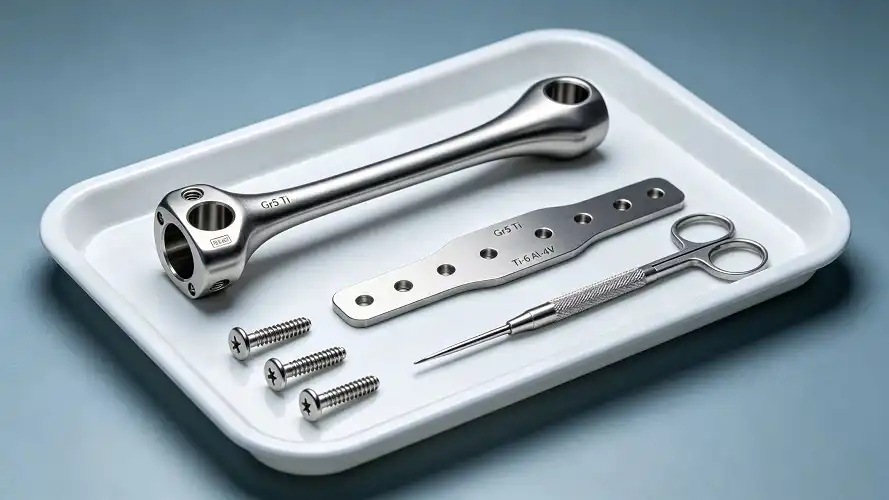
Biocompatible and X-ray-clear surgical equipment and implant casings are made from broadly pure grades such as CP Grade 2 titanium sheet. Hip stems and spinal fusion cages, which need to retain weight, employ 6Al4V ELI (Extra Low Interstitial) variations, which balance strength and biocompatibility.
Cost-Benefit Trade-Offs in Material Selection
Price discrepancies between grades affect project economics. CP Grade 2 titanium sheet costs 30–40% less per kilogram than 6Al4V, and the gap grows with sophisticated manufacturing. When projects prioritise corrosion resistance above mechanical strength, commercially pure material may save a lot of money, particularly for orders exceeding several hundred kilos.
6Al4V's better strength-to-weight ratio helps offset its higher initial material costs in aerospace and automotive applications by reducing weight. By replacing metals, you may reduce the structure's weight by 20–30%. This immediately improves fuel efficiency and cargo space, which can be monitored over time. Procurement teams should consider total cost of ownership instead of unit costs.
Procurement Insights: How to Choose Between CP Grade 2 and 6Al4V for Your Business
Navigating the global titanium supply chain demands attention to quality assurance, lead time management, and regulatory compliance—areas where supplier selection proves as critical as material specification.
Quality Assurance and Certification Requirements
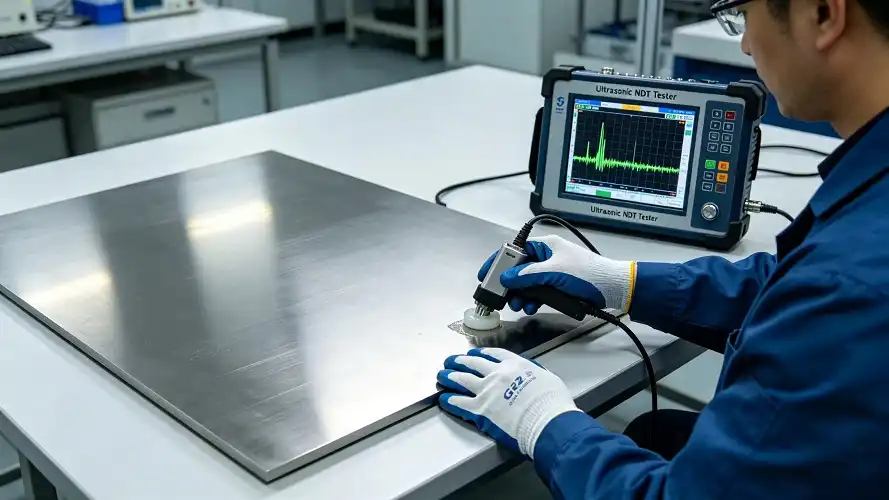
Buyers in the industrial sector need to make sure that providers give them Mill Test Certificates (MTC) that meet the requirements of EN 10204 3.1. These MTCs must show that the chemical composition was checked using ICP-OES analysis and the mechanical properties were checked using ASTM E8 tensile testing. Checking the oxygen content of CP Grade 2 titanium sheets with inert gas fusion is now required because too much oxygen above 0.25% weakens the material. Ultrasonic testing for surface integrity finds internal laminations that could weaken the integrity of a pressure vessel.
AMS 4911 aerospace material specifications make getting 6Al4V more difficult because they need to be able to track back to the heat lot and ingot origin. Ultrasonic screening according to AMS 2631 Class A1 is often required by aerospace companies to find inclusions bigger than 0.8 mm in diameter. These strict requirements make things more expensive, but they make sure that they work reliably in life-critical situations where failure could mean huge losses.
Supply Chain Dynamics and Lead Time Management
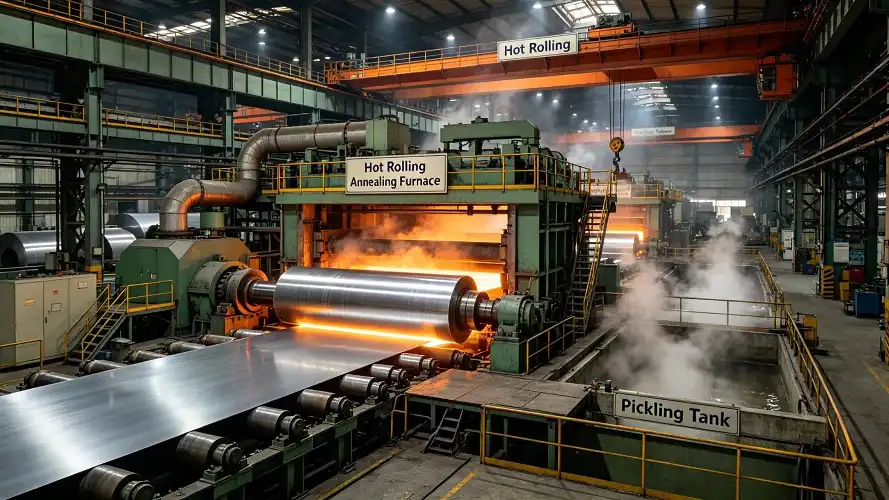
Because it is easier to make, CP Grade 2 titanium sheet is still more widely available. For CP Grade 2 titanium sheet material, the hot rolling, annealing, and pickling cycles usually take between 4 and 6 weeks from the mill to delivery. However, shorter times are possible if distributors keep stock on hand. Large projects benefit from providers who have inventory amounts of more than 500 tons in a number of different diameter ranges.
Vacuum arc remelting and careful thermal processing are needed to make 6Al4V, which makes wait times for special orders 8–12 weeks. When demand goes up, it can take 16 weeks to get aerospace-grade material with full AMS certification. Procurement professionals avoid delays by making framework deals with certified sellers that can keep extra stock on hand and offer faster processing for urgent needs.
Customization Options and Minimum Order Quantities
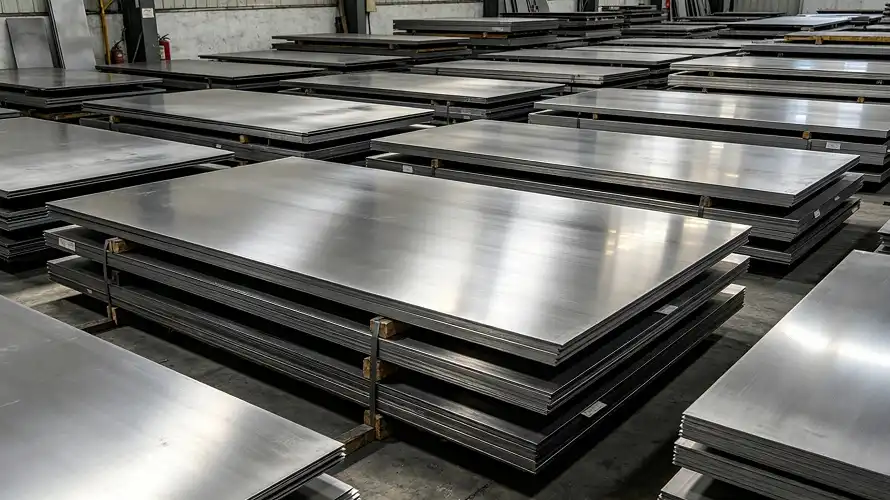
Customizing materials has a direct effect on the viability of a project for companies that make specialized tools. It is possible to get CP Grade 2 titanium sheet in thicknesses ranging from 4 mm to 80 mm, widths up to 2500 mm, and lengths up to 10,000 mm. Custom sizes can be negotiated. The hot-rolled and annealed states are good for most uses, and the surface finishing ranges from acid-pickled to mechanically polished, based on how clean and nice the metal needs to look.
The smallest amount you can order depends on the supplier and the specification. Standard sizes usually let you place an order as little as 100 kg, but special sizes might need at least 500 kg to cover the costs of setting up. Suppliers who can do both rolling and fabrication can offer value-added services like precision cutting, forming, and welding, which cut down on the need for further processing and speed up project timelines.
Processing and Fabrication Guidance for CP Grade 2 and 6Al4V Titanium Sheets
Maximizing material performance demands an understanding of titanium's unique fabrication behaviors, particularly its reactivity with tooling and sensitivity to contamination.
Machining and Cutting Best Practices
Titanium doesn't conduct heat well, so heat builds up at the points where it cuts, speeding up tool wear and increasing the risk of workpiece hardening. To machine CP Grade 2 titanium sheet, you need carbide tools that are very sharp, cutting speeds that are modest (30–50 m/min), and a lot of cooling to get rid of the heat. When cutting with a waterjet, complicated shapes are easier to work with because there are no heat-affected zones that could change the mechanical properties.
Because 6Al4V is harder and tends to work-harden more quickly, it is harder to machine. Compared to CP Grade 2 titanium sheet, the life of the tools drops by 40–60%, so they need to be replaced or indexed more often. Climb milling techniques lower the cutting forces and make the surface finish better. High-pressure coolant delivery stops chips from welding to the cutter. Laser cutting can still be done on sheets that are less than 6 mm thick, but the quality of the edges needs to be improved afterward to get rid of resolidified material.
Forming and Heat Treatment Protocols
At room temperature, CP Grade 2 titanium sheet can be cold-formed into bends with radii as small as 4T-5T (four to five times the thickness of the sheet) without cracking. The material is very flexible, so it can be used for hydroforming and deep drawing, which are popular ways to make chemical equipment. Stress relief annealing at 540–650°C for 30–60 minutes gets rid of any remaining stresses without changing the material's mechanical properties.
To soften the alloy and stop it from springing back, 6Al4V is usually heated to 650–870°C during forming. Controlled atmospheres in hot-forming tools keep the surface from oxidizing, which would require a lot of finishing. Solution treating at 955°C and then aging at 540°C improves strength and flexibility. This is an important heat treatment cycle for aircraft parts, but it costs more and takes longer to make.
Welding Techniques and Joint Integrity
TIG welding is still the best way to join CP Grade 2 titanium sheets because it makes clean, high-quality joints with few holes. Argon protection on both the torch and back-purge sides keeps the air from getting contaminated, and filler metal that matches the makeup of the base material makes sure that the corrosion resistance stays the same. Liquid penetrant testing on welds finds surface flaws, and radiography is used to find critical pressure boundaries.
Because of the chance of breaking down, 6Al4V welding needs tighter contamination control. Picking up hydrogen above 150 ppm slows down cracking, so protection and low-humidity conditions are necessary. Post-weld heat treatment at 705°C to relieve stress is now normal practice in aircraft manufacturing. This is confirmed by hardness mapping and metallographic examination to make sure the microstructure is acceptable.
Making the Right Industrial Choice: Practical Recommendations and Case Examples
Real-world application experience demonstrates how material properties translate into operational success across diverse industrial contexts.
Decision Matrix for Grade Selection
CP Grade 2 titanium sheet should be used for projects that need to be resistant to corrosion in acidic, saline, or chloride environments. When chemical processors replace corroded stainless steel heat exchangers with commercially pure titanium ones, the new ones last 5–10 years longer. This makes up for the higher cost of the material by cutting down on downtime and maintenance costs. Marine desalination plants say that the benefits are the same in condenser tube applications.
6Al4V standard is needed for applications that need the highest strength-to-weight ratios and stability at high temperatures. The high cost of the metal is unavoidable for aerospace companies that build structural parts for airplanes. They can't skimp on fatigue life or thermal performance. When making lightweight armor plate for the military, they also put strength over corrosion protection because the environments they work in are very different from those used for chemical processing.
Case Study: Chemical Equipment Longevity
A company that makes petrochemical equipment and supplies reactors for making chlorinated hydrocarbons had stainless steel tanks that kept breaking down because of rust. When the reactor bodies and internal baffles were made of CP Grade 2 titanium sheet, pitting corrosion stopped happening completely. This made the equipment last longer, from 18 months to over eight years. The cost of the materials went up by 60%, but the total cost of ownership went down by 40% when repair rates and production breaks were taken into account.
Emerging Trends in Titanium Material Development
Using additive manufacturing to make titanium alloys opens up more design options for complicated shapes that can't be made with traditional sheet making. Because it is so strong, 6Al4V is the most common metal used in 3D printing. However, experts are looking into available pure titanium powders for biomedical implants that need specific porosity levels. Combining wrought sheet with additively built features in hybrid manufacturing promises better performance from parts while lowering their weight and cost.
Conclusion
CP Grade 2 titanium sheet and 6Al4V each have their own areas of dominance where their natural properties meet the needs of the job. At a reasonable price, commercially pure material offers the best corrosion protection and manufacturing freedom for equipment used in biomedical, marine, and chemical processes. The 6Al4V metal is very strong, doesn't break down easily, and works well at high temperatures. It is used in aircraft, defense, and high-performance cars. Instead of looking for a single answer, the best way to choose materials is to weigh the technical needs, the exposure to the environment, the difficulty of the manufacturing process, and the overall cost of the project. If procurement experts understand these trade-offs, they can set up their companies for the best results and lowest costs.
Frequently Asked Questions
1. How does CP Grade 2 titanium sheet perform in salt water?
The CP Grade 2 titanium sheet is very strong against corrosion in seawater, and it doesn't crack or biofoul when chloride is present. This material is often used to make marine heat exchangers, condenser tubes, and offshore platform parts that last 20 years or more without any protective coatings. It works better in saltwater applications than stainless steel and copper-nickel alloys.
2. Can 6Al4V withstand high-temperature aerospace applications?
6Al4V keeps its mechanical properties up to about 400°C, which makes it a good choice for engine mounts, exhaust parts, and structural parts that are heated by airflow. When the temperature goes above this level, special alloys like Ti-6242 or intermetallic combinations are needed. However, 6Al4V is still the most common material used for aircraft frames and landing gear.
3. What are typical lead times for custom titanium sheet orders?
Standard CP Grade 2 titanium sheet in standard sizes ships within 4 to 6 weeks from reputable sources that keep stock on hand. Custom thicknesses or widths may add 8–10 weeks to the lead time, and 6Al4V with full aerospace certification may take 12–16 weeks, depending on the mill's capacity and the complexity of the specifications.
Partner with Jucheng Titanium for Superior CP Grade 2 Titanium Sheet Supply
It has been over 20 years since Jucheng Titanium has been making and processing CP Grade 2 titanium sheet and advanced alloys for tough industrial uses. As an approved CP Grade 2 titanium sheet maker based in Baoji, China's Titanium Valley, we keep over 3,000 tons of ready-to-ship grades Gr1, Gr2, Gr4, Gr5, Gr7, Gr9, and Gr12 in stock. This lets us deliver quickly for projects that need to be done right away. Our hot-rolled sheets are made to meet the standards of ASTM B265, ASME SB265, and AMS 4911. They come in thicknesses ranging from 4 mm to 80 mm and can be made to any length up to 10,000 mm. Each package comes with Mill Test Certificates that show the chemical make-up through ICP-OES analysis and the mechanical qualities through ASTM E8 tensile testing. Our processing skills include rolling, annealing, pickling, and precise surface finishing to meet your exact needs. We have 41 useful patents and are recognized as a national high-tech enterprise. Get in touch with our engineering team at s4@juchengti.com to talk about your project needs and get personalized material suggestions based on decades of successful work together in chemical processing, aircraft, and medical devices.
References
1. ASTM International. (2020). ASTM B265-20: Standard Specification for Titanium and Titanium Alloy Strip, Sheet, and Plate. West Conshohocken, PA: ASTM International.
2. Boyer, R., Welsch, G., & Collings, E.W. (1994). Materials Properties Handbook: Titanium Alloys. Materials Park, OH: ASM International.
3. Donachie, M.J. (2000). Titanium: A Technical Guide, 2nd Edition. Materials Park, OH: ASM International.
4. Lutjering, G. & Williams, J.C. (2007). Titanium, 2nd Edition: Engineering Materials and Processes. Berlin: Springer-Verlag.
5. Peters, M., Kumpfert, J., Ward, C.H., & Leyens, C. (2003). "Titanium Alloys for Aerospace Applications." Advanced Engineering Materials, 5(6), 419-427.
6. Schutz, R.W. & Watkins, H.B. (1998). "Recent Developments in Titanium Alloy Application in the Energy Industry." Materials Science and Engineering A, 243(1-2), 305-315.