



How to Select 1 Inch Titanium Plate for Heavy-Duty Applications
Understanding material grades, performance characteristics, and supplier capabilities is essential when choosing a titanium 1inch plate for heavy-duty applications. A good option meets ASTM B265 and AMS 4911 criteria for mechanical strength, corrosion resistance, and cost-effectiveness. This assures structural dependability in aircraft, chemical processing, and industrial machinery where failure is unacceptable. Over two decades in the titanium supply chain, I've seen procurement teams struggle with material selection, particularly when requirements need performance and traceability. This handbook addresses uneven material quality, certification gaps, and supplier dependability challenges that threaten project schedules and budgets to simplify the decision process.
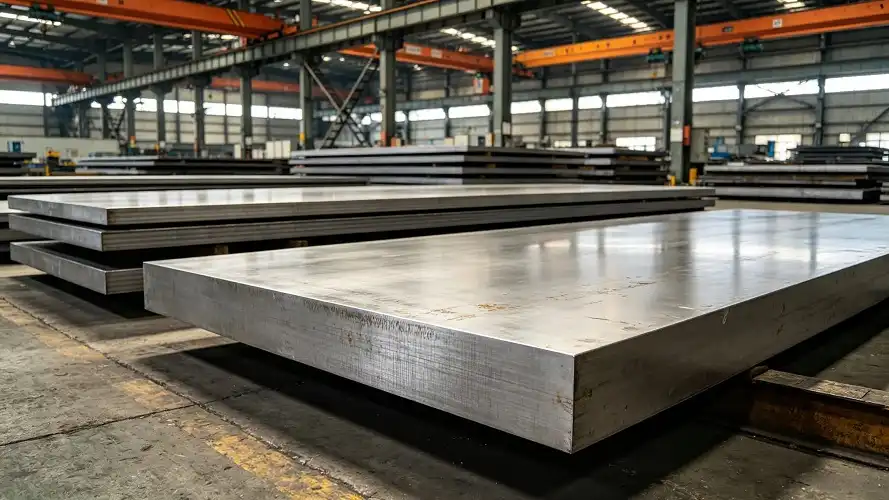
Understanding 1 Inch Titanium Plates: Properties and Types
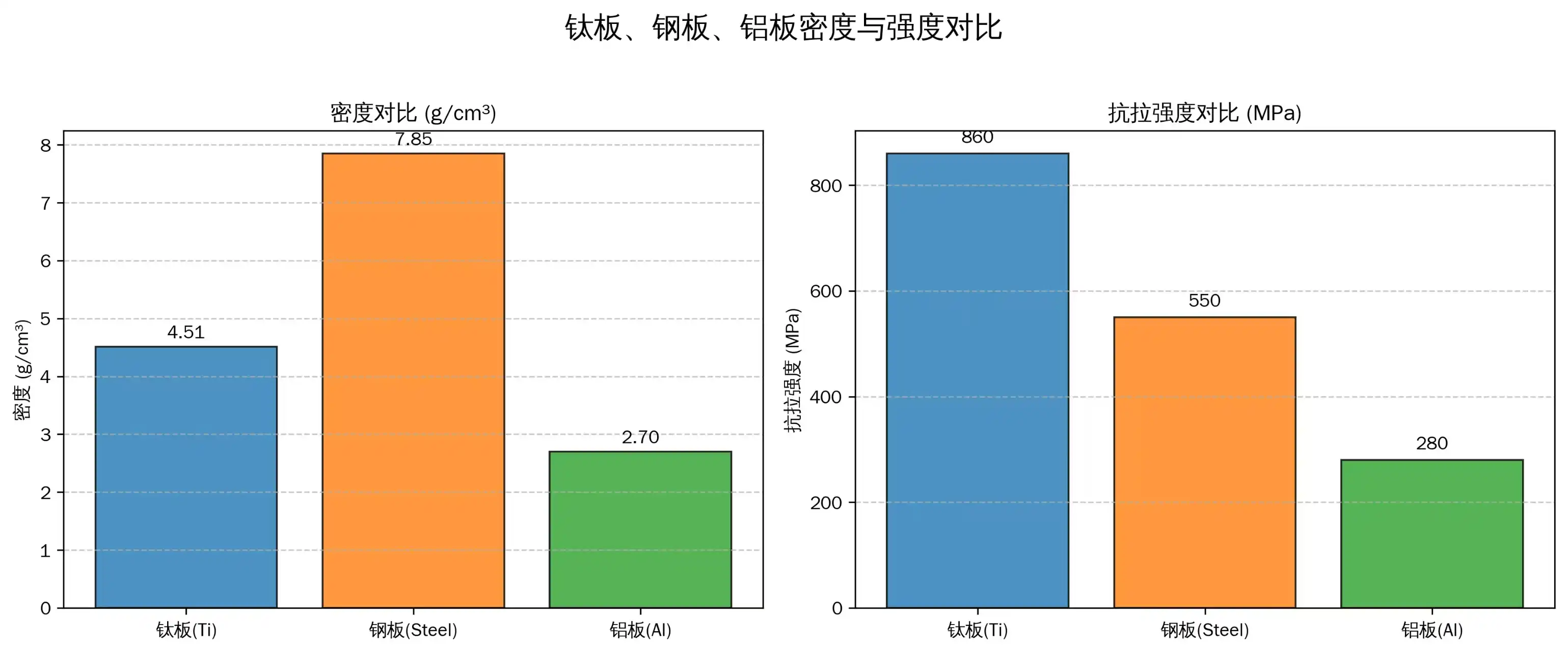
Many sectors use 25-mm titanium plates for heavy-duty manufacturing. Their appeal stems from their unique combination of low density (4.5 g/cm³), strong tensile strength, and chemical resistance. They are irreplaceable where other metals degrade fast.

Core Grades and Their Distinctions
Material grade determines performance limitations. Commercially pure grades like Gr1 and Gr2 are corrosion-resistant and moderately strong (345 MPa tensile for Gr2). Chemical reactors and heat exchangers exposed to acidic or chloride-rich fluids may employ them. Gr2 is the workhorse grade since it's sturdy and shapeable.
Improved mechanical properties of alloyed grades. Gr5 (Ti-6Al-4V), the most common titanium alloy, is corrosion-resistant and has a tensile strength exceeding 895 MPa. It is vital for aeronautical structural parts and offshore drilling equipment. Gr7 is made more resistant to reducing acids by palladium. This meets chemical processing demands when normal grades degrade fast.
In the intermediate range, Gr9 and Gr12 provide cost-performance improvements for usage that don't require all of Gr5's strength but need better mechanical qualities than commercially pure alternatives. Knowing these distinctions helps you avoid over-specification, which raises costs, and under-specification, which minimises safety gaps.
Mechanical and Physical Characteristics
High strength-to-weight ratio is titanium's key virtue. Titanium 1inch plates lighten buildings without reducing load-bearing capability. While 60% less dense than steel, they are as strong as or stronger when alloyed. This is crucial in aircraft, because every kilogram saved improves fuel economy and cargo capacity.
The stable, self-healing titanium dioxide coating on exposed surfaces resists corrosion. Chlorides, sulphides, and organic acids swiftly erode stainless steel, but this passive film resists. This extends the life of chemical, petrochemical, and marine equipment. Temperature stability up to 315°C for commercially pure grades and 400°C for alloys maintains the structure sturdy when temperatures change fast, which may cause creep deform aluminium alloys.
Manufacturing Standards Compliance
Plates from recognised vendors must fulfil ASTM B265, the fundamental standard for titanium mill items' chemistry, mechanical properties, and sizes. Aerospace applications need stricter AMS 4911. This includes stricter trace element and surface quality standards to eliminate fatigue failure defects.
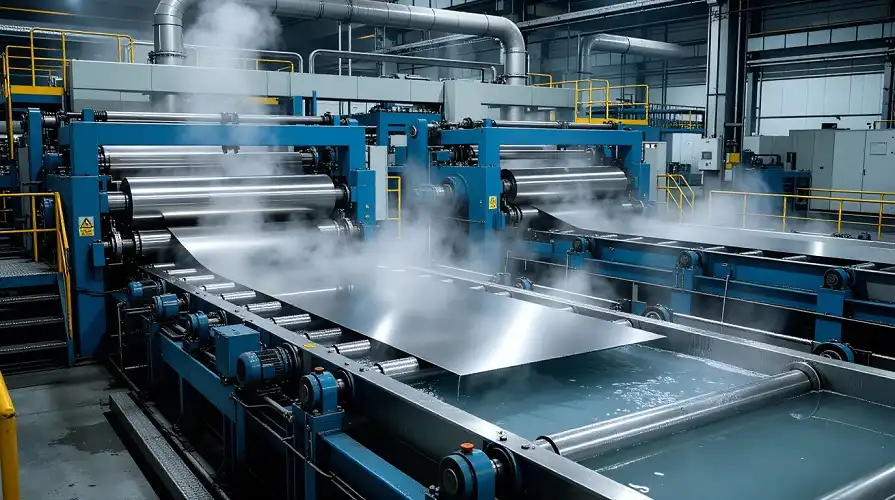
Pressure vessel regulations are specified by ASME SB265. Heat treatment records and non-destructive tests are required to ensure the interior is safe. Hot-rolled plates are annealed at 650°C–750°C to eliminate residual tensions and enhance microstructure. After that, acid pickling removes surface scale and contaminants. These processing procedures affect how effectively the material operates and how readily it can be manufactured.
Criteria for Selecting the Right Titanium Plate for Heavy-Duty Use
When it comes to heavy-duty uses, there are more than just strength needs. A good selection method takes into account operational stresses, environmental exposure, limitations on fabrication, and the economics of the whole lifecycle to find the best material specifications.
Assessing Application-Specific Loads
Mechanical loading determines minimum strength. For static structural sections, chemical facilities may employ Gr2, which has a tensile strength of 345 MPa. However, aerospace parts that are often loaded and unloaded need Gr5, which has 895 MPa and superior fatigue resistance. Compare safety parameters to yield strength to prevent peak load plastic deformation. Risk assessment may allow industrial machinery to tolerate 1.25x safety factors, unlike airline requirements that need 1.5x.
Equipment that may be dropped or impacted needs impact resistance. Elongation levels over 20% when annealed reveal titanium's ductility, allowing it to absorb impact energy via controlled deformation instead of brittle fracture like hardened steels.
Environmental Compatibility Evaluation
Grades must be properly matched since corrosion processes vary by working environment. Nitric acid and other oxidising acids promote passivation; thus, they don't attack all titanium grades. But reducing acids require Gr7 or Gr12 palladium-enhanced grades. Stress corrosion fractures and pits stainless steel; therefore, Gr2 or higher grades operate better in chlorine-rich and hot environments.
Temperature impacts corrosion and mechanical properties. Continuous usage of commercially pure kinds over 315°C soon absorbs oxygen into the metal matrix, deteriorating it. Alloyed kinds can take greater temperatures, but they require protective coatings or inert atmospheres beyond 540°C to prevent oxidation, which reduces measurement accuracy.
Surface Finish and Fabrication Considerations
Wear resistance, cleanliness, and processing are instantly affected by surface treatment. Acid-pickled finishes remove mill scale and other surface contaminants, making welding simpler and cleaning pharmaceutical and food processing interfaces. Polished surfaces reduce sliding contact friction and make sanitary equipment simpler to clean.
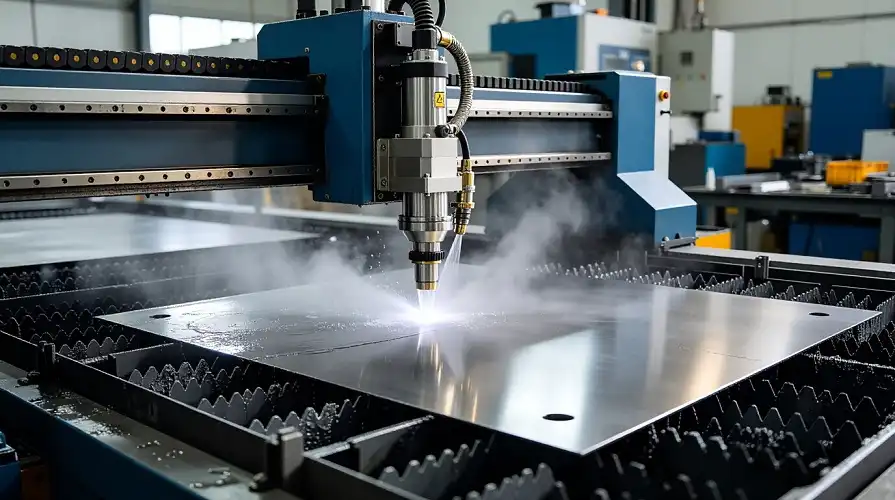
Because titanium 1inch plates work-harden and heat up while cutting, they need specific machining equipment. When suppliers provide precise cutting, purchasing near-net form is cheaper because machining one-inch thickness takes time and wears tools. Checking whether a vendor offers waterjet cutting, laser profiling, or CNC machining improves production efficiency and reduces waste.
These elements provide a choice matrix with no standouts. Procurement specialists must assess material cost, manufacturing complexity, and operational performance to establish technical requirements within budget. To ensure that your plates fulfil grades and requirements, material certificates must verify chemistry, mechanical testing, and sourcing.
Comparing Titanium 1 Inch Plates with Alternative Metal Plates
Titanium is often compared to well-known materials like carbon steel, aluminum alloys, and stainless steel in debates about what material to use. Titanium 1inch plates are very expensive, but a full lifecycle analysis often shows that they are cost-effective or even cheaper when longevity, maintenance intervals, and operational efficiency are taken into account.
Strength and Weight Performance
No material has a better strength-to-weight ratio than titanium. Gr5 titanium is 60% lighter than high-strength steel alloys yet has the same tensile strength. This allows architects to build lighter, easier-to-move buildings. Aluminium alloys are lighter but need more thickness to be as strong; therefore, they don't assist with weight in heavy-duty applications.
Workplace advantages result from weight efficiency. The lighter topsides of titanium offshore platforms decrease the center of gravity and make them more stable. Less material in aerospace structures makes support structures lighter, cascading weight savings.
Corrosion Resistance Economics
Initial material cost comparisons favouring stainless steel and carbon steel over others are inaccurate. Titanium doesn't need to be coated, examined, or changed as frequently due to its rust resistance, according to lifecycle studies. Pitting and stress-corrosion cracking may require stainless steel chemical production equipment to be changed every 5–7 years, although titanium equivalents survive 20–30 years with negligible wear.
The hidden value is in avoiding maintenance costs. Unanticipated corrosion-related failures cost manufacturers thousands of dollars per hour in lost production, safety incident risk, and repair costs. Titanium's reliability reduces these incidents, making risk-based sectors more predictable and cheaper to insure.
Total Cost of Ownership Analysis
If you merely consider the lowest price, you may overlook the lifetime expenses of using the instruments. The whole examination involves purchasing materials, employing people to create them, installing them, determining how frequently they require maintenance, how they influence energy efficiency, and how to dispose of them.
Titanium is harder than softer materials; thus, it takes longer to produce things. Experienced fabricators can compensate with the correct tools and specifications. However, greater service life and no protective coatings offset the increased manufacturing cost. Titanium heat exchangers cost two to three times more than stainless steel ones, but their corrosion-resistant walls allow them to last three to four times longer and transfer heat more efficiently. They save energy and delay replacement, recouping their cost.
Where and How to Procure 1 Inch Titanium Plates Efficiently
To do good buying, you need to know how the supply chain works, what your suppliers can do, and how to check the quality of the goods. The titanium 1inch plate market has its own problems, like price changes, long lead times, and the fact that material traceability is very important for regulated uses.
Identifying Capable Suppliers
Manufacturing skills, quality systems, and export expertise should be prioritised when picking a supplier above pricing. Established suppliers have plenty of stock, reducing wait times. They give comprehensive material tracking documents and are ISO 9001 and AS9100 certified for aeroplanes.
Location affects logistics costs and wait times. Baoji, China, is a titanium manufacturing center due to its cheap pricing and processing alternatives. Fully integrated supply chains from sponge to plate benefit these suppliers. Production is cheaper, and quality is better controlled.
Check vendors' grades and standards to ensure they fit your demands. Aerospace materials must be AS9100-certified and AMS-compliant. For chemical processing, pressure vessel materials must be ASME-certified. Sample material test reports should demonstrate that mechanical qualities and chemistry are satisfied throughout manufacturing batches.
Custom Cutting and Processing Services
When you can only purchase entire sheets, standard plate sizes seldom match the final forms of the parts they're utilised in, wasting a lot. Suppliers provide custom waterjet, plasma, and laser profiling cutting. These services save machining time and waste by using near-net-shape blanks. Titanium 1inch plates benefit from this because machine cutting off excess material takes time and generates pricey waste.
Supplier minimum order quantities vary greatly. Small orders may be handled by large wholesalers at higher rates, but producers require 500–1000 kg per grade and size to meet manufacturing line expenses. Planning purchases around these minimums and perhaps combining demands from many projects yields the best unit costs.
Standard quality lead times from credible providers with stock are 4–6 weeks, including overseas delivery. Custom thicknesses or grades need mill manufacturing runs, which might take 12–16 weeks. Skip costly rush fees and production delays by including these dates in the project plan.
Verification and Quality Assurance
Material clearance documentation tracks titanium 1inch plates' origins and ensures they fulfil chemical and mechanical norms. A detailed mill test report shall accompany every shipment, including the heat number, chemical composition (as established by a recognised laboratory), mechanical testing (tensile, yield, and elongation), and dimensions.
Critical usage needs independent proof testing. Buying managers should ensure that items are evaluated for internal faults using optical emission spectroscopy, mechanical testing according to ASTM E8, and non-destructive ultrasound testing according to AMS 2631 by a third party. These verification processes prevent non-conforming material from weakening the component.
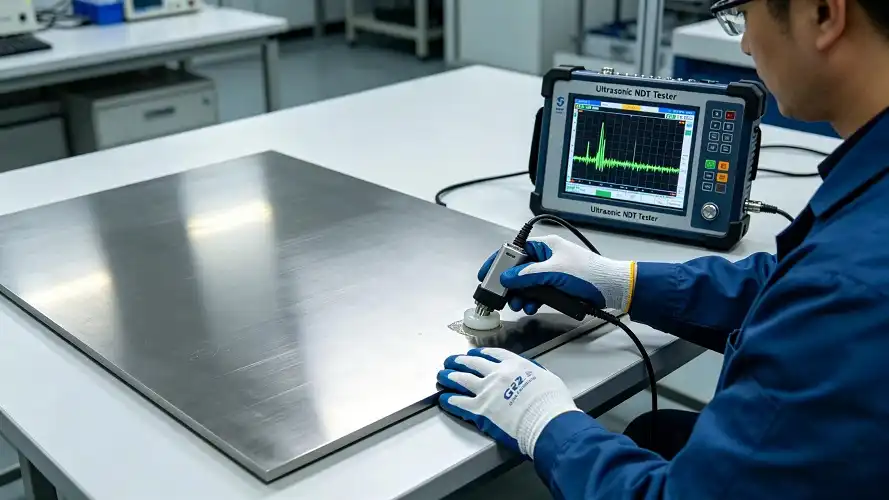
The surface is visually inspected for cracks, splits, and laminations that might create stress and failures. Acid-pickled surfaces should not have permanent scale, iron contamination, or colour changes that indicate poor processing. Reliable vendors visually check and document the item, giving purchasers confidence in its condition.
Case Studies: Successful Applications of Titanium 1 Inch Plates in Heavy-Duty Scenarios
Real-world examples show that choosing the right titanium 1inch plate can improve performance and save money in many different industries. These examples give you a way to think about how titanium might be used to solve certain operational problems.
Aerospace Structural Components
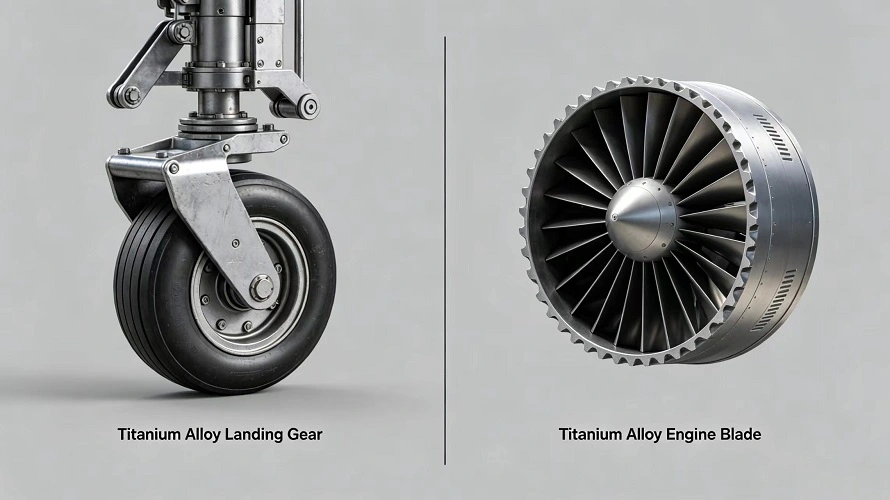
A large aeroplane part manufacturer shifted from high-strength steel to Gr5 titanium 1inch plates for landing gear support structures. This reduced construction weight by 40% while maintaining strength and fatigue resistance. This improvement reduced the plane's fuel usage by 2.3% during its lifespan, saving millions of dollars in operating expenses that more than compensated for the material price in the first five years.
Material qualifying tests included fatigue testing to 10 million cycles and corrosion exposure for 30 years for implementation. Supplier material certifications confirmed that the product satisfied AMS 4911 chemical and mechanical requirements. A third party validated that the surface was free of alpha-case contamination that might create wear fissures.
Chemical Processing Equipment
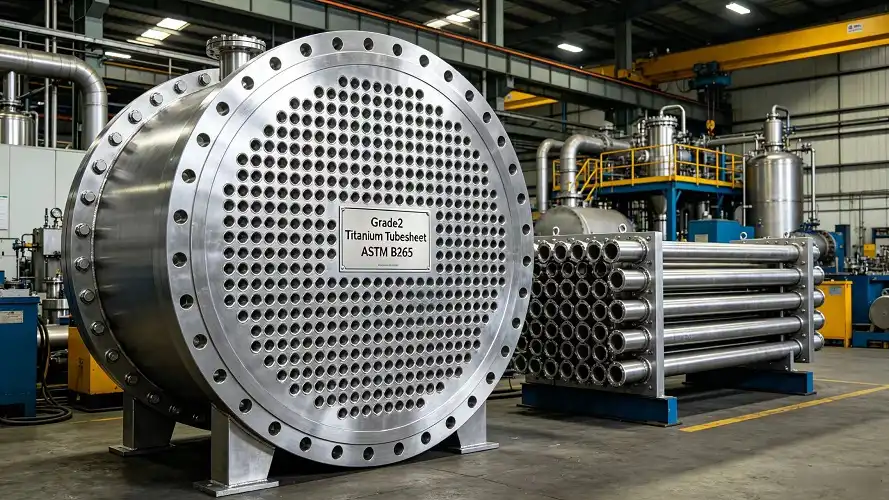
A petrochemical factory moved from stainless steel to Gr2 titanium heat exchanger bundles for a sulphuric acid collector. Because stress corrosion pitted and damaged the initial stainless steel units every 18 months, manufacturing ceased, and money was wasted.
Titanium exchangers made from 25 mm plates have been utilised continuously for 12 years without corrosion or performance degradation. Increased service life eliminated the requirement for four replacement rounds. This saved $800,000 in equipment expenses and $2.1 million in changeover stoppage production damage. Thinner titanium tube walls boosted heat transfer efficiency by 15%, reducing steam usage and operating expenses.
Industrial Machinery Applications
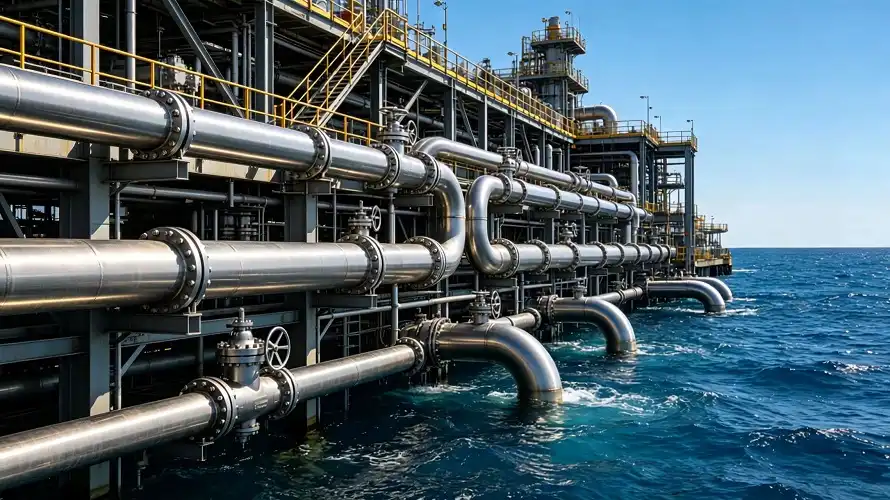
A company that makes offshore equipment asked for Gr5 titanium plates to be used on hydraulic manifold blocks that work in deep-sea conditions with high-pressure seawater. In the past, systems made of aluminum and coated steel had crevice corrosion in sealed surfaces, which led to seal failures and hydraulic fluid contamination.
Titanium manifolds machined from 25mm plate stock got rid of rust worries, so checks only had to be done every five years instead of once a year. The increase in reliability cut platform maintenance costs by $150,000 per installation every year and got rid of the risk of hydraulic leaks polluting the environment. Offshore regulatory standards for vital pressure-containing parts were met by material traceability documentation.
Conclusion
Material properties, supplier capabilities, and total ownership costs must all be considered when choosing the best titanium 1inch plate for heavy-duty applications. Gr2 serves chemical handling because it is very resistant to corrosion, and Gr5 is used in aircraft structures that need to be strong and light. To make a successful procurement, you need to define the right grades according to ASTM B265 standards, check the quality systems and certifications of the suppliers, and do independent testing for important uses. Titanium costs more than other materials at first, but its long life, resistance to rust, and low weight make it a great choice for harsh settings. By knowing these selection factors, you can make smart choices that improve performance, dependability, and long-term value.
FAQ
1. What titanium grade works best for marine chemical processing?
Gr2 titanium 1inch plates work best in chemically harsh marine environments because they are moderately strong (345 MPa tensile) and don't rust when exposed to chlorides. Adding palladium to Gr7 makes it passivate even in low-pH conditions above 250°C, which is useful for applications that use reducing acids but costs more.
2. How do I calculate the weight of a titanium plate?
Weight calculation uses the formula: Weight (kg) = Length (m) × Width (m) × Thickness (m) × Density (4510 kg/m³). A plate measuring 2000mm × 1000mm × 25mm weighs approximately 225 kg. At the same size and weight (393 kg), this is very different from steel, showing titanium's weight edge in structural uses.
3. What lead times should I expect for bulk orders?
Orders for standard-grade goods from reputable sellers usually ship within 4 to 6 weeks, which includes shipping time to other countries. Custom specifications that need mill production take 12 to 16 weeks, depending on the number of orders and the schedule for production. Lead time effects on project schedules can be lessened by keeping smart inventory or making long-term supply deals.
Partner with a Trusted Titanium 1 Inch Plate Supplier
Baoji Jucheng Titanium Industry Co., Ltd. brings over 20 years of specialized experience manufacturing precision titanium plates conforming to ASTM B265, AMS 4911, and ASME SB265 standards. Our production capacity maintains 3,000 tons of inventory across grades Gr1, Gr2, Gr5, Gr7, Gr9, and Gr12, enabling rapid fulfillment of urgent requirements. As a national-level specialized "little giant" enterprise with 45 patents, we combine advanced R&D capabilities with rigorous quality control systems that ensure material consistency and certification compliance.
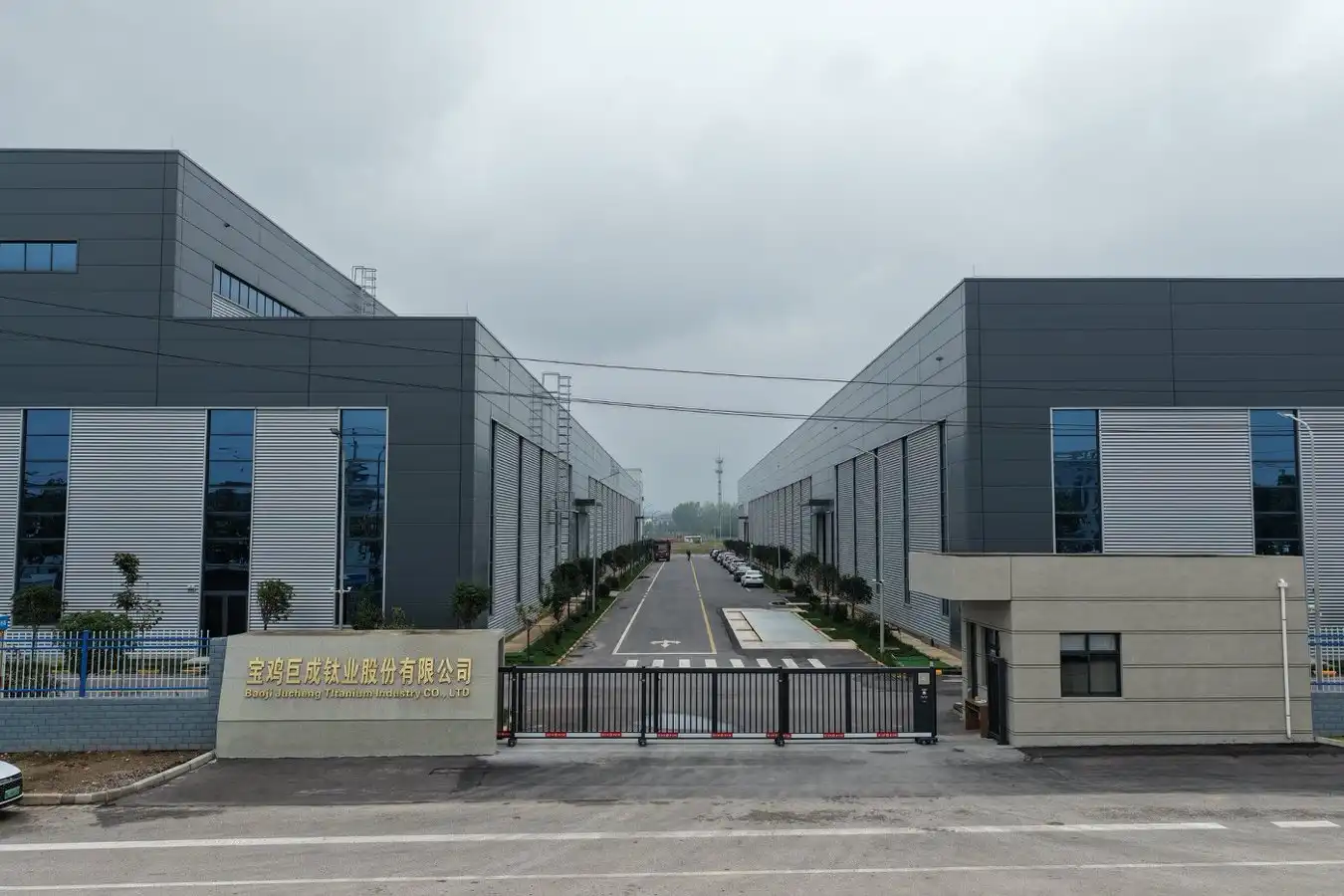
Our hot-rolled plates undergo comprehensive processing, including annealing, leveling, pickling, and precision finishing to deliver optimal surface quality and mechanical properties. Custom cutting services accommodate project-specific dimensions within our range of 4–80mm thickness, up to 2500mm width, and 10,000mm length. Every shipment includes complete mill test reports with full traceability, supported by our quality inspection team that verifies conformance to your specifications.
Procurement managers, engineers, and distributors seeking reliable titanium 1inch plate supply can contact our technical team at s4@juchengti.com for detailed quotations, material certifications, and application engineering support.
References
1. ASTM International. "ASTM B265-20: Standard Specification for Titanium and Titanium Alloy Strip, Sheet, and Plate." West Conshohocken, PA: ASTM International, 2020.
2. Boyer, R., Welsch, G., and Collings, E.W. "Materials Properties Handbook: Titanium Alloys." Materials Park, OH: ASM International, 1994.
3. Donachie, Matthew J. "Titanium: A Technical Guide, 2nd Edition." Materials Park, OH: ASM International, 2000.
4. Schutz, R.W. and Watkins, H.B. "Recent Developments in Titanium Alloy Application in the Energy Industry." Materials Science and Engineering A, vol. 243, 1998, pp. 305-315.
5. Peters, M., Kumpfert, J., Ward, C.H., and Leyens, C. "Titanium Alloys for Aerospace Applications." Advanced Engineering Materials, vol. 5, no. 6, 2003, pp. 419-427.
6. Seagle, S.R. "The State of the USA Titanium Industry in 2000." Materials Science and Engineering A, vol. 329-331, 2002, pp. 534-542.