



How to Choose Titanium Sheet AMS4900 for Aerospace Procurement?
Selecting the right titanium sheet AMS4900 for aerospace procurement demands careful consideration of material specifications, supplier capabilities, and long-term performance reliability. AMS4900 designates commercially pure titanium sheet conforming to rigorous aerospace standards, offering excellent corrosion resistance and formability at moderate strength levels. When sourcing this material, procurement professionals must balance certification compliance, mechanical property verification, and supplier track records to ensure components meet airworthiness requirements while controlling costs. Understanding the technical nuances of this specification helps decision-makers avoid costly delays and quality failures in critical aerospace applications.
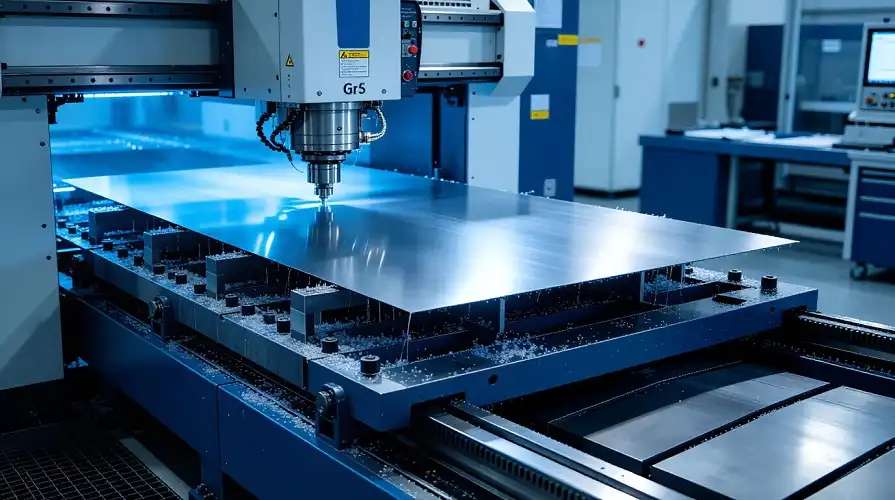
Understanding AMS4900 Titanium Sheet: Specifications and Properties
What Makes AMS4900 Different from General Titanium Standards
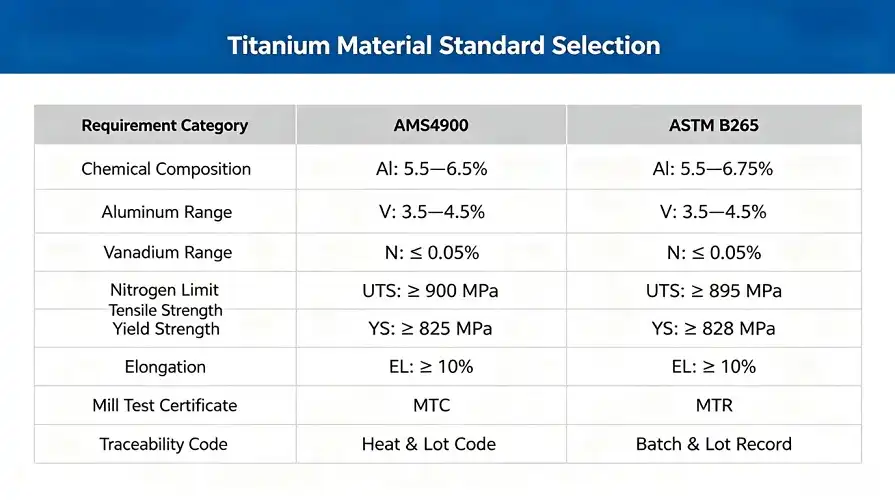
The main difference between titanium sheet AMS4900 and other titanium standards is that titanium sheet AMS4900 is a strict aircraft material standard for unalloyed titanium sheet, which is usually the same as commonly used pure grades. While ASTM B265 and other general industry standards cover a lot of titanium sheet, titanium sheet AMS4900 has stricter rules about chemical makeup tolerances, mechanical property consistency, and the paperwork needed to track down flight-critical parts.
The requirements are usually in line with Grade 1 or Grade 2 commercially pure titanium, which has a low amount of intermediate elements. The amount of oxygen in the material is kept below certain levels to keep it flexible, which is very important when making aircraft skin panels and ducting systems.
Key Mechanical and Chemical Properties
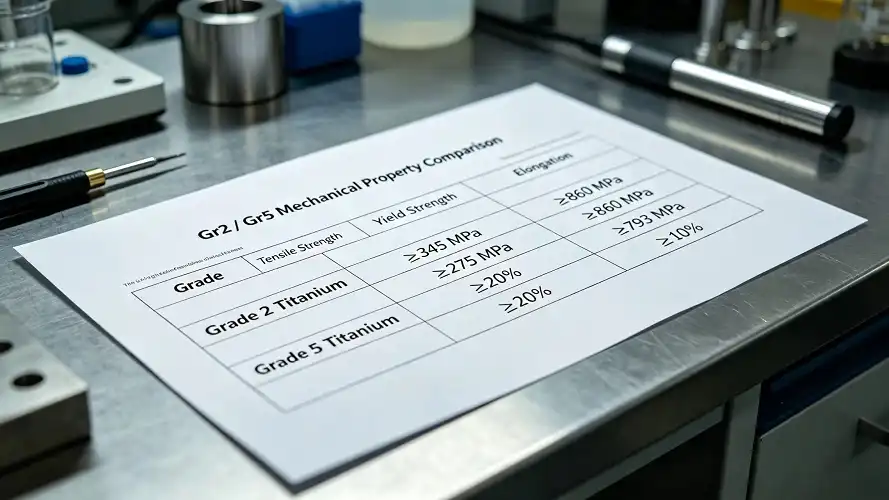
The tensile strength of titanium sheet AMS4900-compliant material is between 240 and 550 MPa, and the yield strength is between 170 and 480 MPa, based on the grade. The material has great elongation properties—more than 20%—which lets it be cold-formed in complex shapes without cracking. This ability to bend is very helpful when making curved fuselage sections or brackets with compound angles.
Chemical composition is closely watched, and the amount of iron is usually less than 0.3%, and the amount of carbon is less than 0.1%. These low interstitial levels keep the material's high corrosion resistance against aviation fluids, hydraulic oils, and the weather that an airplane will be exposed to over its lifetime. The lack of alloying elements also makes it possible to use gas tungsten arc welding methods that are common in aerospace manufacturing.
Heat Treatment and Surface Conditions
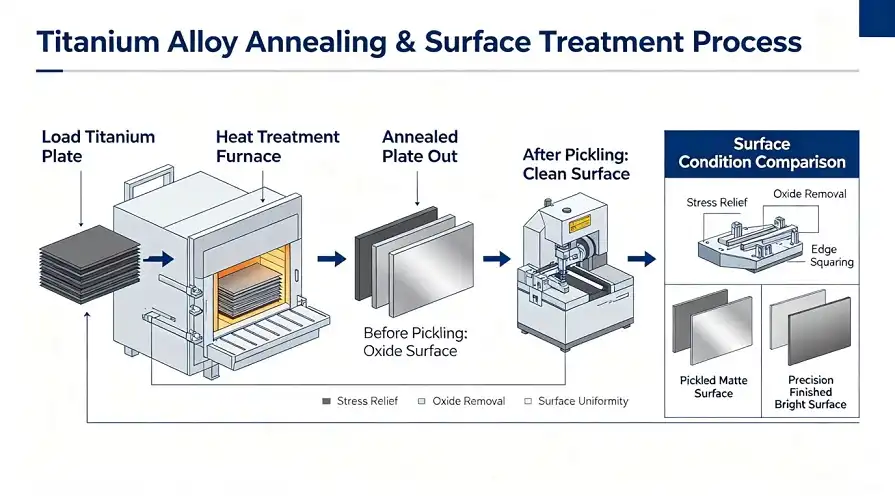
The material that goes into the titanium sheet AMS4900 goes through cycles of annealing heat treatment, which reduces internal stresses caused by rolling operations and improves the structure of the grains. Usually, annealing temperatures are between 650°C and 750°C. After that, the temperature is lowered slowly until the metal is dead-soft, which is perfect for the next steps in the process of shaping.
Surface techniques change depending on what the item will be used for. Acid pickling gets rid of metal scale and surface dirt, leaving behind a matte finish that can be used for paint or binding systems. For parts that can be seen from the outside, polished surfaces meet visual standards, while machined edges make sure that the dimensions of assembly contacts are exact. These ways of preparing the surface have a direct effect on the next steps in the manufacturing process and the performance of the final part.
Aerospace Applications Requiring AMS4900
Manufacturers of airplanes use titanium sheet AMS4900 for structural and non-structural uses where resistance to rust is more important than strength. Common uses include mounting brackets for hydraulic systems, air conditioning pipe systems, and firewall structures that keep passenger areas cool from the heat of the engine nacelle.
The material can also be used in parts of weather control systems that are exposed to changes in temperature and wetness. It stays stable at temperatures ranging from very cold to 300°C, so it can be used in a wide range of aerospace environments without breaking down. Titanium sheet AMS4900 is good for engine cowling panels because it can be shaped easily, doesn't rust, and has a good strength-to-weight ratio.
Criteria for Selecting AMS4900 Titanium Sheet for Aerospace Procurement
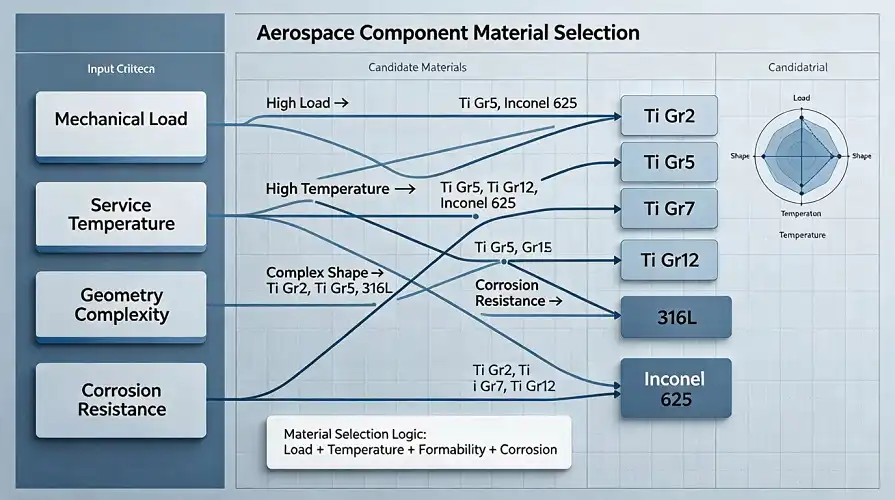
Matching Material Properties to Project Requirements
A comprehensive stress study of the parts' actual load circumstances may help pick materials. When design pressures are less than 200 MPa, titanium sheet AMS4900 is better for environmental resistance over strength. Overstating a material's capabilities boosts prices without providing value.
Temperature exposure profiles must match material capabilities. Even though titanium sheet AMS4900 can withstand 300°C, prolonged exposure above 200°C may need higher-grade alloys that resist creep. However, cryogenic applications benefit from commercially pure titanium's flexibility at low temperatures.
Shape complexity affects material choice. Due to its flexibility, titanium sheet AMS4900 grades are suitable for tight bend radii and deep drawing. If structural requirements need it, higher-strength alloys may be employed in brake-forming elements.
Certification and Quality Assurance Requirements
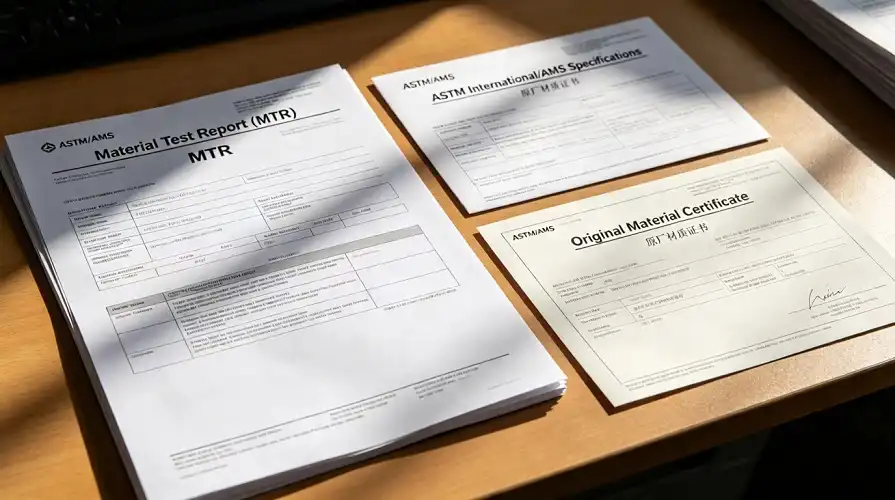
Materials must be traced from mill certification to installation for aerospace procurement. Suppliers shall provide Mill Test Reports (MTR) with heat-specific chemical composition and mechanical test findings per EN 10204 3.1. These certifications authenticate the material's history and help you track lots with service issues.
Third-party inspections of manufacturing and quality control are required for titanium sheet AMS4900 certification. Suppliers that maintain AS9100 military quality certification fulfil tighter documentation and process control criteria than ISO 9001.
Materials are broken down to test tensile characteristics, grain size, and interstitial element accuracy. Non-destructive ASTM B265 ultrasonic examination may reveal internal laminations or inclusions that degrade the structure. The procurement specifications must include these proving techniques.
Get in touch with us at s4@juchengti.com to talk about your needs for a titanium sheet AMS4900 provider and find out how our services can help your aircraft supply chain.
Evaluating Supplier Reliability and Capabilities
Price isn't the only factor in supplier performance. It also involves delivery, technical support, and quality consistency. Aerospace firms require over 95% on-time delivery to keep to production schedules and prevent expensive line pauses.
How flexible you may be when purchasing depends on minimum order numbers. Prototypes and limited production runs may be manufactured without buying too much inventory when vendors establish acceptable MOQs. Baoji Jucheng Titanium Industry has 3,000 tonnes of titanium, allowing them to address urgent demands without waiting.
Technical consulting services distinguish skilled salespeople from those who sell things. Aerospace applications benefit from metallurgical expertise in forming parameters, welding techniques, and surface treatment optimisation. Suppliers who do their own research and development, like those at the Northwest Institute for Nonferrous Metal Research, may assist in addressing part manufacturing issues.
Balancing Cost Against Performance and Lifecycle Value
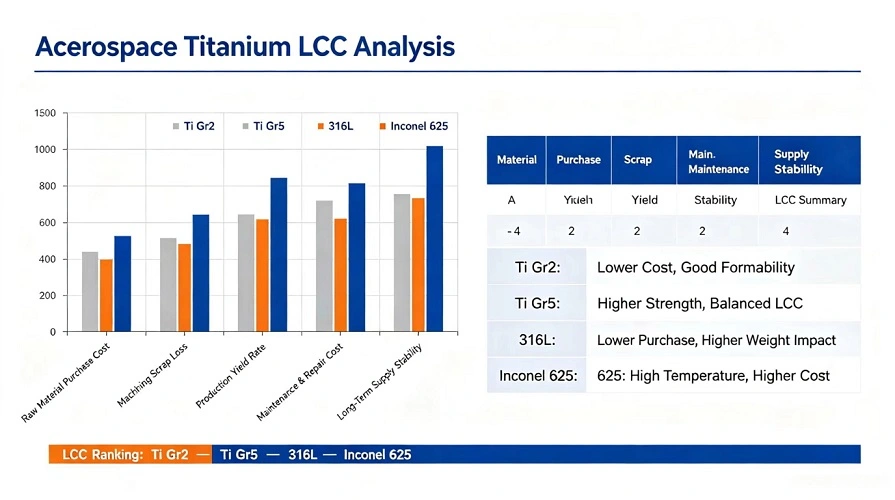
Buyers who just consider the purchase price neglect critical life-cycle costs. The cheapest material that fulfils standards may have hidden expenses like machining issues, increased scrap rates, or early service failure.
Purchasing strategy should focus on cost-per-functional-unit, not kilogram. Material with somewhat higher needed qualities may enable design optimisation, lowering component weight or making manufacture simpler, lowering program cost.
Long-term supply agreements with approved suppliers stabilise pricing under market fluctuations and provide priority materials to vendors when supplies are short. These agreements are useful since titanium's supply chain is centralised and demand changes fast throughout aerospace manufacturing cycles.
Practical Tips for Procuring AMS4900 Titanium Sheet
Sourcing Channels and Supplier Selection
Without distributor markups, purchasing titanium sheet AMS4900 directly from well-known manufacturers may save you money. It frequently decreases costs by 15–20%. Over-20-year-old manufacturers like Jucheng Titanium provide material and customisation. This streamlines supply chains and communication.
Verified wholesalers assist with smaller orders and immediate needs. These intermediaries store many items but charge more to cover storage and financing costs. Procurement teams should contact manufacturers and distributors for the best pricing and supply.
Location strongly impacts logistics costs and lead times. In Baoji, China, the "Titanium Valley," titanium processing facilities and expertise are abundant. This region may provide a pricing and technological advantage over other regions, particularly if you cooperate with competent exporters that understand the worldwide aerospace sector.
Negotiation Strategies for Bulk Purchases
Volume commitments minimise manufacturing costs and assure capacity allocation, cutting prices significantly. Annual purchase arrangements that establish baseline amounts and enable modifications save 10-15% over spot purchasing.
Grouping project or product demands increases buying power. Bundling orders may improve payment terms, minimise custom-size tooling costs, and prioritise production scheduling when output is restricted.
Both parties benefit from technical cooperation beyond business. Sharing design needs early helps vendors plan manufacturing and may offer cheaper materials or procedures. People working together frequently generate fresh ideas that benefit everyone and strengthen the supply chain.
Managing Lead Times and Logistics
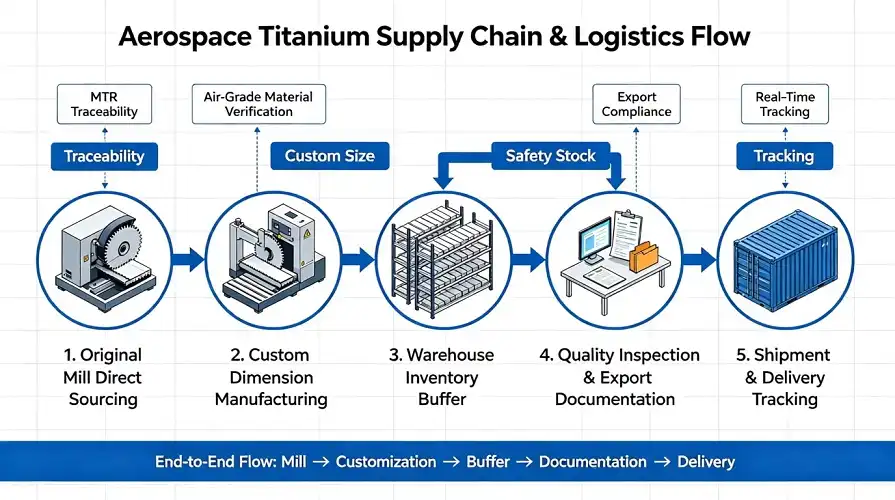
Mills can create titanium sheet AMS4900s in 8–16 weeks, depending on thickness, breadth, and quantity. Critical path procurement may need strategic inventories to accommodate production schedule adjustments.
Customised sizes are harder to manage yet save waste from oversize sizes. Jucheng Titanium makes bespoke sizes from 4mm to 80mm thick, 2,500mm wide, and 10,000mm long. They can exactly optimise the material. Examine the trade-off between longer lead times and better material yields for each application.
Export paperwork, customs clearance, and delays make overseas shipping harder. Experienced suppliers offer comprehensive traceability papers and cooperate with goods forwarders to reduce transit durations and damage hazards.
Documentation and Regulatory Compliance
Each shipment of aircraft supplies must contain plenty of documentation. Material certifications must include heat numbers to trace ingot manufacturing, chemical composition analysis findings, mechanical property test data, and confirmation of compliance.
Export-controlled aircraft materials may need additional regulatory clearances depending on the jurisdiction and purpose. These standards are readily met by suppliers with worldwide aerospace industry expertise, preventing bureaucratic delays.
Receiving inspection procedures should verify certification size, status, and correctness before manufacturing. After machining, errors cost time and create delays that might have been prevented with good receiving.
Building Long-Term Partnerships with AMS4900 Titanium Sheet Suppliers
Validating Supplier Credentials and Capabilities
Long-term contracts with AMS4900 titanium sheet suppliers. Tight supplier qualification methods protect aerospace projects from substandard materials and supply issues. Site audits examine worker skills, quality control, and manufacturing equipment. Suppliers with National High-Tech Enterprise and other speciality licenses are committed to advanced manufacturing excellence.
Protect your IP while sharing secret plans or specifications. Globally reputable suppliers have more to lose from intellectual property theft and follow stronger privacy laws. Non-disclosure agreements formalise these safeguards, but trust from doing the right thing is stronger.
Financial stability reviews prevent supply chain disruptions when sellers fail. Companies with significant commercial backing or stock market trading give longer warranties. Jucheng Titanium has 50 million RMB in registered capital and is listed on the National Equities Exchange. This indicates financial stability and long-term partnership potential for the firm.
Advantages of Direct Factory Partnerships
Direct connections with manufacturers cut out the middlemen, which speeds up and improves the clarity of communication. When customers ask technical questions, they are answered by engineers who know how the products are actually made, not by sales reps who are guessing.
When working directly with production facilities, customization options grow a lot. For certain uses, material types, surface processes, and size requirements can be made better. Jucheng Titanium has 41 utility model patents and keeps investing in research and development (R&D). This lets them come up with new ways to solve problems that only happen in aerospace.
Maintaining Quality Through Continuous Evaluation
When you work closely with producers, you can see more about the production process. Real-time reports on the state of orders, early warnings about possible delays, and working together to solve problems are all made possible. This openness cuts down on uncertainty and makes it easier to plan production.
Monitoring performance on a regular basis keeps quality high over long-term relationships. Key metrics like on-time delivery rates, material conformance percentages, and how quickly problems are fixed should be kept track of and reviewed every three months.
Regular checks make sure that the requirements of the quality management system and aerospace specifications are still being met. These checks find possible problems before they affect production and show that you are committed to maintaining quality.
Leveraging Supplier Technical Support Services
Improvement projects that involve everyone are good for everyone. Sharing feedback on the process helps suppliers improve the way they make things, and users benefit from lower prices or better material performance. These strategy conversations can happen in an organized way during the annual business reviews.
Advanced suppliers offer engineering advice to help with choosing materials, developing forming processes, and fixing problems that come up during manufacturing. This knowledge is especially helpful when making a new product, and there are questions about how the material will behave.
Testing and analysis tools, such as those that check material properties, look at microstructures, and analyze failures, help people solve problems faster. When suppliers have these tools, they stop just selling materials and become real partners in quality assurance.
Conclusion
When buying titanium sheet AMS4900 for aircraft, you have to weigh technical requirements against the supplier's skills and the cost over its entire life. The material's good resistance to corrosion and ability to be shaped make it useful in many aircraft uses where modest strength is enough. A successful procurement rests on a thorough review of the suppliers, with a focus on their ability to provide technical help, supply goods on time, and meet certification requirements. Direct partnerships with experienced manufacturers can save you money and give you more freedom to customize, which makes aerospace supply chains run more smoothly. Procurement workers make sure that materials are always available by matching the properties of materials to the needs of specific applications and building strategic relationships with suppliers. This helps programs succeed in the long run.
FAQ
1. What thickness ranges are available for AMS4900 titanium sheet?
For aircraft use, titanium sheet AMS4900 that meets standards is usually between 0.4mm and 6.35mm thick. Specialized suppliers, such as Jucheng Titanium, can offer hot-rolled sheet with thicknesses ranging from 4 mm to 80 mm, widths up to 2,500 mm, and lengths up to 10,000 mm. Customized measurements can be used to get the most out of the material for certain parts.
2. How does surface treatment affect aerospace titanium sheet performance?
The state of the surface has a direct effect on the next steps in the manufacturing process and how the part works. Acid-pickled surfaces get rid of dirt and grime, making strong adhesive bonds possible for building parts. In uses with cyclic loads, polished finishes make the surface less rough, which increases its resistance to wear. Machined edges make sure that tight-tolerance assemblies are accurate in terms of size and shape, and they get rid of layers of work-hardened material that could crack during shaping.
3. What certifications should aerospace titanium suppliers provide?
Aerospace titanium providers with a good reputation must provide Mill Test Reports that follow EN 10204 3.1 and list the chemical makeup and mechanical qualities of each heat. The AS9100 quality system certification shows that the company can meet requirements that are unique to aerospace, in addition to the general ISO 9001 standards. The material should meet standards like ASTM B265, AMS 4911, and ASME SB265, and there should be full paperwork showing where the material came from to support airworthiness approval.
4. Can AMS4900 material be welded to other aerospace metals?
The brittle intermetallic compound that forms when titanium sheet AMS4900 is welded directly to steel or aluminum makes the joint impossible. To join metals that are not the same, you need to use mechanical fixing or specialized methods like explosion bonding. Titanium-to-titanium welding uses gas tungsten arc welding with the right shielding gas and backing to keep weld zones from getting contaminated, which can weaken them.
Partner with Jucheng Titanium for Reliable AMS4900 Titanium Sheet Supply
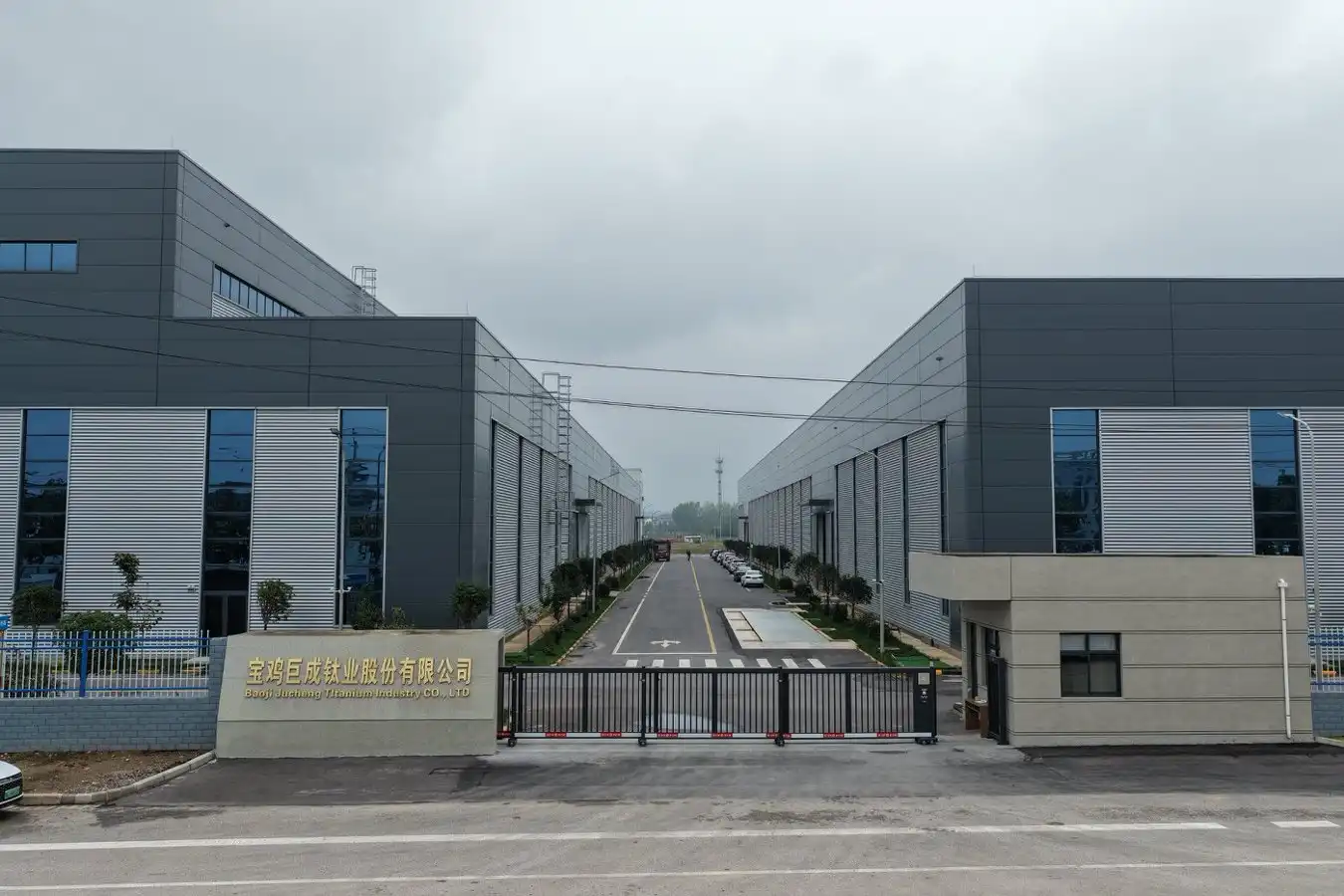
When buying aerospace products, suppliers need to have professional know-how and a track record of quality and service. Jucheng Titanium has been working in the titanium industry for more than 20 years, helping aerospace companies around the world. Our 120,000-square-meter warehouse holds about 3,000 tons of stock, which lets us quickly fulfill orders when project deadlines get squished. We offer titanium sheet AMS4900 that meets the standards of AMS 4911, ASTM B265, and ASME SB265 in grades Gr1, Gr2, Gr4, Gr5, Gr7, Gr9, and Gr12. The thickness can be adjusted from 4mm to 80mm, and the sizes can be made to order. As a National High-Tech Enterprise with 4 idea patents and 41 utility model patents, we offer technical advice to help with choosing materials and making the best products. Through our relationships with the Northwest Institute for Nonferrous Metal Research and top colleges, we have access to the most advanced technology for processing titanium. Get in touch with us at s4@juchengti.com to talk about your needs for a titanium sheet AMS4900 provider and find out how our services can help your aircraft supply chain.
References
1. Aerospace Material Specification AMS4900, SAE International, Warrendale, Pennsylvania, 2019.
2. Boyer, R., Welsch, G., and Collings, E.W., Materials Properties Handbook: Titanium Alloys, ASM International, Materials Park, Ohio, 1994.
3. Donachie, Matthew J., Titanium: A Technical Guide, 2nd Edition, ASM International, Materials Park, Ohio, 2000.
4. Federal Aviation Administration, Metallic Materials Properties Development and Standardization (MMPDS-17), Battelle Memorial Institute, Columbus, Ohio, 2022.
5. Lutjering, Gerd and Williams, James C., Titanium, 2nd Edition, Springer-Verlag, Berlin, Germany, 2007.
6. Peters, M., Kumpfert, J., Ward, C.H., and Leyens, C., "Titanium Alloys for Aerospace Applications," Advanced Engineering Materials, Volume 5, Number 6, 2003, pages 419-427.