



How to Choose Titanium Sheet in Coil for Continuous Processing
Selecting the right titanium sheet coil for continuous processing hinges on understanding your application's specific demands—including corrosion exposure, mechanical stress, and processing speed. Titanium Sheet in Coil provides uninterrupted material feed for automated stamping, roll-forming, and welded tube production, dramatically reducing downtime and material waste compared to discrete sheets. Choosing the appropriate grade (such as commercially pure Gr1 or Gr2), thickness range (0.3-12.0 mm), and surface finish (annealed, pickled, or bright) ensures compatibility with your production line while meeting strict standards like ASTM B265 and AMS 4911. This guide walks you through the essential criteria to make informed procurement decisions that balance performance, cost, and supply reliability.
Understanding Titanium Sheet in Coil: Properties and Specifications
What Defines Titanium Coil Material
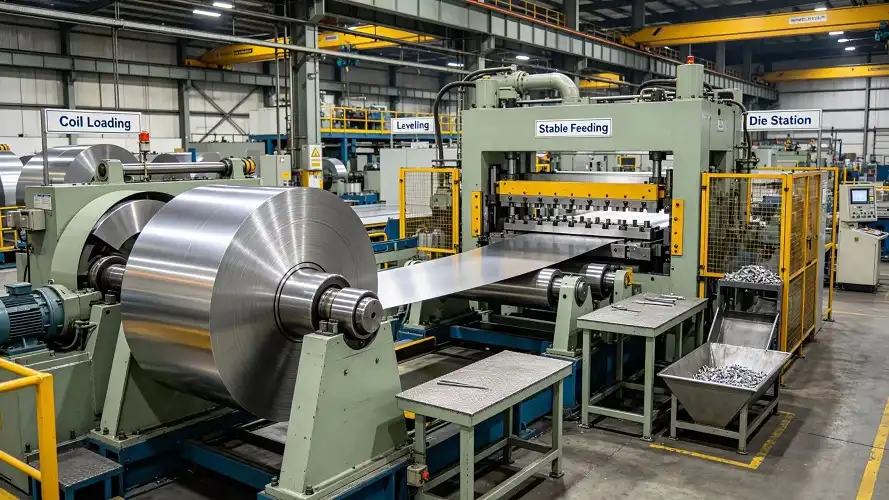
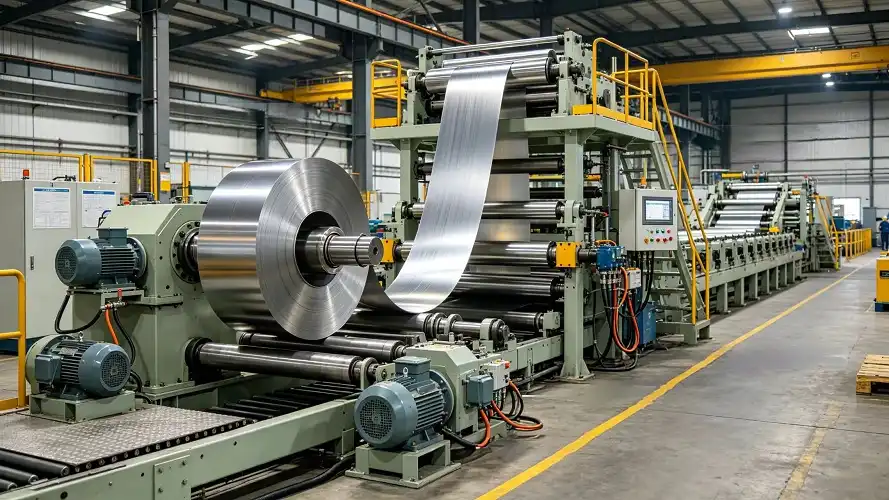
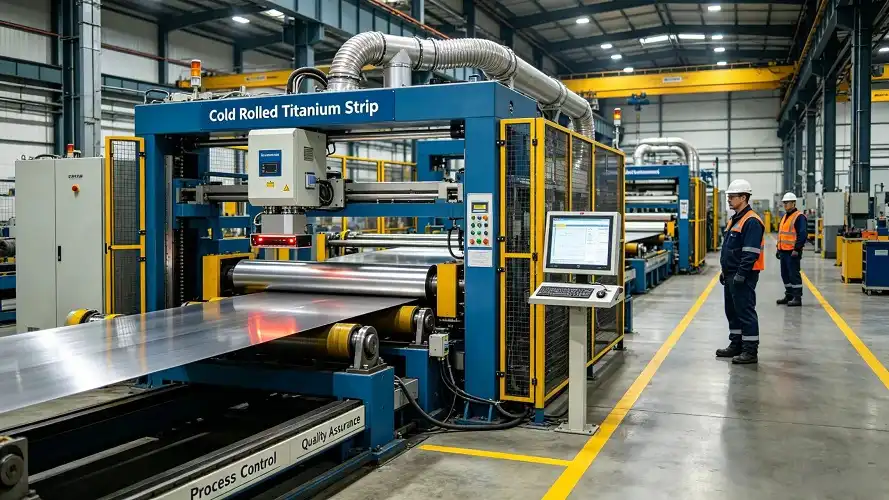
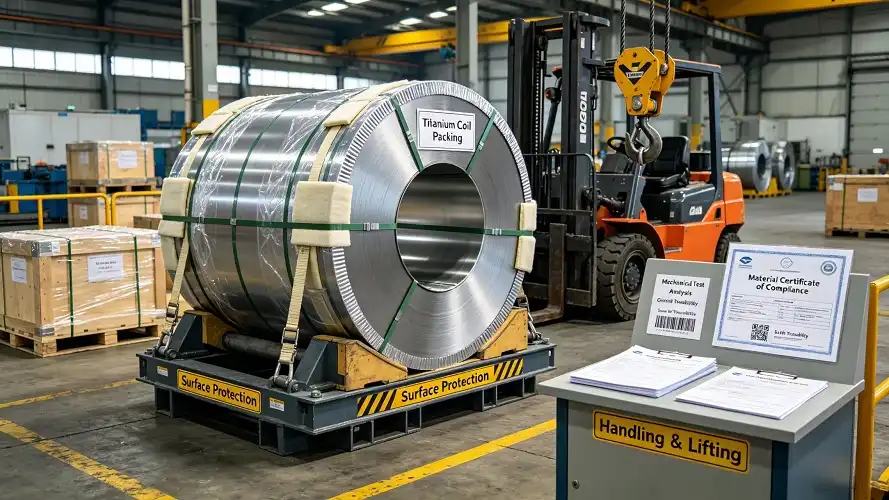
Titanium Sheet in Coil is flat-rolled titanium that is wound into continuous rolls right after it is processed, instead of being cut into sheets of a set length. This way of making things solves three important problems in manufacturing: it keeps progressive stamping dies and roll-forming equipment feeding without stopping; it gets rid of the downtime needed to load individual sheets; and it increases material utilization rates by 15-20% by cutting down on nesting waste. The coil format is used in high-volume fields where keeping up production has a direct effect on cost-effectiveness and output consistency.
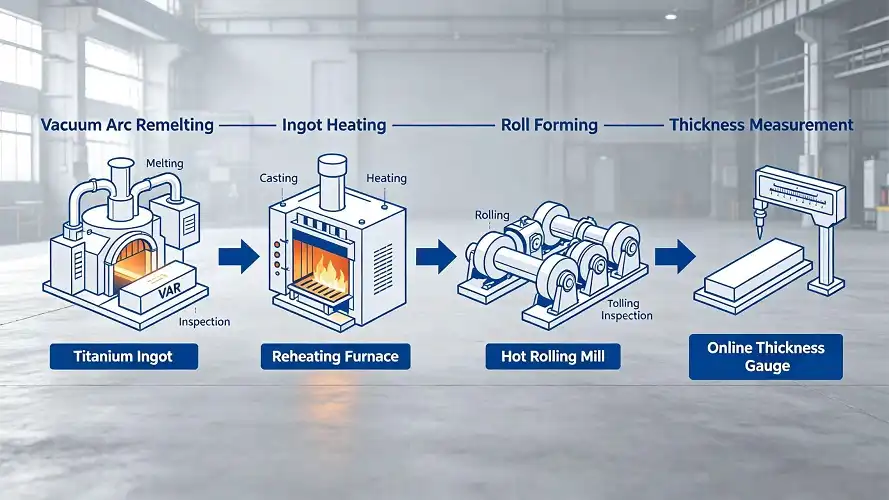
Vacuum arc remelting is the first step in the manufacturing process. Ingots are then made by hot rolling and precision cold rolling to get the correct gauge reduction. Interstitial elements, especially oxygen and iron, must be strictly controlled during the process because small changes can have a big effect on how well the material forms and how well it works in the long run. Manufacturers have had problems with cracking that were linked to not tracking hydrogen levels properly during production. This shows why strict chemical composition analysis using ICP-OES and specific H/N/O testing is still necessary for quality assurance.
Key Grades and Their Industrial Applications
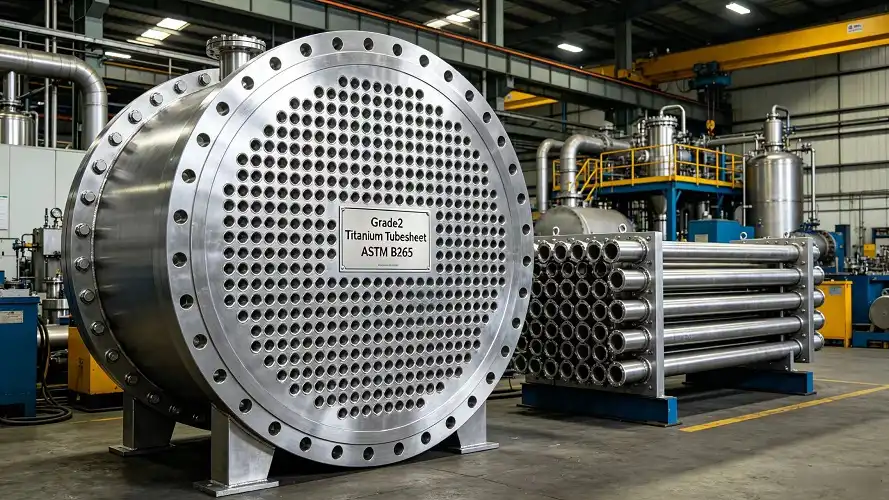
Commercially pure types are used to make most coils because they are easy to shape and don't rust. Grade 1 (UNS R50250) is the most flexible, with stretch values that can reach 30%. This makes it perfect for deep-drawing tasks in plate heat exchangers. Grade 2 (UNS R50400) is the workhorse of the industry. It is easy to shape and has a slightly higher strength, making it good for seam-welded tubes in chemical processing plants. Grade 5 (Ti-6Al-4V) doesn't show up as often in coil form because it has more springback when uncoiling, but aircraft makers sometimes ask for it for structural parts that need to be stronger than they are light.
The natural TiO2 passivation layer of the material protects it from pitting and crevice corrosion in chloride settings. This is a feature that is used in seawater desalination systems and geothermal plants. Titanium Sheet in Coil has a density of about 4.51 g/cm³ and is as strong as steel while being almost half as heavy. This means that it can be used in lighter structures and costs less to transport. It can withstand temperatures up to 600°C, based on the grade, so it can be used in high-temperature process settings where stainless steel would break down.
Critical Specifications and Tolerances
Dimensional accuracy tells the difference between batches of Titanium Sheet in Coil that work and batches that don't. During production, a laser gauge is used to check the thickness of each piece all the time to make sure that the tolerances are kept to ±0.05mm or less. Using I-Unit standards to measure flatness makes sure that the coil feeds smoothly into automated dies without getting stuck, which is a common problem that stops whole production lines. We keep thicknesses between 0.3mm and 12.0mm and widths between 950mm and 1500mm in stock. These sizes can be changed to fit the needs of different processing equipment.
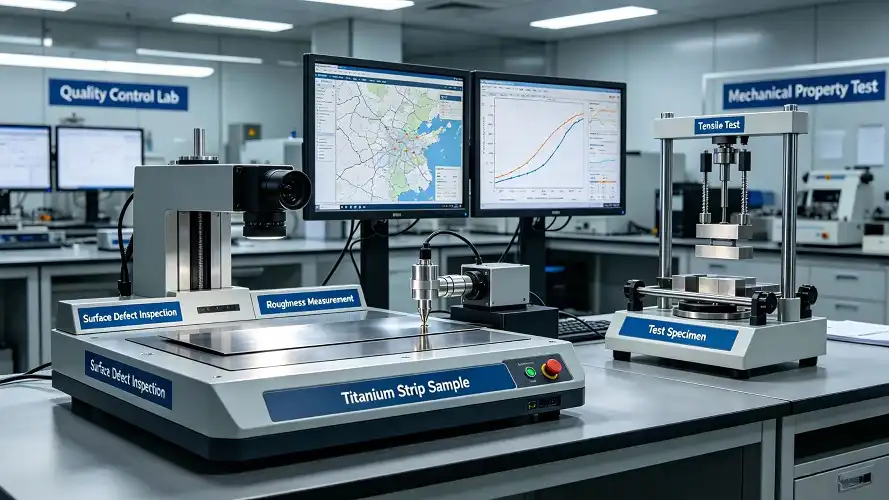
Surface quality needs to be checked visually and automatically for roll lines, laps, or iron particles that are lodged in the surface and make it less resistant to corrosion. The water break test makes sure the surface is clean, and roughness profiling (Ra measurements) makes sure it can be used with other forming operations. As per ASTM E8, mechanical testing checks the tensile strength, yield strength, and elongation in both the longitudinal and crosswise directions. This makes sure that the material behaves in an isotropic way, which is necessary for pressing in more than one direction. Standards compliance, including ASTM B265, ASME SB265, ASTM F67, and AMS 4911, is what makes aircraft, medical, and chemical processing possible.
Criteria to Consider When Choosing Titanium Sheet in Coil for Continuous Processing
Matching Material Grade to Application Environment
Choosing the Right Grade of Material for the Job should connect the surroundings to the material's abilities. Chemical processing equipment that comes into contact with oxidizing acids or chloride solutions needs to be Grade 2 or Grade 7, which includes palladium to make it more resistant to acids. Grade 5 is stronger than other grades, which is good for aerospace structural parts. However, because it is harder to shape, it needs special tools. Biocompatibility certification must be checked by companies that make medical devices. For implant-grade uses, Grade 2 conforming to ASTM F67 is usually required.
Temperature exposure has a big effect on grade choice. If the material isn't properly vacuum-annealed during production, it may become hydrogen-brittle in uses that involve heat cycles or high temperatures that last for a long time. We've worked with heat exchanger manufacturers who chose Grade 1 because it was easy to shape, but it failed early in steam condensing environments. Switching to Grade 2 with controlled oxygen content fixed the durability problems while keeping the good shaping properties.
Optimizing Thickness and Surface Finish
Getting the best thickness and finish on the surface requires matching specific thickness needs based on the depth of the form, the radius of the bend, and the speed of production. Thinner gauges (0.3–1.0 mm) work best for high-speed stamping to make corrugated heat exchanger plates, while thicker material (3.0–12.0 mm) is better for roll-forming to make architectural cladding or heavy-duty tubes. There are expected ratios between thickness and minimum bend radius, which are usually two to three times the thickness of the material for Grade 2. However, the exact values rely on the annealing state and the forming temperature.
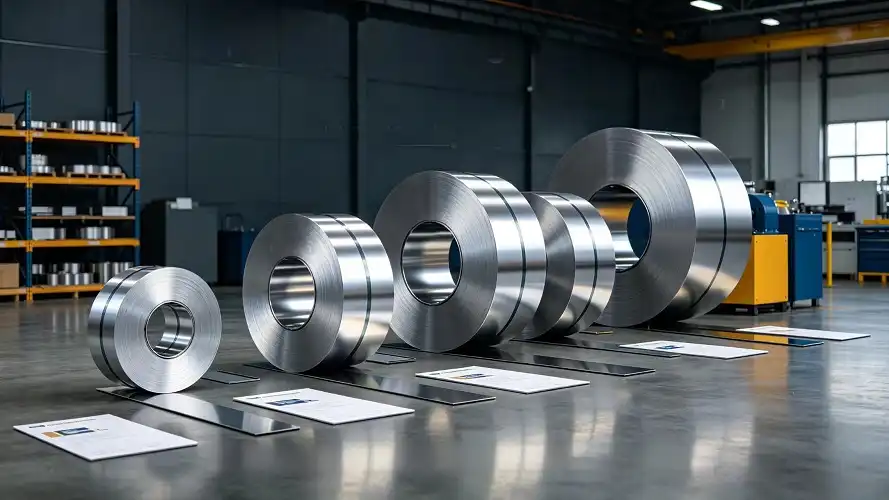
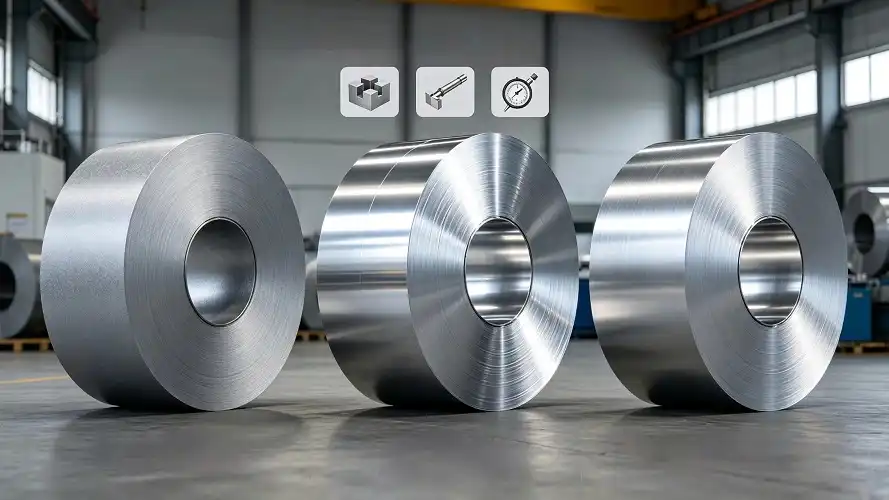
The surface finish has a direct effect on how the product works after it is finished. Annealed and pickled surfaces stick well for welding or coating, while bright-finished materials are good for situations where they need to look good or have less friction when they are being formed. Acid-pickled surfaces get rid of scale and other impurities that come from rolling, revealing the clean titanium base that is needed for consistent weld quality in the production of seam-welded tubes. We keep material in all three states—annealed, pickled, and bright—so we can send it right away and make sure it fits your needs for processing.
Evaluating Supplier Capabilities and Support
Looking at what suppliers can do and how they can help separates good sellers from those who are just wholesalers. Your supplier should give you detailed mill test reports for each Titanium Sheet in Coil that list its chemical make-up, mechanical properties, and measurements of its dimensions. Traceability through heat numbers lets quality problems in specific lots be looked into if they happen later in the processing process. We keep more than 3,000 tons of different grades of titanium in stock, so we can deliver quickly without the usual 6–18 month lead times for custom mill orders.
When normal sizes don't work with your tools, the ability to customize is important. We can split to exact lengths, prepare the edges to prevent burrs from forming, and use special annealing processes to reach certain hardness levels. Working together on research and development with groups like the Northwest Institute for Nonferrous Metal Research lets us create unique heat treatments or surface preparations for each purpose. With this partnership method, buying goes from being just a matter of placing orders to providing strategic material engineering support.
How to Procure Titanium Sheet in Coil: Best Practices for B2B Buying
Identifying Reliable Sourcing Channels
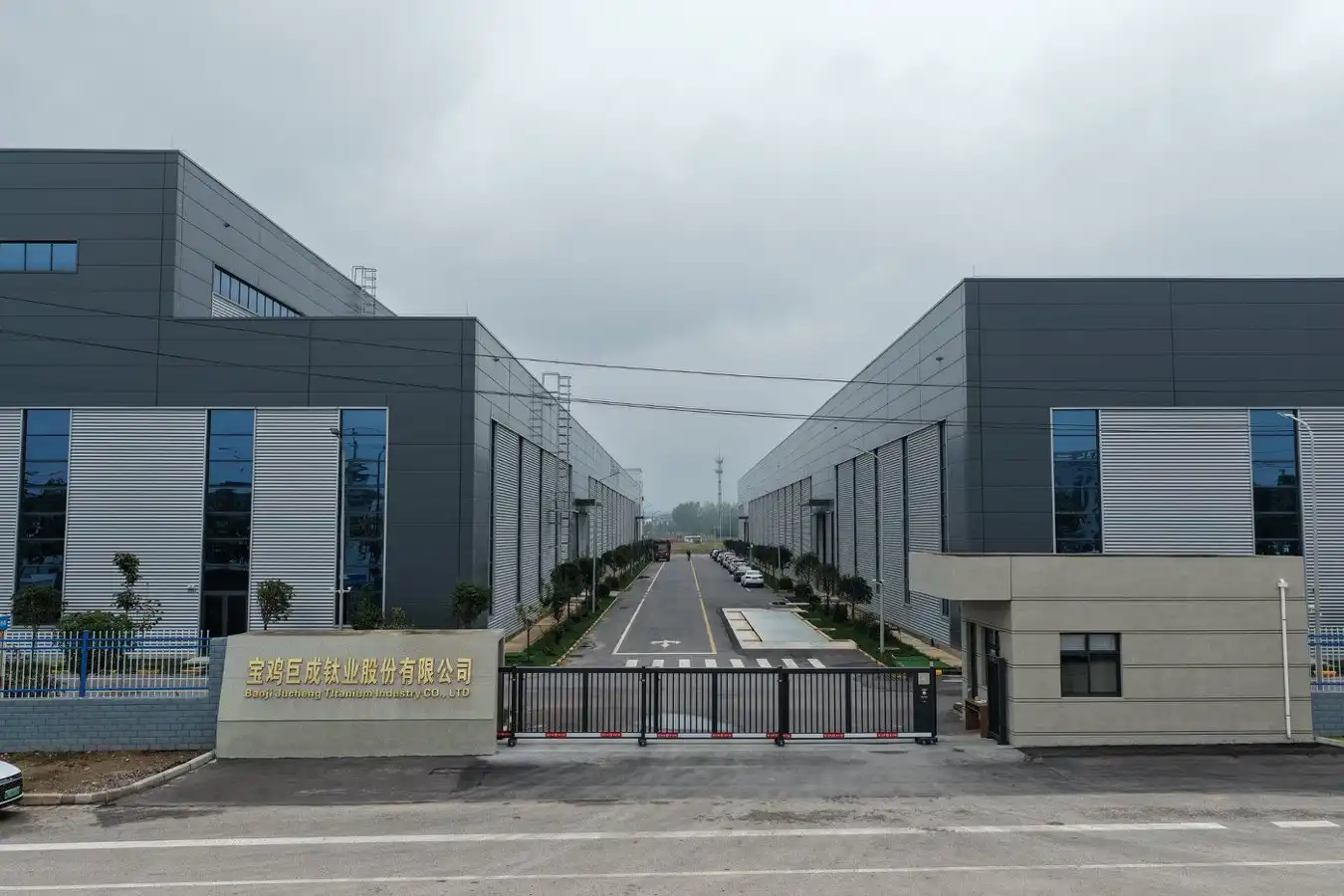
Direct manufacturer agreements give the greatest rates and technical support for high-volume demands. This is shown by Baoji Jucheng Titanium Industry Co., Ltd. They have 20 years of titanium experience, are a national high-tech organization, and have 4 innovation patents and 41 utility model patents, proving they can do more than sell commodities. From rolling to finishing, our 120,000-square-meter plant produces everything. Cutting out intermediaries ensures quality control across the entire chain.
Location affects lead time and transportation expenses. China's titanium manufacturing hub is in Baoji, Shaanxi. Because it pools expertise and facilities, it decreases manufacturing costs. Our position allowed us to capture 70% of the hydrometallurgy titanium anode plate market and 90% of the coking sector titanium tool market. We achieved this by continually offering high-quality items at reasonable rates. We export titanium equipment throughout North America with Jiangxi Copper Group. This proves we can export high-quality items to the globe.
Managing Minimum Orders and Customization
Minimum order quantities balance buyer flexibility with production costs. The minimum order size for typical Titanium Sheet in Coil manufacturing runs is 2–5 tonnes to cover setup expenses for particular sizes and grades. We have a vast shop where we can acquire smaller amounts—sometimes as low as 500 kg for regular grades and sizes—for prototypes or short production runs without spending a lot of money. Making new tools and inventing new processes for particular requirements like non-standard widths, customised annealing cycles, or unique surface treatments may need higher minimums.
More than only sizes may be changed. We create over 500 titanium goods, from hydrometallurgy anode plates to food-grade thermos cups. This indicates that we can build several coil-specific goods. Need certain mechanical features? Our experts can provide heat treatment strategies for your specific hardness or elongation needs. Special edge preparation to prevent burrs? We provide many edge conditioning options for shaping tools.
Lead times vary for stock and custom materials. Most stock items ship within three to five business days after confirmation. This aids just-in-time manufacturing and urgent projects. Custom requirements that need mill manufacturing take 8–16 weeks, depending on grade and processing difficulty. Milestone updates at rolling, heating, inspection, and shipment keep you updated on production. This gives you confidence in planning production stages.
Quality Assurance and Documentation Requirements
Titanium Sheet in Coil should be sent with complete material certification. Heat number, chemical make-up by element, mechanical characteristics (tensile strength and elongation), and coil length are shown in mill test results. We provide material safety data sheets, country of origin certificates, and ASTM and ASME product certifications. This documentation fits your quality system requirements and aids customer reporting on material traceability.
Entrance screening protocols prevent departures from requirements. Statistical process fluctuation is typical in metal forming; thus, even dependable vendors supply material beyond tolerance. For critical usage, a sample examination should include thickness in numerous areas, surface defects, and basic mechanical tests. When material acceptability issues arise, our skilled support staff reviews and interprets test findings.
Long-term supplier relationships reduce purchasing risk and improve terms. Customers have grown with our constant quality, rapid technical assistance, and flexible delivery periods for over 10 years. You may enjoy tiered pricing savings, priority handling during supply shortages, and technical resources exclusively utilised for new product development with an annual volume commitment. This cooperative collaboration turns procurement from a pricing war into a wise deal that benefits both parties.
Case Studies & Practical Insights: Successful Use of Titanium Sheet Coil in Continuous Processing
Plate Heat Exchanger Manufacturing Success
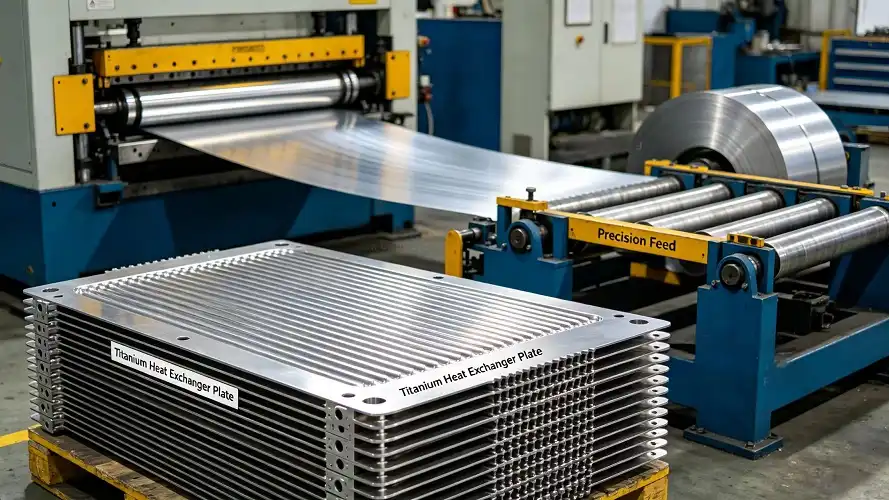
A big company that makes heat exchangers came to us because they wanted to cut down on production slowdowns and waste in their plate stamping business. When they used to manually load stainless steel sheets, they often had to stop, and 14% of the material would be wasted because it wasn't nestled properly. We suggested that they switch to Grade 2 Titanium Sheet in Coil material that was 0.5 mm thick and had a bright finish. This material was made to work with their hydraulic press.
The change led to gains that could be seen in a number of measures. By getting rid of 23 manual loading cycles per shift, continuous Titanium Sheet in Coil feeding increased production throughput by 34%. Advanced nesting software cut down on material waste to 4.2%, which saved about $180,000 a year in the cost of raw materials. Titanium's resistance to corrosion increased the heat exchanger's service life from 6 years with stainless steel to an expected 25+ years in seawater cooling applications. This made the manufacturer more competitive and gave end customers a lower total cost of ownership.
Aerospace Component Optimization
A company that makes parts for airplanes had to find ways to make their structural brackets lighter while still keeping their integrity during thermal cycling. Their old way of making aluminum parts had trouble with fatigue cracking in high-stress areas, which led to failures in the field and warranty claims. We gave them Grade 5 (Ti-6Al-4V) Titanium Sheet in Coil material that was 2 mm thick and had been heated to certain hardness levels so that their pressing dies could make complicated shapes.
The change in material led to a 42% weight decrease compared to steel equivalents, while still meeting or beating strength standards with a large safety margin. As part of our scientific partnership, we came up with special heat treatment methods that stopped springback during forming. This is a typical problem with titanium alloys that we fixed by controlling the annealing processes. The part passed more than 10,000 thermal cycle tests, which ruled out previous failure modes. Because of this success, they started using our Titanium Sheet in Coil in more of their products. Fifteen more part numbers were changed from aluminum or steel to titanium.
Conclusion
When picking Titanium Sheet in Coil for continuous processing, you have to think about technical specs, costs, and the supplier's abilities. We've talked about how choosing the right material grade for the job, making sure the thickness is just right, and how coil shape makes better use of materials than individual sheets. This article gives you a decision framework for making smart purchases that minimize risk and increase operational efficiency. It looks at corrosion resistance, mechanical properties, processing compatibility, and supplier technical support. For implementation to go well, you need to work with experienced makers who can give a wide range of products, allow for customization, and provide quick technical support throughout the entire development and production process.
Frequently Asked Questions
1. What lead times should we expect for titanium coil orders?
Our 3,000-ton inventory of stock materials ships within three to five business days of receiving an order, meeting the needs of urgent projects. Custom specifications that need specific sizes, grades, or surface treatments usually take 8 to 16 weeks from the time the order is placed until it is delivered. Lead time depends on the grade that is available and how hard it is to process. For example, Grade 2 metal in normal sizes can be processed more quickly than Grade 5 alloy that needs a special heat treatment. We let you know about important production milestones during the rolling, annealing, checking, and shipping steps, so we can work with your manufacturing plan.
2. How do we determine the best titanium grade for our application?
When choosing a grade, the first three things that are looked at are the rust environment, the mechanical stress needs, and the complexity of the shape. Chemical manufacturing jobs that come into contact with acids or chlorides usually ask for Grade 2 or Grade 7 materials that are more resistant to rusting. Grade 5 metal is used for aerospace structure parts that need to be strong while also being light. Medical devices that need to be biocompatibility-certified need Grade 2 that meets ASTM F67. Our expert team can look at the details of your program and suggest the best grades based on performance needs, processing ease, and cost-effectiveness.
3. Can titanium coil material be customized in thickness and width?
When it comes to production, we can make a lot of changes. The thickness can be anywhere from 0.3mm to 12.0mm, and the width can be anywhere from 950mm to 1500mm, depending on what your processing equipment needs. Custom slitting to exact lengths cuts down on the waste that comes from cutting the edges in your plant. You can target certain hardness values with special annealing processes that support your making needs. Edge conditioning choices stop burrs from forming when pressing. Our manufacturing flexibility lets us make small development quantities so that prototypes can be tested before we commit to full production volumes.
Connect with a Trusted Titanium Sheet in Coil Manufacturer
Baoji Jucheng Titanium Industry Co., Ltd. brings more than 20 years of experience in the titanium business right to your purchasing team. We are a national high-tech company and a specialized "little giant" with 4 idea patents and 41 utility model patents. The materials we sell are approved to meet ASTM B265, ASME SB265, and AMS 4911 standards. With a 3,000-ton inventory, we can quickly produce standard grades, and our special processing services can meet specific needs for thicknesses ranging from 0.3mm to 12.0mm. Whether you're making plate heat exchangers, parts for spacecraft, or tools for chemical processing, our engineering team can help you choose the right grades and set the right processing settings. Contact our experts at s4@juchengti.com to talk about your needs for continuous processing and get competitive prices as a direct supplier of Titanium Sheet in Coil.
References
1. Boyer, R., Welsch, G., & Collings, E.W. (1994). Materials Properties Handbook: Titanium Alloys. ASM International, Materials Park, Ohio.
2. Donachie, M.J. (2000). Titanium: A Technical Guide, 2nd Edition. ASM International, Materials Park, Ohio.
3. Peters, M., Kumpfert, J., Bird, C.H., & Leyens, C. (2003). Titanium Alloys for Aerospace Applications. Advanced Engineering Materials, 5(6), 419-427.
4. Schutz, R.W. & Watkins, H.B. (1998). Recent developments in titanium alloy application in the energy industry. Materials Science and Engineering A, 243(1-2), 305-315.
5. ASTM International. (2015). ASTM B265-15: Standard Specification for Titanium and Titanium Alloy Strip, Sheet, and Plate. West Conshohocken, PA.
6. Lutjering, G. & Williams, J.C. (2007). Titanium, 2nd Edition. Springer-Verlag, Berlin Heidelberg.