
Advanced Insights into Grade 1 Titanium plate: Microstructure, Machinability, Corrosion Resistance, and Reliability
When it comes to commercially pure titanium materials, the grade 1 titanium plate is the most flexible and easiest to shape. At least 99.5% of this material is titanium, and the amounts of oxygen, iron, nitrogen, and carbon are carefully controlled so that they don't get too high. This grade is very valuable because it has the best corrosion resistance, cold formability, and weldability of any grade. This makes it the best choice for chemical processing equipment, marine applications, and medical device parts where purity and workability are more important than strength.
Understanding Grade 1 Titanium Plate: Composition and Microstructure
The main features of commercially pure grade 1 titanium plate come from its carefully controlled chemistry and the crystalline structure that it forms. Higher-strength titanium alloys often have aluminum, vanadium, or other alloying elements added to them, but this type stays remarkably pure.
Chemical Composition and Purity Standards
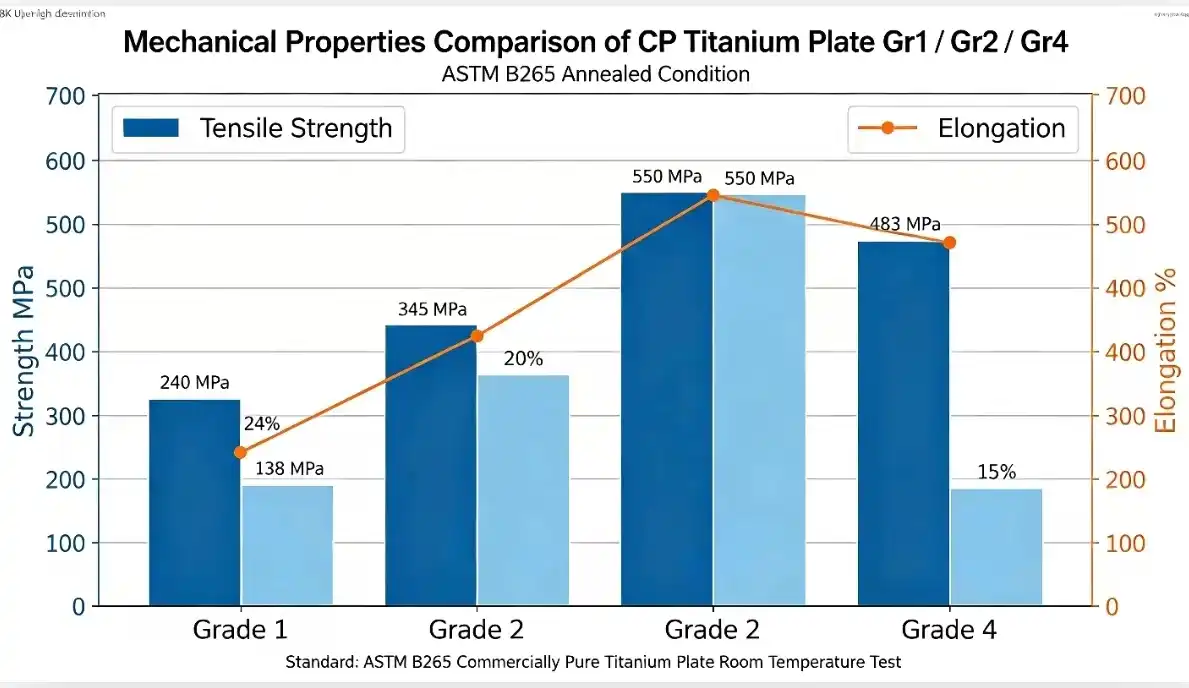
The ASTM B265 standards that we follow at Jucheng Titanium say that the makeup limits describe how the material acts in different situations. Oxygen is the main element that makes things stronger, but grade 1 titanium plate has the least amount of it compared to other widely pure grades (up to 0.18% maximum), while grade 2 titanium plate has 0.25%, and grade 4 titanium plate has 0.40%. This managed amount of interstitial elements immediately leads to better flexibility and shapeability. It still has less than 0.20% iron, less than 0.08% carbon, and less than 0.03% nitrogen. The amount of hydrogen that can weaken materials is limited to 0.015 percent. The balance is made of pure titanium, which makes it a material that responds consistently to the steps used to make it.
We've been handling titanium at our Baoji plant for 20 years, and we've seen how even small changes in these trace elements can affect the forming process. When making complex heat exchanger parts or pressure tank heads, having less oxygen in the material makes it easier to bend to a certain radius and reduces springback during press forming.

Alpha Phase Microstructure and Grain Characteristics
The microstructure of annealed grade 1 titanium plate material is made up of only alpha phase, which is a hexagonal close-packed crystal structure that stays stable at room temperature and helps the material resist corrosion very well. After standard annealing treatments, the grain size is usually between ASTM 5 and 7. This makes the mechanical properties the same across the whole thickness of the plate.
At Jucheng Titanium, we process our metals by hot rolling them and then heating them at temperatures between 650°C and 750°C. This removes any remaining stresses and keeps the best grain structure. This controlled thermal processing, along with the leveling and pickling steps that follow, makes sure that the dimensions are correct and the surface is good. The alpha grains have an equiaxed shape and clear grain borders, which help the material's isotropic qualities, which means it works the same way no matter what direction it is facing in relation to the rolling direction.
Comparison with Other Commercially Pure Grades
Procurement professionals can make better choices when they know where grade 1 titanium plate falls in the range of commercially pure titanium. Because it has more oxygen, the grade 2 titanium plate has about 20% more tensile strength, which makes it more popular for general industry uses. Grade 4 titanium plate has a much higher tensile strength (about 80,000 psi) than grade 1 titanium plate, which has a minimum tensile strength of 35,000 psi. However, it is much less flexible.
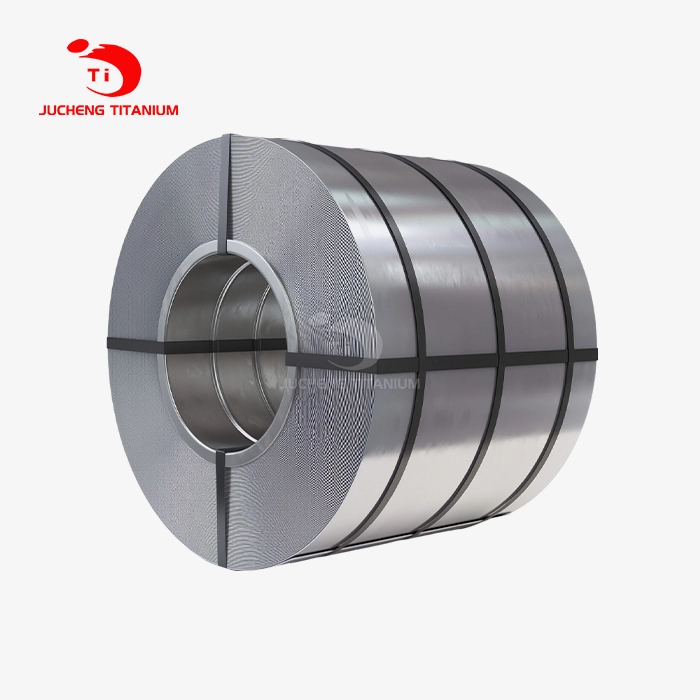
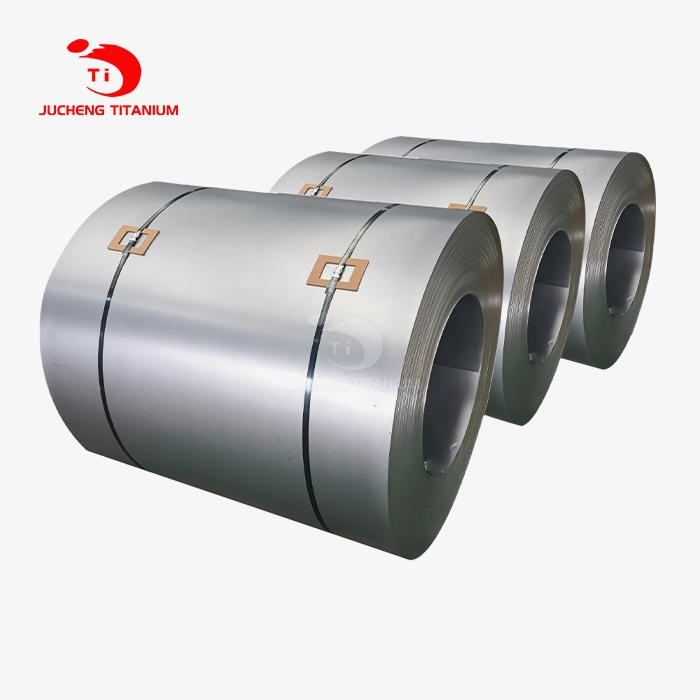
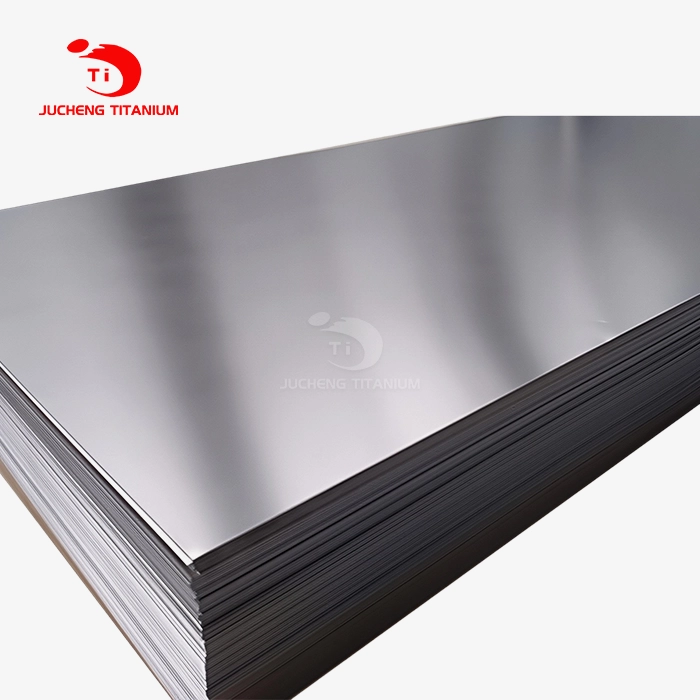
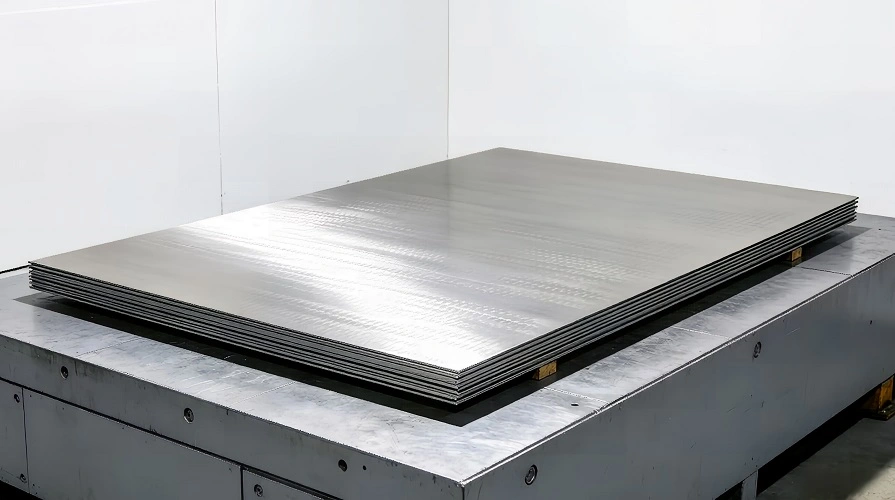
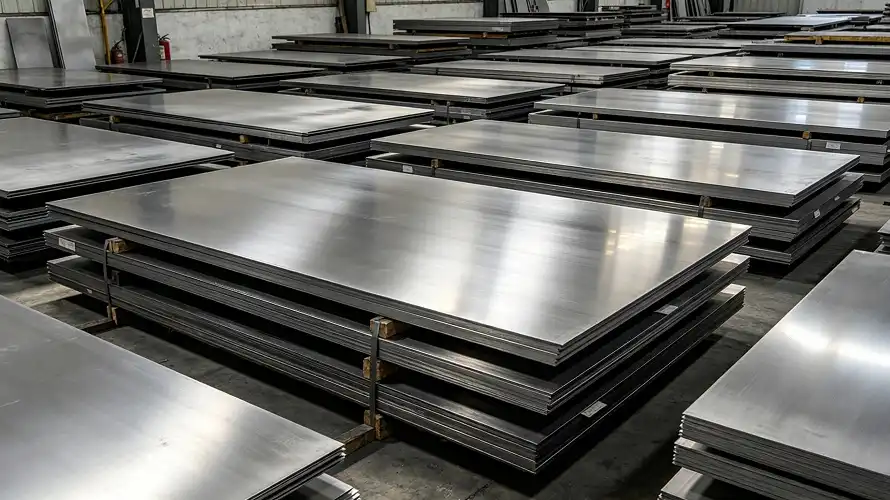
When used in real life, the trade-off becomes clear. When making parts that need tight bend radii, deep drawing, or a lot of welding without a heat treatment afterward, grade 1 titanium plate works better than its stronger peers. We offer thicknesses ranging from 4mm to 80mm, widths up to 2500mm, and lengths up to 10,000mm. The material can be hot-rolled or annealed, and the surface can be polished, cut, or acid-pickled to meet a variety of manufacturing needs.
Machinability and Processing of Grade 1 Titanium Plate
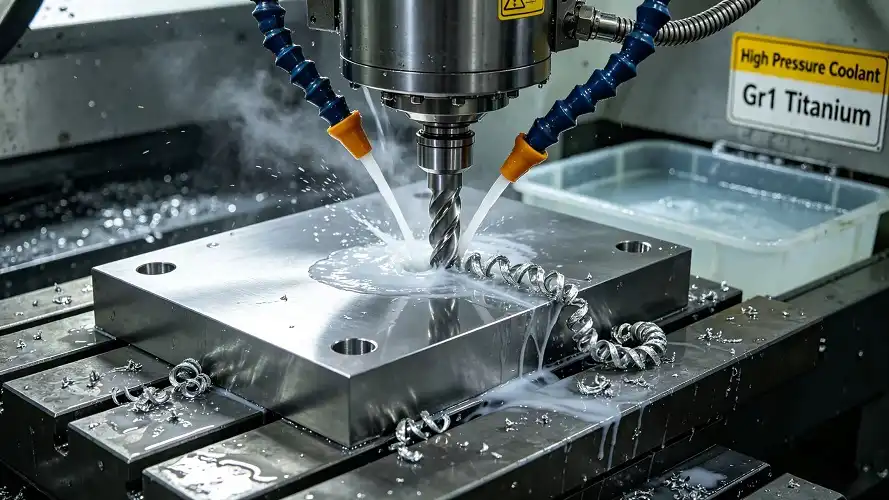
While titanium is harder to machine than most metals, understanding how grade 1 titanium plate behaves is key to making things quickly and accurately. The material doesn't conduct heat well—only about 16 W/m·K compared to 205 W/m·K for aluminum—so heat builds up at the cutting zone instead of spreading out through the chip or object.
Thermal Management During Cutting Operations
The temperature properties make it important to think about certain things when cutting. When turning, grinding, or drilling, the area where the tool meets the chip can get hotter than 1000°C, even though the cutting speed isn't very fast. This intense heat speeds up the wear on the tools and can make the layer being made harder. For carbide tools, we suggest cutting at speeds that are about 50% slower than those used for stainless steel. These speeds are usually 30 to 60 meters per minute.
Using coolant becomes important for both controlling temperature and getting chips out of the way. High-pressure cooling systems that are aimed right at the cutting edge help keep the quality of the surface finish and the life of the tool. In our factory, we use special cutting fluids with extreme pressure additives that lubricate the edges of the material, lowering friction and keeping it from sticking to cutting tools or galling.
Tool Selection and Cutting Parameters
Cutting edges that are sharp and have positive rake angles produce less cutting force and heat. Compared to high-speed steel, carbide tools with cobalt-enriched grades or polycrystalline diamond cutting have a much longer useful life. Feed rates should be kept the same because cutting or focusing on the work at random hardens it, which makes it harder to engage the tool again.
Our machine experts have created settings that are best for a variety of tasks. When drilling, extra care must be taken because chips have to escape through small flute spaces while heat builds up quickly. Work hardening and tool damage can be avoided by using peck drilling cycles with frequent retractions to clear chips and let the coolant soak in. For thread cutting to go well, the threaded tools need to be sharp and have a strong rake, and coolant needs to flow well to the thread form area.
Comparison with Alternative Structural Metals
Titanium can be machined at about half the speed of austenitic stainless steel, but the feed rates are the same. The way the material tends to work harden is similar to how 300-series stainless behaves—rubbing or dwelling on the surface quickly makes it harder. Aluminum is much easier to work with because it can be machined at higher speeds and feeds, but it doesn't have the rust protection and strength-to-weight benefits of titanium.
When cutting complicated shapes for flight tubing parts or the insides of chemical processing vessels, keeping the tools sharp and the settings constant stops work-hardening problems from getting worse. Our processing knowledge, gained from years of production experience, helps our customers get the right size limits and surface finishes for important jobs in a wide range of fields, from defense contractors to companies that make industrial equipment.
Superior Corrosion Resistance and Applications in Industry
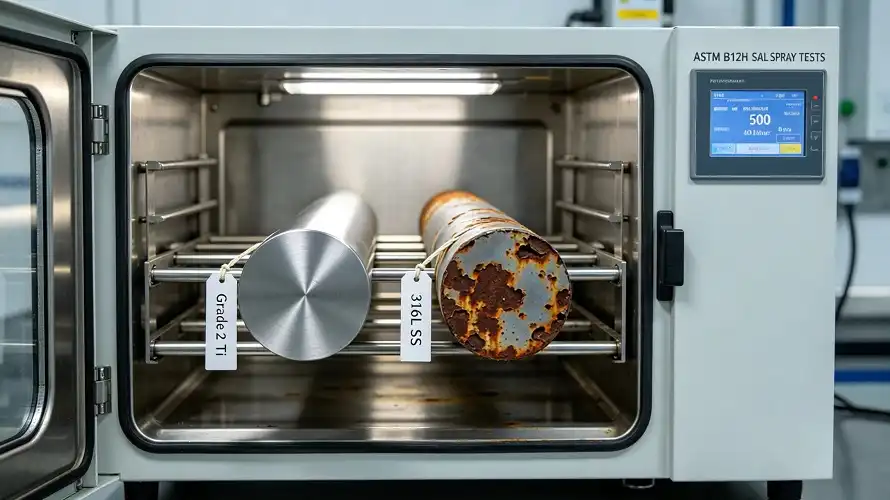
Commercially pure grade 1 titanium plate is very resistant to corrosion because it can instantly form a steady, protective titanium dioxide layer when it comes in contact with air or water. It's only a few nanometers thick, but this passive film can fix itself right away if it gets damaged and protects against a huge range of corrosive environments.
Corrosion Mechanisms and Protective Oxide Layer
When the pH level changes from very acidic to very basic, the titanium dioxide film on the surface stays the same. The material doesn't corrode much in oxidizing acids like nitric acid, chromic acid, and hypochlorous acid solutions, even when the concentrations and temperatures are high. This protection is higher than that of austenitic stainless steels, which rust and pit in chloride-filled settings.
Ocean water and marine atmospheres don't harm grade 1 titanium plate materials. Titanium never loses its structural integrity, unlike stainless steel, which corrodes locally in saltwater or copper-nickel alloys, which lose their strength because of biofouling. Our grade 1 titanium plate goods are used in equipment for desalination, offshore platform parts, and marine vessel exhaust systems. They last for decades without needing any upkeep, which saves a lot of money over their lifetime.
When it comes to reducing acids, things are harder. At normal temperatures and amounts, hydrochloric and sulfuric acids can damage grade 1 titanium plate that is sold in stores. However, oxidizing agents or noble metal impurities can often cause enough cathodic depolarization to keep the material passive. Grade 7 titanium plate, which has palladium added to it, can be used in these reducing acid conditions. However, a grade 1 titanium plate is still the most cost-effective choice for most chemical processing tasks.
Industrial Application Sectors
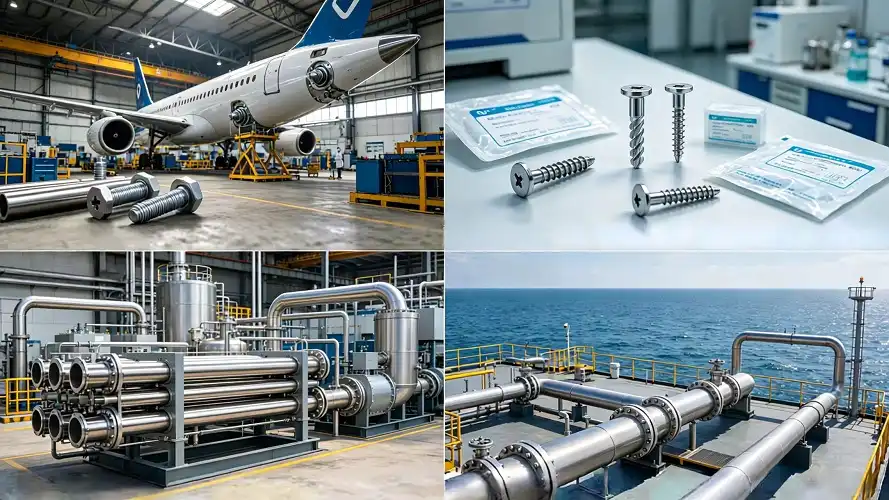
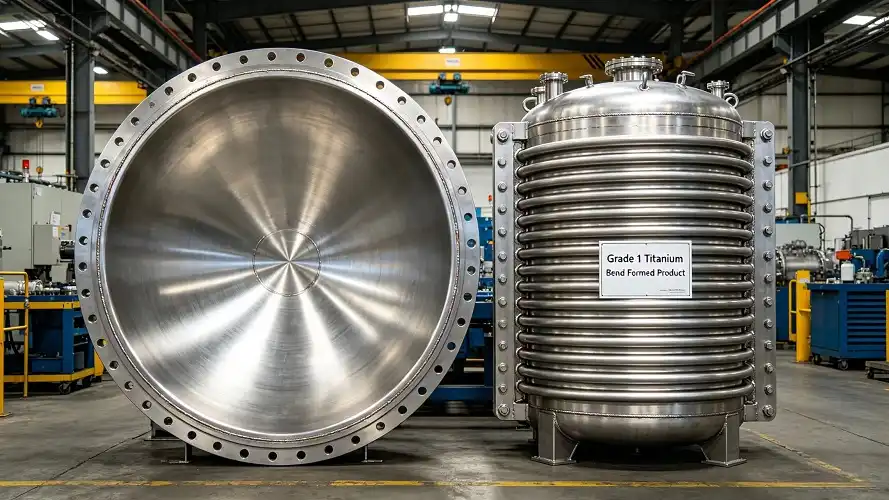
Our grade 1 titanium plate is used in the chemical processing industry for toxic media storage tanks, heat exchanger shells, reactor vessels, and pipe systems. The material is necessary for chlor-alkali production facilities, fertilizer plants, and pharmaceutical manufacturing operations because it can be mixed with chlorinated hydrocarbons, organic acids, and alkaline solutions. This type of steel is used to make reliable equipment where stainless steel parts would need to be replaced often. This cuts down on both downtime and repair costs.
The biocompatibility and rust protection of the material are both important to companies that make medical devices. The material is good for surgical instrument trays, sterilization equipment, and implantable device parts because it doesn't react with bodily fluids and can stand up to multiple autoclave sterilization cycles. Because stainless steel doesn't contain nickel, which is a frequent allergen, there are no worries about sensitization for applications that come into contact with patients.
Corrosion resistance and good strength-to-weight qualities are both useful in aerospace applications. Grade 1 titanium plate material is used for ducting systems for bleed air and environmental control, firewall parts, and exhaust assemblies when the need for forming complexity and weldability is greater than the need for maximum specific strength. The material works well in oxidizing settings with high temperatures up to 300°C, which gives designers more options for projects that need to withstand high temperatures.
We can help these different industries with their production by providing fully certified materials, full traceability documentation that meets ASTM B265, ASTM F67, AMS 4911, and ASME SB265 standards, and custom dimensional specifications. We keep over 3,000 tonnes of goods at our site all year long, so we can deliver quickly to meet the needs of project plans in a wide range of industries, from petroleum contractors to biomedical equipment makers.
Reliability and Mechanical Performance: Ensuring Long-Term Durability
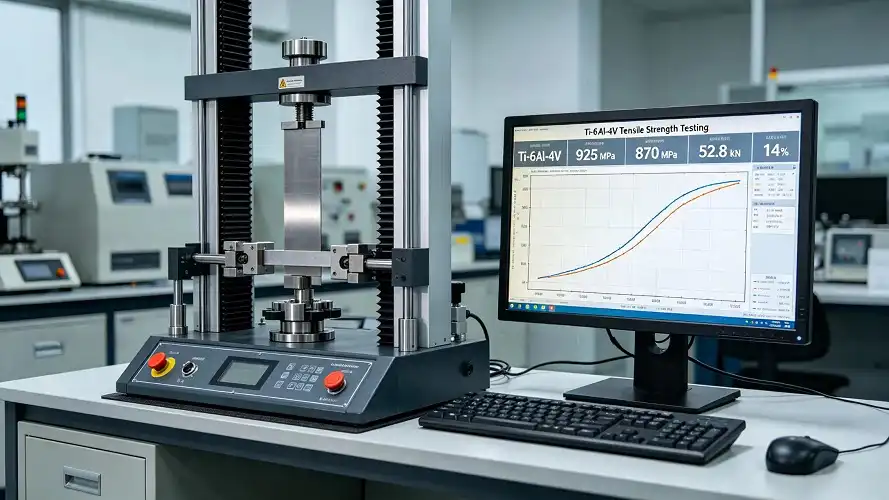
The mechanical property requirements for grade 1 titanium plate combine a middling level of strength with a high level of ductility. This makes the material stable under a wide range of stress conditions. ASTM B265 says that the minimum tensile strength must be 35,000 psi, the minimum yield strength must be 25,000 psi, and the maximum elongation must be more than 24% in a two-inch gauge length.
Tensile Properties and Fatigue Characteristics
The stress-strain behavior shows a lot of stretching before it breaks, which shows that the material is overloaded instead of breaking into brittle pieces. This flexibility is very useful in pressure tank uses where material needs to be able to redistribute stress that is gathered in certain areas from nozzle attachments or support connections. The modulus of elasticity stays the same across commercially pure grades, which means that the bending behavior under load can be predicted.
Even though it's not as strong as high-strength titanium alloys, fatigue resistance is good enough for parts that are subjected to mild cyclic loads. When the load is fully reversed, the fatigue limit usually drops to about 40% of the ultimate tensile strength. The finish of the surface has a big effect on how well it resists fatigue. For example, machined surfaces with tool marks that are perpendicular to the main stresses have shorter fatigue lives than polished or chemically milled surfaces. Controlled pickling and optional polishing are some of the surface finishing steps we use to make sure that fatigue-critical parts have the best surface integrity.
Quality Standards and Material Certification
Following international standards makes sure that materials are consistent and can be tracked, which is important for uses in medicine, aircraft, and defense. It is our job to keep our certifications up to date with ASTM B265 for general grade 1 titanium plate requirements, ASTM F67 for surgical implant uses, AMS 4911 for aircraft material requirements, and ASME SB265 for pressure vessel code requirements. Each mill certificate lists the chemical composition, which was checked using spectroscopic analysis, the mechanical properties, which were checked through tensile testing, and the results of an ultrasonic inspection, which showed that the material was sound inside.
Our quality management system includes checking the quality of incoming materials, making sure they are correct as they are being made, and checking the final dimensions and surface quality. This thorough method, which has been improved over 20 years of working with titanium, makes sure that the material sent from our facility meets the exact needs of important industrial uses. Customers can track all of their materials from the mill heat number to the finished part, which helps them meet their own quality documentation needs.
Long-Term Service Reliability
When you combine resistance to corrosion with stable mechanical properties and the lack of degradation mechanisms, you get a very long service life. Unlike metals that lose thickness over time due to increasing rust, stress corrosion cracking, or hydrogen embrittlement, grade 1 titanium plate components that are properly manufactured keep their structural integrity for long periods of time. Chemical handling plants often have equipment that has been in use for more than 30 years without any material degradation.
Within the normal working range, temperature steadiness is still very good. From freezing temperatures to about 300°C, properties don't change much. Above that temperature, rust and strength loss become important. Because it doesn't have a ductile-to-brittle transition temperature, unlike ferritic steels, which become brittle at low temperatures, it can be used in cold conditions without having to be tested for impact.
These qualities of dependability, along with full material certification and quality assurance, help manufacturers meet strict operational and safety requirements in a wide range of areas, such as aerospace structural components, chemical processing equipment, medical device applications, and industrial machinery installations where the failure of a lower-quality material would have serious consequences.
Procurement Insights: How to Source the Best Grade 1 Titanium Plate
To successfully buy a grade 1 titanium plate, you need to look at more than just price quotes when evaluating suppliers. You should also look at their manufacturing capabilities, quality systems, inventory availability, and technical support. Consistency of materials, completeness of certification, and dependability of delivery all have a direct effect on project plans and the quality of the final output.
Supplier Evaluation Criteria
Certification paperwork is very important for evaluating suppliers. Trustworthy titanium sellers keep their ISO 9001 quality management certification as a minimum. Aerospace suppliers also get AS9100 certification. Suppliers of materials for medical devices should show that they meet the requirements of ISO 13485. Instead of random inspections, these certificates show that quality control is done in a planned way.
Depending on their manufacturing power, a provider may or may not be able to meet particular size, surface finish, and quantity needs. Integrated providers that offer both material supply and manufacturing services are helpful for complicated projects that need soldered kits, machined parts, or formed parts. Our 120,000-square-meter facility at Jucheng Titanium has rolling mills, heat treatment furnaces, machining centers, and fabrication equipment. This means that we can help with all stages of a project, from the raw plate to the finished assembly.
Technical knowledge within the supplier company makes it easier to choose materials, make suggestions about how to make things, and get help with fixing problems. Suppliers with metallurgical staff, applications engineers, and fabrication specialists can help customers make designs that are easier to make and make sure that the material properties meet the needs of the design. Through our relationships with organizations like Tsinghua University and our work with the Northwest Institute for Nonferrous Metal Research, we can give our customers access to advanced material knowledge that can help them with their applications.
Pricing Models and Cost Optimization
Titanium prices are based on the cost of the raw materials, how hard the process is, and how many orders are placed. Base prices are usually given per kilogram, and they are changed to account for things like size requirements, surface treatments, and licensing needs. Standard sizes from stock usually cost less than custom-rolled specs that need a minimum order quantity. Our large inventory—about 3,000 tonnes that is kept in stock all the time—allows us to offer reasonable prices on common sizes that are ready to ship right away.
Larger orders get savings based on volume, and prices usually drop at 500 kg, 1,000 kg, and 5,000 kg. Long-term supply deals with planned releases help both the seller and the customer plan their production and keep prices stable. Custom size needs may mean mill minimum orders, which are usually several tonnes. This is why it's smart to work with a seller who keeps a lot of stock on hand.
Think about how lead time affects the total cost of buying by looking at the costs of keeping inventory and the flexibility of the production plan. Standard stock material ships within days, but special rolling orders usually take 8 to 12 weeks from the time the mill schedules them until they are delivered. Our wide range of stock, including sizes from 4mm to 80mm, widths up to 2500mm, and different surface conditions, keeps wait times to a minimum for most uses.
Supply Chain Stability and After-Sales Support
Reliable providers consistently meet shipping deadlines, let customers know about possible delays, and provide helpful customer service. Problems in the supply chain can delay projects and break promises made further down the line. This is why evaluating the security of suppliers is so important. Companies that have been in business for decades, are financially stable, and have a wide range of customers usually offer more supply security than younger or more closely focused businesses.
After-sales support includes expert help during production, quick responses to quality issues, and guarantee coverage. Clear terms about replacing materials that don't meet quality standards, getting expert help, and getting help with paperwork keep buyers from having to deal with costly problems. Our full-service after-sales team makes sure that customers get quick answers to technical questions, help with fabrication, and resolution of any material concerns, all of which help the project get finished successfully.
When engineering teams and buying workers understand these factors, such as the need for certification, pricing structures, and the reliability of the supply chain, they can choose providers that offer the best value beyond initial price quotes. A good relationship with a titanium supplier is a strategic asset that helps complete difficult projects in areas like aerospace, chemical processing, medical devices, and industrial equipment.
Conclusion
In conclusion, when superior corrosion protection, great formability, and excellent weldability are more important than maximum strength, the grade 1 titanium plate is the best choice. It works well in chemical processing, marine, medical, and aircraft uses because it has a pure composition, a steady alpha microstructure, and a protective oxide film. While grinding needs specific tools and methods, manufacturing can be done quickly and easily by following established best practices. When used in a wide range of temperatures, from very cold to very hot, the material's mechanical properties make it reliable over a long period of time. To make sure a project is a success, good buying combines material requirements with the skills, certifications, inventory depth, and technical support of the provider.
FAQ
1. What thickness ranges are available for Grade 1 titanium plate?
Pure grade 1 titanium plate can be bought in thicknesses ranging from 4 mm to 80 mm, widths up to 2500 mm, and lengths up to 10,000 mm. Standard widths are easier to find in stock, while custom measures may need larger minimum orders and longer lead times. For thicker plates, hot rolling is usually followed by heating, leveling, and surface finishing steps to get the right size and finish on the outside, which can be polished, machined, or acid-pickled, based on the needs of the application.
2. How does Grade 1 compare to Grade 2 titanium for chemical processing equipment?
The lower interstitial oxygen content in grade 1 titanium plate makes it easier to shape and slightly better at resisting corrosion. This makes it better for parts that need to be formed in a complicated way, like heads with dished edges or expansion joints with lots of twists and turns. Because grade 2 titanium plate is about 20% stronger than grade 1 titanium plate, it can be used in situations where reducing the width saves money. Both types work well in most chemical processing settings. Choosing the right material usually involves balancing how hard it is to make with how strong it needs to be and how much it costs.
3. Can a Grade 1 titanium plate be welded without post-weld heat treatment?
Grade 1 titanium plate is very easy to weld using gas tungsten arc welding and the right neutral gas shielding, which is usually argon or helium. This keeps the weld pool and heat-affected zones clean from airborne contaminants. For commercially pure titanium grades, post-weld heat treatment is usually not needed unless leftover stress release is needed for dimensional stability or certain code standards. By following the right welding steps, like cleaning the weld thoroughly, choosing the right filler metal, and making sure there is enough shielding gas covering, you can make strong welds that have qualities similar to the base metal without having to do any extra thermal processing.
Partner with Jucheng Titanium for Your Grade 1 Titanium Plate Requirements
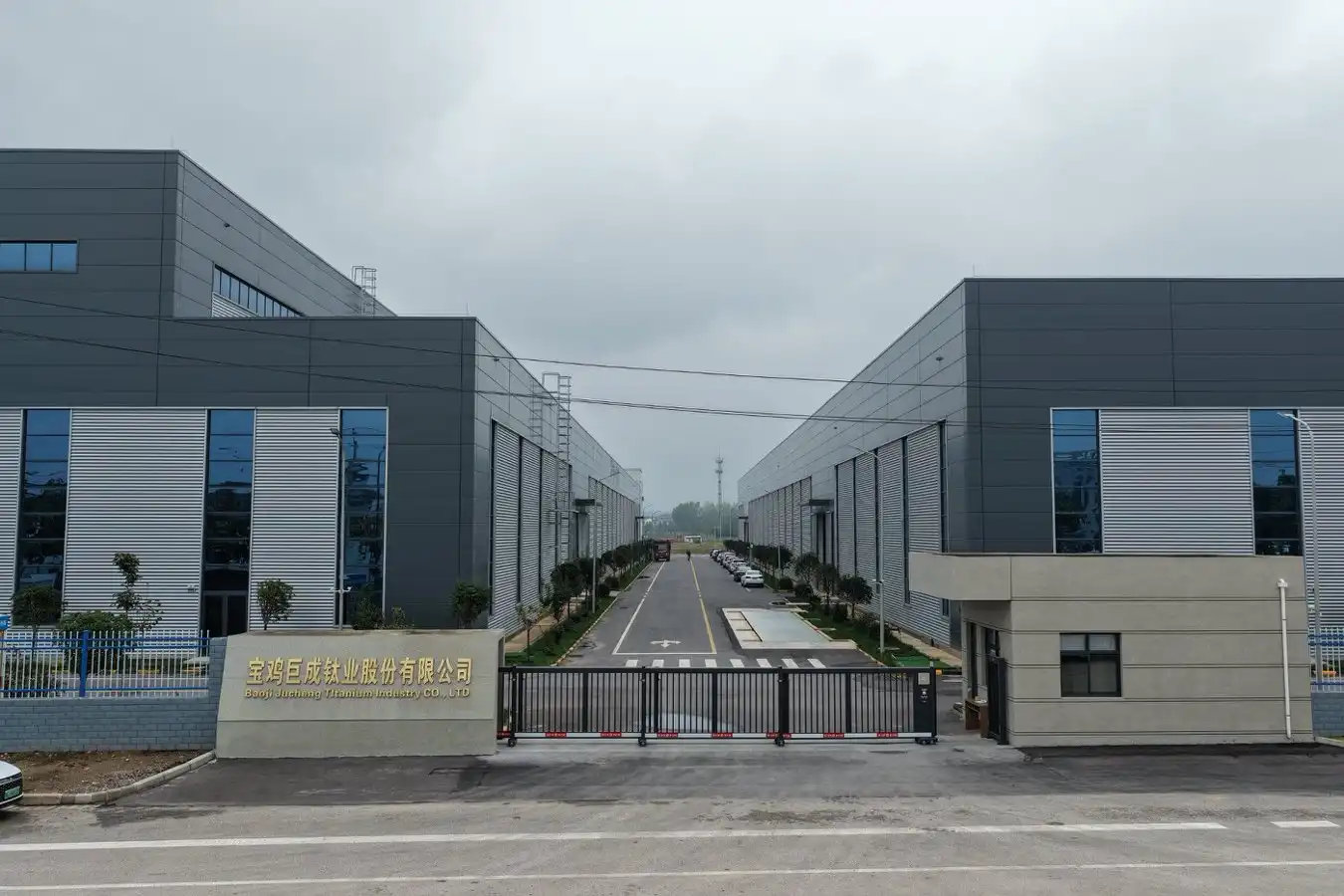
Choosing the right grade 1 titanium plate provider has a direct effect on the results of your project, the time it takes to produce it, and how reliable it will be in the long run. Jucheng Titanium has been handling titanium in a specific way for more than 20 years and works with companies around the world that make airplane parts, chemical equipment, medical devices, and industrial machinery. Our standing as a "little giant" and a National High-Tech Enterprise shows that we are a star in China's titanium business when it comes to innovation and quality.
We keep about 3,000 tonnes of grade 1 titanium plate and other grades of titanium in stock, which lets us quickly deliver standard sizes. Our special processing skills can handle unique sizes from 4mm to 80mm thick. Every year, our factory makes over 500 sets of titanium equipment to help customers who need both raw materials and finished assemblies. Each plate comes with full certification paperwork that meets ASTM B265, ASTM F67, AMS 4911, and ASME SB265 standards. This makes sure that everything can be tracked and that the rules are followed.
Whether you need a dependable grade 1 titanium plate supplier for ongoing production needs or specialized materials for important applications, our technical team can help you with everything from choosing the right materials to putting them together. Email us at s4@juchengti.com to talk about your unique needs and find out how our manufacturing skills, quality systems, and quick service can help you succeed in tough industry settings.
References
1. American Society for Testing and Materials. (2020). ASTM B265: Standard Specification for Titanium and Titanium Alloy Strip, Sheet, and Plate. ASTM International, West Conshohocken, PA.
2. Boyer, R., Welsch, G., & Collings, E.W. (1994). Materials Properties Handbook: Titanium Alloys. ASM International, Materials Park, OH.
3. Donachie, M.J. (2000). Titanium: A Technical Guide, 2nd Edition. ASM International, Materials Park, OH.
4. Lütjering, G., & Williams, J.C. (2007). Titanium: Engineering Materials and Processes, 2nd Edition. Springer-Verlag, Berlin, Germany.
5. Schutz, R.W., & Thomas, D.E. (1987). "Corrosion of Titanium and Titanium Alloys." Metals Handbook, Volume 13: Corrosion, ASM International, pp. 669-706.
6. Veeck, S., & Krause, D. (2015). "Titanium in Chemical Process Industry: Current State and Future Perspectives." Chemical Engineering and Technology, Vol. 38, No. 9, pp. 1735-1744.