
Applications Of Grade 7 titanium plate In Chemical Processing
When chemical processing processes are confronted with constant rust problems, grade 7 titanium plate is the best option. This metal with added palladium works really well in weak reducing acids and high-chloride conditions where regular titanium doesn't do well. Its special makeup protects reactors, heat exchangers, storage tanks, and important pipe systems better than anything else on the market. This keeps operations running smoothly even in the harshest industrial settings. Because it is highly resistant to rust and has been shown to be mechanically reliable, this material protects your investments and makes chemical production facilities less likely to have unexpected downtime and maintenance issues.
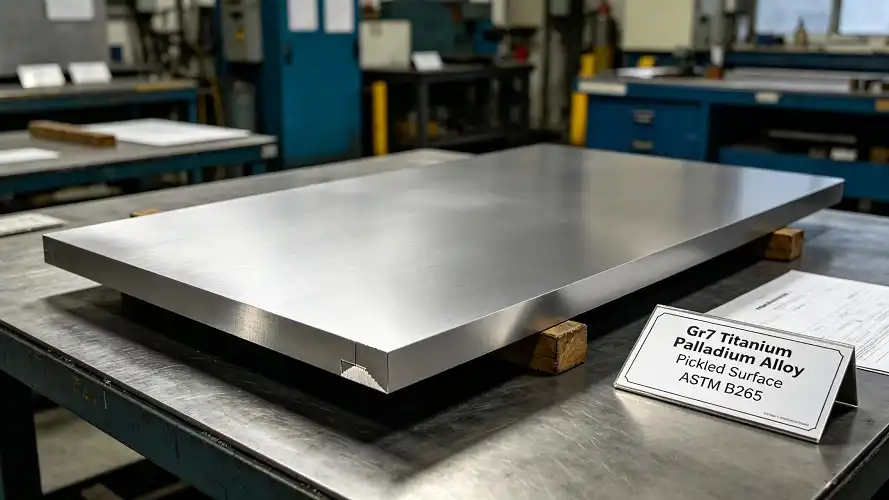
Understanding Grade 7 Titanium Plate and Its Unique Properties
The Palladium Advantage in Chemical Resistance
Grade 7 titanium plate is different because it has a strategic palladium addition (between 0.12% and 0.25%) mixed in with commercially pure titanium. This change makes a big difference in how the material reacts with harmful substances. The palladium creates a galvanic effect that keeps the protective oxide layer in place. This makes the critical current density much lower than what is needed for passivation. In oxidising conditions, Grade 2 titanium provides reasonable corrosion protection, but Grade 7 titanium plate excels in reducing acids like weaker forms of sulphuric, phosphoric, and hydrochloric acid. This feature directly fixes the problems of crevice rust and pitting that happen on chemical equipment that works with gaskets, flanges, and surfaces that are always wet.
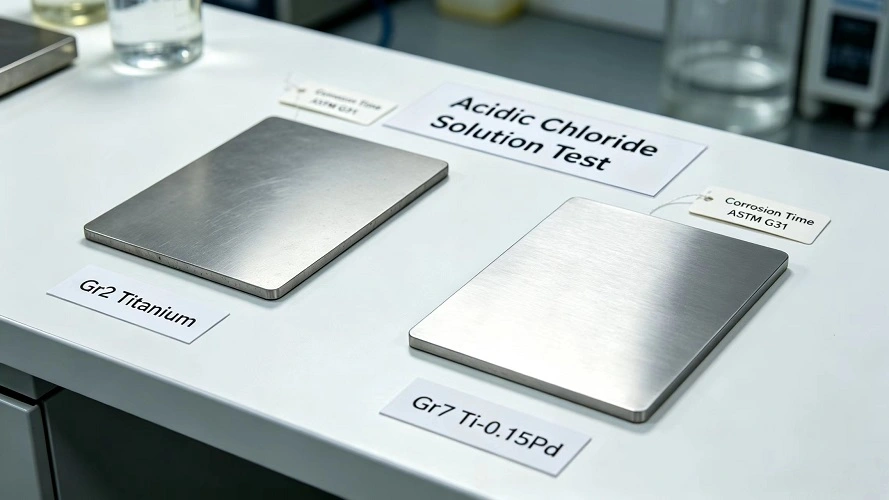
Mechanical and Physical Performance Profile
The material keeps its balanced mechanical structure, which works well for chemical processes. Tensile strength is at least 345 MPa, yield strength is 275 MPa, and elongation is more than 20%. Because of these qualities, the structure is strong enough for pressure tanks and heat exchanges without being too brittle, like harder metals can be. With a density of 4.51 g/cm³, the weight of the tools is easy to handle, and the melting point of close to 1660°C makes it stable at normal working temperatures. With a thermal conductivity of 20.8 W/m·K, this alloy is great for heat exchangers and other places where thermal performance and corrosion resistance are important at the same time.
Comparison with Alternative Titanium Grades
Knowing how grade 7 titanium plate stacks up against other choices makes it easier to decide what to buy. Grade 2 titanium is very easy to shape and weld, but it doesn't hold up well in reducing acid situations or small cracks. The strength of Grade 5 (Ti-6Al-4V) is higher, but it corrodes easily in chemical environments and costs a lot more. Grade 12 is more resistant to corrosion because it has molybdenum and nickel in it, but it costs more. Grade 7 is the best of both worlds: it's as easy to work with as Grade 2, but it has rust resistance close to Grade 12 at a price that's competitive for important chemical uses. Because of this balance, it is the sensible choice when breaking down equipment has high costs for both operations and safety.
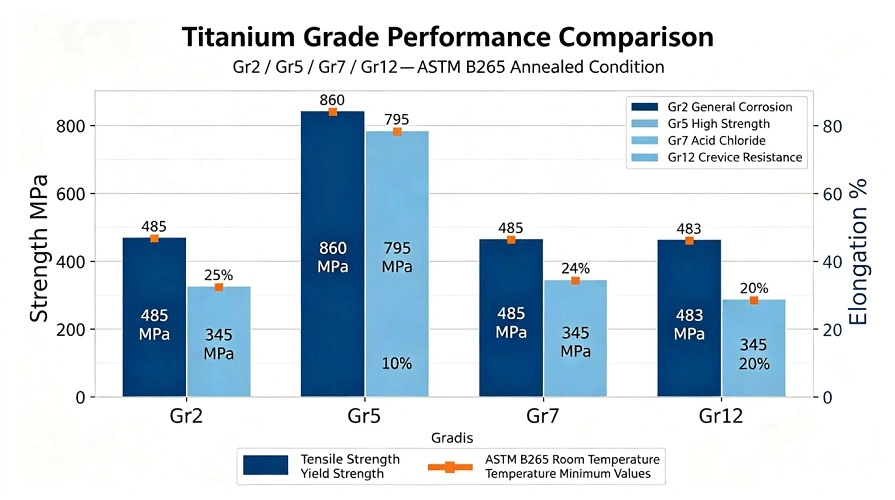
Core Applications of Grade 7 Titanium Plate in Chemical Processing
Heat Exchangers and Condensers
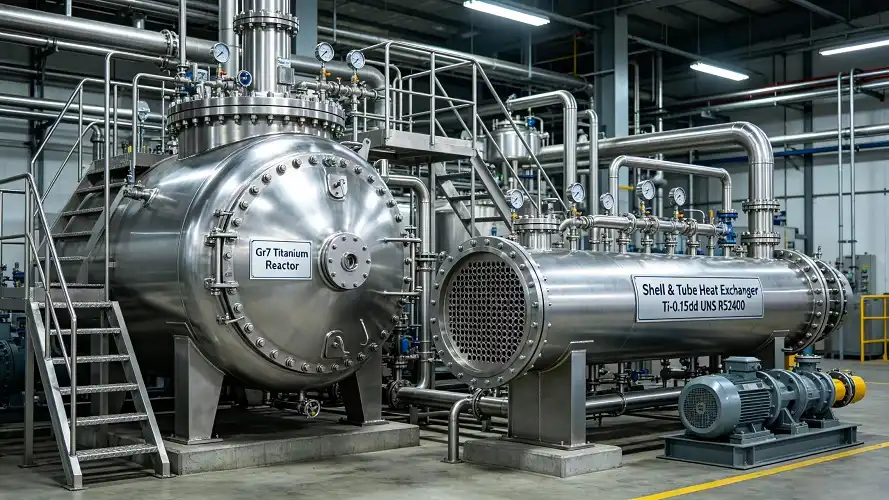
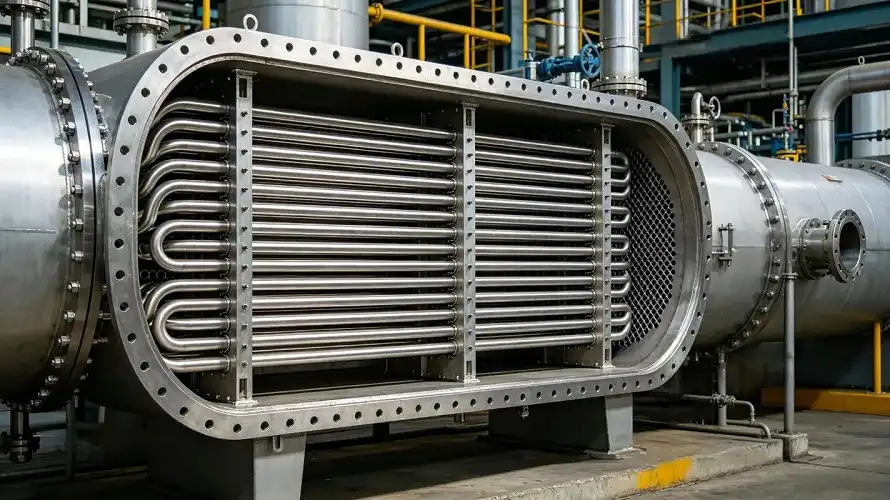
Chemical plants depend on heat exchangers to keep process temperatures in check, and these parts are always being exposed to harsh media. Grade 7 titanium plate works great in shell-and-tube designs that need to handle weak acids, especially in places where temperature changes cause condensation. When acidic condensate hits normal titanium, the walls thin quickly, but the palladium presence stops this from happening. The same is true for plate heat exchangers; the material used doesn't wear down easily when flowing at high speeds with acidic or chloride-containing solutions. Chemical companies that use this alloy say that their service intervals are longer—often exceeding 20 years—than those of stainless steel units, which need to be replaced every 5 to 7 years. This means that the total cost of ownership is lower and there are fewer breaks in production.
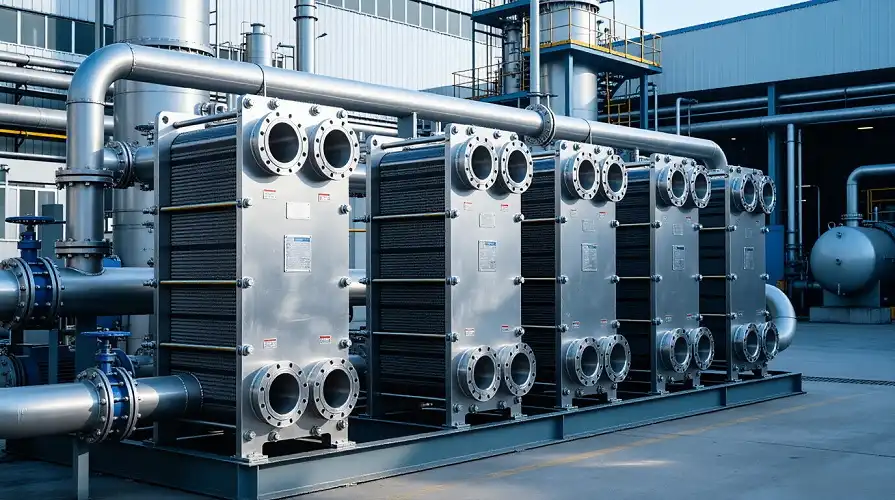
Pressure Vessels and Reactors
The heart of chemical production is the reactor tank, which is where controlled acid reactions happen. Grade 7 titanium plate is used to line vessels or build whole things in places where sulphuric acid, dilute hydrochloric acid, and mixed acids are present. The material can handle temperatures up to 260°C in these situations and still stay structurally sound and not rust. When it comes to pharmaceutical processing, this material is especially useful for reactors that make active medicinal ingredients because it keeps the products pure even when metal surfaces start to rust. Titanium surfaces are easy to clean and don't respond with other things, which makes grade 7 perfect for facilities that make a lot of different products and need to change over products often and clean very carefully.
Storage Tanks and Containment Systems
Keeping chemicals in tanks that are prone to rust can be especially hard for tanks that hold strong acids that need to be diluted or waste acids that need to be treated. Grade 7 titanium plate construction keeps tanks from breaking down in terrible ways like coated steel tanks do when the coating gets damaged, letting the base metal be attacked quickly. The material can be stored at room temperature or slightly above room temperature under both atmospheric and pressurised settings. In hydrometallurgical processes, holding tanks that hold leach solutions that are high in chloride and low in pH benefit from the alloy's resistance to pitting and stress corrosion cracking. The passive layer of the material keeps growing back, giving it self-healing security that active coats can't match.
Piping and Distribution Systems
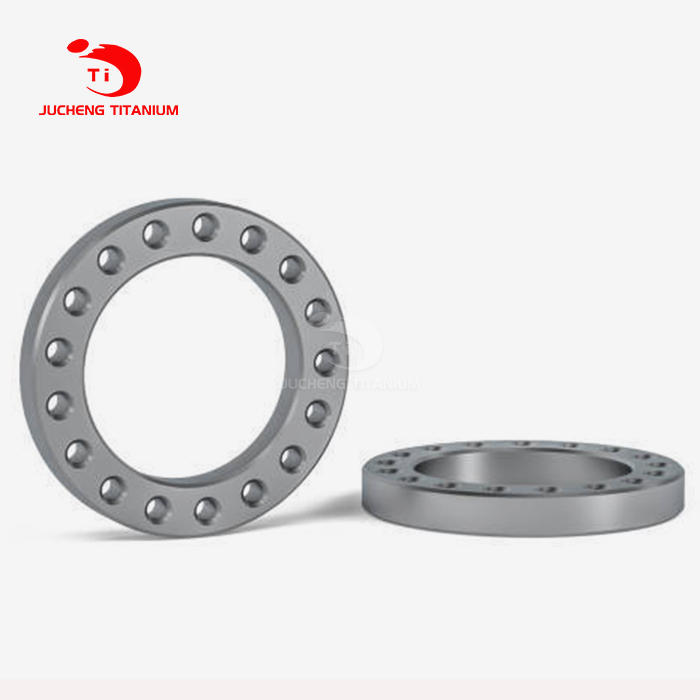
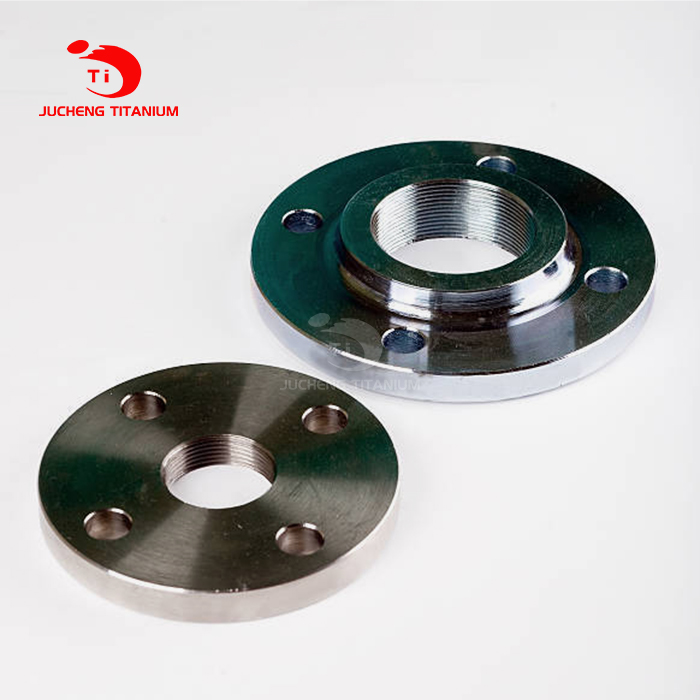
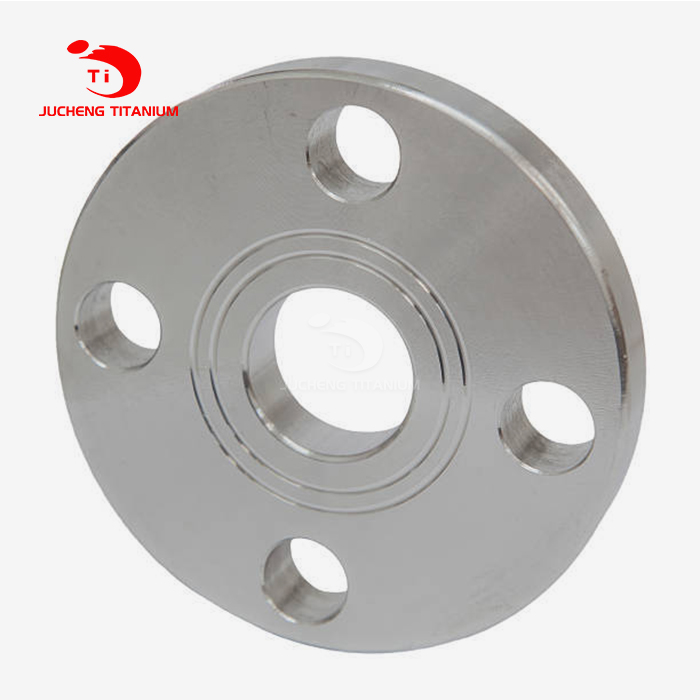
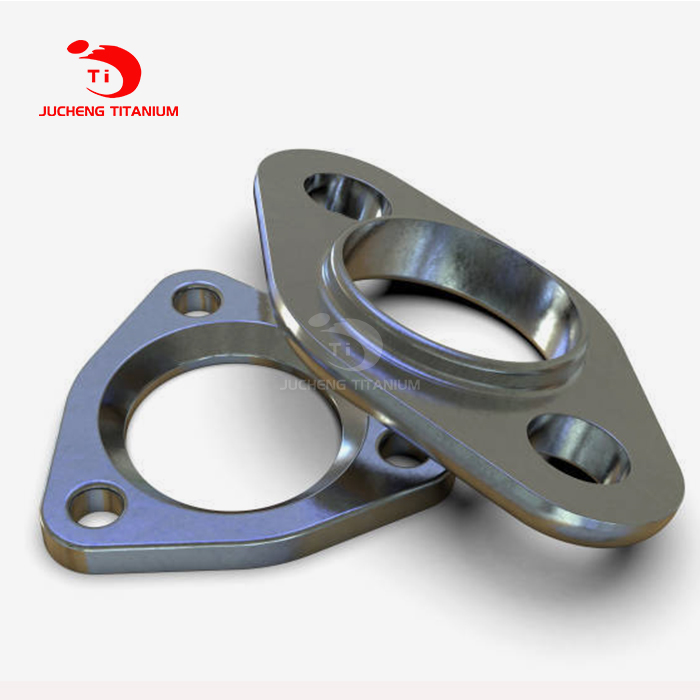
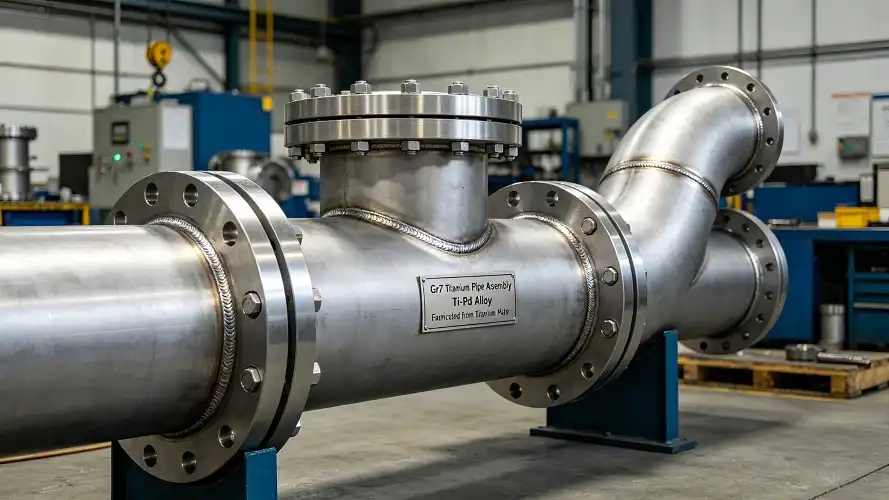
Corrosive fluids are moved around chemical plants by networks of pipes, which creates conditions that test the limits of materials. When grade 7 titanium plate is cut into pipes and fittings, it works without leaks in systems that deal with reducing acids, brine solutions, and chlorine chemicals. The metal doesn't corrode in cracks under flanged and threaded connections, which are frequent places where stainless steel systems fail. Pharmaceutical and fine chemistry companies like the material because it doesn't contaminate, so the quality of the products stays the same during shipping. The cost of installation is higher than with traditional materials, but the long service life and lack of unplanned shutdowns for leak repairs make it worth the money for important process lines.
How Grade 7 Titanium Plate is Manufactured and Quality Assured
Production Process and Material Transformation
To make a grade 7 titanium plate, the process starts with carefully controlled melting. In vacuum arc remelting furnaces, pure titanium sponge is mixed with precise amounts of palladium. This process makes sure that the alloy's makeup is always the same, which is important for even rust performance. The ingot that is made is hot-rolled at temperatures between 800°C and 950°C, which gradually reduces its thickness while keeping the substructure intact. After each rolling pass, the metal is annealed, which reduces internal pressures and makes it more flexible. The plate is then levelled to make sure it is as flat as it needs to be. Next, acid pickling is used to get rid of the surface scale and reveal the clean titanium substrate.
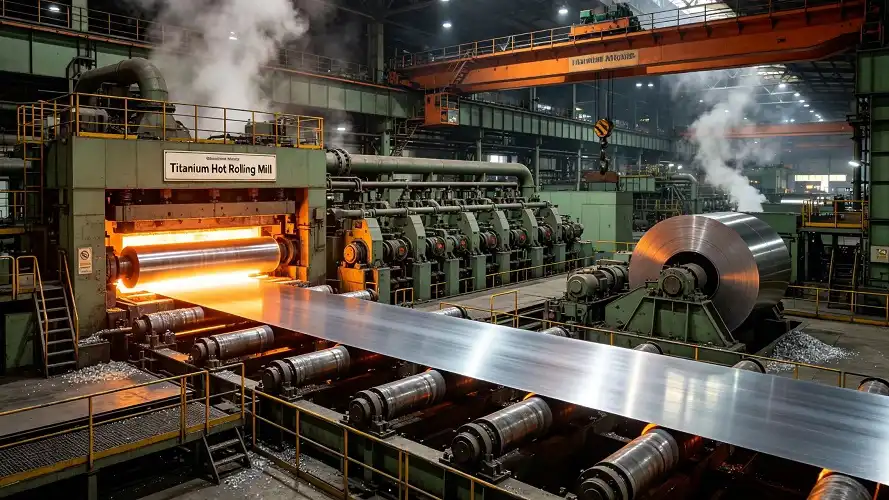
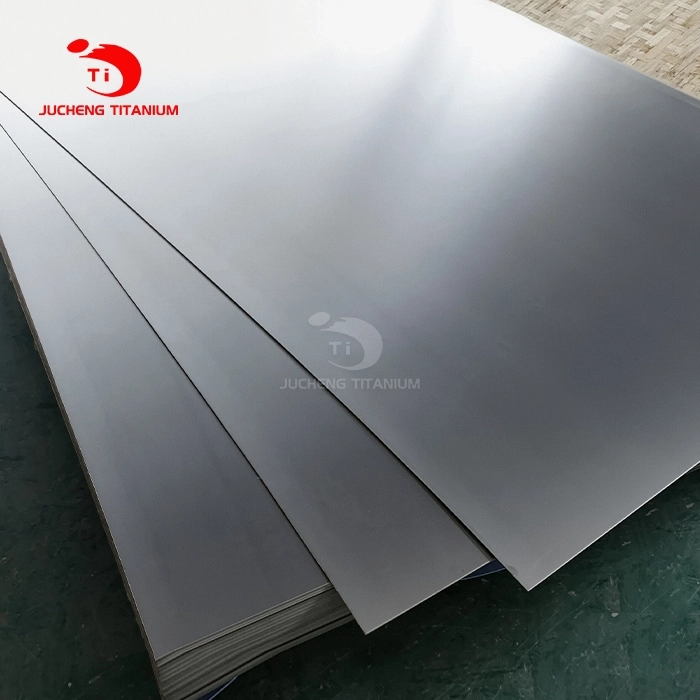
Baoji Jucheng Titanium Industry makes plates with thicknesses between 4mm and 80mm, widths up to 2500mm, and lengths up to 10000mm. Custom sizes can also be made to fit the needs of each project. The best mechanical properties for fabrication and service performance are achieved when the steel is hot-rolled and annealed.
Standards Compliance and Certification
Quality assurance is based on the following widely recognised standards that spell out how to test materials and what they should be made of. ASTM B265 is the main document used for buying things in North America because it specifies the composition, mechanical properties, and inspection criteria for titanium plates. These standards are mirrored in ASME SB265 for pressure vessel uses. This makes sure that regulated equipment follows the rules. AMS 4911 is for high-reliability and aerospace applications where traceability is very important. ASTM F67 talks about medical-grade titanium, which is important when chemistry processing and pharmaceutical production come together.
These standards require a lot of paperwork, like test reports on the material that prove its chemical makeup, tensile strength, and heat treatment records. Compliance is confirmed by a third-party review, which gives buying managers faith in the authenticity and performance of the materials. By setting clear acceptance standards and responsibility, this certification system lowers the risks in the supply chain.
Quality Control Testing and Verification
Verification of materials includes more than just analysing their makeup. It also includes mechanical testing, non-destructive examination, and confirmation of their resistance to rust. Tensile testing shows that the minimums for yield strength, final strength, and extension are met across all plate heat lots. By measuring the hardness, you can be sure that the right amount of annealing has happened and that there are no brittle spots that would make fabrication less reliable. Ultrasonic inspection finds flaws inside things that can't be seen from the outside. This is very important for pressure-bearing applications where flaws that are hidden could cause failures.
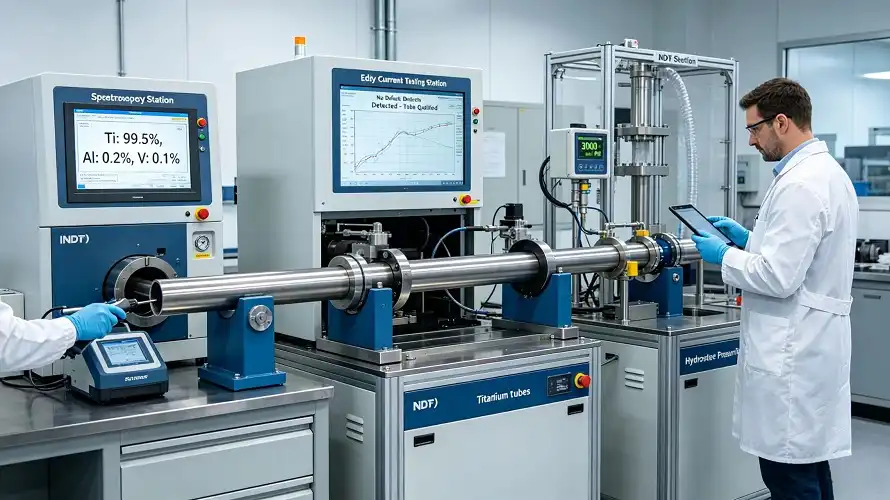
In corrosion testing, samples are put through typical media at high temperatures to make them act like they would in service. Measurements of weight loss, surface study, and electrochemical studies show that the palladium increase protects as expected. Reliable providers have their own labs where these tests are regularly done, and the results are recorded and kept so that they can be tracked. This complete quality framework makes sure that the materials that get sent to production shops meet both the requirements of the specifications and the needs of the service.
Choosing Grade 7 Titanium Plate for Chemical Processing: Procurement Insights
Key Decision Criteria for Material Selection
To choose the right titanium alloy, you have to weigh the technical performance against the costs of the project and the skills of the seller. To start evaluating performance, you need to describe the corrosive environment, including the type of media, its quantity, temperature, and length of contact. When reducing acids or chlorides are present in high enough amounts that Grade 2 fails but not high enough for Grade 12, a Grade 7 titanium plate is the best choice.
Different places and uses have different compliance requirements. Material choice is affected by pressure vessel codes, regulations specific to the industry, and customer quality standards. Pricing factors extend beyond initial material cost to cover manufacturing complexity, expected service life, and upkeep regularity. When you look at the total cost of everything, you'll often find that high-quality products are more valuable because they last longer and cost less to fix when they break.
Comparative Analysis with Alternative Materials
Stainless steel alloys have been used for a long time in chemistry tools because they are easier to work with and cost less. Austenitic stainless steels, on the other hand, rust and pit in chloride environments, and even high-nickel alloys break down in reducing acids. Grade 7 titanium plate doesn't fail in these ways, so its higher original cost is worth it because it doesn't need to be maintained for decades. Titanium is 40% lighter than stainless steel, which means it doesn't need as much support and is easier to install.
When you compare within the titanium family, it's easier to choose the right grade. Grade 2 is cheaper, but it fails quickly in tough conditions, making what seemed like a savings into an expensive loss. Grade 5 is stronger, but it corrodes quickly in chemical environments and is hard to weld without special techniques. While Grade 12 is better at resisting rust than Grade 7, it costs 30–50% more and doesn't do much better in most chemical uses. Based on this study, the grade 7 titanium plate is the most cost-effective option for harsh areas that are prone to rusting.
Supplier Evaluation and Partnership Considerations
To get important materials, you have to carefully evaluate suppliers in addition to comparing prices. The most important thing is that the certification is real. Ask for pictures of the mill test results and make sure they include your order and heat numbers. Dependability of delivery is affected by production capacity; suppliers with enough inventory and manufacturing throughput meet project plans without delays that throw off building schedules. Technical support is what sets true partners apart from product providers. True partners help with choosing materials, manufacturing, and fixing problems.
When working on foreign projects that need to be delivered on time across countries, geographical reach is important. Suppliers with experience in export logistics know how to handle customs rules and make sure the right paperwork is sent. Support after the sale, such as warranty terms, return policies, and quick communication, keeps your investment safe in case of problems. Long-term supply deals with qualified sellers guarantee stable material quality and special treatment during shortages in the market. These are strategic benefits that can't be obtained from sourcing in a single transaction.
Case Studies & Industry Success Stories with Grade 7 Titanium Plate
Hydrometallurgical Processing Equipment Upgrade
A big copper recovery plant had acidic leach circuit heat exchangers made of zirconium-stabilized stainless steel that kept breaking down. Every 18 to 24 months, leaks happened because of crevice corrosion under the gaskets, which required expensive emergency shutdowns and replacement. An engineering study found that the mix of weak sulphuric acid, high chloride levels from the rock chemistry, and temperatures close to 90°C was too high for stainless steel to handle. The plant switched to grade 7 titanium plate heat exchangers, which have been running nonstop for over eight years with no rust or upkeep other than regular cleaning. Within four years, the investment paid for itself because repair costs were cut out and output went back up during the time of no downtime. The annual repair budgets for these important parts went down by 60%, which freed up money for projects to grow the plant.
Pharmaceutical Reactor Fleet Reliability Enhancement
Cross-contamination risks from corroding Hastelloy reactor linings were a problem for a contract pharmaceutical maker that made multiple active ingredients in the same reactor vessels. Even though there were strict cleaning procedures, small metal contamination sometimes showed up in analytical tests, which put customer trust and regulatory compliance at risk. The company lined their reactors with grade 7 titanium plate because its surface chemistry is non-reactive and it is easier to clean. Validation studies showed that there was no metal leaching into process streams at any pH level between 2 and 12. The titanium covering stopped contamination and could handle the high temperatures and harsh cleaning agents needed for processes with multiple products. Fewer batch rejections led to 2-3% higher product yields, which more than covered the cost of conversion within two years.
Desalination Plant Longevity Achievement
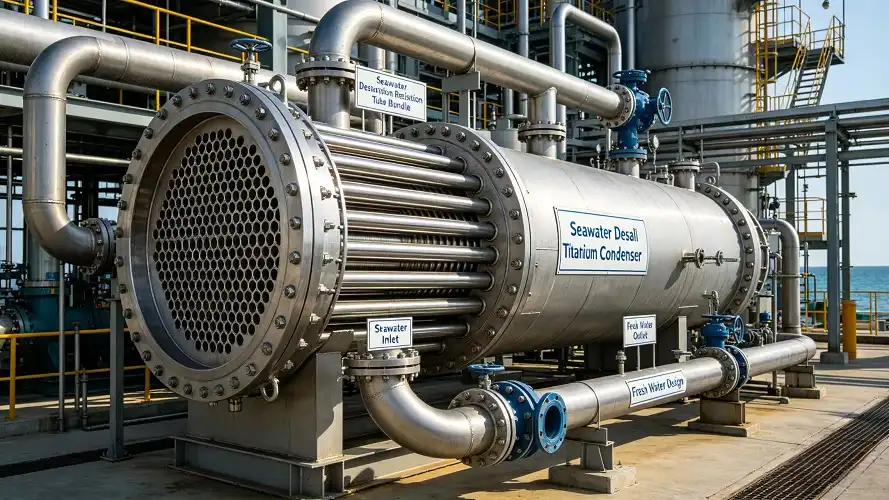
A multistage flash desalination plant in the Middle East chose grade 7 titanium plate for the brine heater tubing in their growth project because grade 2 titanium tubes in their current units were breaking down too soon. The higher brine temperatures and tight tube-to-tubesheet gaps in the new design meant that regular titanium wasn't good enough. Ultrasonic thickness tests show that the Grade 7 tubes have lost less than 5% of their wall thickness after 15 years of continuous operation at full capacity. In the same time period, the Grade 2 units have lost 30% of their wall thickness. The expected longer service life is now more than 30 years, which changes the economic model for desalinating seawater in the area and makes Grade 7 the standard for new buildings.
Conclusion
It has been shown that grade 7 titanium plate works well in chemical processing situations where resistance to rust is important for success. Its palladium-enhanced makeup shields against reducing acids and chloride attacks that are too strong for regular materials, so equipment will last even in the roughest working conditions. This alloy protects heat exchangers, reactors, storage tanks, and process pipes in a way that is reliable and cuts down on maintenance costs and unplanned downtime. Reliable providers set up strict rules for quality control and accuracy in production to make sure that materials are always the same and that certifications are real. When technical needs, lifetime costs, and supplier skills are all taken into account, grade 7 titanium plate is the best option for important chemical infrastructure that needs to last for decades without any repairs.
FAQ
1. Why does Grade 7 titanium outperform other titanium alloys in chemical processing?
Adding palladium to grade 7 titanium plate gives it a special electrochemical advantage by lowering the potential needed for protective oxide to form. This makes passivation possible in reducing acid conditions where oxygen is scarce, and regular pure titanium corrodes quickly. The alloy doesn't rust or pit in chloride-containing solutions at temperatures up to 260°C, which is very hot and very different from the conditions that quickly break down Grade 2 alloys and even those made of more expensive nickel alloys.
2. How can buyers verify authentic Grade 7 material quality from suppliers?
Ask for certified mill test results that show the chemical make-up (with palladium content between 0.12 and 0.25%), the mechanical qualities that meet ASTM B265 standards, and records of the heat treatment. Third-party inspection certificates from well-known organisations add to the proof. Good suppliers, like Baoji Jucheng Titanium Industry, keep full records of all steps, from the ingot to the finished plate. They have been producing high-quality products for over 20 years and have been recognised as a National High-Tech Enterprise. Before fabrication starts, spectrographic study of the delivered material proves that it is an alloy.
3. What service life can be expected from a Grade 7 titanium plate in typical chemical applications?
When properly specified, grade 7 titanium plate equipment can last for 20 to 30 years in chemically corrosive environments. Desalination plants, hydrometallurgical facilities, and pharmaceutical labs that use this material report very low corrosion rates, which suggests that it could last even longer. Stainless steel equipment needs to be replaced every 5–10 years, while titanium equipment lasts much longer. This makes titanium the more cost-effective choice, even though it costs more at first.
Partner with Jucheng Titanium for Your Grade 7 Titanium Plate Supplier Needs
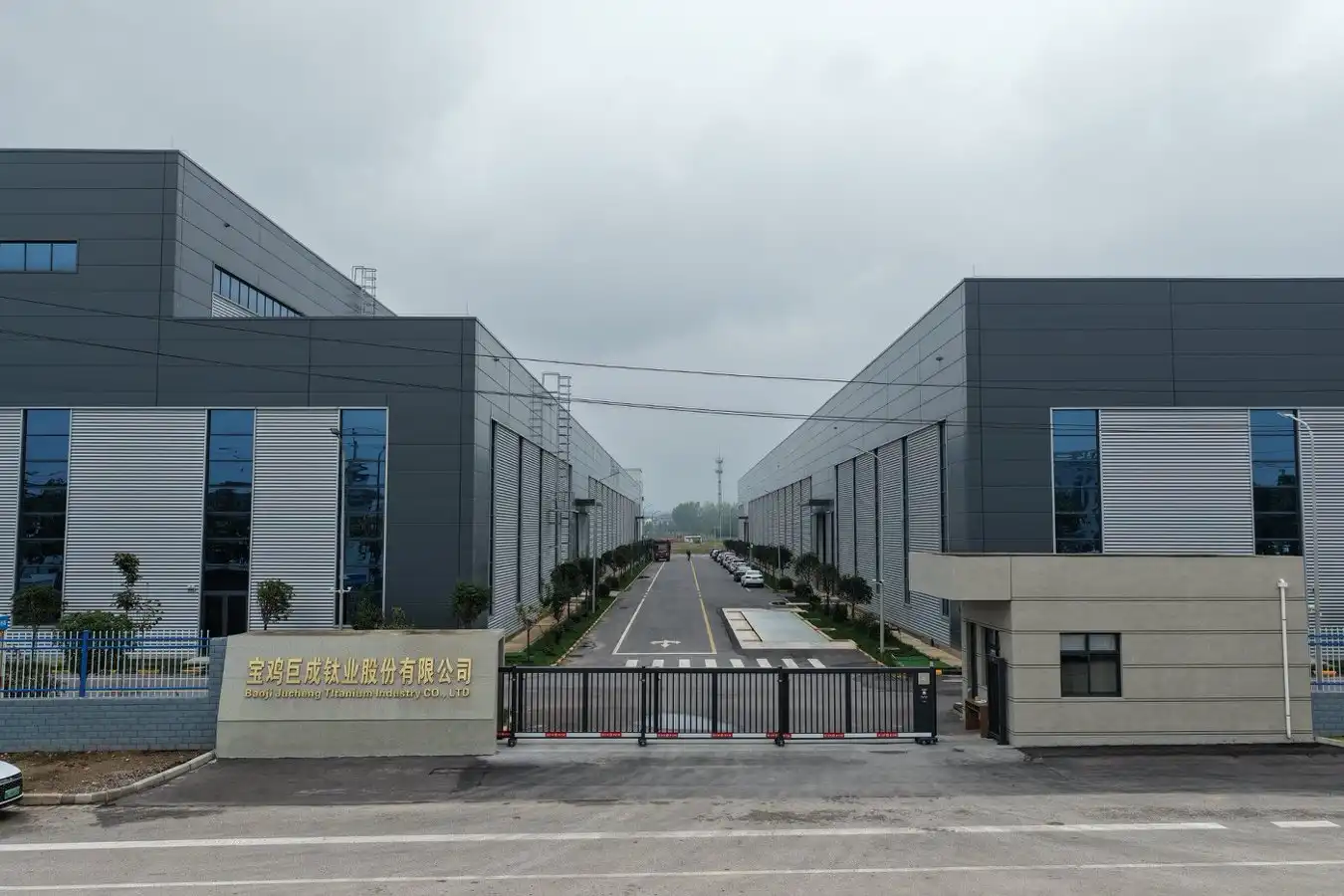
Chemical processing processes need materials that can be relied on even in the toughest situations. Baoji Jucheng Titanium Industry has been making grade 7 titanium plate that meets the strict requirements of the chemical, medicinal, and hydrometallurgical industries around the world for more than twenty years. We can make things with thicknesses from 4mm to 80mm and unique sizes up to 2500mm wide and 10000mm long. Everything we make meets ASTM B265 and ASME SB265 standards and comes with all the certification paperwork.
We keep 3,000 tonnes of titanium in stock all year, so we can get materials to you quickly, so your projects stay on track. Our technical team helps with engineering decisions like choosing the right materials, planning the fabrication, and installing them, making sure they work perfectly in your application. As a 45-patent-holding "little giant" company with relationships with top research institutions, we mix the ability to make a lot of things with the ability to come up with new ideas. Visit email s4@juchengti.com to talk about your grade 7 titanium plate needs and find out how our knowledge can help protect your chemical processing investments.
References
1. ASM International. (2015). Titanium: Physical Metallurgy, Processing, and Applications. Materials Park, OH: ASM International.
2. Schutz, R.W., & Thomas, D.E. (2017). "Corrosion of Titanium and Titanium Alloys." ASM Handbook, Volume 13B: Corrosion: Materials, pp. 252-299.
3. ASTM International. (2020). ASTM B265-20: Standard Specification for Titanium and Titanium Alloy Strip, Sheet, and Plate. West Conshohocken, PA: ASTM International.
4. Covington, L.C., & Schutz, R.W. (2018). "Applications of Titanium in the Chemical Process Industries." Journal of Materials Engineering and Performance, 27(4), 1883-1897.
5. Donachie, M.J. (2016). Titanium: A Technical Guide, 2nd Edition. Materials Park, OH: ASM International.
6. International Titanium Association. (2019). Titanium for Chemical Processing: Design and Fabrication Guidelines. Broomfield, CO: International Titanium Association.