
Titanium Grade 2 Plates: Ideal for Marine Use
When looking for materials to use in marine settings, one of the hardest things is always finding something that won't break down in a few years due to saltwater rust. This issue is resolved by a Grade 2 titanium plate. As the most commonly used commercially pure titanium, it doesn't rust in salt water and is easy to shape and weld. These are the qualities that make it essential for building ships, offshore platforms, desalination plants, and coastal infrastructure. This material is made up of about 99% pure titanium and minor elements. It gives marine engineers a tried-and-true way to make equipment last much longer than traditional stainless steel while also lowering the overall cost of ownership by a large amount.
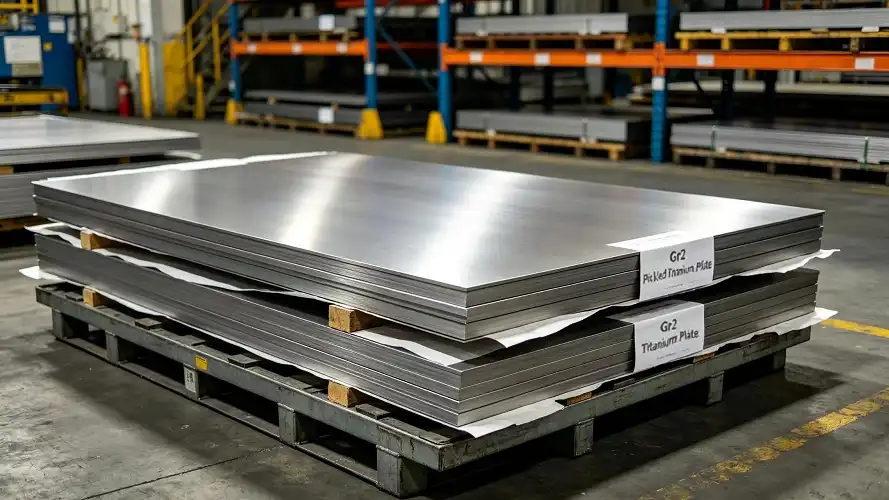
Understanding Grade 2 Titanium Plate: Properties & Specifications
Chemical Composition and Purity Standards
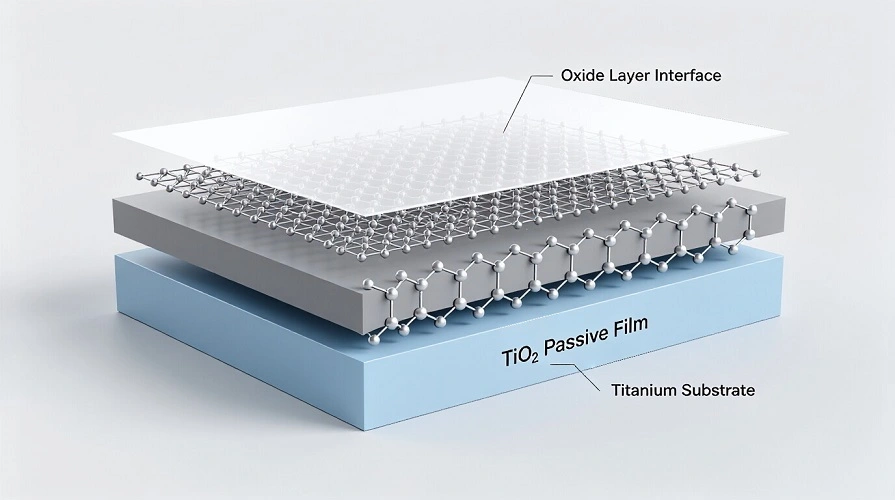
Grade 2 titanium plate has strict chemical limits that affect how well it works in the sea environment. The material is mostly titanium (balance), and the most oxygen, iron, carbon, nitrogen, and hydrogen that can be added are 0.25%, 0.30%, 0.08%, 0.03%, and 0.015% by weight, respectively. This carefully managed chemistry creates a solid, self-healing layer of titanium dioxide (TiO₂) that is very resistant to chloride attack, which is the main way metals break down in ocean settings.
Mechanical Performance Characteristics
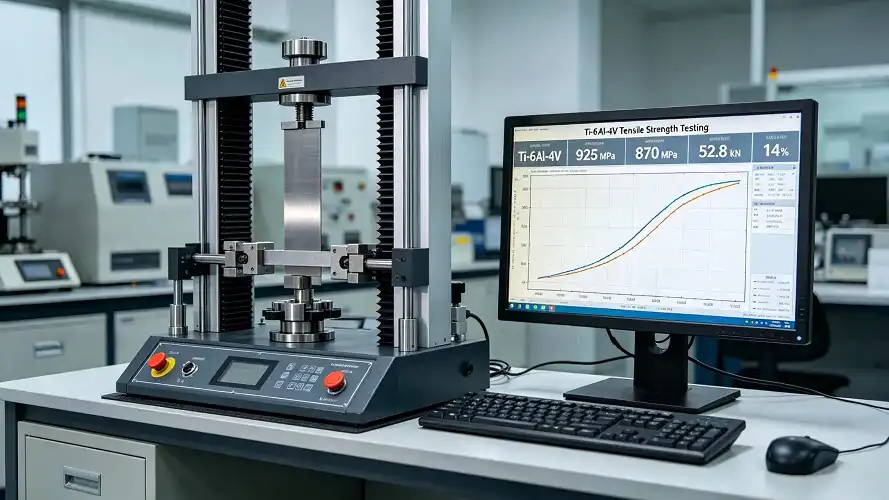
ASTM B265 says that Grade 2 titanium plates must have a minimum tensile strength of 345 MPa (50 ksi) and a minimum yield strength of 275 MPa (40 ksi). In normal tests, they must also be able to stretch more than 20%. These numbers put the material between Grade 1's high ductility and Grades 3 and 4, which make it stronger. This is the best mix for making complicated marine parts. The density of the material is 4.51 g/cm³, which is about 56% that of steel. This means that ships and offshore buildings can save weight, which saves fuel and increases load capability.
Manufacturing and Processing Standards
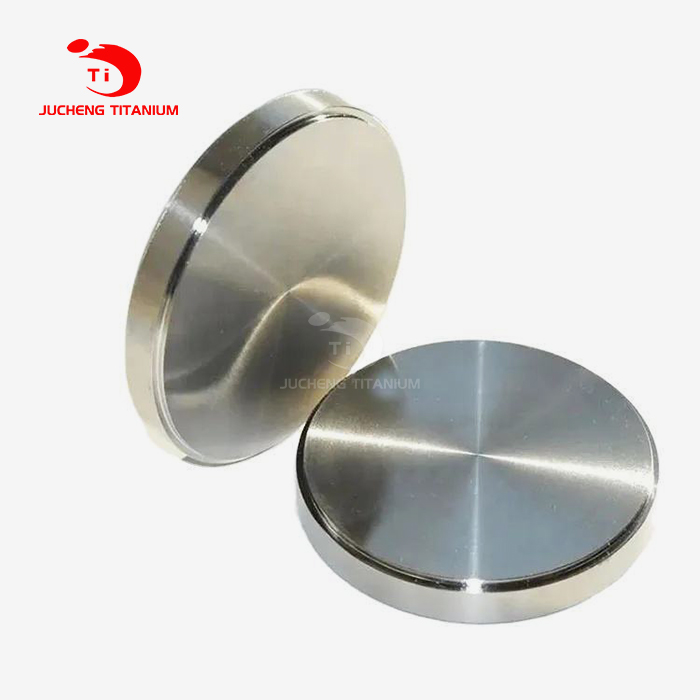
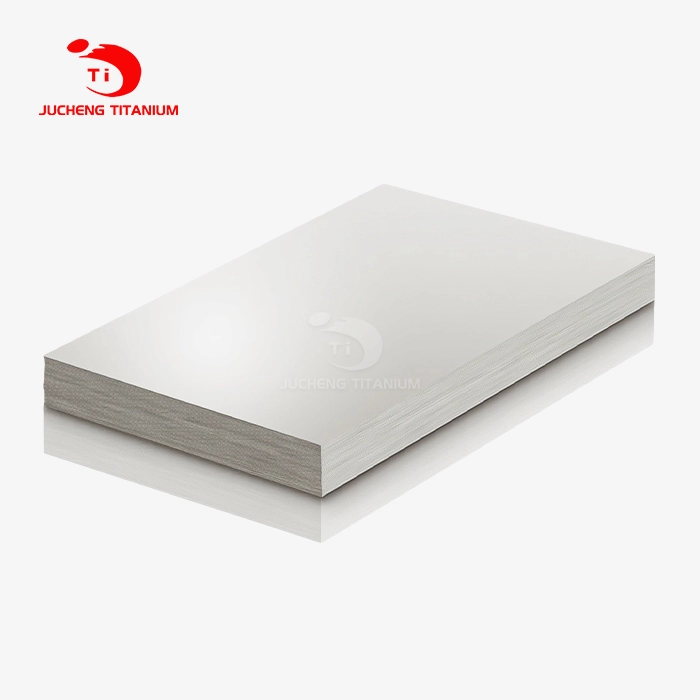
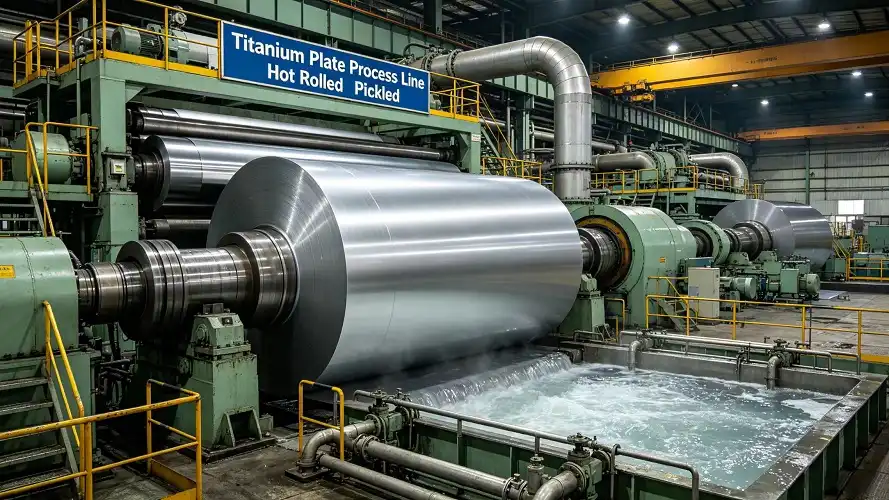
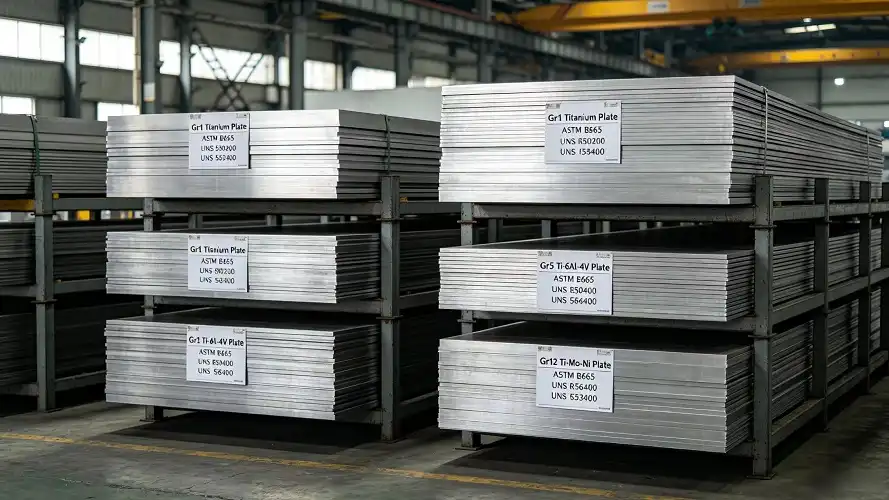
The way we make Grade 2 titanium plate at Jucheng Titanium involves strict hot-rolling steps. Plates can be made with thicknesses from 4mm to 80mm, widths from 950mm to 2500mm, and lengths up to 10,000mm. Custom dimensions are made to fit the needs of each project. After being levelled, pickled, and given a smooth finish, each plate goes through annealing to make it more flexible and relieve stress. Depending on the need, surface processes can include polishing, milling, or acid-pickling. All of our products are made in line with widely recognised standards like ASTM B265, ASTM F67, AMS 4911, and ASME SB265. This makes sure that all Grade 2 titanium plate materials can be tracked and that we meet the approval requirements that marine classification societies need.
Comparing Grade 2 Titanium Plate with Other Grades and Materials
Grade 2 Versus Other Titanium Grades
Grade 2 titanium plate is the best grade for marine production out of the four grades of available pure titanium. While Grade 1 is a little easier to shape, it is also weaker. Grades 3 and 4 are stronger, but they are also less good at being cold-worked. Even though Grade 5 (Ti-6Al-4V) is stronger, it requires more complicated welding techniques and costs a lot more. This extra cost is not needed when corrosion resistance rather than ultimate strength is what matters. Palladium is added to Grade 7 to make it more resistant to reducing acids, but its higher price is rarely worth it for normal seawater uses. Grades 9 and 12 are good for certain situations, but they aren't as useful for everyone as a Grade 2 titanium plate, which is the industry standard.
Performance Against Stainless Steel
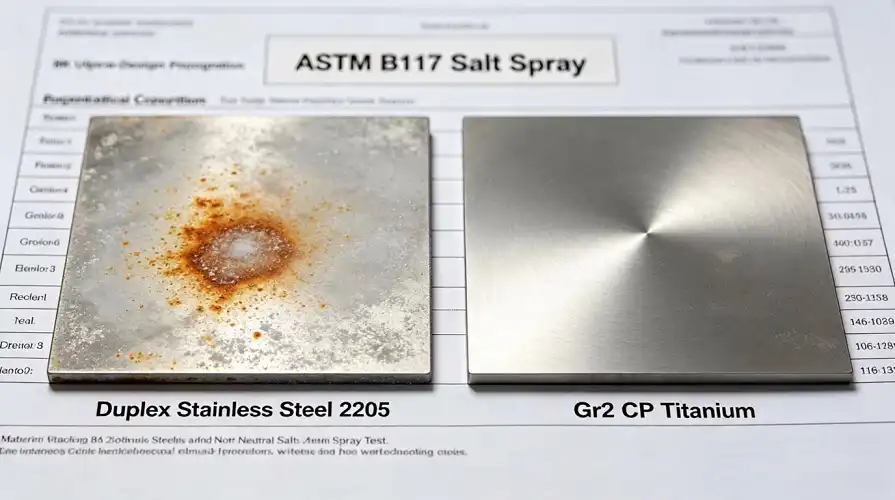
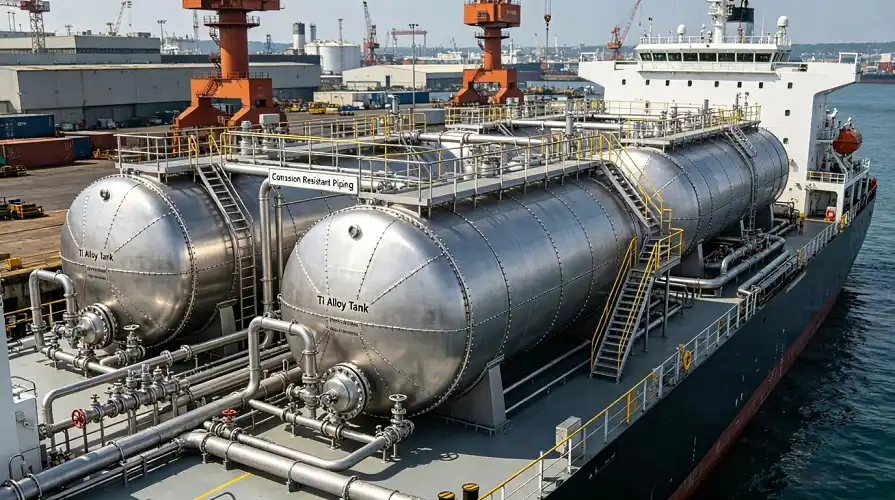
For naval projects, procurement managers often compare Grade 2 titanium plate to duplex or super-duplex stainless steels. Although stainless steel is cheaper to buy at first, it fails in chloride-rich seawater due to pitting corrosion, crevice corrosion, and stress corrosion cracking, which Grade 2 titanium plate doesn't have. A lifetime study of a North Sea offshore platform retrofit showed that Grade 2 titanium plate heat exchanger tubes could last more than 25 years with little upkeep, while stainless steel tubes needed to be replaced every 7 to 10 years. Grade 2 titanium plate is lighter than stainless steel—its mass is less than 60% that of stainless steel, which means that less structural support is needed and the tank is more stable.
Real-World Application Evidence
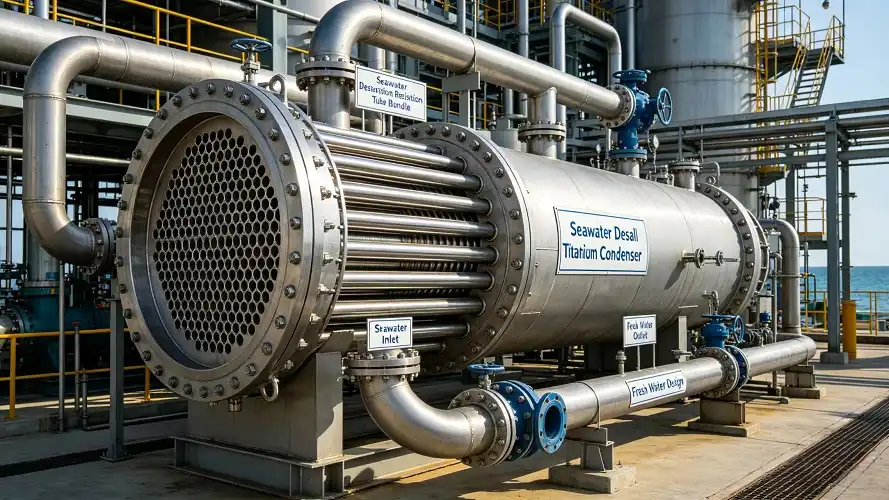
Marine condensers in desalination plants in the Middle East that use commercially pure Grade 2 titanium plates have been running nonstop for more than 20 years without a single tube failure. This is in stark contrast to copper-nickel alloy systems that developed biofouling and erosion-corrosion within 5 to 8 years. When building chemical tankers, shipbuilders are choosing Grade 2 titanium plate more and more for the parts of the cargo tanks that handle corrosive liquids. This is because the Grade 2 titanium plate eliminates the risk of cargo contamination and cuts the ship's weight by 15–20% compared to traditional nickel alloy construction.
Procurement Guide: Buying Grade 2 Titanium Plates for Marine Applications
Evaluating Supply Chain Options
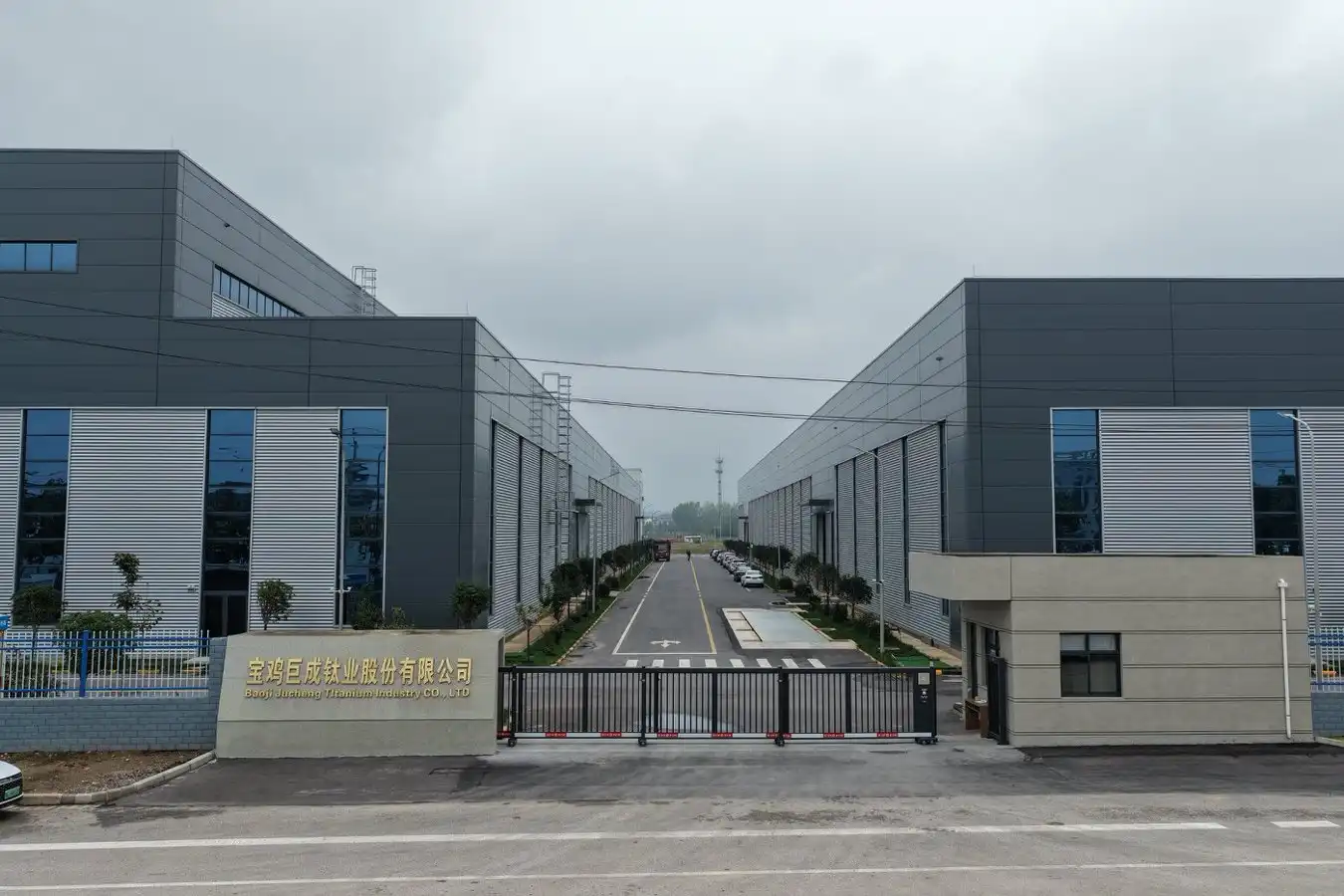
To find a Grade 2 titanium plate, you need to know the difference between the main makers, specialised processors, and trading middlemen. Working directly with manufacturers like Jucheng Titanium, which has been making things for more than 20 years, gives you access to technical know-how, the ability to customise materials, and low prices for large orders. We keep about 3,000 tonnes of Grade 2 titanium plate in stock all year, which lets us supply quickly in a way that trading companies can't. The working area of our building is 120,000 square meters, and it can do everything from handling raw materials to making finished Grade 2 titanium plates.
Certification and Quality Verification
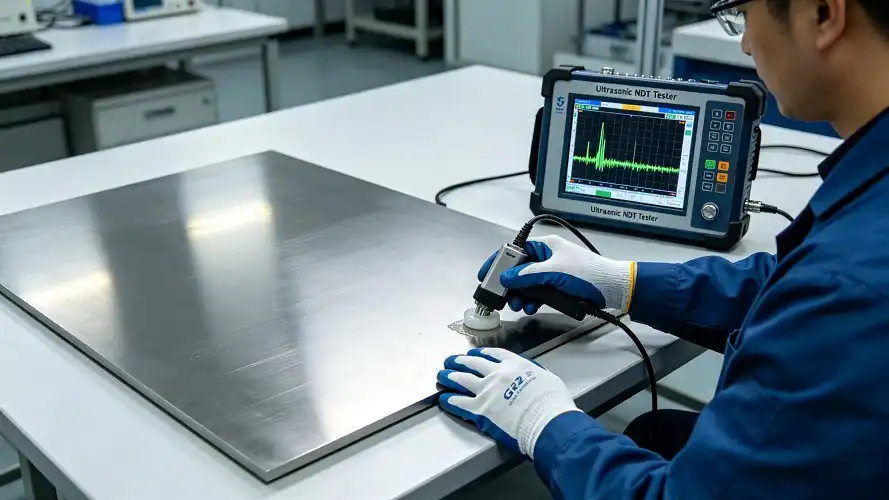
Marine applications need strict certification of materials. Make sure that Grade 2 titanium plate suppliers give you mill test certificates (MTCs) that show the chemical make-up, mechanical properties, and heat treatment history for each batch of product. For important uses, third-party inspection reports from companies like Lloyd's Register, DNV, or ABS add extra security. Our quality management system is certified by ISO 9001, and the fact that we are a National High-Tech Enterprise and a "little giant" business in China shows that we always follow quality standards. Before we ship any Grade 2 titanium plate, we test it with ultrasonic waves, check its dimensions, and look at its surface quality.
Pricing Dynamics and Cost Optimization
Grade 2 titanium plate prices change based on the cost of raw materials, how hard it is to process, how many orders are placed, and how long it takes to send. The price of Grade 2 titanium plate on the market right now is between $15 and $30 per kilogram for normal specs. Depending on the needs, special processing can add another 10 to 25 percent. When you commit to more than 5 tonnes, you usually get better pricing. To get a good idea of how much something costs, buyers should ask for thorough quotes that include information about the material grade, size, finish, testing needs, and packing. We have clear pricing systems and work together with procurement teams to make sure that Grade 2 titanium plate specs are optimised for cost-effectiveness without sacrificing performance.
Customization Capabilities
Standard Grade 2 titanium plate sizes are useful for many things, but marine projects often need plates with particular sizes, widths, or surface treatments. Precision cutting, edge preparation, surface treatments (polished, machined, or pickled), and custom packaging for international shipping are some of the things we can do when we make things. We offer expert advice to help engineers get the best out of the Grade 2 titanium plate they use, which could cut down on trash and the cost of making things. Our partnerships with colleges and research centers, such as the Northwest Institute for Nonferrous Metal Research, give us access to cutting-edge processing methods that can handle tough needs.
Advantages of Grade 2 Titanium Plates for Marine Use
Unmatched Corrosion Immunity
The complete resistance of Grade 2 titanium plate to seawater corrosion is the main reason why it is used in marine environments. The Grade 2 titanium plate oxide layer stays steady across pH ranges from 1 to 14 and doesn't react with dissolved oxygen, hydrogen sulphide, or organic acids that are common in marine environments. Stainless steels, on the other hand, rely on chromium oxide films that can break down when exposed to chloride. This passive film instantly fixes itself when it gets scratched or worn down, keeping the part safe for as long as it's used. When Grade 2 titanium plates are used in marine setups, there is no need for cathodic protection systems, protective coatings, or corrosion allowances in the design formulas.
Strength-to-Weight Benefits
Grade 2 titanium plate has a specific strength about the same as aluminium alloys, but a higher corrosion resistance. This means that it can be used in naval engineering to make lighter materials. A tank heat exchanger made of Grade 2 titanium plates weighs about 45% less than one made of stainless steel. This means that it needs less support and uses less fuel. This is an advantage that offshore platform designers use to lower the loads on the foundation and increase the stability margins. Naval architects say that using Grade 2 titanium plate instead of steel in structures above water lowers the center of gravity, making the ship safer at sea and letting it carry more cargo.
Long-Term Economic Value
Grade 2 titanium plate has a higher starting material cost than other metals, but lifecycle cost studies always show that it is better for marine uses. Getting rid of planned replacement cycles, cutting down on maintenance work, increasing operating uptime, and avoiding the costs of downtime all have big positive effects on the economy. A petroleum plant that switched from stainless steel to Grade 2 titanium plate for seawater-cooled heat exchangers saw a 65% drop in its total cost of ownership over 20 years, even though it had to pay 3.2 times more for the materials at the start. The material's indestructible resistance to seawater rust successfully protects against sudden failure and the need for fixes.
Environmental and Sustainability Advantages
Grade 2 titanium plate is very durable, so it uses less material over the life of a facility, which helps with sustainability goals. The material can be recycled over and over again without losing any of its properties, and because it is inert, it doesn't leach toxic chemicals into marine environments, which is a growing worry with copper-based alloys. Cleaning agents and protective layers that pollute the ocean are used less when upkeep needs are lower for Grade 2 titanium plate. As environmental laws and corporate sustainability goals get stricter in the maritime industry, these environmental benefits become more important in deciding what to buy.
How to Choose a Trusted Grade 2 Titanium Plate Supplier
Assessing Manufacturing Credentials
Check the Grade 2 titanium plate supplier's production capabilities and quality certifications as the first step in the evaluation process. Manufacturers should show that they follow international standards like ASTM, AMS, and ASME by having quality management systems that are written down and having third-party audits done. Jucheng Titanium has 4 invention patents and 41 usage model patents for processing titanium. This shows that they can really come up with new ideas instead of just selling commodities. We can make more than 1,500 tonnes of specialised Grade 2 titanium plate products every year, and we have a 70% market share in hydrometallurgical applications. This shows that we are consistently the technical and quality leader.
Evaluating Technical Support Capabilities
For marine uses, technical advice for Grade 2 titanium plate is often needed in addition to just providing materials. Suppliers who are good at what they do offer expert advice on choosing materials, making things, welding, and improving performance. Our expert team works with customers from the planning stage all the way through to finishing. They do this by using their knowledge of providing Grade 2 titanium plate equipment to a wide range of industries, from petrochemical processing to defence uses. This level of application understanding helps buying teams avoid making mistakes that cost a lot of money and make designs that are easier to implement.
Verifying Delivery Reliability
Schedules for naval building are at great risk when there are problems in the supply chain. In order to choose a Grade 2 titanium plate supplier, you should look at their inventory levels, production lead times, and logistics skills. Our 3,000-ton standing inventory lets us meet standard requirements right away, and our integrated production facilities cut down on the time it takes to make custom Grade 2 titanium plate orders. We have long-term ties with foreign goods forwarders and provide all the necessary export paperwork, which makes the buying process easier for people in other countries. Our sales income has grown by more than 30% each year for three years in a row, which shows that we are consistently meeting Grade 2 titanium plate customer needs and expectations.
Reviewing Customer References and Case Studies
Reliable Grade 2 titanium plate providers are happy to give you customer examples and case studies that show how they've successfully completed projects in the past. We have installed the biggest titanium spiral plate heat exchanger in China for the WUGANG Group, Grade 2 titanium plate equipment for Luoyang Petrochemical, and all-titanium air coolers that are well-known in North American markets. Partnerships with big companies like Jiangxi Copper Group and partners in the defence business show that we can meet strict Grade 2 titanium plate requirements and keep our promises. Independent verification through conversations with customers gives useful information about how responsive the supplier is, how well they can solve problems, and the quality of their after-sales support.
Conclusion
Grade 2 titanium plates are the best material for naval uses that need long-term resistance to corrosion, structural stability, and low costs over the course of their life. The material has been tested and shown to work well in saltwater environments. It is also very light and doesn't need much maintenance, which makes it a great choice for shipbuilders, operators of offshore platforms, desalination plants, and coastal infrastructure projects. Partnering with experienced manufacturers who offer certified Grade 2 titanium plate materials, technical know-how, and reliable delivery is key to successful procurement. Marine businesses are under more and more pressure to make equipment last longer, have less of an effect on the environment, and cut costs. Commercially pure Grade 2 titanium plate is continuing to gain popularity as a smart material for tough ocean environments.
FAQ
1. What chemical composition defines Grade 2 titanium plates?
Grade 2 titanium plates are mostly pure titanium, with only a very small amount of oxygen (0.25%), iron (0.30%), carbon (0.08%), nitrogen (0.03%), and hydrogen (0.015%) by weight. This mixture provides the best corrosion protection while still being easy to shape and weld for naval manufacturing.
2. How does Grade 2 titanium compare to stainless steel in seawater?
Pure Grade 2 titanium plate that is sold in stores doesn't rust in salt water, but stainless steels do rust in crevices, pitting, and stress corrosion cracks when they are in chloride settings. With the same level of strength, Grade 2 titanium plates weigh 45% less than stainless steel. This means that safe coats or cathodic protection systems are not needed.
3. What are typical lead times for bulk titanium plate orders?
What determines lead times is the specifics and the amount of the Grade 2 titanium plate order. Standard sizes from stock that has been kept can be shipped within one to two weeks. For custom specifications, production, testing, and certification usually take between 6 and 8 weeks. Orders of more than 10 tonnes may take 10 to 12 weeks, based on when the production schedule is.
Partner with Jucheng Titanium for Your Marine Projects
To get a steady supply of Grade 2 titanium plate, you need to work with reputable companies that know how to use it in naval settings. Jucheng Titanium has been handling Grade 2 titanium plate for more than 20 years and keeps 3,000 tonnes of stock ready for quick delivery. They can also make any changes that are needed to meet specific needs. Our ASTM B265-certified plates are used in harsh environments on everything from offshore platforms to naval ships. They come with full technical support and quality certifications. Because we are a Grade 2 titanium plate supplier and a "little giant" and National High-Tech Enterprise, we can offer you competitive prices and the manufacturing reliability that your marine projects demand. Email our team at s4@juchengti.com to talk about your needs, get detailed datasheets, or get quotes on your project.
References
1. STM International. (2021). Standard Specification for Titanium and Titanium Alloy Strip, Sheet, and Plate (ASTM B265-20a). West Conshohocken, PA: ASTM International.
2. Boyer, R., Welsch, G., & Collings, E.W. (1994). Materials Properties Handbook: Titanium Alloys. Materials Park, OH: ASM International.
3. Schutz, R.W., & Thomas, D.E. (1987). "Corrosion of Titanium and Titanium Alloys." In Corrosion: Metals Handbook (9th ed., Vol. 13, pp. 669-706). Materials Park, OH: ASM International.
4. Cotton, J.B. (1970). "The Role of Titanium in Marine Engineering." Transactions of the Institute of Marine Engineers, 82(10), 145-162.
5. Donachie, M.J. (2000). Titanium: A Technical Guide (2nd ed.). Materials Park, OH: ASM International.
6. Sedriks, A.J. (1996). Corrosion of Stainless Steels (2nd ed.). New York: John Wiley & Sons