
Titanium plate Grade 1: The Ultimate Guide to Properties, Uses, and Corrosion
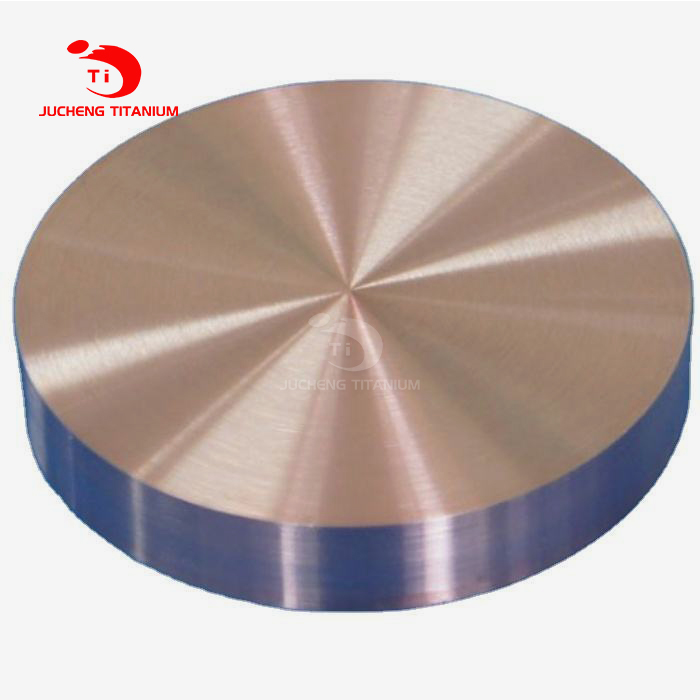
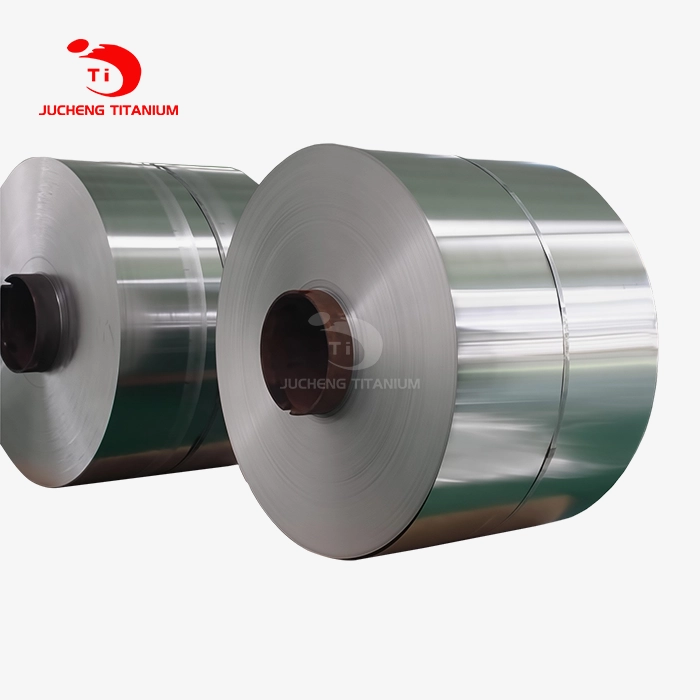
Grade 1 titanium plate is the purest commercially available titanium.
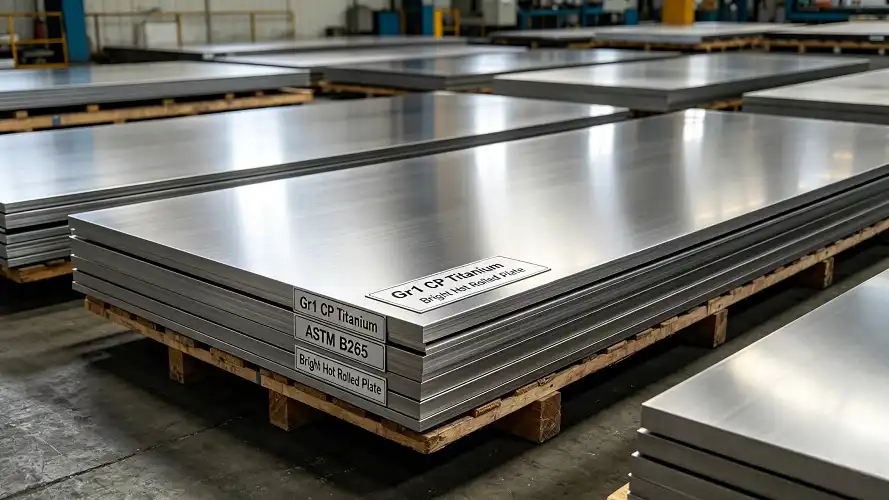
It is not alloyed, is very flexible, and doesn't rust at all. This material is very easy to shape and doesn't react with chemicals because it doesn't have many intermediate elements like oxygen and iron. Its self-healing titanium dioxide passive film protects it from harsh conditions like chlorine, salt, and organic acids. This is the softest grade of CP titanium. It can be used to make heat exchangers with complicated corrugations and explosively bonded clad plates. It solves important fabrication problems that harder alloys can't, which makes it an essential material for chemical processing, marine engineering, and medical device manufacturing.
Understanding Grade 1 Titanium Plate: Properties and Composition
Chemical Purity Defines Performance
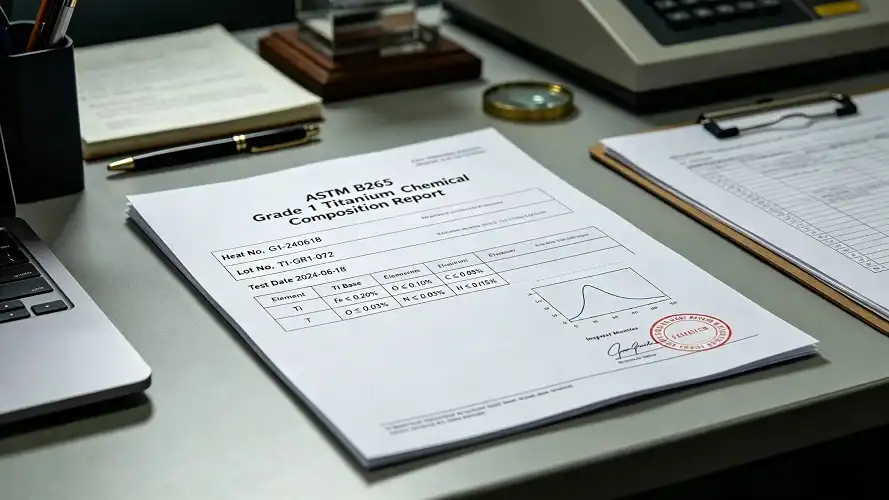
The chemical makeup of fully pure titanium Grade 1 is what makes it unique. ASTM B265 standards say that the amount of oxygen must stay below 0.18% and the amount of iron must stay below 0.20%. This purity directly leads to better flexibility and workability. The low elastic modulus of about 105 GPa lets the material take impact without breaking into brittle pieces. This is a trait we've seen consistently across thousands of tonnes of material in our Baoji facility.
With a density of 4.51 g/cm³, the material has a good strength-to-weight ratio. The minimum yield strength is 170 MPa, and the maximum tensile strength is 240 MPa, which is lower than that of higher grades. However, the elongation properties are higher than 24%, which allows it to be cold shaped in ways that would crack harder titanium alloys.
Mechanical Characteristics That Matter
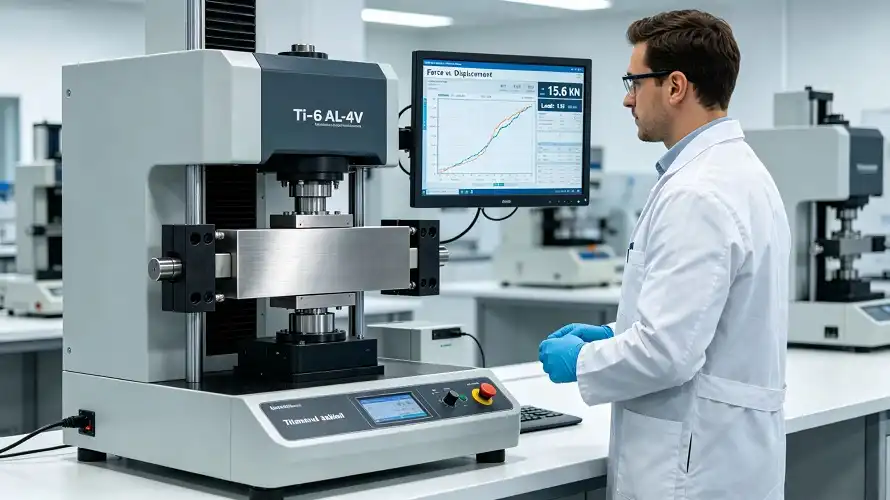
We've been working with titanium plates for more than 20 years and have found that Grade 1 works best when formability is more important than raw strength. The annealed state is the most flexible and lets you do things like deep drawing, spinning, and rapid bonding without having to go through any other annealing steps. This is very important when making heat exchanger plates because the corrugations have to be made into complicated shapes.
When scratched, the self-healing passive oxide layer grows back right away, protecting against acidic attack all the time. This feature keeps stress corrosion cracks from happening in chloride settings, which is where austenitic stainless steels usually fail. Our Grade 1 titanium plates are still solid after being boiled in 10% sulphuric acid solutions for 5,000 hours, according to tests done with the Northwest Institute for Nonferrous Metal Research.
Standards Compliance and Certification
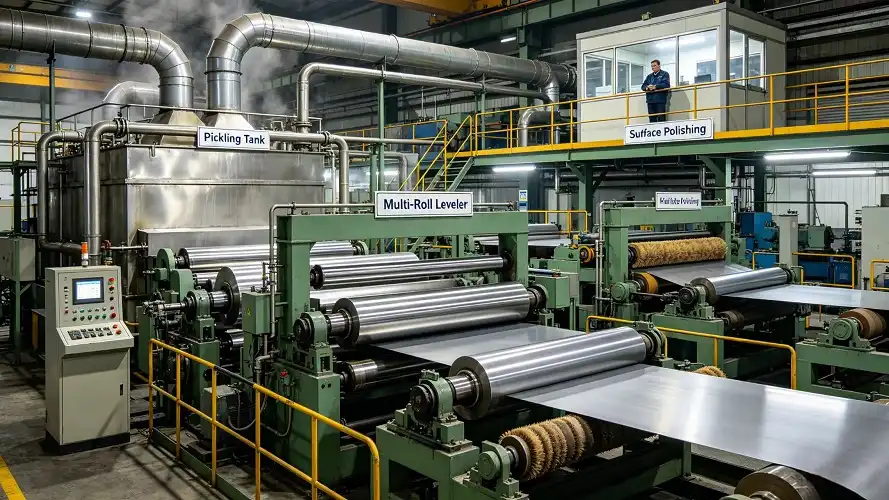
Making things that meet ASTM B265, ASTM F67, AMS 4911, and ASME SB265 standards makes sure that they can be tracked and that the quality is always the same. Our hot-rolled plates go through a lot of steps to get them ready for use, such as rolling, heating, levelling, pickling, and finishing the surface. Before being shipped, each batch is certified by a chemical analysis, and its mechanical properties are checked. The surface processes of polished, machined, or acid-pickled meet a wide range of needs, from pharmaceutical-grade cleanliness to industrial toughness.
We keep thicknesses ranging from 4mm to 80mm, widths from 950mm to 2500mm, and lengths up to 10,000mm. For special projects, we can also make the sizes fit your needs. Long lead times that mess up production schedules are a pain point that can be fixed with this dimensional flexibility and 3,000 tonnes of year-round inventory.
Comparing Grade 1 Titanium Plate to Other Materials and Grades
Grade 1 Versus Higher Titanium Grades
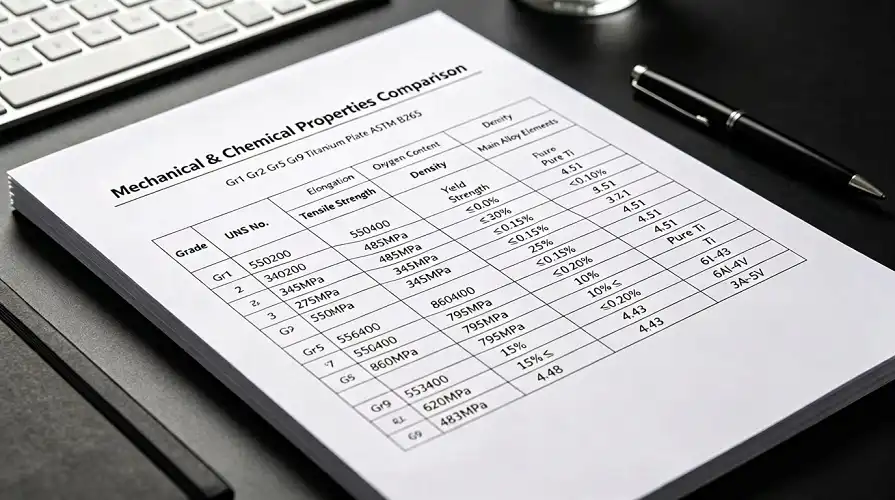
Grade 2 titanium is a little stronger (at least 275 MPa tensile), but it is less easy to shape. When procurement teams compare Grade 1 titanium plate and Grade 2, the choice depends on whether the application needs the most flexibility or a modest boost in power. From working with companies that make chemical equipment, we know that Grade 1 is still the best choice for plate-and-frame heat exchangers that need complex cutting designs.
A tensile strength of at least 900 MPa is achieved with Grade 5 (Ti-6Al-4V), but it costs a lot more and is hard to cold form. This kind of cost is usually worth it for aerospace parts, but chemical processing conditions don't need these kinds of mechanical qualities very often. Grade 1 is better than Grade 5 when it comes to biocompatibility for some medical implants, but Grade 5 is better for load-bearing orthopaedic devices because it is stronger.
Grade 9 titanium is in the middle. It is stronger than grade 8 titanium but still easy to shape. But the alloying add-ons make it more expensive and make it less resistant to rust than commercially pure grades.
Titanium Versus Stainless Steel and Aluminum
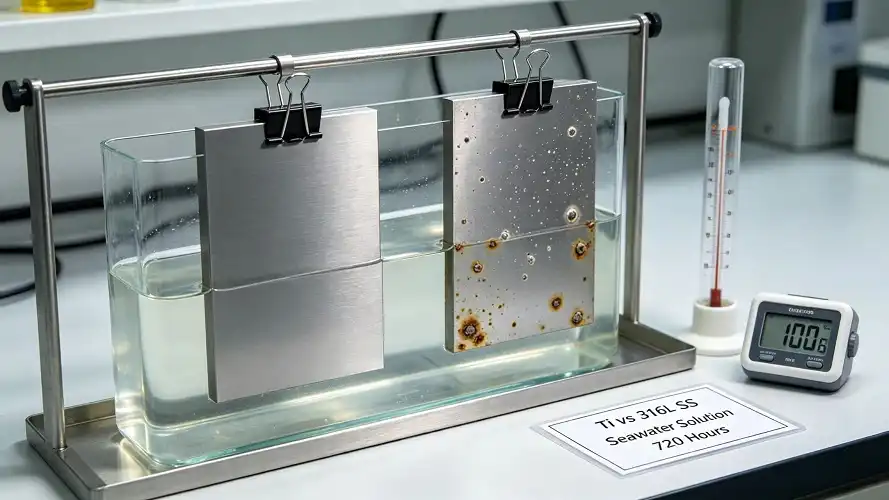
Stainless steel 316L is cheaper at first, but it can rust in cracks and crack under stress from salt in chemical and marine settings. At places like Jiangxi Copper Group plants, we've replaced hundreds of tonnes of broken stainless steel parts with Grade 1 titanium. Titanium is 40% lighter than stainless steel, which makes it easier on the structures of big ships and offshore bases.
Aluminium alloys have similar weight benefits and are less expensive, but they can't handle temperatures above 150°C or strong acid/alkali attacks. Grade 1 titanium stays stable up to 300°C when exposed to oxidising conditions and works well in concentrated nitric acid, hot chlorides, and alkaline solutions where aluminium dissolves quickly.
The total cost of ownership is lower for Grade 1 titanium installations because they usually last 30 years, compared to 5 to 10 years for stainless steel alternatives. Titanium is better than other materials because it lasts longer, costs less to replace, and is easier to get rid of.
Practical Applications of Grade 1 Titanium Plate Across Industries
Chemical Processing and Heat Exchange Systems
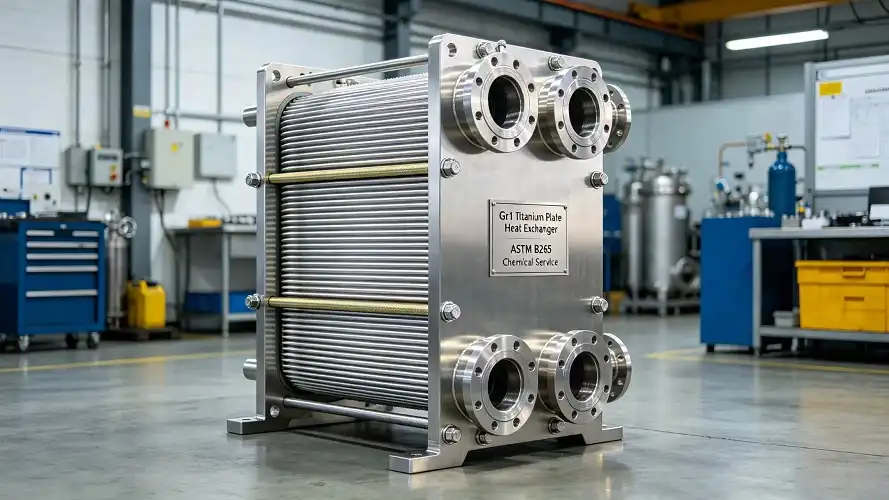
Chemical plants use a lot of Grade 1 titanium plates in heat exchangers that are exposed to process streams that are acidic. The material can be used in places that make chlor-alkali, sodium chlorate, and sulphuric acid concentration systems. Every year, we make more than 500 sets of titanium equipment for petrochemical giants. These sets include reactors, condensers, and spiral plate heat exchangers.
Our Grade 1 plates are used in the biggest titanium spiral plate heat exchanger in China, which is located at WUGANG Group. This machine deals with corrosive flue gas condensation and recovers both heat and acidic condensate that would eat away at stainless steel in months. Deep corrugations needed for rapid flow depend on Grade 1's ability to be shaped. This can't be done with grades that are harder but less flexible.
Grade 1 is used as the corrosion-resistant layer bonded to carbon steel backing plates in explosive cladding applications. When compared to solid titanium, this composite construction cuts the cost of the vessel by 60% while still protecting it from corrosion at the process interface. Our patents in titanium compound material technology solve the metalworking problems of making strong links that don't come apart.
Marine Engineering and Desalination
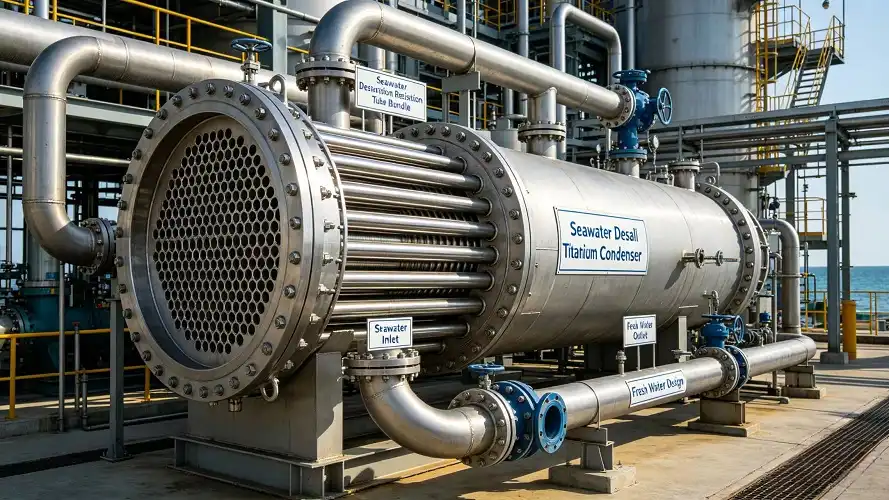
Chlorides, sulphates, and liquid oxygen in seawater quickly break down metals that aren't made of those substances. Because it doesn't corrode or pit in cracks, grade 1 titanium is perfect for flash evaporation chambers, condenser tubes, and hull fittings used in desalination. The material stays strong in seawater that is over 80°C, which is a temperature at which stainless steels break completely.
Naval engineers use Grade 1 for parts that are complicated to shape and need hydrodynamic curves. External parts on submarines, the tips of propeller blades, and pump housings all benefit from being able to be shaped and not corrode. Working together with people who make marine engineering tools has led to the creation of gap-filling titanium metal solutions that are useful for national defence.
Medical Devices and Biomedical Applications
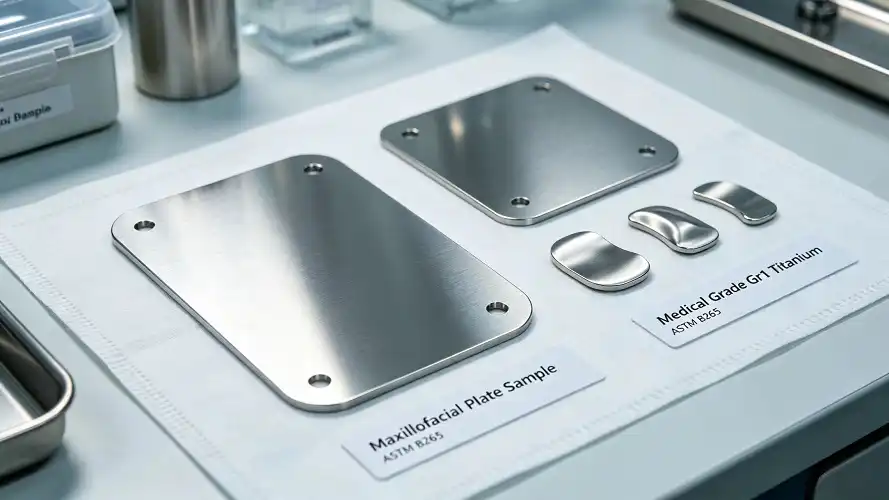
Medical-grade, commercially pure titanium is better at integrating with bone and being biocompatible. Surgical instrument trays, autoclavable containers, and implant holders made from Grade 1 plates can be sterilised many times without breaking down. Because the material is not magnetic, it can be used in MRI machines without any problems.
While Grade 5 is usually used for load-bearing capacity in orthopaedic implants, Grade 1 is used for some maxillofacial repair plates and dental frames because it can be shaped to fit the patient's body. Our OEM/ODM services help medical device makers who need small batches of custom sizes and approved material tracking that meets ASTM F67 standards.
Our facility has a controlled production environment that meets the cleanliness standards for medical uses. Electropolishing is one way to finish the surface. Ra values below 0.4 micrometres stop germs from sticking to surgery tools and equipment used in pharmaceutical processing.
Industrial Equipment and Emerging Applications
Power plants use Grade 1 titanium in flue gas desulfurization systems because acidic condensate quickly breaks down stainless steel. Because the material is resistant to attack by sulphurous and sulphuric acids, equipment lasts longer, from 3 years to 20 years or more, and doesn't have to be shut down for expensive reasons.
Titanium plates are used as insoluble anodes and cathodes in electroplating and metal finishing. Our 1,500 tonnes of titanium anode plates made every year give us more than 70% of the market share in hydrometallurgy uses. The ability to keep its shape in electrolytic conditions is important for keeping the electrodes spaced correctly, which is needed for a uniform plating thickness.
Titanium is being used more and more in green energy systems. Electrode plates and cell separators that don't rust are needed to make hydrogen through water electrolysis. Our research and development relationships with universities look into new uses for Grade 1 in carbon capture systems, fuel cells, and flow batteries. Grade 1's ability to carry electricity, resist corrosion, and be easily shaped makes it useful in these areas.
Procurement Guide: How to Source Grade 1 Titanium Plate for Your Business
Specifications and Quality Assurance
A clear definition of the specifications is the first step to a successful Grade 1 titanium plate procurement. In addition to saying "Grade 1 titanium plate," buyers should also list the standards that apply (ASTM B265, ASME SB265), the allowed size differences, the surface finish that must be met (polished, pickled, or machined), and the mechanical properties that must be met. Our technical team helps turn application requirements into buying specs that make sure materials are right for the job.
Material test reports (MTRs) must include spectrographic analysis, tensile test results, and grain size measures to show the chemical makeup. Certifications should include heat numbers that allow for full tracking back to mill production batches. We have 41 utility model patents that protect working methods that always meet or go beyond the minimum requirements set by specifications.
Certification for quality systems is important. Our status as a National High-Tech Enterprise and specialised "little giant" enterprise shows how well we can make things and how strict we are about quality control. While ISO certification doesn't guarantee quality, it does show that processes are being controlled in a planned way. When it's possible, buyers should check out the facilities of suppliers by looking at records of how the testing equipment was calibrated and documents about process control.
Selecting Reliable Manufacturers
The experience of the supplier in working with titanium has a direct effect on how reliable the product is and how good the technical support is. We are different from general metal distributors who don't specialise in titanium because we have been selling titanium materials, goods, and tools for over 20 years. The four creation patents we hold are new ideas that help our users make titanium products that work in the real world.
How reliable shipping is depends on how much can be made and how much is in stock. Our 120,000-square-meter facility and 3,000-ton inventory make it easy to meet urgent needs quickly. When unexpected corrosion failures in chemical processing projects mean that a new heat exchanger needs to be installed right away, we've been able to deliver custom-built units within 14 days, compared to the usual 8–12 week lead time in the industry.
Logistics prices and wait times are affected by where things are located. Our position in Baoji, China's Titanium Valley, makes it easier to get materials, and we've set up efficient global export supply chains that serve Europe, North America, and Southeast Asia. Knowing the certification needs in your area (like CE marking or ASME Code stamps) will help you avoid delays at customs and make sure you follow the rules.
Pricing Structure and Value Factors
Pricing for Grade 1 titanium plates is based on the cost of materials, how hard they are to process, how they are finished, and how many plates are ordered. The price of base materials changes based on the market for titanium sponge, but long-term supply agreements keep prices stable for ongoing projects. As processing setup costs are spread out over larger batches, volume discounts become important for orders over 5 tonnes.
The choice of surface treatment affects the price. A finish that has been acid-pickled is normal. Surfaces that have been polished or machined add 15–30%, based on the requirements. There are extra fees for custom dimensional cutting, but our CNC skills reduce material waste compared to hand fabrication methods.
When you do a total cost study, you should look at the yield, service life, and upkeep needs of the materials. Because Grade 1 is more resistant to rust and easier to shape, it often saves money on labour costs and makes it possible to go longer between replacements. When you look at the total cost of ownership over the lifecycle of an item instead of just the purchase price, titanium often comes out cheaper than cheaper options that need to be replaced more often.
Corrosion Resistance and Long-Term Performance Optimization
Mechanisms of Superior Corrosion Protection
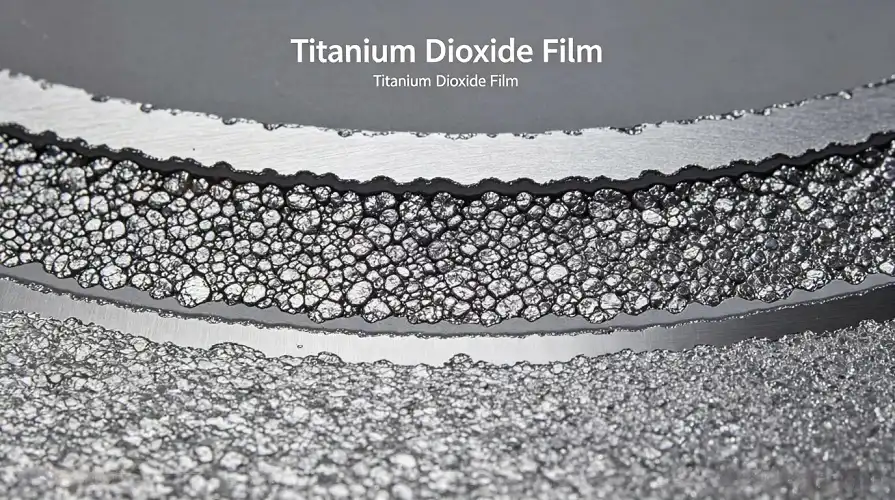
When titanium comes into contact with oxygen, even in very small amounts, the titanium dioxide silent film forms on its own. This film is only 1 to 10 nanometres thick, but it completely blocks out everything. When fresh titanium combines with oxygen or water in the air, damage from scratching or chemical attack is fixed in milliseconds.
This ability to fix itself is what makes Grade 1 titanium plate resistant to crevice rust, a type of failure that affects many stainless steels. Tight cracks that don't let oxygen pass would stop the passive film maintenance on stainless steel, which would cause a localised attack to happen quickly. Grade 1 titanium pulls oxygen out of water molecules, so it can protect even in places where there isn't much oxygen.
The film's high chemical stability makes it resistant to pitting. Chloride ions break through the inactive films on stainless steels and start the process of autocatalytic breakdown. Titanium oxide stays stable at pH levels from 3 to 12 and can handle chloride concentrations 10 times higher than seawater. The barrier can only be broken through by hydrofluoric acid, hot, strong alkalis, and reducing acids like hydrochloric acid.
Maintenance Practices Extending Service Life
When titanium touches different metals, galvanic rusting doesn't happen if the fitting is done right. Titanium is a noble metal in the galvanic series, which means it works as a cathode and speeds up the decay of metals like carbon steel that are not as noble. Galvanic current can't flow through metal joints that aren't the same because of insulating gaskets and coatings. Our engineering help includes advice on how to make multi-metal systems that work with different types of materials.
Cleaning on a regular basis keeps heat transfer working well without hurting corrosion resistance. Mild acids or alkaline cleaners can get rid of deposits without hurting the inactive film. Localised rust can't start if you don't use mechanical cleaning methods that attach iron particles (from steel brushes or tools). Our surface cleaning methods guarantee contamination-free shipping, and the right way to handle them keeps them in good shape.
Long-term performance is affected by the operating temperature. In oxidising settings, Grade 1 keeps its full corrosion protection up to 300°C, but it starts to oxidise more quickly above this point. Above 500°C, hydrogen uptake becomes a problem because it weakens the material. Our technical team can help you design operating parameters that are within the capabilities of the material. This will make sure that the 30+ year service lives you expect actually happen.
Performance Validation Through Case Studies
In their brine heaters, a chlor-alkali plant switched from nickel-clad steel to our Grade 1 titanium plates. The nickel covering broke after 18 months because of rust in cracks at the weld seams. Our titanium system has been up and running for more than 12 years without any upkeep other than regular cleaning. Getting rid of the twice-yearly shutdowns for replacements saved $450,000 in lost production value on top of the money saved on materials.
Marine uses show how durable they are in harsh environments. Titanium condenser tubes usually last 25 years in desalination plants that work in the Persian Gulf, where saltwater can get as hot as 35°C and as salty as 45,000 ppm. Copper-nickel tubes need to be replaced every 7–10 years, while stainless steel tubes break every 3–5 years.
When used to make pharmaceutical equipment, our Grade 1 plates keep the surface in FDA-compliant condition for thousands of cleaning-in-place cycles. The material doesn't react with sanitisers like hot caustic, acids, and oxidisers, and it also doesn't let metallic ions leak out and contaminate goods. Validation studies show that surface roughness stays the same over a 10-year period, which proves that it can be cleaned for a long time.
Conclusion
Commercially pure Grade 1 titanium plate is the best when it comes to resistance to corrosion and shapeability for tough chemical, marine, and medical uses. Its high ductility makes complicated fabrication possible that would not be possible with higher-strength grades. Additionally, the self-healing passive oxide makes it durable for decades in conditions that would normally kill other materials. Knowing about mechanical properties, how corrosion works, and buying factors helps make sure that the best materials are chosen and that they work well. Partnering with experienced makers who offer expert support, approved quality systems, and a reliable inventory can turn material specs into successful setups that lower the total cost of ownership and stop breakdowns before they happen.
FAQ
1. What makes Grade 1 titanium suitable for marine environments?
The passive oxide film on the Grade 1 titanium plate stops crevice corrosion and pitting in chloride and sulfate-containing seawater. The material stays strong in hot seawater over 80°C, where stainless steels break. It can be used for 25 years or more in desalination and offshore applications without any protective coatings.
2. How does Grade 1 compare cost-wise to Grade 2 titanium?
Because of stricter science rules that keep the product as pure as possible, Grade 1 usually costs 10–15 percent more than Grade 2. This extra cost is worth it for applications that need to be very resistant to cold forming or rust. On the other hand, Grade 2's slightly higher strength may be enough for mildly stressed parts and cost less.
3. Which certifications ensure Grade 1 titanium plate quality?
The ASTM B265 and ASME SB265 standards describe the chemistry makeup and mechanical features. Compliance is confirmed by material test results that include spectrographic analysis, tensile testing, and heat tracking. For medical uses, you need an ASTM F67 approval that says the product meets biocompatibility guidelines. Supplier quality system approvals show that there are systematic rules in place to make sure that the process always meets the requirements.
Partner with Jucheng Titanium for Certified Grade 1 Titanium Plate Supply
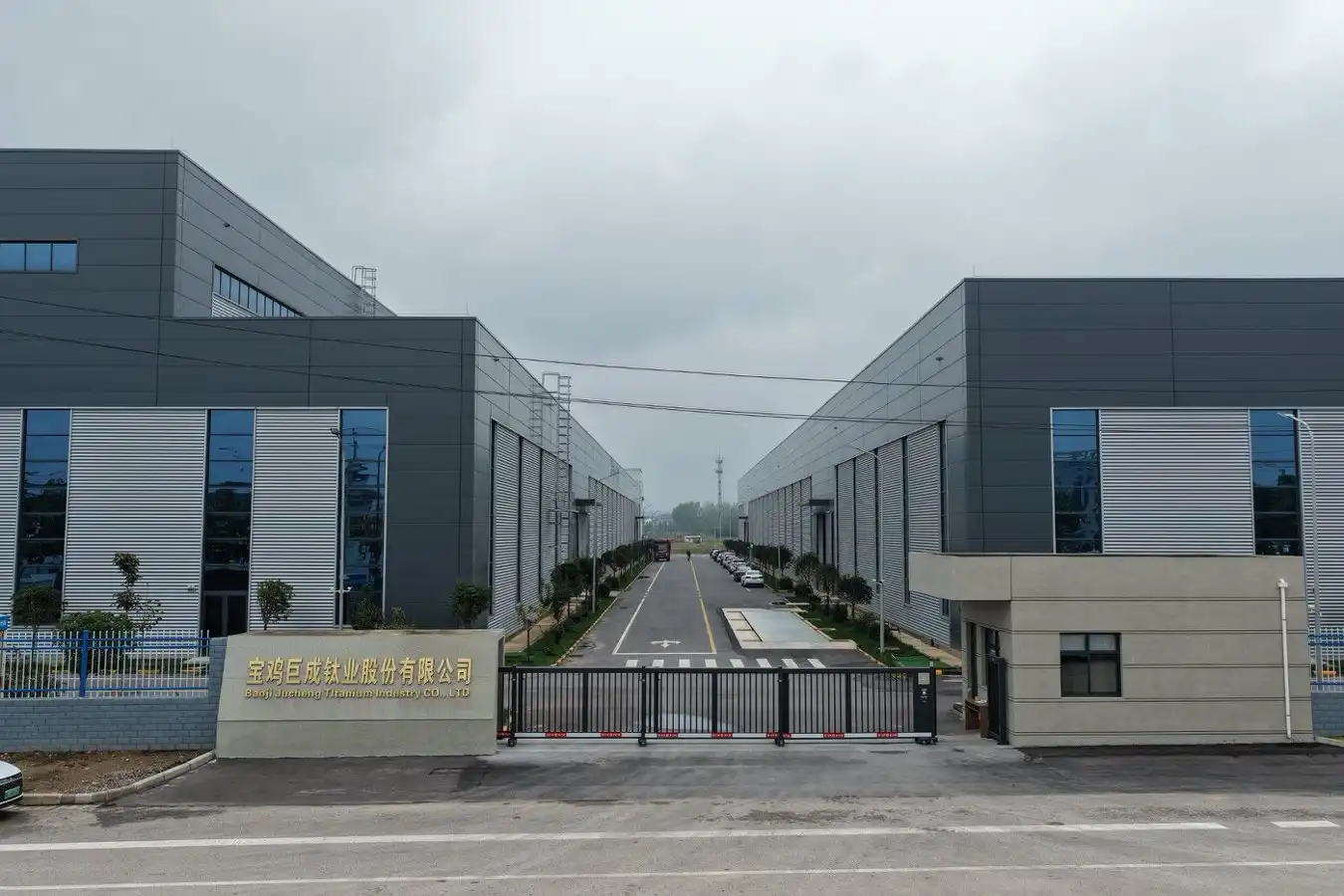
With more than 20 years of experience, Baoji Jucheng Titanium Industry Co., Ltd. is ready to be your go-to company for making Grade 1 titanium plates. Because we keep 3,000 tonnes of hot-rolled plates in stock, we can deliver them right away. These plates meet ASTM B265 and ASME SB265 standards and come in thicknesses from 4 mm to 80 mm, with custom sizes also possible. As a 45-patent National High-Tech Enterprise, we offer technical advice to help you choose the best materials for your chemical processing, marine, or medical device needs. Our foreign exports serve North American markets with dependable shipping, and our quality systems make sure that all of our materials can be tracked and certified. Get in touch with our team at s4@juchengti.com to talk about the details of your project and get reasonable prices on approved grade 1 titanium plate for sale. Our commitment to quality and quick customer service will back you up.
References
1. ASTM International. (2021). ASTM B265-20a: Standard Specification for Titanium and Titanium Alloy Strip, Sheet, and Plate. West Conshohocken, PA: ASTM International.
2. Donachie, Matthew J. (2000). Titanium: A Technical Guide (2nd Edition). Materials Park, OH: ASM International.
3. Schutz, R.W. and Thomas, D.E. (1987). "Corrosion of Titanium and Titanium Alloys," in Corrosion: Metals Handbook (9th Edition, Volume 13), Materials Park, OH: ASM International, pp. 669-706.
4. Boyer, R., Welsch, G., and Collings, E.W. (1994). Materials Properties Handbook: Titanium Alloys. Materials Park, OH: ASM International.
5. Lutjering, G. and Williams, J.C. (2007). Titanium (2nd Edition). Berlin: Springer-Verlag.
6. Seagle, S.R. (1994). "Titanium, Titanium Alloys, and Titanium Compounds," Kirk-Othmer Encyclopedia of Chemical Technology (4th Edition), New York: John Wiley & Sons, Volume 24, pp. 186-224.