
How to ensure the flatness of a titanium flat plate?
To make sure that a titanium flat plate is flat, it needs to be carefully controlled at every stage of the production process, from rolling and annealing to levelling and easing stress. Manufacturers must strictly control the temperature during hot rolling, apply even pressure, and use multiple-stage levelling methods. Laser scanners and coordinate measuring machines are examples of advanced measuring tools that can check limits and make sure plates meet standards like ASTM B265. Post-processing methods like pickling, surface grinding, and controlled cooling make the geometry even more stable. When these methods are used together, they make plates that are consistently flat, which is important for high-stakes uses in chemical processing, medical devices, and aircraft.
Understanding the Problem of Flatness in Titanium Flat Plates
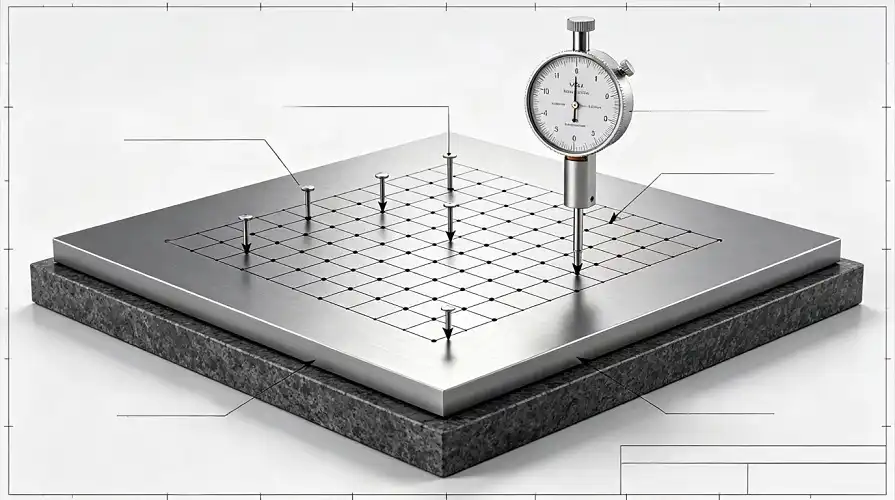
The level of deviation of the surface of a titanium flat plate from a perfectly level plane is called its flatness. When buying from other businesses, even small changes can mess up the order of assembly, weaken the structure, and cause expensive delays. Engineers need flatness tolerances that are measured in millimetres per metre, especially when plates are used to make precise parts for aeroplane fuselages or medical tools.
What Does Flatness Mean in Titanium Manufacturing?
When a plate is put on a reference line, its flatness is measured by how much its height changes across its surface. Standards in the industry, like ASTM B265, say what kinds of margins are allowed for thickness and size. Tolerances for aircraft parts are usually less than 0.5 mm per metre, which ensures that parts fit without having to be pushed together.
Common Flatness Defects and Their Impact
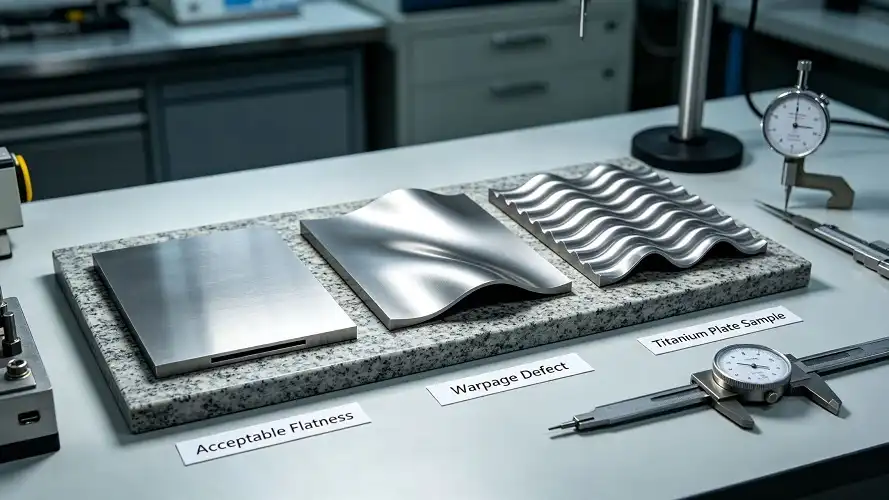
When forces inside the material make sides curl up or down, this is called warping. When a plate is bent, it makes surfaces that are either concave or convex along its length. Surface waves cause ripples that stop bolted assemblies from touching evenly. These flaws make it harder for the load to be spread out, speed up wear cracking, and require pricey repair or rejection.
Analyzing the Causes of Flatness Problems in Titanium Flat Plates
When procurement teams know what the root causes are, they can choose suppliers whose control systems have been tried and tested for every titanium flat plate. The final shape is affected by the properties of the material, the parameters of the process, and the environment.
Material Properties and Grade Selection
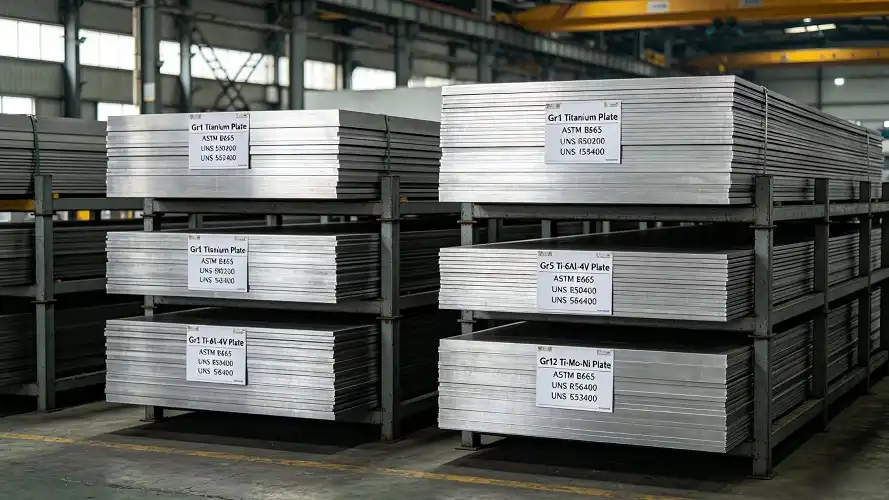
Grades like Gr1 and Gr2 that are used in commerce have lower yield strengths, which means they are more likely to bend when they are handled. Alpha-beta metals, like Gr5 (Ti-6Al-4V), are stronger, but they leave behind more stress when they cool. Controlling the amount of oxygen in a material according to ASTM standards changes its flexibility and springback behaviour. Plates thinner than 10 mm are more likely to bend because they are less stiff.
Manufacturing Process Variables
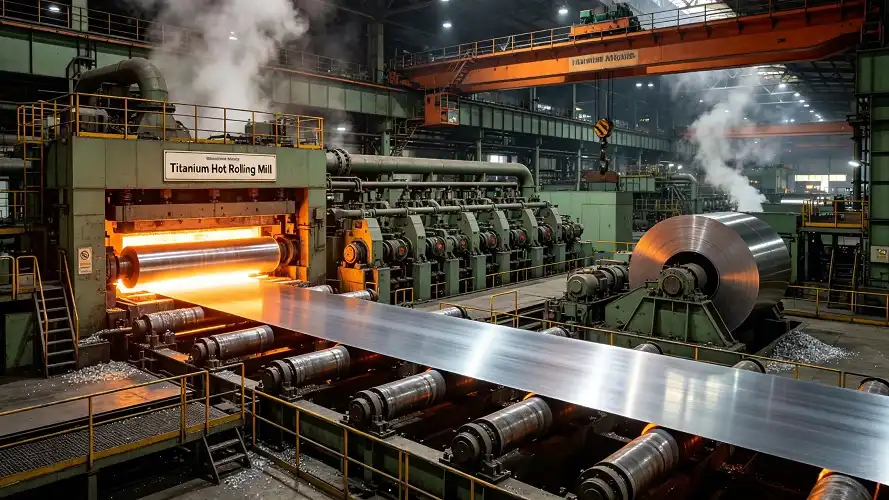
When you roll something hot at temperatures close to 900°C, thermal gradients are created that make the contraction uneven. When there isn't enough cooling time, stress homogenisation can't happen, which locks in deformations. There are high spots where the levelling roller pressure isn't even. Rapid cooling after heat treatment causes thermal shock, which bends thin sections. To keep the dimensions stable, each step of the process needs to be calibrated and watched.
Environmental and Handling Factors
During storage, changes in temperature cause thin plates to expand and shrink in cycles that bend them. When stacking is done wrong, weight is concentrated on small contact points, which bends areas that aren't supported. Titanium is very resistant to corrosive environments, but it can still make surface pits that make it hard to tell how flat something is. Micro-bending is caused by vibrations from transportation, which build up over long travel lengths.
Principles and Methods to Ensure Flatness in Titanium Flat Plates
To get uniform flatness, you need quality processes that work together from choosing raw materials to checking the finished titanium flat plate. At key points in the process, advanced manufacturers use layered controls.
Advanced Rolling and Annealing Techniques
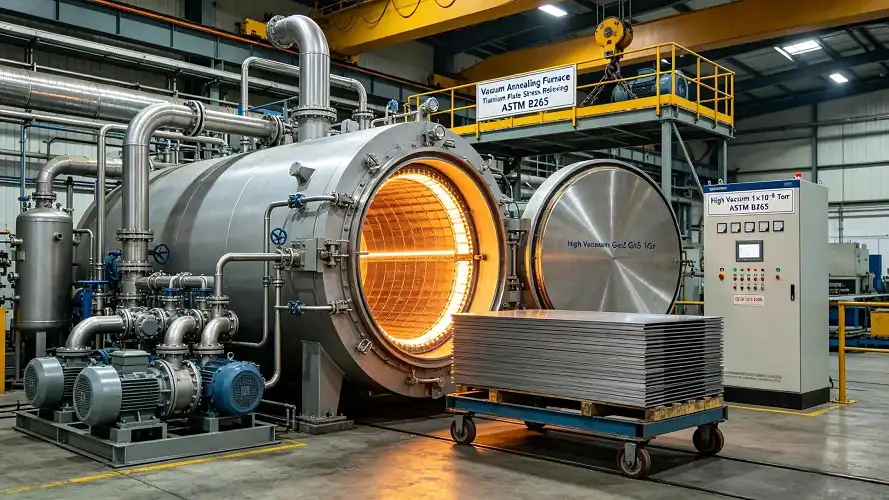
Precision rolling mills with hydraulic automatic gauge control (AGC) systems make sure that the thickness of each plate is the same across its width. Multiple passes of rolling with a gradual loss of thickness reduce internal stress as much as possible. Annealing in vacuum furnaces at temperatures between 650°C and 750°C lets you relieve stress in a controlled way without oxidation. Plates with thicknesses between 4 mm and 80 mm are given specific heating cycles based on their grade and size. Thermal shock can be avoided by controlling the rate of cooling. This is especially important for big plates up to 10,000 mm long.
Leveling and Stress Relieving Procedures
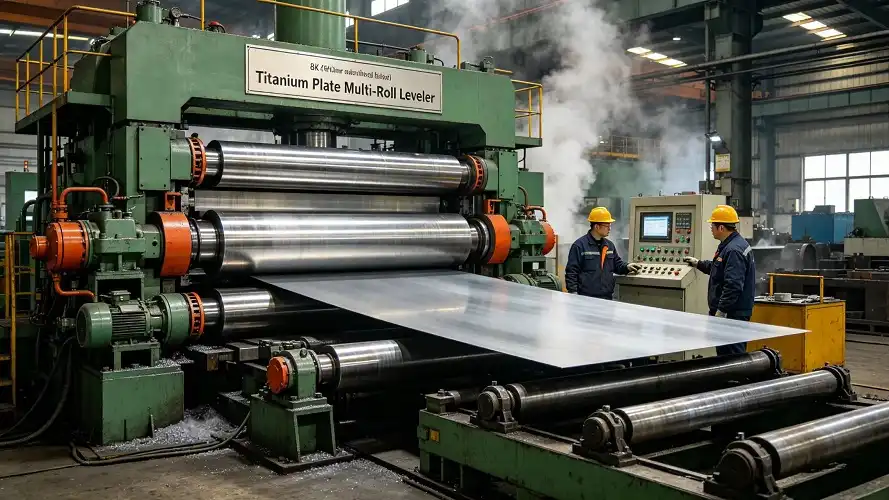
Roller levelling tools use planned bending processes to change the shape of high spots so that they match low spots. When tension levelling is done, plates are stretched past their yield point, which redistributes any leftover loads evenly. At subcritical temperatures (below the point of recrystallisation), relieving stress releases tensions that have been locked in without changing the microstructure. These treatments, after rolling, fix flaws that thermal processing alone can't fix.
Measurement and Quality Control Systems
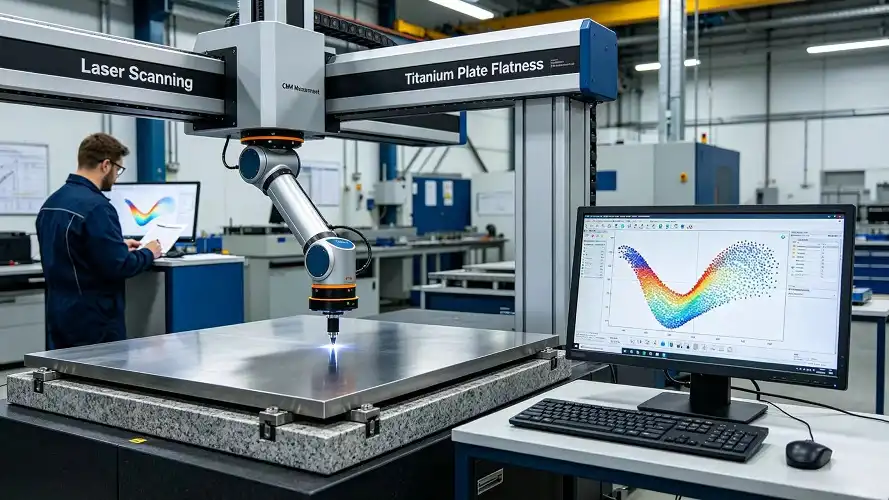
Laser scanning devices make three-dimensional profiles of flatness by mapping the topology of a surface with a precision of less than a millimetre. Coordinate measuring tools (CMM) check that tolerances are being followed at regular times. Statistical process control (SPC) keeps track of trends in flatness across production batches, which lets changes be made ahead of time. Suppliers who are approved to ASTM B265, AMS 4911, and ASME SB265 follow written measurement procedures. This provides the tracking that is needed for medical and aircraft uses.
Case Studies: Successful Flatness Assurance in Industry Applications
Real-world examples show that strict flatness control in a titanium flat plate has measurable benefits in a wide range of demanding areas.
Aerospace Structural Components
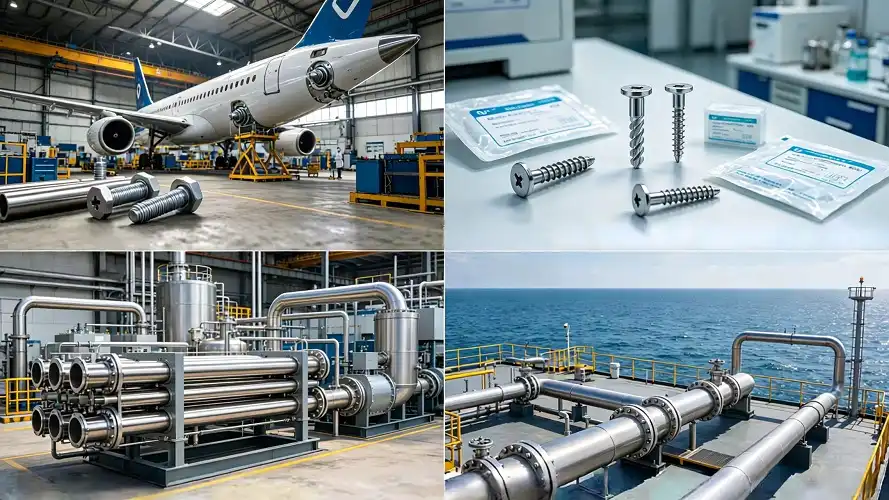
Manufacturers of aeroplanes get Gr5 titanium plates for bulkhead sections that need to be flat within 0.3 mm per metre. Ultrasonic testing is used to pre-qualify materials before they are sent to suppliers. Plates with subsurface holes that could cause warping are thrown out. Intermittent checks during cutting make sure that the shape is stable. One aircraft contractor in North America cut the amount of assembly work that had to be redone by 40% after putting in place supplier flatness checks that recorded practices from rolling to final levelling.
Medical Device Manufacturing
Orthopaedic implant makers ask for Gr2 and Gr4 plates with surfaces that are safe. The level of flatness has a direct effect on the accuracy of milling that follows for patient-specific devices. Medical-grade suppliers store their goods in cleanrooms so that contamination doesn't get in the way of accurate measurements. As required by the FDA, certification kits come with flatness records that can be traced back to calibrated reference standards.
Chemical Processing Equipment
For reactors that don't rust, heat exchanger makers order large-format plates with widths ranging from 950 mm to 2500 mm. Inconsistencies in flatness cause gasket binding to fail, which can lead to dangerous leaks. Suppliers use hoover lifting to move goods, which gets rid of stress points caused by bad support. By working with wholesalers who offer pre-shipment laser scan reports, one Chinese petroleum contractor got 200 plates rejected for not being flat.
Selecting the Right Titanium Flat Plate and Supplier to Ensure Flatness
When making purchases, companies weigh technical requirements against what suppliers can do for a titanium flat plate. One important factor that sets suppliers apart is their ability to guarantee flatness.
Grade and Specification Matching
Gr1 is the most flexible material for parts that need to be cold-formed after delivery. Gr2 is good for general industrial use because it has a good balance of strength and corrosion resistance. Gr5 is good for high-stress uses in aircraft and racing. The best way to keep the flatness during manufacturing is to match the oxygen level to the application—lower for maximum flexibility and higher for strength. AMS 4911 adds quality standards for aircraft applications to ASTM B265's definitions of chemistry and mechanical traits.
Evaluating Supplier Flatness Capabilities
Qualified providers show written levelling methods using certain types of tools and settings. They give sample flatness reports that show how to measure and what tolerances were actually met. Long-term inventory management, like keeping 3,000-ton stores all year, shows that the process is stable and the quality is consistent. Suppliers who can make custom sizes up to 10,000 mm long have special handling systems that keep the flatness of the material while it is being cut and finished.
Logistics and Preservation Strategies
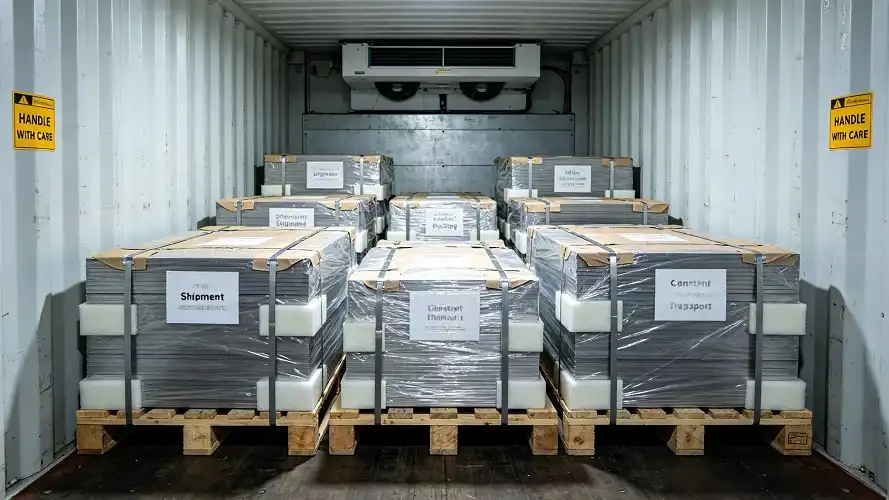
If you package things correctly, they won't lose their shape during shipping. Rigid boxes with many support points spread the weight out evenly. Surface touch is avoided by interlocking protection sheets. Shipping containers with climate control keep temperatures from changing too much. Suppliers with experience exporting to other countries know these rules, which lowers the number of problems that happen during delivery. With more than 20 years of experience in the field, Baoji Jucheng Titanium Industry uses detailed transportation methods that were created through relationships with major makers of aircraft and chemical equipment around the world.
Conclusion
To keep titanium flat plates flat during production, the properties of the material, the manufacturing processes, and the way they are handled must be carefully managed. Grades from Gr1 to Gr12 each have their own problems because of how strong, flexible, and hot they are. Hot rolling, heating, and levelling must all be done in a certain order, which can be checked with laser scanning and a computerised measuring machine (CMM). Taking care of the environment during storage and transport keeps the achieved shape. Buying teams lower their risks by choosing suppliers who have flatness assurance systems that are written down, certifications that meet ASTM B265 and AMS 4911 standards, and a history of being able to handle logistics. When these practices are put together, they make plates that meet the exact tolerance needs of uses in aircraft, medicine, and chemical processing.
FAQ
1. How is flatness measured in titanium plates?
Laser scanning systems project reference lines and figure out height differences across the whole surface to measure flatness. Coordinate measuring tools check that certain points match the requirements set by the designer. In the business world, flatness is defined as the largest variation per unit length, like 0.5 mm per 1000 mm. Measurement reports from certified providers can be tracked back to national guidelines.
2. Which titanium grades offer the best flatness stability?
Gr2 has a middling level of strength and good formability, so it doesn't have a lot of leftover pressures that cause it to warp. Gr5 is stronger, but it needs better heat control to keep it from warping. Because they are more rigid, plates that are thicker (above 20 mm) in any grade stay flat longer. Choice varies depending on the needs of the application. For example, aerospace often requests Gr5, even though it is harder to work with.
3. Can plates be reprocessed if flatness issues occur post-delivery?
Minor deviations can be fixed with stress-relieving heat treatment and then precise levelling. For severe warping, controlled heating and pressure may be needed in certain areas, but this can lead to changes in the microstructure. Reliable providers promise that the flatness will meet the requirements and will offer a replacement instead of field correction. Pre-shipment inspection gets rid of most problems that happen after delivery.
Partner with a Trusted Titanium Flat Plate Supplier
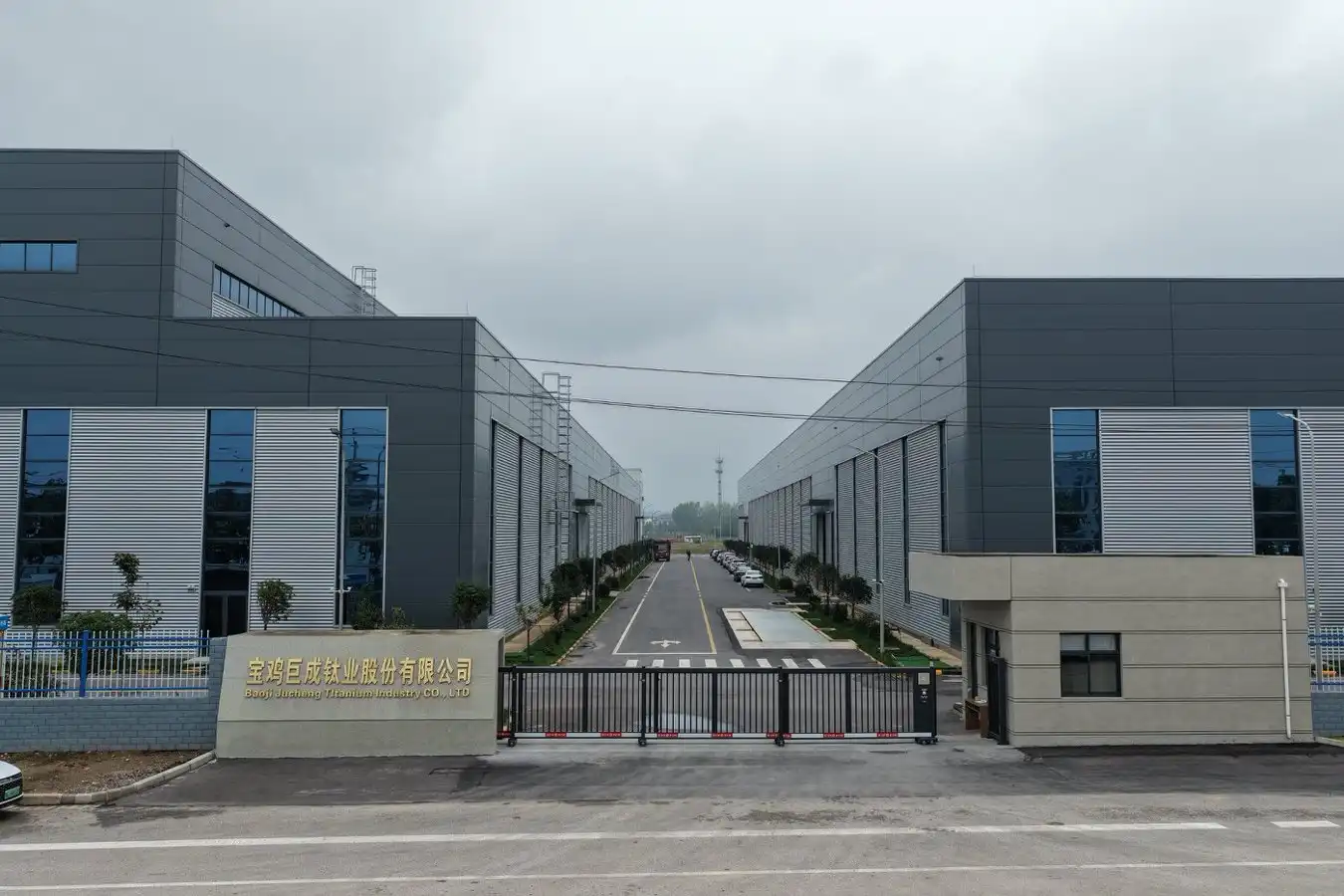
Baoji Jucheng Titanium Industry Co., Ltd. has been making precision titanium flat plates that meet the tightest flatness standards for more than twenty years. We have 3,000 tonnes of stock in grades Gr1, Gr2, Gr4, Gr5, Gr7, Gr9, and Gr12 in Baoji, China, which is known as the "Titanium Valley" of China. This lets us deliver quickly on important jobs. Our hot-rolled plates are approved to ASTM B265, AMS 4911, and ASME SB265 standards and come in thicknesses ranging from 4 mm to 80 mm and widths up to 2,500 mm. They are also carefully annealed, levelled, and pickled. Advanced laser measurement systems check the flatness tolerances before the goods are shipped, and they come with full documentation that shows how the materials were made. Our technical team can help you with anything from aerospace-grade sheets to chemical processing parts to medical device stock. They can do this because they are backed by 41 useful patents and are known across the country as a "little giant" business. Email us at s4@juchengti.com to talk about your needs and get sample flatness reports that show how committed we are to dimensional excellence.
References
1. Boyer, R., Welsch, G., & Collings, E.W. (1994). Materials Properties Handbook: Titanium Alloys. ASM International.
2. Donachie, M.J. (2000). Titanium: A Technical Guide, 2nd Edition. ASM International.
3. Lutjering, G., & Williams, J.C. (2007). Titanium, 2nd Edition: Engineering Materials and Processes. Springer-Verlag Berlin Heidelberg.
4. ASTM International. (2020). ASTM B265-20a: Standard Specification for Titanium and Titanium Alloy Strip, Sheet, and Plate. West Conshohocken, PA.
5. SAE International. (2018). AMS 4911P: Titanium Alloy, Sheet, Strip, and Plate 6Al-4V Annealed. Warrendale, PA.
6. Veiga, C., Davim, J.P., & Loureiro, A.J.R. (2012). Properties and applications of titanium alloys: A brief review. Reviews on Advanced Materials Science, 32(2), 133-148.