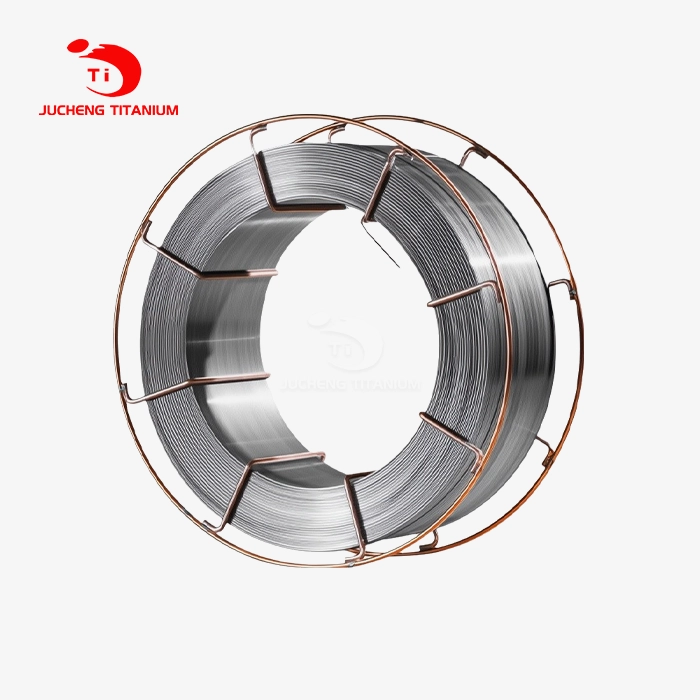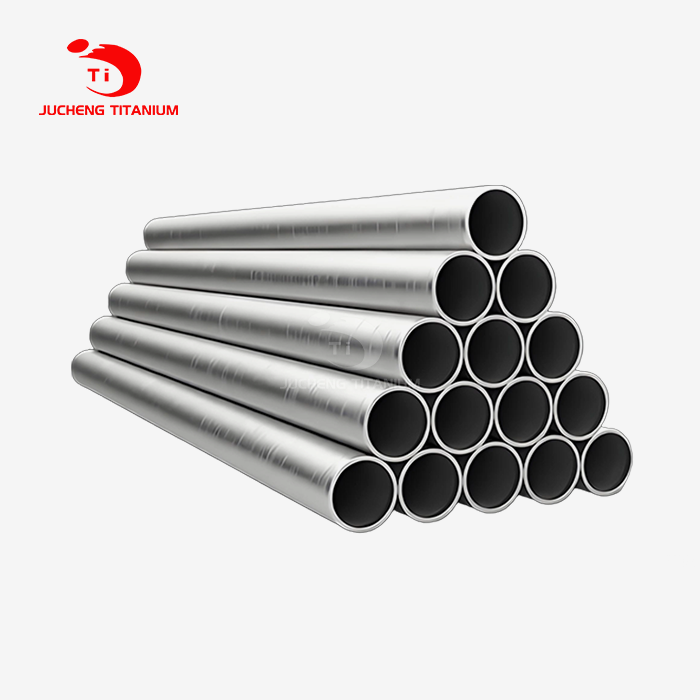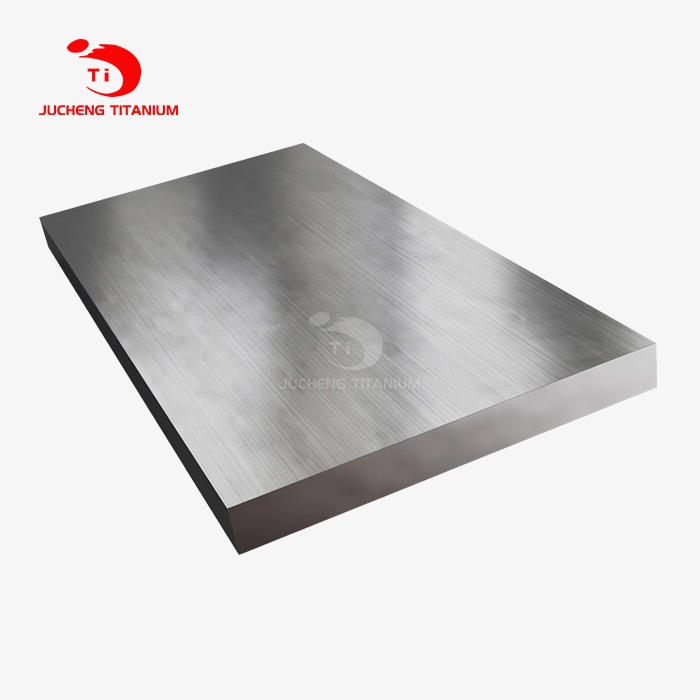

What is Titanium Plate Grade 7?
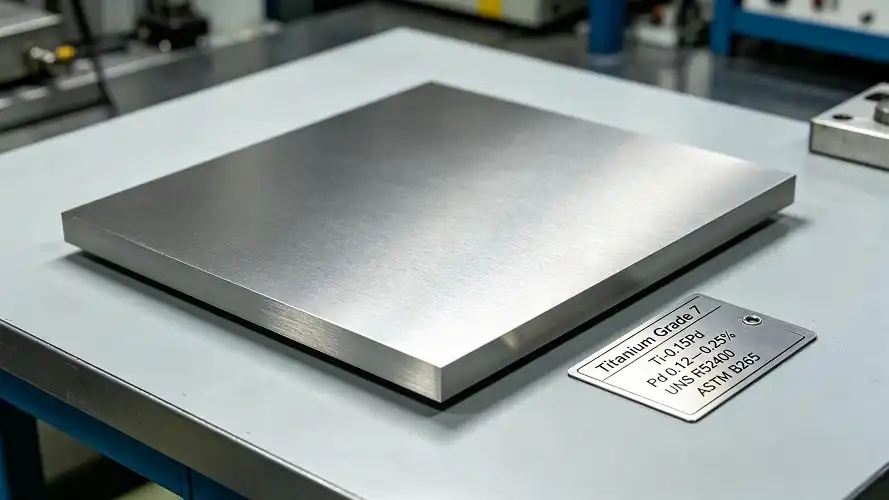
There is a palladium percentage of between 0.12% and 0.25% in Grade 7 titanium plate, which makes it a special kind of commercially pure titanium metal. With this smart addition of palladium, economically pure titanium becomes one of the most corrosion-resistant metals on the market today. Although the palladium-enhanced alloy keeps the great shape and weldability of pure titanium, it makes it much more resistant to reducing acid environments, crevice corrosion, and localised pitting. This substance, which is known as UNS R52400, is used in fields where corroded equipment failure could have terrible effects or expensive downtime. This alloy is the best choice for important jobs in chemical processing, hydrometallurgy, desalination, and marine engineering because it has a good mix of modest strength and excellent chemical stability.
Understanding Grade 7 Titanium Plate: Composition and Properties
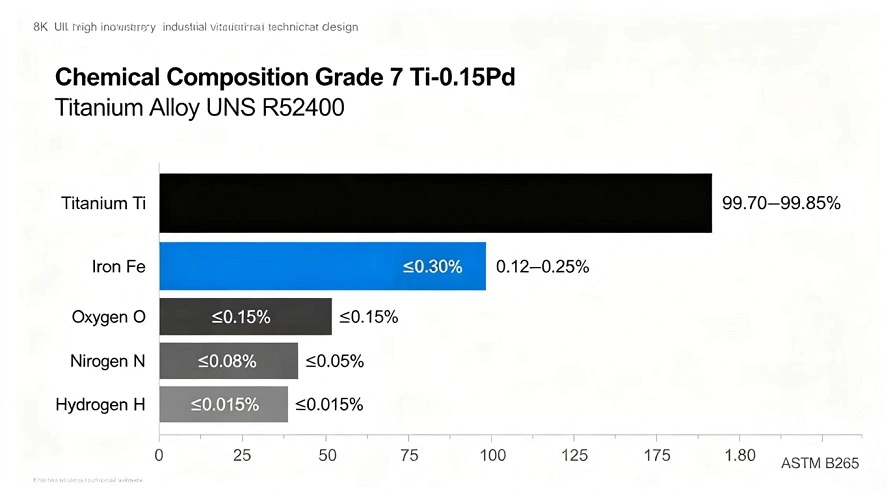
Grade 7 titanium plates are different because their chemistry is carefully controlled. In addition to the titanium base, the material has between 0.12% and 0.25% palladium, no more than 0.30% iron, and no more than 0.25% oxygen. This particular mix makes a galvanic effect that keeps the inactive oxide layer that forms naturally on the titanium surface stable. This greatly lowers the critical current density needed for passivation in harsh environments. This makes a material that doesn't break down in hot, weak sulphuric acid, hydrochloric acid, or phosphoric acid solutions, which is where regular titanium would fail.
Mechanical Characteristics and Performance Parameters
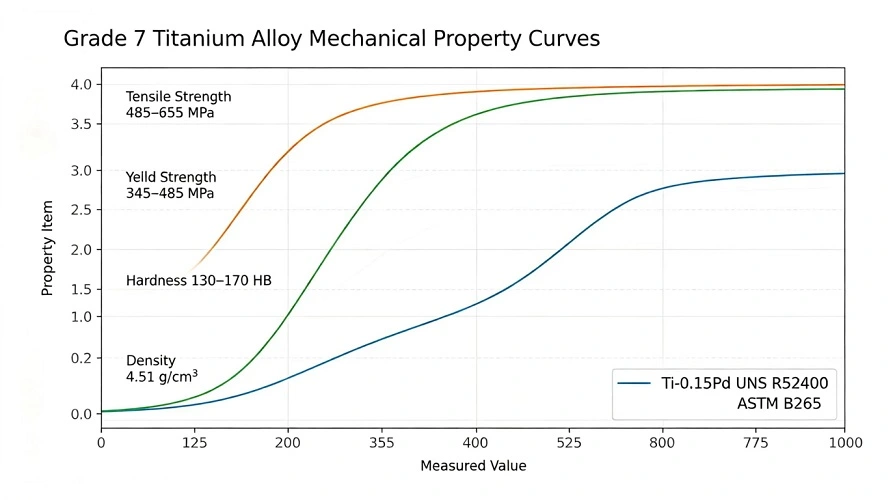
The mechanical shape protects against corrosion and provides solid structural performance. At 0.2% offset, the yield strength is at least 275 MPa (40 ksi), and the tensile strength is at least 345 MPa (50 ksi). When elongation values are higher than 20%, the material is sufficiently flexible for shaping and won't fail badly under sudden stress. The hardness is usually between 160 and 200 HBW, which makes it easier to machine and keeps it resistant to wear. The density of 4.51 g/cm³ makes it lighter than stainless steel options, and the melting point of close to 1660°C keeps the temperature stable across a wide range of industrial settings.
Heat Treatment and Property Optimization
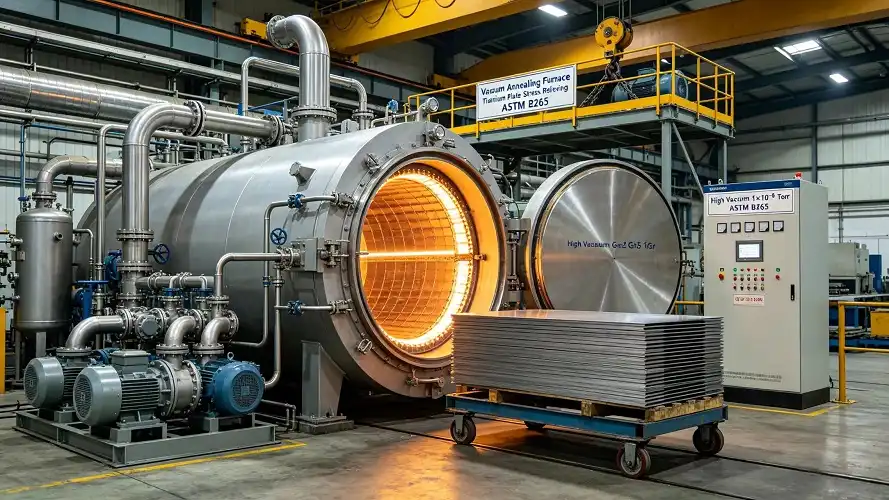
Annealing is the standard state of heat treatment. It is done at temperatures ranging from 540°C to 675°C, based on the method and the balance of properties that is wanted. This heating process gets rid of any remaining stresses from cold working, improves the structure of the grains, and makes sure that the metal behaves the same way across the whole thickness of the plate. The annealing cycle gets rid of the effects of work hardening while keeping the corrosion-fighting properties of palladium. This makes the material ready for welding, shaping, or direct installation in service environments. Controlled cooling rates stop phases from forming that aren't wanted and keep the alpha-phase microstructure that is typical of widely pure titanium alloys.
Comparing Grade 7 Titanium Plate with Other Titanium Grades and Materials
Knowing how Grade 7 titanium plates fit into the titanium family as a whole helps buying teams choose materials based on facts. Grade 2 titanium is less expensive and has better resistance to general corrosion, but it doesn't have better resistance to reducing acids. Even though Grade 5 (Ti-6Al-4V) has a much higher yield strength (near 880 MPa), it is less resistant to rust in reducing conditions and costs a lot more. The addition of aluminium and vanadium to Grade 9 makes it stronger than Grade 2, but it still doesn't fight rust very well. Grade 12 has molybdenum and nickel added to it to make it more resistant to crevice corrosion. However, it usually costs more than grades with palladium, even though it has the same corrosion resistance.
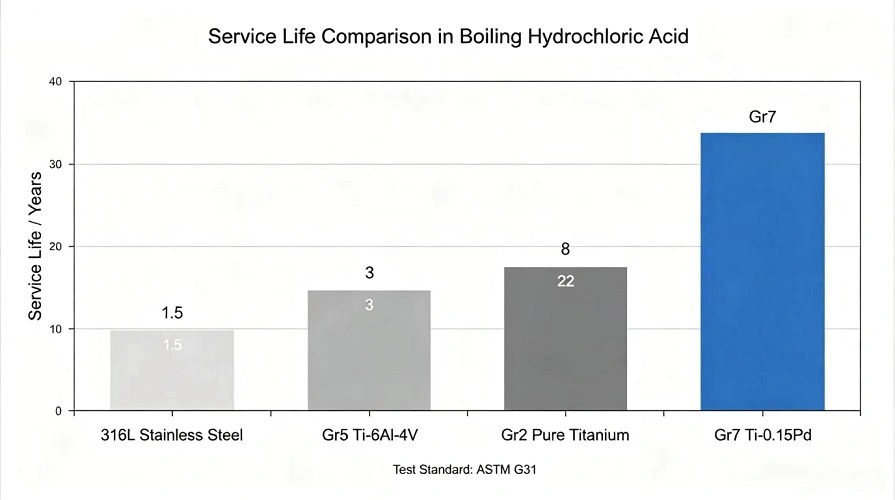
The Grade 7 titanium version works especially well in reducing acid service, where temperature, concentration, and the shape of the cracks make it possible for attack to focus in one area. When chemical workers work with hot, dilute hydrochloric acid below 10% concentration and temperatures above 80°C, Grade 2 fails quickly, but Grade 7 lasts for decades. When desalination is done above 260°C in concentrated brine solutions, the protection needs to be stronger to stop crevice corrosion under gaskets and in the joints between tubes and sheets in heat exchangers. Hydrometallurgical plants that use electrolysis to recover metals benefit from the steady oxide film that keeps the metals' electrical conductivity while blocking acidic anolyte solutions. These benefits specific to the application make the higher cost of the material worth it in situations where the costs of replacing equipment or stopping production are much higher than the initial cost of the material.
Comparing stainless steels shows compelling lifecycle value propositions. Austenitic grades, like 316L, are cheaper at first, but they crack easily when exposed to chloride stress corrosion, need three times as much material to be as strong, and need to be replaced every 5 to 10 years in harsh chemical or marine environments. Grade 7 titanium systems often last longer than 20 years, don't need to be painted or coated, and don't need as much structural support because they are stronger for their weight. When engineering teams add up the costs of labour for installation, downtime, and removal over the asset's duration, titanium becomes the more cost-effective choice.
Industrial Applications of Grade 7 Titanium Plate
Chemical Processing and Acid Production
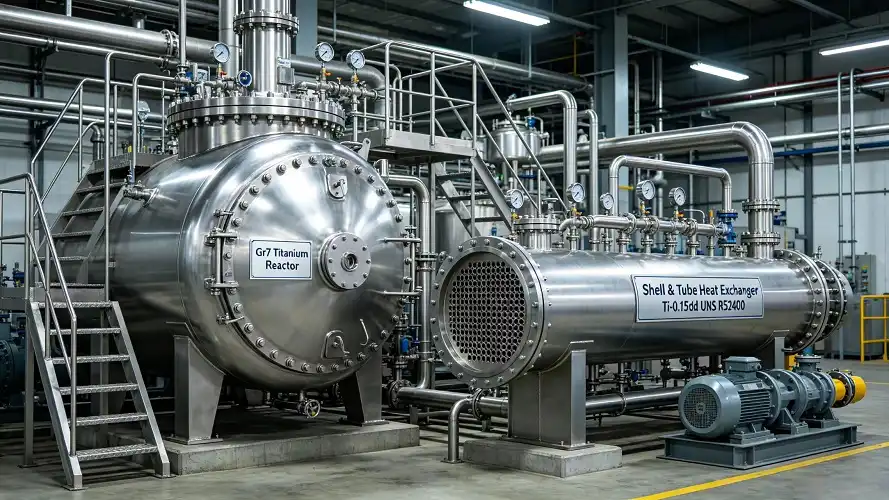
Grade 7 titanium plates are used a lot by chemical companies to make reactors, storage vessels, and shell-and-tube heat exchangers for use with diluted acids. When working with sulphuric acid at high temperatures (5% to 30% concentration), the material stops the crevice corrosion that happens under gaskets, in weld heat-affected zones, and on surfaces that stay wet for a long time. Facilities that make phosphoric acid use the material to build evaporators because normal grades quickly lose their thickness. It is required by chlorine production plants for parts that are exposed to wet chlorine gas and hydrochloric acid that is still present. The longer life of the equipment cuts down on unplanned repairs, gets rid of product contamination from corrosion products, and keeps the process running smoothly by keeping the heat transfer surfaces clean all the time.
Desalination and Marine Systems
Multistage flash distillation plants turn saltwater into drinkable water. They work at temperatures where normal titanium grades can be damaged by cracks in concentrated brine. Grade 7 titanium plates are used to build flash chamber shells, brine heater tubes, and parts of vapour separators. Cleaning systems for marine exhaust gases remove sulphur oxides from diesel emissions. These systems create acidic condensate environments that need better corrosion resistance. For saltwater cooling systems, ballast tank heating coils, and fire suppression pipes, offshore oil and gas platforms choose the material based on how reliable it is and how long it will last. The ability to resist erosion and corrosion in high-velocity seawater service makes parts last longer than with copper-nickel alloys, and biofouling problems are no longer a problem.
Hydrometallurgical Electrowinning
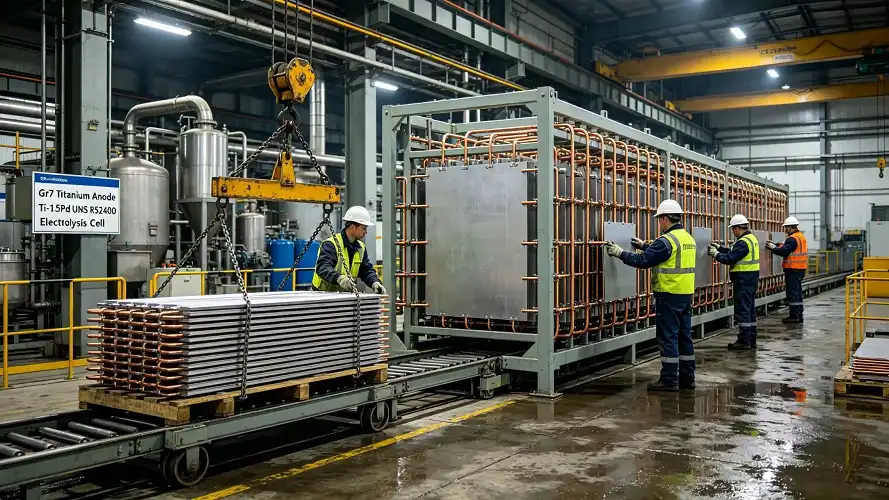
Grade 7 titanium is used as the anode base material in metal recovery processes that use electrolytic layering to get copper, zinc, nickel, and cobalt out of metals. The plates support anode coats that don't change shape, and they don't let the highly acidic sulphate electrolyte solutions pass through them. The stable passive film keeps the electrical conductivity without adding any dissolution products that could damage the metal that is being recovered. Tank house setups get anodes that last 10 to 15 years, which means they don't need to be replaced as often, and the current flow stays even for better metal coating. It is the best base material for this challenging electrochemical climate because it doesn't rust and works well with electricity.
Procurement Guide for Grade 7 Titanium Plate
To find Grade 7 titanium plate, you need to know how the world supply chain works and what certifications are needed. Baoji, China, is a major production hub where you can find specialised companies that have been handling commercially pure titanium grades for decades. North American suppliers, such as ATI and Timet, keep their production lines running to serve customers in the defence and aerospace industries. For foreign markets, the Russian company VSMPO makes materials that meet worldwide standards. The economics of a project are affected by the different wait times, minimum order amounts, and customisation options that each provider offers.
The material usually ships in an annealed state that meets the requirements of ASTM B265, ASME SB265, ASTM F67, or AMS 4911. Plate thicknesses range from 4 mm to 80 mm to meet the needs of a wide range of applications. Widths of up to 2500 mm and lengths of up to 10 meters make production go smoothly. For high-volume production, custom measurements cut down on waste and lower the cost of cutting. After being hot-rolled, the material is annealed, levelled, and pickled to make its mechanical properties uniform. The clean sides are then ready for welding or forming. Surface treatments like machined, polished, or acid-pickled finishes meet certain requirements for cleanliness and surface roughness for use in sanitary areas or for adhesive bonding.
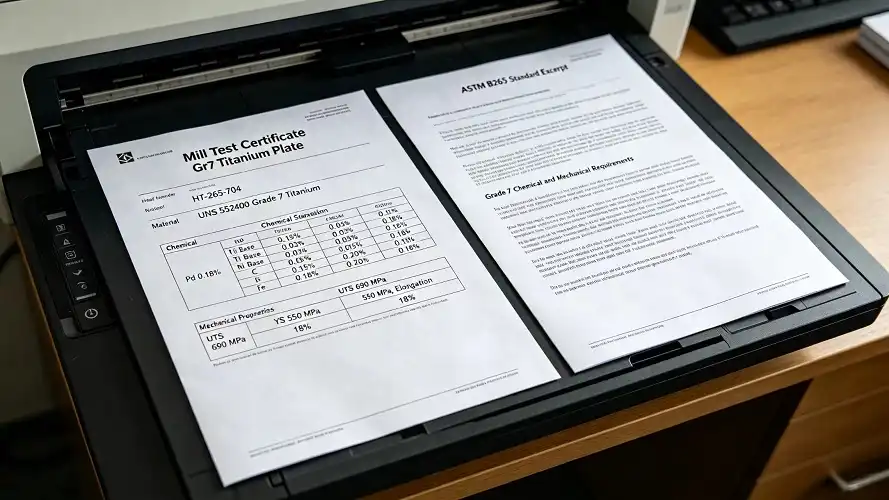
Minimum order numbers range from 500 kg to 2 metric tonnes, depending on the source and plate size. Lead times range from 8 to 16 weeks, based on how complicated the specifications are, how busy the mill is, and what certifications are needed. Prices change based on the cost of raw materials, with palladium adding a big extra over types that aren't alloyed. Buying in bulk takes advantage of economies of scale to cut costs by 15 to 25 percent per kilogram for yearly contract amounts. Material test reports, chemical analysis certificates, and documentation of mechanical properties are all examples of quality certifications that make sure products meet design specifications and legal requirements. Third-party testing services check the size and quality of the surface before the goods are shipped. This keeps buyers safe from receiving bad materials and causes project delays.
Why Choose Grade 7 Titanium Plate? Key Advantages for B2B Clients
Lifecycle cost optimisation through longer service life and less upkeep is at the heart of the strategic value offering. In corrosive service, equipment made of Grade 7 titanium plate lasts two to three times longer than stainless steel alternatives. This saves money on capital replacement costs and keeps production going. When protective coating systems are taken away, there are no longer any ongoing upkeep costs or worries about how to properly dispose of them. Because corrosion acts in an expected, uniform way and doesn't attack specific areas, inspection times get longer. This means that fewer workers are needed and assets are more readily available. Keeping heat transfer surfaces clean so they don't collect scale or corrosion products makes them more energy efficient.
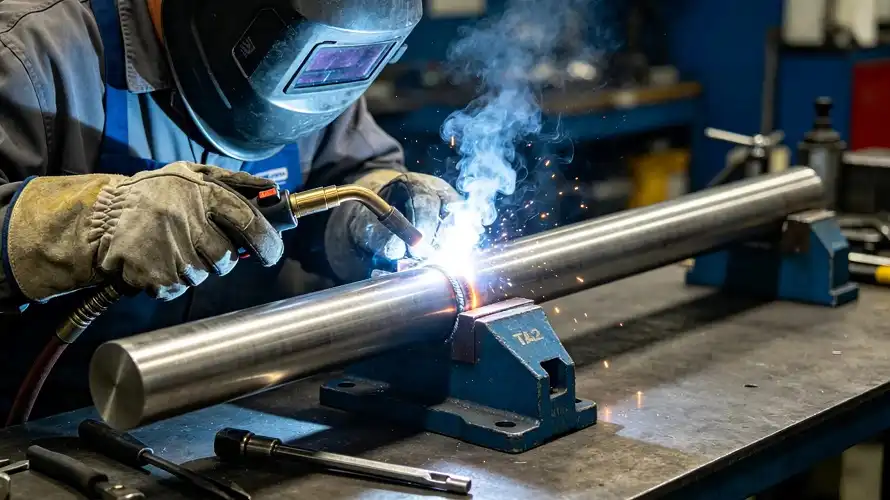
Different ways of making things are supported by materials that are flexible. Excellent weldability with TIG, MIG, or plasma methods makes leak-tight pressure boundary joints that don't need to be heated after the welding process. It is possible to make complex shapes with press forming, roll bending, and spinning when the metal is cold formable. With the right tools and cutting settings, machinability allows for drilling, grinding, and turning. When compared to materials that need special joining methods or a lot of testing, this fabrication freedom lowers costs and speeds up project timelines.
Credentials for environmental sustainability are in line with business duty efforts. Because the material lasts longer, it uses fewer resources because it doesn't need to be replaced as often. Complete recycling at the end of its life helps reach the goals of the circular economy. Not having any dangerous coating systems means that no harmful waste is made during upkeep or removal. Lightweight building materials use less fuel for shipping and don't need as much support. These qualities make palladium-enhanced titanium a smart choice for businesses that want to run in a way that doesn't harm the environment and follow the rules set by stricter and stricter environmental laws.
Conclusion
Grade 7 titanium plates offer the best corrosion protection in reducing acid conditions where loss of materials would have unacceptable effects on safety, the environment, or the economy. Adding palladium strategically turns widely pure titanium into a high-quality material that can last for decades in hot, weak acids, concentrated brines, and harsh marine environments. Chemical processors, desalination operators, and hydrometallurgical facilities can get better lifetime economics by making equipment last longer, requiring less upkeep, and making processes more reliable. When procurement professionals choose this material, they get a tried-and-true solution backed by a lot of experience in the field with tough applications. Understanding the material's composition, mechanical qualities, and performance in a certain application lets you make smart choices that balance the initial investment with long-term operating costs. This supports asset management strategies that focus on stability and total cost of ownership.
FAQ
1. What Makes Grade 7 Superior to Grade 5 for Corrosion Resistance?
Grade 5 (Ti-6Al-4V) has better mechanical strength because it is alloyed with aluminium and vanadium, but it loses its ability to fight corrosion in reducing acid conditions. Because Grade 5 has a lot of aluminium in it, it can be damaged by hydrogen embrittlement in acidic environments and by crevice corrosion in chloride solutions. The addition of palladium to the Grade 7 titanium plate is specifically aimed at lowering acid resistance. This makes it the best choice for chemical processing equipment that deals with weak sulphuric, hydrochloric, or phosphoric acids. Grade 5 is best for aerospace structural applications that need the highest strength-to-weight ratios. Grade 7 is best for chemical and marine applications where corrosion limits the service life.
2. Can Heat Treatment Improve Mechanical Properties?
Annealing is the normal heat treatment. It improves the metal's ability to bend and prevent corrosion instead of making it stronger. Working with cold metal before annealing can temporarily raise the yield strength, but when the material is used, heat will return it to its annealed state. When compared to alloy grades, commercially pure compositions don't have as many ways to make things stronger. To make sure that performance expectations are conservative and accurate, procurement requirements should base design figures on annealed mechanical qualities.
3. What Are Typical Lead Times and Minimum Orders?
Lead times vary from 8 to 16 weeks, depending on the size of the plate, the level of finish needed, and the need for certification. When specs meet mill inventory, delivery times may be cut down to 6 to 8 weeks for standard thicknesses. Usually, the smallest amount you can order is 500 kg, but this can change depending on the supplier and the shape of the plates. Annual contracts often lower minimums and guarantee priority production slots, which is good for customers whose needs are reliable and will come up again and again.
Partner with Jucheng Titanium for Your Grade 7 Titanium Plate Requirements
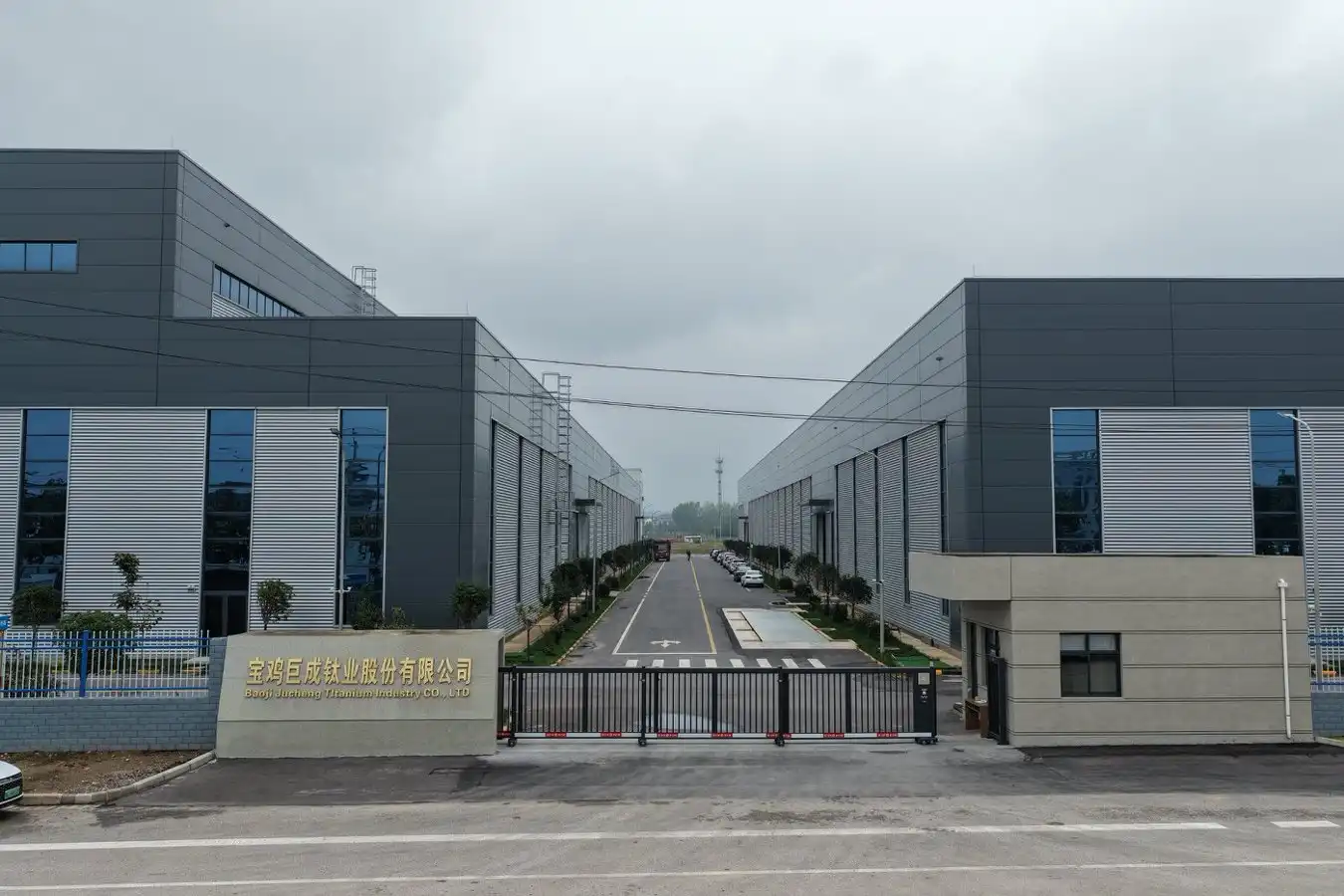
Baoji Jucheng Titanium Industry Co., Ltd. has been making Grade 7 titanium plates that meet international standards like ASTM B265, ASME SB265, and AMS 4911 for more than 20 years. As a national "little giant" company with 4 invention patents and 41 utility model patents, we keep 3,000 tonnes of titanium in stock so that we can quickly deliver for urgent projects. We can make things that are 4 mm thick up to 80 mm thick, up to 2500 mm wide, and custom lengths up to 10 meters long. We can also hot-roll, anneal, and treat the surface to your exact specifications. Our customers in the chemical processing, desalination, and hydrometallurgical industries trust the quality of our materials for important pieces of equipment like electrolytic cells, reactors, and heat exchangers. Get in touch with our technical team at s4@juchengti.com to talk about your needs, ask for material certifications, and get reasonable quotes from a Grade 7 titanium plate provider that cares about quality, dependability, and client success. We offer full support, from choosing the right materials to helping with the fabrication process. This way, you can be sure that the decisions you make about procurement will maximise performance and lifecycle value.
References
1. American Society for Testing and Materials. (2021). Standard Specification for Titanium and Titanium Alloy Strip, Sheet, and Plate (ASTM B265-20). West Conshohocken, PA: ASTM International.
2. Schutz, R.W., & Thomas, D.E. (2019). Corrosion of Titanium and Titanium Alloys in Industrial Environments. In Corrosion: Fundamentals, Testing, and Protection, Vol. 13A, ASM Handbook, ASM International, Materials Park, OH, pp. 252-299.
3. Boyer, R., Welsch, G., & Collings, E.W. (2018). Materials Properties Handbook: Titanium Alloys. Materials Park, OH: ASM International, Fourth Edition.
4. Donachie, M.J. (2020). Titanium: A Technical Guide (3rd Edition). Materials Park, OH: ASM International.
5. Cotton, J.D., & Matlack, M.H. (2017). Selection and Application of Titanium Alloys for Chemical Processing Equipment. In Process Industries Corrosion - Theory and Practice, edited by B.J. Moniz and W.I. Pollock, Houston, TX: NACE International, pp. 445-478.
6. Peters, M., Kumpfert, J., Ward, C.H., & Leyens, C. (2019). Titanium Alloys for Aerospace Applications. Advanced Engineering Materials, Vol. 5, No. 6, pp. 419-427.