
Everything You Need to Know About Titanium Sheets
When looking at different materials for tough industrial uses, corrosion-resistant titanium sheet stands out as a solid choice for places where regular metals don't work. These special sheets use titanium's natural protective oxide layer along with precise engineering to give them great resistance to acids that break down metals, chlorides, and seawater. Titanium sheets are strong, light, and durable, making them ideal for a wide range of applications from chemical processing equipment to aircraft structural parts. They also make equipment last longer and require less upkeep, which is very important in many industries.
Understanding Corrosion-Resistant Titanium Sheets
What Makes Titanium Sheets Corrosion-Resistant?
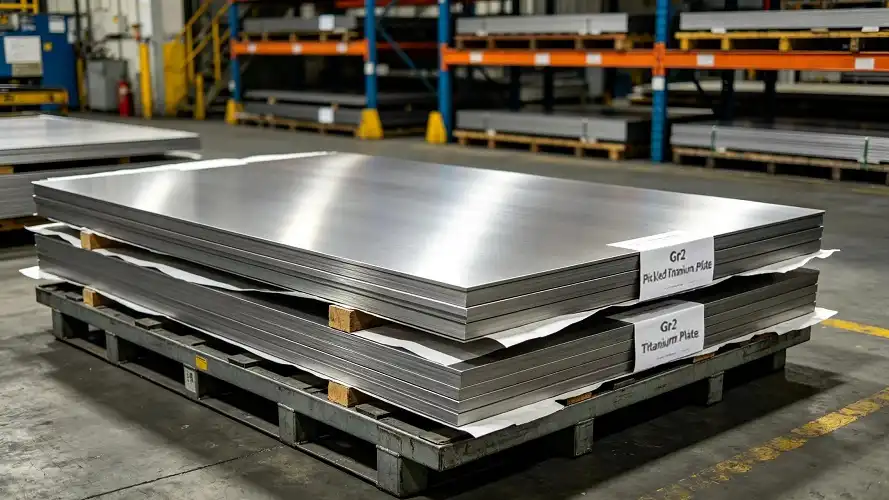
Titanium is very resistant to corrosion because it makes a thin, tightly adhering oxide film as soon as it comes into contact with air. This inactive layer that heals itself, mostly made up of titanium dioxide, protects the base metal from harsh chemicals, saltwater, and rusting at high temperatures. Titanium's oxide film regenerates itself when it gets broken, unlike protective layers that can chip or wear away. This means that the material will always be protected.
Common Titanium Grades and Their Properties
Different grades of titanium give different levels of resistance to corrosion and mechanical performance, each suited to a particular use:
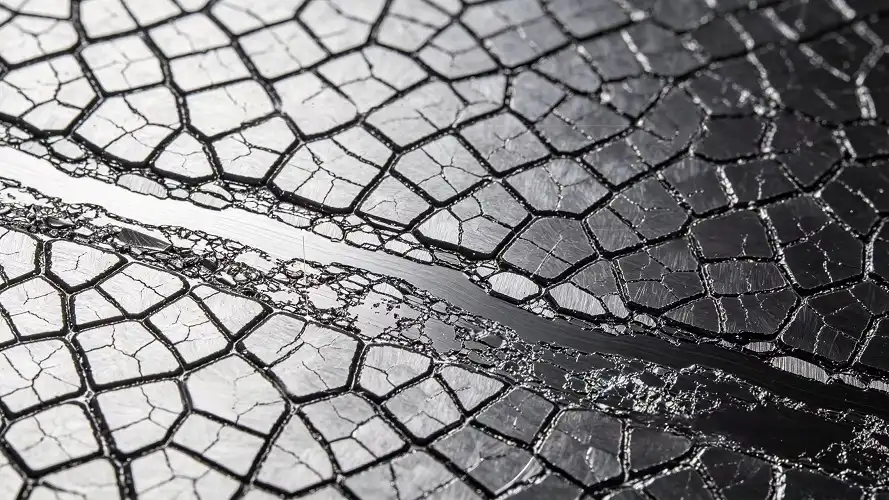
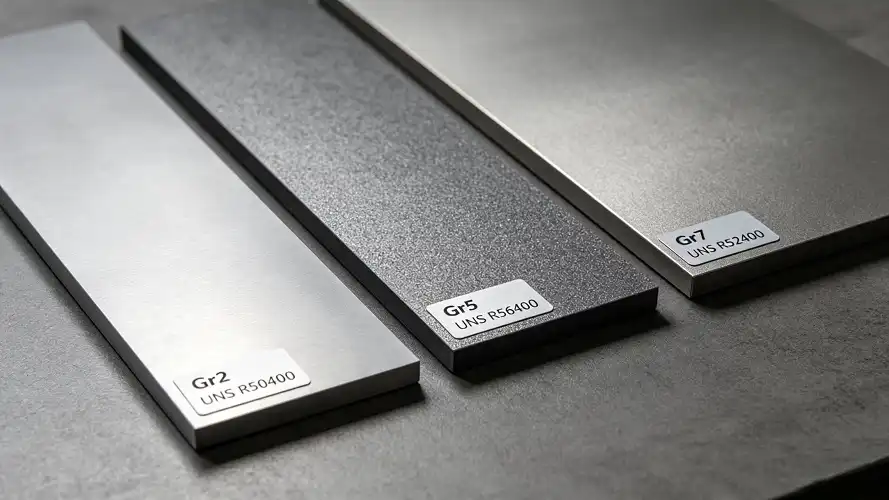
Grade 2 (Gr2) titanium is the most common type of commercially pure titanium. It has a maximum iron content of 0.30%. This grade is very resistant to wet chlorides, nitric acid, and marine atmospheres, and it can still be shaped and welded well. Grade 2 is resistant to pitting attacks at normal temperatures, but it can be damaged when ocean temperatures go above 230°F (110°C).
Grade 5 (Gr5), which is also called Ti-6Al-4V, has more strength because it has aluminium and vanadium in it. This titanium alloy has a higher tensile strength than pure titanium grades that are sold in stores. It also doesn't rust in oxidising or mildly reducing environments.
Grade 7 (Gr7) Palladium is added to commercially pure makeup in Grade 7 (Gr7), which makes it much more resistant to reducing acids like sulphuric and hydrochloric acid. This makes it useful for chemical processing.
Material Properties That Matter
Corrosion-resistant titanium sheets made to standards like ASTM B265 and ASME SB265 have mechanical properties that make them good for building structures and keeping metal from rusting. The material is stronger than both stainless steel and aluminium when it comes to weight, so engineers can use thinner gauges without compromising the structure. Depending on the grade, titanium stays mechanically stable over a wide range of temperatures, from very cold temperatures to high service temperatures close to 600°F.
Comparing Corrosion-Resistant Titanium Sheets with Other Metals
Performance in Aggressive Environments
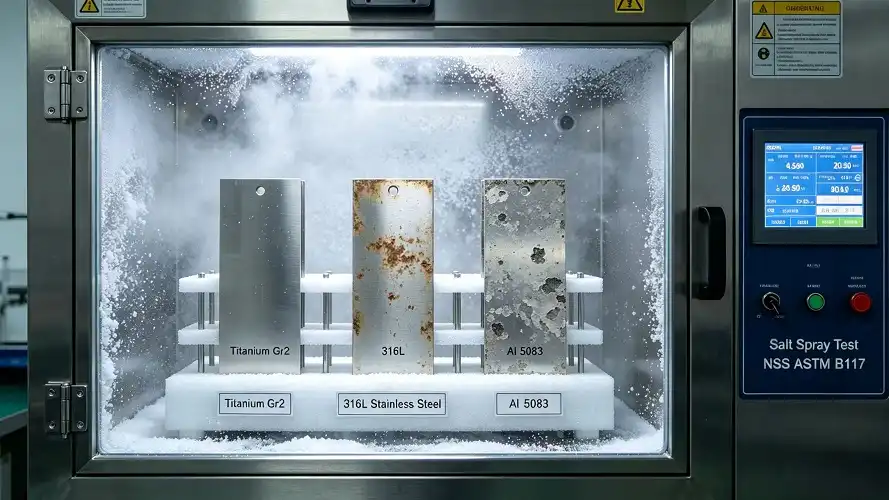
Titanium is more durable in acidic situations than other materials when compared side by side. Grades of stainless steel like 316L are resistant enough to many chemicals, but they can still crack and split due to stress corrosion caused by chloride. Even though nickel metals are very resistant to some acids, they are much more expensive to make and weigh a lot more.
The passive oxide film on titanium doesn't react with oxidising acids, chlorine compounds, or coastal environments where aluminium and stainless steel rust quickly. The material works especially well in places where chlorine gas, chlorine dioxide, and hypochlorite solutions are wet, which is a condition that quickly breaks down other metals.
Weight and Cost-Effectiveness Analysis
Titanium costs more per kilogram than stainless steel at first, but lifecycle cost analysis often shows that titanium is better for applications that need to resist corrosion. The lower total ownership costs are due to the material's longer service life, lower upkeep needs, and lack of protection coating systems. Titanium is also about 60% lighter than steel, which makes it less dense. This makes it easier to load structures and cheaper to ship, which is especially useful in aircraft and marine uses.
Thickness and Dimension Considerations
There are hot-rolled titanium sheets with thicknesses from 4 mm to 80 mm, widths from 950 mm to 2500 mm, and lengths up to 10,000 mm. Custom sizing meets the needs of each project, which helps buying teams cut down on waste and manufacturing costs. For long-term exposure, thicker parts allow more rust, while smaller gauges are better for weight-sensitive uses where corrosion rates stay the same.
Applications of Corrosion-Resistant Titanium Sheets in Industry
Aerospace and Defense Applications
Titanium sheets are used by aircraft makers and defence companies for structural parts, engine parts, and fastening systems that need to be strong but light and resistant to corrosion. The material can handle being exposed to salt spray in marine flight settings and still keep its shape when loaded and unloaded many times. Titanium is an important part of modern aircraft construction because it works well with composite materials and doesn't rust when mixed with carbon fibre reinforced polymers.
Chemical Processing and Petrochemical Equipment
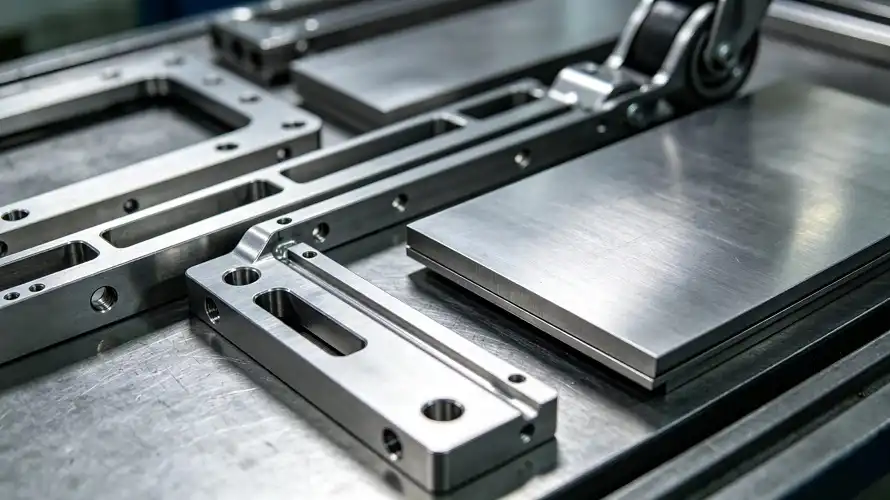
Corrosion-resistant titanium sheets are used by chemical plant builders to make heat exchangers, reactor tanks, and pipe systems that handle corrosive media. Because the material doesn't crack from chloride stress corrosion, it doesn't fail in the same ways that stainless steel does in the same kind of service. Titanium is reliable in refinery service because it can handle sulphur compounds and acidic process streams that would quickly break down other alloys. One important installation at Luoyang Petrochemical shows this.
Marine and Offshore Engineering
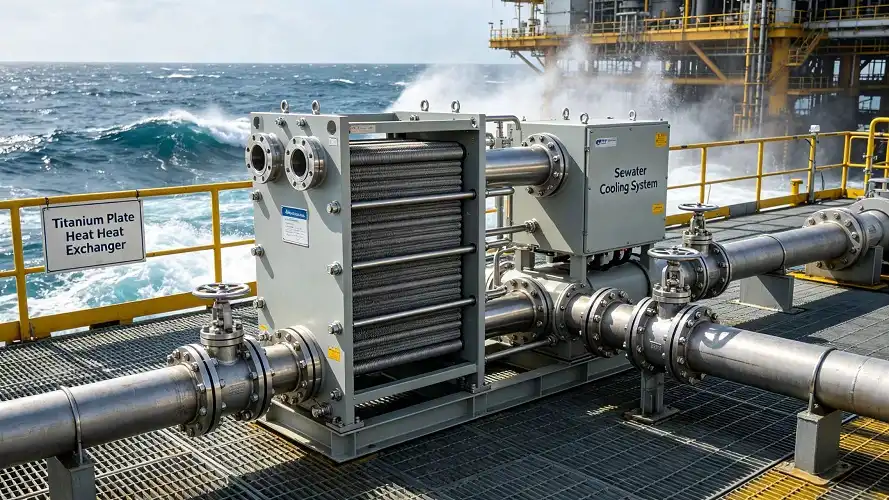
Titanium is resistant to marine biofouling and crevice corrosion, which makes it useful for seawater pipe systems, offshore platform components, and naval equipment. The substance keeps its protective oxide coat even when oxygen levels are low, which is when stainless steel is attacked locally. Titanium sheets that are cut into hull parts, propeller shafts, and heat exchangers last for decades without needing to be maintained or replaced as often as other marine alloys do.
Medical Device Manufacturing
Biomedical uses need materials that are both resistant to rust and safe for living things. When titanium sheets are cut into surgical instruments, implant parts, and sterilisation equipment, they meet strict regulatory requirements and can handle being exposed to body fluids and autoclave cycles over and over again. The non-magnetic qualities and radiolucency of the material make it even better for medical imaging settings.
Procurement Guide for Corrosion-Resistant Titanium Sheets
Supplier Selection Criteria
When looking for a trustworthy titanium sheet supplier, you need to look at more than just price quotes. Make sure that possible sources have up-to-date certifications for medical use (ASTM F67), aircraft standards (AMS 4911), and general engineering use (ASTM B265). Manufacturers that have been around for a while and have clear quality control systems and traceability processes lower the risk of buying things and make sure that the materials used are the same for all orders.
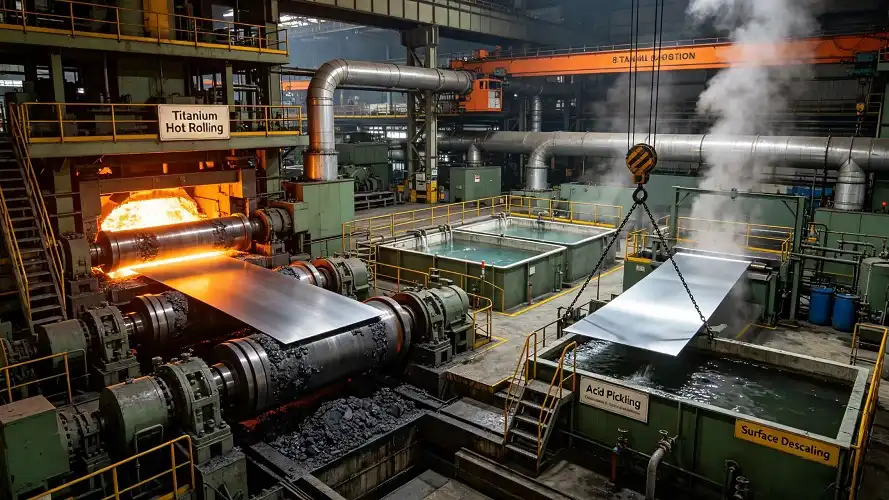
When projects need unique sizes or surface treatments, the ability to manufacture is important. Providers with full processing facilities, such as rolling mills, annealing furnaces, and pickling lines, give wholesalers more options and shorter wait times than those who rely on outside processors.
Quality Assurance and Testing Requirements
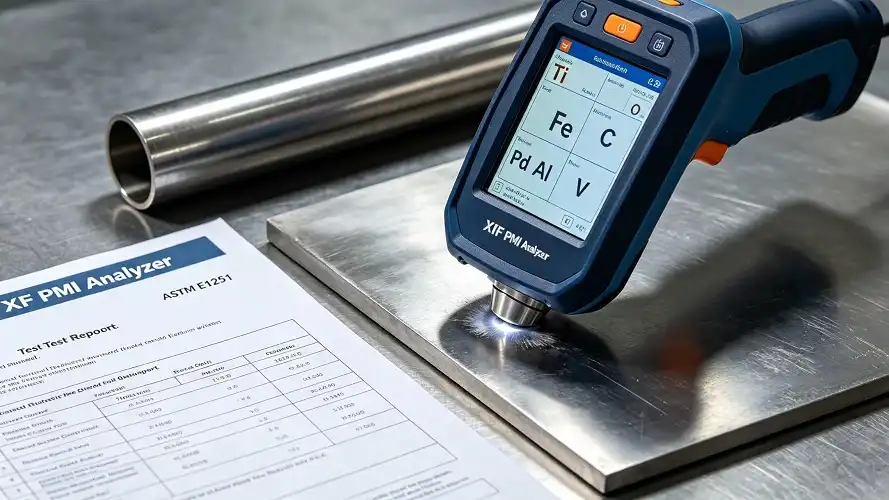
Material testing methods that are right for the job should be required by the procurement requirements. Positive Material Identification (PMI) with X-ray fluorescence spectrometry verifies the makeup of an alloy and finds efforts to replace it. Request mill test reports detailing chemical analysis, mechanical properties, and grain size measurements for corrosion-resistant titanium sheet intended for critical service.
Eddy current tests according to ASTM E426 can find flaws on the surface and below the surface that can't be seen with the naked eye. Dye penetrant testing finds holes, cracks, and irregularities on the surface that could make the material less resistant to rust. Hydrostatic testing makes sure that parts made are safe when they are put under pressures higher than what was intended.
Pricing and Order Considerations
Corrosion-resistant titanium sheet prices depend on the grade, thickness, quantity, and state of the market. People who buy in bulk usually get discounts, but if you need something in a specific size, you may have to pay extra for processing. There are often minimum order quantities, especially for sizes or grades that aren't common. Logistics issues, like how to package items, how to ship them, and the paperwork needed for importation, affect the total landing costs of international purchases.
Testing and Quality Assurance of Corrosion-Resistant Titanium Sheets
Industry-Standard Testing Methods
Standardised testing for corrosion protection under accelerated settings is salt spray testing according to ASTM B117. Test specimens are constantly exposed to an atomised salt solution, and the rates of surface breakdown are checked on a regular basis. Even though salt spray results are useful for comparing things, they shouldn't be used instead of testing in real service conditions, since labs may not be able to replicate certain chemical doses or stress conditions.
Electrochemical testing methods find the material's resistance to localised attack by measuring its corrosion current density and pitting potential. These ways make it easy to quickly compare how well different types and processes of titanium resist corrosion.
Understanding Corrosion Types
Pitting corrosion shows up as small holes in the metal surface that go through it. These holes usually appear where the oxide film is damaged or where the surface is contaminated. Crevice corrosion happens in small areas where electrolyte concentrations stay the same and make the local chemistry very aggressive. When titanium comes into contact with less valuable metals in conductive settings, galvanic corrosion happens. This speeds up the breakdown of the anodic material while protecting the titanium cathode.
Recognizing these failure modes helps procurement professionals specify appropriate grades and design features that mitigate corrosion risk. Surface treatments, such as acid pickling, get rid of contaminants that could weaken the protective oxide layer. Also, using the right assembly techniques gets rid of cracks that could be attacked locally.
Certifications and Compliance Standards
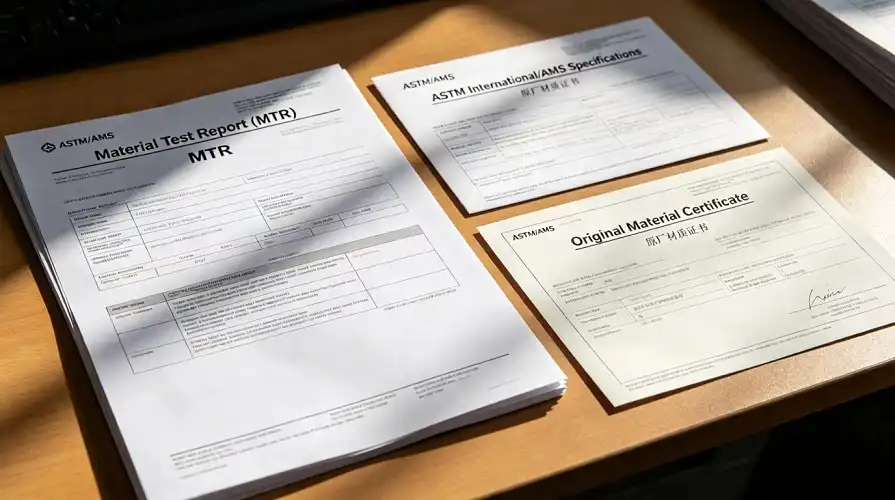
Material certifications from recognised testing labs show that the product meets the requirements of the buy and industry norms. Mill test papers show the chemical makeup and mechanical qualities of materials that have been heated. This makes the supply chain more transparent. Third-party testing services check the quality of the material, the accuracy of the measurements, and the state of the surface before it is shipped.
Companies that make things for the aerospace industry keep their AS9100 quality certifications up to date, and companies that make medical devices show that they follow ISO 13485 guidelines. These quality management frameworks make sure that manufacturing processes are always the same and that strict documentation rules are followed so that regulatory submissions and customer audits can be made.
Conclusion
Titanium sheets offer the best corrosion resistance and structural performance for fields that work in harsh conditions. The material's self-healing oxide film, high strength-to-weight ratio, and long service life make up for its higher cost at first by requiring less upkeep and replacements more often. To successfully buy something, you need to carefully evaluate the suppliers, choose the right grade, and do a lot of quality checks to make sure the materials meet the needs of the application. When procurement workers know about testing methods and licensing standards, they can make choices that balance performance needs with budget limits.
FAQ
1. Which Titanium Grade Offers the Best Corrosion Resistance?
Palladium alloying gives Grade 7 titanium great resistance to reducing acids, which makes it suitable for use in chemical processing areas. Grade 2 has better general corrosion protection and costs less. It works especially well in neutral and oxidising conditions, like seawater below 230°F. Grade 12 has molybdenum and nickel mixed together to make it more resistant in some commercial uses.
2. How Do Titanium and Stainless Steel Compare for Lifespan?
Titanium lasts a lot longer than stainless steel in places where chloride is present, where stainless steel grades get pitting and stress corrosion cracking. Titanium equipment has a 30-year service life, while stainless steel equipment needs to be replaced every 5–10 years in the same conditions. This is clear in marine uses and chemical processing systems.
3. Can I Order Custom Sizes Directly from Manufacturers?
Trustworthy titanium makers can make titanium in any size or shape that is needed. Sheets come in standard lengths up to 10,000mm, widths between 950mm and 2500mm, and thicknesses ranging from 4mm to 80mm. Depending on how complicated the specifications are, custom orders may need to be placed in larger quantities and take longer to process.
Partner with Jucheng Titanium for Your Corrosion-Resistant Titanium Sheet Needs
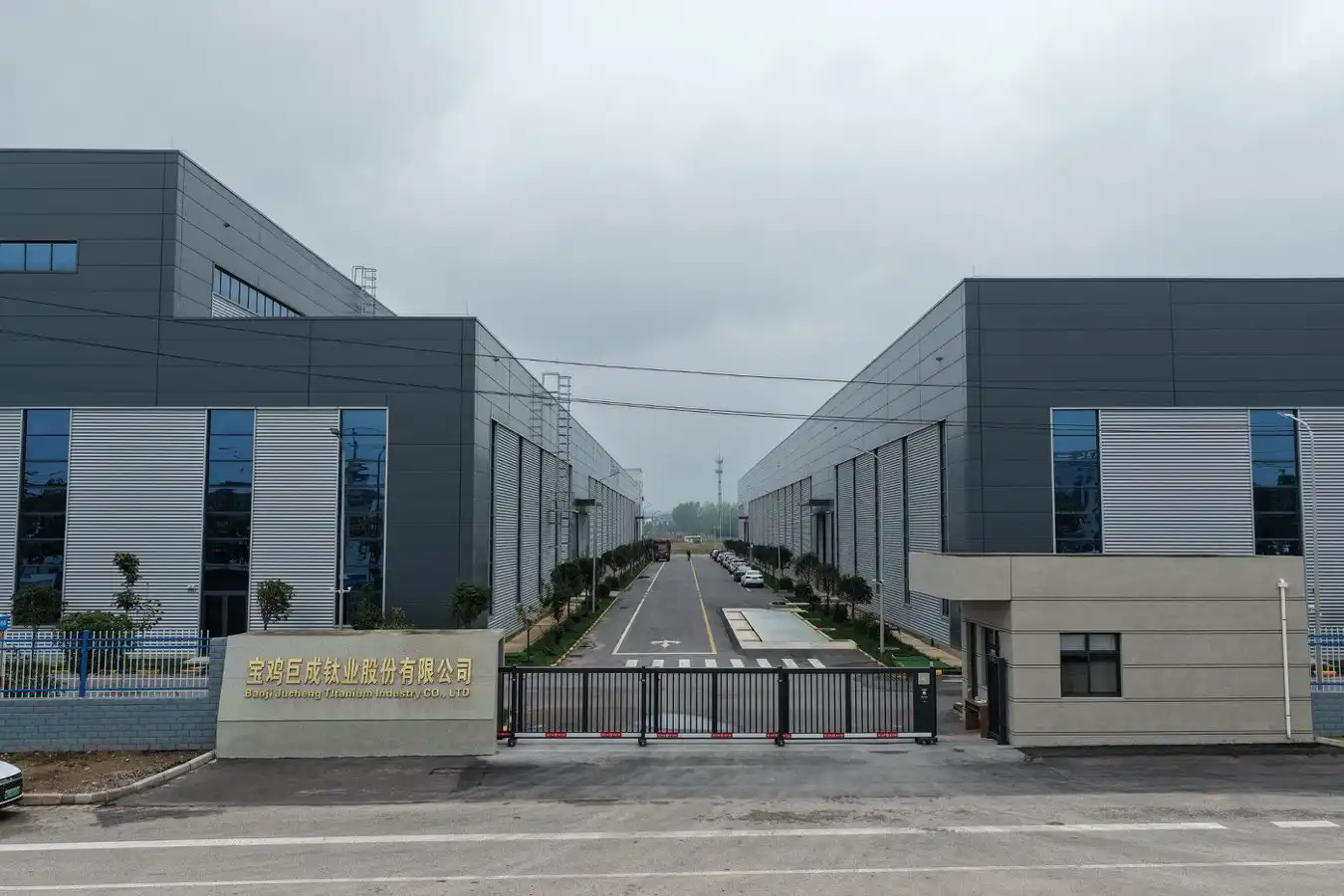
Since 2004, Baoji Jucheng Titanium Industry has given high-performance titanium products to businesses around the world. Our 45 patents and 20 years of experience making things help customers in the aircraft, chemical processing, and marine engineering fields. Over 3,000 tonnes of grades Gr1, Gr2, Gr4, Gr5, Gr7, Gr9, and Gr12 are in stock. They have been processed to meet ASTM B265, AMS 4911, and ASME SB265 standards. We offer hot-rolled sheets with thicknesses from 4mm to 80mm, unique widths up to 2,500mm, and surface treatments like machined, polished, and acid-pickled finishes as a corrosion-resistant titanium sheet maker serving North American markets. For material approvals, technical specs, and bulk prices, email our engineering team at s4@juchengti.com. Our quality control procedures include PMI testing, eddy current inspection, and full traceability documents. These make sure that your purchase meets the strictest standards for the application.
References
1. American Society for Testing and Materials. (2020). Standard Specification for Titanium and Titanium Alloy Strip, Sheet, and Plate (ASTM B265-20). ASTM International.
2. Boyer, R., Welsch, G., & Collings, E.W. (1994). Materials Properties Handbook: Titanium Alloys. ASM International.
3. Schutz, R.W. & Thomas, D.E. (1987). Corrosion of Titanium and Titanium Alloys. Metals Handbook: Corrosion, Volume 13, ASM International, pp. 669-706.
4. Donachie, M.J. (2000). Titanium: A Technical Guide (2nd Edition). ASM International.
5. Cotton, J.D. (1991). Selecting Titanium Alloys for Seawater Service. Advanced Materials & Processes, Materials Park, Ohio: ASM International.
6. International Titanium Association. (2015). Titanium for Chemical Processing and Industrial Applications: Design Guidelines. International Titanium Association Technical Committee.