
Exploring the Applications and Characteristics of the Titanium Flat Plate
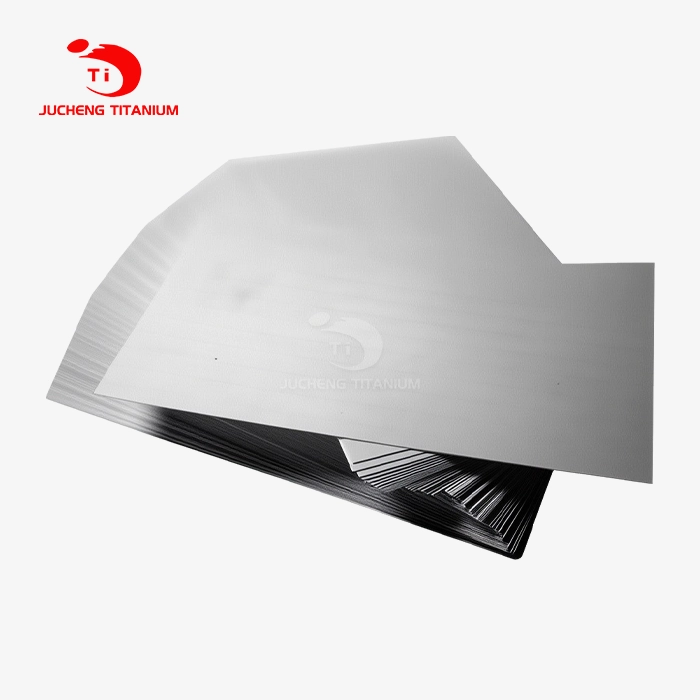
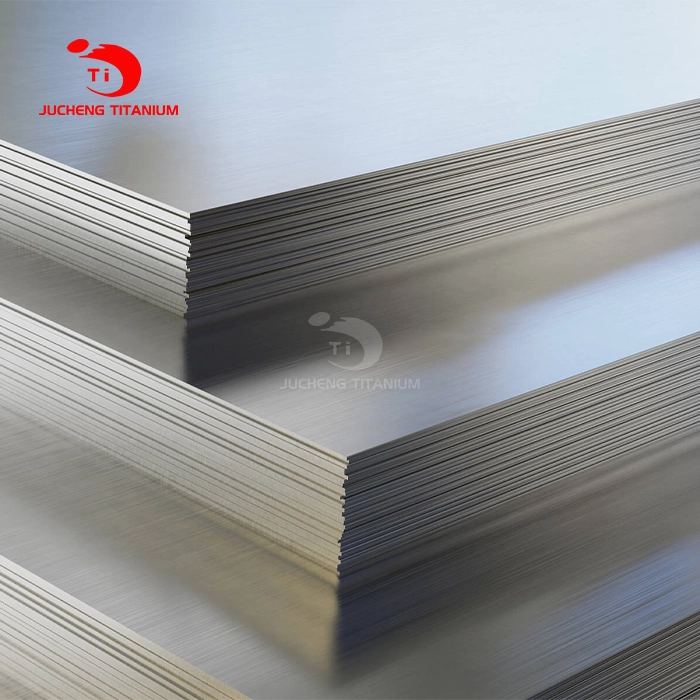
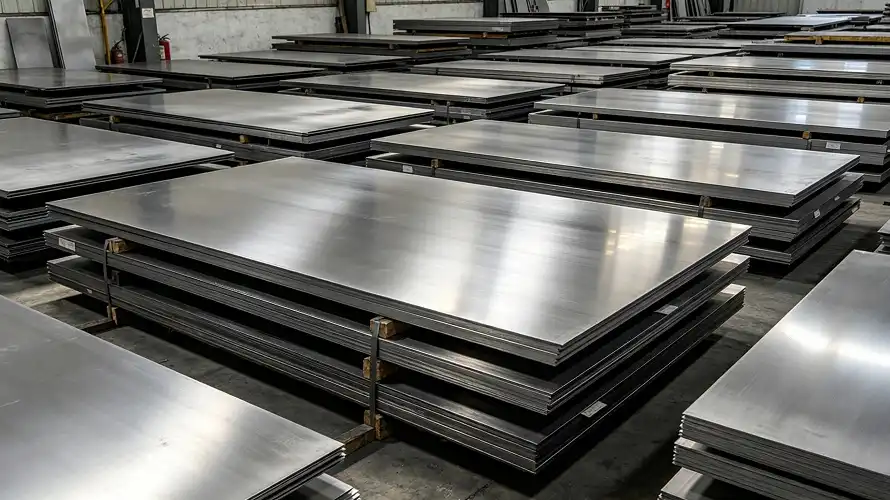
Titanium flat plate is an important material for industries that need high strength-to-weight ratios and the best corrosion resistance possible. These hot-rolled plates meet strict standards like ASTM B265, AMS 4911, and ASME SB265. They come in types like commercially pure Gr1 and Gr2 and high-strength alloys like Gr5 (Ti-6Al-4V). Titanium flat plates can be any thickness from 4 mm to 80 mm, any width from 4 mm to 2500 mm, and their sizes can be changed to fit specific needs. They are used in aerospace, chemical processing, marine, and medical fields. Knowing the different properties of materials helps buying teams choose the best ones that lower lifetime costs and improve performance dependability.
Understanding Titanium Flat Plate: Properties and Technical Specifications
What Distinguishes Titanium Flat Plates From Other Forms
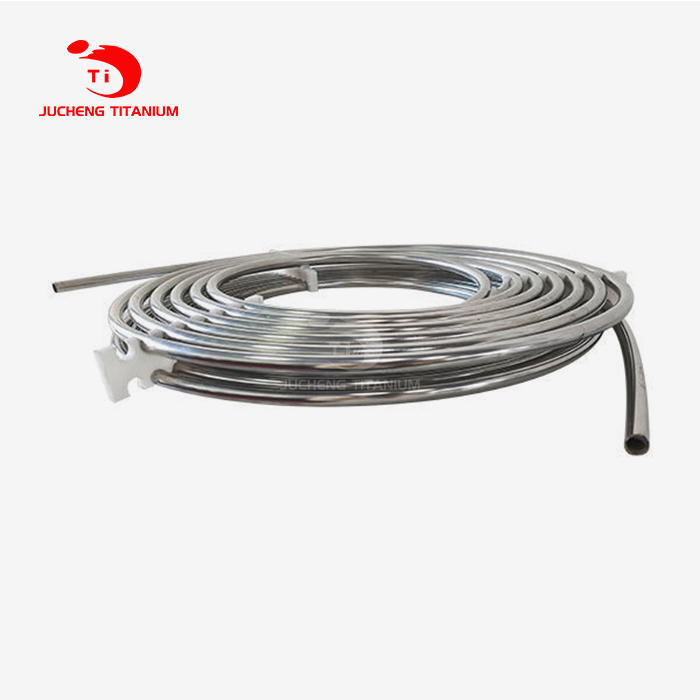
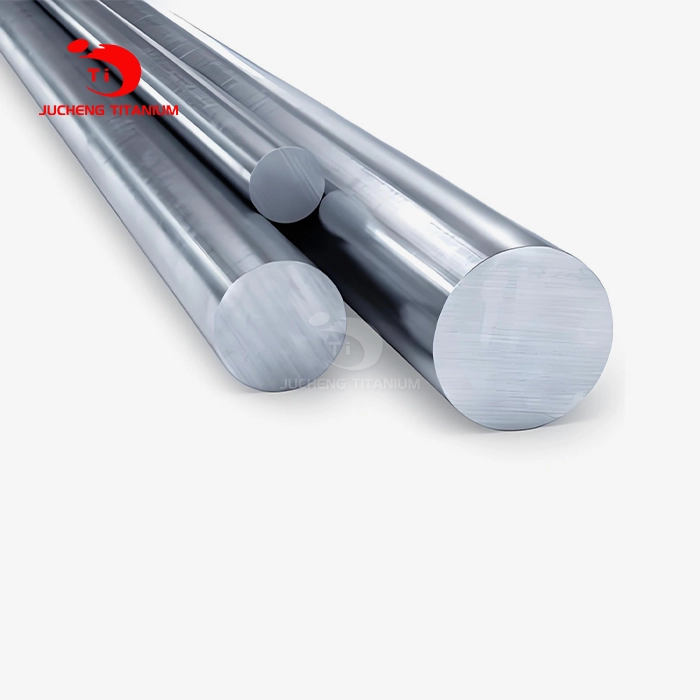
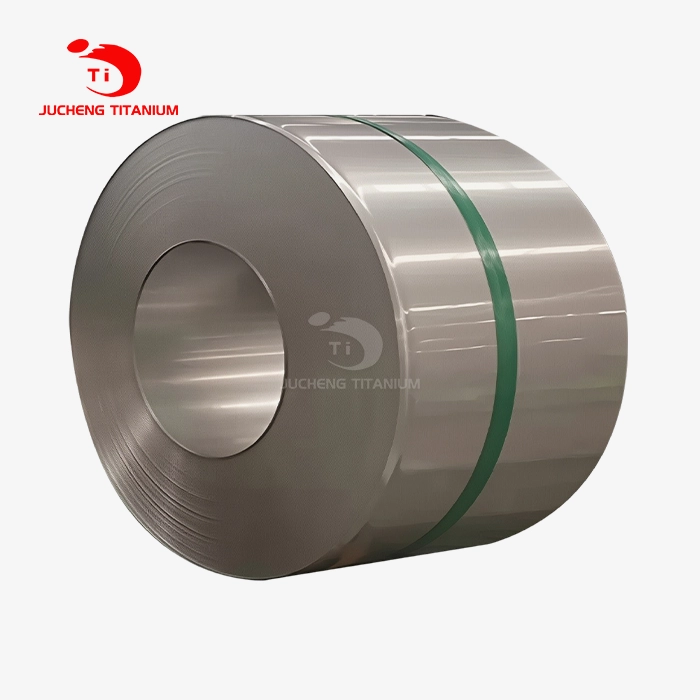
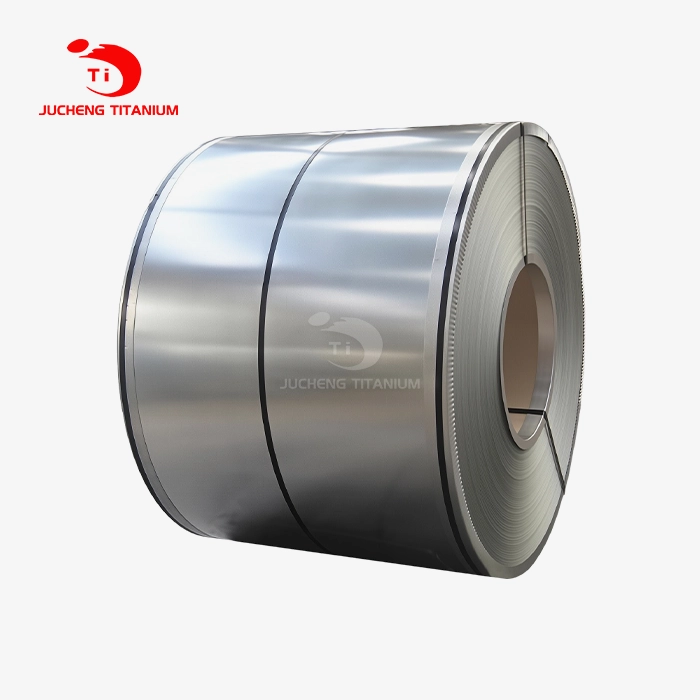
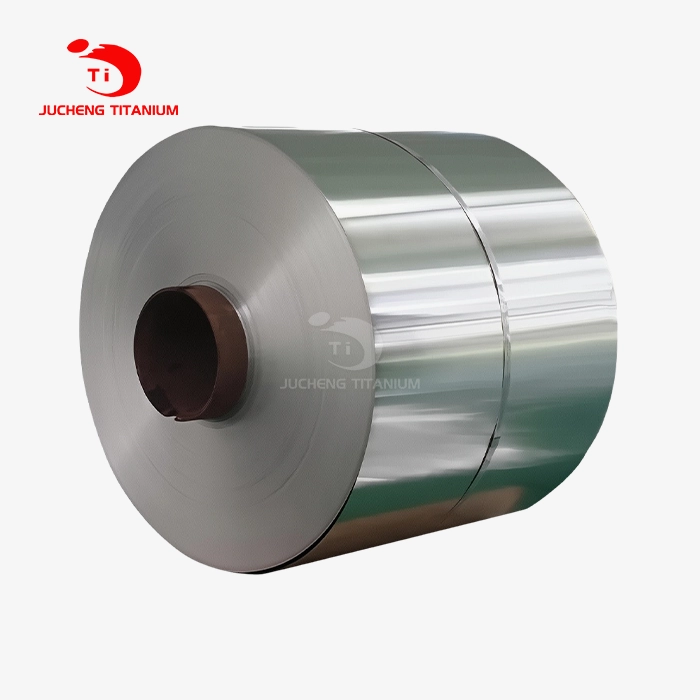
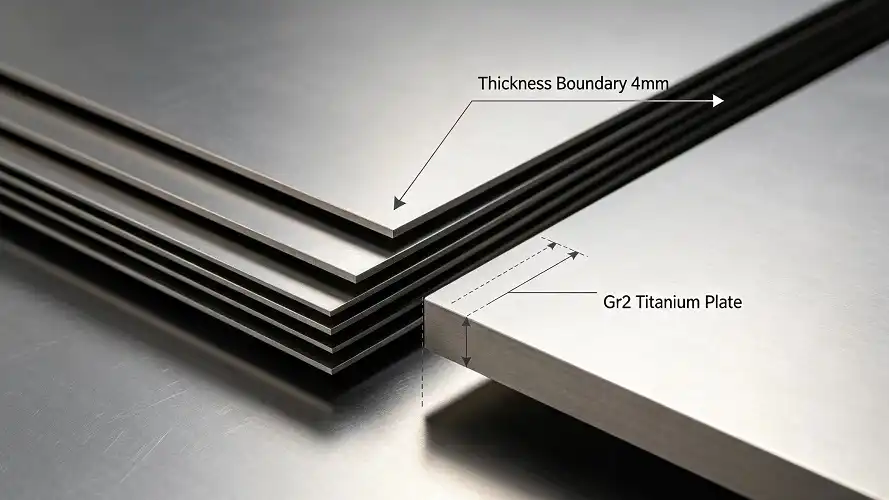
Titanium products have a lot of different terms that can make even experienced buyers confused. Titanium flat plates are bigger shapes made of a material. Their width usually ranges from 4 mm to 80 mm, while sheets are usually thinner, at less than 4 mm. Coils are long rolls of material that are stored in a cylinder shape. This difference is important because hot rolling processes create different grain structures in thicker plates, which changes their mechanical properties in a way that is different from cold rolling sheets. When I help aerospace makers choose structural parts, this thickness factor has a direct effect on how much weight they can hold and how well they resist wear. Our hot-rolled plates stay the same size across large formats, with widths up to 2500mm and lengths up to 10000mm. This makes it possible to use materials efficiently for big fabrication projects.
Mechanical and Chemical Properties That Define Performance
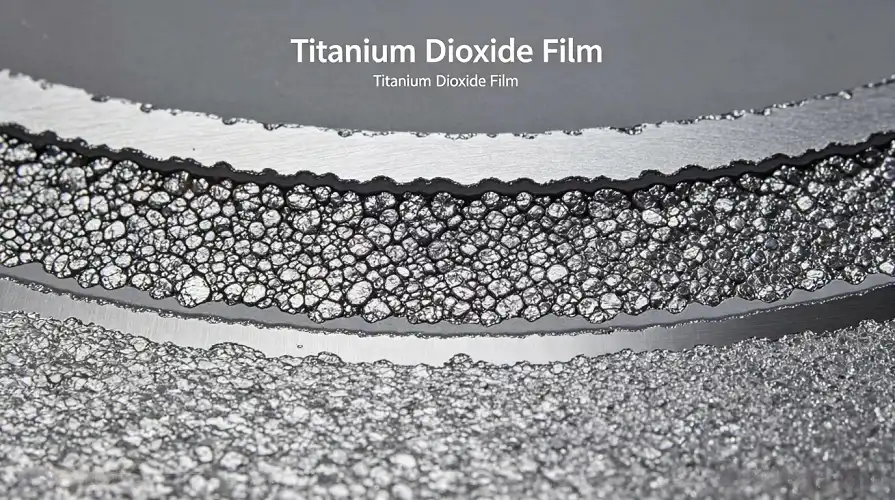
A titanium flat plate has amazing physical properties that help engineers solve real problems. With a density of 4.51 g/cm³, which is about 56% that of steel, it saves weight in ways that are important for aircraft and automobile uses. With a melting point of 1,668°C, it can work in hot places where aluminium wouldn't work. Titanium is unique because it forms a passive titanium dioxide (TiO2) film on its own when it is scratched. This film can fix itself, protecting titanium from seawater, chlorides, and oxidising acids that break down stainless steel. Commercially pure grades (Gr1–Gr4) have tensile strengths between 240 MPa and 550 MPa and are very easy to shape. Alpha-beta alloys, like Gr5, have yield strengths of more than 828 MPa. Because it doesn't conduct heat or magnetism, the material is very useful for making specialised electronics and medical imaging equipment.
Grade Selection Aligned With Industry Standards
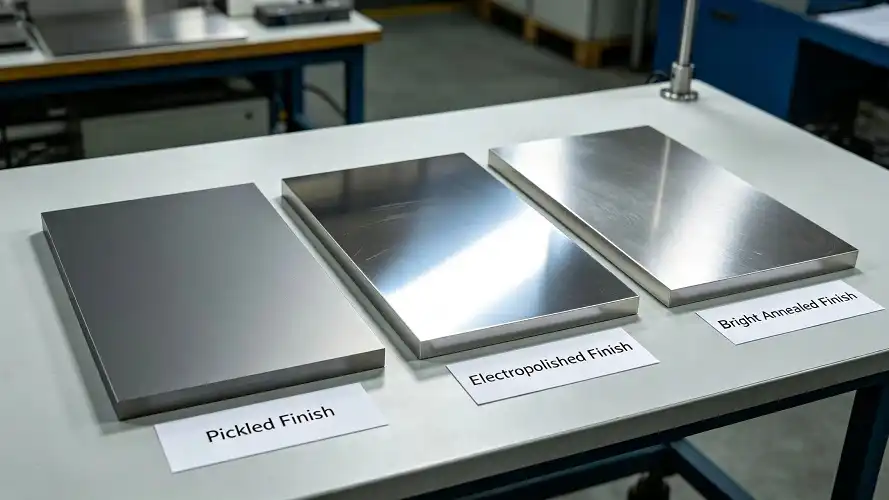
Buying things depends on knowing the different grade levels and what certifications are needed for each one. Gr1 and Gr2 are used for chemical handling equipment that needs to be strong but not too resistant to rust. Gr5 is a reliable titanium alloy that has 6% aluminium and 4% vanadium. It is used a lot in aircraft applications that need to be strong at high temperatures. Palladium is added to Gr7 to make it more resistant to reducing acids. This makes it necessary for chemical processes that work with sulphuric and hydrochloric acids. Gr9 and Gr12 are in the middle of the range in terms of strength, making them useful for situations where better mechanical properties are needed than commercially pure grades but where Gr5 is too expensive. Each grade goes through annealing, pickling, and surface finishing. The final treatments can be polished, machined, or acid-pickled. This makes sure that the material can be tracked through the ASTM B265 and AMS 4911 approvals that defence and aerospace companies require.
Applications and Industry Uses of Titanium Flat Plates
Aerospace and Defense: Where Performance Cannot Compromise
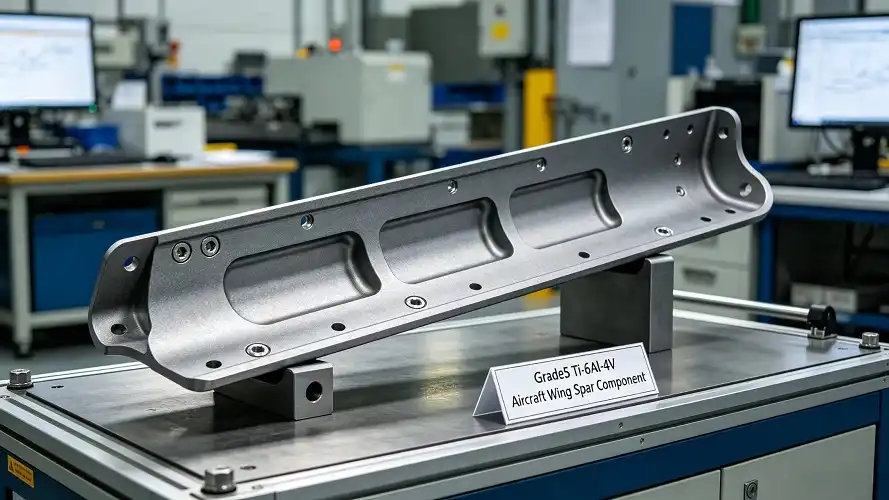
Finding the right balance between structural integrity and weight reduction is a steady task for aircraft makers. Titanium flat plates solve this problem because they are as strong as steel but only half as heavy. Gr5 plates are used to make bulkhead parts, wing attachment fittings, and landing gear systems that can withstand high-cycle wear while using less fuel. The material keeps its mechanical features even when it's very cold in the stratosphere or when it's hotter than 400°C in an engine. When defence companies use titanium for armour plates and military vessel parts, they choose the right grades because seawater corrosion doesn't affect them nearly as much as it does other metals, which break down in months. Since we supply more than 1,500 tonnes of specialised titanium products every year, we know that certification paperwork and being able to track materials have a direct effect on when projects can be approved. Full material test records, heat traceability, and compliance with AMS 4911 standards are all things that aerospace projects need. Our quality tools provide this information as standard.
Chemical Processing: Resisting the Most Aggressive Environments
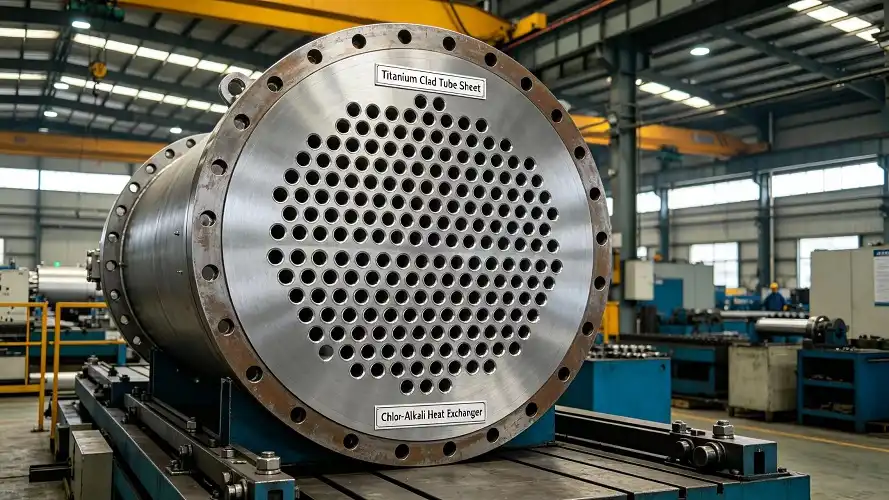
When working with chlorides, organic acids, and wet chlorine gas, companies that make chemical equipment switch from stainless steel plates to titanium flat plates. Heat exchangers made from Gr2 or Gr7 plates can work for decades in conditions that would rust 316L stainless steel in just a few years. Even though the initial investment seems higher, the total cost of ownership goes down a lot when you add up the costs of replacement and downtime. Titanium is good for reaction vessels, pickle tanks, and pressure vessel lids because it doesn't rust and can be welded. With a 90% market share in the coking sector, we make over 500 sets of titanium equipment every year. This shows that choosing the right materials can extend the life of equipment from 5 years between replacements to 20 years or more. Because we can customise our manufacturing, we can make plates that are the right size and finish for each customer's vessel design. This cuts down on waste and the need for welds.
Marine and Energy: Durability in Harsh Operating Conditions
Seawater, mechanical stress, and changes in temperature make the area where offshore platforms, filtration systems, and ship hull parts work one of the most corrosive places on Earth. Even marine-grade stainless steels get pitting and pocket rust, but titanium flat plates keep their structure strong. Titanium's ability to keep heat in and keep biofouling away from condenser plates in power plants makes it a good choice for these surfaces. In North American industrial markets, our all-titanium air coolers have become popular because they do away with the catastrophic failure modes that come with galvanic corrosion in mixed-metal designs. Titanium is being used more and more in heat recovery systems in the energy sector. Our largest titanium spiral plate heat exchanger is currently working for WUGANG Group, showing that it can handle complicated, large-scale installations.
Medical Applications: Biocompatibility Meets Mechanical Requirements
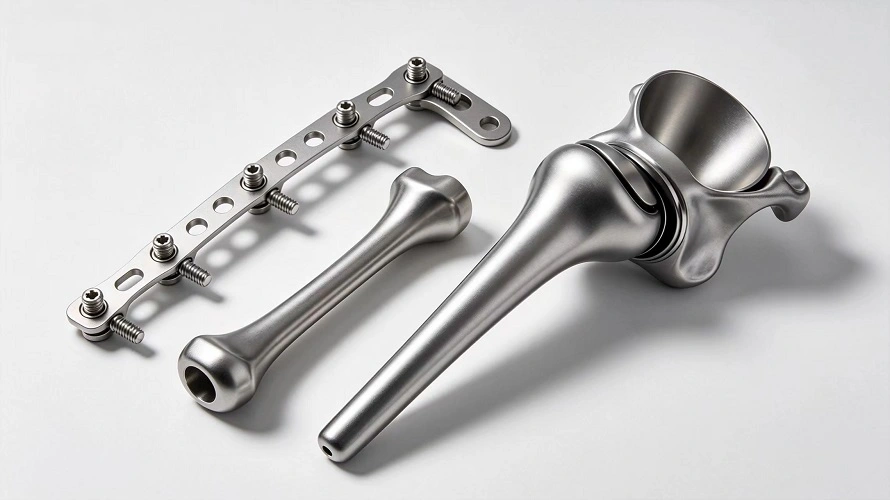
Medical device makers need materials that are strong enough for load-bearing implants and don't react badly with human flesh. Titanium is bio-inert and has a modulus of elasticity that is closer to human bone than other materials. This means that it doesn't protect against stress as well during orthopaedic repair. Medical-grade materials that meet ASTM F67 standards and Gr2 are used as feedstock for milling implants and surgical tools that are custom-made for each patient. Because it can osseointegrate, or directly connect with bone, the material can't be used for anything else in dental implants or spinal fusion devices. With precision machining, annealed plates can be shaped into complicated shapes while still keeping the close tolerances and smooth surfaces needed for medical uses. Our clean production area and methods for material certification make sure that we follow the FDA and ISO 13485 quality control systems that medical manufacturers need.
Titanium Flat Plate vs. Other Materials: Making Informed Decisions
Comparative Analysis: When Titanium Offers Superior Value
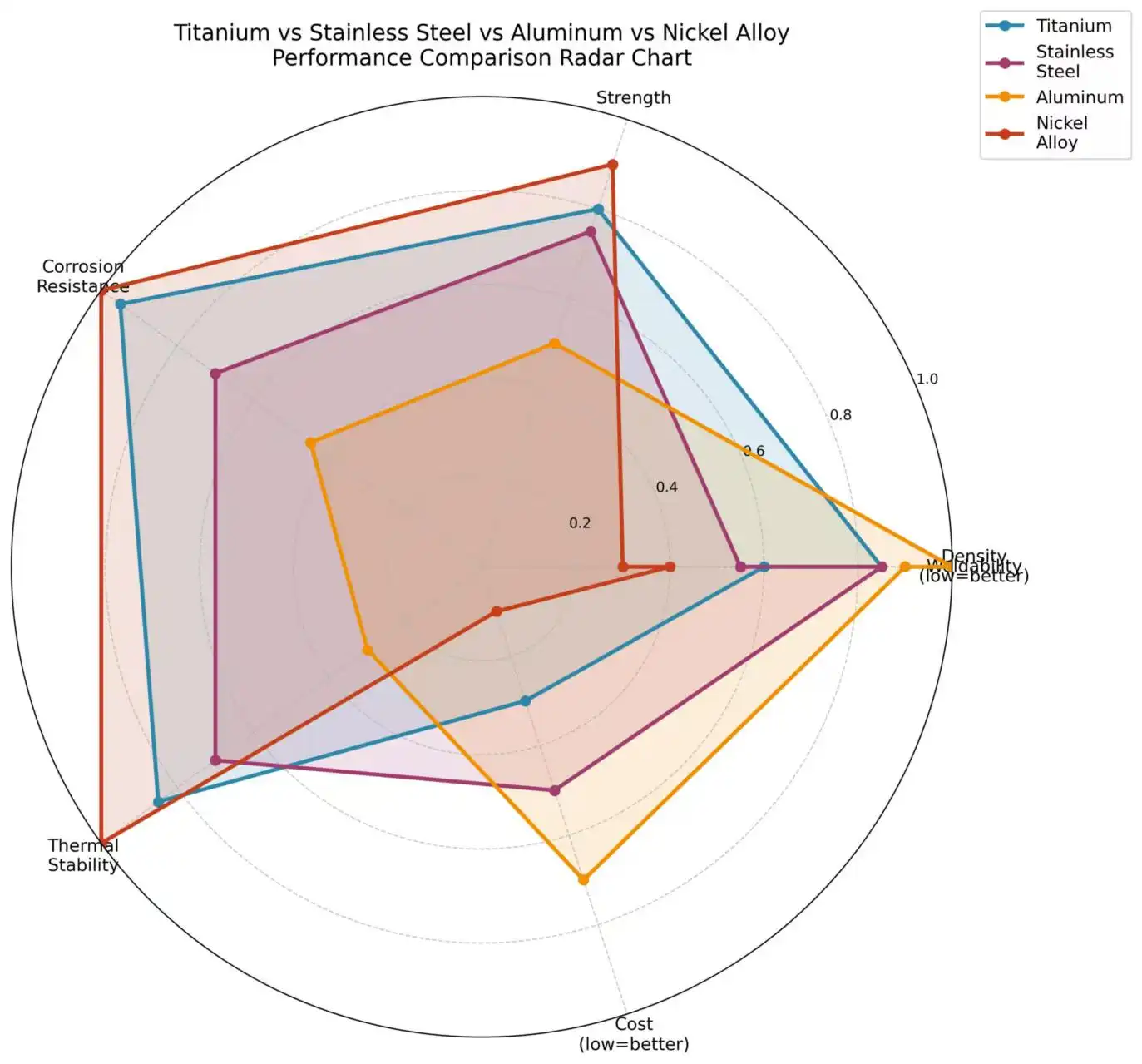
Purchasing managers often wonder if the higher cost of a titanium flat plate makes it worth specifying over other materials. The study needs to look at the total cost of ownership instead of just the price of the item. Stainless steel costs less at first, but it rusts in chloride conditions and needs to be replaced every three to five years in chemical processing or sea settings. Titanium systems that are kept in the same settings work for 20 years or more without breaking down. Aluminium saves about the same amount of weight, but it can't handle high temperatures and rusts quickly in acidic or alkaline environments. Nickel metals are very good at resisting rust at temperatures higher than those that titanium can handle, but they are much more expensive and harder to machine. When it comes to aerospace applications, the strength-to-weight ratio is very important. For every kilogram saved in structural weight, an aircraft can carry more cargo or use less fuel, which saves thousands of dollars every year over its service life.
Thickness and Grade Selection for Optimal Performance
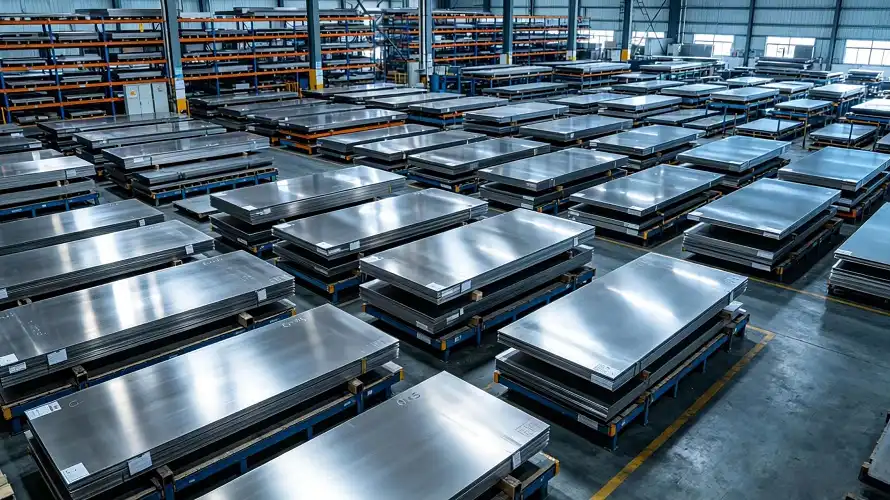
The project requirements tell you which materials to use, but knowing how thickness, grade, and application work together will help you get the best performance and lowest cost. Thinner plates (4–8 mm) made of Gr2 are usually used as corrosion barriers on chemical processing equipment where there isn't a lot of structural load. Pressure tanks that deal with mild pressures might need 12–20 mm Gr2 or Gr7 plates that have been properly stressed. When high strength and low weight are important, 8–15 mm Gr5 plates are often used for aerospace structure parts. Gr2 in thicknesses of 6 to 12 mm is useful for marine uses for hull plating and structural parts. We keep about 3,000 tonnes of different grades and thicknesses in stock, so we can quickly deliver materials for projects that need them without sacrificing quality or certification. Custom size lets buyers avoid paying for extra material that is thrown away during production, which lowers waste and improves the project's costs.
Processing and Handling Titanium Flat Plates: Cutting, Welding, and Fabrication
Best Practices for Cutting and Machining
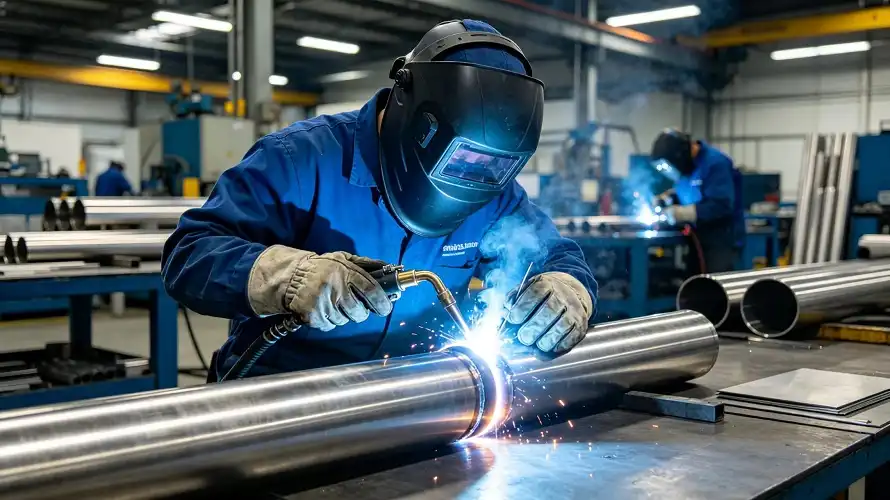
Titanium is hard to machine because it doesn't conduct heat well, so heat builds up at the cutting edge instead of spreading out into the body. Water jet cutting is great for complicated shapes because it keeps the material's properties without adding heat-affected zones. Plasma cutting works well for thicker plates when the quality of the edges is good enough that they can be machined later. When cutting thin materials, mechanical slicing works best for straight cuts. Titanium work-hardens when cut incorrectly, making subsequent processes more difficult. The key is to keep the tools sharp and the cutting speeds right. Our fabrication teams use specialised tools and cutting settings that they've learned over many years of experience. This makes sure that the dimensions are correct while keeping the material's natural qualities. Before welding, the surface needs to be prepared by removing any contaminated layer using acid pickling or mechanical abrasion. This keeps the metal from becoming weak during the joining process.
Welding Techniques and Oxidation Control
When welding titanium, you have to pay close attention to how the air is contaminated. The same reaction that makes titanium's protective oxide layer also breaks down molten metal in terrible ways when it comes into contact with oxygen, nitrogen, or hydrogen. Gas tungsten arc welding (GTAW/TIG) with argon shielding gives you the control you need for structural welds. Trailing shields protect the cooling weld beads until the temperatures drop below the levels that cause oxidation. When it comes to production settings that need deep entry with little heat input, electron beam and laser welding are better options. The quality of the weld has a direct effect on the service life, especially when the load is changing over time, and flaws cause stress cracks to form. Our certified welding methods and qualified operators make sure that joints meet the requirements of the AWS D1.9 structural welding code. Before they are shipped, radiographic and ultrasonic inspections make sure that the joints are still solid.
Value of Certified Fabrication Partners
A lot of engineering companies buy raw titanium flat plates, thinking that they will be easy to work with, like stainless steel, but they find that their regular shops don't have the specialised knowledge that titanium needs. When cutting, contamination, bad heat treatment, or not enough protection during welding happen, it leads to expensive scrap and project delays. These risks can be avoided by working with makers who have certifications that are specific to titanium. We offer custom cutting, welding, and finishing services that we've learned by making more than 500 sets of titanium equipment every year, such as heat exchangers, reactors, and air coolers for tough industrial uses. This unified method makes your supply chain simpler, cuts down on lead times, and guarantees that the final product meets all requirements the first time. We can work together technically because we have partnerships with research centers like the Northwest Institute for Nonferrous Metal Research. This means that we can contribute engineering solutions during the design phase instead of just carrying out purchase orders.
Procuring Titanium Flat Plates: What Buyers Must Know
Supplier Evaluation and Certification Requirements
Supplier approval is the first step to reliable buying. For material certification, paperwork must be able to trace each plate back to its original melt. This includes a chemistry study that proves the amounts of alloying elements and the content of the spaces between the elements. Compliance with ASTM B265 does not ensure quality on its own; third-party testing and audits of production sites are needed to give confidence. For certain processes, aerospace sources need to be certified by Nadcap, while makers of pressure vessels need to be certified by ASME. We have all the appropriate licenses and permits, and our quality management systems meet ISO 9001 standards. We also have facilities for testing materials that check their mechanical properties and analyse their chemical properties. Our more than 20 years of experience making titanium products, along with our status as a National High-Tech Enterprise and specialised "little giant" designation, show that we can consistently deliver the high-quality goods that long-term supply relationships need.
Pricing Dynamics and Volume Strategies
Titanium prices change based on the cost of raw materials, the difficulty of the grade, and market demand. However, buyers can still control a number of factors that affect the price. Choosing the right grade has a big effect on price; commercially pure grades are usually 30–40% less expensive than Gr5 metal. Prices change based on thickness because bigger plates need more processing passes and longer annealing processes. By making production more efficient and buying materials in bulk, volume agreements make it possible to get better prices. Standard sizes in stock ship quickly and at reasonable prices. Custom sizes may cost more because of the setup costs and minimum production runs. Custom sizing, on the other hand, is often cheaper than buying standard plates that are too big, which creates expensive waste during fabrication. We work with procurement teams to set up orders that balance urgent needs with chances for volume prices. For customers with ongoing needs, we may suggest setting up inventory consignment arrangements.
Building Long-Term Supply Partnerships
When buying certain things, one-time deals work well, but for strategic materials like titanium, it's better to work together. Suppliers who work with you on a regular basis know what your application needs, can predict those needs, and know how to prioritise orders when the market is short. We've built relationships with big companies like Jiangxi Copper Group by providing reliable shipping, technical support, and consistent quality that gets rid of problems with new inspections and production delays. Being the first private titanium company in Shaanxi Province to be traded on the National Equities Exchange shows that we are financially stable, which is important for making long-term promises. Since sales have grown by more than 30% a year for three years in a row, we're adding more space to meet the needs of our customers without sacrificing the responsive service that makes a partnership relationship different from a transactional relationship.
Conclusion
Titanium flat plates are the strongest, most corrosion-resistant, and lightest materials of their kind. They solve important engineering problems in fields like aircraft, chemical processing, marine, medical, and industrial. Knowing the differences between grades, the requirements for each grade, and the total cost of ownership helps you choose materials that work best for you and your budget. For procurement to go well, you need to work with experienced suppliers who can provide more than just materials. You also need suppliers who can offer professional advice, special fabrication, and reliable shipping. Industries want equipment to work better and last longer. Titanium's special properties make it the best choice for situations where failure is not an option and long-term costs are more important than initial investment.
FAQ
1. What differentiates titanium flat plates from titanium sheets?
The main difference is in the width and the way it was made. Titanium flat plates are usually between 4 mm and 80 mm thick and are hot-rolled to make specific grain shapes that are good for structural uses. Sheets are usually less than 4 mm thick, and they can be cold-rolled, which gives them different surface finishes and ways to be shaped. Plates are used to hold weight and keep air in, while sheets are used to make parts and cover surfaces.
2. How does titanium's corrosion resistance compare to stainless steel's?
Titanium works much better than stainless steel in chloride settings, organic acids, and wet chlorine gas, which are all places where stainless steel gets pitting and crevice rust. The natural development of a self-healing titanium dioxide film protects titanium from the rust processes that break it down. But stainless steel works well in less harsh settings and costs less, so choosing the right material for the job is important.
3. Can titanium flat plates be customized for specific project requirements?
Customisation is something that is offered as standard, not as an exception. Titanium flat plates can be made with particular sizes, finishes, and edge preparations to meet the needs of the job. For tough uses, custom heat treatments, thickness tolerances, and flatness requirements can be made to fit. Working with suppliers that allow design teamwork ensures that the performance standards are met by the materials and that the manufacturing process is as efficient as possible.
Partner With Jucheng Titanium for Your Titanium Flat Plate Requirements
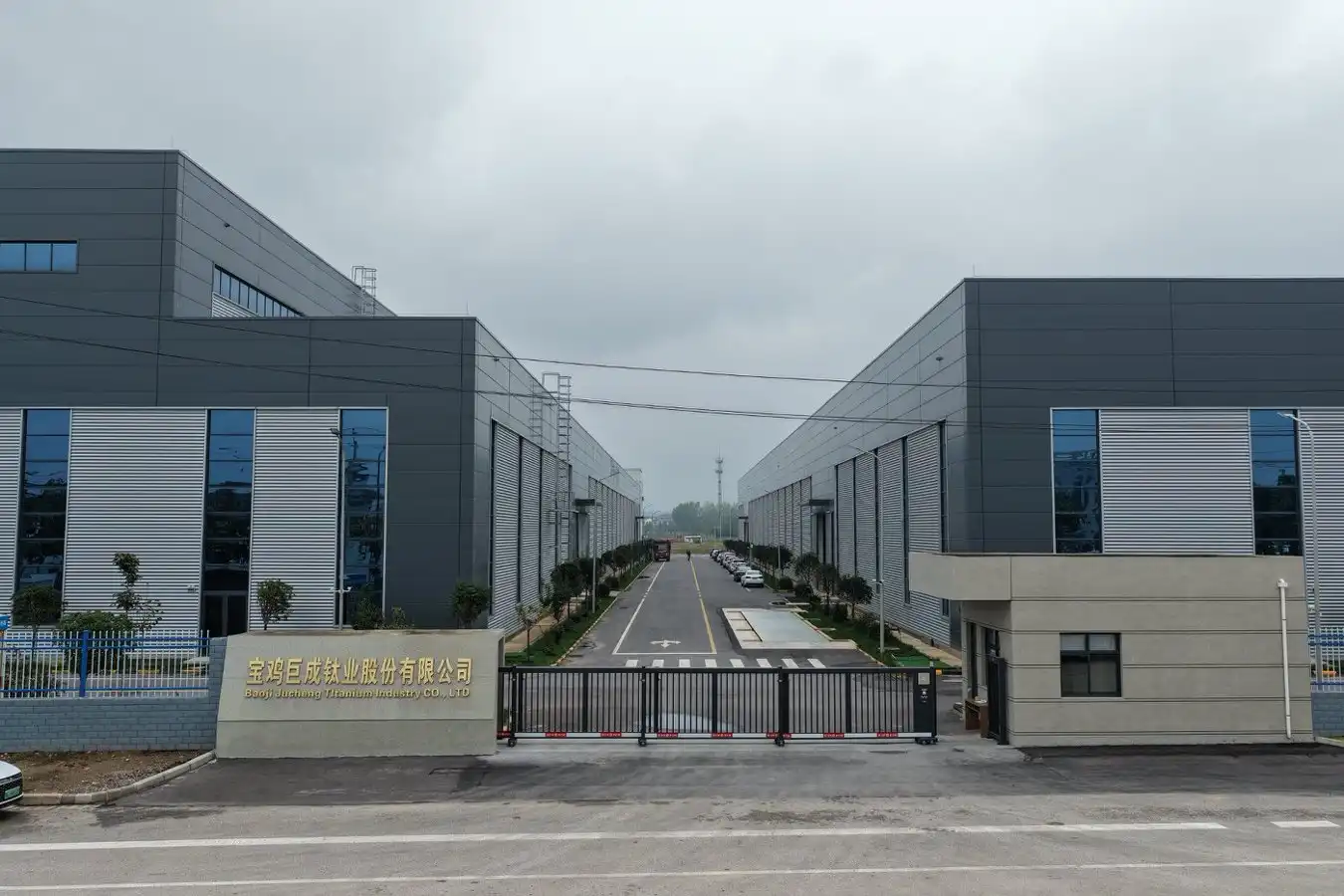
Everything we do at Jucheng Titanium is based on our more than 20 years of experience in this field. Our 120,000-square-meter plant in Baoji, China's Titanium Valley, holds about 3,000 tonnes of grade-certified stock, so we can quickly deliver Gr1, Gr2, Gr5, Gr7, Gr9, and Gr12 plates that meet ASTM B265, AMS 4911, and ASME SB265 standards. As a specialised "little giant" business with 4 idea patents and 41 utility model patents, we offer more than just materials. We also offer full solutions, such as custom cutting, welding, and manufacturing services. Our technical team works with clients from the first planning phase to the final installation phase. To solve difficult engineering problems, they use relationships with research institutions. Our quality systems and standards make sure that your exact needs are met, whether you need aerospace-grade plates that can be fully tracked, materials that don't rust for chemical processes, or medical-grade titanium for biomedical uses. Get in touch with our team at s4@juchengti.com to talk about your needs with a reliable titanium flat plate provider that cares about quality, technical innovation, and customer satisfaction.
References
1. Boyer, R., Welsch, G., & Collings, E.W. (1994). Materials Properties Handbook: Titanium Alloys. ASM International, Materials Park, Ohio.
2. Donachie, M.J. (2000). Titanium: A Technical Guide, 2nd Edition. ASM International, Materials Park, Ohio.
3. Lutjering, G. & Williams, J.C. (2007). Titanium, 2nd Edition. Springer-Verlag, Berlin Heidelberg.
4. American Society for Testing and Materials (2021). ASTM B265-20a: Standard Specification for Titanium and Titanium Alloy Strip, Sheet, and Plate. ASTM International, West Conshohocken, Pennsylvania.
5. Schutz, R.W. & Watkins, H.B. (1998). Recent developments in titanium alloy application in the energy industry. Materials Science and Engineering: A, Volume 243, Issues 1-2, March 1998.
6. Peters, M., Kumpfert, J., Ward, C.H., & Leyens, C. (2003). Titanium Alloys for Aerospace Applications. Advanced Engineering Materials, Volume 5, Issue 6, June 2003.