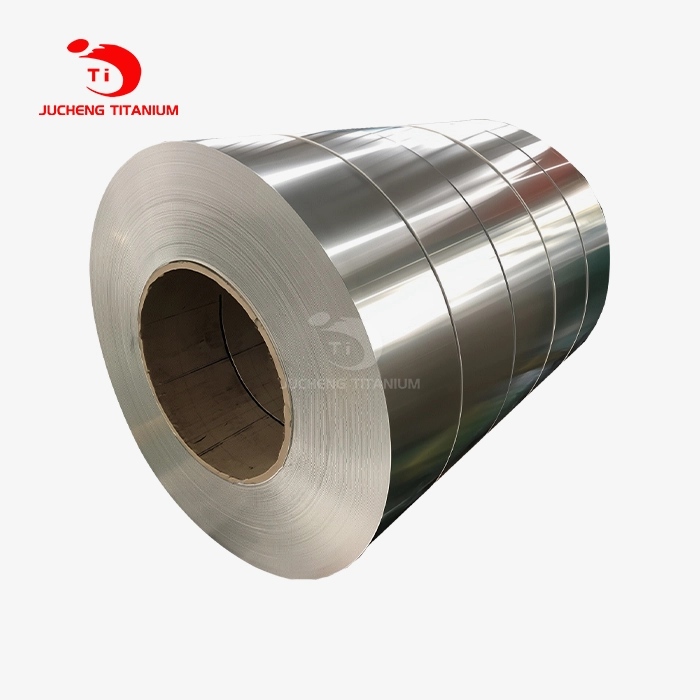

Characteristics and Uses of Titanium Grade 2 Sheets
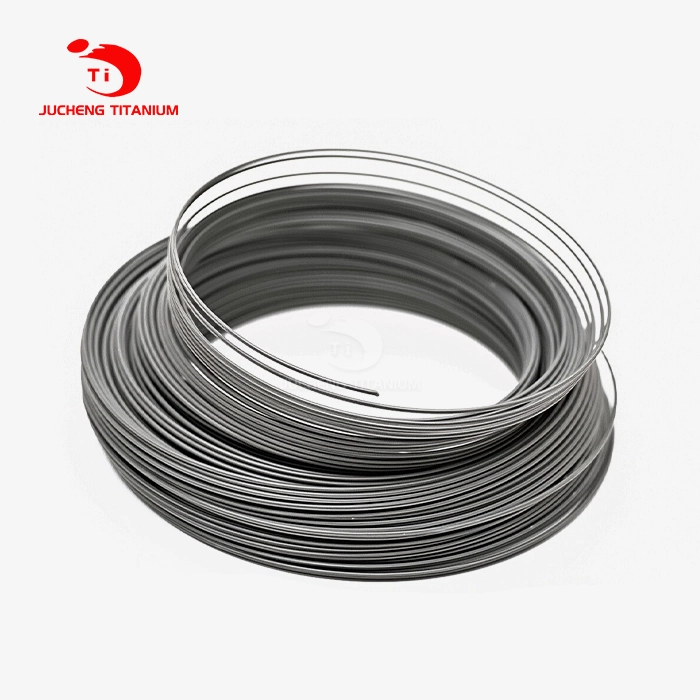
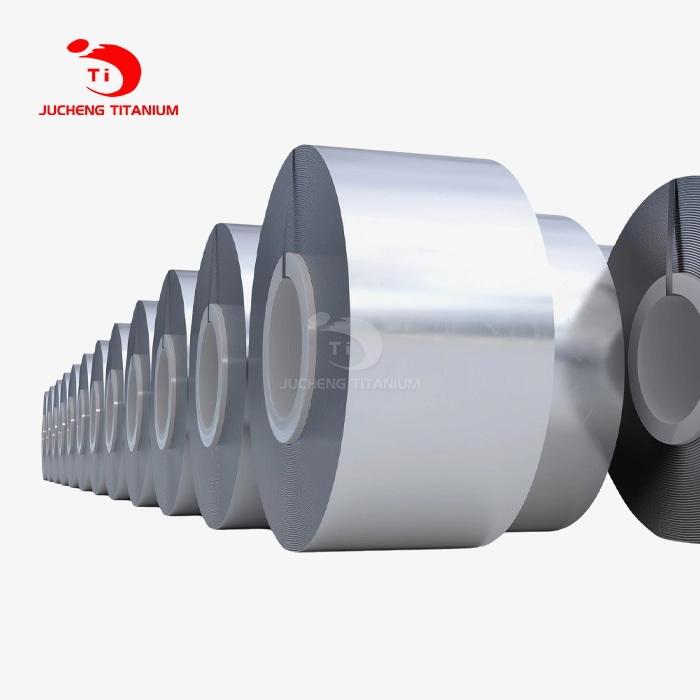
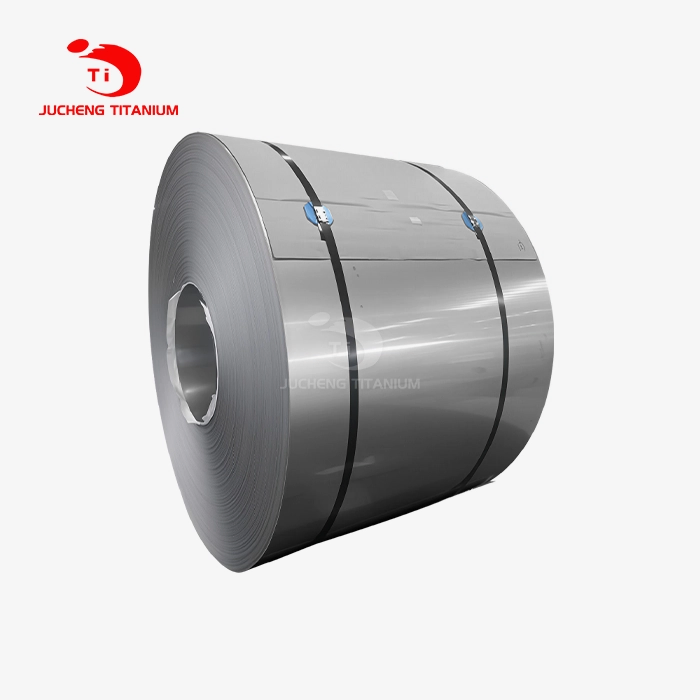
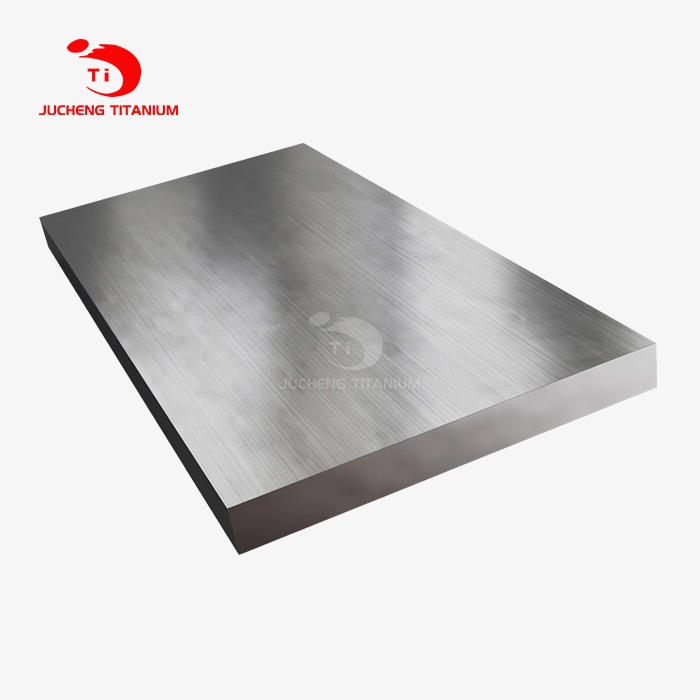
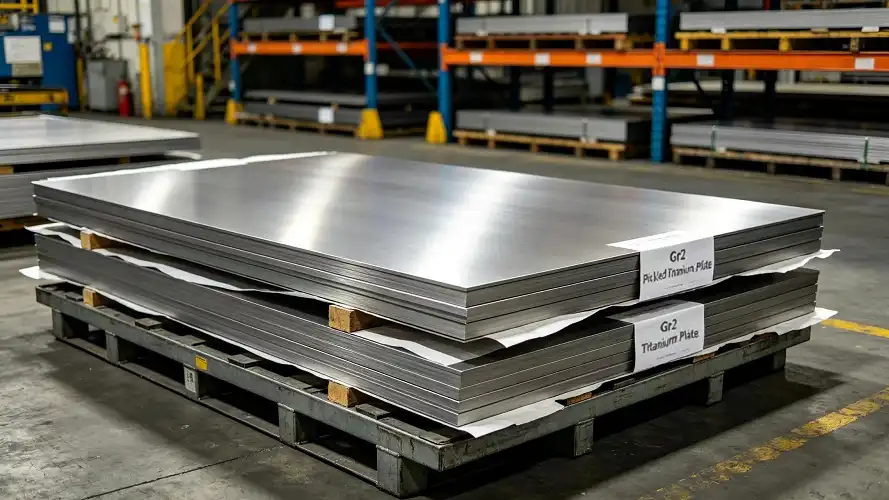
Grade 2 titanium plate is the most commonly ordered commercially pure titanium material in the industrial world. It has a great mix of strength, formability, and resistance to rust. This unalloyed titanium sheet (UNS R50400) solves a very important problem for manufacturers: it stops chloride-induced rust completely while still being easy to cold work and join. When compared to higher-strength alloys that need special tools to be shaped, Grade 2 titanium plates work well in chemical processing, marine engineering, and aerospace, where materials that can handle harsh environments without sacrificing durability or ease of fabrication are needed.
Understanding the Key Characteristics of Grade 2 Titanium Sheets
The effectiveness of commercially pure titanium sheets comes straight from how they are made and how tightly controlled their chemical makeup is. When purchasing managers look at material specs, they need to know what makes this grade different from others and how its qualities can help the business.
Chemical Composition and Purity Standards
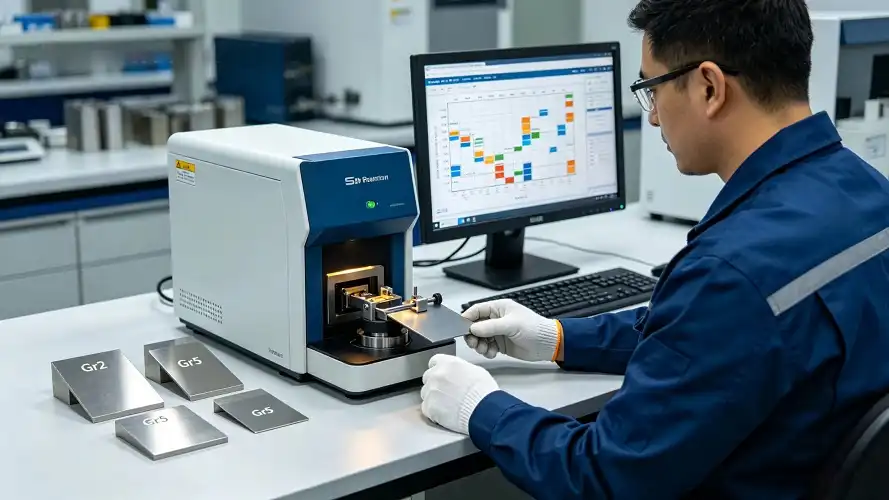
Grade 2 titanium has tight limits on its composition to make sure that all runs of production are the same. Nitrogen (0.03%), Carbon (0.08%), Hydrogen (0.015%), Iron (0.30%), and Oxygen (0.25%) make up the material's highest weight percentages. Titanium makes up the rest. The amount of oxygen in a material affects its tensile strength directly, while the amount of iron in it affects its resistance to rust in reducing acids. As per ASTM B265 and ASME SB265 guidelines, our factory uses hot rolling, heating, levelling, and pickling methods to make sure that the microstructures are all the same. Material certifications check that hydrogen levels stay below certain levels so that each plate can pass an inert gas fusion test.
Mechanical Properties and Performance Metrics
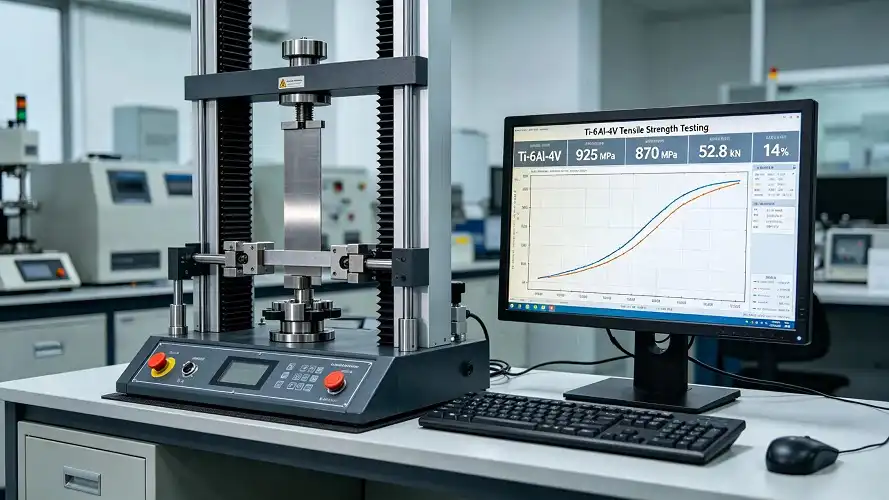
Knowing the load-bearing ability of a gauge helps engineers choose the right gauges for building uses. The minimum tensile strength of Grade 2 titanium plate is 50 ksi (345 MPa), and the minimum yield strength is 40 ksi (275 MPa) at a 0.2% shift. The sheets can stretch more than 20% in two inches. Hardness is usually between 160 and 200 Brinell, which is high enough for sliding contact uses. The material's density of 4.51 g/cm³ makes it about 56% lighter than steel, which lowers the structural loads in spacecraft parts and sea platforms. With a melting point of 1660°C (3020°F), these sheets stay the same size in moderately hot or cold places. However, the temperature should stay below 425°C for long-term use to keep rust from speeding up.
Corrosion Resistance and Surface Stability
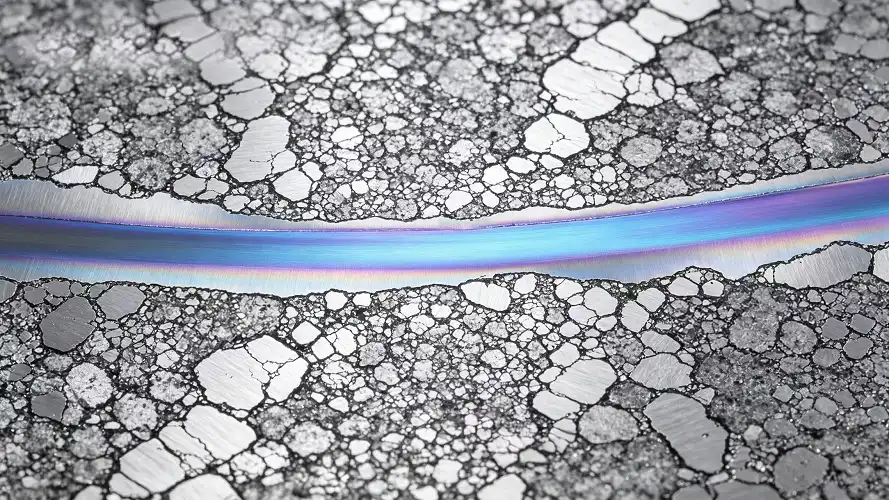
The best thing about commercially pure titanium is that it forms an oxide layer without being touched. Titanium sheets instantly form a stable TiO₂ film when they come into contact with oxygen. This film can fix itself if it gets damaged, protecting the sheets from pitting and crevice corrosion in seawater, wet chlorine, and hypochlorite solutions. This passive layer stays in place even in pH ranges where stainless steel breaks down quickly. When people who make chemical processing equipment have to choose between Grade 2 titanium and nickel alloys, they often choose titanium because it has zero corrosion allowance requirements, which lets the walls be thinner. This makes up for the higher material costs by saving weight and increasing the service life.
Comparison with Other Titanium Grades and Metals
Grade 2 is in the middle of the series of commercially pure titaniums. Although Grade 1 is easier to shape, it is not as strong (35 ksi tensile), so it is best used for deep drawing tasks where structural loads are low. Grades 3 and 4 are stronger because they have more oxygen in them, but they lose some of their flexibility. Grade 5 (Ti-6Al-4V) has a tensile strength of 130 ksi, but it needs to be formed in a certain way and is harder to weld than Grade 2. Titanium sheets are half as heavy as stainless steel and are more resistant to rusting in chloride settings. However, their low thermal conductivity (16.4 W/m·K) makes them less useful for heat transfer tasks where aluminium or copper would work better.
Industrial Applications of Grade 2 Titanium Plates and Sheets
Real-life examples of deployment show how the properties of a material can be used to improve operations in a wide range of demanding industries. Knowing about these uses helps buying teams find ways to make tools last longer and lower their lifecycle costs.
Chemical Processing and Chlor-Alkali Systems
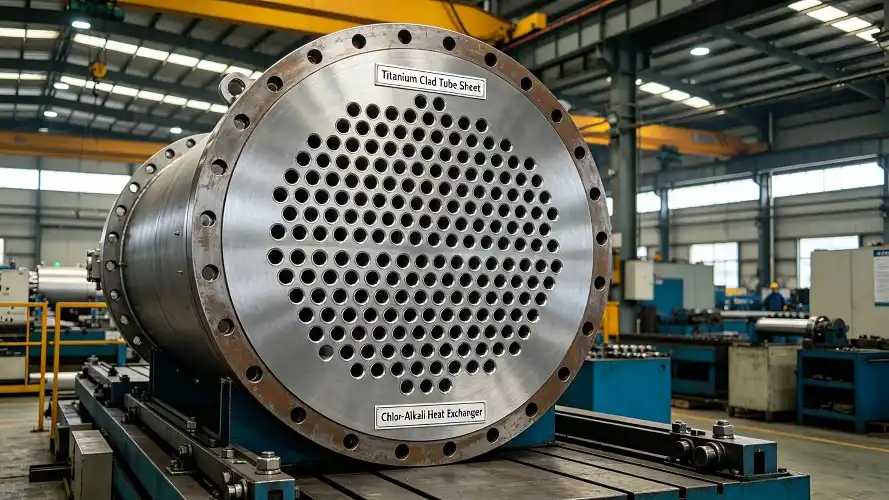
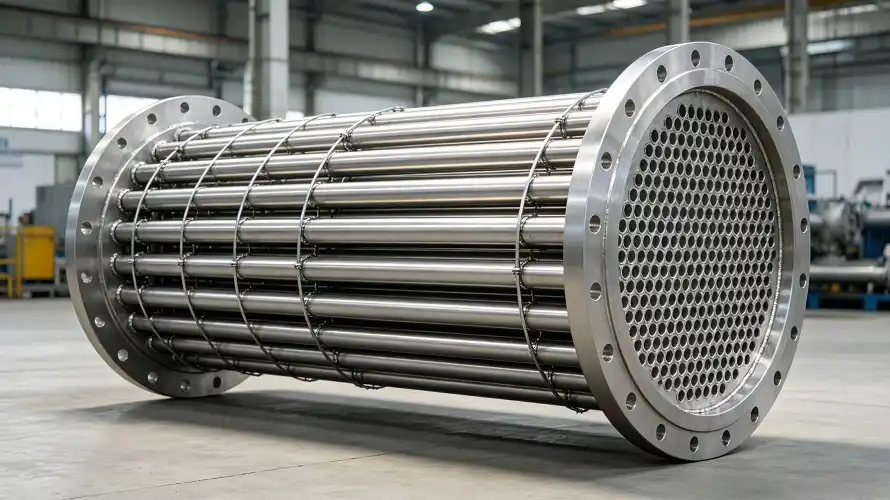
Titanium sheets are mostly used to make reaction vessels, heat exchanges, and storage tanks that deal with high amounts of chlorine gas, sodium hypochlorite, and nitric acid. We recently helped the operator of a chlor-alkali plant change some nickel-alloy electrolyser parts to Grade 2 titanium parts. This got rid of a problem that kept happening because of localised cracking. The device has been running for three years, and the surface has not worn down. This proves that titanium is resistant to rust caused by microbes in high-chloride process streams. Manufacturers of heat exchangers choose Grade 2 for tube sheets and channel heads because it doesn't crack easily under stress, which is an advantage in places where 316L stainless steel needs to be inspected and replaced often.
Desalination and Power Generation Equipment
Titanium sheets are used for the condenser tube sheets and flash chamber linings of multi-stage flash desalination plants. This is because the high-velocity seawater flow breaks down copper-nickel metals very quickly. A desalination plant in the Middle East that uses our Grade 2 titanium tube sheets says they last 15 years without losing any thickness. Other materials need to be replaced every five years. Power generation condensers also benefit because titanium doesn't grow biofouling, which cuts down on maintenance downtime. Because the material doesn't wear away at seawater speeds of more than 3 meters per second, it is essential for cooling systems that only go through once in coastal power plants.
Aerospace Structural Components and Ducting
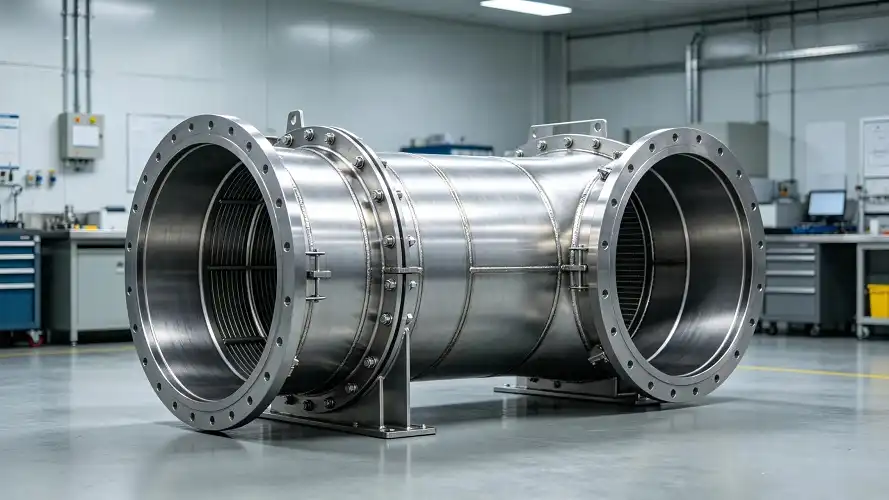
Grade 2 titanium plates are used by aircraft makers in firewall panels, ducting for environmental control systems, and non-load-bearing structural brackets where reasonable strength is enough but fire resistance and corrosion resistance are still important. Because the material can be shaped, complex duct geometries can be made without heat treatment. This lowers the cost of making the parts compared to Grade 5 titanium. Defence contractors use these plates to make housings for radar equipment and electronic enclosures. The higher cost of the material is justified by its ability to resist corrosion in salt spray environments and its ability to pass electromagnetic waves. Some aeroplane models use Grade 2 for their wing skins because it is better at handling heat expansion when it is close to titanium structures than when it is stronger.
Fabrication Best Practices and Joining Techniques
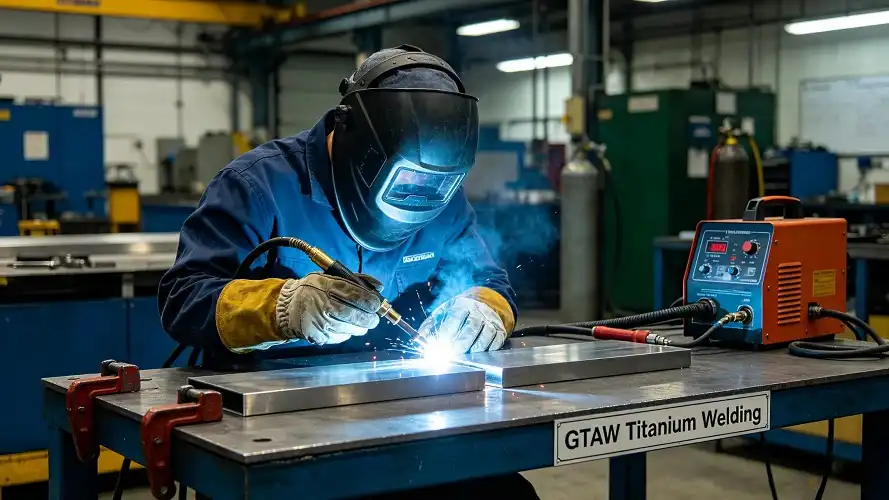
To successfully make titanium sheets, you need to pay attention to how to keep them clean and choose the right tools. Cold forming works well with bend radii as small as 2.5 times the thickness of the material, but spring-back properties mean that overbending needs to be compensated for. We suggest using titanium-only tools to keep iron from getting into the material and creating galvanic corrosion spots. Gas tungsten arc welding (GTAW) with argon shielding is used to join Grade 2 sheets together. This keeps the weld face and root side from getting contaminated by air, which can weaken the weld. Welds that are working properly are silver or straw-colored. Blue, grey, or white discoloration means oxygen has been picked up and needs to be removed. To keep work from stiffening and galling, machining uses sharp tools, slow speeds (30–50 sfm), high feed rates, and a lot of water flow.
How to Choose the Right Grade 2 Titanium Plate for Your Business Needs
When choosing materials strategically, you have to weigh technical needs against things like wait times, certification standards, and the total cost of ownership. Buyers who are knowledgeable look at more than just unit price when judging a supplier's capabilities.
Decision Factors for Procurement Managers
Analysis of the application setting is the first step in choosing the right titanium sheet specs. Chemical processing equipment that comes into contact with acidic chloride solutions needs Grade 2's resistance to corrosion. On the other hand, aircraft structural parts may be able to use aluminium where weight savings and resistance to corrosion are both important. The minimum thickness is set by the strength requirements. Our engineering team helps with finite element analysis to get the most out of the materials used. Lead times depend on the specification. Standard ASTM B265 sheets that have been annealed ship within two weeks from our 3,000-ton inventory, but custom sizes that need to be hot rolled take 6–8 weeks. Costs are affected by certification requirements, and aerospace uses that need full material test reports and traceability according to AMS 4911 add paperwork costs that aren't present in buying chemical equipment for commercial use.
Supplier Evaluation and Quality Certifications
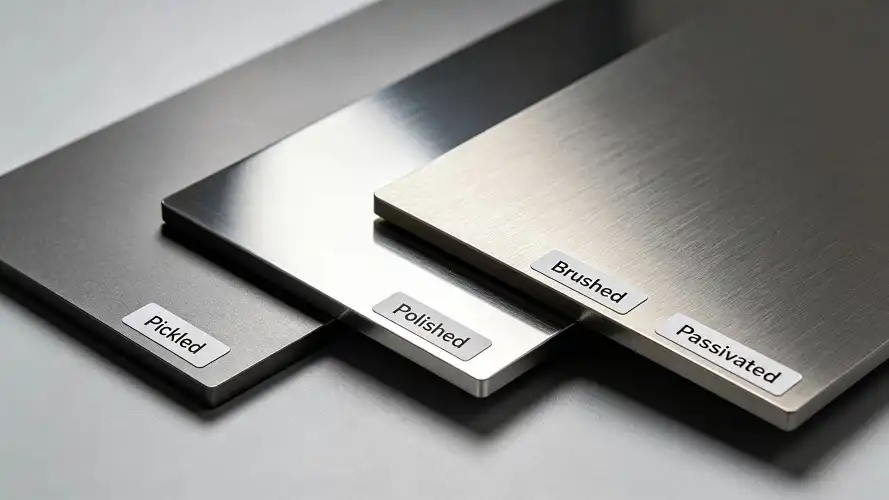
Reliable Grade 2 titanium plate providers show they can do more than just stock materials. We keep our ISO 9001 certification up to date and give out material test certificates (MTC) that meet the requirements of EN 10204 3.1. These certificates show the chemical makeup using optical emission spectrometry and the mechanical traits using tensile testing according to ASTM E8. Ultrasonic testing according to ASTM B548 is part of our quality control process. It finds things below the surface that could cause stress cracks. Buyers should make sure that suppliers offer a range of surface finishes. For example, our acid-pickled, machined, and polished options meet a range of needs for cleanliness and appearance. Processing freedom is important. To save our customers time and effort, we offer custom cutting, water jet shaping, and edge preparation. Technical support shows how deep the partnership is; our metallurgists help with choosing materials, making sure welding procedures are safe, and figuring out why things fail when problems happen in the field.
Bulk Ordering and Customization Advantages
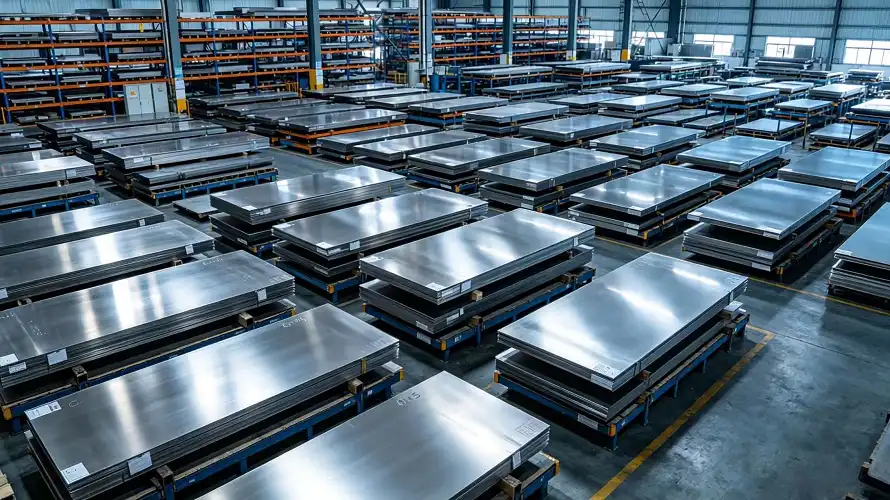
Buying in bulk can save you money, and customising it can meet the needs of a specific application. If you order full mill runs (usually at least two to three tonnes), the price per kilogram drops by 15 to twenty percent compared to buying in small amounts. Our factory makes sheets that are 4 mm thick up to 80 mm thick, up to 2,500 mm wide, and up to 10,000 mm long. These sheets are long enough to fit big pressure tank shells and heat exchanger plates without having to be field-welded. Cutting to net measurements is part of custom processing, which cuts down on material waste at the customer's location. Pharmaceutical equipment needs to be able to handle clean processes, and there are different ways to treat the surfaces, from mill finish to electropolished surfaces with Ra <0.4µm. We keep a range of grades in stock, including Gr1, Gr2, Gr4, Gr5, Gr7, Gr9, and Gr12. This lets you compare specifications side-by-side and make quick prototypes before committing to large-scale production.
Problem-Solving Guide: Overcoming Common Challenges with Grade 2 Titanium Sheets
Problems in fabrication and service mean that proactive strategies are needed to keep materials performing well throughout the lifecycle of equipment. Learning from common mistakes speeds up projects and keeps them from needing expensive redos.
Machining and Forming Difficulties
Titanium is hard to machine because it doesn't conduct heat well and reacts chemically with tool materials. Steels don't have these problems. Galling happens when there isn't enough coolant, and chips can weld to the cutting edges. We suggest using water-soluble coolants at high flow rates (at least 10 gallons per minute) and moving the tools around often. Because of work hardening during making, cold work can only be reduced by 15-20% between annealing rounds. When shops try strong bending without intermediate stress release, cracks show up along the bend lines. To account for springback, the goal form must be bent 10-15 degrees beyond its final shape. Laser cutting makes clean edges, but it needs nitrogen assist gas to keep the metal from oxidising. Plasma cutting, on the other hand, leaves heat-affected areas that need to be removed by machine or pickling in nitric acid and hydrofluoric acid solutions.
Welding Quality and Joint Integrity
The biggest threat to the quality of a titanium weld is contamination. Welds that are exposed to the atmosphere while they are cooling become weak and easily break. For proper shielding, you need backing bars with purge gas lines, trailing shields that run 8 to 12 inches behind the welding torch, and stainless steel brushes made just for titanium for cleaning before the weld. Hydrogen from water or hydrocarbon contamination causes cracks to appear hours after welding. To get rid of surface moisture, store filler wire in sealed containers and heat the base metal to 50°C. To control distortion, the right fixtures and balanced welding sequences must be used. Our expert team gives approved welding procedure standards (WPS) based on ASME Section IX. These WPS include parameters for a range of joint configurations and thicknesses.
Storage and Long-Term Material Preservation
Keeping the surface clean stops pollution that weakens the resistance to rust. Keep Grade 2 titanium plates away from carbon steel and aluminium by using wooden dunnage or plastic pieces between them. Putting them in direct touch with these metals can cause galvanic corrosion when condensation happens. Cover the material to keep dust from building up, but make sure there is enough air flow to keep moisture from building up. Separate working with titanium from working with ferrous metals so that iron particles from nearby grinding operations don't get embedded in the titanium surfaces and cause rust stains and corrosion start points. Clean the metal with acetone or an alkaline cleaner before welding or forming. Do not use chlorinated liquids because they leave behind halide leftovers. Pickling with 20–30% nitric acid and 2–3% hydrofluoric acid gets rid of surface oxides and embedded contamination. This restores the integrity of the passive film after it has been damaged by heat or mechanical forces.
Conclusion
Grade 2 titanium plate has the best mix of resistance to corrosion, mechanical stability, and flexibility in how they are made, which makes them ideal for use in chemical processing, marine engineering, and aircraft manufacturing. The passive oxide layer of the material works without any maintenance in places where other metals need to be replaced often. This means that the initial cost of the material will be saved over its lifetime. By choosing qualified suppliers with a wide range of technical support services, strong quality systems, and a large inventory, you can keep project schedules on track and meet strict performance standards. Manufacturers of industrial equipment are under more and more pressure to extend service times and cut down on downtime. Commercially pure titanium plates are an option that has been used successfully in the field for decades.
FAQ
1. What distinguishes Grade 2 titanium from stainless steel in corrosive environments?
Grade 2 titanium plate creates a titanium dioxide passive layer that is self-healing and resistant to pitting and crevice corrosion caused by chloride, which breaks down stainless steels quickly in bleach and seawater. The chromium oxide film on stainless steel breaks down in low-pH chloride solutions, allowing localised attack. Titanium, on the other hand, stays passive across a wider pH range and higher chloride concentrations, so designers don't have to account for rust when they create it.
2. How do lead times compare between standard and custom Grade 2 titanium specifications?
When it comes to standard ASTM B265 specifications, annealed titanium usually ships within 10 to 14 days from Jucheng Titanium's stock, which includes about 3,000 tonnes of different grades. Lead times can be up to 6 to 10 weeks longer for custom sizes that need mill rolling, special surface treatments, or non-standard metal compositions. This depends on the production schedule and the finishing needs. Orders that are more than 5 tonnes may be able to be processed faster.
3. Can Grade 2 titanium sheets be welded to other metals?
Due to the formation of brittle intermetallic compounds, direct fusion welding of titanium to metals that are not the same is not possible. To connect titanium to steel or aluminium, you need to use mechanical binding, explosive bonding, or transition joints with special covered plates. Titanium-to-titanium welds reach the full strength of the base metal as long as proper protection keeps the weld from getting contaminated. For Grade 2 material, most uses don't need a heat treatment after the weld.
Partner with Jucheng Titanium for Reliable Grade 2 Titanium Plate Supply
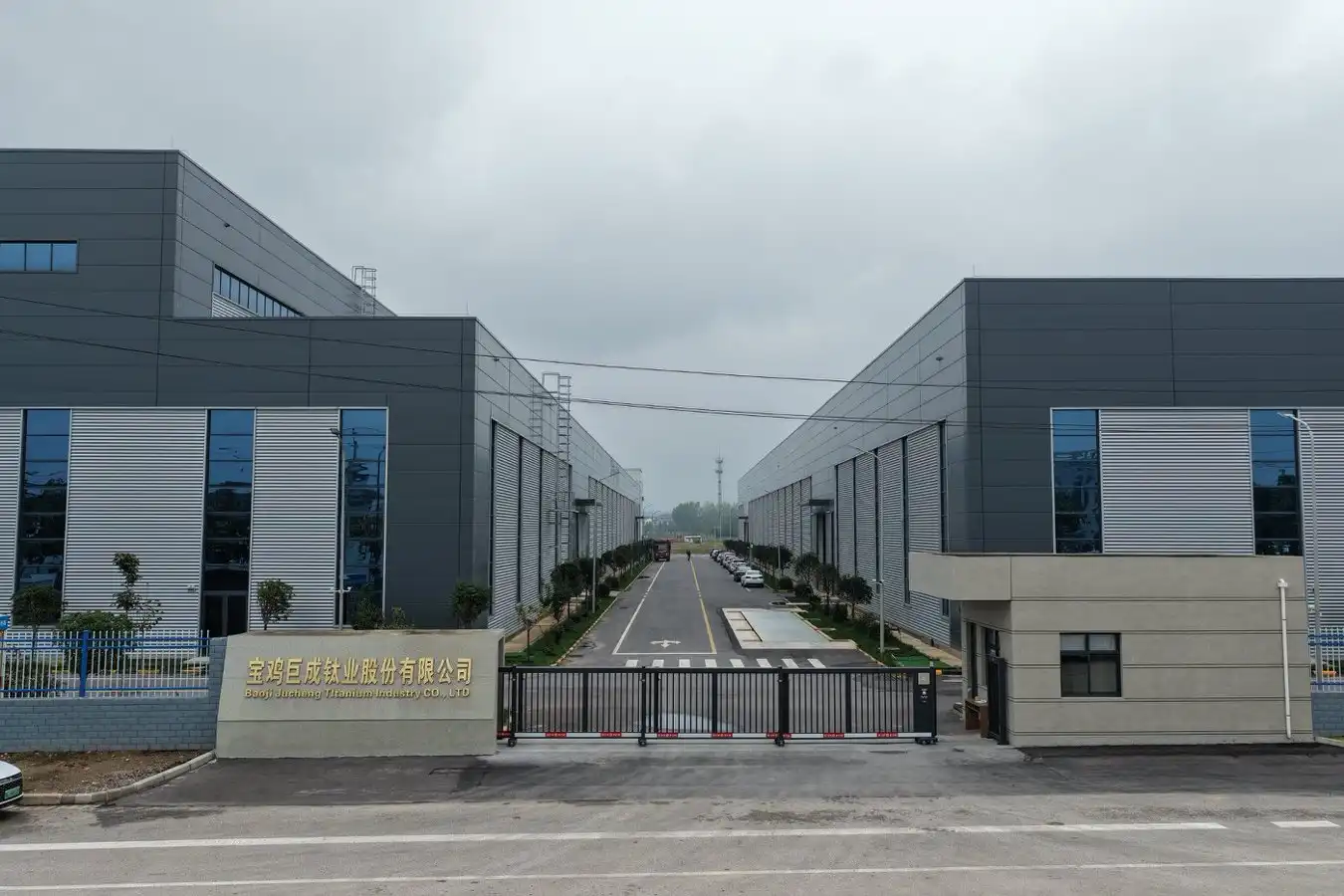
Jucheng Titanium has been in the titanium business for 20 years, so you can trust us to give you commercially pure titanium sheets that meet the strictest requirements. We make Grade 2 titanium plates that meet ASTM B265, ASTM F67, AMS 4911, and ASME SB265 standards. The thicknesses range from 4mm to 80mm, and we are a National High-Tech Enterprise with over 45 patents and specialised "little giant" recognition. Our 120,000-square-meter plant in Baoji, China's Titanium Valley, keeps 3,000 tonnes of stock on hand so that we can quickly deliver for important projects. We can also do custom processing to meet your specific needs for size and finish. Whether you need corrosion-resistant parts for chemical equipment, aerospace-grade structural sheets, or a lot of supplies for distributors, our expert team can help you with all aspects of metalworking, from choosing the right specifications to fixing problems during production. You can talk to our sourcing specialists at s4@juchengti.com about your needs for Grade 2 titanium plate, ask for material certifications, or set up sample packages that show how committed we are to quality and service excellence.
References
1. American Society for Testing and Materials. (2021). ASTM B265: Standard Specification for Titanium and Titanium Alloy Strip, Sheet, and Plate. West Conshohocken, PA: ASTM International.
2. Boyer, R., Welsch, G., & Collings, E.W. (1994). Materials Properties Handbook: Titanium Alloys. Materials Park, OH: ASM International.
3. Donachie, M.J. (2000). Titanium: A Technical Guide (2nd ed.). Materials Park, OH: ASM International.
4. Schutz, R.W., & Thomas, D.E. (1987). "Corrosion of Titanium and Titanium Alloys." In Corrosion: Metals Handbook (9th ed., Vol. 13, pp. 669-706). Materials Park, OH: ASM International.
5. American Society of Mechanical Engineers. (2019). ASME SB-265: Specification for Titanium and Titanium Alloy Strip, Sheet, and Plate. New York, NY: ASME.
6. Lutjering, G., & Williams, J.C. (2007). Titanium (2nd ed.). Berlin: Springer-Verlag.