



AMS 4911 titanium sheet vs AMS 4900: which one to pick?
If you are sourcing titanium sheet for aerospace, defense, or industrial applications, you have likely encountered both AMS 4911 and AMS 4900. The short answer: AMS 4911 titanium sheet is Ti-6Al-4V (Grade 5) in the annealed condition — built for high-strength structural applications — while AMS 4900 covers commercially pure titanium (CP Ti, Grade 2) for applications where formability and corrosion resistance matter more than raw strength. Choosing between them depends on your load requirements, operating temperature, budget, and certification demands. This guide walks you through both specifications so you can make a confident procurement decision.
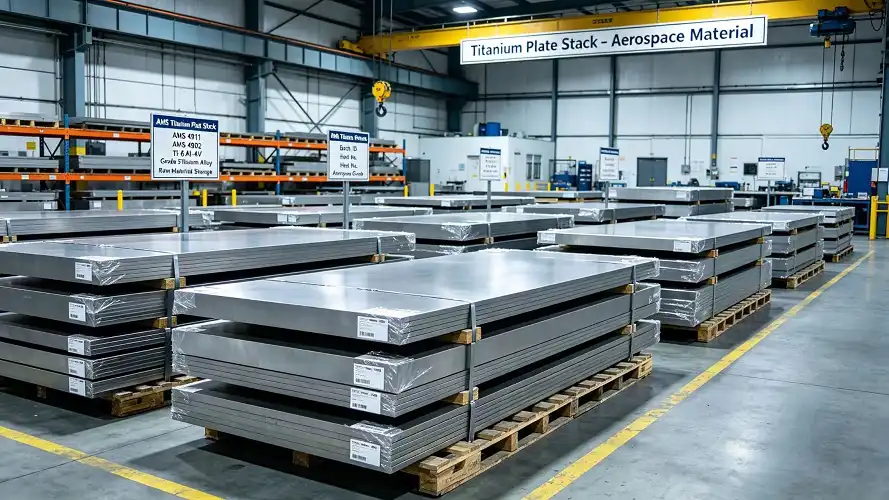
Understanding AMS 4911 and AMS 4900 Titanium Sheets
What Is AMS 4911?
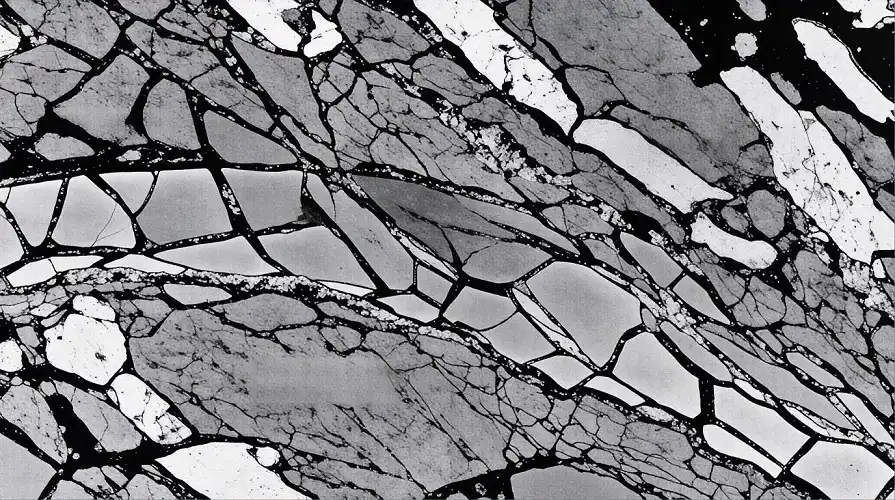
In the mill-annealed state, AMS 4911 describes Ti-6Al-4V sheet, strip, and plate. There are 6% aluminum and 4% vanadium in the alloy, which creates an alpha-beta microstructure. The minimum ultimate tensile strength is 130 ksi (896 MPa), and the minimum yield strength is 120 ksi (827 MPa). Its density is 4.43 g/cm³, which is about 40% less than steel but has the same strength. It is often used for aircraft skins, turbine support structures, and military gear because it can withstand temperatures up to 400°C (750°F) every day.
What Is AMS 4900?
AMS 4900 covers titanium sheet and strip that is pure enough for sale and is the same as ASTM B265 Grade 1 or Grade 2. It doesn't have any alloying added to it, so its tensile strength is lower (usually 50–70 ksi), but it is very flexible and doesn't rust. As CP titanium is easy to shape and weld, AMS 4900 is suitable for chemical processing equipment, heat exchangers, and medical containers where chemical stability and complicated shapes are more important than structural load-bearing.
How Each Grade Is Processed
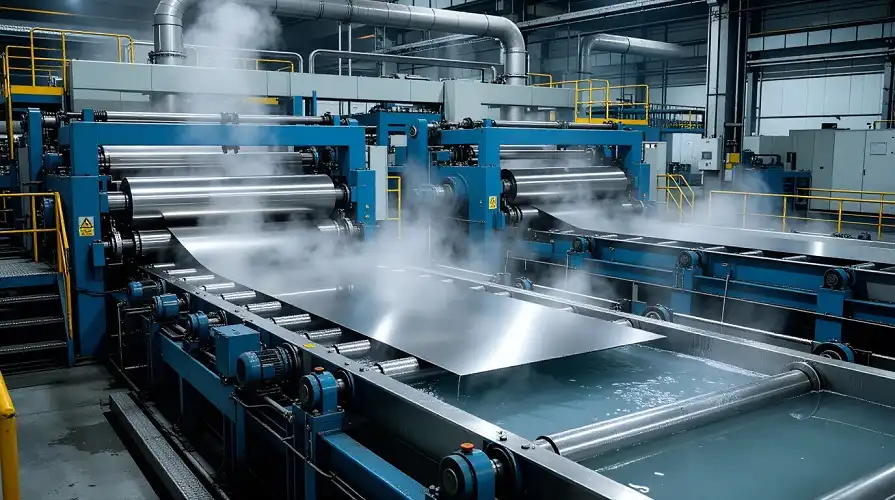
In line with ASTM B265, AMS 4911, and ASME SB265, both grades are made at Jucheng Titanium as hot-rolled sheet that has been dried out. Sizes range from 4 mm to 80 mm thick, 950 mm to 2,500 mm wide, and up to 10,000 mm long (custom sizes are possible). To get a certain finish, surface processes like acid pickling, polishing, and grinding are used.
Key Differences Between AMS 4911 and AMS 4900 Titanium Sheets
Mechanical Property Comparison
The difference in mechanical performance between the two specs is big, and it's what most people use to decide what to buy. A look at both sides at once:
You can find this material under the names AMS 4911 (Ti-6Al-4V) and AMS 4900 (CP Ti Gr 2). The minimum tensile strength is 130 ksi (896 MPa), and the maximum yield strength is between 50 and 70 ksi (345 and 480 MPa). Length: min 10% | max 20%+ | Max Service Temp: ~400°C | ~260°C | Density: 4.43 g/cm³ | 4.51 g/cm³ |
| Property | AMS 4911 (Ti-6Al-4V) | AMS 4900 (CP Ti Gr 2) |
|---|---|---|
| Ultimate Tensile Strength | Min 130 ksi (896 MPa) | ~50–70 ksi (345–480 MPa) |
| Yield Strength | Min 120 ksi (827 MPa) | ~40–65 ksi (275–450 MPa) |
| Elongation | Min 10% | 20%+ |
| Max Service Temp | ~400°C | ~260°C |
| Density | 4.43 g/cm³ | 4.51 g/cm³ |
These numbers show that AMS 4911 is the best choice when strength-to-weight ratio is important.
Corrosion Resistance and Chemical Compatibility
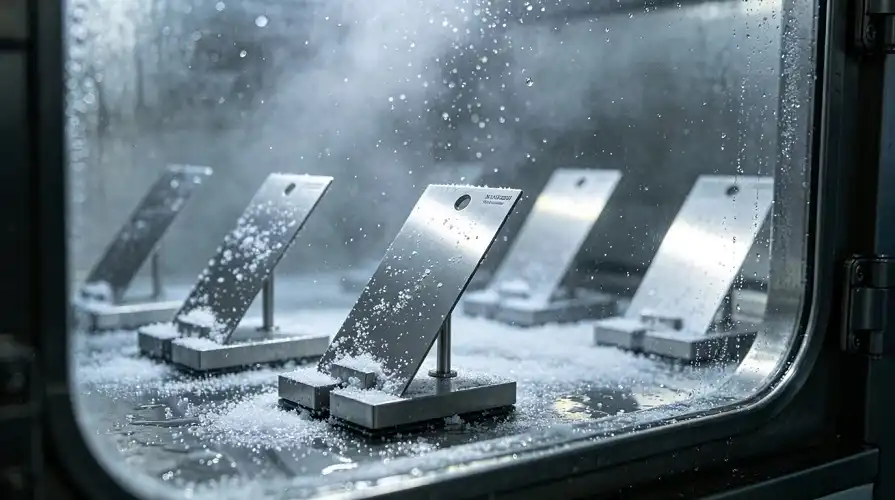
When it comes to corrosion, AMS 4900 CP titanium does a better job in oxidizing acids and chloride-rich environments. For this reason, people who work in chemical plants with nitric acid, seawater, or brine loops often choose AMS 4900. AMS 4911 titanium sheet is still very resistant to rust, but it values mechanical performance over pure chemical inertness. This means that it works better for structural frames and load-bearing panels than for wet surfaces.
Cost and Supply Chain Factors
The unit cost of AMS 4911 is higher because it has more alloying elements and the specification calls for tighter microstructure controls. AMS 4900 is easy to find in bulk and costs less per kilogram than other materials. Distributors and selling companies that need to manage inventory risk can lower their holding costs by keeping AMS 4900 in stock. But buyers in aerospace and defense usually don't mind paying more for AMS 4911 because FAA and MIL-SPEC rules make it necessary for buyers to be able to track the certifications.
How to Decide Which Titanium Sheet to Choose
Match the Material to the Load Environment
The first thing to check is whether the part can hold structural load at high temperatures. AMS 4911 is the best choice if the answer is yes. Airframe ribs, brackets, and bulkheads are often subjected to cyclic loads that are too much for CP titanium to handle. AMS 4900 is a cheaper option that meets the needs of parts that work below 260°C in
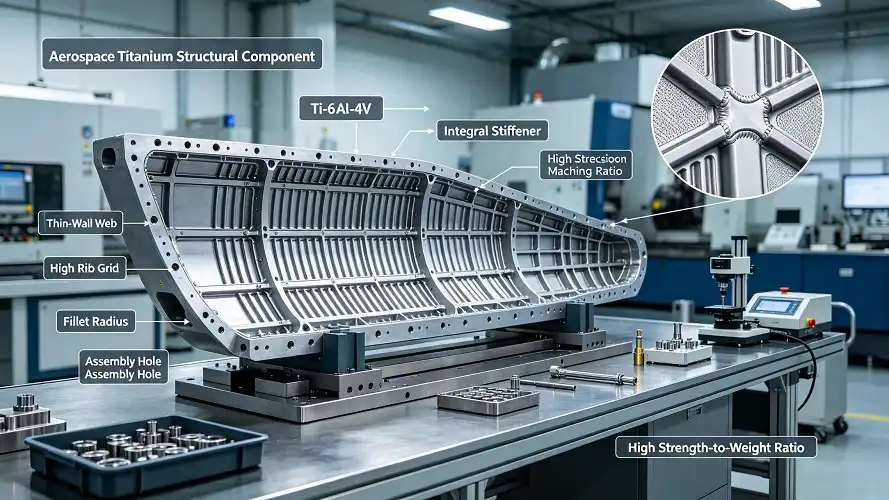
a corrosive medium. It can be used as a lining, cladding, or a casing.
Check Certification and Compliance Requirements
Most aerospace projects with NADCAP, AS9100, or MIL-spec contracts need to use AMS 4911. There must be a Mill Test Report (MTR) on every package that links the chemical and mechanical data to the original melt heat number. Medical device makers who follow ISO 13485 can choose AMS 4900 for biocompatibility reasons, since CP titanium has been shown to integrate with bone in implant studies. Before you place an order, you should always check what the end-use specification says.
Evaluate Cost-Performance Tradeoffs
When a buying manager is weighing budget vs. performance, they should model the full lifetime cost, not just the price of the materials. Over time, an AMS 4900 screen that rusts inside a heat exchanger in three years costs more than an AMS 4911 part that stays the same for the life of the asset. If you use AMS 4911 for a chemical tank covering that doesn't support weight, it costs more without being worth it. The easiest way to save money is to match the grade to the application.
AMS 4911 Titanium Sheet Supplier Insights and Procurement Tips
What to Look for in a Certified Supplier
A good company that makes AMS 4911 titanium sheets should have quality certifications that can be shown. At the very least, they should have ISO 9001, but AS9100 is better for aerospace supply chains. Ask for full MTRs for each heat, which should include the chemical makeup, tensile test results, and confirmation of the microstructure. Jucheng Titanium is based in Baoji, which is China's designated titanium production hub. The company has 4 idea patents and 41 utility model patents, and it keeps about 3,000 tons of titanium in stock all year so that it can be delivered quickly for important projects.
Grades, Sizes, and Customization Available
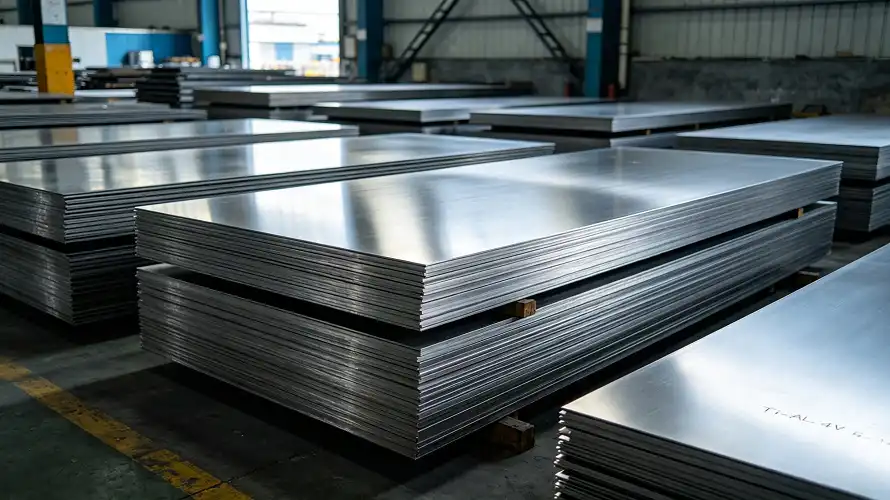
Jucheng Titanium sells titanium sheet in grades Gr1, Gr2, Gr4, Gr5, Gr7, Gr9, and Gr12. The sheet is rolled, heated, leveled, pickled, and given a smooth finish on the outside. The standard sizes for this product range from 4 mm to 80 mm thick, 950 mm to 2,500 mm wide, and up to 10,000 mm long. Custom cuts are also possible. The production line can make either a ready-made toughened plate or a blank that has been carefully cut.
Procurement Tips for Bulk and Project Orders
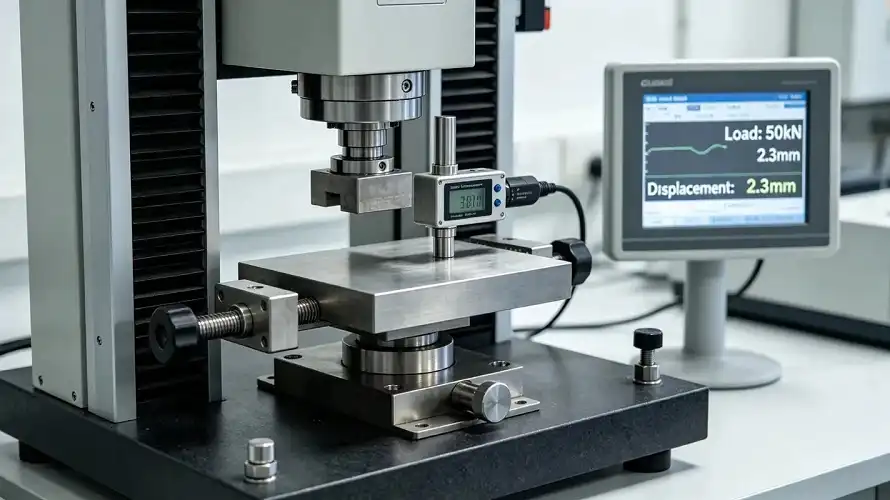
Ask for approved test results and a sample coupon for independent mechanical testing before you place a large order. Write down your wait time goals, especially for thicknesses that aren't normal. Locking in prices through a framework deal guards against changes in the prices of raw materials for project-based procurement with timelines of 6 to 18 months. Because Jucheng Titanium has a history of exporting to over 100 countries and works with OEM/ODM companies, it is easy for wholesalers in the US, Europe, and Southeast Asia to place repeat orders and get the same high quality.
Comparing AMS 4911 with Other Titanium Sheet Grades
AMS 4911 vs AMS 4912 and AMS 4910
The dimensions of AMS 4912 covered Ti-6Al-4V sheet that has been annealed are a little different from those of AMS 4911. AMS 4910 covers Ti-3Al-2.5V, a metal with lower strength that is mostly used in hydraulic tubes and bicycle frames. If your design needs a flat Ti-6Al-4V product, AMS 4911 is still the main military standard. AMS 4912 is sometimes used for slightly different thickness ranges or fabrication tolerances.
AMS 4911 vs Grade 5 ASTM B265
Ti-6Al-4V is discussed in both ASTM B265 Grade 5 and AMS 4911. However, AMS adds stricter process controls, microstructure requirements, and fatigue-related testing that ASTM B265 does not require. General industrial use may be enough with ASTM B265 Grade 5. If a part is flight- or defense-critical, it needs to have the AMS name. Using ASTM B265 instead without technical permission can break airworthiness rules.
AMS 4911 vs Stainless Steel
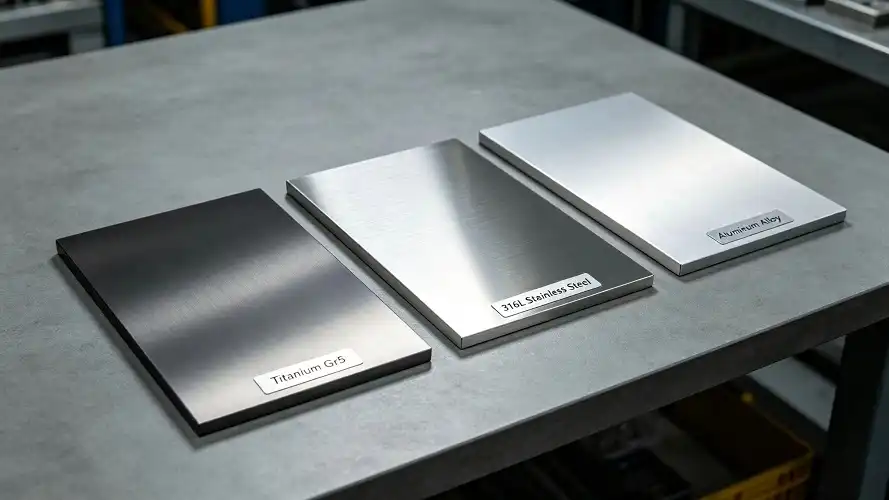
When engineers compare titanium sheet to 316L stainless steel, they often look at how much heavier one is. According to AMS 4911, Ti-6Al-4V has about 60% of the mass of steel and has the same tensile strength while having a much smaller structural weight penalty. Titanium is much better at resisting pitting corrosion than 316L in chloride environments. This is why the offshore, marine, and chemical industries have slowly switched to titanium, even though it costs more at first.
Conclusion
The AMS 4911 titanium sheet is good for high-strength, high-temperature, and flight-critical structural uses that need to be able to track their approval. CP titanium's chemical resistance and lower cost are the main reasons why AMS 4900 is used in applications that need to be resistant to rust and have good formability. For most aerospace, military, and high-load industry users in the US market, AMS 4911 is the important standard to follow. AMS 4900 is a better value for chemical processing, medical enclosures, and industrial parts that need to be cheap. Make the standards for your application clear, then match the grade to them.
FAQ
1. What is the main difference between AMS 4911 and AMS 4900?
For chemistry and medical uses, AMS 4900 covers widely pure titanium that is less strong but easier to shape and less likely to rust.
2. Can AMS 4911 titanium sheet be welded?
The usual way to do it is to use TIG welding with high-purity argon protection on both sides. Oxygen or nitrogen in the air can weaken the weld, so it's very important to use the right shielding.
3. Is AMS 4911 always more expensive than AMS 4900?
In general, yes, because of the higher cost of alloying and stricter licensing rules. But AMS 4911 is often better in terms of lifetime cost in structural situations where AMS 4900 wouldn't work because of the load or temperature.
4. How do I verify a legitimate AMS 4911 shipment?
You should ask for a Mill Test Report (MTR) that is tied to the original melt heat number. The MTR should prove the chemical makeup, the tensile and yield strengths, and the elongation, all of which can be linked to the exact production batch.
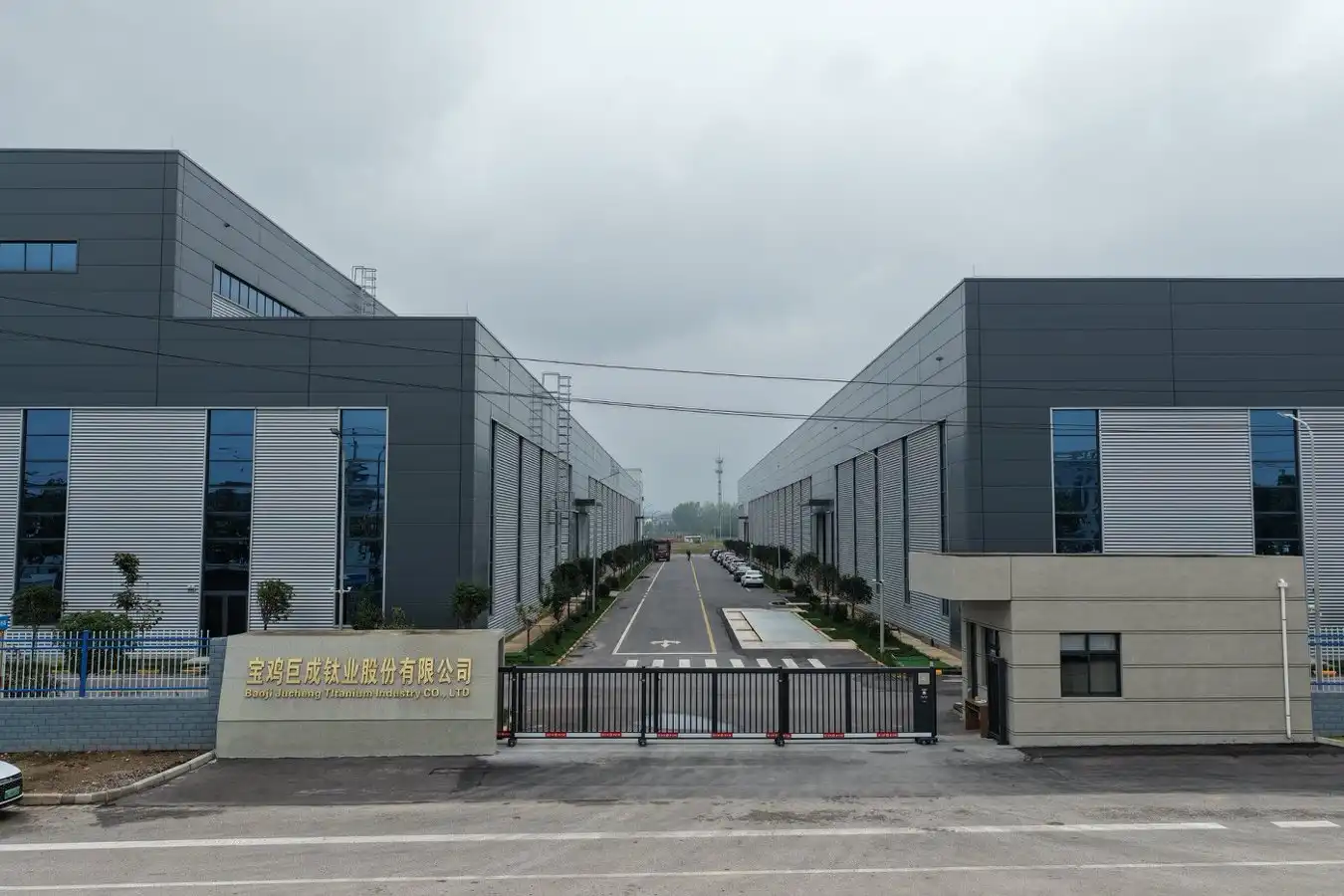
Request a Quote from Jucheng Titanium — Your AMS 4911 Titanium Sheet Supplier
From Baoji, China's titanium production center, Jucheng Titanium has served business-to-business customers around the world for more than 20 years. We ship AMS 4911 titanium sheet to buyers in the US, Europe, and Southeast Asia. We have 3,000 tons of stock on hand, process it in an ISO-certified way, and can do OEM/ODM work for Gr1 through Gr12. You can email our team at s4@juchengti.com to get approved datasheets, prices, or a sample order.
References
1. SAE International. AMS 4911: Titanium Alloy, Sheet, Strip, and Plate, 6Al-4V, Annealed. SAE International, 2015.
2. ASTM International. ASTM B265: Standard Specification for Titanium and Titanium Alloy Strip, Sheet, and Plate. ASTM International, 2020.
3. Boyer, R., Welsch, G., & Collings, E. W. Materials Properties Handbook: Titanium Alloys. ASM International, 1994.
4. Donachie, M. J. Titanium: A Technical Guide, 2nd Edition. ASM International, 2000.
5. Lütjering, G., & Williams, J. C. Titanium, 2nd Edition. Springer, 2007.
6. Peters, M., Kumpfert, J., Ward, C. H., & Leyens, C. "Titanium Alloys for Aerospace Applications." Advanced Engineering Materials, Vol. 5, No. 6, 2003.