



Titanium Sheet 4mm vs Stainless Steel: Which Is Better?
When comparing a titanium sheet 4mm to stainless steel at the same gauge, titanium wins on strength-to-weight ratio, corrosion resistance, and service life in aggressive environments. A 4mm titanium sheet weighs roughly 56% less than equivalent stainless steel while delivering comparable or superior tensile strength—Grade 2 offers 345 MPa, and Grade 5 (Ti-6Al-4V) exceeds 895 MPa. For aerospace firewalls, marine heat exchangers, or chemical reactors, titanium's self-healing oxide layer provides immunity to chloride stress corrosion cracking. Stainless steel remains cost-effective for general fabrication. Your best choice depends on operating environment, load requirements, and total lifecycle cost.
Understanding the Basics: Titanium Sheet 4mm and Stainless Steel Sheet
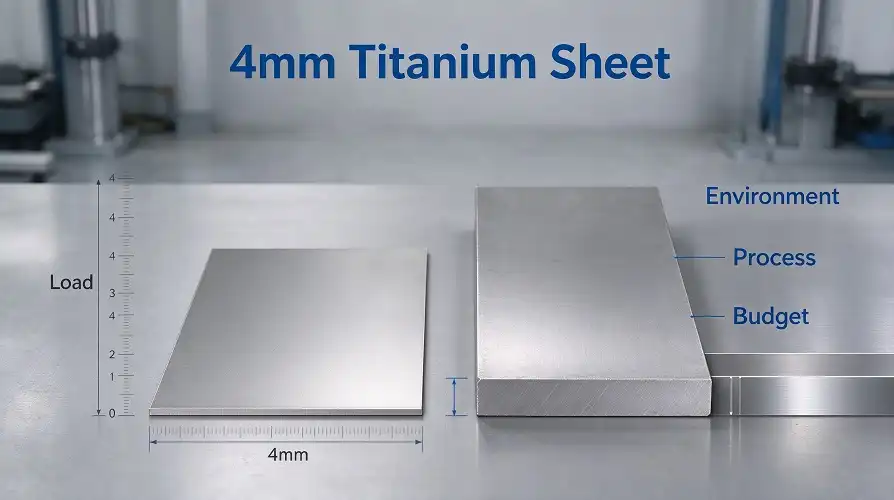
What Is a 4mm Titanium Sheet?
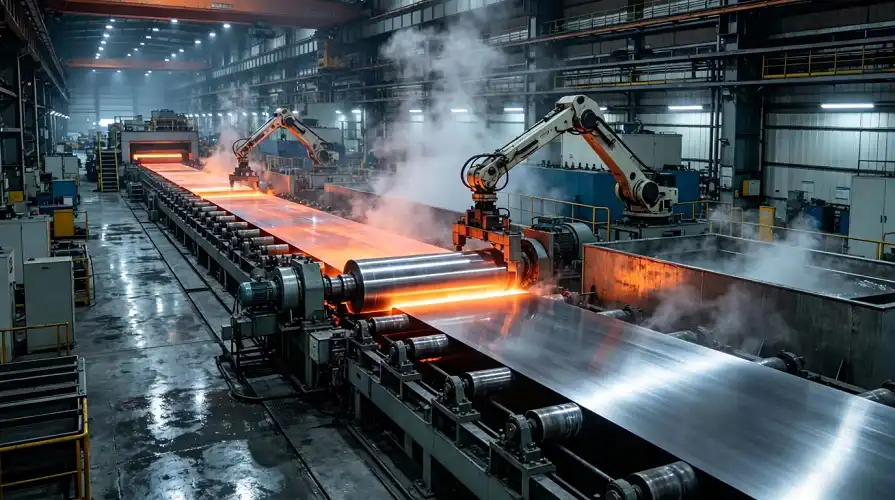
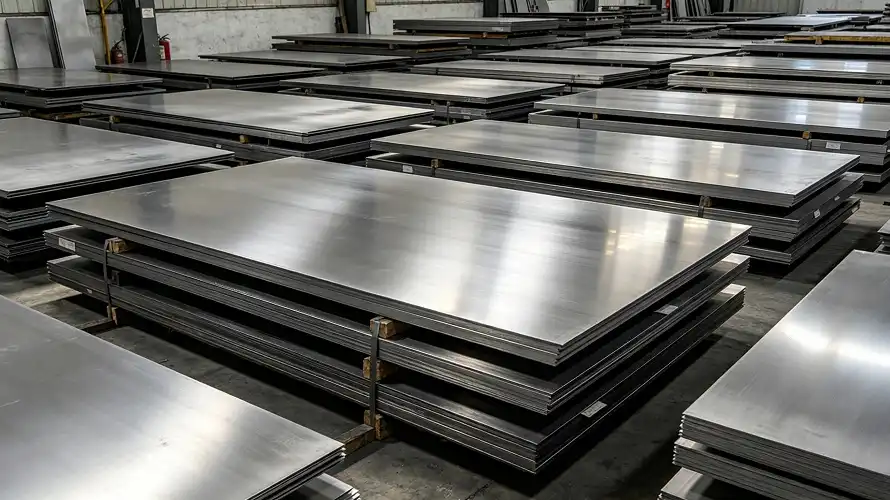
A titanium flat-rolled sheet of 4 millimetres in thickness may be found at the intersection of the thin gauge and the solid plate. The process of hot rolling, annealing, levelling, pickling, and polishing the surface results in it having accurate size tolerances and isotropic mechanical characteristics. This is due to the manufacturing process. Sheets are available at Jucheng Titanium for students in grades 1, 2, 4, 5, 7, 9, and 12, respectively. The standards that have been established by ASTM B265, ASTM F67, AMS 4911, and ASME SB265 are satisfied by these grades. A range of thicknesses, ranging from 4 mm to 80 mm, widths, ranging from 950 mm to 2,500 mm, and lengths, ranging up to 10,000 mm, are available for your selection. It is also possible to customise the sizes.
What Is Stainless Steel Sheet?
In most cases, grades 304, 316L, or 2205 duplex stainless steel sheet is manufactured at a thickness of 4 millimetres. In addition to having favourable tensile qualities (316L yields about 170 MPa), it is readily available from mills located all over the globe. Similar to titanium, it is produced by rolling it at either a low or high temperature, followed by annealing and pickling. Despite the fact that the chromium-oxide passive layer of stainless steel does not rust, the material is nonetheless susceptible to chloride pitting and stress corrosion cracking when exposed to environments that include acidic or salty water.
Common Industrial Applications for Each
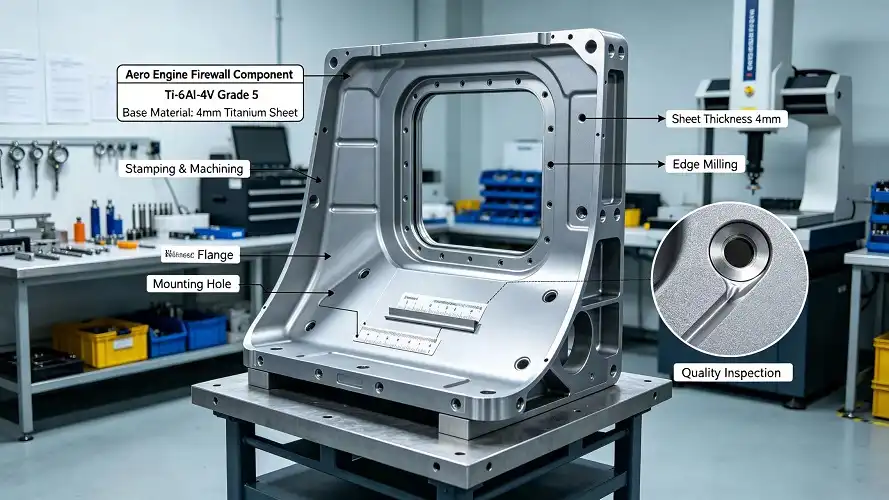
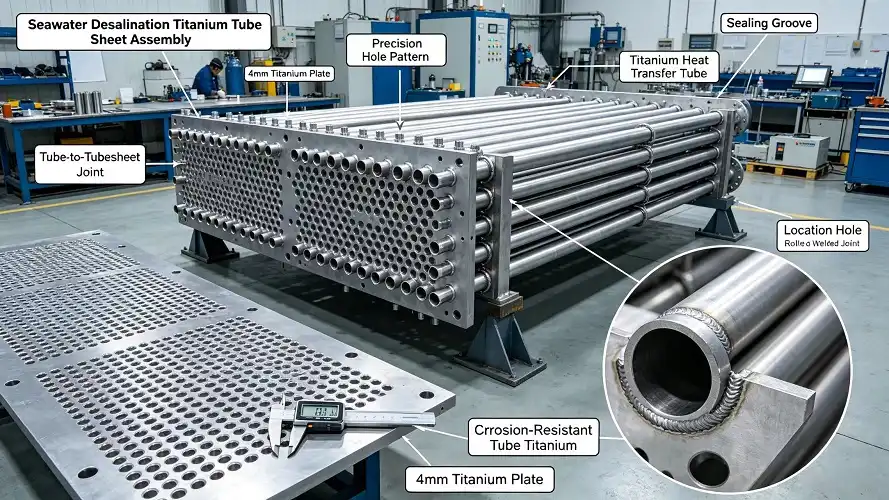
Despite the fact that both materials are versatile and may be used in a variety of contexts, they are more ideally suited to certain kinds of work. The majority of the equipment used in the production of food, the cladding used in buildings, and general manufacturing that must be done on a budget are made of stainless steel. When it comes to bulkheads in aeroplanes, naval tube sheets, chemical reactor walls, and portions of medical implants, titanium with a thickness of 4 millimetres is the material of choice. This is because the increased cost is justified by the material's long life and resistance to hostile media.
Comparing Performance: Titanium Sheet 4mm vs Stainless Steel Sheet
Strength and Weight Efficiency
Titanium is about 4.51 g/cm³ dense, while stainless steel is 7.93 g/cm³ dense. In other words, a 4mm titanium sheet has the same strength as a thicker stainless steel sheet while being almost half as light. This difference in weight directly affects how much fuel is saved and how much can be loaded onto airplane nacelles or aerospace bulkheads. The tensile strength of grade 5 titanium is higher than 895 MPa, which is a lot higher than standard 316L stainless steel.
Corrosion Resistance in Harsh Environments
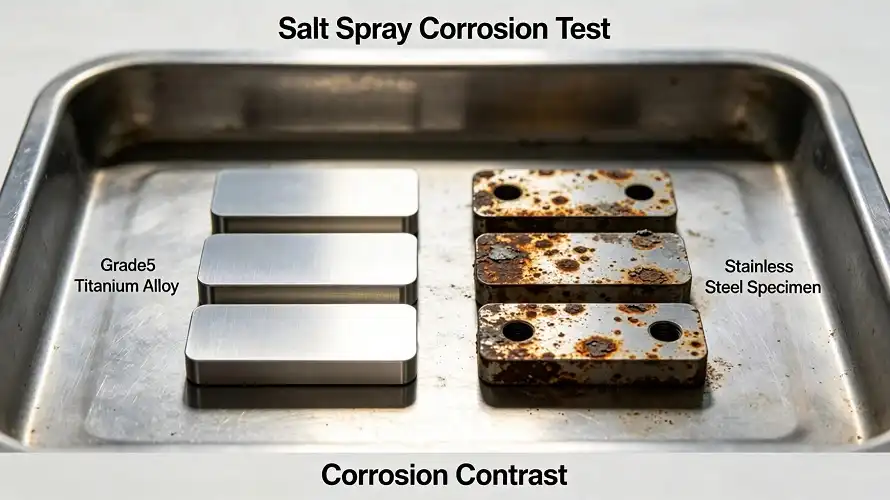
Titanium's surface is made up of self-regenerating titanium dioxide, which protects it from seawater, hot sulfuric acid, wet chlorine, and oxidizing acids like nitric acid. A titanium sheet 4mm usually lasts 15–20 years in places like offshore platforms, desalination plants, and chlor-alkali facilities, while stainless steel parts rust after 3–5 years. Grade 7 (Ti-0.15Pd) and Grade 12 are good for petroleum service because they are more resistant to reducing acids.
Weldability and Fabrication
Most of the time, normal TIG or MIG processes make welding stainless steel faster and cheaper. Titanium needs a neutral gas covering, usually argon, to keep it from becoming weak, which makes the process more complicated and costs more. However, skilled fabricators can consistently weld 4mm titanium plate as long as the right shielding procedures are followed. Ti alloys can have their surfaces polished, cut, or acid-pickled, and Jucheng Titanium can do all of them to your specifications.
Cost and Procurement Considerations for B2B Buyers
Material Pricing and Grade Variables
However, depending on the grade, order volume, and market circumstances, the price of titanium sheet may be anywhere from five to ten times more per kilogram than the price of 304 stainless steel. The total cost of ownership, on the other hand, does not give the same message. It is common for titanium's longer replacement cycle, decreased maintenance load, and reduced downtime in corrosive service to more than compensate for the higher material price within three to five years of operation.
In order to make an informed decision on which material to purchase, B2B buyers should first consider the following key cost factors:
- For the majority of chemical applications, grade 2 CP titanium provides the optimum mix of cost and corrosion resistance. Grade 5 titanium, on the other hand, charges a premium for high-strength aerospace duty.
- Bulk purchase from a direct manufacturer like Jucheng Titanium, which decreases the cost per unit and assures consistent mill certification, and order volume are also important considerations.
- Customisation requirements: Custom widths, lengths, and surface treatments increase lead time and expense for both materials; however, titanium vendors that manufacture their products in-house greatly minimise the amount of time that these delays take.
It is helpful for engineering and buying teams to have a better understanding of these factors early on in the procurement cycle. This allows them to better match material requirements with project budgets before finalising supplier contracts.
Supplier Reliability and Lead Times
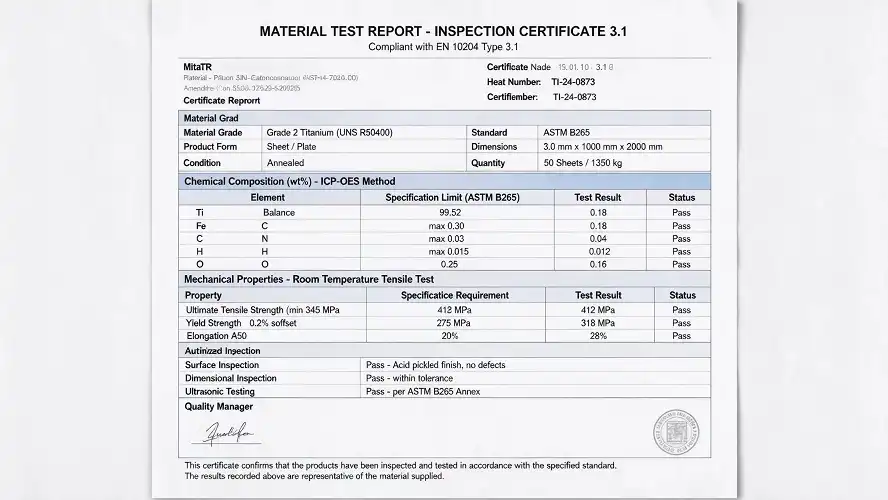
Jucheng Titanium maintains approximately 3,000 tons of titanium inventory year-round across multiple grades and dimensions. This stock depth allows fast shipment for urgent orders without sacrificing material traceability or certification compliance. Each shipment comes with full mill test reports, chemical composition certificates, and mechanical property data to support ASTM, AMS, and ASME compliance audits.
How to Choose Between 4mm Titanium Sheet and Stainless Steel Sheet?
Match Material to Operating Environment
A titanium sheet 4mm is the best choice for mechanical tools that will be in seawater, chlorine solutions, hot acids, or will be used at temperatures above 300°C. When scratched, its oxide layer heals itself right away, unlike stainless steel's passive film, which can break down when exposed to chloride. Stainless steel is still a useful and affordable choice for indoor fabrication at room temperature with light chemical contact.
Grade Selection Guide
By choosing the right titanium type, you can avoid over-specification and cost that isn't necessary. Grade 2 can handle most conditions with water-based rust. Aircraft structural duty is based on Grade 5 (Ti-6Al-4V), which is set by AMS 4911. Cutting-acid service in petrochemical plants is discussed in grades 7 and 12. Grades 9 and 4 are in the middle and can be used for tubes and moderate-strength plates.
Real-World Case Study: Aerospace vs. Marine
A defense contractor asked for Grade 5 titanium sheet that was 4 mm thick for the engine firewall. The choice was made because it didn't catch fire, didn't wear down above 300°C, and was 40% lighter than stainless steel, all of which were backed up by AMS 4911. In a different marine project, the contractor for a desalination plant chose Grade 2 titanium tubesheets to replace duplex stainless steel parts that had broken down after only two years because of crevice corrosion. The titanium installation has been working for more than ten years without any repairs.
Benefits and Limitations: When Titanium 4mm Outperforms Stainless Steel and Vice Versa
Where Titanium Has a Clear Advantage
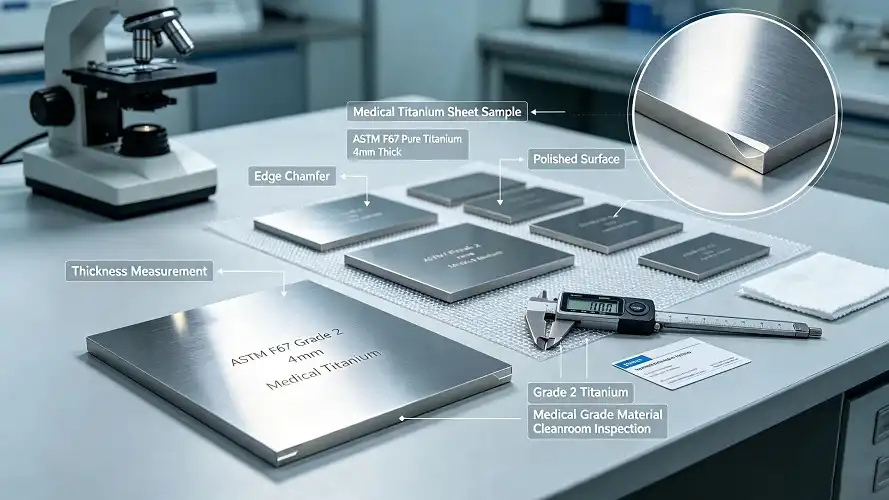
Titanium that is 4 mm thick is the better choice for three types of demanding applications. Its great strength and ability to stay stable at temperatures up to 600°C make it hard to beat for use in aircraft structural parts. The most common way for stainless steel tools to break down in chemical processes is through stress corrosion cracks caused by chloride. Its biocompatibility, which has been proven by ASTM F67, means that there is no chance of any bad tissue reactions happening in medical devices.
Where Stainless Steel Still Makes Sense
It is more sensible to use stainless steel in situations where money is tight and conditions are normal. It's easy to weld with regular shop tools, doesn't need any special gas protection, and can be bought from dozens of local US dealers. It is possible to save money while still getting good results when making general structures, food service tools, or artistic panels.
Limitations to Acknowledge Honestly
Titanium is harder for small production shops to work with because the raw material is more expensive and there are tighter rules for welding. On the other hand, stainless steel is not a good long-term investment in places where salt rust is likely to happen because it needs to be replaced much more often and costs more overall. There is no one material that is always better than the other. The right answer depends on application data, not assumptions.
Conclusion
When it comes to weight, resistance to corrosion, and service life in hard situations, a titanium sheet 4mm is better than stainless steel. For moderate-duty uses, stainless steel still has benefits in terms of cost and ease of production. It's not just the purchase price that makes the difference; the operating environment and lifecycle economics also play a role. Titanium's high price is always justified in the aerospace, marine, chemical processing, and medical fields. Jucheng Titanium has the supplies, certifications, and technical support to meet both project and safety needs for teams looking for certified titanium plate that can be tracked and processed to order.
FAQ
1. Is a 4mm titanium sheet waterproof?
Titanium needs to be shielded with an inert gas during welding to keep oxygen and nitrogen from getting into the metal.
2. Can titanium sheet and stainless steel be welded?
Standard TIG or MIG processes work better with stainless steel because they don't need any extra protection.
3. Why does titanium sheet cost more than stainless steel?
Getting titanium ore, making sponges, and rolling them are all processes that use more energy than making stainless steel. Price is also affected by grade and quality. For example, Grade 5 Ti-6Al-4V costs more than Grade 2. But when you look at the total cost of ownership over the whole lifecycle of an item in corrosive service, titanium often comes out cheaper because it needs less maintenance and is serviced less often.
4. What standards apply to titanium sheets?
Jucheng Titanium makes sheets that meet ASTM B265, ASTM F67, AMS 4911, and ASME SB265 standards. These sheets are used in business aircraft, medicine, and industry.
Request a Quote from Jucheng Titanium — Your Trusted Titanium Sheet 4mm Supplier
For more than 20 years, Jucheng Titanium has sold certified titanium plate and sheet to customers in North America in the chemical, aerospace, and industrial fields. We can get your job done on time without sacrificing quality because we have 3,000 tons in stock, Grades 1 through 12, and full ASTM/AMS/ASME certification. Email our technical team at s4@juchengti.com right now to get product datasheets, ask for custom sizes, and get great deals on titanium sheet 4mm for sale.
References
1. ASTM International. ASTM B265: Standard Specification for Titanium and Titanium Alloy Strip, Sheet, and Plate. ASTM International, 2020.
2. Boyer, R., Welsch, G., & Collings, E. W. Materials Properties Handbook: Titanium Alloys. ASM International, 1994.
3. Donachie, M. J. Titanium: A Technical Guide, 2nd ed. ASM International, 2000.
4. Lütjering, G., & Williams, J. C. Titanium, 2nd ed. Springer, 2007.
5. Davis, J. R. Stainless Steels. ASM International, 1994.
6. Schutz, R. W., & Thomas, D. E. "Corrosion of Titanium and Titanium Alloys." ASM Handbook, Volume 13: Corrosion. ASM International, 1987.