
Benefits of Titanium GR 2 Seamless Tubes
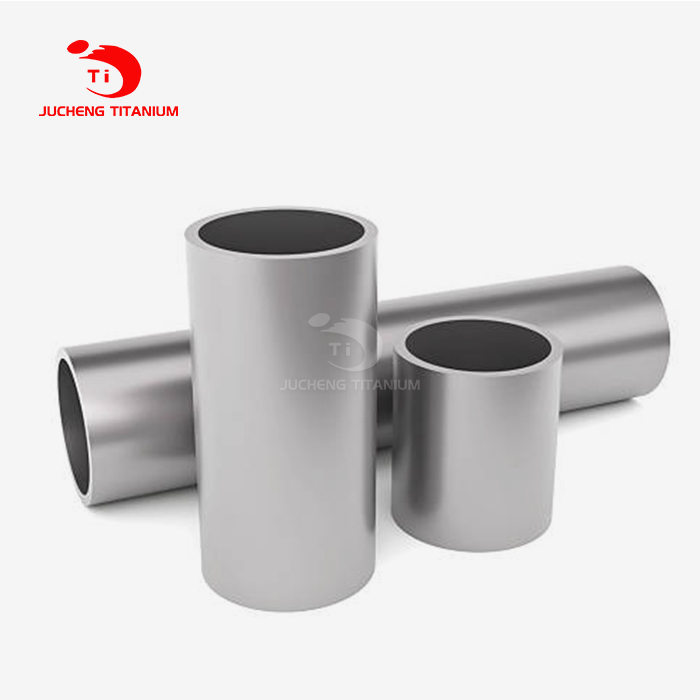
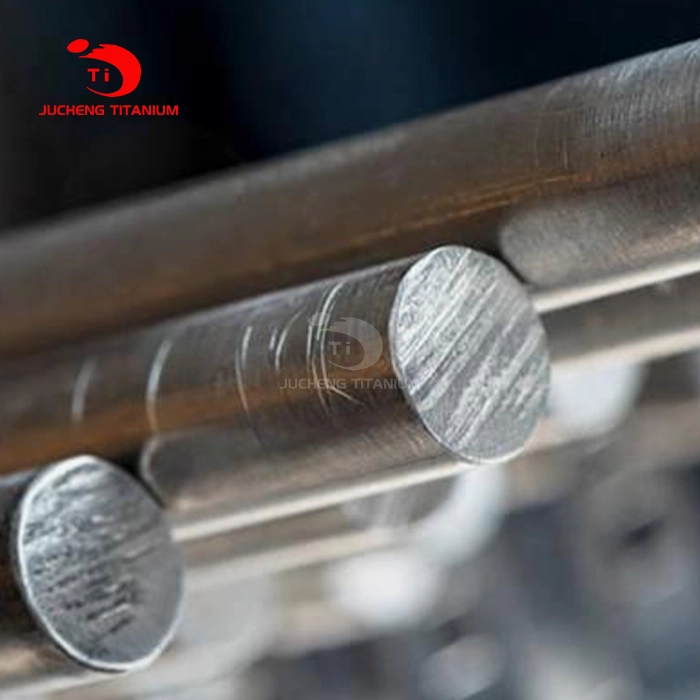
In tough industrial settings where regular materials fail, titanium seamless tube products, especially Grade 2, perform well. Through advanced manufacturing methods, these high-purity titanium rods don't have any welded joints, so their structure is the same all the way around. Because they don't rust, are strong for their weight, and don't harm living things, they are essential for use in aircraft, chemical processing, medical device making, and marine environments. When something is seamless, it doesn't have any weak spots like bonded products do, so it works well even when the temperature and pressure are very high.
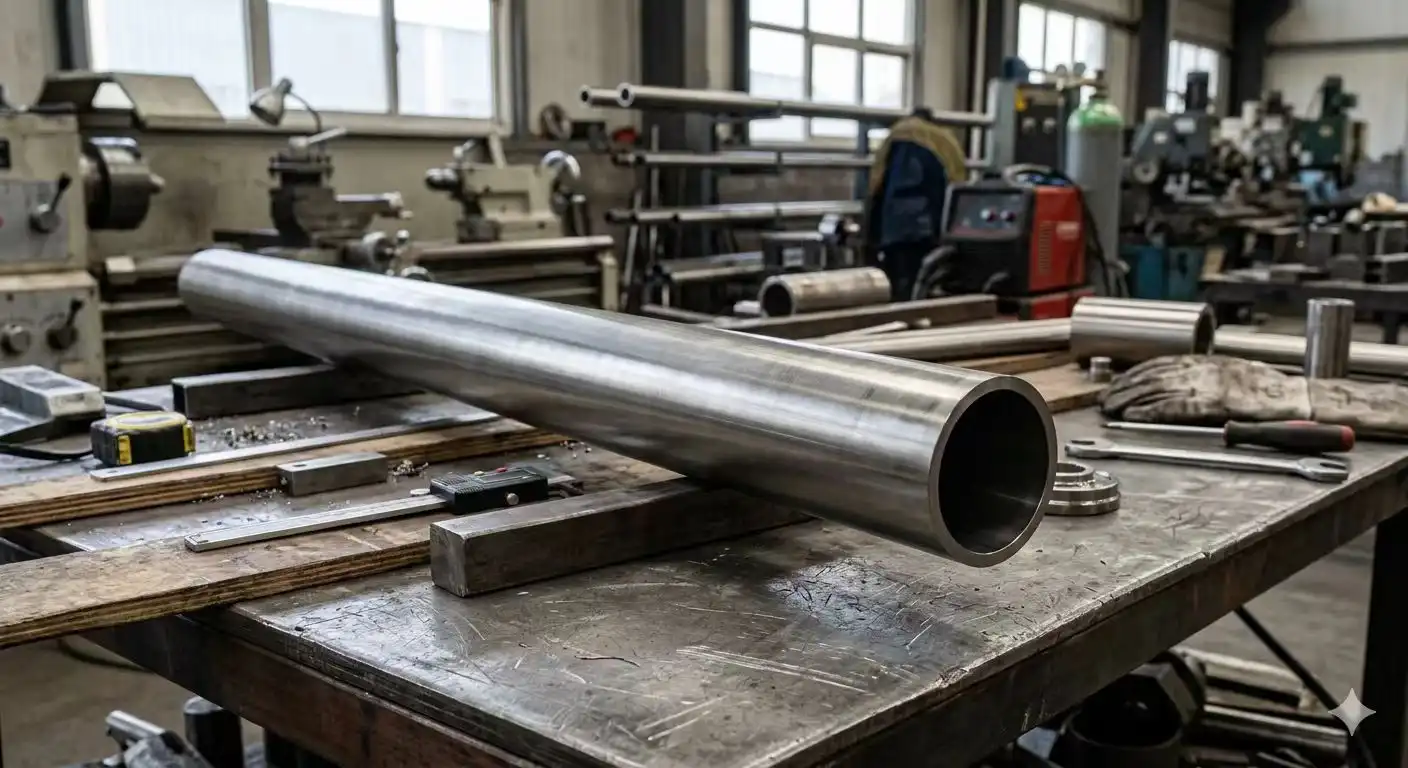
Understanding Titanium GR 2 Seamless Tubes
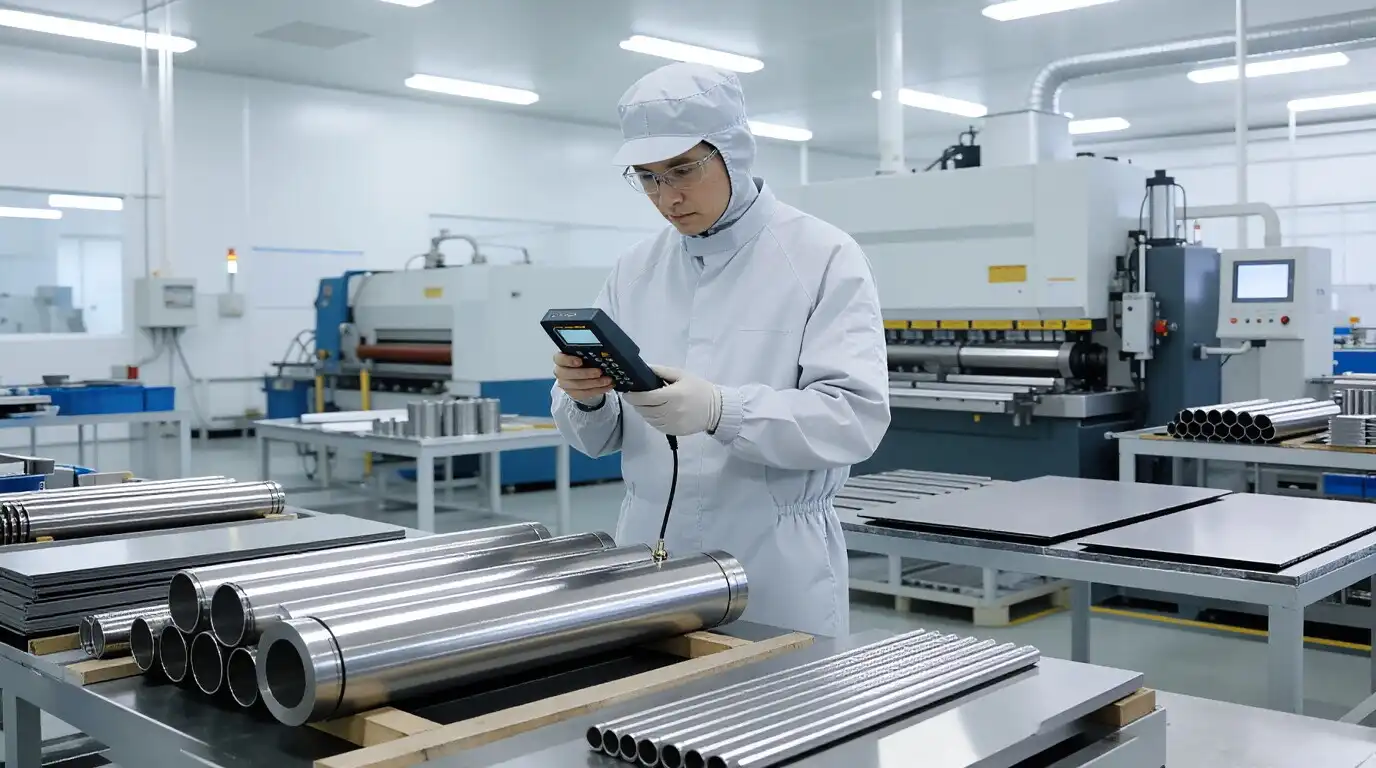
Titanium Grade 2 seamless tubes are the purest titanium engineering that can be bought. They are made using complex extrusion and rotary cutting methods, followed by cold rolling and vacuum cooling. This way of making things makes the microstructure of the tube the same all the way through its cross-section, so there is no Heat Affected Zone (HAZ) that can happen with welding options.
Manufacturing Excellence and Standards Compliance
Our production process strictly follows ASTM B337, ASTM B338, ASTM B861, AMS 4942, and ASME SB338 norms that are known all over the world. Extrusion, cutting, cold rolling, annealing, pickling, and bending are some of the precise steps used in the production process. Each tube goes through strict quality control to make sure it is the right size and has the same metal content.
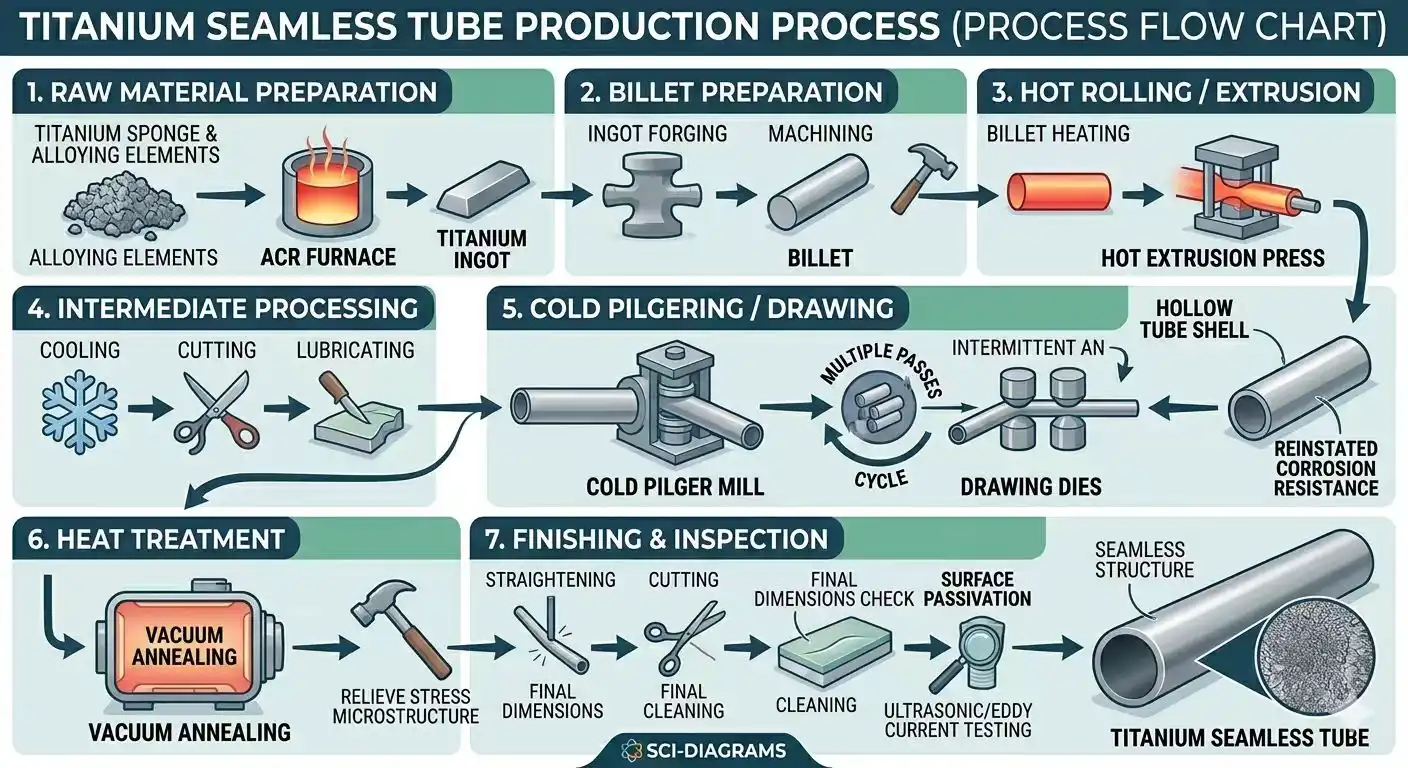
The sizes range from 3 mm to 219 mm in outer diameter and from 0.5 mm to 20 mm in wall thickness, so they can be used for a wide range of purposes. Custom specs can be made to meet the needs of a particular project and ensure the best performance in a variety of working conditions.
Superior Material Properties
Grade 2 titanium has the best mix of technical qualities and ease of working. With a tensile strength of 345–483 MPa and great flexibility, these tubes keep their shape even when loads and temperatures change. The material's mass of 4.51 g/cm³ makes it much lighter than stainless steel options, which makes the system work better overall.
Core Benefits of Titanium GR 2 Seamless Tubes
Titanium seamless tube solutions have benefits that go far beyond the basic properties of the material. They offer real operating benefits across a wide range of performance factors.
Unmatched Corrosion Resistance
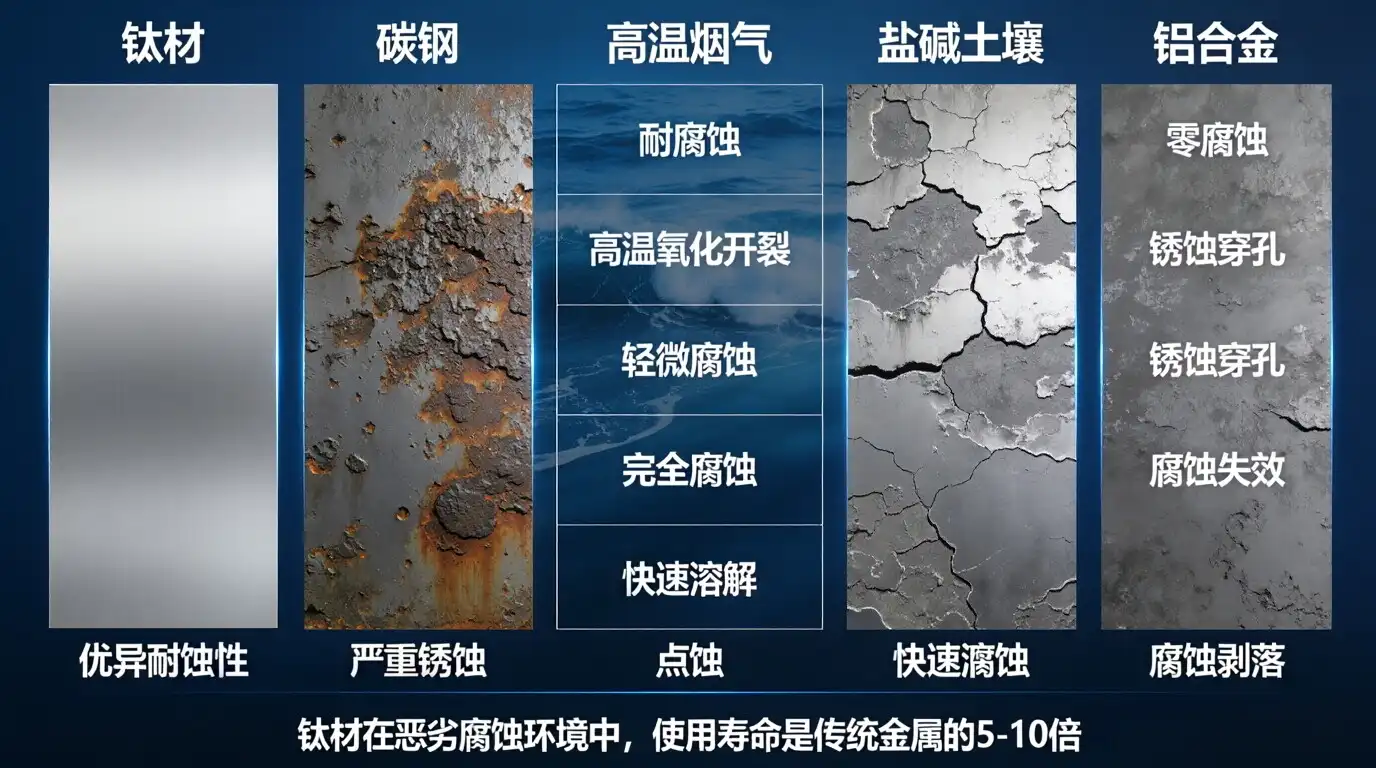
Seawater, salt solutions, and organic acids are just some of the acidic substances that titanium Grade 2 is very resistant to. It creates a solid oxide layer that protects against electrical breakdown for a long time. When used in coastal settings, these tubes work better than copper-nickel metals, which are more likely to be damaged by erosion, rust, and impingement.
The International Titanium Association did research that shows Grade 2 titanium can keep its protective oxide layer even in very harsh conditions. In seawater uses, corrosion rates are usually less than 0.025 mm per year. For important infrastructure parts, this efficiency means longer service life and lower maintenance costs.
Enhanced Mechanical Performance
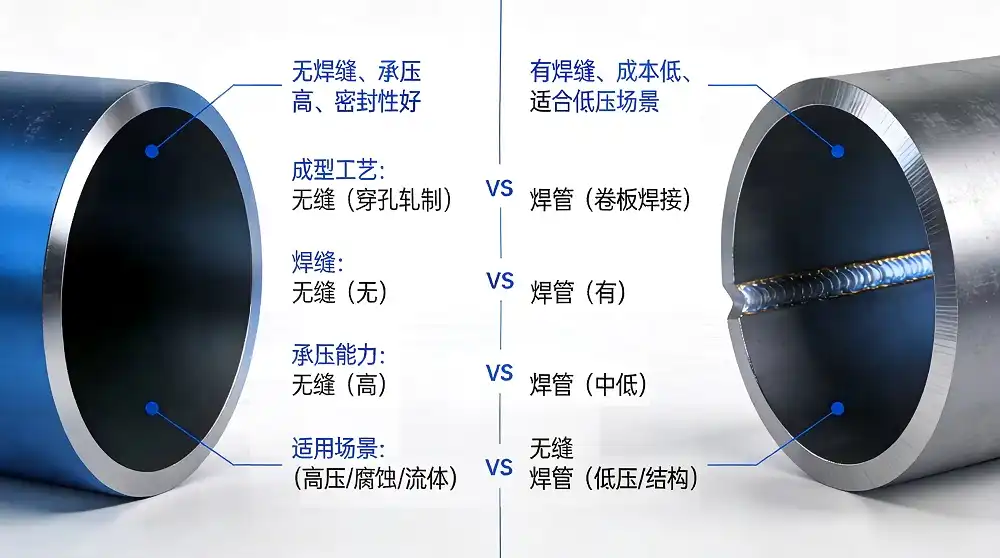
Because there are no lengthwise weld gaps in a seamless construction, stress is spread out evenly when the pressure inside the structure builds up. Because of this design benefit, working pressures are higher than with welded options, and burst pressures often go over 150% of rated values. Not having any weld-induced stress clusters makes fatigue resistance much better. This is especially important in aircraft and naval uses that are subject to high vibration.
Test results from military uses show that seamless titanium tubes keep their shape after millions of pressure cycles, which is much better than welded stainless steel options. This level of dependability is very important in mission-critical systems where failure would have very bad results.
Weight Optimization and Energy Efficiency
When combined, high strength and low density make it possible to reduce the weight of structures by a large amount. Aerospace companies say that using titanium tubes instead of steel parts saves 40 to 45 percent of the weight. This decrease has a direct effect on how much fuel an airplane uses and how much weight it can carry. On the other hand, it helps automobile systems perform better.
Comparison Insights: Titanium GR 2 Seamless Tubes vs Alternatives
Knowing how titanium Grade 2 performs differently from other materials helps buyers make smart choices based on the total cost of ownership instead of the cost of the materials themselves.
Seamless vs Welded Construction
There are a few ways that welded tube building could fail that aren't possible with seamless options. Because of changes in the metal during joining, the weld zone usually has lower rust resistance. This makes it an easy target for attack in harsh settings. Seamless titanium seamless tube goods don't have these weak spots because their qualities stay the same all the way around.
Tolerances in manufacturing also favor seamless construction, with diameter differences of only ±0.1mm compared to ±0.3mm for welded versions. This level of accuracy lets system designs be more precise, and construction go more smoothly.
Titanium vs Stainless Steel Performance
Titanium is a better long-term value in demanding uses than stainless steel, which has lower starting costs. When chloride levels rise above 200ppm, Grade 316L stainless steel sees a lot of pitting corrosion, but Grade 2 titanium is not affected at levels higher than 10,000ppm, according to comparative studies done in chemical processing settings.
When used offshore, titanium's lighter weight is especially useful because it means less structural load, which means lower installation costs and more stable platforms. Case studies from North Sea oil sites show that using titanium in pipe systems can cut their weight by 30 to 40 percent.
Performance in Marine Environments
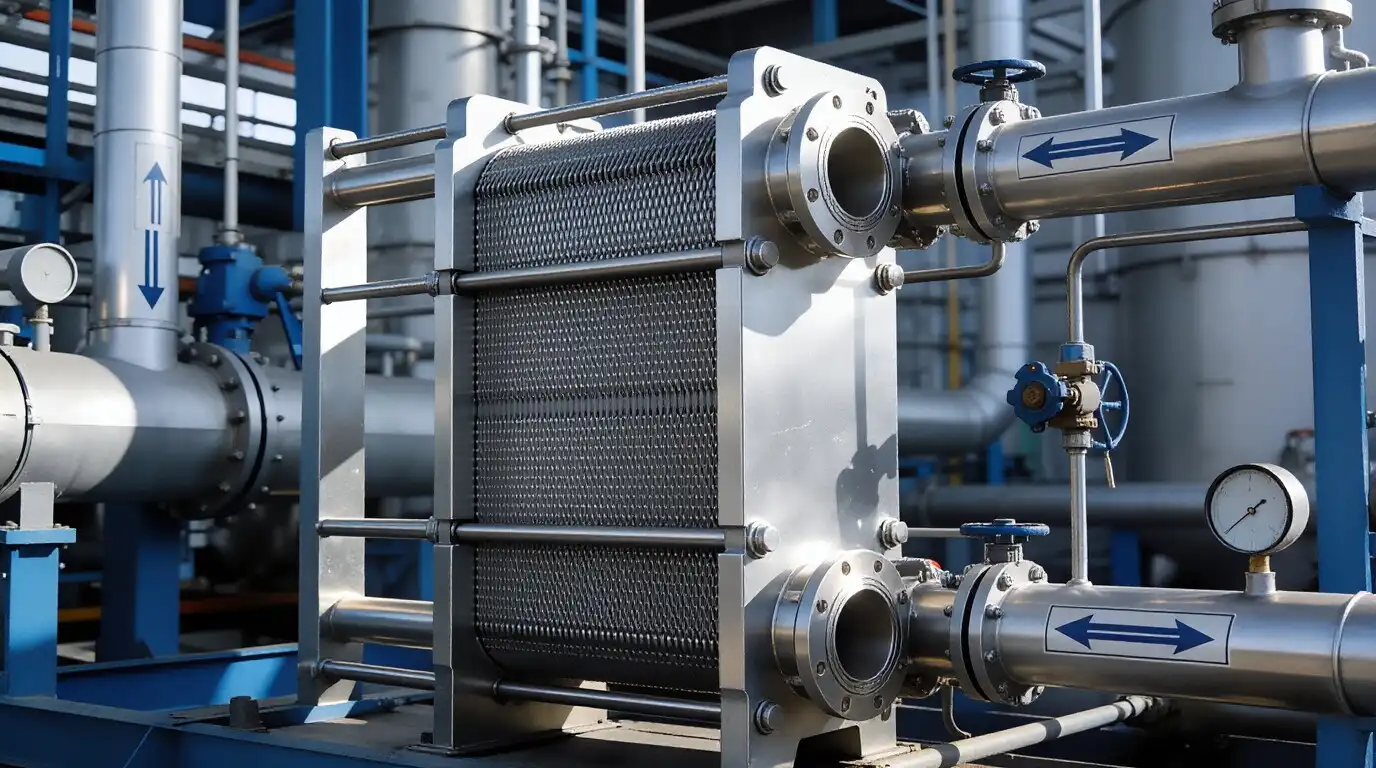
Copper-nickel metals are often used in naval heat exchangers, but they erode and rust when water speeds go over 3 meters per second. Titanium Grade 2 keeps its protective oxide layer even at speeds of up to 15 meters per second. This lets heat exchangers be smaller and more efficient.
Procurement Considerations for Titanium GR 2 Seamless Tubes
To make sure the supply chain works reliably, good buying plans need to carefully look at the skills of suppliers, their quality systems, and how they handle logistics.
Supplier Selection and Quality Assurance
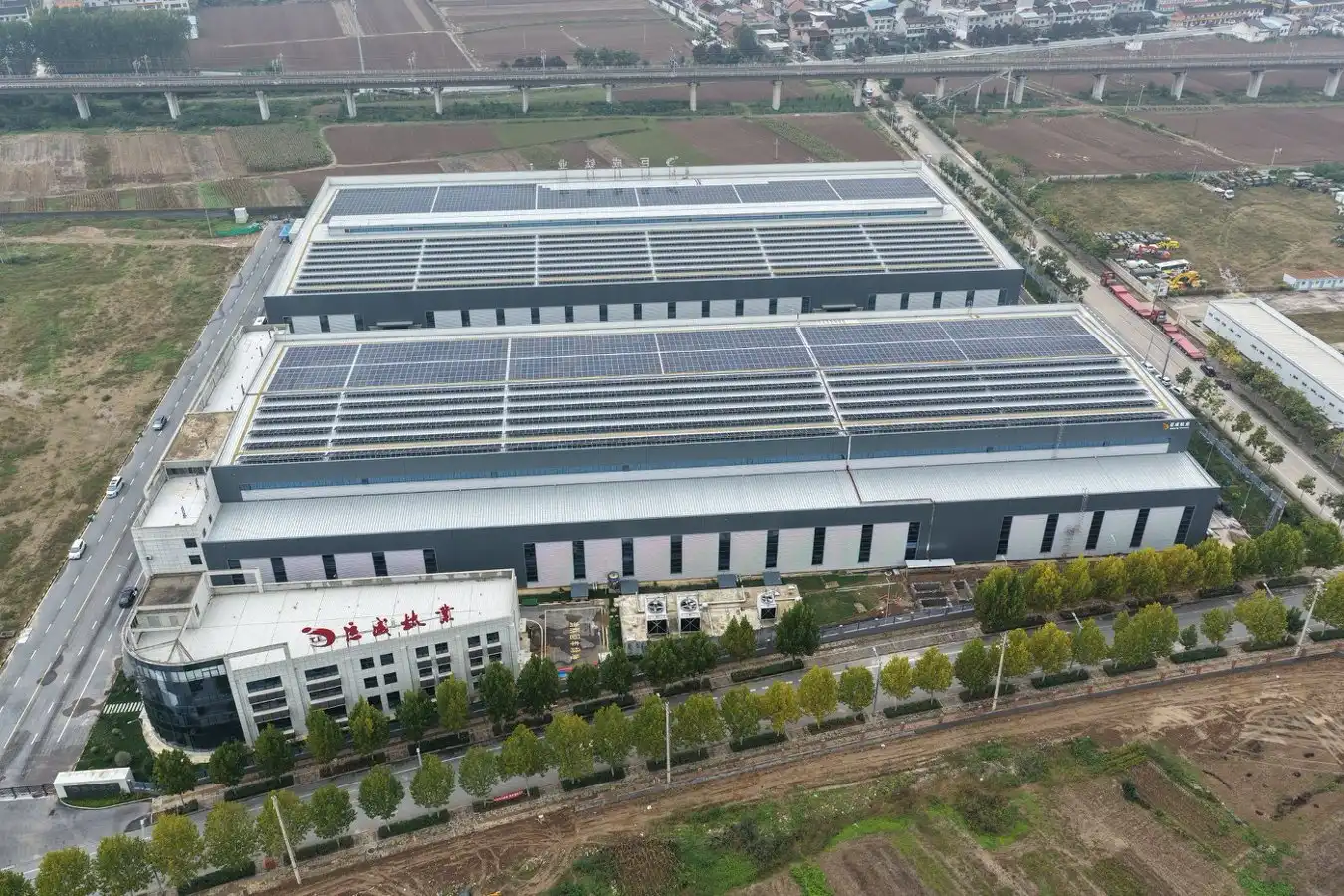
Leading makers in China's titanium valley, especially those with more than 20 years of experience, have the quality processes and technical know-how needed for mission-critical uses. Modern factories that can make more than 1,500 tons of goods a year make sure that large-scale projects can get what they need.
Full material traceability, mechanical property proof, and dimensional inspection records are some of the things that are needed for quality approval. Suppliers who keep their ISO 9001 and NADCAP certifications give you even more peace of mind about quality control and stability.
Custom Manufacturing Capabilities
Modern centers that work with titanium offer a wide range of customization choices, such as unique surface treatments like acid-pickled, polished, or machined finishes. These processes make titanium seamless tube items work better in certain situations while keeping the good qualities of the material itself.
Depending on the difficulty of the design and the processing needs, the minimum order quantity is usually between 100 and 500 kilograms. Standard grades usually have lead times of 8 to 12 weeks, while custom specs can make first sales take 16 to 20 weeks.
Cost Optimization Strategies
Even though the cost of titanium materials is higher than that of other materials, total cost analysis usually chooses titanium usage because it lasts longer and needs less upkeep. When replacement and downtime costs are taken into account, life cycle cost studies in chemical processing show savings of 25–35% over 15 years of use.
Long-term supply contracts and deals to buy in bulk keep prices stable and make sure that customers get what they need when demand is high. Getting to know several qualified providers will help you keep your supply going while keeping prices reasonable.
Practical Industry Applications of Titanium GR 2 Seamless Tubes
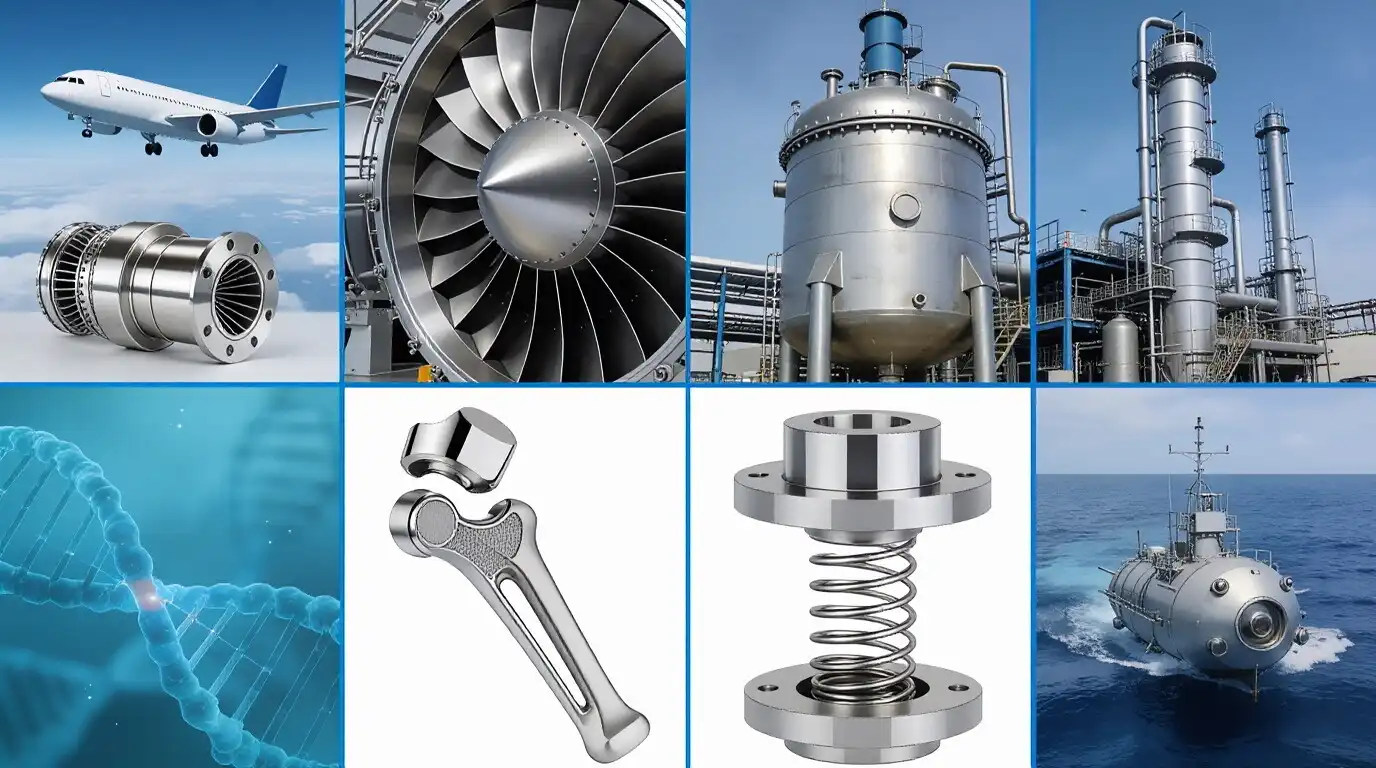
Grade 2 titanium is very flexible, so it can be used successfully in a wide range of industries. Each one benefits from different material qualities that help with specific operating problems.
Aerospace and Defense Applications
Working pressures can hit 5,000 psi, and temperatures can run from -54°C to +200°C. This is how aircraft hydraulic systems work. Titanium seamless tube parts are reliable and light, which are important for current airplane performance. The smooth design gets rid of any possible leak lines that could endanger the flight, and the material's resistance to fatigue means that it won't need to be serviced as often.
Materials that can survive battle damage and still work properly are often required by military standards. Titanium is more durable than metal alternatives that are usually used in non-critical situations because it can handle harm and has a self-healing oxide layer.
Chemical Processing Industry
Titanium's chemical inertness is very helpful for chemical reactors and heat exchanges that use harsh media. For example, using wet chlorine, nitric acid, and organic liquids in applications shows that the material can keep its shape in places where other materials break down quickly.
A well-known case study from a large petroleum plant showed that titanium heat exchanger tubes could work continuously in acetic acid for 12 years, while stainless steel options usually need to be replaced every 18 months. Because of this efficiency improvement, four planned repair shutdowns were no longer needed. This saved more than $2 million in lost production costs.
Medical and Biomedical Applications
Grade 2 titanium is great for surgery tools and internal devices because it is biocompatible. The material is safe for patients because it is non-toxic and doesn't react with biological fluids. It also has the right mechanical qualities for tough medical uses.
Manufacturers of surgical instruments say that titanium tools stay sharp longer than stainless steel tools and that their lighter weight makes surgeons less tired during long procedures. The material's ability to work with MRI machines is another benefit in current medical settings.
Marine and Offshore Engineering
For uses in seawater, there are special problems to solve because of the acidic medium, marine life, and changing loads. With its resistance to chloride-induced stress corrosion cracking and microbiologically affected rust, Titanium Grade 2 is able to deal with these problems.
Offshore platform owners say that using titanium in ocean cooling systems has saved them a lot of money. Getting rid of pesticide treatments and cathodic protection systems makes operations simpler and more environmentally friendly.
Conclusion
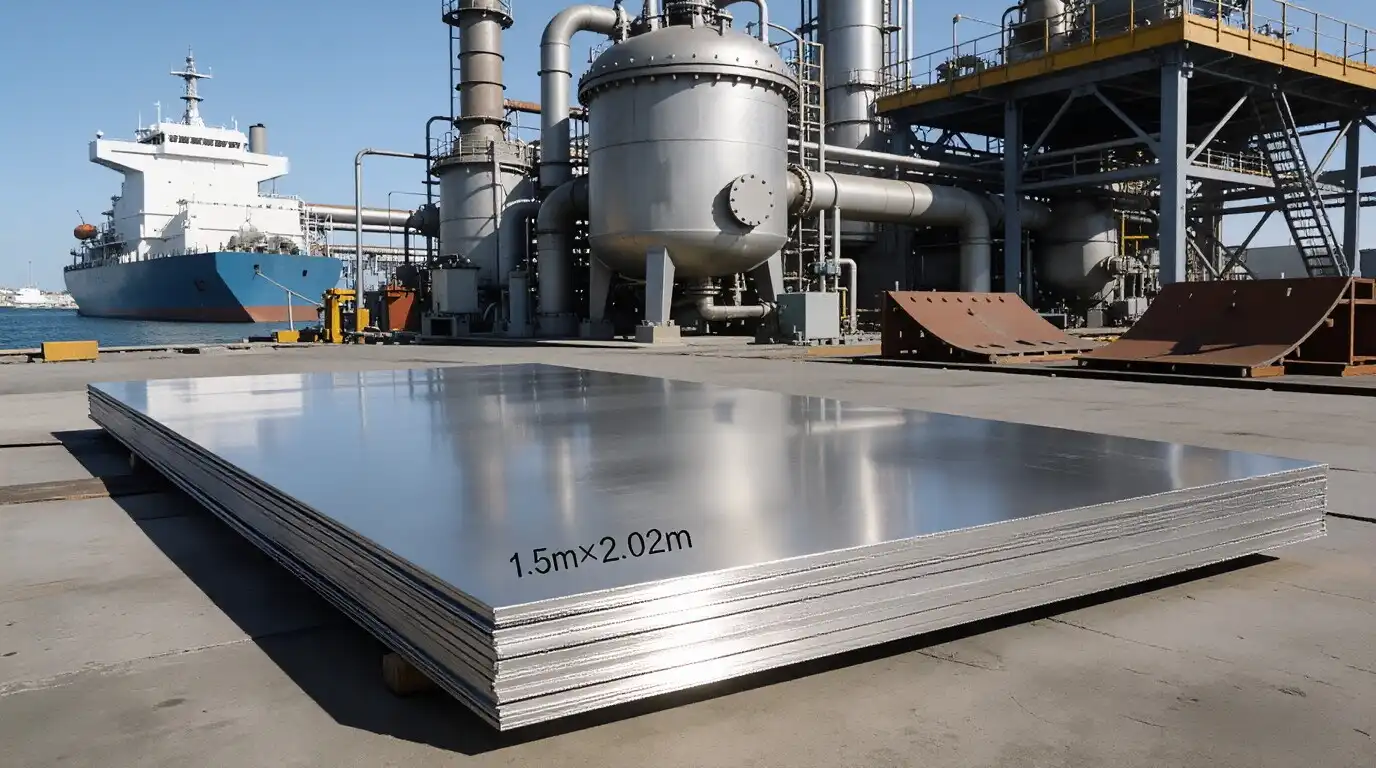
Titanium seamless tube options, especially Grade 2 versions, are very valuable because they are resistant to rust, work well mechanically, and are manufactured with great accuracy. The smooth design gets rid of common ways things fail while also providing better pressure control and wear resistance that are needed for important uses. Partnering with experienced makers who show consistent quality, technical knowledge, and reliable supply chain capabilities is a key part of successful buying strategies. Longer service lives, less upkeep, and higher operating reliability in aerospace, chemical processing, medical, and marine uses all show that titanium is a better choice in terms of total cost.
FAQ
Q1: What makes seamless construction superior to welded alternatives?
Seamless titanium tubes don't have the Heat Affected Zone that is present in welded construction. This means that corrosion and mechanical failure are less likely to happen at the joint gaps. The microstructure is the same all the way around the tube, which gives the material stable qualities and higher pressure values. Precision in manufacturing also gets better, with average dimensional errors of ±0.1mm compared to ±0.3mm for welded goods.
Q2: How do I verify the authenticity and grade of titanium materials?
Genuine Grade 2 titanium should come with approved mill test certificates (MTCs) that show its chemical make-up, mechanical qualities, and information on how it was made. Material makeup is confirmed by optical emission spectroscopy or X-ray fluorescence tests done by a third party. Suppliers with a good reputation keep full records that can be tracked and, if asked, give third-party inspection reports.
Q3: What are typical delivery timeframes for custom specifications?
Standard Grade 2 seamless tubes usually ship 8 to 12 weeks after an order is confirmed, but this depends on the size and number needed. For custom orders, the first delivery may take 16–20 weeks, but after that, it may only take 12–16 weeks. Keeping in touch with sellers who keep raw materials in stock can speed up delivery times for urgent needs.
Q4: How should titanium tubes be stored and handled to maintain quality?
To keep them from getting dirty, titanium tubes should be kept in clean, dry places away from carbon steel products. Protective end caps and plastic wrapping help keep the surface clean while it is being moved or stored. When handling things, they shouldn't come into contact with cutting fluids or chlorinated agents, as these could weaken the resistance to rust.
Partner with Jucheng Titanium for Superior Seamless Tube Solutions
Jucheng Titanium brings over 20 years of specialized expertise in titanium material processing and equipment manufacturing to your most demanding applications. Our comprehensive inventory of 3,000 tons ensures rapid delivery of titanium seamless tube products in Grades 1, 2, 3, 5, 7, 9, and 12, with sizes ranging from OD 3-219mm and wall thicknesses of 0.5-20mm. As a leading titanium seamless tube maker, we strictly follow ASTM B337, B338, B861, AMS 4942, and ASME SB338 standards while offering unique solutions for aircraft, chemical processing, and marine uses. Get in touch with our technical experts at s4@juchengti.com to talk about your unique needs and find out how our precision-engineered titanium products can help you do your job better.
References
1. International Titanium Association. "Corrosion Resistance of Commercial Grade Titanium Alloys in Marine Environments." Titanium Development Association Technical Bulletin, 2023.
2. American Society for Testing and Materials. "Standard Specification for Seamless and Welded Titanium and Titanium Alloy Tubes for Condensers and Heat Exchangers." ASTM B338-21, 2021.
3. Aerospace Material Specification Committee. "Titanium Alloy Tubing for Aerospace Applications: Manufacturing and Quality Requirements." AMS 4942C, 2022.
4. Chemical Processing Magazine. "Life Cycle Cost Analysis of Titanium vs. Stainless Steel in Aggressive Chemical Environments." Industrial Materials Review, Volume 45, 2023.
5. Marine Technology Society. "Titanium Applications in Offshore Oil and Gas Production: Performance and Economic Analysis." Journal of Marine Engineering Technology, 2022.
6. National Institute of Standards and Technology. "Mechanical Properties and Fatigue Performance of Seamless Titanium Tubing under Cyclic Loading." Materials Science and Engineering Reports, 2023.