
How are titanium tubes made?
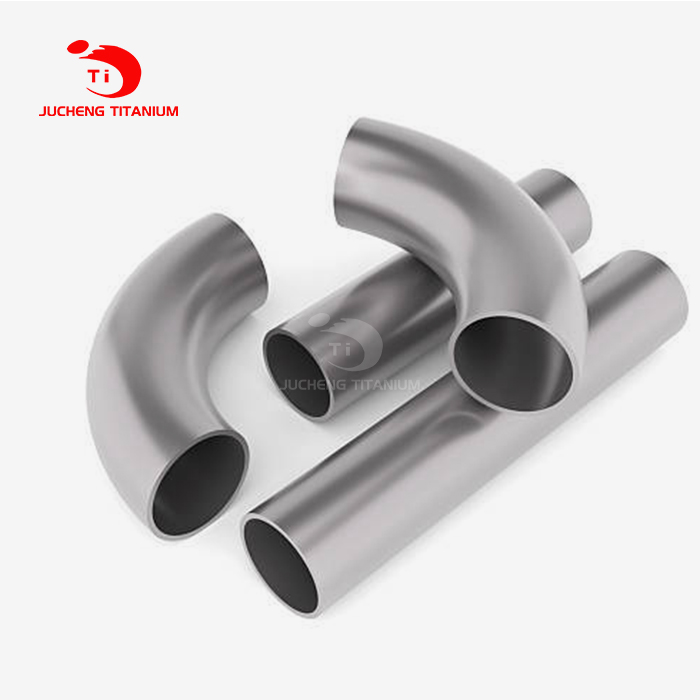
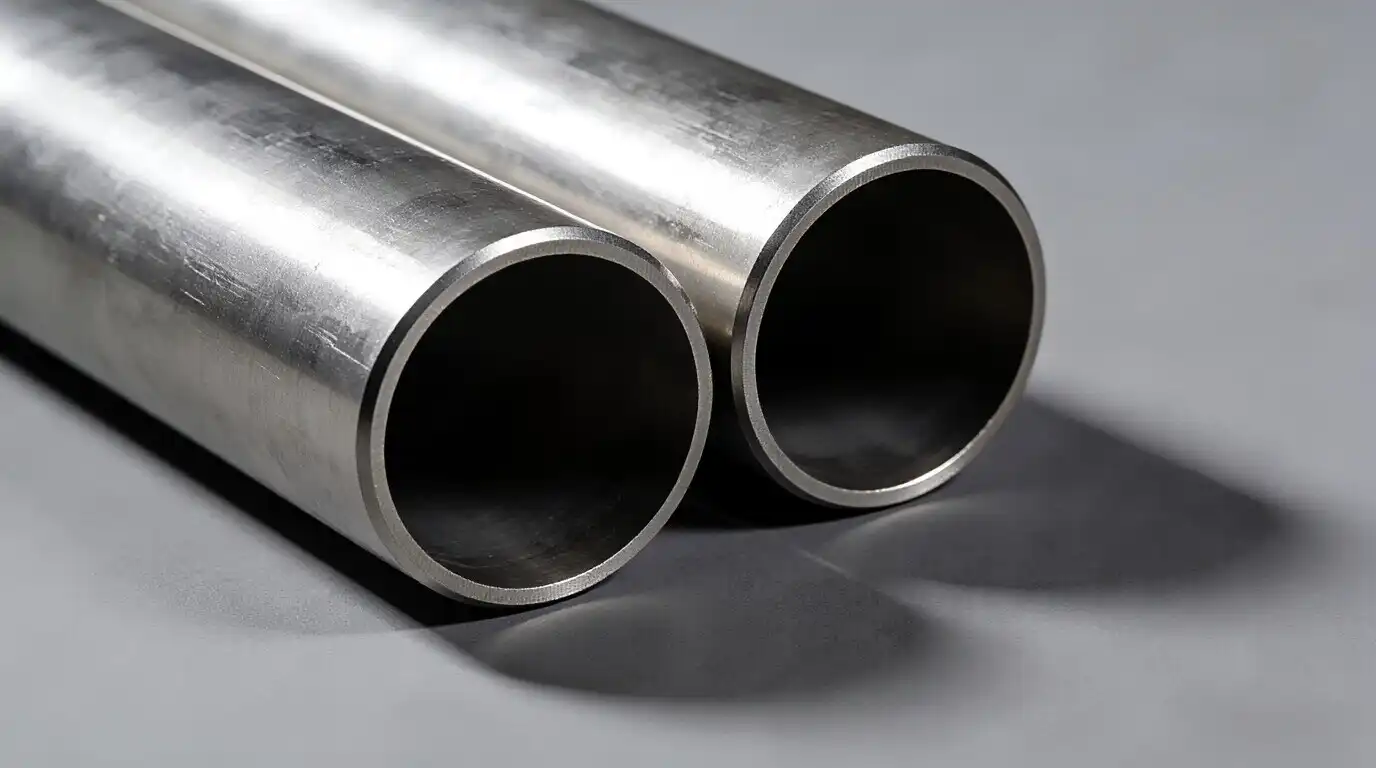
Titanium tubes are manufactured through sophisticated processes that begin with raw titanium ingots and involve multiple precision steps, including melting, extrusion, and cold rolling. To make a titanium seamless tube, you need to use advanced methods like rotary drilling or hot extrusion to get rid of the weld gaps and make sure the tube's structure is the same all the way around. This seamless construction is stronger and more resistant to corrosion than welded options. This makes these tubes important for medical, chemical processing, and aircraft uses, where failure is not an option.
Understanding Titanium Seamless Tubes: Properties and Benefits
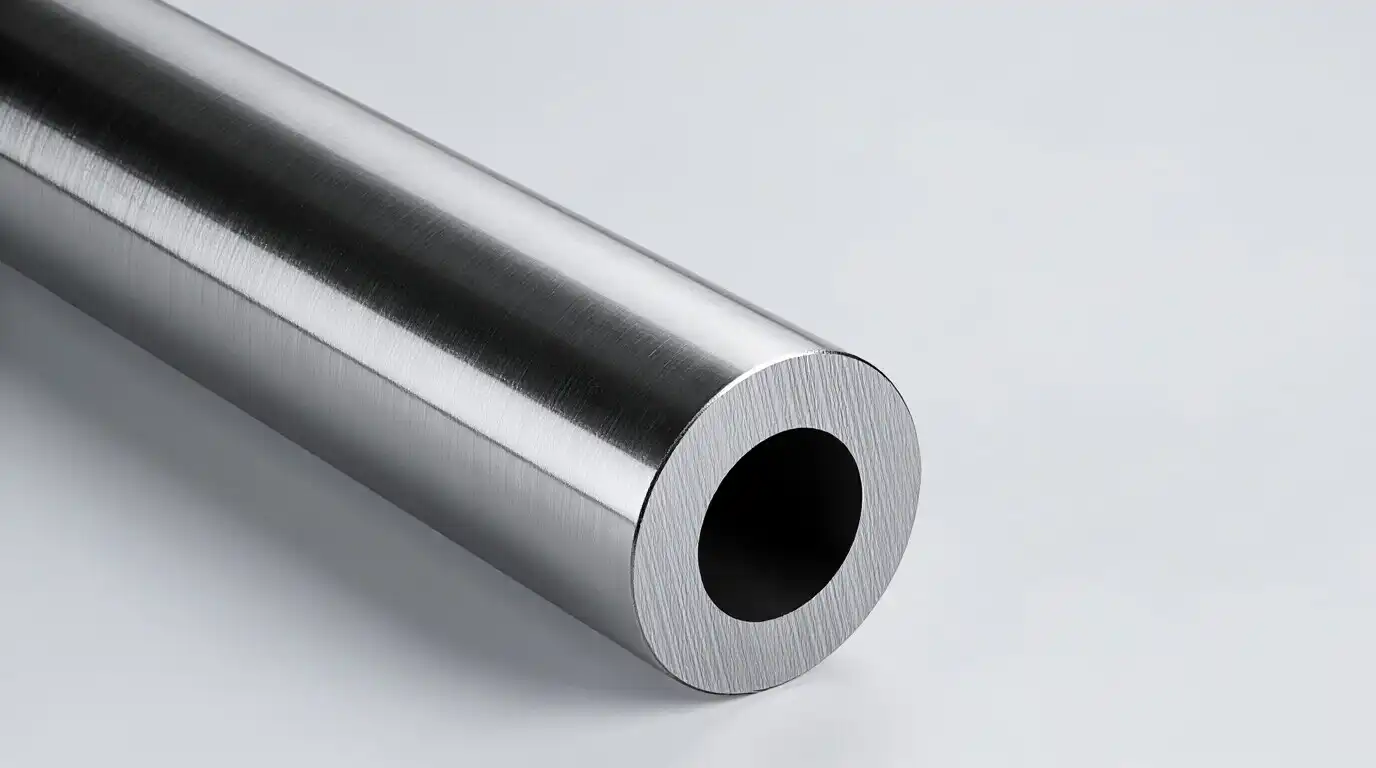
Titanium seamless tube is the best tubular engineering has to give. Its performance qualities are unmatched and have changed the way industries work in many areas. High-quality titanium metals are used to make these precision-engineered hollow spheres. They have great strength-to-weight ratios and corrosion protection that is better than that of most materials.
Superior Physical and Chemical Properties
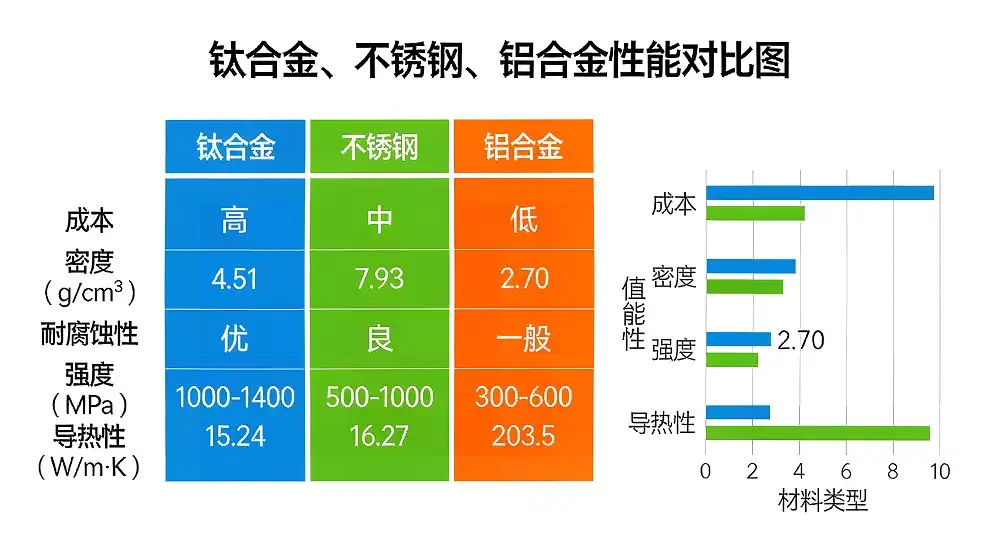
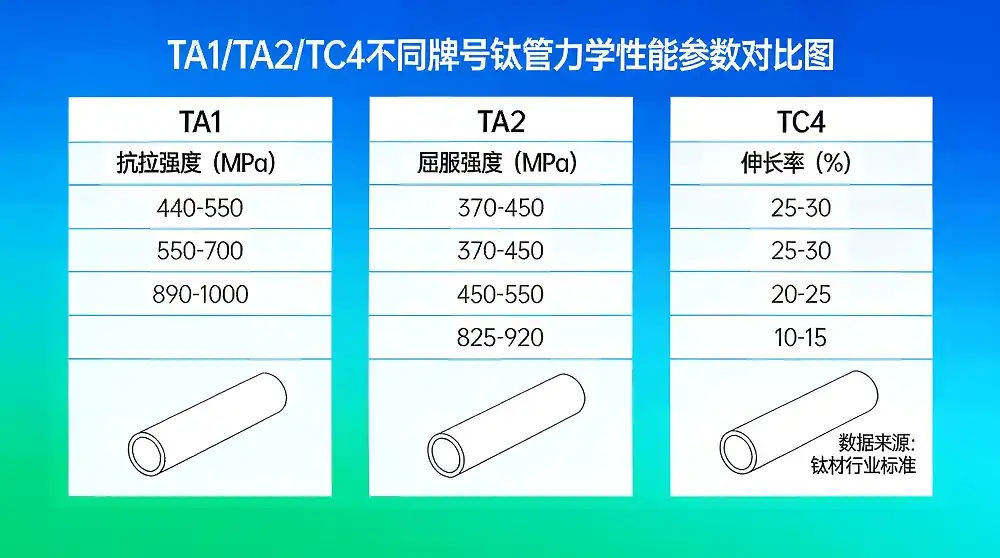
Smooth titanium tubing that is smooth is essential for tough jobs because of its basic features. The tensile strength of these tubes ranges from 240 MPa (Grade 1) to over 900 MPa (Grade 5). They are reliable for building structures and have a density of only 4.5 g/cm³, which is almost half that of steel. This amazing measure of strength-to-weight lets flight engineers make planes lighter while keeping the structure strong.
The ability to prevent corrosion is probably the best thing about it. Titanium creates a steady metal layer that keeps harmful chemicals, seawater, and high temperatures at bay. This natural barrier stops pitting, crevice corrosion, and stress corrosion cracking, all of which can happen with stainless steel options in tough environments.
Industrial Benefits and Applications
Because it works better, procurement professionals always choose seamless titanium tubes over options like stainless steel or aluminium. In chemical processing plants, these tubes last more than 25 years, while stainless steel only lasts 5 to 8 years in the same kind of acidic conditions. Even though the original investment is higher, the long-term value is very high because repair costs and downtime are eliminated.
Titanium seamless tube is biocompatible, which is something that medical device makers use to make surgical tools and implantable devices. The non-magnetic properties and high fatigue resistance of the material make it reliable in important uses where patient safety rests on the dependability of the parts.
The Manufacturing Process of Titanium Seamless Tubes
To make high-quality seamless titanium tubing, you need to use complex manufacturing methods that make sure the end product has the same mechanical qualities and dimensions all the way through.
Raw Material Preparation and Melting
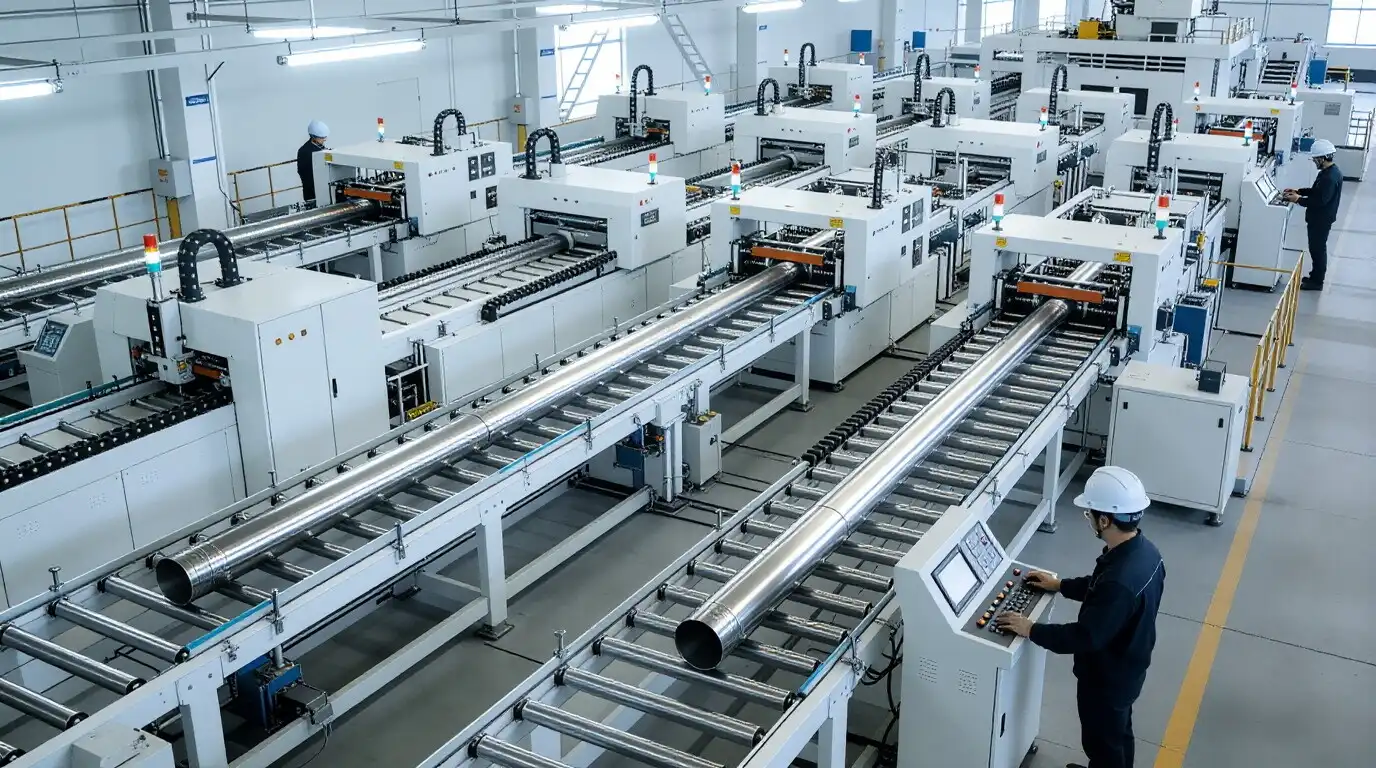
To make bars that are all the same, vacuum arc remelting (VAR) is used on carefully chosen titanium sponge or scrap. This process gets rid of impurities while keeping the chemical makeup the same, which is important for keeping the tube's qualities. After that, the ingots are cut into billets that are just the right size for the next step.
Here's where quality control begins. Chemists study to make sure that grade requirements are met for iron, vanadium, and aluminium content, among other things. These alloying elements give the finished tubes their mechanical properties and protect them from rust.
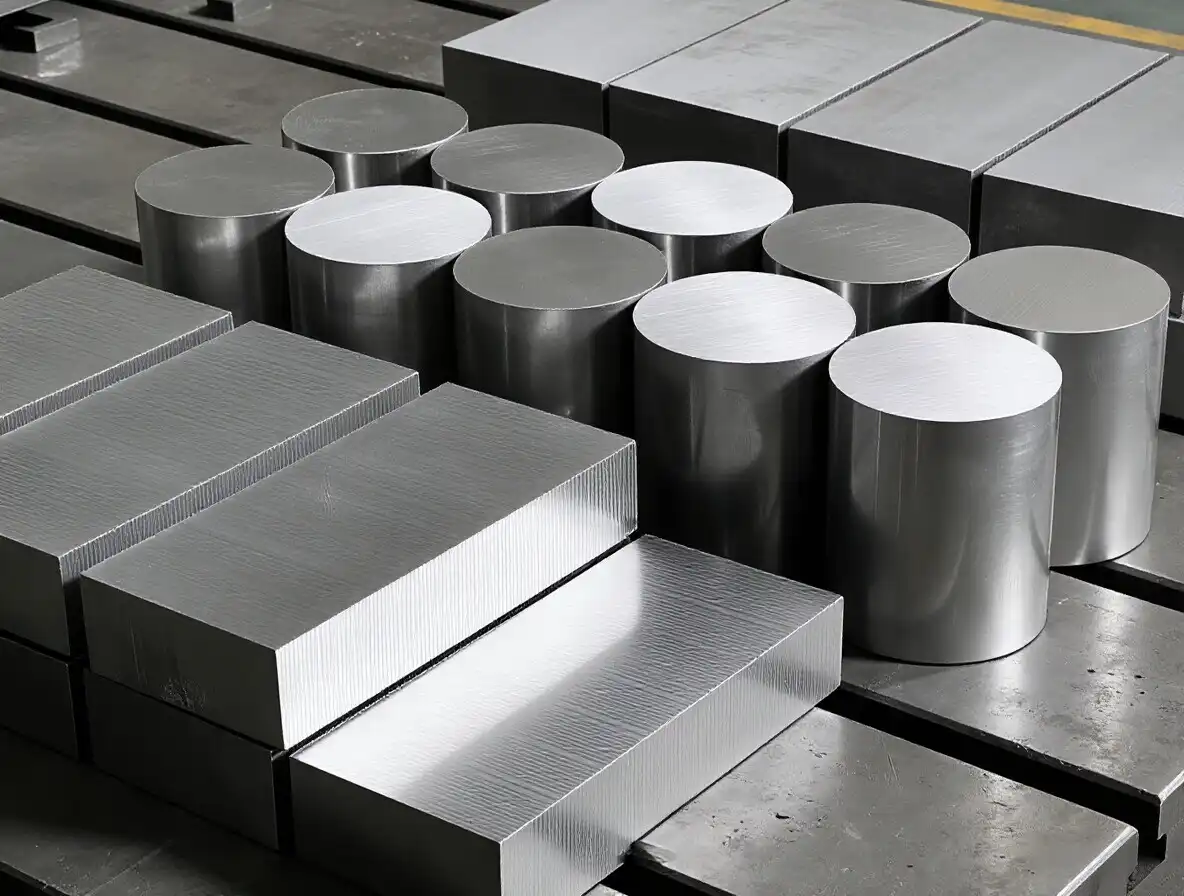
Hot Extrusion and Piercing Process
Hot extrusion or rotating piercing are the processes used to make seamless tubes. These methods create hollow interiors without adding weld lines. The titanium block is heated to about 1000°C and pushed through precise dies that make the tube shape during hot extrusion. This high-temperature method makes sure that the grain structure develops correctly and gets rid of any flaws that could hurt performance.
Another way is called rotary piercing. In this method, hot billets are fed through special mills that make the open centre while keeping the wall thickness the same. To avoid surface flaws and ensure accurate measurements, both methods need precise temperature control and lubricant.
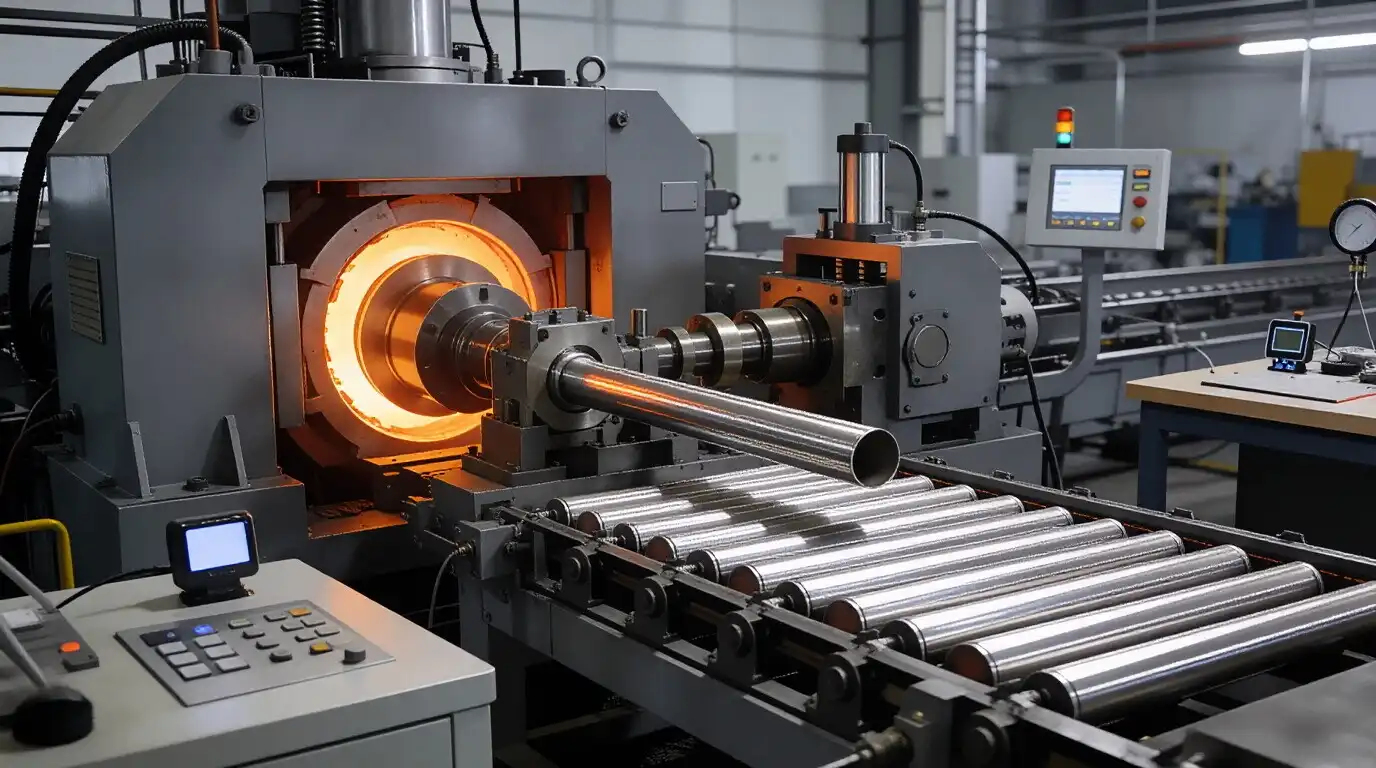
Cold Rolling and Heat Treatment
After the tubes are first formed, they are cold-rolled (pilgered) to get them to their final size and improve the finish on the outside. In this process, the material is worked harder, and its mechanical features get better by going through smaller and smaller dies over and over again. With careful process control, wall thickness tolerances of ±0.05mm are possible.
After cold working, vacuum annealing is used to remove internal flaws and improve the microstructure. The controlled environment stops oxidation and lets the grains get smoother, which makes the metal more flexible and resistant to wear. Temperature patterns are carefully controlled to get the mechanical qualities that are needed for different uses.
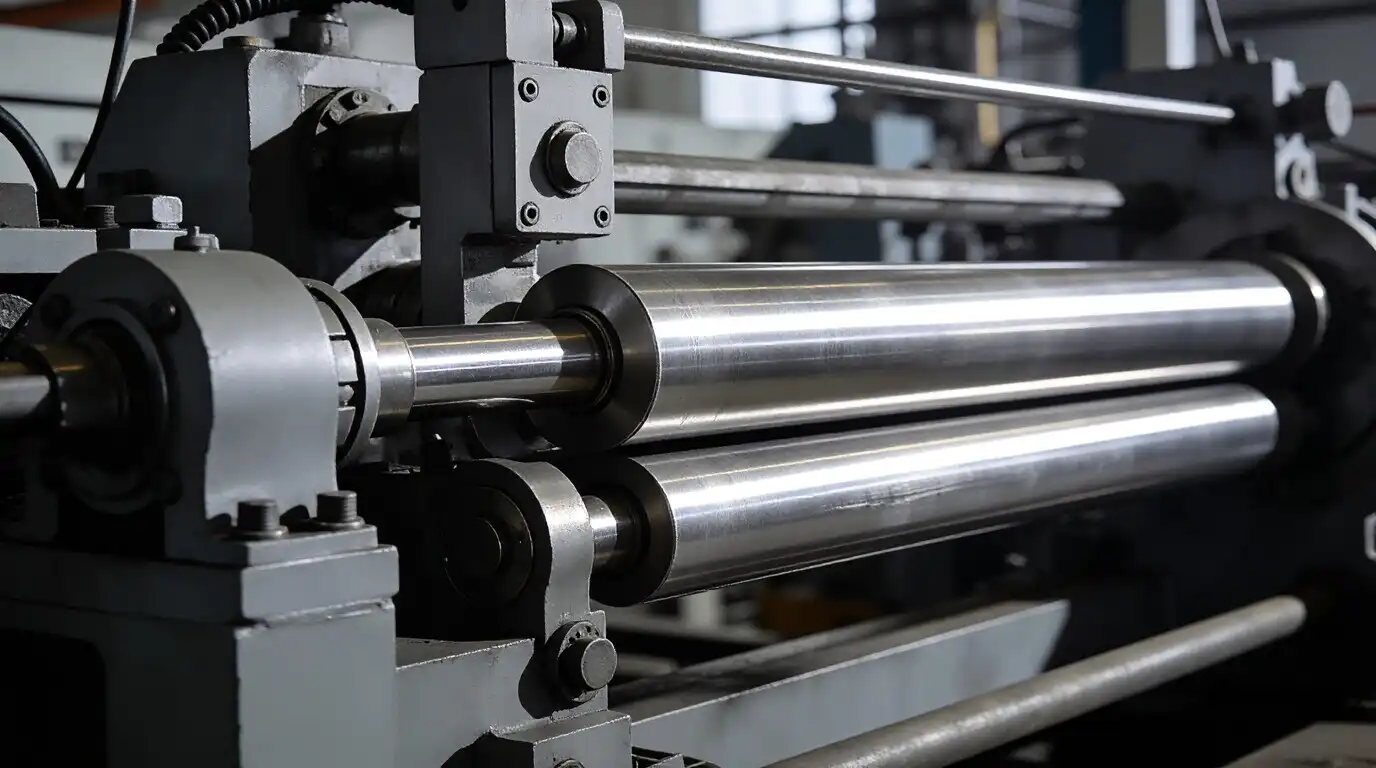
Quality Control and Certification
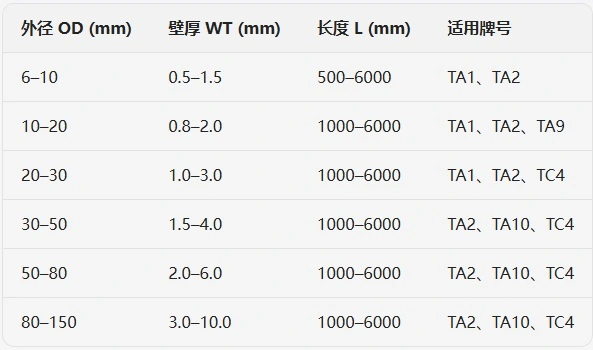
International standards like ASTM B337, ASTM B338, and AMS 4942 are met through strict testing. Ultrasonic screening and other non-destructive testing methods find flaws inside things, and hydraulic testing checks if something can hold pressure. Dimensional inspection supports the specs for wall thickness (0.5-20mm) and outer diameter (OD3–OD219mm).
Full traceability from the chemistry of the raw materials to the results of the final inspection is provided by certificate paperwork. This is important for aerospace and medical uses that need detailed quality records.
Titanium Seamless Tubes vs. Other Tube Types: A Comparative Analysis
When you know how seamless titanium tubing performs differently from other options, you can make smart purchasing choices that balance cost and performance for specific uses.
Seamless vs. Welded Titanium Construction
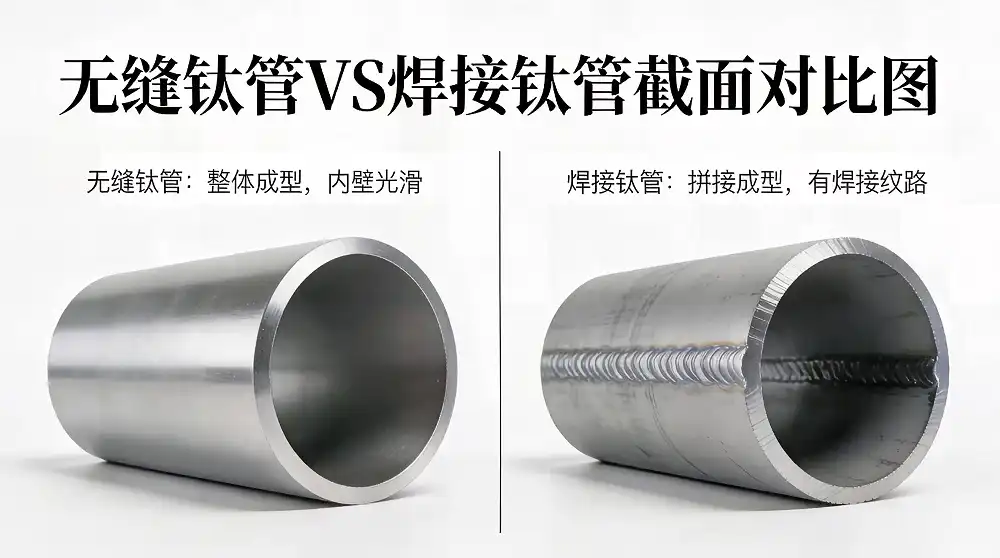
Since a titanium seamless tube doesn't have any weld joints, it doesn't have a heat-affected zone (HAZ), which can be a weakness in bonded construction. Welded tubes have microstructural changes near the weld line that can cause rust or stress failure when they are loaded and unloaded over and over again.
The ability to withstand pressure is a big plus for smooth building. Welded tubes may break at 70–80% of their base material strength, but smooth tubes keep all of their material qualities across their entire cross-section. This lets important apps use higher operating pressures and better safety gaps.
Material Comparison: Titanium vs. Steel and Aluminum
When compared to stainless steel options, smooth titanium tubing is more resistant to rust in chloride settings. It doesn't get pitting or crevice corrosion, which shortens the life of stainless steel. In aircraft uses, where every kilogram of weight savings means better fuel economy, the weight advantage is especially important.
Even though an aluminium tube is lighter than steel, it can't handle high temperatures or rust like titanium can. In chemical processes, situations where the temperature is above 150°C, titanium keeps its qualities while aluminium breaks down and may fail.
Grade Selection for Specific Applications
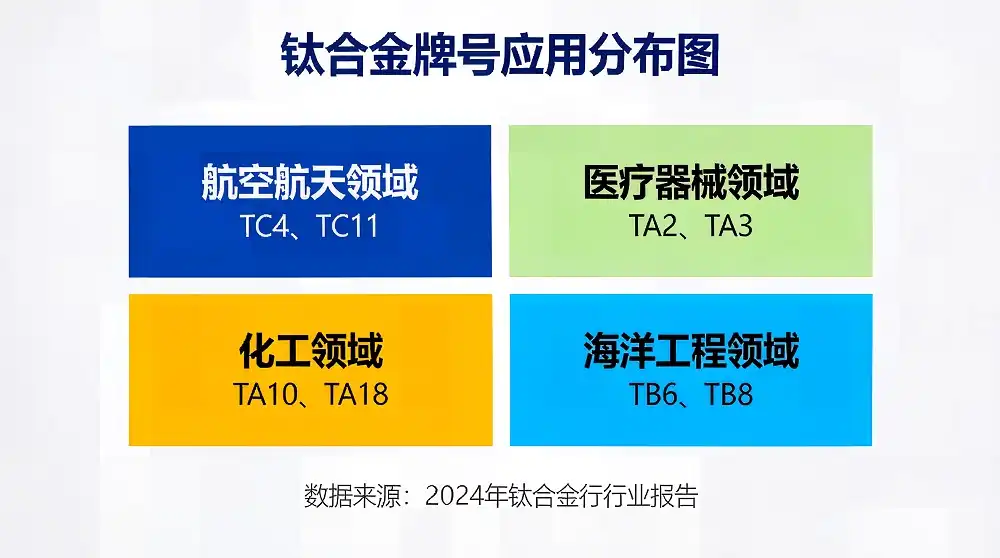
Different types of titanium have qualities that work best for different uses. Grade 2 is very resistant to rust and is used in chemical processing. Grade 5 (Ti-6Al-4V), on the other hand, is stronger and is used in aircraft structures. Palladium is added to Grade 7 to make it more resistant to rust in very acidic conditions.
Surface processes like machined, polished, or acid-pickled finishes give you more ways to customise the product to meet your needs. These processes can make the surface smoother for use in clean situations or make it more resistant to corrosion in harsh settings.
Procurement Considerations and Market Insights for Titanium Seamless Tubes
To buy a titanium seamless tube successfully, you need to know about the important specs, how the market works, and the supplier's skills that affect both cost and performance.
Critical Specification Parameters
Choosing the grade is the most basic choice in the buying process, as each grade has its own set of properties. For chemical uses, Grade 1 has the best corrosion protection, and for complicated shapes, Grade 9 (Ti-3Al-2.5V) has the best mix of strength and formability. Understanding the application standards helps you choose the right grade, which keeps you from over-specifying and spending money on things that aren't needed.
To get the best price, dimensional requirements like outer diameter, wall thickness, and length must match common sizes and production capabilities. Custom sizes require extra costs for tools and setup, which can have a big effect on the unit price for smaller amounts.
Pricing Factors and Market Dynamics
The price of raw materials makes up about 60–70% of the price of a finished tube. This means that the market conditions for titanium sponge play a big role in when to buy it. Long-term contracts can keep prices stable, but they need accurate demand forecasts to keep stocking costs from going up too high.
The number of units ordered has a big effect on the price per unit, and price breaks usually happen at 500 kg, 1000 kg, and 5000 kg. By combining needs from several jobs into one, you can get better prices and keep your supplies flexible.
Supplier Evaluation and Selection
Suppliers can do more than just make things. They can also provide professional help, quality systems, and reliable delivery. Established sellers keep popular types and sizes in stock, which cuts down on lead times for pressing needs. Quality certifications, such as AS9100 for aircraft or ISO 13485 for medical uses, make sure that the product meets the needs of its business.
Both prices and lead times are affected by where the goods are sold. For example, local suppliers may offer faster shipping at higher costs than foreign sources. When you compare total costs, you need to take into account things like shipping costs and import taxes.
Applications and Industry Use Cases of Titanium Seamless Tubes
When other materials can't meet the performance needs, a titanium seamless tube can be used in a variety of businesses.
Aerospace and Defense Applications
Manufacturers of aerospace parts use smooth titanium tubes in hydraulic systems, fuel lines, and pneumatic systems. Reducing weight has a direct effect on how much fuel is used and how much weight can be carried. The high resistance to wear keeps it from breaking down when it's subjected to the cyclic pressure loads that happen during flight operations.
Titanium is used in military applications because it is not magnetic. It is used in underwater systems and electrical equipment that needs to have low magnetic signatures. Because it doesn't rust, it can be used for a longer time in marine settings without having to use protection coatings that are heavy and need to be maintained.
Chemical Processing and Petrochemical Industries
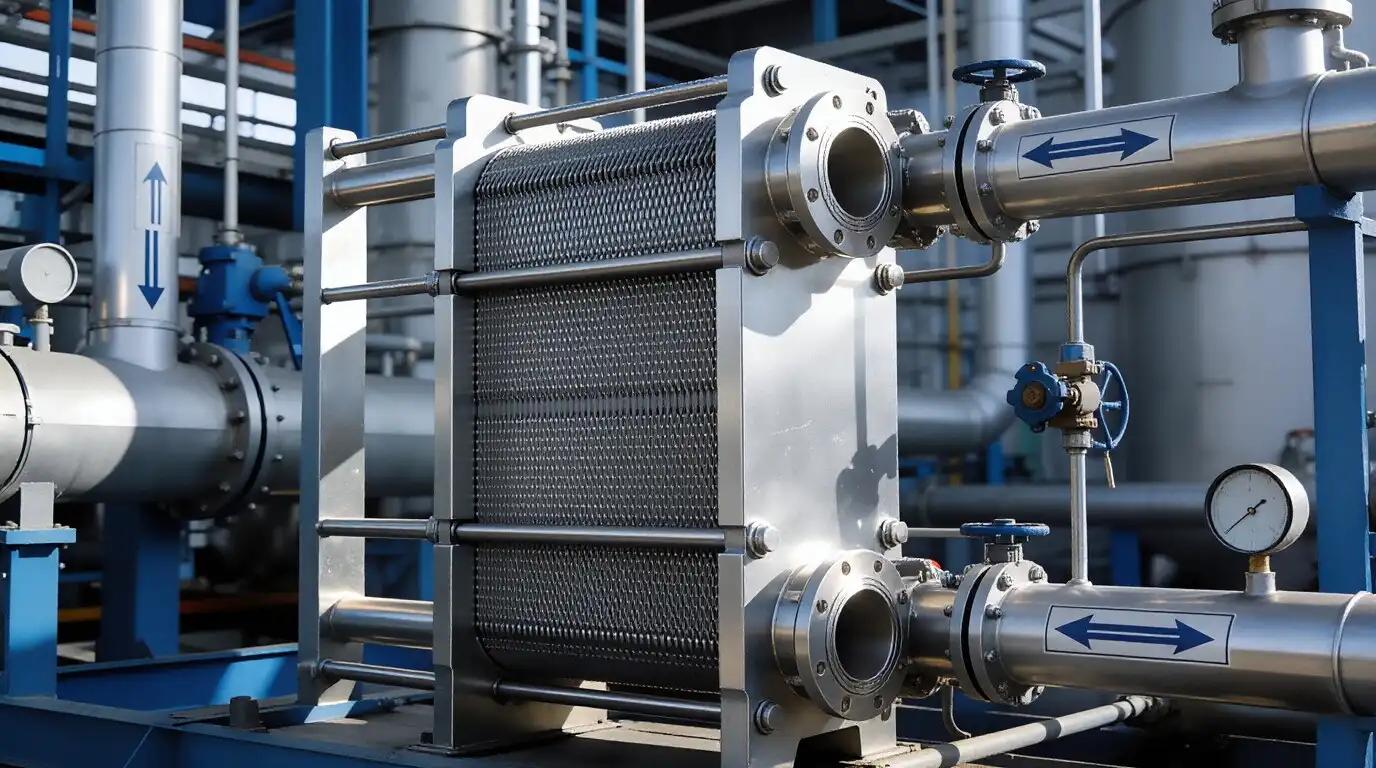
Seamless titanium tube is used in heat exchangers, reactors, and pipe systems that deal with corrosive media in chemical processing plants. Because it doesn't crack when exposed to chloride, the material is necessary for chlor-alkali plants and other harsh chemical conditions.
Titanium tubing is used on offshore oil platforms for system cooling with seawater and fire control. Its great strength and resistance to corrosion make it effective in harsh marine circumstances. The longer service life lowers the cost of upkeep and makes the platform safer.
Medical and Biotechnology Sectors
Manufacturers of medical devices use seamless titanium tubes in surgical tools, devices that are implanted, and machines that process drugs. The biocompatibility keeps tissues from reacting badly, and the rust protection lets the material be sterilised without breaking down.
Titanium's neutral surface qualities make it useful in biotechnology because they keep products pure and stop contamination. A smooth surface finish that comes from good making makes it easier to clean and lessens the chance that bacteria will stick to it.
Power Generation and Marine Engineering
Titanium tubing is used in power plants in condensers and heat exchanges, where ocean cooling makes the conditions very corrosive. The material's resistance to erosion and rust makes equipment last longer and cuts down on repair downtime, which lowers the power generated.
For handling brine and heat recovery systems in desalination plants, a smooth titanium tube is essential because it can handle the high temperatures and high salt levels better than other materials.
Conclusion
The manufacturing of titanium tubes involves sophisticated processes that transform raw titanium into precisely designed parts that can withstand the toughest industrial environments. Seamless construction gets rid of weak spots in the structure and provides better strength, rust resistance, and dependability, which makes the material investment worthwhile by increasing its useful life and lowering the cost of upkeep. Knowing how the product is made, what its qualities are, and what it needs to be used for helps buyers make smart choices that improve performance and cut costs for important business uses.
FAQ
Q1: What makes titanium seamless tubes resistant to corrosion?
Titanium seamless tubes develop a stable oxide layer (TiO2) that forms naturally when exposed to oxygen. This protective barrier prevents corrosion in aggressive environments, including seawater, acids, and high-temperature conditions. The oxide layer self-heals when damaged, providing continuous protection throughout the tube's service life.
Q2: What are typical lead times for bulk orders of titanium seamless tubes?
Lead times vary from 4 to 12 weeks, based on the grade, size, and number needed. Standard grades (Gr1, Gr2, Gr5) in popular sizes usually ship in 4 to 6 weeks. However, special specs or rare grades may take 8 to 12 weeks. When you need something quickly, suppliers with a lot of stock can usually get it to you faster.
Q3: Can titanium seamless tubes be customised for specific applications?
You can choose from different sizes (OD3–OD219mm), wall thicknesses (0.5–20mm), lengths up to 12 meters, and surface styles like machined, polished, or acid-pickled. Working with skilled makers to create custom metal mixes and heat treatments that meet the specific needs of each application is possible.
Contact Jucheng Titanium for Premium Seamless Titanium Solutions
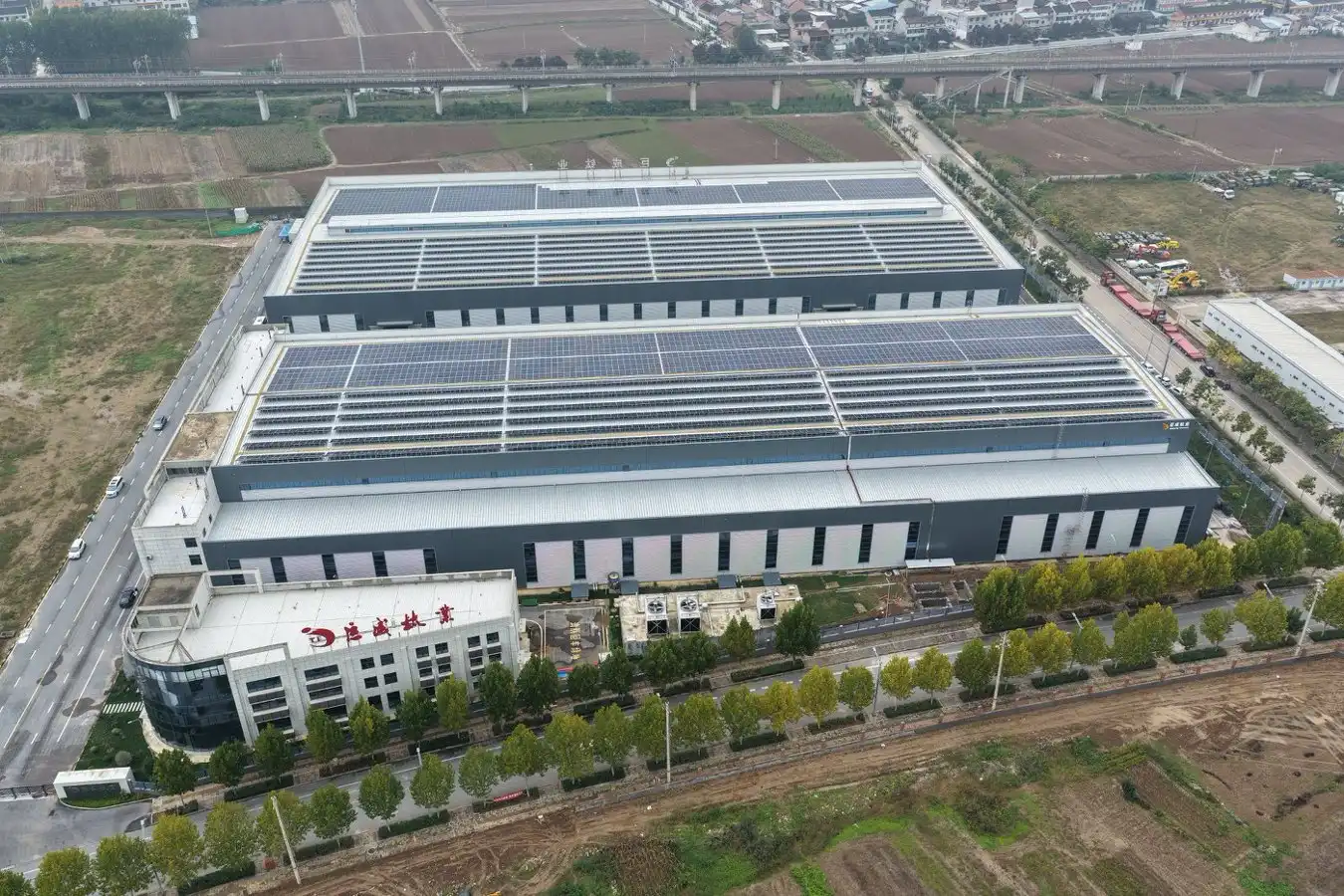
Jucheng Titanium stands as your trusted titanium seamless tube manufacturer, bringing over 20 years of expertise in precision titanium processing and manufacturing. Our large collection of 3,000 tons guarantees fast delivery, and our advanced production skills allow us to make unique solutions that meet the strictest requirements. With certifications in the chemical, medical, and aerospace industries, we can provide full traceability and quality guarantee for uses that are very important to the goal.
Our research team works with customers to find the best materials and processing conditions, which ensures the best performance and lowest costs. Whether you need standard grades or a custom alloy developed, our R&D agreements with top research schools let us come up with new ways to use titanium that are cutting-edge. Email our procurement experts at s4@juchengti.com to talk about your needs and see for yourself why Fortune 500 companies around the world choose us as their titanium seamless tube provider of choice.
References
1. Boyer, R., Welsch, G., & Collings, E.W. "Materials Properties Handbook: Titanium Alloys." ASM International Materials Park, Ohio, 1994.
2. Donachie, Matthew J. "Titanium: A Technical Guide, 2nd Edition." ASM International, Materials Park, Ohio, 2000.
3. American Society for Testing and Materials. "ASTM B337-19 Standard Specification for Seamless and Welded Titanium and Titanium Alloy Pipe." ASTM International, West Conshohocken, PA, 2019.
4. Peters, M., Kumpfert, J., Ward, C.H., & Leyens, C. "Titanium Alloys for Aerospace Applications." Advanced Engineering Materials, Vol. 5, No. 6, 2003.
5. Schutz, R.W. & Thomas, D.E. "Corrosion of Titanium and Titanium Alloys in Industrial Applications." Corrosion Engineering Handbook, Marcel Dekker Inc., New York, 1996.
6. Aerospace Materials Specification AMS 4942. "Titanium Alloy Seamless Tubing 6Al-4V Annealed." SAE International, Warrendale, PA, 2018.