
Exploring the Applications and Characteristics of Titanium Plate
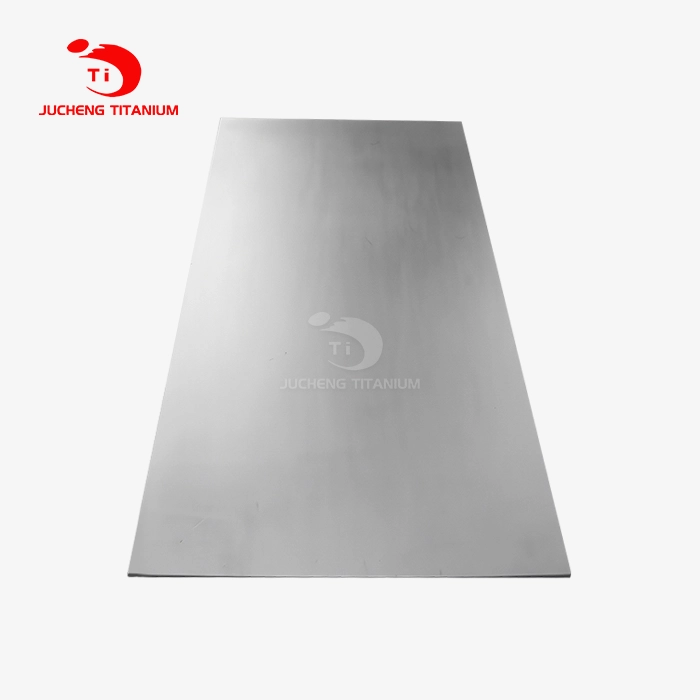
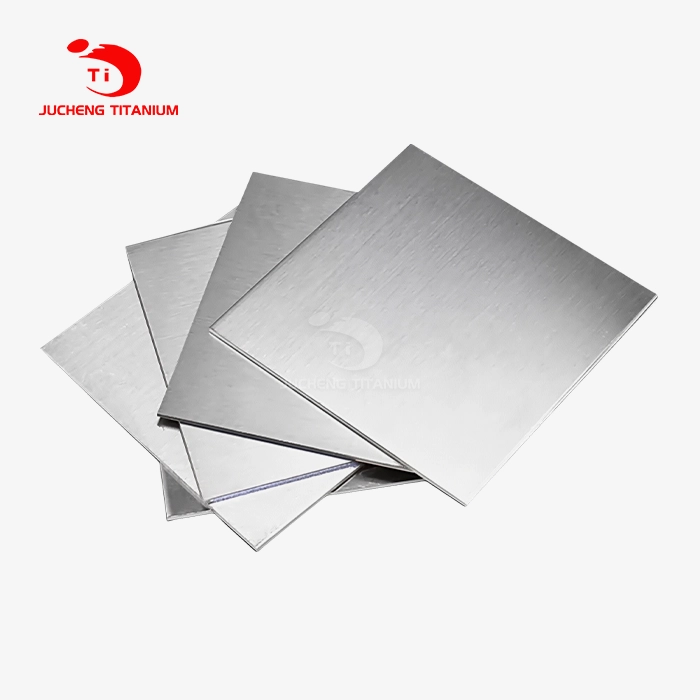
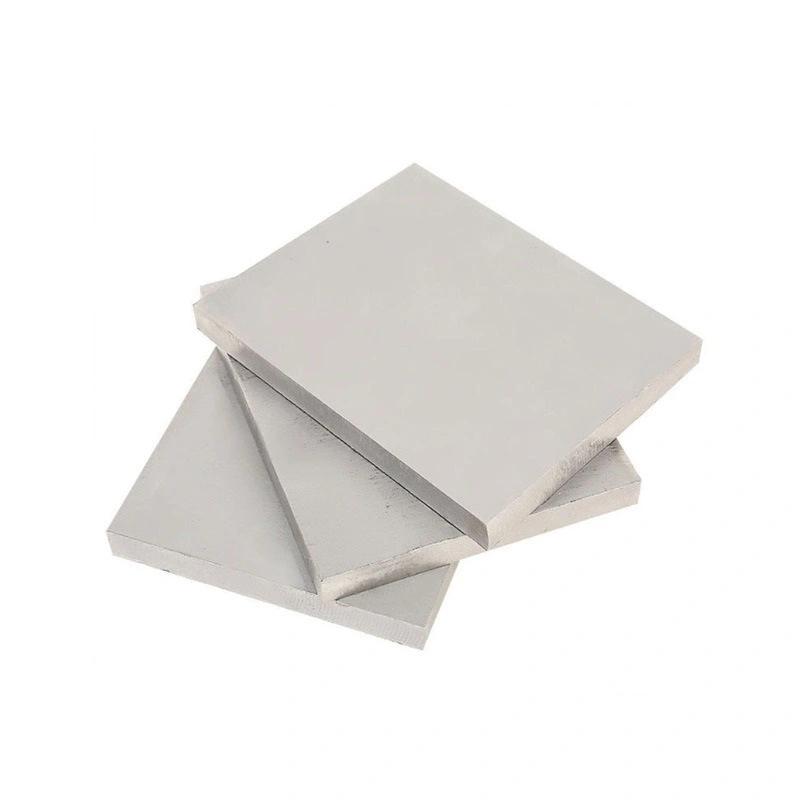
It is important to use a titanium plate in advanced manufacturing because it is biocompatible, has a high strength-to-weight ratio, and is very immune to rust. Because of these qualities, it can be used in scientific, pharmaceutical, medical, and industrial settings. Most of the time, these flat-rolled things are thicker than 4.75 mm. In tough situations where other materials fail, they work better than any other material. This makes them necessary for companies that need precise planning and solutions that last.
Understanding Titanium Plate Properties and Benefits
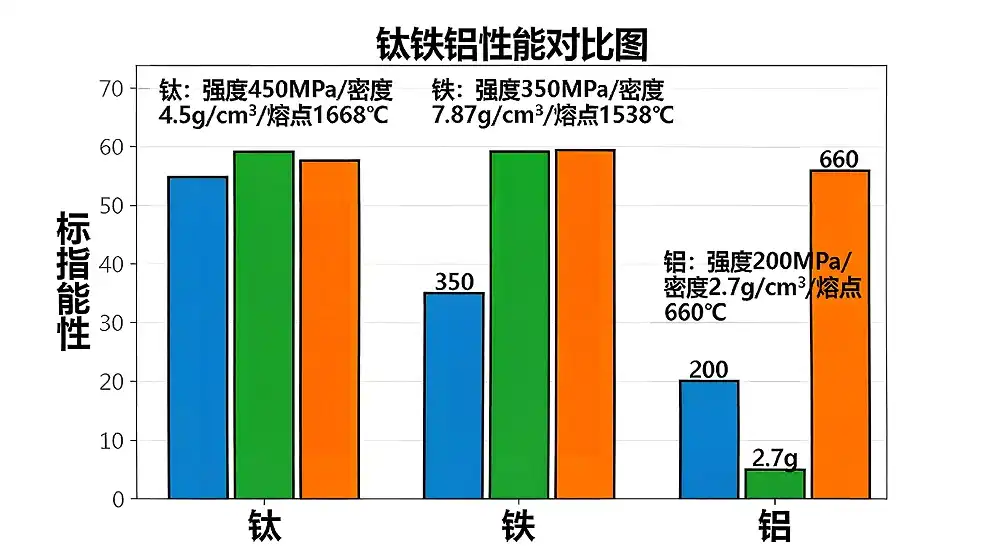
Materials made of titanium plates are different from other metals because of how they are chemically and physical properties. Titanium is lighter than steel but much harder compared to its weight. It is also less dense, which makes it the best material for things that need to be light. Because titanium is solid and can form a protective oxide layer that stops rusting even more, this mix is one of a kind.
Key Material Properties and Performance Characteristics
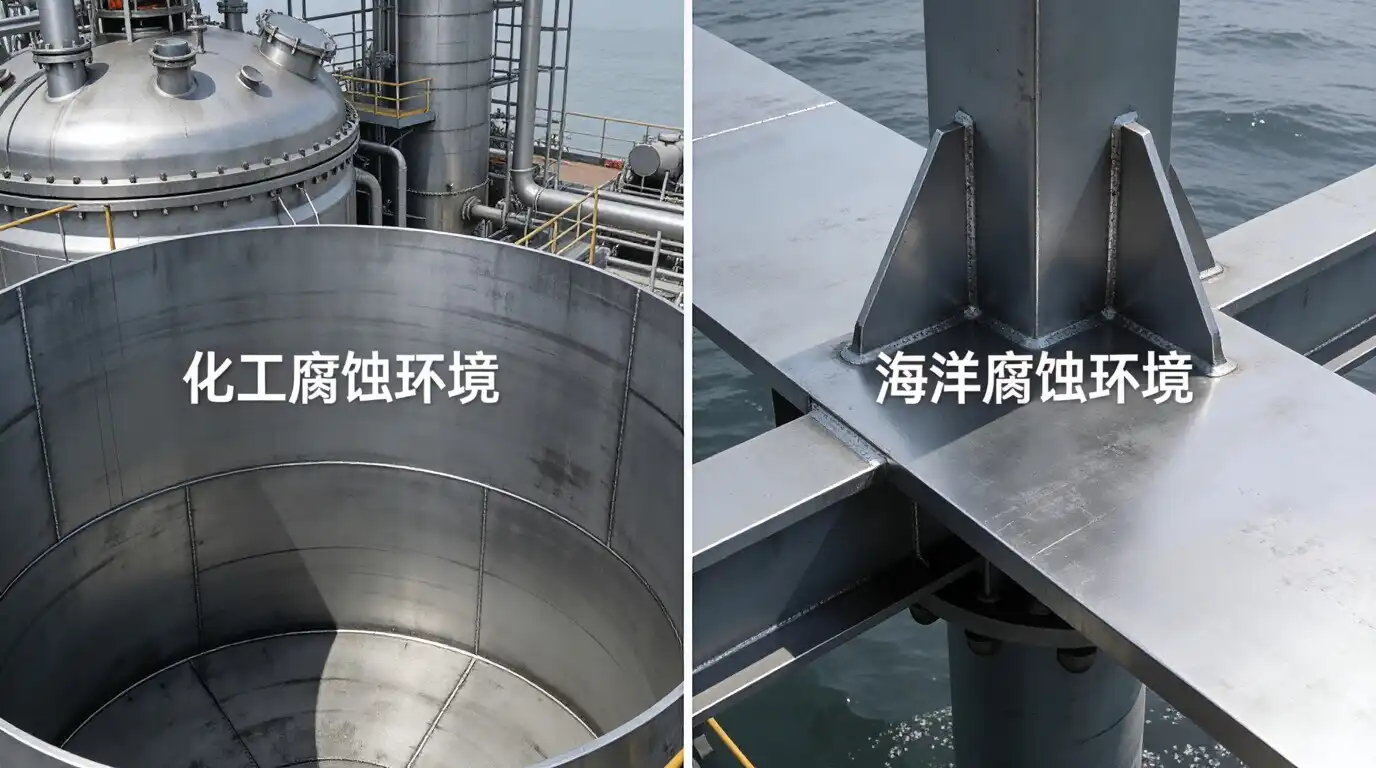
Because of its unique properties, the titanium plate works well in harsh working situations. One great thing about it is that it doesn't rust, which is very important in salty places where stainless steel breaks down quickly. Titanium doesn't lose much or any of its structure over decades of being in oceans, acidic liquids, and chemical processes.
Another important trait is being stable at room temperature. Titanium plate retains its tensile properties even at very low temperatures (below 400°C) and very high temperatures (above 400°C). Together, these thermal stability and low thermal expansion factors make sure that measures are right when they are used precisely.
Common Grades and Their Specific Applications
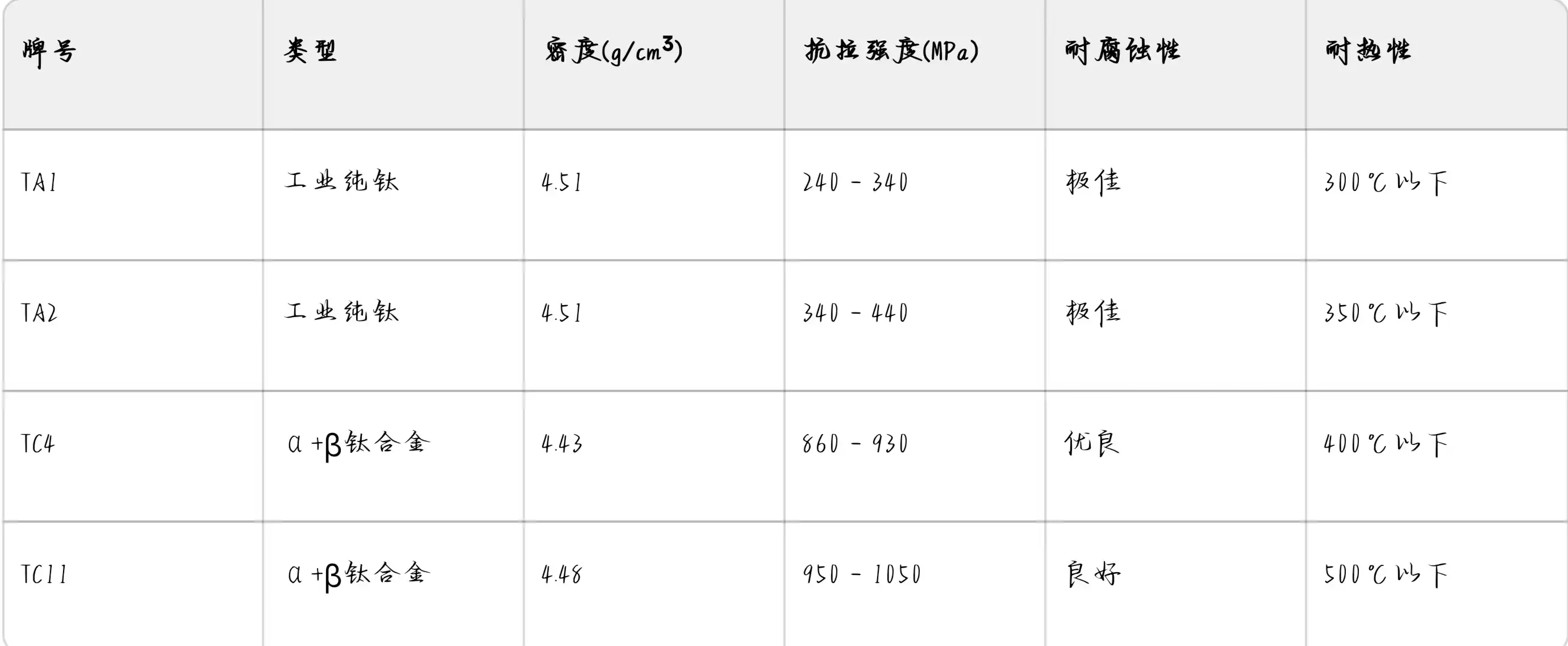
To meet the needs of various businesses, titanium comes in various types, each with its own set of properties. Grade 2 titanium doesn't rust and is easy to shape, so it's great for use in chemical processing equipment and on the water. Because it is economically pure, it will always work well in settings that aren't too harsh.
Grade 5 titanium (Ti-6Al-4V) is stronger because it has been mixed with aluminum and vanadium. This grade is great for parts of airplane structures that need to be strong but not heavy. The alloying elements make the metal stronger while keeping its ability to fight rust. It's great for things that need to hold a lot of weight.
Some grades, like Grade 7, have extra palladium added to them to make them less likely to rust in places with less acid. Molybdenum and nickel are added to grade 12 steel to make it harder and better at preventing corrosion in some chemical environments.
Applications of Titanium Plates Across Industries
Titanium plate materials are useful in many fields, and each one turns to its own special traits to solve important technical issues. Because it works better than other materials, industries choose the titanium plate.
Aerospace and Defense Applications
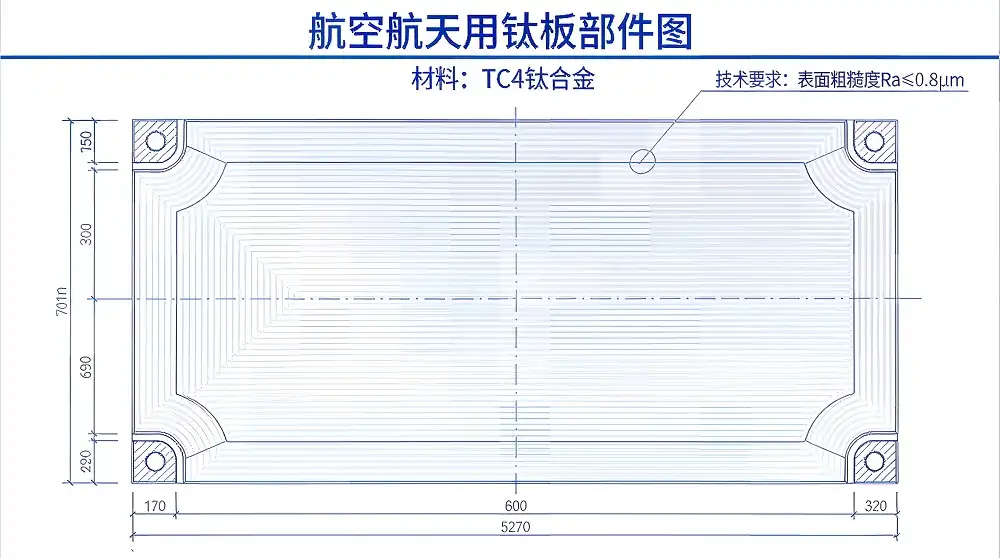
Aerospace companies rely heavily on titanium plates for structural parts, engine parts, and aircraft systems. The fact that the material stays strong at high temperatures and makes the plane lighter makes a big difference in how well it works and how much fuel it uses. Titanium is used in defense to make shields and other effective military gear because it is strong and doesn't conduct electricity easily.
Titanium is good for business airplanes because it doesn't wear down easily in key structural parts. Titanium plate is used by airplane manufacturers for parts that are stressed many times, which protects passengers and extends the life of the part. As the substance is not magnetic, it can also be used for delicate electrical parts in modern airplanes.
Medical and Biomedical Sector
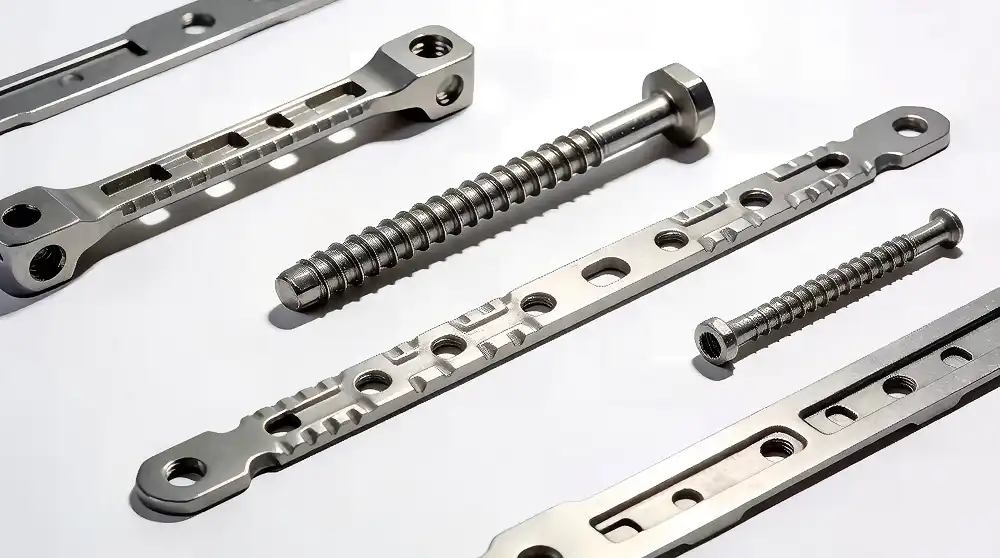
It is titanium plates that are used to make hip implants, surgical tools, and healthcare equipment. The material is biocompatible, which means it doesn't respond badly with the body, and it's strong enough to stay in place for a long time. The titanium bone plates really work well with human skin; they help it heal and support it structurally.
The fact that titanium is radiolucent means that medical pictures can be taken without any issues. This trait makes it possible to track accurately after surgery and cuts down on the number of times implants need to be removed. The material stays steady in physiological settings for a long time because it doesn't soak up bodily fluids.
Chemical Processing and Marine Environments
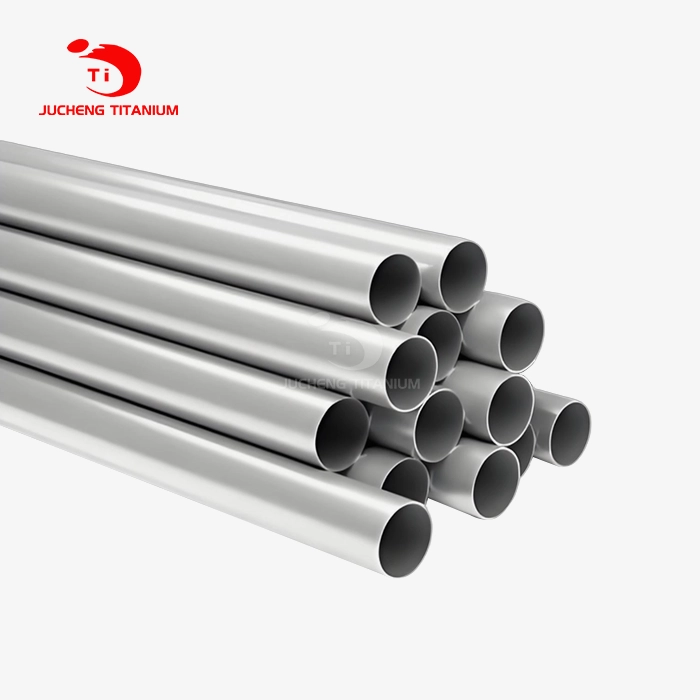
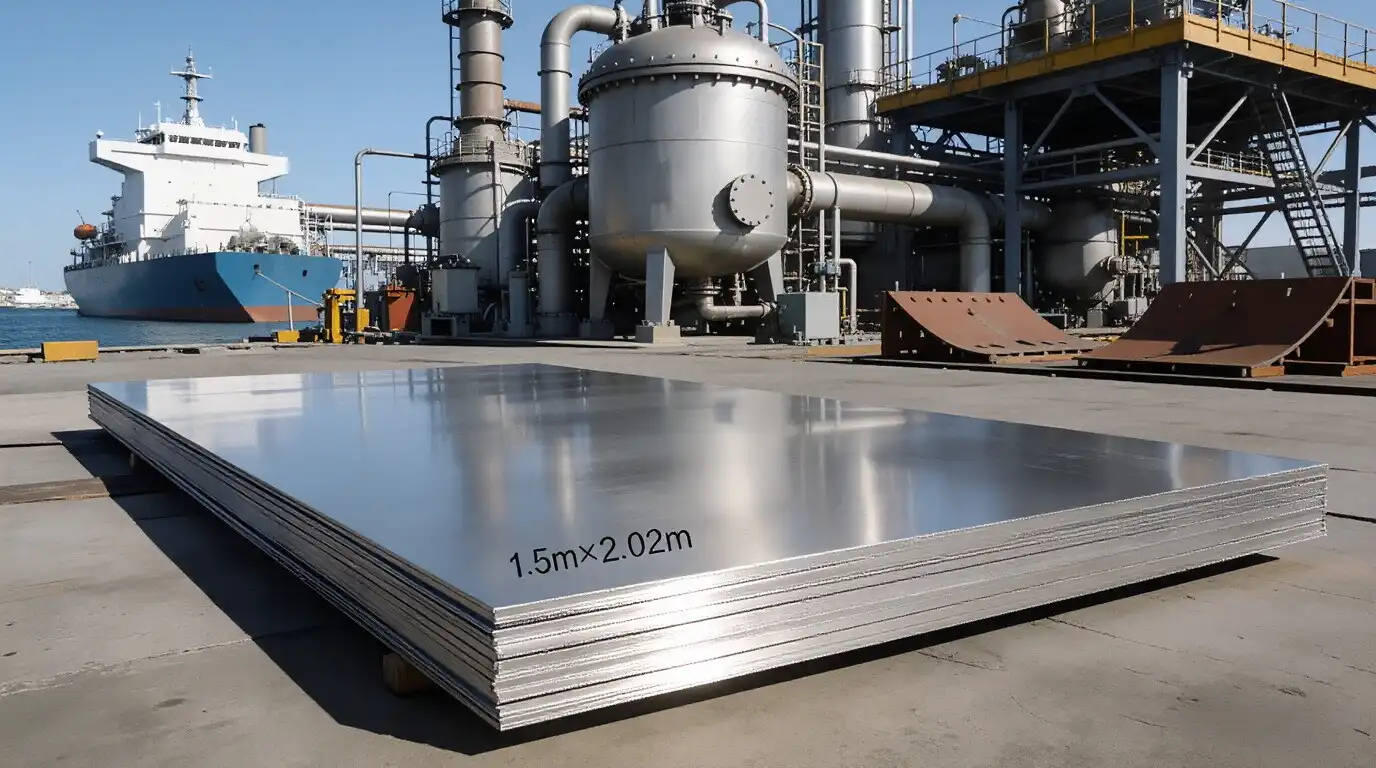
In chemical processing plants, titanium plates are used to make reactor tanks, heat exchangers, and pipe systems. These are used in places where toxic chemicals would quickly break down other materials. It is very important in water treatment, industry, and pharmaceuticals because it can handle chlorine, acids, and alkaline solutions.
Titanium is good for military ships, remote sites, and equipment that removes salt from water because it is very resistant to it. Galvanic corrosion is no longer a problem because of this material. It also keeps buildings strong in tough sea environments, which lowers maintenance costs and makes equipment last longer.
Comparison and Decision-Making: Titanium Plates vs Other Metals
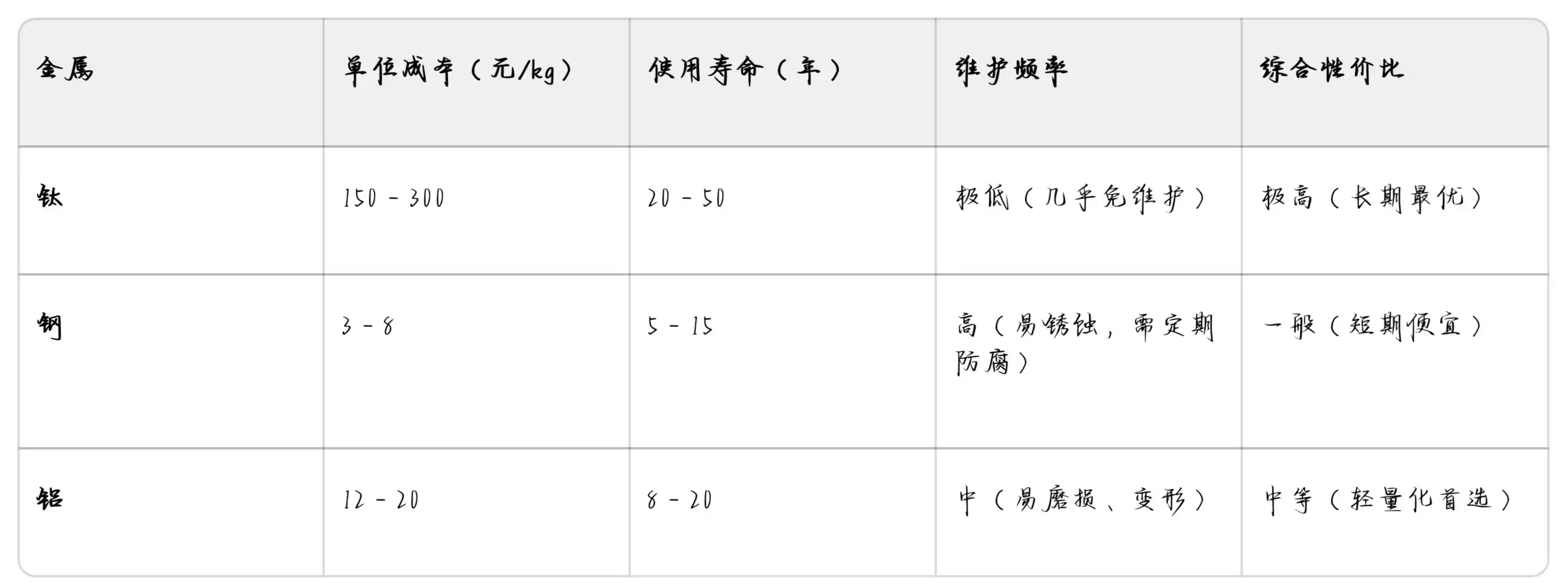
If you want to choose a titanium plate over other materials, you need to think about how well they work, how much they will cost over their lifetime, and what your application needs. Tin may cost more at first, but because it lasts longer, it is often better in the long run.
Performance Comparison with Steel and Aluminum
A titanium plate is superior to a steel plate when weight is a factor. Titanium is almost twice as strong as high-strength steel when it comes to weight. In other words, it can be used in building with a lot less weight. This lighter weight directly leads to better performance in fields like cars, aircraft, and portable tools.
Titanium is stronger and better able to handle higher temperatures than aluminum. Titanium is more expensive than aluminum, but it is often worth it in the long run because it is stronger and doesn't rust. This material is needed for high-performance tasks because it keeps its properties at high temperatures, while metal loses its strength.
Cost Considerations and Economic Factors
To find out how much a titanium plate costs, you need to look at how well it works over time and compare the two. Costs that are higher at first are often balanced out by cheaper maintenance, longer service life, and better economy. When businesses use titanium instead of metal, they don't have to buy new tools as often because of rust or normal wear and tear.
Titanium plate costs change on the market based on grade, quantity, and specs. Grade 2 titanium is usually the most cost-effective choice for protecting against rust. But Grade 5 titanium costs more and is only used for things that need to be very strong. Getting things in bulk and making long-term deals with sellers can help you get better deals.
Practical Guidance: Cutting, Sourcing, and Customizing Titanium Plates
You need to know how to work with materials, make things, and pick a seller in order to buy and work with titanium plates. If you plan well, you can be sure that the job goes well and that the items are used well.
Fabrication and Machining Considerations
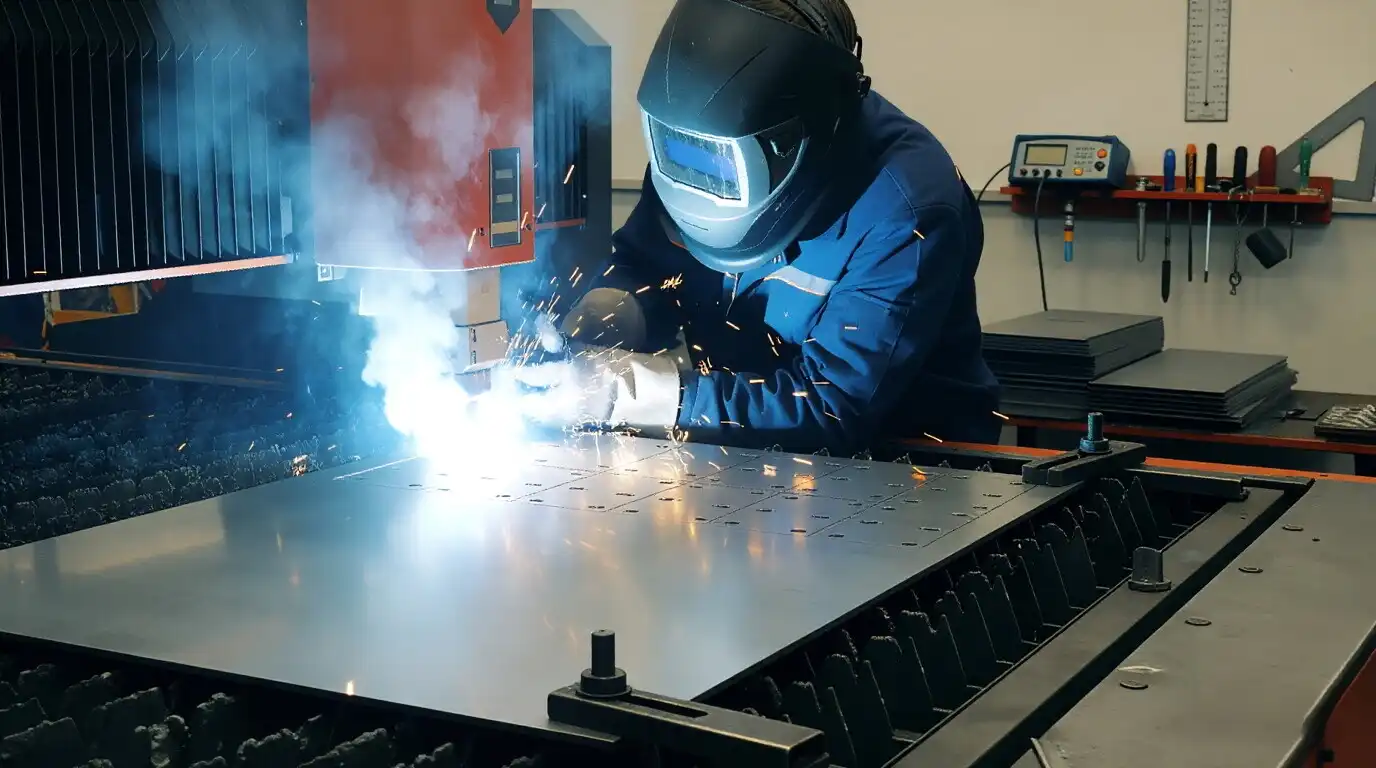
To get the best results when making titanium plates, you need to use specific techniques. When you cut something with a waterjet, the edges are very sharp, and the heat hasn't changed the material in many places. Make complicated shapes with laser cutting, but be careful not to let the heat get too high or the material will break.
For machining processes, it's important to use the right cutting settings and tools. Titanium work gets harder over time, so it needs steady feed rates and cutting tools that are very sharp to keep the sizes correct. To keep tools from galling and to make them last longer, use the right amount of water when cutting.
Supplier Selection and Quality Assurance
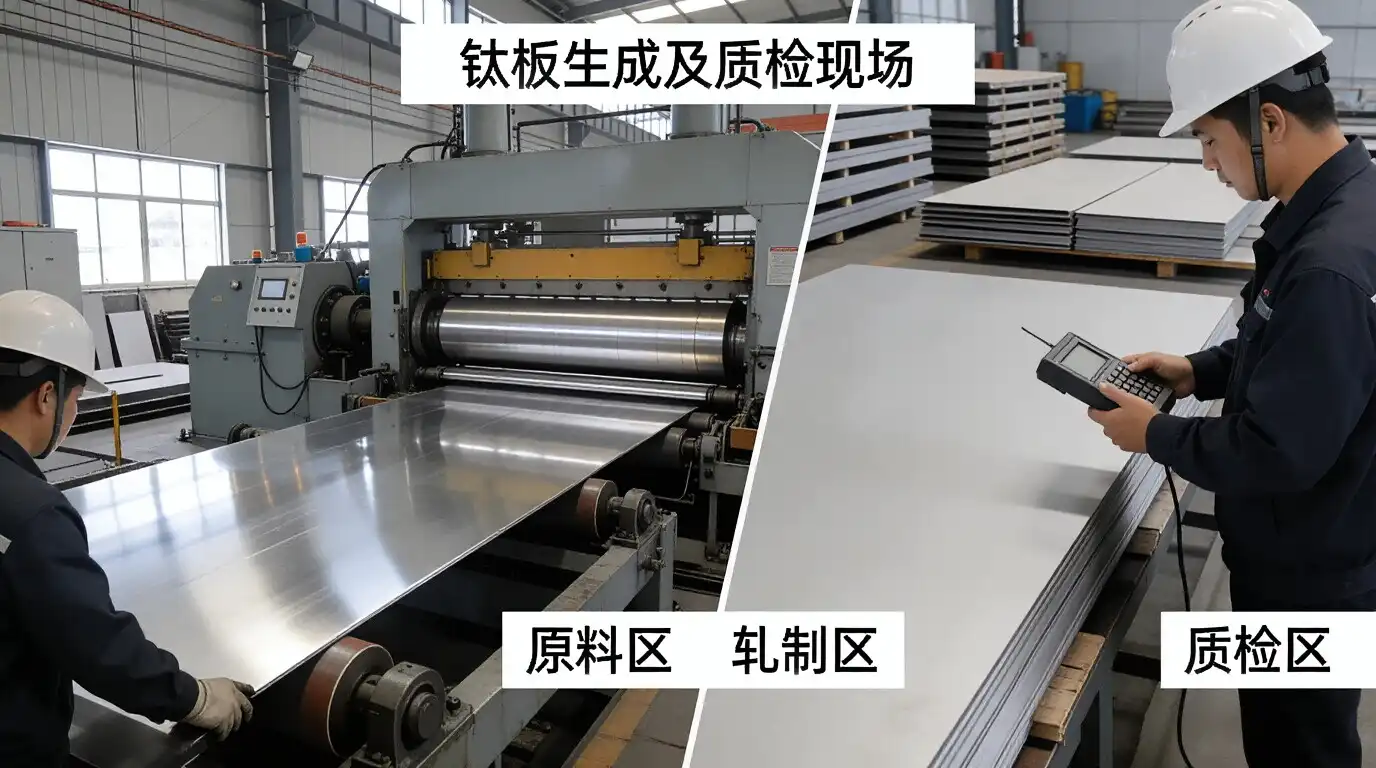
Once you've found a titanium plate provider you can trust, check out their qualifications, production skills, and quality control systems. Suppliers with licenses for ASTM B265, ASTM F67, and AMS 4911 show that they run their business legally. Forms for keeping track of materials make sure that the right grade is checked and that the performance is confirmed.
As part of quality assurance, material tests, checking of dimensions, and looking at the state of the surface should all be done. You can be sure of the chemical make-up and mechanical properties of a material when the supplier gives you a full material document. Quality checks and reviews of suppliers make sure that the quality of the materials stays stable.
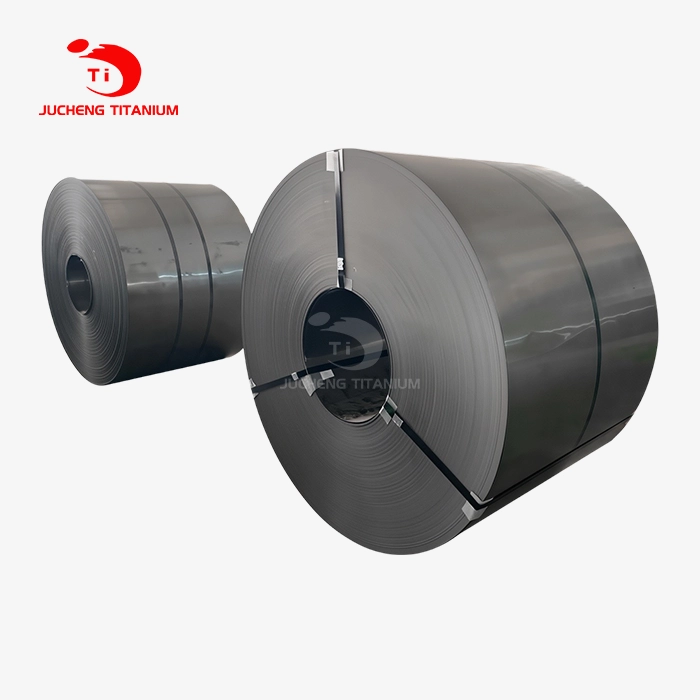
As long as the thickness is between 4mm and 80mm and the width is up to 2500mm, the material can be made to fit the needs of the job perfectly. Some materials are at their best after being hot-rolled and then softened.
Future Trends and Innovations in Titanium Plate Applications
There are always new tools that make the process of making titanium plates better, as well as new metals and more ways to use titanium plates. Many types of businesses can save money and do their jobs better with the help of new ideas.
Advanced Manufacturing Technologies
Adding materials using additive manufacturing is making titanium plates more useful in more ways by using complex shapes and patterns that are stitched together. When you use powder bed fusion, you can build complex internal structures that you couldn't do any other way. With these tools, less wasteful materials can be used, and things can be made better.
Modern ways of rolling materials make them more uniform, improve the surface quality, and lower the cost of production. Handling things with controlled air keeps them from getting dirty and raises their value. These changes have made it easier to get titanium plates for uses that need to save money.
Emerging Applications and Market Growth
Titanium plate is used in a variety of green energy applications, including solar heating systems, geothermal setups, and tools for making hydrogen. The material is good for clean energy infrastructure because it doesn't rust and stays stable at high temperatures.
Adoption keeps going up in the car business as companies try to make their cars lighter and faster. Titanium can handle heat well and works well with electromagnetic fields, which are both good for battery systems in electric cars. Titanium is used in high-end vehicles because it looks good and works well.
Conclusion
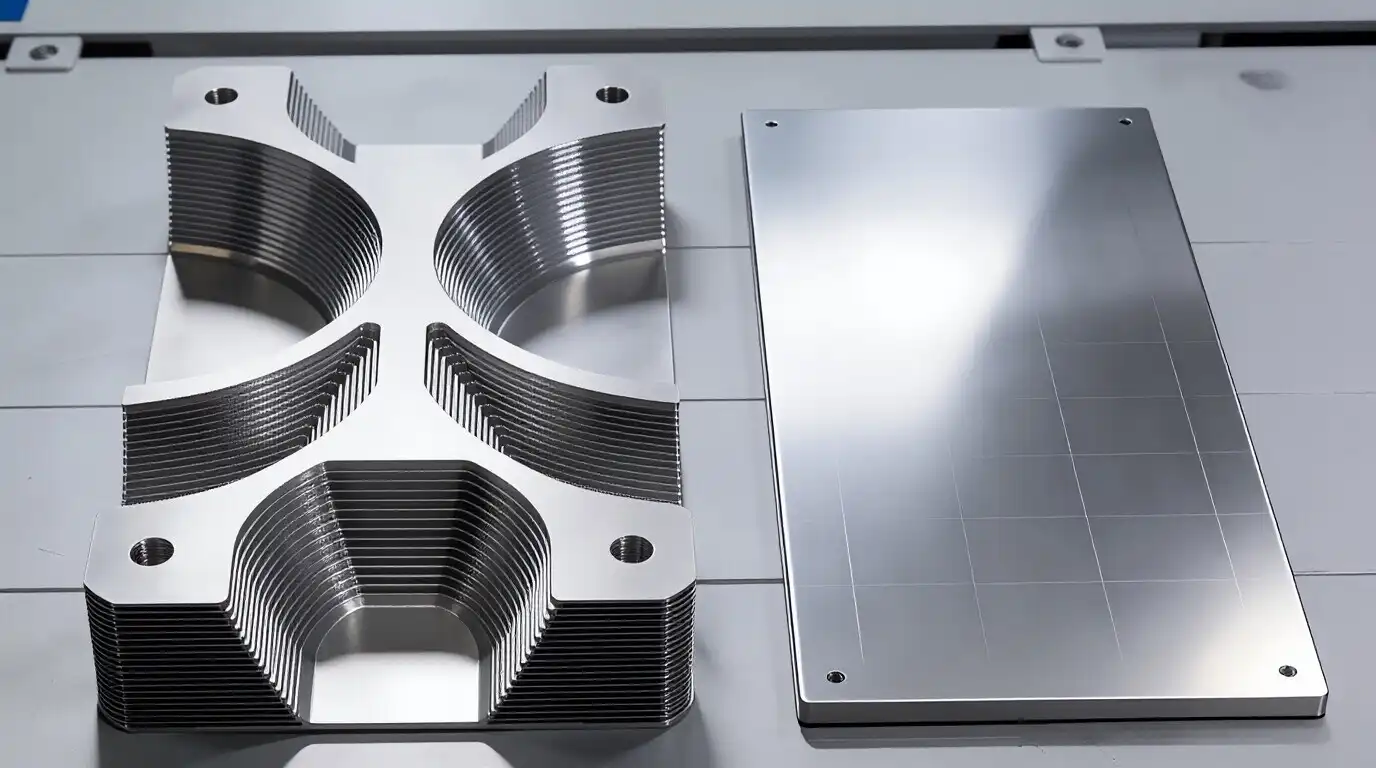
It is very important for companies that need materials that work better than regular metals to use titanium plate materials. Because they don't react with living things, are strong for their weight, and don't rust, these materials are very important in the aerospace, medical, chemistry, and new technology industries. To make smart choices that keep costs low and performance high, it's important to know about the traits, uses, and buying factors. As manufacturing methods get better and new uses come up, the titanium plate will continue to be an important part of solving hard engineering problems in a wide range of fields.
FAQ
Q1: What thickness options are available for titanium plates?
There is a range of sizes for titanium plates, from 4 mm to 80 mm. However, different thicknesses can be made to meet specific needs. The width is chosen by what the building needs, how much it weighs, and how it will be made. Thick plates are heavy and cost more, but they can hold more weight. Making sure the material can be used with standard cutting tools and cutting down on wait times are normal thickness steps.
Q2: How do different titanium grades affect plate performance?
Since different types of titanium are used for different things, their chemical and mechanical properties are also different. Because it doesn't rust and is easy to shape, Grade 2 is great for chemical jobs. Grade 5 is the best, and it is used in building and airplanes. Palladium is added to Grade 7 to make it less likely to rust when conditions are bad. The type you pick should depend on the job, how strong it needs to be, and where it is located.
Q3: What surface treatments are available for titanium plates?
People often smooth the surface to make it look better, machine it to get exact measurements, or pickle it in acid to keep it from rusting. As conditions warm up, they loosen up and make things easier to shape. The surface treatment you choose affects both how it looks and how well it works. There are different treatments for different businesses.
Partner with Jucheng Titanium for Premium Titanium Plate Solutions
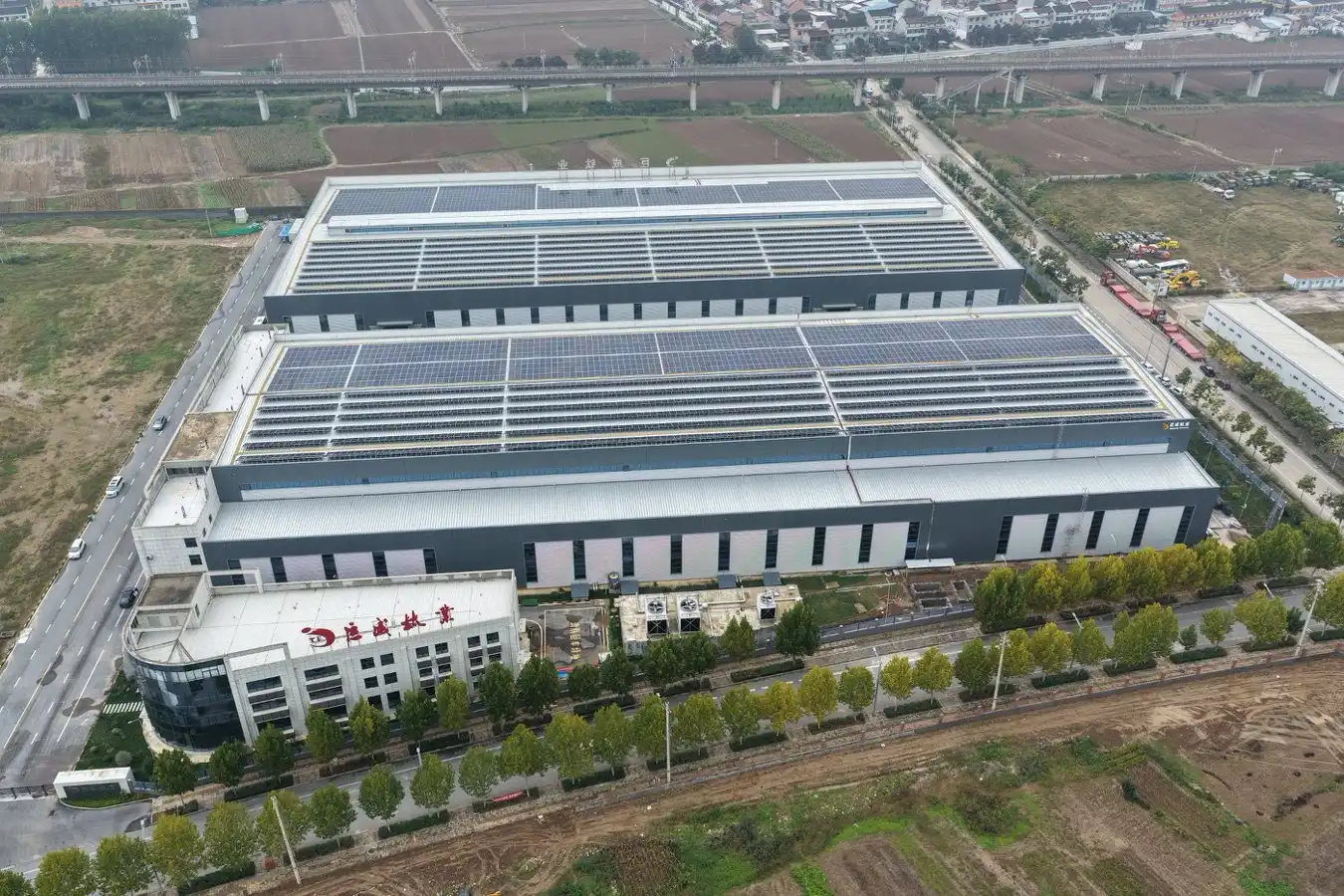
If you need titanium plates, you can trust Jucheng Titanium. They've been making them for over 20 years and have helped businesses all over the world. We have 3,000 tons of Grade 1, Grade 2, Grade 5, and other special titanium plates in stock that are ready to ship right away. These plates meet ASTM B265, ASTM F67, and AMS 4911 standards. People in the aircraft, medical, chemical, and industry fields can get what they need from us. We offer custom manufacturing, hot-rolled processing, and strict quality control systems. Contact our expert team at s4@juchengti.com to talk about your specific needs and find out why top makers all over the world trust us to provide them with titanium plates.
References
1. Boyer, R., Welsch, G., & Collings, E.W. "Materials Properties Handbook: Titanium Alloys." ASM International, Materials Park, Ohio.
2. Leyens, C., & Peters, M. "Titanium and Titanium Alloys: Fundamentals and Applications." Wiley-VCH, Weinheim, Germany.
3. Donachie, M.J. "Titanium: A Technical Guide, 2nd Edition." ASM International, Materials Park, Ohio.
4. Peters, M., Kumpfert, J., Ward, C.H., & Leyens, C. "Titanium Alloys for Aerospace Applications." Advanced Engineering Materials, Volume 5, Issue 6.
5. Rack, H.J., & Qazi, J.I. "Titanium Alloys for Biomedical Applications." Materials Science and Engineering: C, Volume 26, Issue 8.
6. Froes, F.H., Qian, M., & Niinomi, M. "Titanium for Consumer Applications: Real-World Use of Titanium and Titanium Alloys." Elsevier, Amsterdam, Netherlands.