
Uses of Titanium Plates and Sheets
Titanium plates and sheets
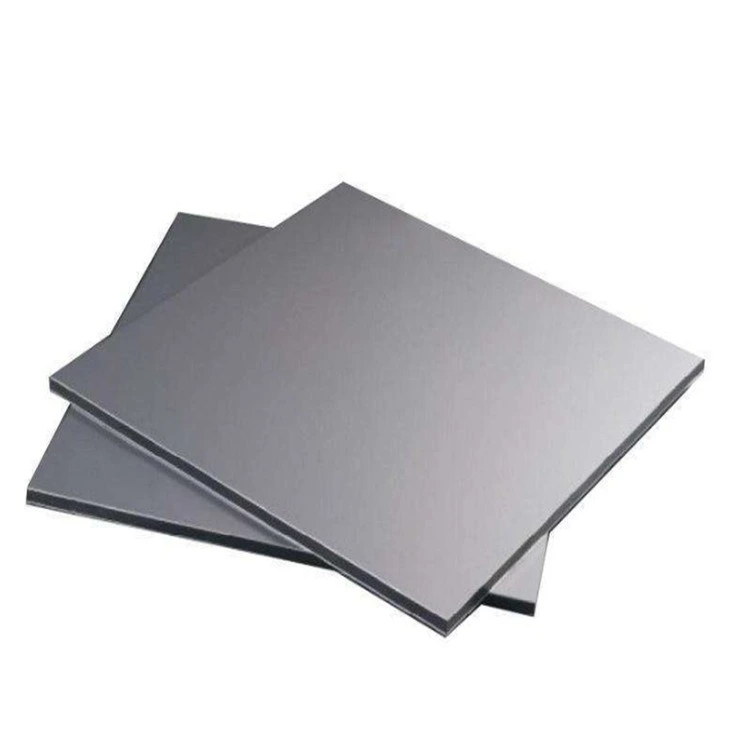
represent versatile materials engineered for demanding applications across multiple industries, distinguished by exceptional strength-to-weight ratios, corrosion resistance, and biocompatibility. These flat-rolled products, which are usually thicker than 4 mm for titanium plate standards, are used in a lot of important ways, like in medical implants, airplane structural parts, and marine infrastructure. When buying products that need to be able to handle harsh conditions, keep their shape under stress, meet strict industry standards, and provide long-term performance value, purchasing professionals can make smart choices if they know all the different ways they can be used.
Understanding Titanium Plates – Properties and Grades
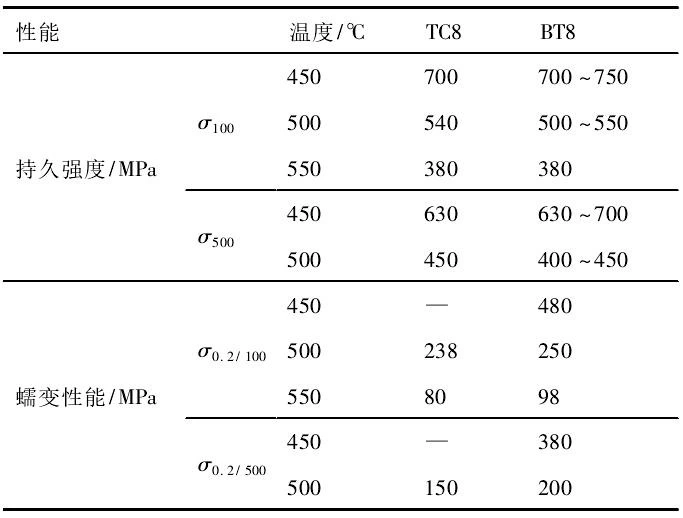
Titanium products are very special because of the way they are made mechanically. This makes them necessary for jobs where other materials don't work. Titanium and titanium alloys that are sold in stores are better at fighting corrosion in tough environments like saltwater, chlorides, and oxidizing acids. Stainless steel, on the other hand, breaks down quickly because of pitting or fissure corrosion.
Key Material Properties
Titanium plate is special because it doesn't rust or degrade easily, allowing it to remain strong in conditions that would normally destroy other materials. Titanium is almost twice as strong as aluminum for its weight, and it also holds up better against wear when repeated loads are put on it. Titanium doesn't change much when it gets hot, so it keeps its mechanical properties even when it's very hot. It stays the same size even when the temperature changes.
Grade Classifications and Applications
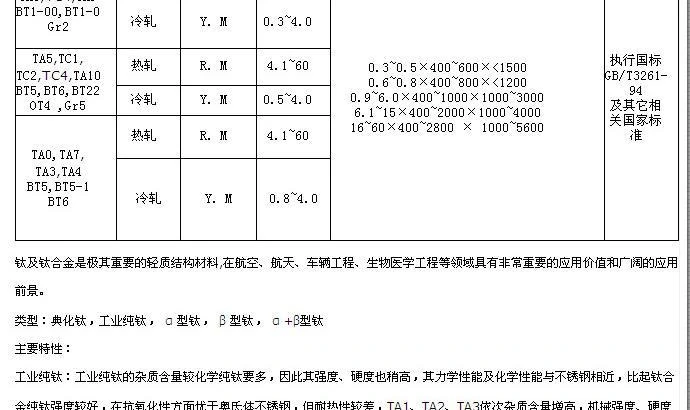
Different titanium grades meet different business needs based on their chemical makeup and mechanical properties. It is the most expensive grade of titanium, doesn't rust, and is easy to shape, which makes it great for chemical processing. Grade 2 is a little stronger than Grade 1, but it still doesn't rust, so it can be used on ships and in heat transfers.
Grade 4 is good for structural uses that don't need a lot of power because it has less interstitial content, which makes it stronger. Most of the time, people use Grade 5 titanium metal (Ti-6Al-4V). It's strong and won't rust, so it can be used in ships and in business. Palladium is added to Grade 7 to make it less likely to rust in places that aren't very acidic. Not as much aluminum and vanadium are in Grade 9, which makes it easier to shape. It is very hard to rust in both oxidizing and reducing situations because molybdenum and nickel are added to Grade 12.
Manufacturing Specifications
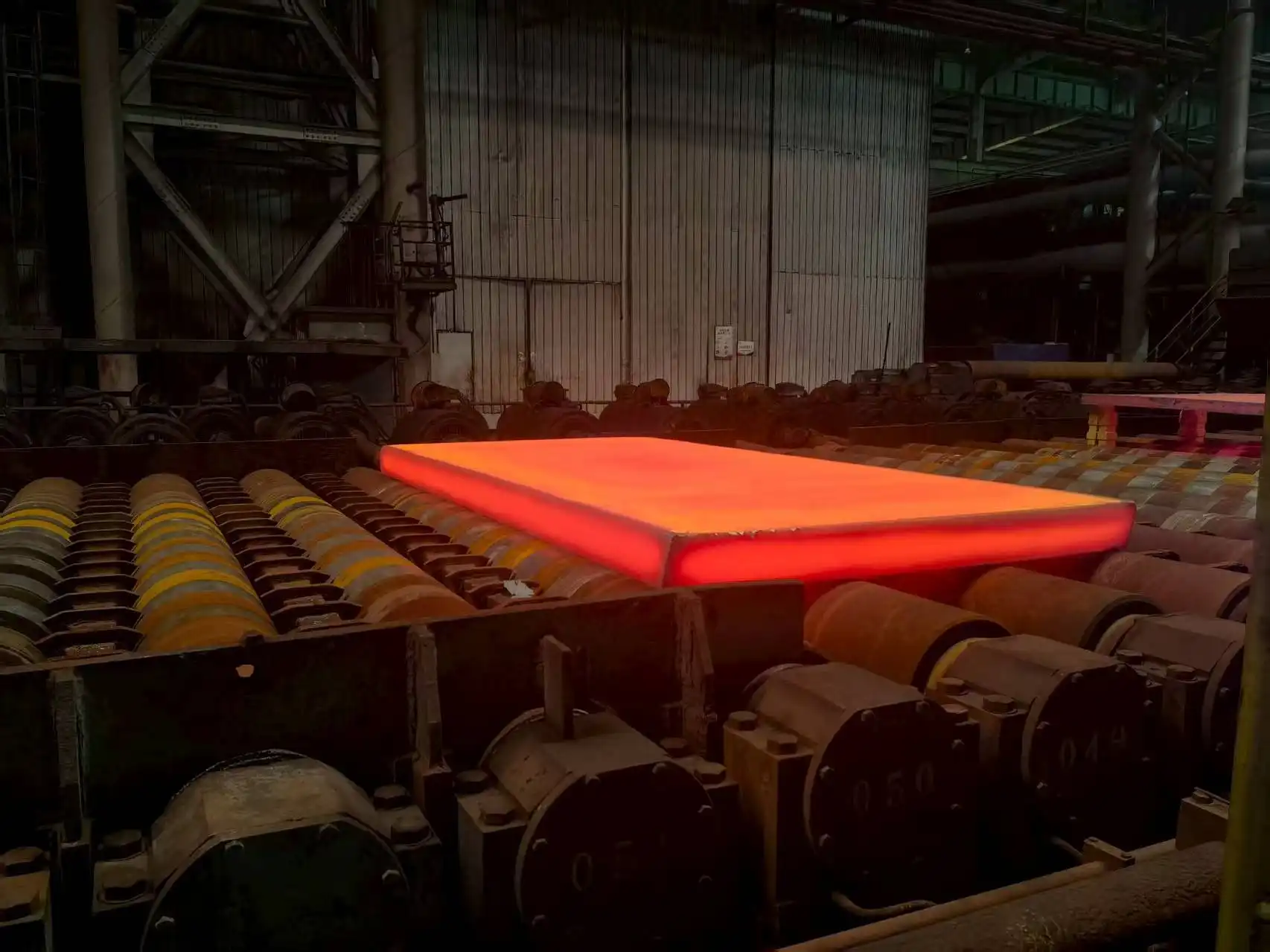
Standards around the world, such as ASTM B265, ASTM F67, AMS 4911, and ASME SB265, are met by items made from hot-rolled titanium plate products. This keeps the quality the same and lets you keep track of things. In the manufacturing process, steps like rolling, heating, leveling, cleaning, and finishing the surface are used to get the right size and finish. Thicknesses from 4mm to 80mm can be used for different kinds of building projects. With widths from 950mm to 2500mm and lengths up to 10000mm, you can use it for a lot of different things. Different kinds of output allow for measurements to be made just right for each job.
Titanium Plates vs Alternative Materials – Compare and Decide
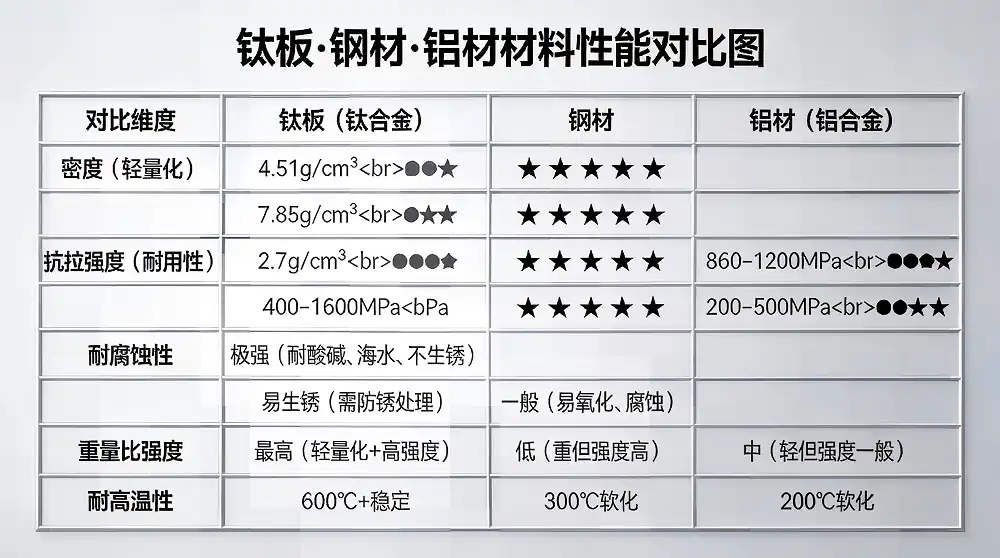
To pick the right material, you need to know a lot about how it works, how much it costs, and what your application needs. Titanium plates are clearly better than other materials in tough settings, but price affects whether or not to buy them.
Performance Comparisons
Stainless steel costs less at first, but it rusts quickly in salt environments. The construction of titanium, on the other hand, can last forever. That being said, titanium is lighter than other materials and works better in fields like airplanes and cars, where reducing mass makes things work better. You can't use aluminum in harsh environments because it's not as thick as steel and doesn't hold up well against rust.
Carbon steel is very cheap, but it needs protective coatings in places where it will rust, which raises the cost of maintenance and the total cost of ownership. Most of the time, nickel metals cost more than titanium, but they work well at high temperatures.
Surface Treatment Options
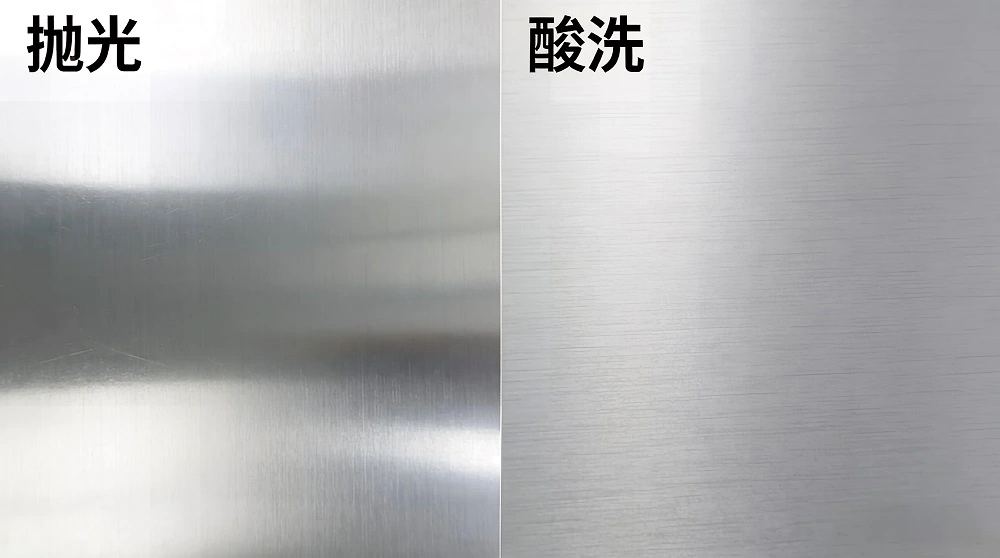
How well and how long something works depend a lot on how it's treated on the outside. Polished surfaces make things look better and lower the risk of contamination when they are used to make medicines and food. It is possible to fine-tune the size and sharpness of the surface of mechanical parts by milling them. Surfaces that have been acid-pickled get rid of the dirt and metal layers on top. This makes them good for joining and welding.
To pick the best surface treatments, you need to think about both what the product needs to do and how much it costs. This is because unique finishing processes make the materials more expensive but also make them work better, which is important for some uses.
Buying Titanium Plates – A Practical Procurement Guide
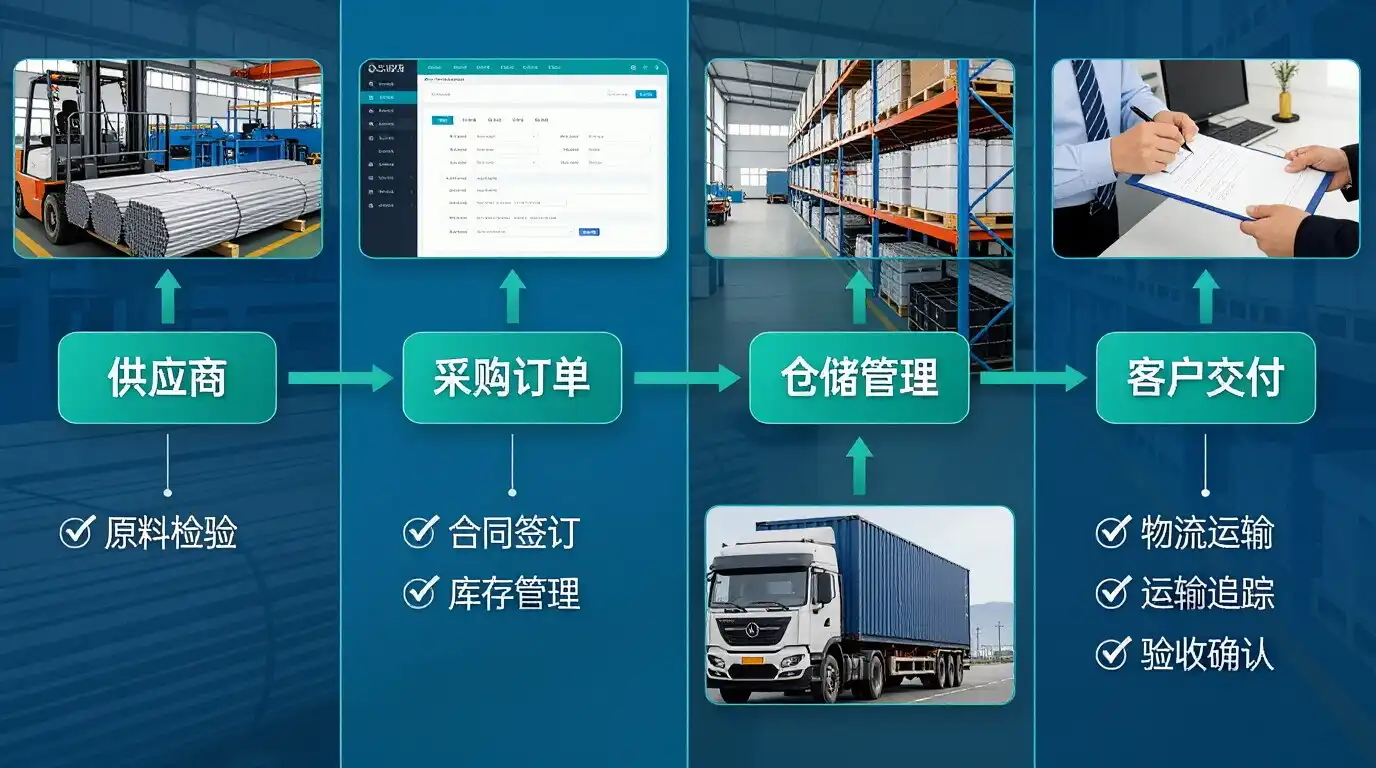
If you want to buy titanium plates, you need to know how the market works, what your sellers can do, and how to make sure the plates are good. Titanium prices change all over the world because of changes in the price of energy, the quantity of raw materials, and the demand for titanium in science, business, and new areas of use.
Procurement Considerations
How much something costs depends on the grade, the amount needed, and the size guidelines. The number of minimum orders for a product shows how quickly it can be made. Most of the time, economies of scale mean that bigger orders get better prices. Lead times depend on the grade that's accessible, the size that's needed, and how quickly the provider can make the item.
Quality standards help keep track of rules and make sure they are followed, which is very important in fields like health, nuclear power, flights, and planes. It keeps track of the chemicals used, the mechanical properties, and the details of the production process in material test records. This makes certain that the product meets the needs that were set.
Supplier Evaluation Criteria
Reliable providers have full quality management systems that include ISO 9001 certification and any other approvals that are needed for the business, such as AS9100 for aircraft uses. To make high-quality titanium goods, you need to know how to do things like hot rolling, heat treatment, and accurate finishing. Technical support services help customers choose products, make applications, and fix problems while they are buying.
Inventory management tools help sellers make sure they have enough stock on hand to meet customers' wants for fast delivery while also keeping a tight grip on their cash flow. Some services make goods more useful by reducing the amount of work that customers have to do. These services include cutting, drilling, and specialized finishing.
Optimizing Titanium Plate Selection for Industry Applications
The things that are used to choose materials depend on the business. Different areas put more weight on different safety and performance standards. If people who work in buying know these standards, they can pick the grades and combos that meet their needs.
Aerospace and Defense Applications
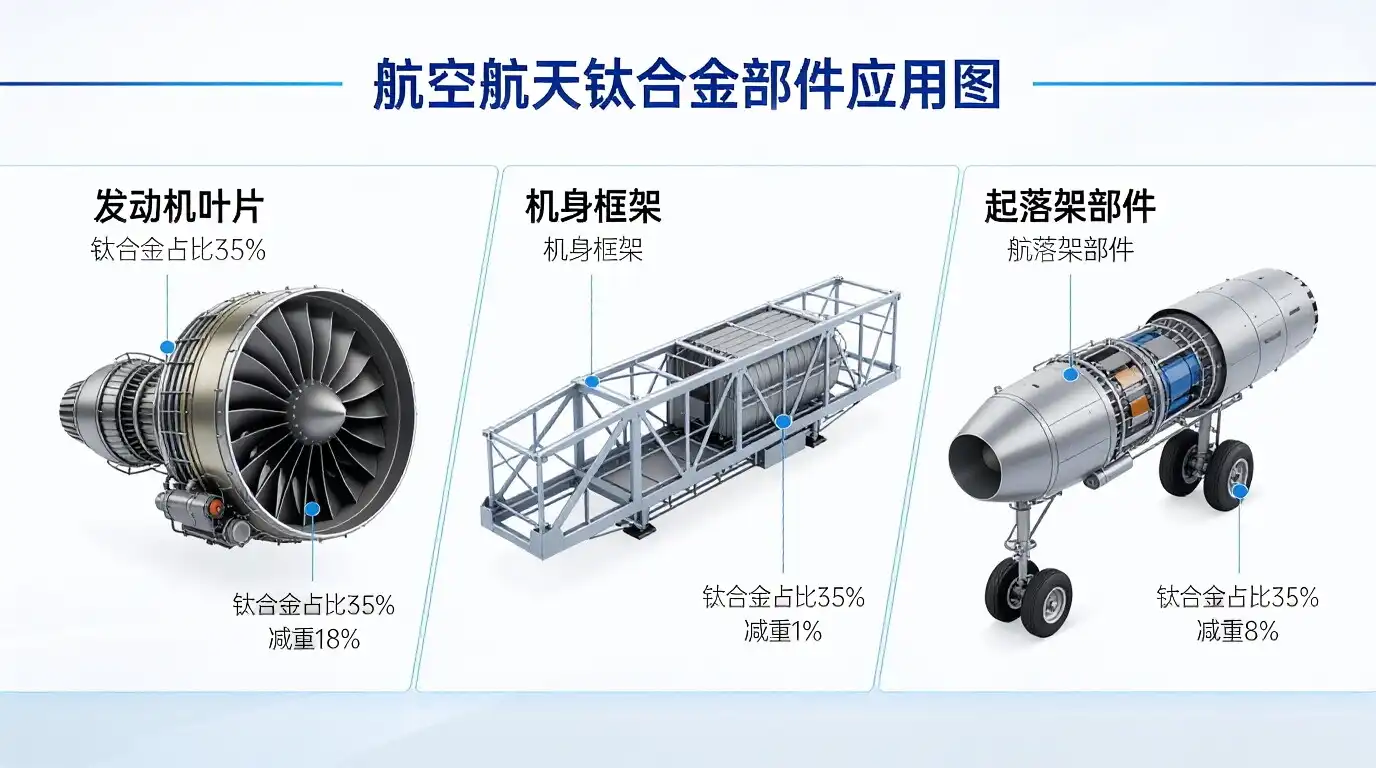
The aircraft industry has very strict rules about the strength, weight, and reliability of the materials they use in harsh conditions. Titanium plate parts used in airplane structures need to be able to stay in shape over time, even when temperatures change, load cycles, and conditions are harmful. Grade 5 titanium is often used for building structures that need a lot of power for their weight. On the other hand, Grade 2 materials are used for easier jobs where stopping rust is the most important thing.
When you need to defend yourself, you need things that can stand up to chemical weapons, bullets, and explosions. Titanium is strong and doesn't mix with chemicals, so it can be used in defense systems and car safety.
Medical and Biomedical Applications

For medical purposes, the materials must be biocompatible, not rust in body fluids, and have mechanical properties that fit the shape of human bones. Pure titanium that is sold in stores is safe and can be used in devices. On the other hand, Ti-6Al-4V is stronger and can be used in heavy-duty devices like knee and hip replacements.
The process of making medical gadgets must be done in clean rooms with strong quality controls to keep things from getting dirty. Surface treatments make it easier for implants to fuse with bone while keeping the smooth parts that surgeons need.
Chemical Processing Industries
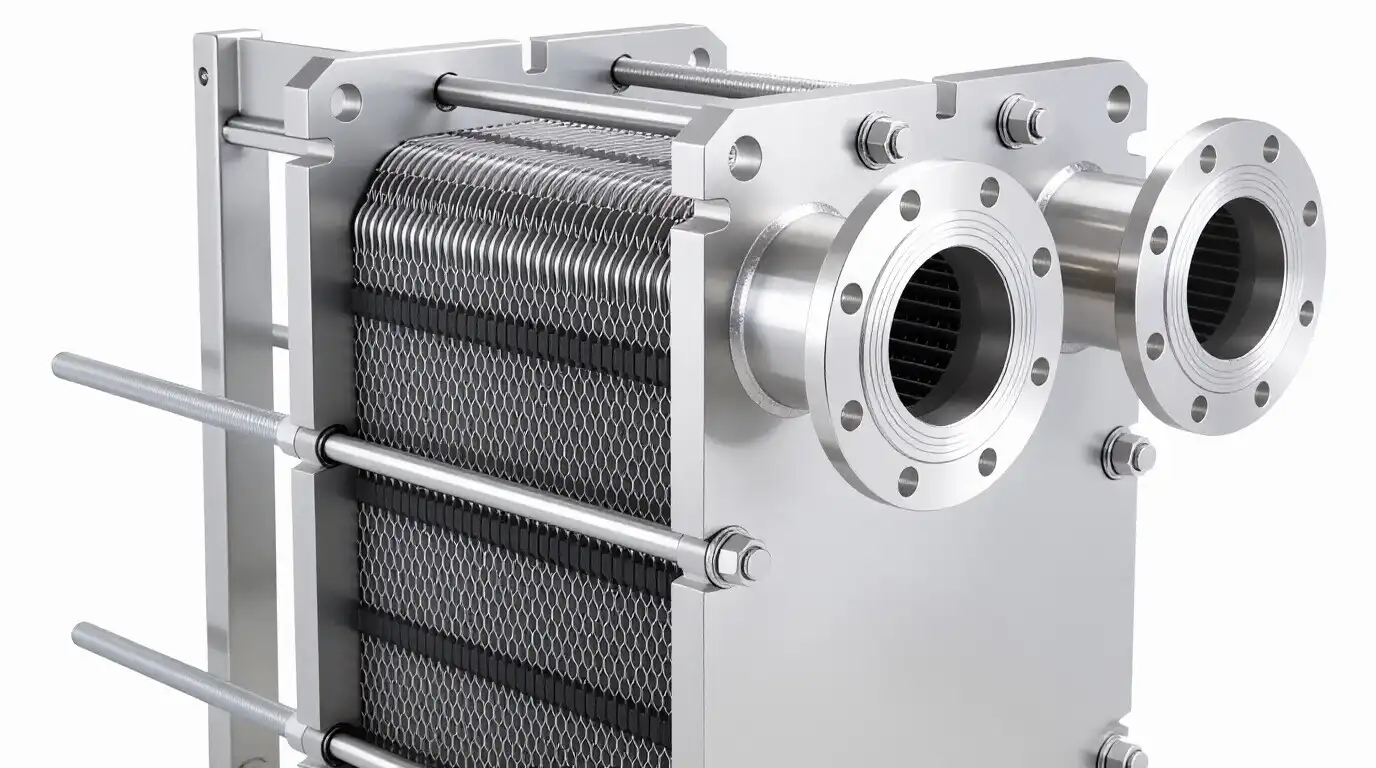
It is not possible to use many common materials in chemical production because they rust too easily. Titanium is used in heat exchangers, reaction tanks, and pipe systems because it can handle organic acids, chlorides, and conditions that cause oxygen to split. When it comes to chemicals, Grade 7 and Grade 12 materials work better in some places, but Grade 2 materials can be used for a lot of different jobs.
One important thing to think about when creating tools is how to make them and how easy it is to keep up. Most of the time, the higher price of titanium tools at first is worth it because they don't need as much maintenance or repair over time.
Future Trends and Innovations in Titanium Plate Technology
Tin is being used in more ways thanks to advances in technology, which have led to better alloy formulas, production methods, and attempts to lower costs. The main goal of the study is to make better alloy systems that can be used in new ways in the energy, technology, and building fields.
Advanced Manufacturing Techniques
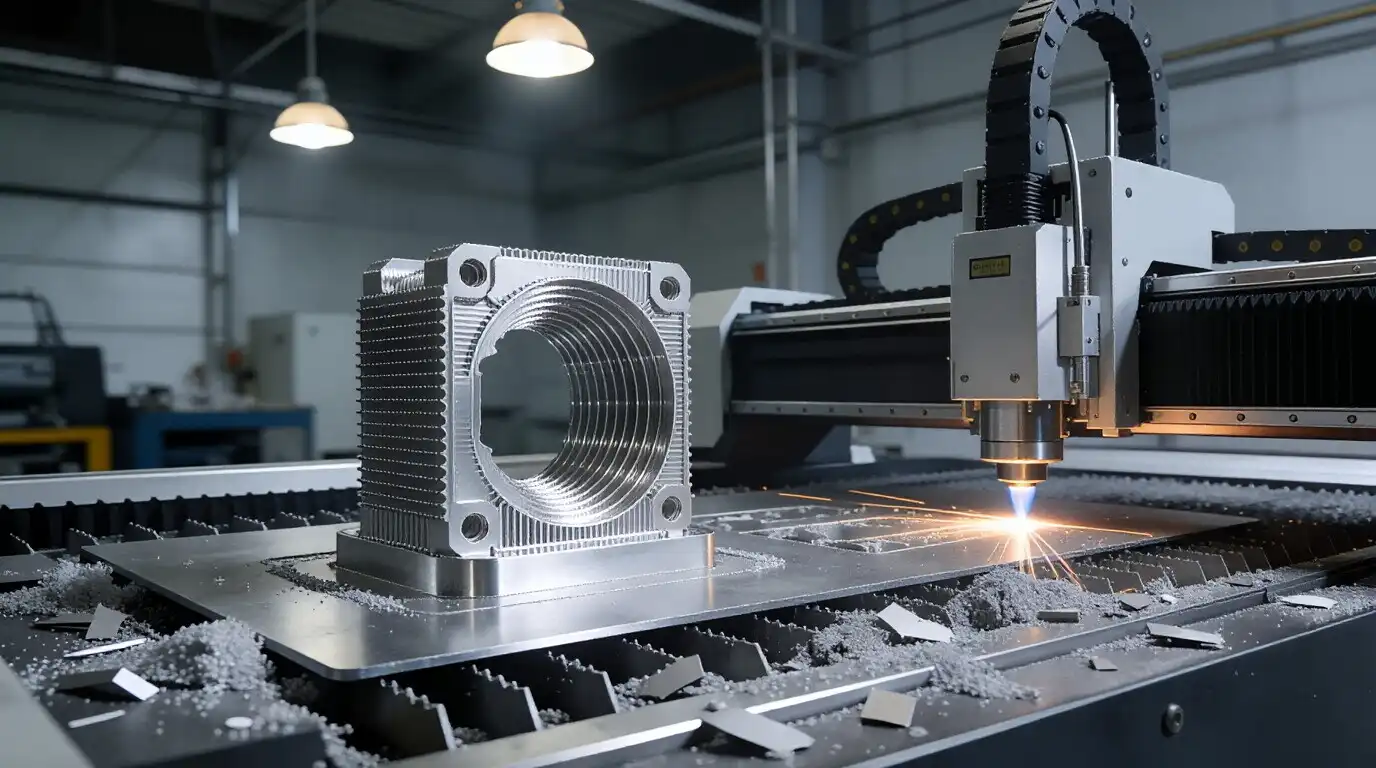
Titanium parts can be made more quickly and with less waste thanks to technologies called additive printing. These methods are different from the usual way of making titanium plates because they allow for the production of small, complex parts in small amounts. Some types of precision cutting, like water jet and laser cutting, make measurements more exact and reduce the need for cutting.
Advanced surface treatment methods make things work better by controlling the surface's texture, covering it, and changing its chemistry. Now that these changes have been made, they can be used in more ways and cost less for some of those uses.
Sustainability Initiatives
Titanium is recycled from rocket parts, industrial waste, and parts that are no longer useful. This means we don't have to make as much titanium from scratch. It is better for the environment and cheaper for businesses to use less energy. Safer chemicals are not used in eco-friendly ways to treat surfaces that still accomplish the same tasks.
As the market for green energy uses, such as offshore wind systems and geothermal equipment, grows, so does the need for materials that don't rust and can last a long time in difficult settings.
Conclusion
Plates and sheets made of titanium are strong, don't rust, and are safe, which are all traits that other materials can't match. They are also very useful in many different industries. When purchasing, professionals know how to choose the right grade, understand the manufacturing specs, and understand the needs of each application; they can make smart decisions that boost efficiency and keep costs low. Because technology is getting better and people are more concerned about the environment, titanium is being used in more and more ways. This makes it an important material for the growth of industries in the future. You can be sure to get high-quality materials that meet strict standards when you have strategic relationships with qualified sellers. These relationships will help your business succeed in areas like flight, medicine, chemicals, and new uses.
FAQ
Q1: What is the difference between titanium plates and titanium sheets?
The width standards are primarily what distinguish a titanium plate from a titanium sheet. Titanium plates are heavy, more than 4.75 mm (0.187 inches) thick, and are used to build things that need to hold a lot of weight. Titanium sheets are thinner materials—usually less than 4.75 mm—that can be shaped and used for lighter jobs where strength is less important than weight.
Q2: How can I verify the quality and compliance of titanium plates?
Material test papers are the best way to see how good something is. These describe the chemical make-up, the mechanical qualities, and the steps that need to be taken to make the product. To make sure that materials are safe, they need to meet certain standards. For example, ASTM B265 compliance for general uses or AMS standards for airplane use. Third-party testing services can make sure that the measurements are correct, the surface is good, and the material has the right properties when needed for important jobs.
Q3: What factors influence titanium plate pricing in bulk orders?
A lot of things, like the grade picked, can change the price of bulk goods. Specialty metals cost more than types that are widely pure. Because of economies of scale, the price goes down as more things are bought. The processing costs more because of the size and finish requirements. Price changes in the titanium supply chain are caused by changes in the market, like how much raw materials cost and how much people want to buy them.
Ready to Source Premium Titanium Plate for Your Projects?
Jucheng Titanium stands ready to support your titanium plate procurement needs with over 20 years of specialized experience in titanium manufacturing and processing. Our extensive inventory of 3,000 tons ensures rapid delivery of Grade 1, Grade 2, Grade 4, Grade 5, Grade 7, Grade 9, and Grade 12 materials meeting ASTM B265, ASTM F67, AMS 4911, and ASME SB265 standards. Whether you require standard dimensions or custom specifications, our technical team provides expert guidance for optimal material selection. Contact our specialists at s4@juchengti.com to discuss your specific requirements and receive a comprehensive quote tailored to your application needs.
References
1. Donachie, Matthew J. "Titanium: A Technical Guide, 2nd Edition." ASM International, Materials Park, Ohio, 2000.
2. Boyer, Rodney R., Gerhard Welsch, and E.W. Collings. "Materials Properties Handbook: Titanium Alloys." ASM International, Materials Park, Ohio, 1994.
3. Peters, Manfred, et al. "Titanium Alloys for Aerospace Applications." Advanced Engineering Materials, Volume 5, Issue 6, 2003.
4. Schutz, Ralph W. and Hector B. Watkins. "Recent Developments in Titanium Alloy Application in the Energy Industry." Materials Science and Engineering: A, Volume 243, Issues 1-2, 1998.
5. Long, Marc and H.J. Rack. "Titanium Alloys in Total Joint Replacement: A Materials Science Perspective." Biomaterials, Volume 19, Issues 18, 1998.
6. Veiga, C., J.P. Davim, and A.J.R. Loureiro. "Properties and Applications of Titanium Alloys: A Brief Review." Reviews on Advanced Materials Science, Volume 32, Number 2, 2012.