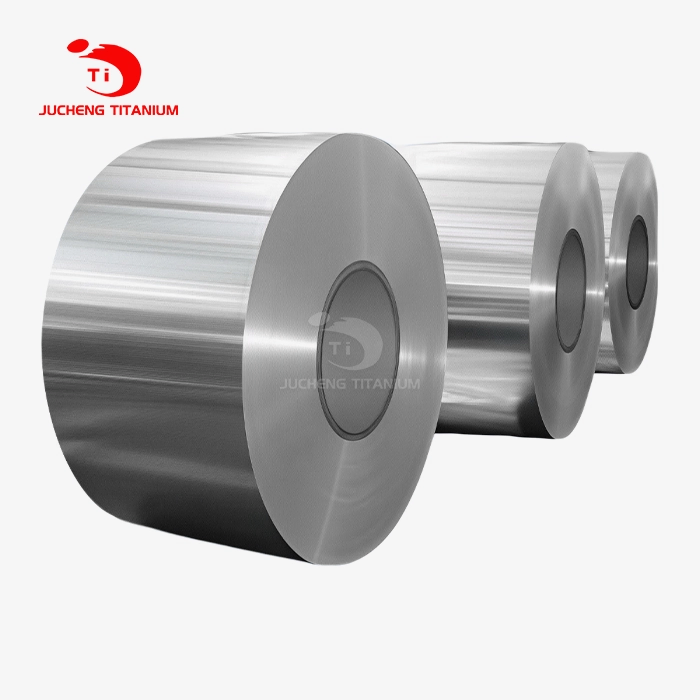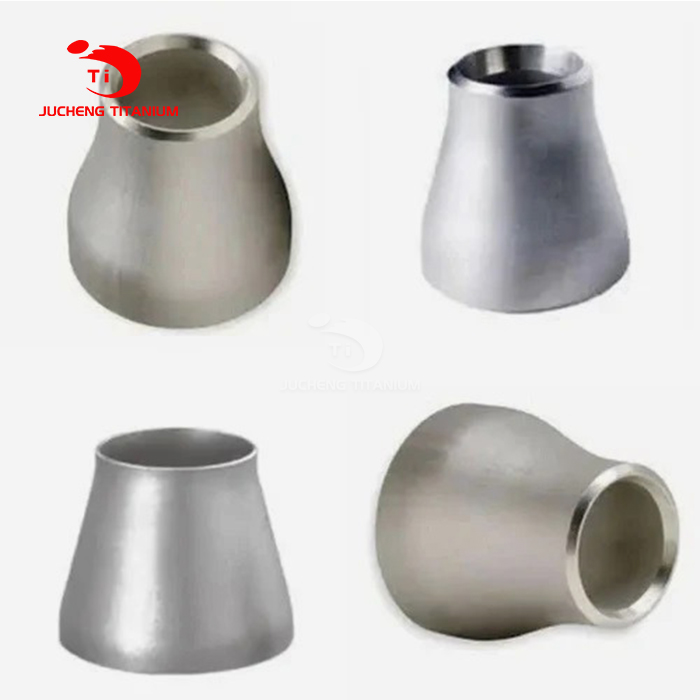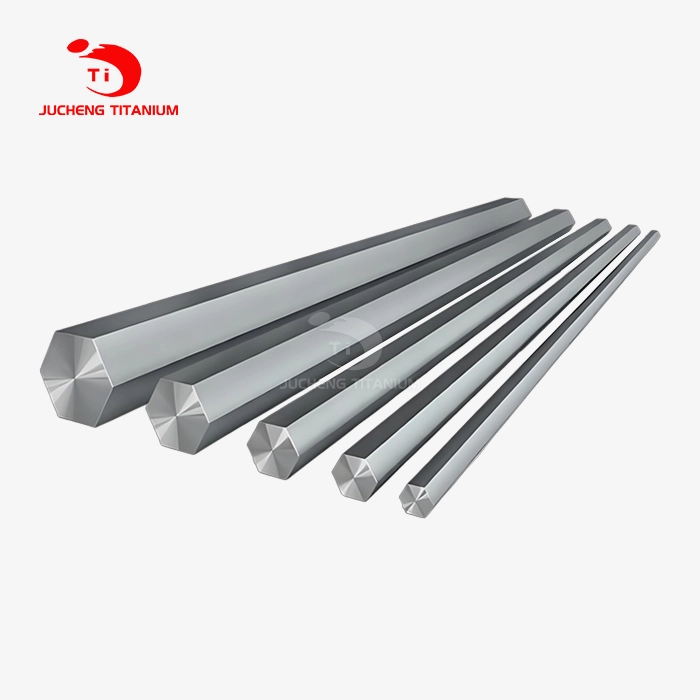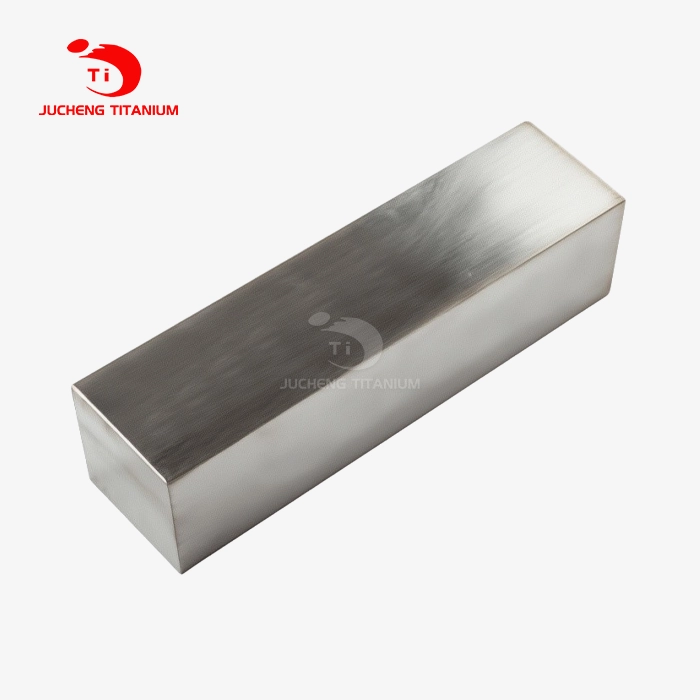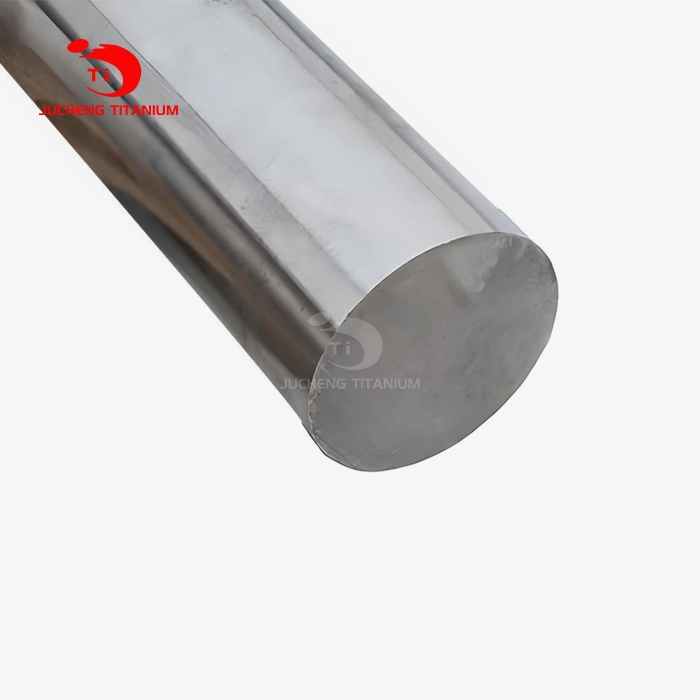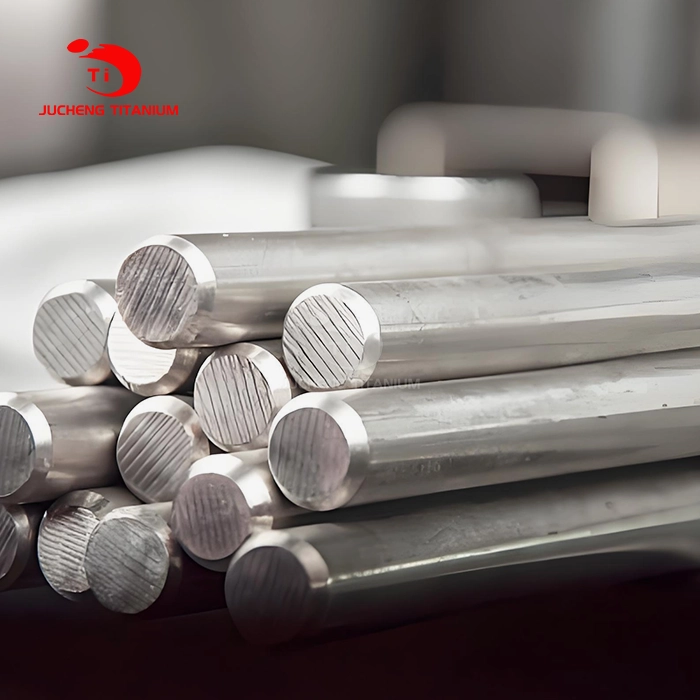

What is a titanium rod?
To make a titanium rod, you need to carefully forge, hot roll, and draw a solid, round metal bar out of commercially pure titanium or titanium alloys. It is important to have these high-performance mill goods on hand so that parts can be made in harsh conditions that are used in medicine, airplanes, chemical processing, and other fields. Titanium rods are much stronger than regular steel or aluminum bars. They also have better rust resistance and biocompatibility, making them necessary for demanding uses where a failure of the material could be very bad.
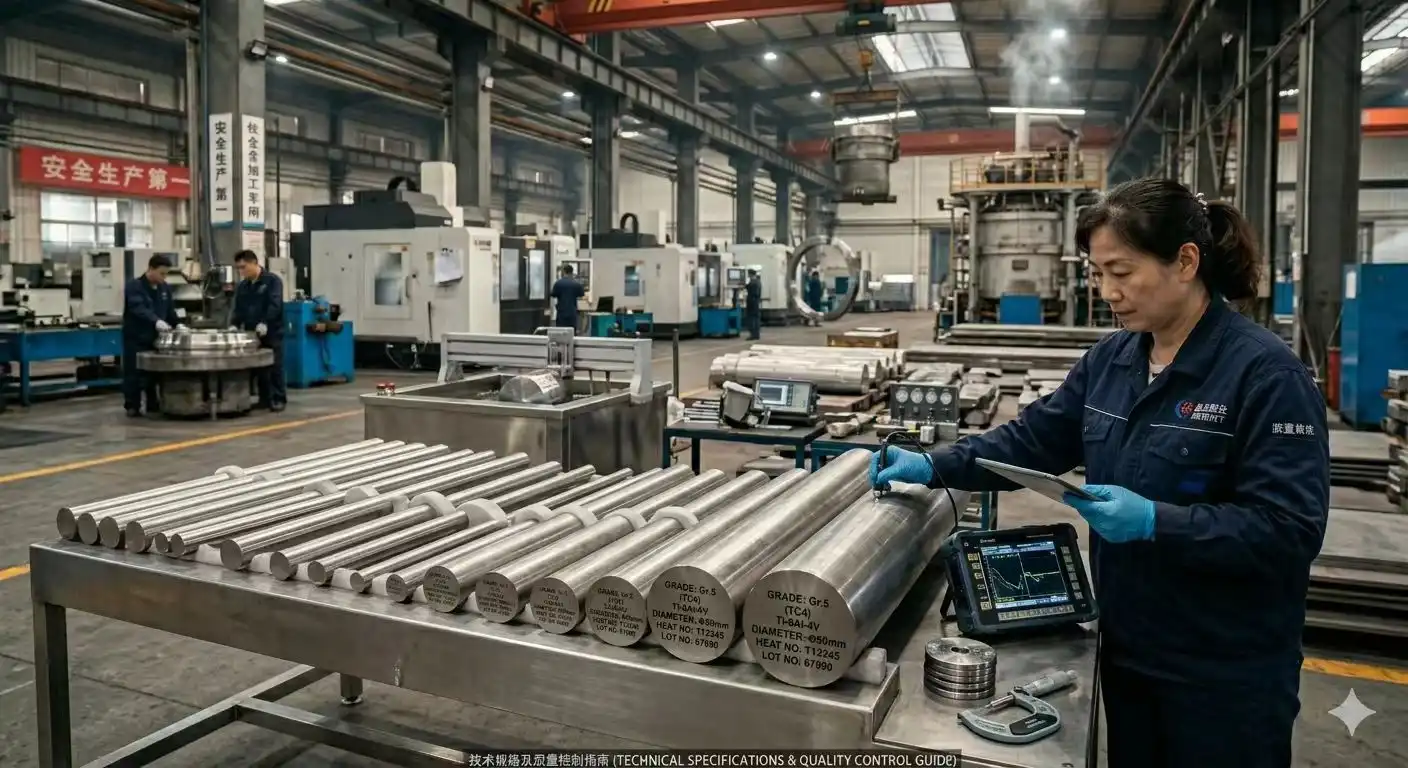
Understanding Titanium Rods: Properties and Manufacturing
One step in making titanium rods is to vacuum-melt titanium paper or scrap. After that, casting and hot rolling are used to make sure that the end product has the same quality of material all the way through. Engineers need structures to be stable for important uses, and this strict way of making things makes sure they are.
Chemical Composition and Grades
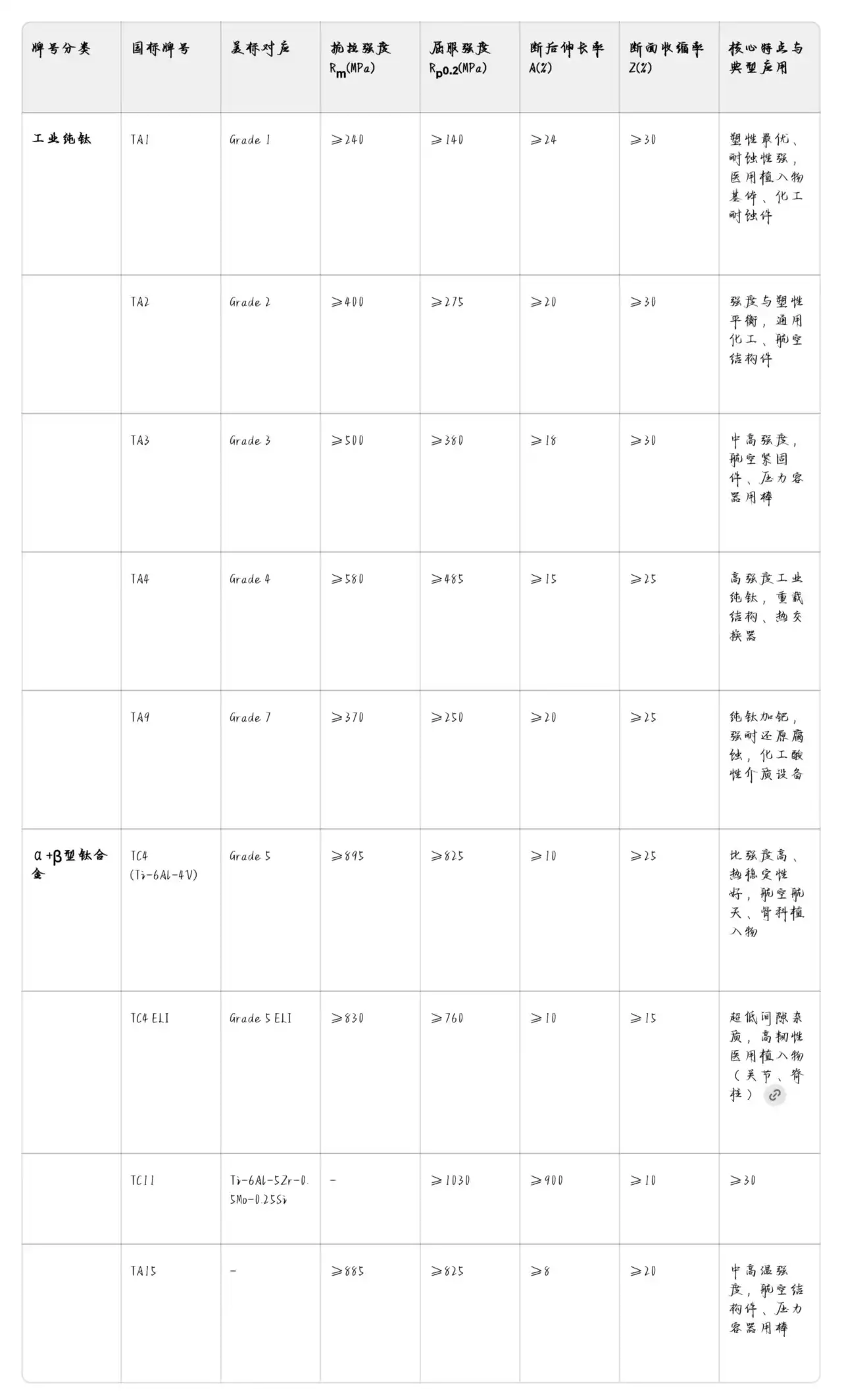
Every type of titanium is best for a certain business because it has its own set of qualities. Some types, like Gr1, Gr2, Gr3, and Gr4, are commercially pure. They don't rust and have different levels of power and flexibility. Grade 2 titanium is the most popular type, which is very pure. It is strong, easy to shape, and doesn't rust, making it the best choice for most industrial uses.
Alloys made of titanium, such as Gr5 (Ti-6Al-4V), Gr7, Gr9, Gr12, and Gr23 (Ti-6Al-4V ELI), have aluminum, vanadium, and other metal-mixing ingredients that make the metal stronger. The tensile strength of Grade 5 titanium metal is more than 130 ksi, and it is still very light. This is one reason why titanium is better than steel.
Manufacturing Process and Quality Control
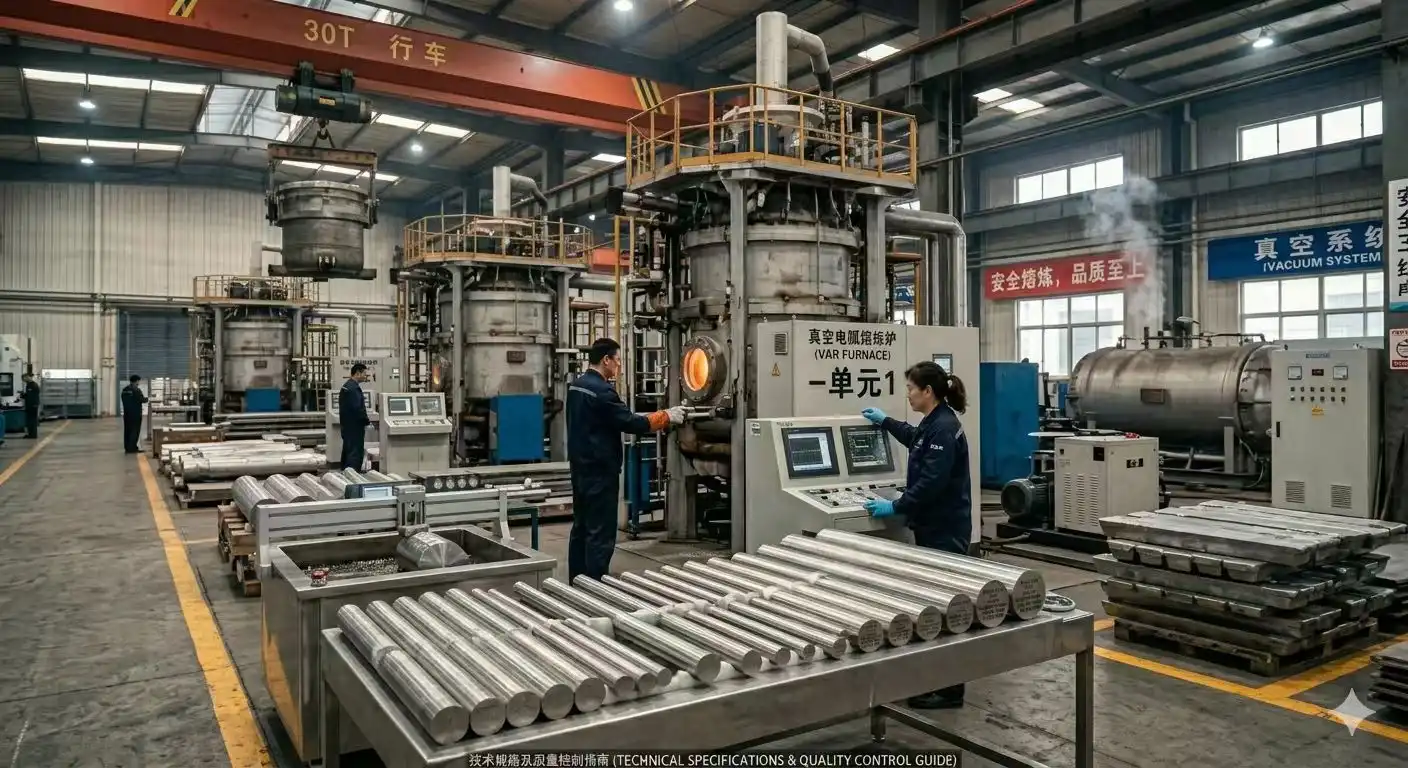
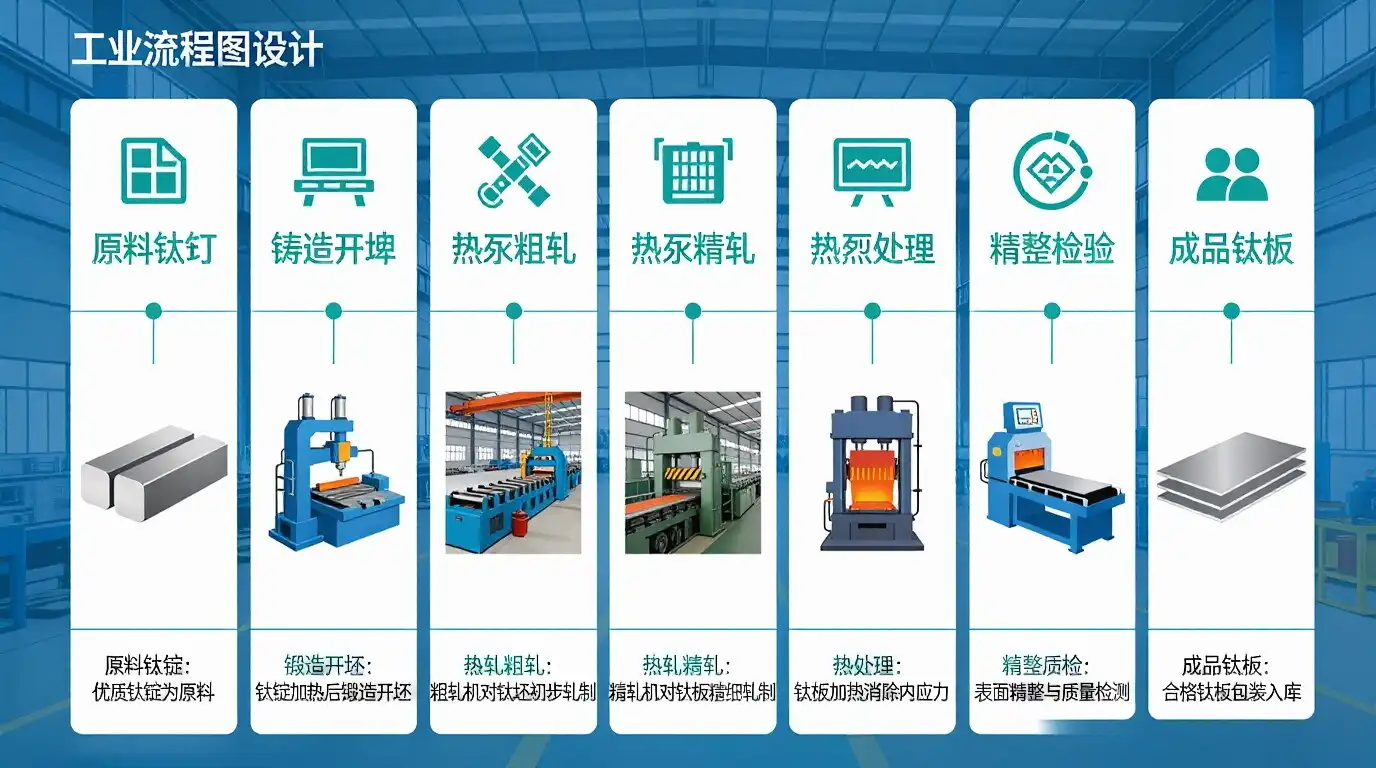
Careful planning goes into each step of the production process. For example, vacuum freezing comes before forging, and then hot rolling or spinning forging is used to get the right size. Using centerless grinding and turning makes sure that the edges between the sizes are perfectly straight, and fixing gets rid of any last kinks. Some surface treatments, such as sanding, grinding, and freezing, determine what kind of finish is needed in the end.
Make titanium rods today by following strict international rules like ASTM B348, ASME SB348, AMS 4928, AMS 6931, ASTM F136, and ISO 5832-3. These guidelines make sure that things can be tracked and always do the same thing. This is important for fields like medicine, chemical processes, and aerospace.
Physical Properties and Performance Characteristics
Titanium tube goods are different from other metals because of how they are made. Its density of 4.51 g/cm³, for example, makes it much lighter than steel while having the same strength. When the temperature changes, the thermal expansion rates stay low, which lowers the stress.
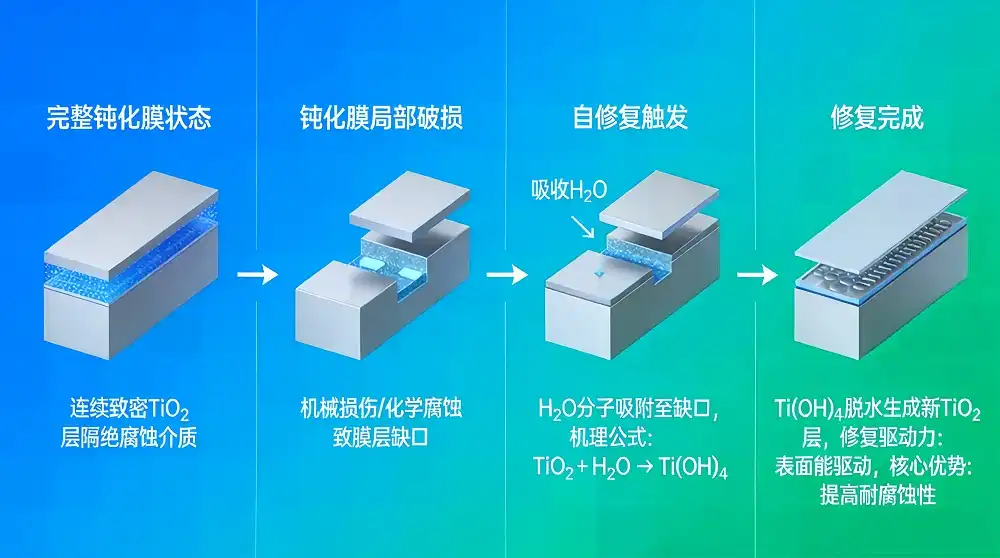
There are surface layers of titanium dioxide (TiO2) that form on their own. This makes them very resistant to rust in chloride, acidic, and sea conditions, where steel parts would break down quickly. If this inactive layer gets broken, it can fix itself, so it can last for a long time in harsh chemical circumstances.
Applications and Industry-Specific Uses of Titanium Rods
Titanium bars are used in a lot of different areas because they have a unique set of properties that make them work better than other materials.
Aerospace and Defense Applications
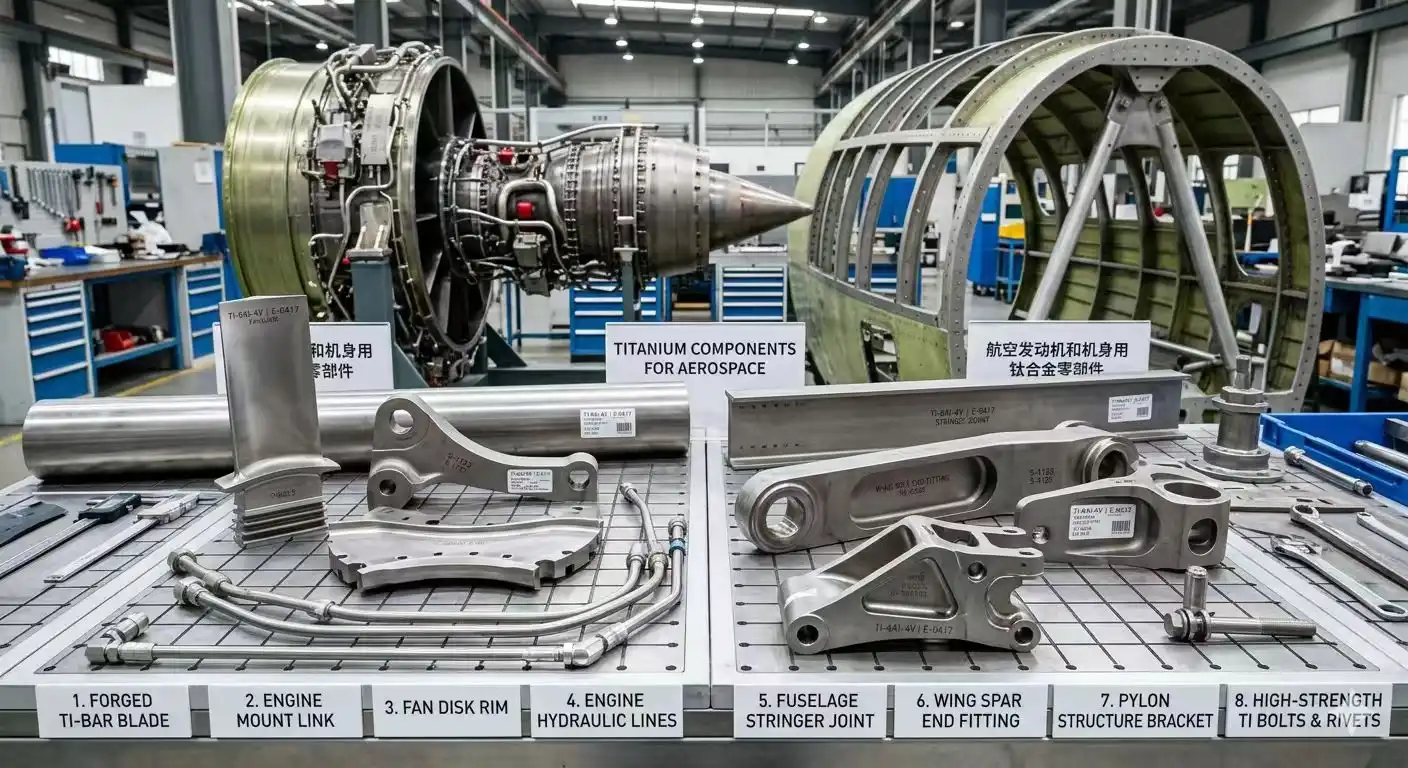
The airplane business uses titanium rods for structural components, fasteners, and engine parts. Getting rid of these parts that weigh too much directly increases fuel efficiency and carrying capacity. Titanium is strong even when it's very hot, which makes it a good choice for parts of jet engines that work in hot places.
When it comes to security, corrosion protection, and high strength-to-weight ratios are useful for submarines, plate plating, and rocket parts. Titanium is useful for stealth purposes that need to lower magnetic fingerprints because it is not magnetic.
Medical and Biomedical Uses
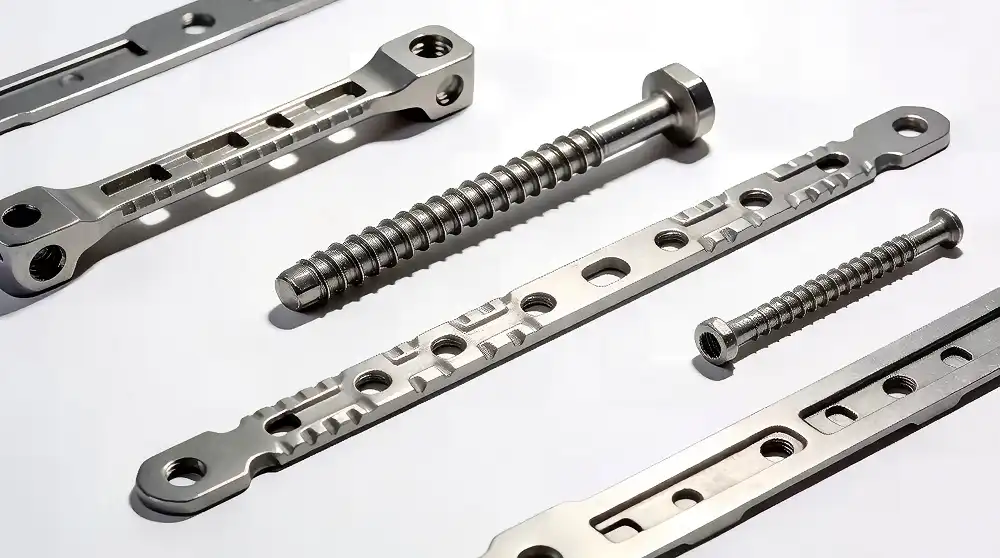
Medical-grade titanium rods are used to make orthopedic implants, tooth posts, and tools for surgery. Titanium is biocompatible, which means that the body's immune system doesn't reject the implant. This also helps osseointegration, which is when bone tissue bonds directly to the implant surface. Titanium devices can work inside the body for decades because they have a special link with living things.
The best titanium for medical use is Grade 23 titanium (Ti-6Al-4V ELI). It is purer and has better mechanical properties for use in devices. MRI scans are safe for people with implants because metal is not magnetic.
Chemical Processing and Marine Applications
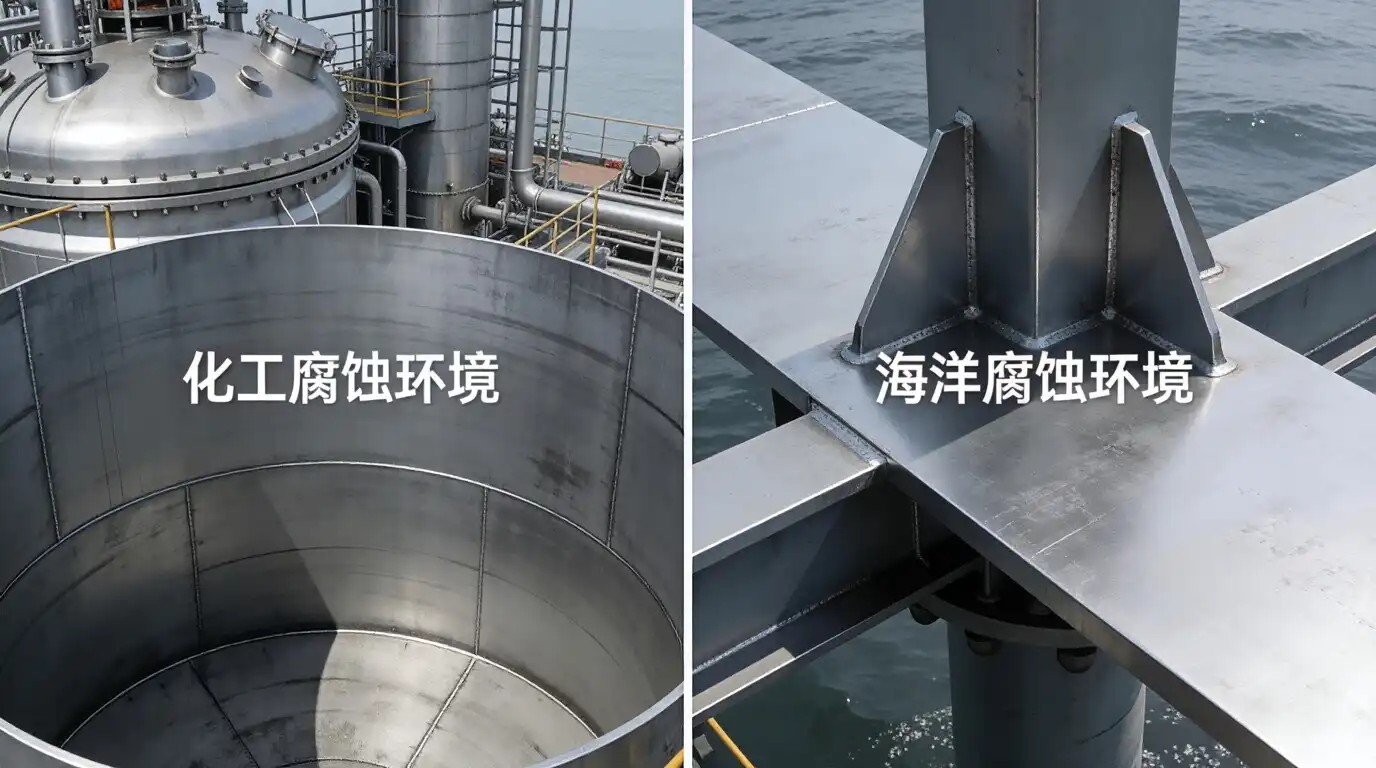
Titanium rod stock is used in the chemical processing industry for heat exchanger tubes, reactor tanks, and pipeline parts when the high cost of the material is worth it due to its rust resistance. Titanium can't be switched out in saltwater treatment plants or tools used for drilling in remote areas because it doesn't break down when exposed to chloride stress.
Titanium doesn't rust in the sea, so it can be used in naval applications. In rough oceans, it makes diving tools, motor shafts, and hull parts lighter and more reliable.
Titanium Rod vs Alternatives: Making the Right Material Choice
When working on a project, it's important to think about how the material will work, how much it will cost, and what the application needs.
Strength-to-Weight Performance Comparison
When pressed, titanium bars are about as strong as low-alloy steels, but they are about 45% lighter. For uses that need to be light, this is a big plus. Titanium alloys are heavier than titanium, but titanium is harder and less likely to rust. Because of this, it works better under a lot of stress.
Even though carbon fiber metals are lighter than titanium, they aren't as strong against being hit or changing temperatures, which is a problem for many business uses. Titanium rod machinability allows for the creation of complex forms that are hard for composite materials to handle.
Cost-Benefit Analysis Considerations
Even though titanium rods cost more than steel or aluminum rods, the total cost of ownership often favors titanium when maintenance, repair, and performance benefits are taken into account. If something lasts longer in acidic conditions, it will last longer and cost less to repair and keep running.
Because titanium works better and is required by law, industries that use high-value parts, like aerospace and medical tools, can easily explain why it costs more. The higher prices of the materials used at first are more than made up for by the fact that they need less maintenance and work better in chemical processes.
Environmental and Performance Advantages
Ti doesn't rust, so it doesn't need the safe layers or cathodic protection systems that steel parts do when they're in tough conditions. This natural toughness makes things last longer and need less maintenance, which is better for the environment.
Titanium can be recycled, which is good for the earth and keeps its valuable properties through many recycling methods, while many other materials break down.
How to Procure Titanium Rods: A B2B Buyer's Guide
In order to buy a titanium rod, you need to know what the seller can do, what the project needs, and how the rod will be shipped so that the needs are met quickly and easily.
Supplier Evaluation and Selection Criteria
People who sell titanium that you can trust show that they meet standards for quality management (ISO 9001), medicine (ISO 13485), and airplanes (AS9100). A factory should have vacuum freezing rooms, casting tools, and full testing labs so that materials can be tracked and quality is kept up.
Suppliers who know a lot about certain businesses can be very helpful when it comes to picking out materials and building uses. When you have a long-term relationship with a source, you can get better prices, get ahead of the market when things are slow, and work together on product growth.
Specification Requirements and Customization Options
If you need titanium rod specs, they should make it clear what kind you need, as well as any size or shape limits, surface finish requirements, and rules that apply. Sizes range from 6 mm to 450 mm in width and up to 6000 mm in length. With special processing, it is possible to make them in any length up to 12000 mm.
With different surface processes like polished (bright), turned (peeled), centerless ground, sanded, and pickled finishes, you can choose the one that works best for the job. In this state, the metal is easy to form and machine for later use in industry.
Procurement Logistics and Lead Times
Worldwide titanium supply lines need to be carefully planned so that wait times of 4 to 16 weeks can be taken into account. This is because wait times depend on grade, amount, and customization needs. Strategies for keeping track of goods should take into account how unstable the market is and how to gather materials carefully for important uses.
It's important to think about how to ship and box something so that the surface quality stays good when you send it across international lines. A material permit, an export license, and a quality report are some of the documents that you need to get things through customs and follow the rules.
Conclusion
Titanium bars are high-quality building materials that help solve important performance issues in the aerospace, chemical processing, medical, and industry fields. Even though they cost more, their high strength-to-weight ratio, resistance to rust, and biocompatibility make up for it by making things work better, last longer, and require less maintenance. You should only buy from providers with a lot of experience who know what the application needs and can give you consistent quality, expert support, and reliable delivery plans that meet tight project deadlines.

FAQ
Q1: What are the main advantages of titanium rods over steel alternatives?
Titanium rods are 45% lighter than steel but still strong; they don't rust, so they don't need to be covered, and they are safe, which means they can be used in medical settings. Titanium is useful in boats and airplanes because it is strong for its weight and doesn't rust.
Q2: Which titanium grade is recommended for aerospace applications?
Titanium metal Grade 5 (Ti-6Al-4V) is most often used in airplanes because it is strong, doesn't wear down quickly, and works well at high temperatures. Heavy pulls of more than 130 ksi can't break this metal, and it's still easy to form and join, which is important for airplane parts.
Q3: What lead times should I expect for bulk titanium rod orders?
Lead times for large orders of titanium rod are usually between 6 and 16 weeks, but they can be shorter or longer depending on the grade, quantity, and level of customization needed. It may be possible to get standard grades and sizes right away, but it will take longer to work with special metals or sizes that aren't standard. Making plans for purchases early on helps projects stay on track.
Partner with Jucheng Titanium for Superior Titanium Rod Solutions
When sourcing high-quality titanium rods, choosing the right supplier makes all the difference in your project's success. Jucheng Titanium brings over 20 years of specialized experience in titanium manufacturing, offering comprehensive titanium rod solutions from our state-of-the-art facility in China's Titanium Valley. Our extensive inventory of 3,000 tons ensures rapid delivery, while our custom processing capabilities accommodate specifications up to Φ450mm diameter and 12,000mm length. Contact our technical team at s4@juchengti.com to discuss your specific requirements and discover why leading aerospace, medical, and chemical processing companies trust Jucheng Titanium as their preferred titanium rod supplier.
References
1. American Society for Testing and Materials. "Standard Specification for Titanium and Titanium Alloy Bars and Billets." ASTM B348-19. West Conshohocken: ASTM International, 2019.
2. Donachie, Matthew J. "Titanium: A Technical Guide, Second Edition." Materials Park: ASM International, 2000.
3. Peters, Manfred, et al. "Titanium Alloys for Aerospace Applications." Advanced Engineering Materials, Vol. 5, No. 6, 2003.
4. Rack, H.J. and J.I. Qazi. "Titanium Alloys for Biomedical Applications." Materials Science and Engineering C, Vol. 26, No. 8, 2006.
5. Schutz, R.W. and H.B. Watkins. "Recent Developments in Titanium Alloy Applications in the Energy Industry." Materials Science and Engineering A, Vol. 243, No. 1-2, 1998.
6. Boyer, Rodney, et al. "Materials Properties Handbook: Titanium Alloys." Materials Park: ASM International, 1994.