



Best CP Grade 3 Titanium Sheet for Chemical Processing
Not many materials can stand up to the conditions in harsh chemical processing settings. That is where a CP grade 3 titanium sheet will make its mark. This sheet of commercially pure titanium offers a highly tuned mix of mechanical strength and corrosion inertness between the softer Grade 2 and the stiffer Grade 4, something chemical engineers can really depend upon. Be it a new pressure vessel, a shell-and-tube heat exchanger, or a pipeline transporting harsh acids, knowing the benefits of Grade 3 titanium may directly impact the success of your procurement. This guide talks you through all aspects from material qualities to supplier selection so you can make a confident and educated purchase choice.
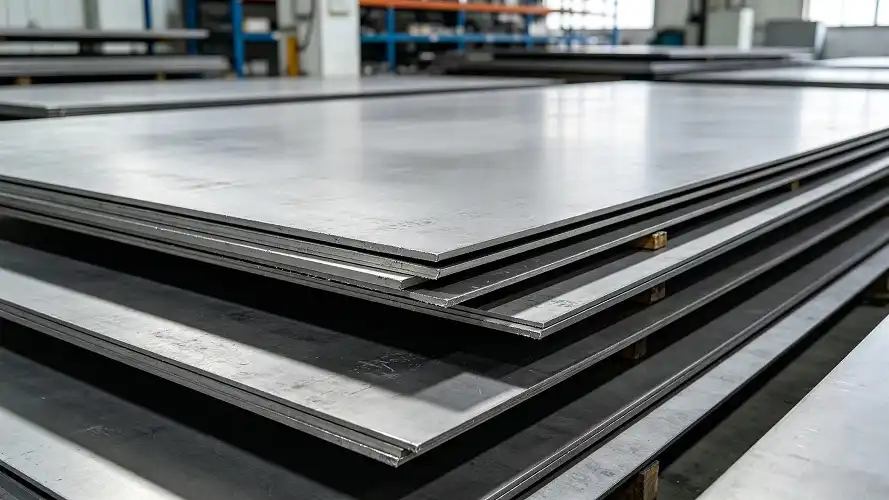
Understanding CP Grade 3 Titanium Sheet for Chemical Processing
What Defines Grade 3 Titanium?
Grade 3 titanium is R50550 per the UNS specifications. It is manufactured to the ASTM B265, ASME SB-265, and AMS 4911 specifications. What is different with Grades 1 and 2 is that it has a greater oxygen content, which enhances the gaps between the grains without the addition of any alloying elements. The outcome is a titanium that is commercially pure and robust enough to endure severe duty circumstances.
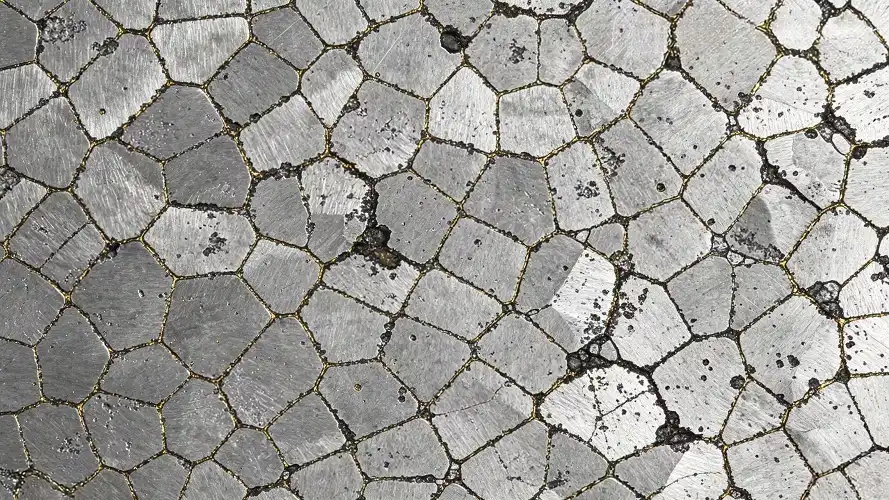
The mechanical qualities are quite good: minimum yield strength is 380 MPa, minimum tensile strength is 450 MPa, and minimum elongation is at least 18%, which retains sufficient ductility for cold forming. The iron content is restricted to ≤0.30% as per ASTM requirements, and the contents of nitrogen, carbon, and hydrogen are also tightly regulated. These figures are not just made up; they are the product of decades of field testing and the improvement of standards.
Why Chemical Processing Environments Demand It?
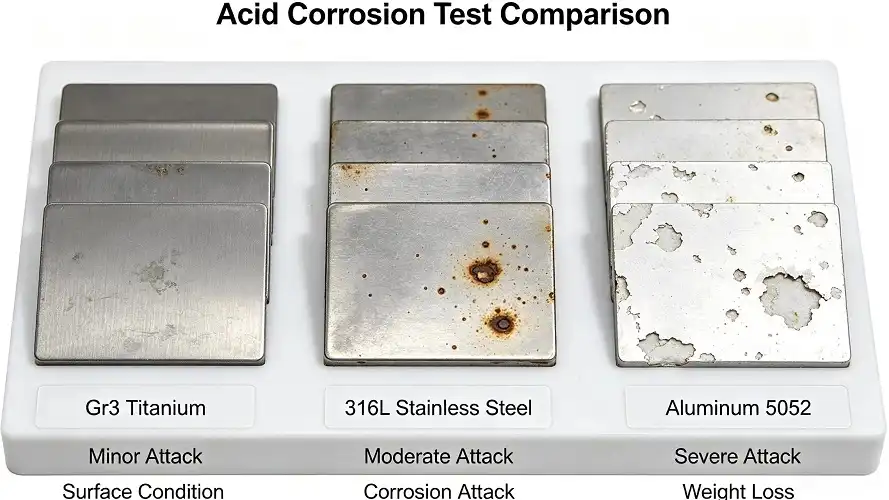
The materials used in chemical plants are subjected to oxidizing acids, hot nitric acid, metallic chloride solutions, and wet chlorine gas. These circumstances will rapidly corrode carbon steel and may even attack certain stainless steels. In such circumstances grade 3 titanium is almost immune to pitting and crevice rust. Even if the surface is damaged, it will regrow its passive oxide film by itself. This self-repairing capacity is particularly helpful when it comes to heat exchangers and reactor linings, which are not accessible for routine maintenance.
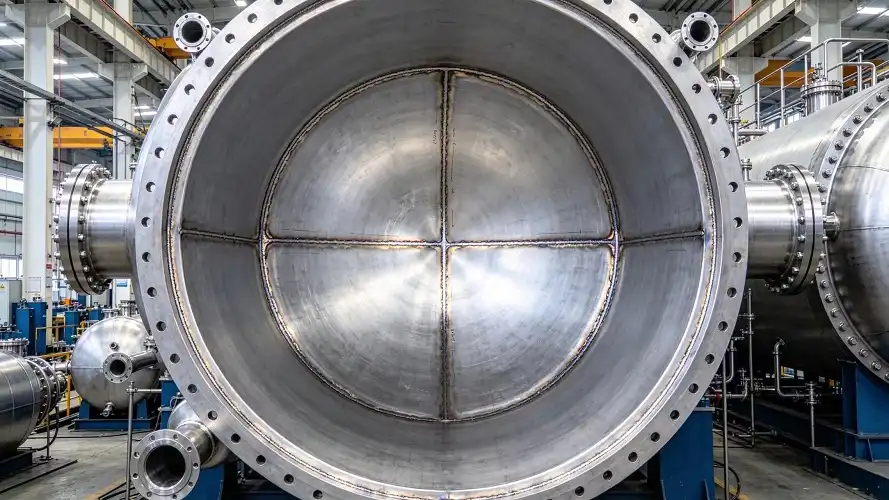
In real life it is used to cover pressure vessels, the interior of distillation columns, chemical storage tanks, and high-pressure piping systems. In all these cases, the combination of chemical passivity and structural stiffness of the material decreases the need for unexpected shutdowns and the expense of replacement in the long run.
Grade 3 Titanium Sheet vs. Alternative Materials: A Decision Support Comparison
Now teams who are responsible for procuring products typically have to weigh whether the extra cost of Grade 3 titanium is worth it compared with alternative possibilities. For example, the yield strength of CP Grade 2 Titanium is 4.51 MPa, which is good under mild settings. The CP Grade 3 Titanium has a yield strength of 4.51 MPa, making it suitable for moderate to high conditions. CP Grade 4 Titanium yield strength is 4.51 MPa, which implies it is very good under higher situations. 316L Stainless Steel has a yield strength of 7.9 MPa; therefore, it is excellent under lower circumstances. Aluminum 5052 yield strength is 2.68 MPa, which is quite weak in acid.
| Material | Yield Strength | Density (g/cm³) | Corrosion Resistance | Relative Cost |
|---|---|---|---|---|
| CP Grade 2 Titanium | ~275 MPa | 4.51 | Excellent | Moderate |
| CP Grade 3 Titanium | ~380 MPa | 4.51 | Excellent | Moderate-High |
| CP Grade 4 Titanium | ~483 MPa | 4.51 | Excellent | Higher |
| 316L Stainless Steel | ~205 MPa | 7.9 | Good | Lower |
| Aluminum 5052 | ~193 MPa | 2.68 | Poor in acids | Low |
Grade 2 titanium is still the most common commercially pure grade, but it can't be used when the design pressure calls for thicker wall sections because it has a lower yield strength. CP grade 3 titanium sheet fills in this gap; it lets engineers ask for thinner plates without making the structure more dangerous. Grade 4 is even stronger, but it is less flexible, which makes it harder to work with and costs more to make tools.
Stainless steel 316L is much less expensive, but it can't be used in places with high chloride salts or wet chlorine above normal temperatures. Aluminum doesn't work at all in acidic environments. When both hardness and resistance to corrosion are important for chemical processes, Grade 3 titanium is the most cost-effective choice.
Procurement Guide: How to Buy the Best CP Grade 3 Titanium Sheet?
Key Specifications to Verify Before Ordering
Finding the right Grade 3 titanium sheet is more complicated than just picking a grade. Before sending a purchase order, buyers should make sure of the following:
- Thickness range: 4 mm to 80 mm covers the majority of pressure vessel and heat exchanger applications.
- Width and length: Widths between 950 mm and 2500 mm, with lengths up to 10,000 mm, accommodate most fabrication cut plans.
- Processing state: Hot rolled and annealed — the standard supply condition — ensures internal stress relief and dimensional stability.
- Surface treatment: Acid pickled is the baseline for industrial use; polished or machined surfaces are available for higher-precision or aesthetic applications.
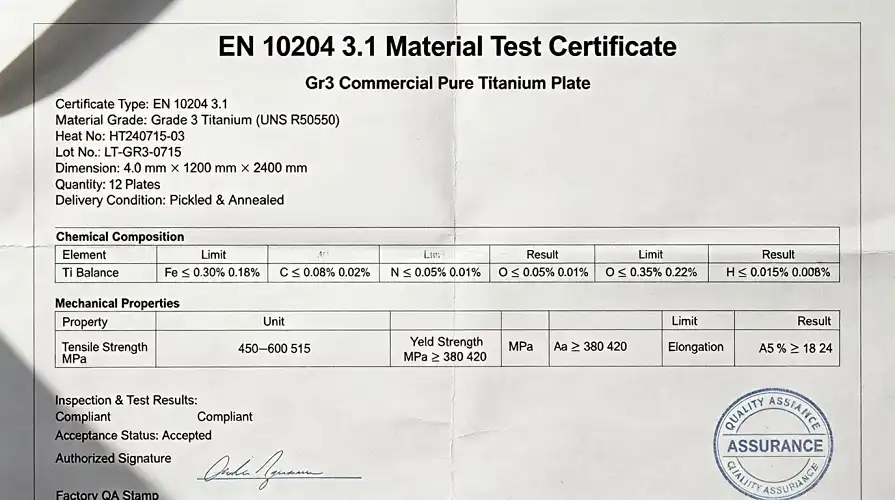
- Standards compliance: Insist on ASTM B265, ASME SB-265, or AMS 4911 certification, with EN 10204 3.1 material test reports for full traceability.
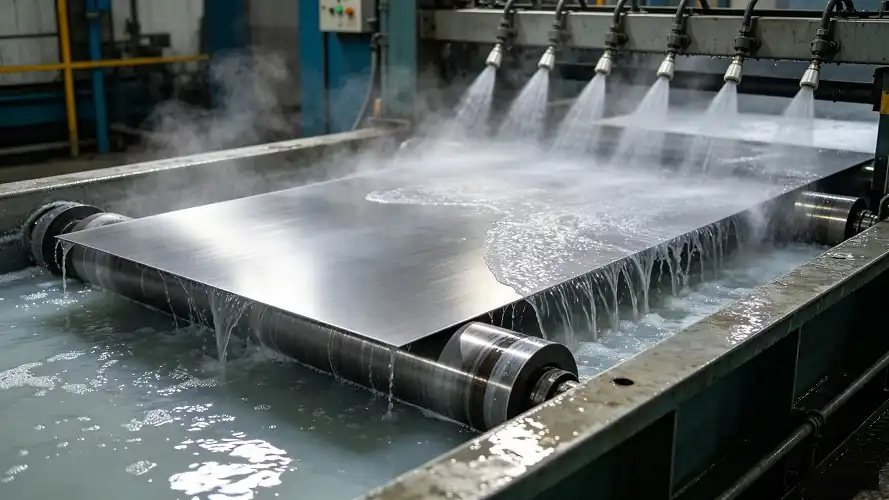
These things have a direct effect on the quality of the next steps in the process and on meeting pressure equipment standards like ASME Section VIII.
Evaluating Supplier Reliability
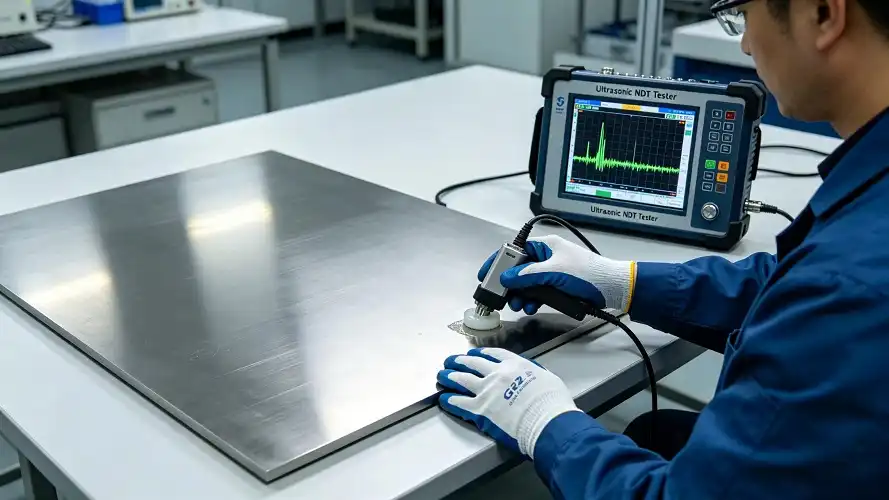
A trustworthy titanium sheet provider is more than just one with low unit costs. Chemical analysis tracking, mechanical testing paperwork, and the ability to do ultrasonic testing on thicker plates should all be looked at by procurement teams. When sourcing materials such as CP grade 3 titanium sheet, it is also important to give a lot of weight to batch-level certification, quick expert help, and export knowledge into the U.S. market. It is still a good idea to ask for samples of the material before placing a big order.
Benefits and Value Proposition of Using Grade 3 Titanium Sheets in Chemical Processing
When building a chemical plant, the practical case for using Grade 3 titanium is based on long-term, measured economics rather than short-term price comparisons. Here are the main benefits that always make people decide to buy something:
- Extended equipment service life: The self-regenerating oxide layer resists chloride-induced pitting up to 80°C, dramatically reducing replacement frequency compared to stainless alternatives in aggressive media.
- Strength-to-weight efficiency: With a density of 4.51 g/cm³ — roughly 43% lighter than 316L stainless steel — Grade 3 titanium reduces structural load on support systems and lowers installation complexity in large-diameter vessels.
- Thermal stability: Continuous service up to approximately 425°C makes it suitable across most chemical processing temperature windows, including hot acid distillation and steam-stripping units.
- Lower lifecycle maintenance cost: Reduced corrosion-driven downtime and fewer scheduled inspections translate directly into lower maintenance labor expenditure over a 20–30 year equipment lifespan.
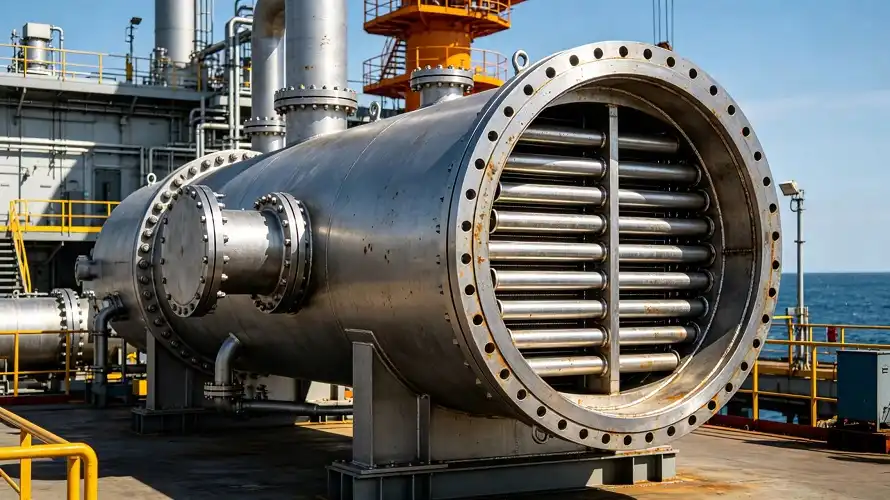
All of these things work together to give investors a great return on their money. For example, a chemical plant using heat exchangers with Grade 3 titanium tube sheets can expect them to last 15–20 years of continuous service in nitric acid or chlorinated brine service, which is a lot longer than stainless steel can last in the same conditions.
Conclusion
Choosing the right type of titanium sheet for chemical processing is a choice that will have long-lasting effects on how the business runs. In real life, CP grade 3 titanium sheet is somewhere in the middle. It is stronger than Grade 2, more workable than Grade 4, and naturally resistant to the corrosive media that are common in chemical processing environments. When bought from a certified, experienced supplier with testing records that can be checked, it always gives engineers and procurement professionals the durability and dependability they need. The higher initial cost is recouped through less upkeep, longer service intervals, and fewer shutdowns that were not planned.
FAQ
1. How does Grade 3 titanium differ from Grade 2 in chemical processing?
The yield strength of Grade 3 titanium is about 380 MPa, which is higher than Grade 2's yield strength of about 275 MPa. This means that engineers can use smaller wall pieces with the same design pressure, which lowers the weight of the material. The trade-off is a little more spring-back during cold forming, which means that the manufacturing tools need to be changed to make up for it.
2. Is post-weld heat treatment required for Grade 3 titanium sheet?
Most of the time, Grade 3 titanium is used in its welded state. A stress-relief anneal at 538°C–595°C for about 30 minutes is recommended if the sheet has been cold worked a lot and will be used in a place that is sensitive to stress. Under ASME pressure tank rules, ERTi-3 matching filler wire is suggested to keep the power of the weld zone.
3. What surface finish is standard for industrial Grade 3 titanium sheet?
Acid pickling, also known as "descalement," is the standard industrial finish. This process gets rid of oxide scale from the annealing process. You can get polished or cut areas for uses that need tighter size limits or certain roughness levels.
4. How do I verify material authenticity when sourcing internationally?
Ask for EN 10204 3.1 material test reports that show both the chemical make-up and the mechanical test results at the heat level. Plates that are thicker than 25 mm should have ultrasonic testing approval.
Partner with Jucheng Titanium for Certified CP Grade 3 Titanium Sheet
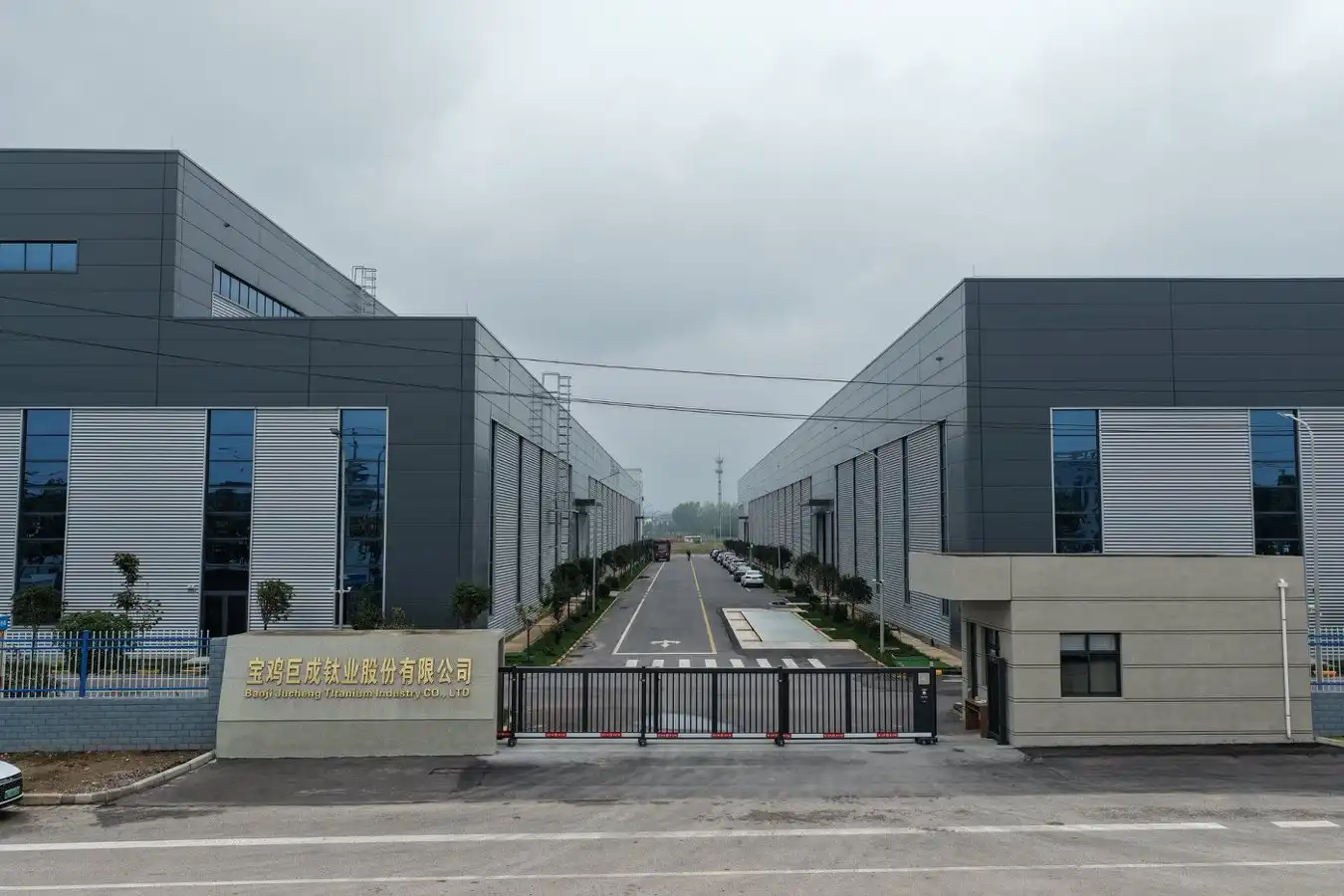
For more than 20 years, Jucheng Titanium has sold industrial-grade titanium materials to buyers around the world. They keep 3,000 tons of stock on hand all year, with types such as Gr1, Gr2, Gr4, Gr5, Gr7, Gr9, and Gr12. As a verified provider of CP grade 3 titanium sheets, we offer ASTM B265- and ASME SB-265-certified materials with full 3.1 paperwork. We can also cut the sheets to any length up to 10,000 mm and treat the surfaces in acid pickling, polishing, and machine finishing. For bulk prices and unique needs, please email us at s4@juchengti.com.
References
1. ASTM International. ASTM B265: Standard Specification for Titanium and Titanium Alloy Strip, Sheet, and Plate. ASTM International, 2021.
2. ASM International. Titanium: A Technical Guide. ASM International, 2000.
3. Donachie, Matthew J. Titanium: A Technical Guide, 2nd Edition. ASM International, 2000.
4. Schutz, R.W., and Watkins, H.B. "Recent Developments in Titanium Alloy Application in the Energy Industry." Materials Science and Engineering: A, 1998.
5. ASME. ASME Boiler and Pressure Vessel Code, Section II, Part B: Nonferrous Material Specifications (SB-265). ASME, 2023.
6. Lütjering, Gerd, and Williams, James C. Titanium, 2nd Edition. Springer, 2007.