



Can Titanium 6Al4V Sheet Withstand High Temperatures?
Engineers, procurement experts ask whether titanium 6Al4V sheet can withstand high temperatures. Short answer, yes with limitations. The alloy is an alpha-beta alloy , 90 percent titanium , 6 percent aluminium and 4 percent vanadium , and is structurally sound up to around 400 deg C. Above this oxidation increases and creep strength declines. Knowing exactly where that boundary is and how to operate within it is what converts a clever material choice into an expensive engineering failure, notably for aeronautical structural panels, chemical processing containers and defence components.
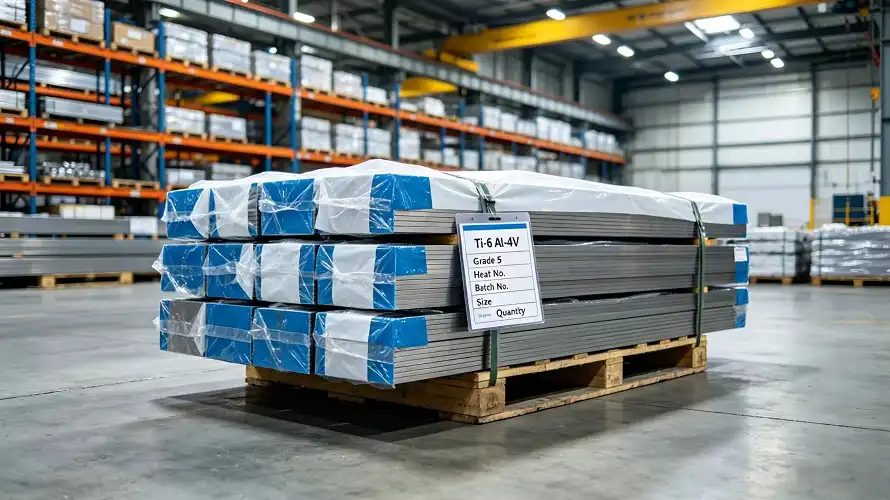
Understanding the Core Properties of Ti-6Al-4V Sheet
Chemical Composition and Grade Variants
The most extensively used titanium alloy in the world, accounting for more than 50% of total titanium usage, is Ti-6Al-4V. Aluminium is an alpha-phase stabiliser and boosts the strength at high temperature. Vanadium stabilises the beta phase . Increases ductility and formability . Grade 23 has reduced oxygen and iron concentration limitations and consequently provides higher fracture toughness for fracture-critical aerospace components and orthopaedic implants.
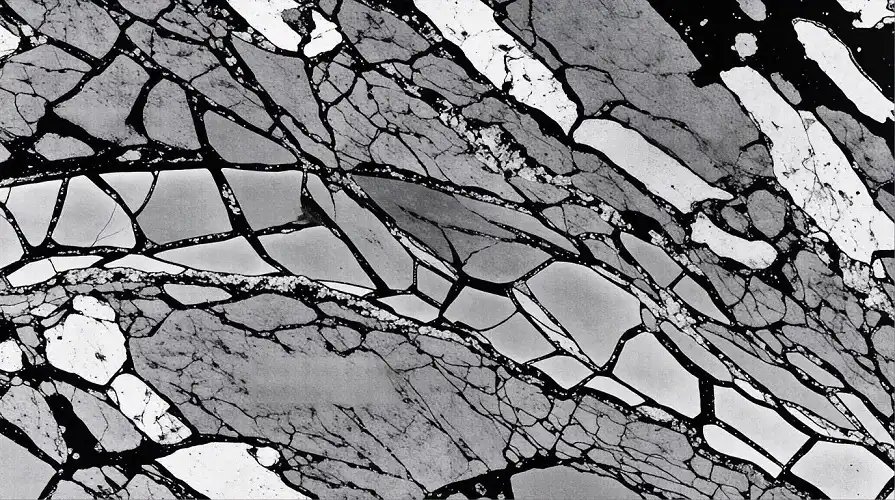
Mechanical and Thermal Characteristics
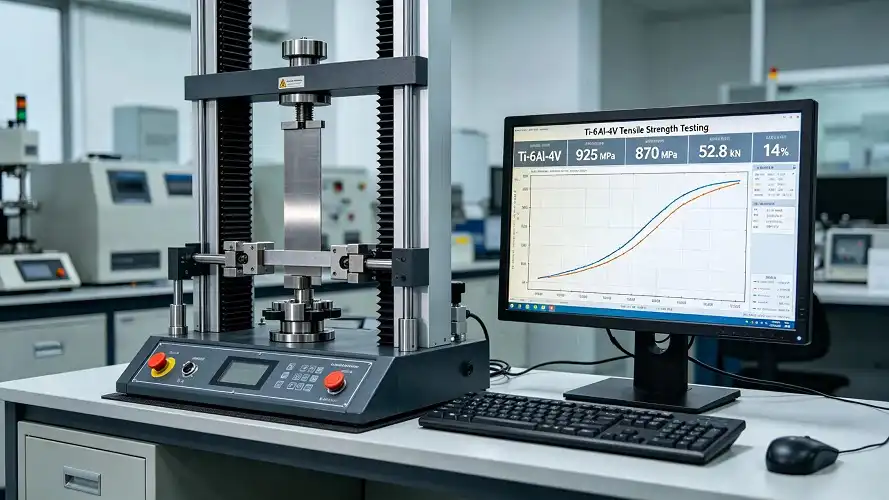
In annealed state the sheet has a tensile strength of ≥895 MPa and a yield strength of ≥828 MPa with a hardness range of 30–36 HRC. It has a density of around 4.43 g/cm3 making it outstanding for payload-sensitive applications. The thermal conductivity is rather poor hence heat accumulates locally and does not disperse. This characteristic directly influences the machining methods and the heat management techniques in service.
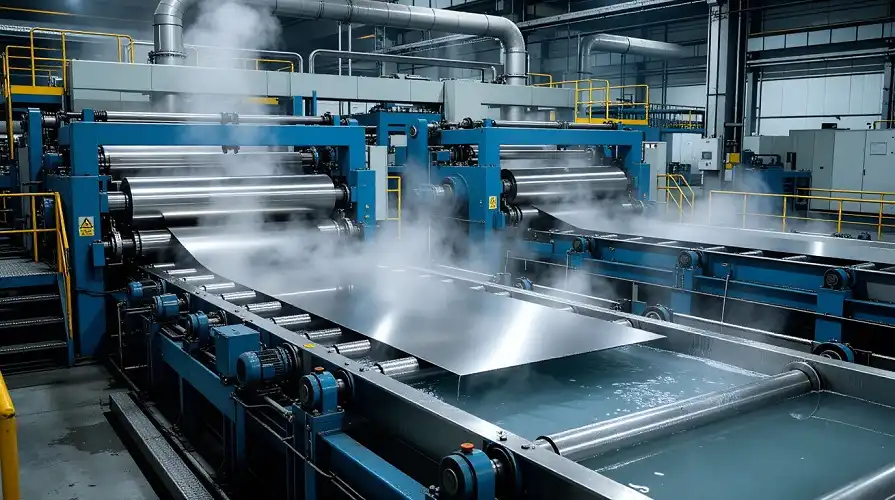
Jucheng Titanium hot rolled sheet is manufactured by controlled rolling, annealing, levelling, pickling and surface finishing process. Available grades are Gr1, Gr2, Gr4, Gr5, Gr7, Gr9 and Gr12. Thicknesses from 4 mm up to 80 mm, width from 950 mm up to 2500 mm and length up to 10.000 mm or cut-to-length. All sheets conform to ASTM B265, AMS 4911, ASTM F67 and ASME SB265 standards. Surface finishes may be polished, machined or acid pickled as per the end-use requirements.
Evaluating High-Temperature Performance
Where Ti-6Al-4V Excels — and Where It Reaches Its Ceiling?
The alloy has excellent mechanical performance in a wide range of service. The tensile strength is relatively constant from room temperature to 300°C. The softening is slow at 300 °C-400 °C, but the structure is still intact. Creep deformation is more significant above 400°C. Surface oxidation is more pronounced above 400°C due to the failure of the protective TiO2 layer to adhere during prolonged thermal cycling. This is why near alpha alloys such as Ti-6242 are specified for jet engine hot-section components operating above 500°C.
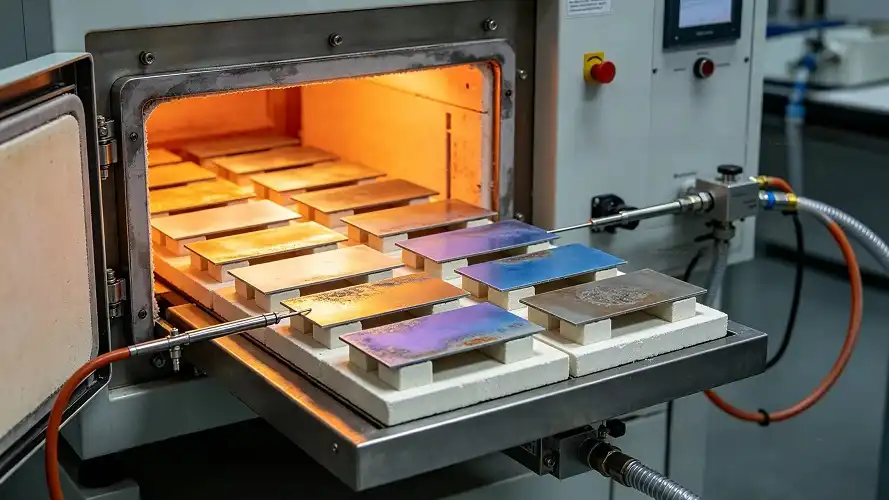
Heat treatment plays an important role here. Solution treating and ageing can increase tensile strength higher than 1100 MPa, improving resistance to thermal fatigue in cyclic-load environments. Annealing is the typical delivery condition for sheet products and maximises ductility and stress relief, which is important after welding or forming processes for Ti-6Al-4V sheet that create residual thermal stress.
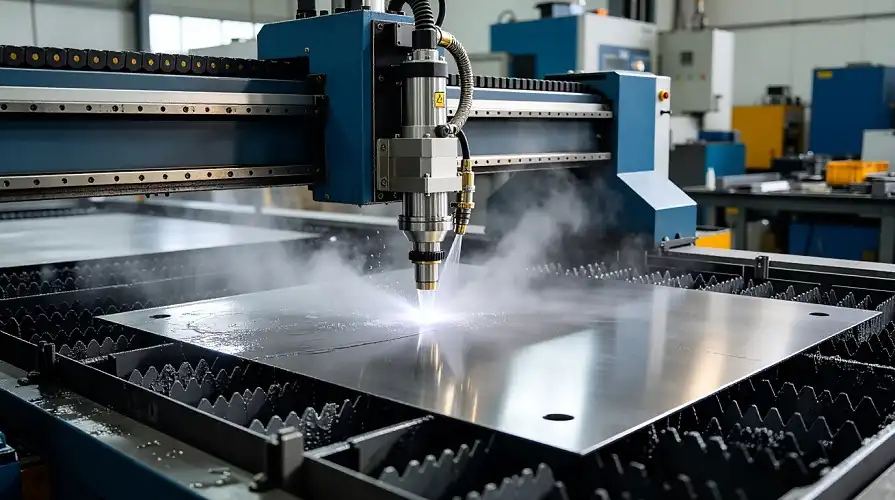
The poor heat conductivity of this alloy also has practical consequences in cutting. For titanium 6Al4V sheet, the heat does not propagate into the workpiece but builds up at the tool-chip contact. To avoid the brittle formation of the heat affected zone which compromises fatigue performance, it is highly suggested to use waterjet cutting or laser cutting with inert gas shielding.
Comparative Analysis: Ti-6Al-4V Sheet vs. Alternative Materials
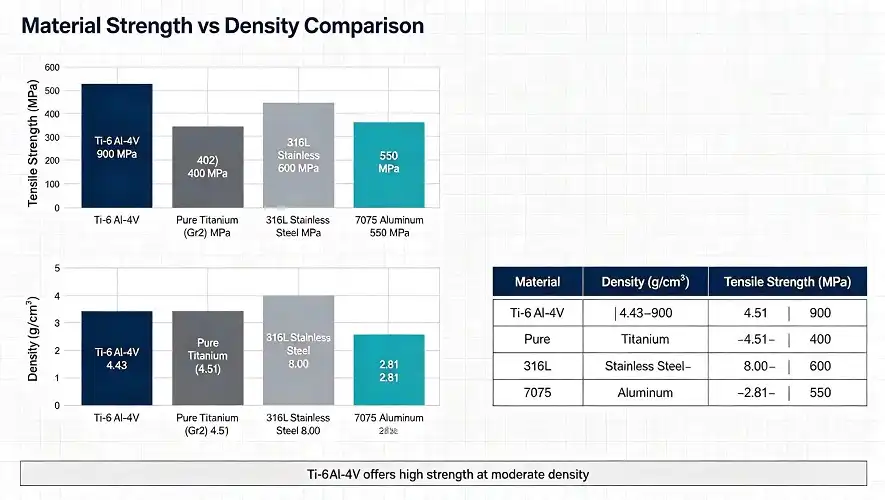
Typically, when a procurement team looks at high temperature materials, they compare four candidates: commercially pure titanium, stainless steel 316L, aluminium 7075, and Ti-6Al-4V.
This is their performance under higher thermal and mechanical requirements:
- CP Titanium: Less costly and simpler to machine, but tensile strength is limited to roughly 240-345 MPa – much below the requirements for structural aerospace or defence applications. ideal for chemical liners and low stress heat exchangers.
- Stainless Steel 316L: Good high temperature oxidation resistance and wide availability but weight penalties due to its density of roughly 7.9 g/cm3. That weight penalty is operationally prohibitive for airframe panels and spinning machinery.
- Aluminium 7075: This is light and easy to machine, but it’s got a service temperature ceiling of around 120°C-150°C. Aluminium fatigue failure is a serious issue in conditions involving exhaust proximity or temperature cycling.
- Ti-6Al-4V sheet: It has the best strength to weight ratio in the group, operational stability to 400°C, excellent resistance to fatigue fracture formation and corrosion resistance in saline and acidic environments concurrently.
It is such comparisons that explain the reasons why Grade 5 titanium sheet has become the normal standard for aerospace bulkheads, fuselage panels, military armour plates and offshore heat exchanger components. The combination of heat tolerance, mechanical dependability and weight economy is very hard to beat with any single alternative material.”
Procurement Insights for High-Temperature Ti-6Al-4V Applications
Selecting the proper supplier of Ti-6Al-4V sheet, including titanium 6Al4V sheet, is more than competitive pricing. Engineering teams and procurement managers should be looking for suppliers that can supply complete material traceability with Mill Test Reports traceable to the original melting ingot and verification of heat treatment condition, chemical composition and mechanical test results that match ASTM B265 or AMS 4911.
“The batch size has a strong effect on pricing. The unit cost decreases with the volume of buying. Suppliers with flexible production skills are required for custom needs — non-standard thickness, tight flatness tolerances, or unique surface treatments. Hot rolled plates manufactured to customer specification have lead times from 3 to 8 weeks depending on the complexity of the specification and production schedule.
Jucheng Titanium has 3000+ Tonnes Titanium in stock for timely delivery of standard specification and unique request with professional technical consultation all year round. Jucheng has over 20 years of titanium processing experience, and has obtained 4 invention patents, 41 utility model patents. Jucheng serves aerospace contractors, chemical equipment manufacturers and international distributors in North America, Europe and Southeast Asia.
Practical Recommendations for Heat-Intensive Applications
Thickness Selection and Joining Considerations
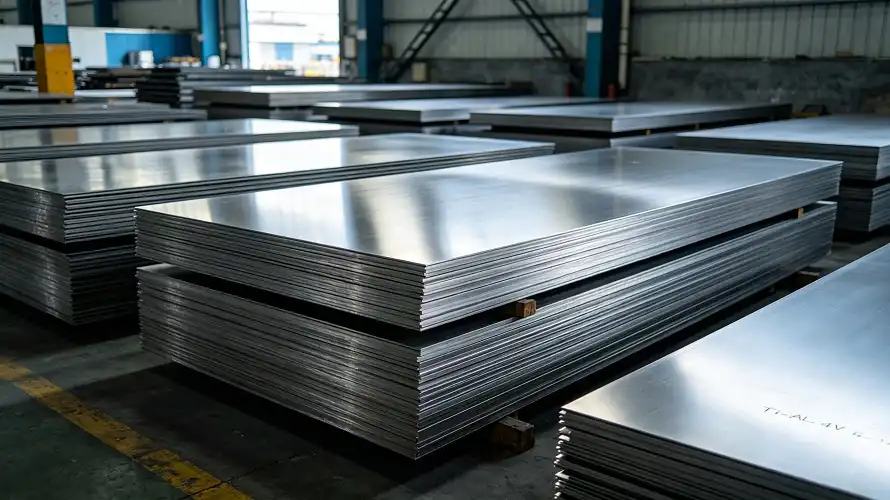
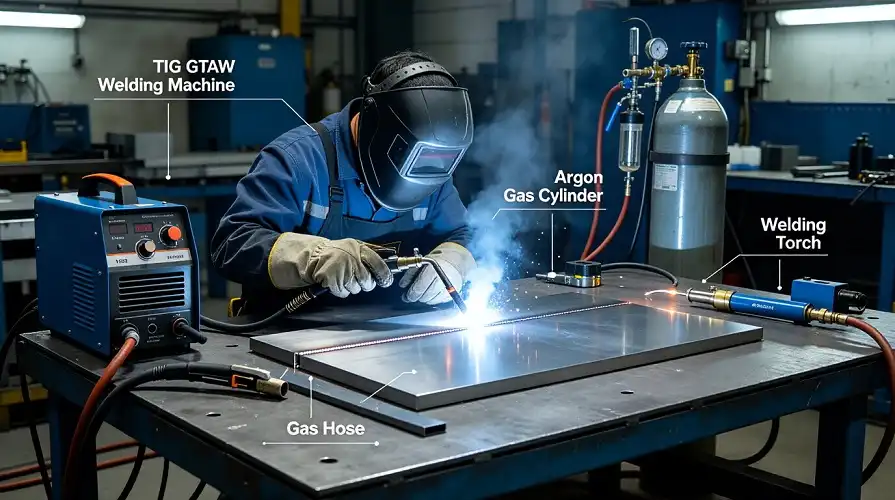
The common thickness of the sheets for structural aeroplane panels is between 4 mm and 12 mm. Thick plates are usually demanded for big industrial components and bulkhead forgings. Welding of Ti-6Al-4V sheet is to be carried out in inert gas shielding such as argon or helium. Oxygen and nitrogen contamination embrittles the weld zone at the high temperature.
Surface Treatment and Maintenance
Acid pickling removes the oxide scale created in hot-rolling. Thus there is a clean surface for further coating or bonding operations. Polished surfaces reduce surface stress concentration that is beneficial in fatigue critical aircraft skins. Periodic inspection of parts exposed to heat for discolouration or surface cracking offers early warning of oxidation related damage.
Industry experience in aerospace, petrochemical and marine applications shows that certified and traceable Ti-6Al-4V sheet with correct surface finishing outlives steel or aluminium counterparts in similar temperature situations.
Conclusion
Ti-6Al-4V sheet is a well recognised and reliable material for industrial applications at high temperatures up to 400°C. It provides a combination of high specific strength, corrosion resistance and fatigue tolerance that other materials cannot give to the same extent. The three decisions that impact long term performance are: understanding the thermal ceiling, selecting the correct grade and surface condition, and buying from a competent source with full material traceability. For projects requiring a dependable titanium 6Al4V sheet solution, Grade 5 titanium sheet remains one of the most technically defensible choices for procurement teams and engineers selecting materials for aerospace, defence, chemical processing or industrial machinery.
FAQ
1. What is the maximum operating temperature for Ti-6Al-4V sheet?
Ti-6Al-4V retains structural integrity up to approximately 400°C. Above this range, oxidation accelerates and creep deformation becomes significant. Applications demanding sustained performance above 500°C typically require near-alpha alloys such as Ti-6242.
2. Does heat treatment improve high-temperature resistance?
Yes. Solution treating and aging can increase tensile strength above 1100 MPa, improving resistance to thermal fatigue. Annealing, the standard delivery condition for sheet products, optimizes ductility and stress relief — particularly important after welding or hot-forming operations.
3. What is the difference between Grade 5 and Grade 23 (ELI)?
Grade 23 has tighter oxygen and iron limits, providing superior fracture toughness and ductility. It is preferred for fracture-critical aerospace structures and medical implants. Grade 5 is the standard industrial specification for structural and heat-tolerance applications.
4. Is cold forming Ti-6Al-4V sheet difficult?
Yes. The alloy has high spring-back and limited elongation compared to CP titanium. Cold bending typically requires a minimum bend radius of 3T to 6T depending on thickness. Tight-radius bends usually demand hot forming or intermediate annealing.
Source Your Ti-6Al-4V Sheet from Jucheng Titanium
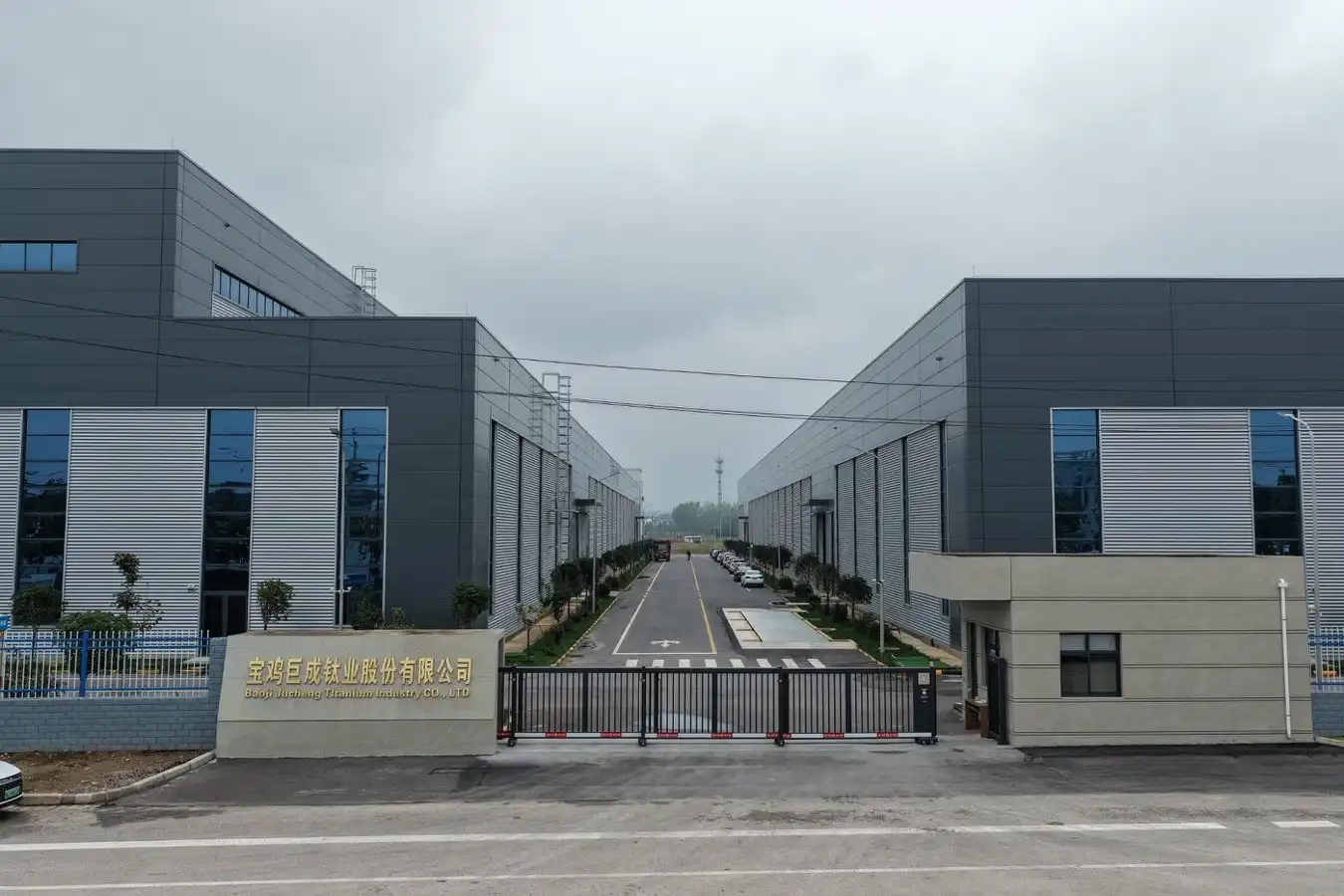
Jucheng Titanium has supplied certified Ti-6Al-4V sheet and titanium 6Al4V sheet solutions to aerospace contractors, chemical equipment manufacturers, and industrial distributors across North America for over two decades. As a trusted Ti-6Al-4V sheet manufacturer, we offer hot-rolled plates across Gr1 through Gr12, full ASTM/AMS certification, 3,000-ton ready inventory, and custom machining support. Contact our technical team today at s4@juchengti.com to request a quote.
References
1. Lütjering, G., & Williams, J. C. Titanium (2nd ed.). Springer, 2007.
2. ASTM International. ASTM B265: Standard Specification for Titanium and Titanium Alloy Strip, Sheet, and Plate. ASTM International, 2020.
3. SAE International. AMS 4911: Titanium Alloy Sheet, Strip, and Plate, 6Al-4V, Annealed. SAE International, 2015.
4. Boyer, R. R., Welsch, G., & Collings, E. W. Materials Properties Handbook: Titanium Alloys. ASM International, 1994.
5. Donachie, M. J. Titanium: A Technical Guide (2nd ed.). ASM International, 2000.
6. Peters, M., Kumpfert, J., Ward, C. H., & Leyens, C. "Titanium Alloys for Aerospace Applications." Advanced Engineering Materials, Vol. 5, No. 6, 2003.