



CP Grade 3 Titanium Sheet: Corrosion Resistance Explained
The question I am often asked by engineers and procurement managers is, “What commercially pure titanium grade strikes the balance between raw strength and chemical inertness?” My answer is usually the same: CP grade 3 titanium sheet. The material is UNS R50550 and manufactured to ASTM B265 and ASME SB265 requirements. It provides a minimum yield strength of 380 MPa, 30-40% more than that of Grade 2, while maintaining the passive oxide layer, which makes unalloyed titanium almost immune to aggressive media. Grade 3 sheet cleanly and reliably crosses the moderate strength-ductility gap for pressure vessel designers, chemical plant engineers, and aerospace fabricators who cannot justify the expense or forming complexity of Grade 5.
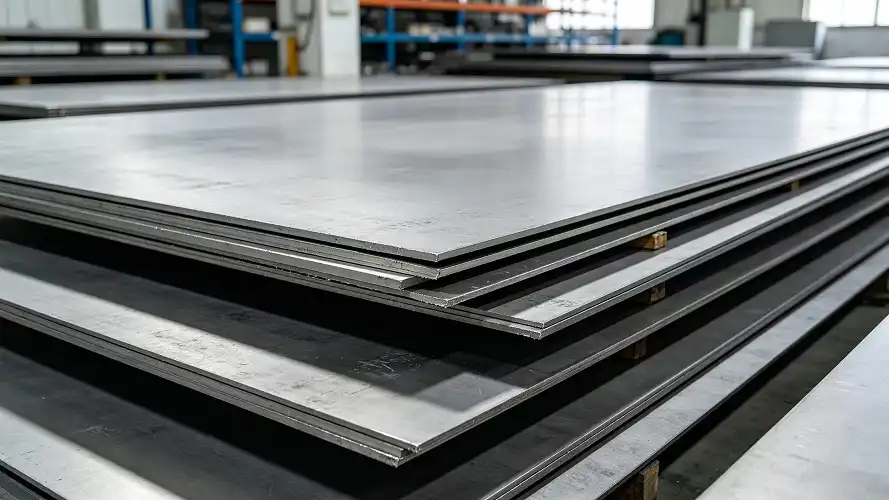
Understanding CP Grade 3 Titanium Sheet: Properties and Composition
What Does the Chemistry Actually Mean for Your Application?
ASTM B265 limits the high oxygen concentration to 0.35 wt% and acts as an intermediate strengthener without the inclusion of alloying components that make it more difficult to weld. Carbon 0.08% and less, nitrogen 0.05% and less, iron 0.30% and less. The controlled restrictions ensure that the microstructure of the alpha-phase is stable and homogeneous, so that the annealing works as expected on the material.
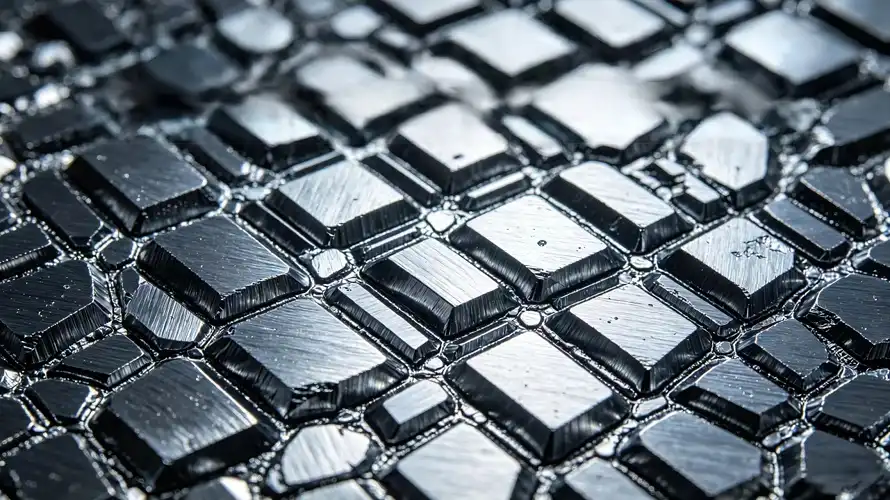
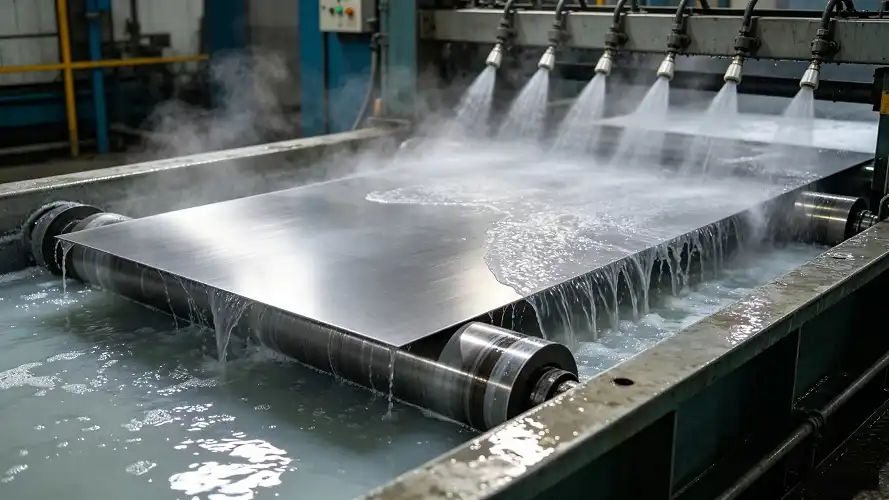
Jucheng Titanium performs all the processing steps for hot-rolled Grade 3 sheet: rolling, heat treatment, levelling, pickling, and optional surface finishing. Annealing the steel eliminates any remaining stresses and restores ductility. In this scenario, the sheet may be cold-formed, but the spring-back is significantly more than in Grade 2, so the tooling modification is required.
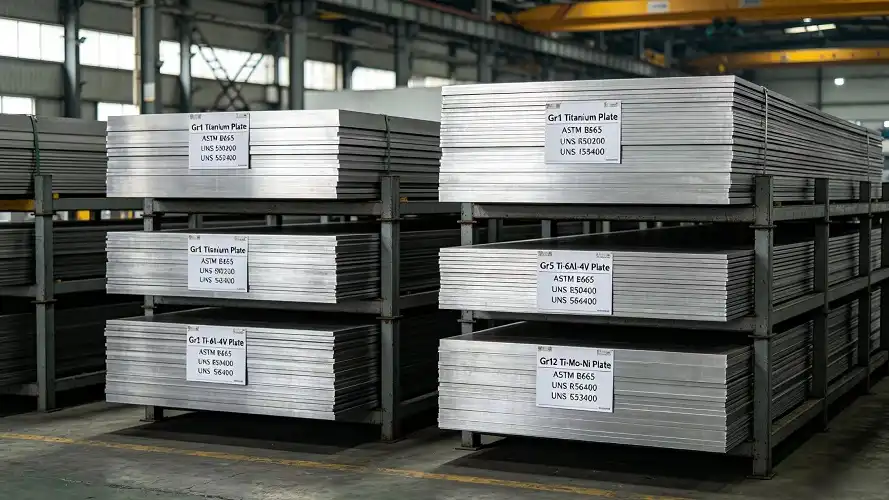
Jucheng Titanium provides some of the following product specifications:
These size ranges cover the majority of the plates required by industry, from thin tube sheets for heat exchangers to thick pressure vessel liners, without the client having to make non-standard mill runs.
- Grades: 1, 2, 4, 5, 7, 9, 12
- Thickness: 4 mm-80 mm "
- Width: 950mm – 2500mm
- Length: 10,000 mm or customised
- Standards : ASTM B265, ASTM F67, AMS 4911, ASME SB265
- Surface Treatment: Polished, machined, or acid-pickled
The dimensional windows cover the vast majority of industrial plate requirements, including CP grade 3 titanium sheet for applications ranging from thin heat-exchanger tube sheets to thick pressure-vessel liners, without the need for customers to request non-standard mill runs.
Corrosion Resistance of CP Grade 3 Titanium Sheet
The Science Behind the Passive Oxide Layer
Within milliseconds, titanium reacts with oxygen, leading to a dense covering of TiO2 attached to the surface. The coating thickness is usually 2-7 nm. This movie may be fixed. If you scratch it, it will grow back by itself when exposed to the air or water. Grade 3 will not pit or corrode in seawater, wet chlorine gas, heated nitric acid, or metallic chloride solutions; 316L stainless steel will lose mass in weeks. The consequences for industrial customers are staggering.
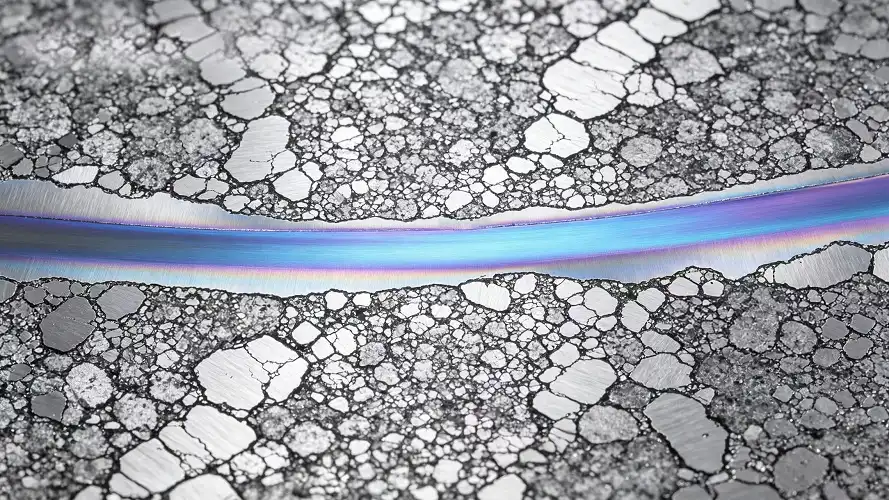
The picture is as sharp as that of aluminium. Aluminium alloys also produce oxide layers; however, these break down in alkaline media at pH values over 9. This is a limit usually overstepped in caustic scrubbers and wastewater treatment circuits. The oxide layer on titanium is stable throughout the pH range of around 2-12 and hence may be used for many more years under these conditions.
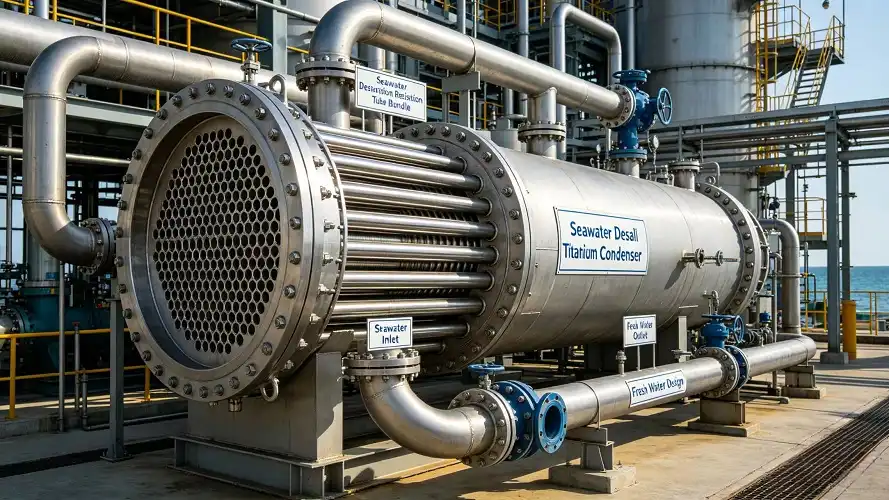
Grade 3 is superior to Grade 2 in structural use due to the increased strength of the metal without loss of corrosion resistance caused by the higher oxygen concentration. The chemistry of the passive film is the same for all classes; however, Grade 3 may be employed at thinner wall gauges to lower the dead weight and material volume while still meeting the same pressure values. This leads to a lower fixed cost per unit of service life of the ocean desalination pipes.
Comparing CP Grade 3 Titanium Sheet for Different Industrial Needs
Grade-to-Grade and Metal-to-Metal Analysis
Knowing where Grade 3 fits in the bigger picture of titanium helps procurement teams avoid asking for too much or too little material. Here is a short list of the most common options that people compare:
- Grade 2 vs. Grade 3: Grade 2 offers superior cold formability and is the workhorse grade for lightly loaded chemical equipment. For applications requiring higher strength, CP grade 3 titanium sheet provides greater yield strength, making it a rational choice when internal pressure or hydrodynamic loading demands thicker sections on Grade 2, but thinner walls are preferred for weight reasons.
- Grade 3 vs. Grade 5: Grade 5 delivers tensile strengths above 900 MPa but requires stress-relief annealing after welding, is more expensive, and restricts cold forming severely. For components operating below 425°C in corrosive media, Grade 3 is structurally adequate and far easier to fabricate.
- Grade 3 vs. 316L Stainless Steel: At 4.51 g/cm³, Grade 3 is roughly 43% lighter than 316L stainless steel. In a marine heat exchanger where corrosion failures dictate scheduled replacement, switching to Grade 3 sheet reduces both structural weight and maintenance downtime simultaneously — a lifecycle cost argument that consistently justifies the higher raw material price.
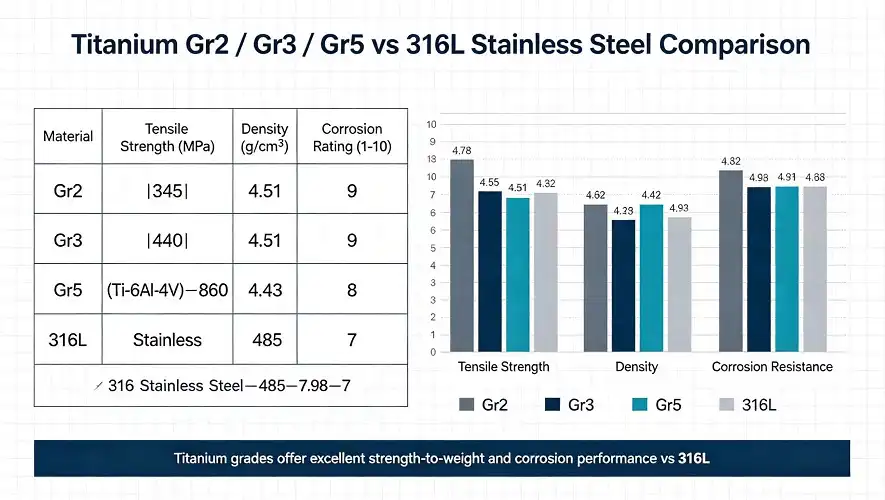
These comparisons bring out a bigger point: choosing materials based only on unit price often leads to unnecessary lifecycle costs. Total cost-of-ownership studies show that Grade 3 titanium sheet often works better than cheaper options over a 15–20 year service horizon.
Procuring CP Grade 3 Titanium Sheet: Supplier and Logistics Insights
What Reliable Sourcing Looks Like in Practice
There's more to picking a CP Grade 3 titanium sheet provider than just looking at mill licenses. When purchasing from overseas, procurement pros need to make sure that the seller can regularly meet dimensional tolerances across multiple orders, keep enough inventory to avoid project delays, and provide paperwork that is recognized around the world.
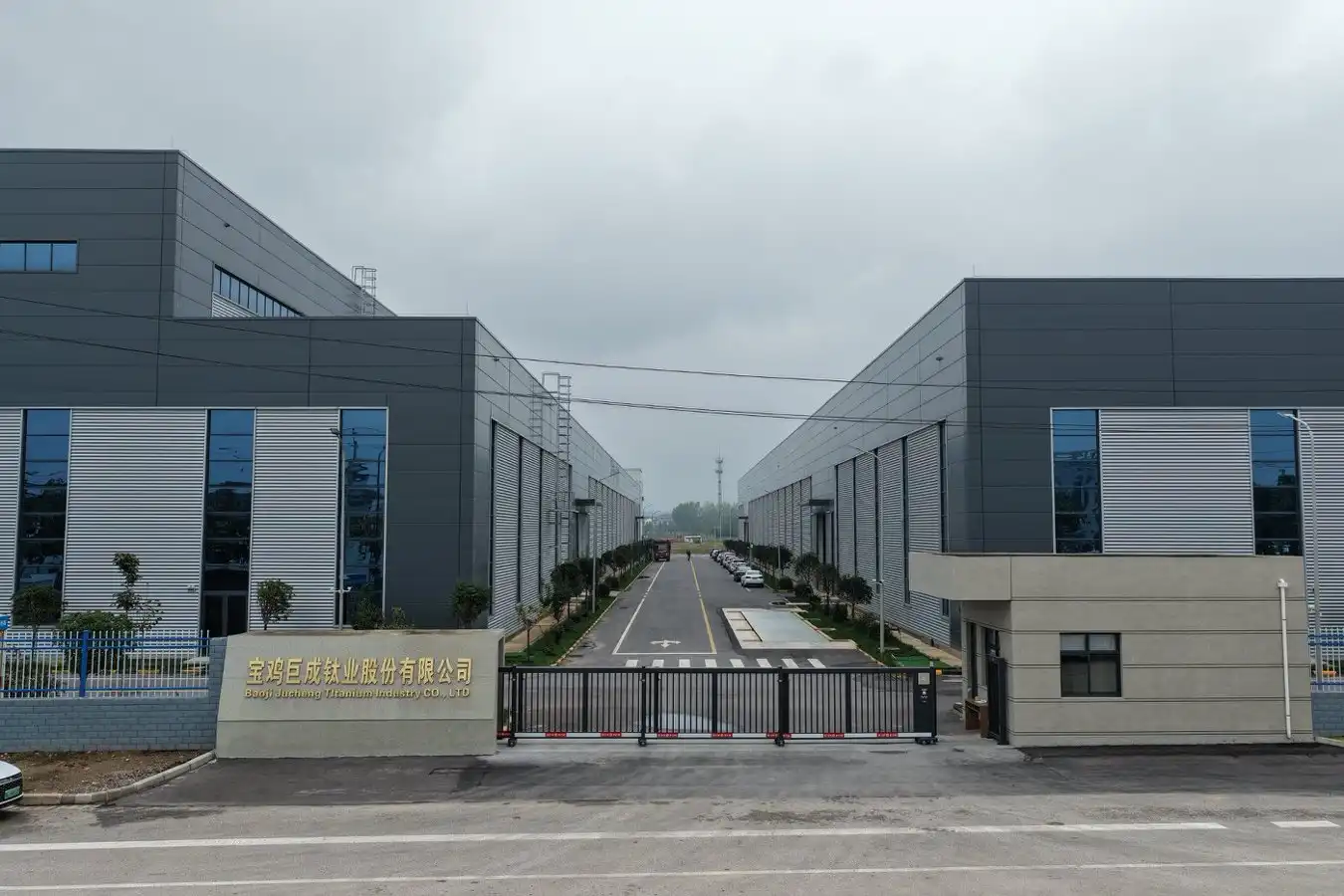
About 3,000 metric tons of titanium are kept in stock by Jucheng Titanium all year long at its 120,000 m² production facility in Baoji, which is known as China's titanium processing hub. Because there are so many items in stock, normal plate sizes can be shipped without the long mill wait times that often cause projects to be late. Each plate comes with an EN 10204 3.1 mill approval, and the way it is made meets ASTM B265, AMS 4911, and ASME SB265.
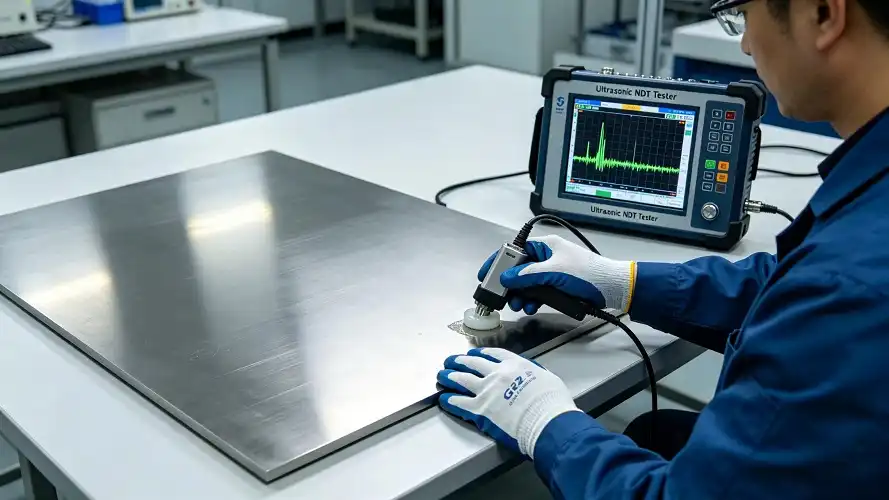
At Jucheng Titanium, quality control is based on four strict steps: chemical analysis to check the amount of oxygen and iron; tensile testing according to ASTM E8 to check the yield and tensile strength; bend testing according to ASTM E290 at a mandrel radius of 4–5× thickness to check the cold-form performance; and ultrasonic inspection according to AMS 2631 for thicker plates to find internal laminations. Buyers who have had oxygen readings that weren't consistent from mills they didn't trust know exactly why that sequence is important.
Maximizing the Value of CP Grade 3 Titanium Sheet in Your Projects
Handling, Storage, and Inspection Protocols That Protect ROI
Titanium sheet is easy to store, but there are a few things you should do to keep the quality from going down. Plates should be put on clean racks made of polymer or rubber that are kept away from ferrous metals to get rid of iron contamination that can cause surface corrosion where the metals touch. It is important for storage areas to stay dry and free of chloride fumes, which can be a problem in buildings near the coast.
Covering the GTAW weld with protective gas is very important during production. Titanium oxidizes quickly above 427°C; any weld zone that goes blue, gray, or white has oxygen or nitrogen taken up and needs to be thrown away. When you use ERTi-3 filler wire instead of ERTi-2, the weld zone stays as strong as the base metal, and ASME tank design codes are met.
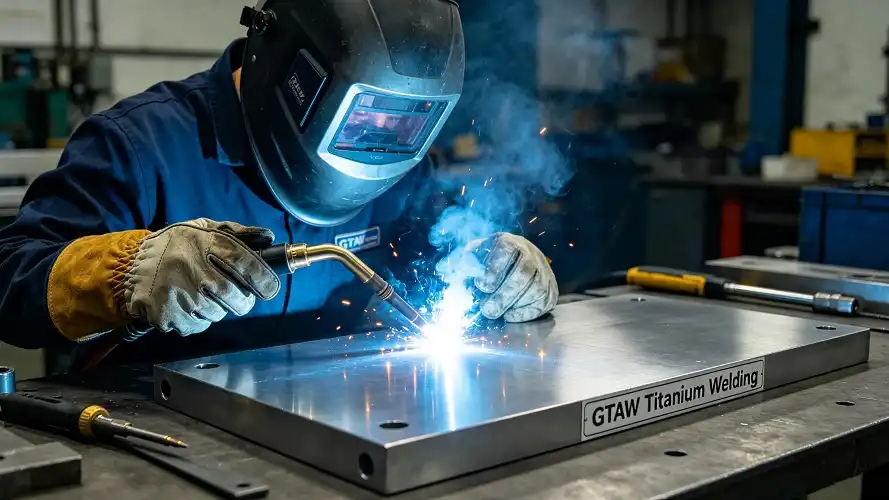
Post-installation inspection plans for Grade 3 parts that will be used in chemical environments should include eye checks for surface darkening once a year and eddy-current or dye-penetrant tests at welds every two years. In chlor-alkali service, titanium heat exchangers have been known to last more than 20 years without needing new plates. This is a number that steel or nickel-alloy options rarely reach in the same setting.
Conclusion
When it comes to economically pure titanium sheets, CP grade 3 titanium sheet holds a special place in the market. Its controlled oxygen content raises its mechanical strength to levels that meet the needs of high-pressure and structural uses. At the same time, the self-repairing TiO₂ passive film protects it from corrosion in ways that lighter metals and stainless steels can't in acidic or chloride-rich environments. When you look at lifetime cost, weight economy, and how easy it is to make something, Grade 3 always supports its place in chemical processing, marine, and aircraft standard packages. That material edge can be turned into a reliable project outcome by choosing a provider with written QC protocols, certified inventory depth, and real export experience.
FAQ
1. What factors most strongly influence the corrosion resistance of Grade 3 titanium?
Oxygen content and surface condition dominate. The passive TiO₂ film regenerates as long as the surface is free of embedded iron or contamination. Acid pickling after fabrication restores the film uniformly.
2. How does Grade 3 titanium compare to stainless steel in marine crevice corrosion?
316L stainless steel fails in crevice corrosion scenarios at temperatures above roughly 25°C in seawater chloride environments. Grade 3 titanium resists crevice corrosion up to approximately 80°C in the same media, making it the preferred specification for offshore heat exchangers and desalination piping.
3. What is the maximum continuous service temperature?
Continuous service should stay below 425°C. Beyond this threshold, oxygen diffusion produces a brittle alpha-case surface layer that degrades fatigue performance and ductility.
4. What are typical lead times and MOQ from a stocked supplier?
A supplier maintaining substantial plate inventory can ship standard sizes within 7–15 business days. MOQs vary by thickness and width but are typically negotiable for project-volume orders.
Source Your CP Grade 3 Titanium Sheet from Jucheng Titanium
For more than 20 years, Jucheng Titanium has sold approved titanium plate to chemical, marine, aircraft, and other industries in North America and around the world. We are ready to take on your next order because we have 3,000 tons in stock, fully comply with ASTM, AMS, and ASME standards, and can cut to your specifications. To get a quote for CP grade 3 titanium sheet right away, email our team at s4@juchengti.com.
References
1. ASTM International. ASTM B265: Standard Specification for Titanium and Titanium Alloy Strip, Sheet, and Plate. ASTM International, 2020.
2. ASTM International. ASTM F67: Standard Specification for Unalloyed Titanium for Surgical Implant Applications. ASTM International, 2017.
3. ASM International. Titanium: A Technical Guide. 2nd ed. ASM International, 2000.
4. Donachie, Matthew J. Titanium: A Technical Guide. Materials Park, OH: ASM International, 2000.
5. Schutz, R. W., and Thomas, D. E. "Corrosion of Titanium and Titanium Alloys." ASM Handbook, Volume 13: Corrosion. ASM International, 1987.
6. Rack, H. J., and Qazi, J. I. "Titanium Alloys for Biomedical Applications." Materials Science and Engineering: C, Vol. 26, Issues 8–9, Elsevier, 2006.