
Corrosion-Resistant Bright Titanium Tube for Marine Use
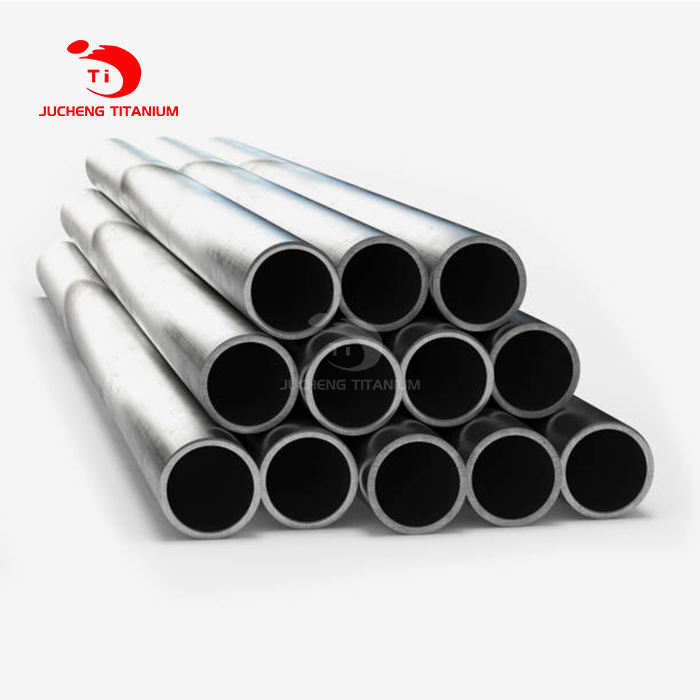
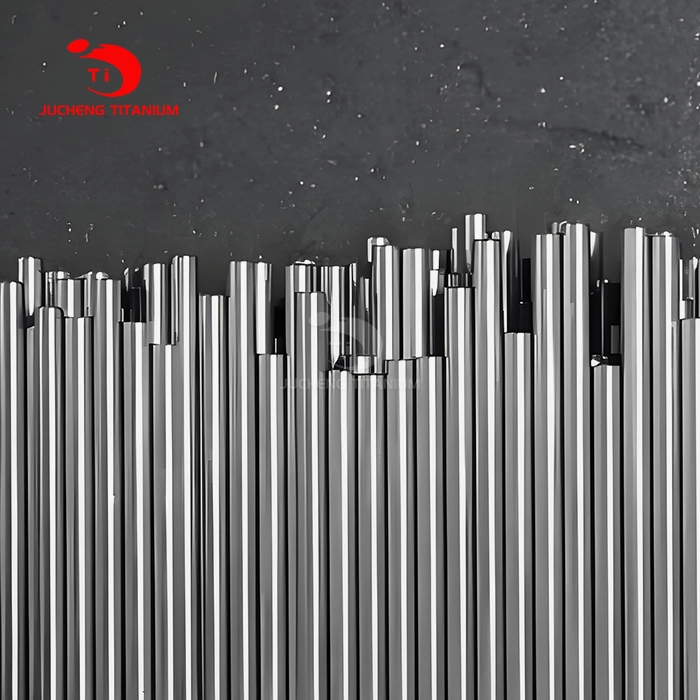
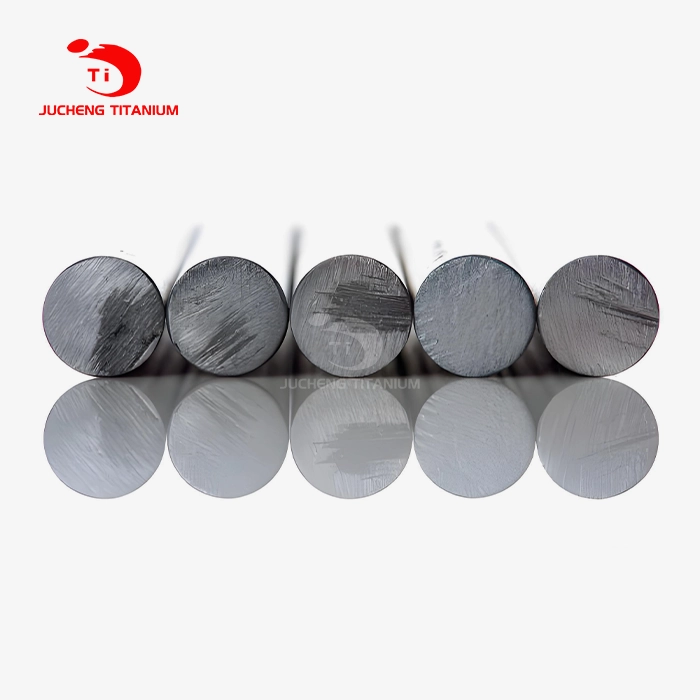
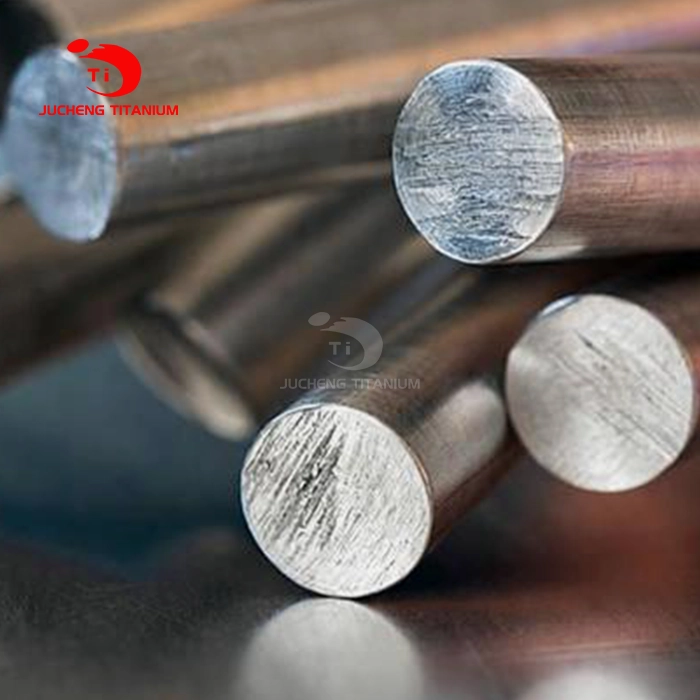
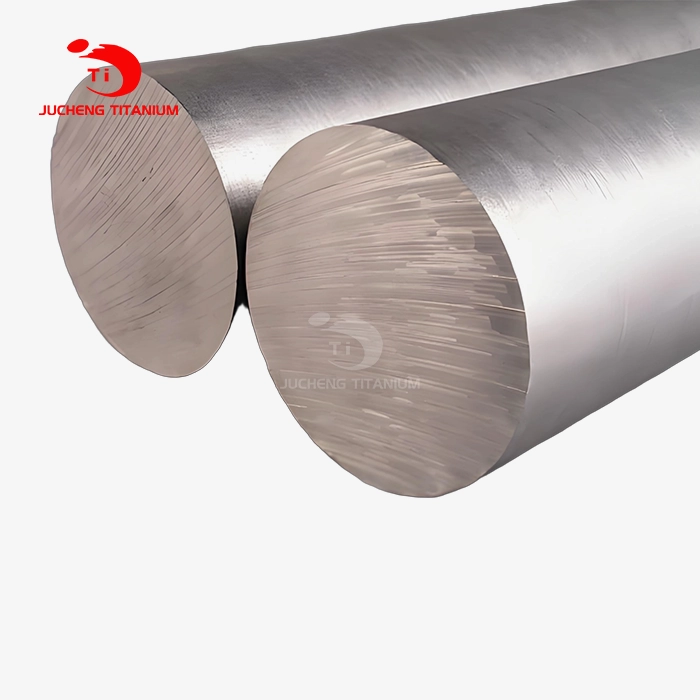
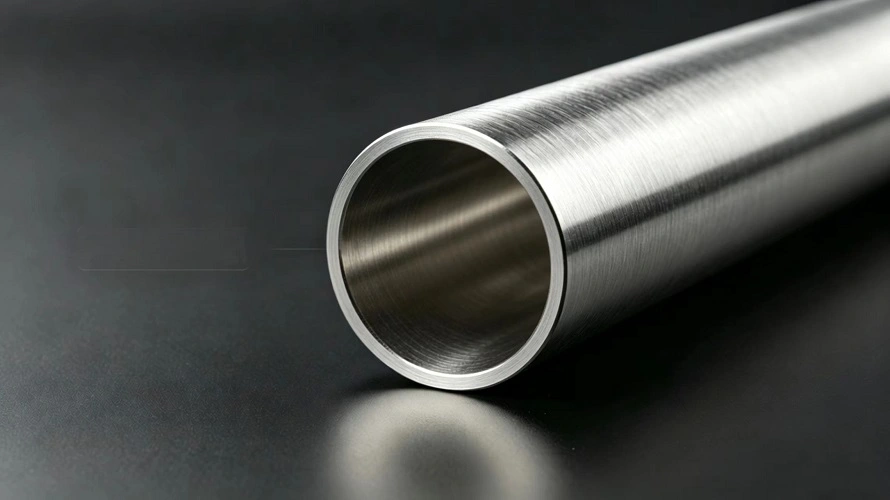
When naval equipment is constantly being attacked by saltwater and corrosive air, it is very important to choose the right material. Bright Titanium Tube is a big step forward in tube technology. It is precision-engineered by cold rolling and vacuum cooling to give it a mirror-bright, oxide-free surface that doesn't weaken when hydrogen is added and gives you the most accurate measurements possible. Unlike traditional pickled tubes, this new material doesn't let surface contamination happen. It also has great strength and corrosion resistance, which makes it the best choice for tough naval uses like heat exchangers and offshore platforms.
Introduction
Marine areas are some of the most difficult places to work in business settings. Materials that can last for decades without breaking are needed because they are constantly exposed to chloride-rich seawater, changing temperatures, and harsh weather. These problems can be solved with precision-manufactured titanium tubing items that have smooth, reflective surfaces and great mechanical qualities.
As procurement managers and engineers in charge of global business-to-business marine projects, it's important to know the specific benefits of advanced titanium tubing. This guide tells you everything you need to know about why Bright Titanium Tubes are now the best choice for important marine infrastructure, like desalination plants and military uses. We will talk about differences in manufacturing, performance comparisons with other materials, and useful buying methods that fit the needs of your project and your budget.
As more people in the marine industry realise that investing in materials up front can save them a lot of money in the long run through less upkeep, longer equipment life, and better operating efficiency, they are turning to titanium options. If you need to choose materials for heat exchanges, hydraulic systems, or structural parts, the information below will give you the information you need to feel sure about your choices.
Understanding Bright Titanium Tubes and Their Marine Advantages
What Sets Bright Titanium Tubing Apart
Bright Titanium Tubing is fundamentally different from standard products because of the way it is made. Manufacturers stop surface rust completely by cold rolling and then vacuum annealing in neutral atmospheres. This gets rid of the usual acid cleaning step that is needed for air-annealed tubes, which can cause hydrogen embrittlement and differences in the tube's dimensions.
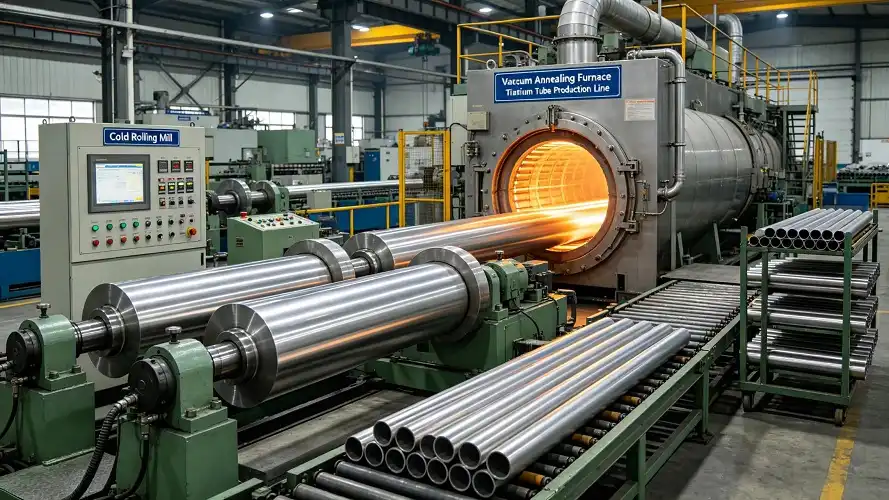
The final product has a surface roughness of less than 0.6µm Ra, which makes it very smooth and reduces friction losses in fluid movement applications. This level of accuracy is very important for the efficiency of heat exchangers, since even small surface irregularities can allow biofouling to grow and slow down heat transfer over time. Marine operators say that Bright Titanium Tubes have measurably lower fouling factors than pickled tubes. This means that the tubes will last longer and need to be cleaned less often.
Corrosion Resistance in Saltwater Environments
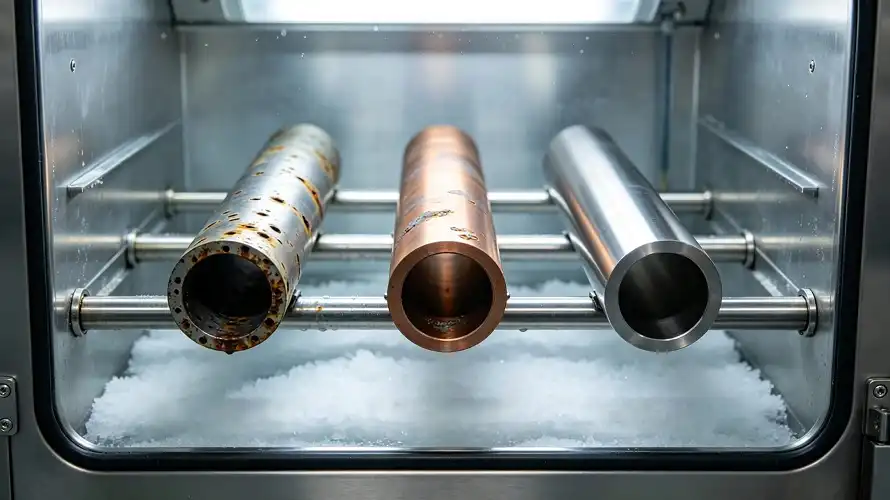
Titanium's natural oxide layer forms on its own and grows back when it gets broken, protecting itself from chloride attack. Commercial-grade titanium is completely resistant to corrosion by seawater at normal working temperatures. It works better than even high-nickel alloys, which finally give way to pitting and crevice corrosion.
The bright surface treatment makes this natural resistance even stronger by making sure that there are no remaining particles or oxide scale that could damage the protected layer. After years of service, marine installations that use these tubes in splash zones, heat exchangers, and hydraulic systems always have no corrosion. This dependability is especially useful in remote settings where replacing equipment would cost a lot of money and cause problems with operations.
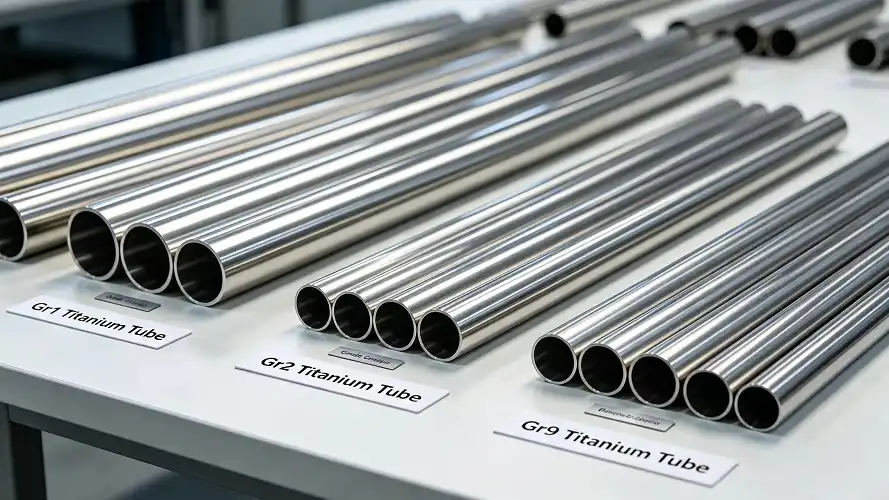
Baoji Jucheng Titanium Industry has used its more than 20 years of experience to improve the vacuum heating methods that make this rust resistance even better. Our way of making tubes meets ASTM B338 and ASME SB338 standards for grades such as commercially pure Gr1, Gr2, and higher-strength Gr9 alloy. This gives you the freedom to choose the right material for a wide range of marine applications.
Mechanical Properties and Structural Integrity
In addition to being resistant to corrosion, naval uses need materials that can handle changes in pressure, mechanical vibration, and possible impact loads. Grade 2 Bright Titanium Tubing has a minimum tensile strength of 345 MPa and can stretch more than 20%. This gives it the flexibility to handle practical pressures without breaking.
The uniform microstructure that is created by controlled vacuum annealing ensures that the tube wall has the same tensile qualities all the way through. This consistency is very important in pressure vessels and structural parts where differences in the material could cause breakdowns. The predictable performance characteristics make stress analysis and safety factor calculations easier, which is appreciated by engineering teams.
Comparing Bright Titanium Tubes with Other Tubular Materials for Marine Use
Stainless Steel Limitations
For corrosion resistance, marine engineers usually choose duplex stainless steels or super-austenitic grades. However, these materials have a lot of problems. It is still possible for chloride to cause stress corrosion cracking and pitting in stainless alloys, especially in warm seawater or marine air. Maintenance logs from offshore sites show that stainless steel tubes keep breaking, needing to be replaced every 5 to 8 years at a high cost.
The fact that stainless steel is heavier makes these problems even worse. Titanium is about 60% less dense than stainless steel, which lowers structural loads and makes installation easier. This is especially helpful for topside equipment on offshore platforms, where weight directly affects the size of the structure needed and the cost of installation. Projects we've worked on have shown that switching critical piping systems from stainless steel to titanium can save 40% of their weight. This allows for better design and higher capacity.
Copper-Nickel Alloy Considerations
Copper-nickel alloys, usually in 90/10 or 70/30 ratios, are used for naval condenser tubes because they are resistant to seawater and don't cost as much as titanium. But gaps in ability become clear when conditions are tough. Copper-nickel tubes erode and corrode at flow speeds higher than 2 meters per second. This limits the design options in small heat exchanger layouts, while titanium handles speeds higher than 3 meters per second without any problems.
Biofouling is another problem that needs to be solved. Copper-nickel's ability to keep things from sticking to it decreases when there is low flow or when the system is shut down for a long time. This means that harsher cleaning methods are needed, which speeds up the shrinking of the tube walls. Bright Titanium Tubes with smooth surfaces naturally keep sea organisms from sticking to them, so they stay thermally efficient with little upkeep over their lifetime.
Standard Titanium Tube Comparisons
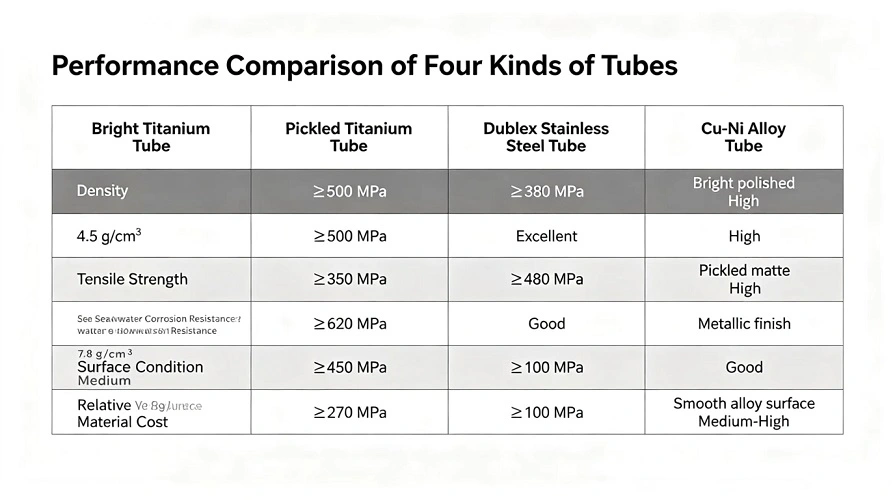
There are differences between titanium products even within the same category. Acid-pickled titanium tubes usually have rougher surfaces than Bright Titanium Tubes that are vacuum-annealed. This makes it easier for fouling organisms to grow and slightly lowers the efficiency of heat transfer. There is a risk in the pickling process itself—if you don't handle acid waste properly, hydrogen can get taken into the structure of the material, which weakens it over time and makes it less reliable in the long run.
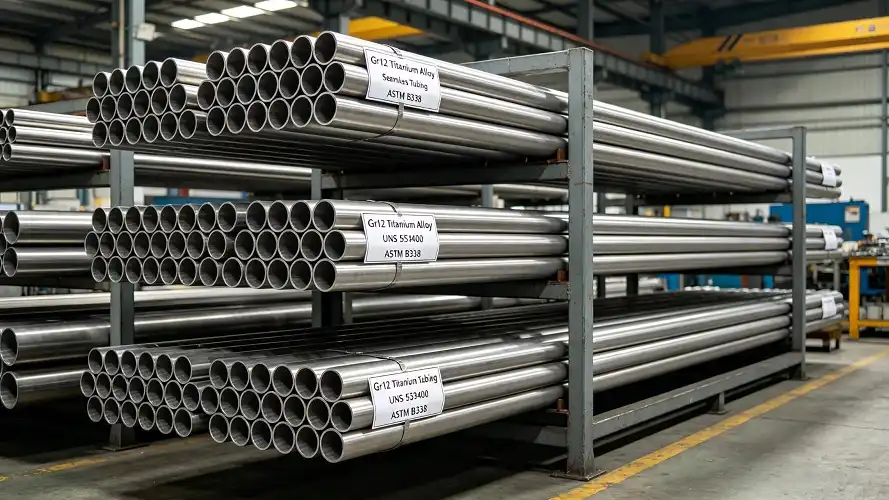
When compared to welded tube options, seamless manufacturing offers better integrity. Jucheng Titanium's extrusion and cold rolling processes make seamless tubes with wall thicknesses ranging from 0.5mm to 20mm and OD3mm to OD219mm. These tubes don't have any weld seams, so they are completely safe. This seamless construction is necessary for high-pressure hydraulic applications and important heat transfer services where failure would have serious effects that call for high-quality materials.
Procurement Guide: How to Source Bright Titanium Tubes for Marine Applications
Specification Development
Clearly defining the requirements is the first step to a successful purchase. Choosing the right material grade depends on the job. For example, Grade 2 is great for heat exchangers and pipes because it doesn't rust, while Grade 9 (Ti-3Al-2.5V) is stronger and better for pressure tanks and structural uses. It's important to be clear about the outer diameter, wall thickness, and length standards for heat exchanger tube-to-tubesheet joints because of the importance of dimension margins.
The specifications for the surface finish should make it clear that the state is bright-annealed and set clear roughness limits. Reference standards, such as ASTM B338, ASTM B861, or AMS 4942, set the rules for how specifications should be written and are recognised around the world. Material test reports, dimensional inspection certificates, and records that link finished tubes to raw material heat numbers should all be required as proof.
Supplier Evaluation Criteria
To find skilled producers, you have to look at things from a lot of different angles. Production capacity means being able to meet volume needs within project deadlines. For example, our plant keeps about 3,000 tonnes of titanium in stock so that important marine projects can be completed quickly. Instead of depending on outside processors, manufacturing should include the whole process chain, from extrusion to heating and finishing. This way, quality control can be done throughout production.
Certifications are an objective way to prove that quality control systems work. Look for ISO 9001 certification, which shows that the process is being followed, as well as other industry-specific awards. The fact that Jucheng Titanium is a National High-Tech Enterprise and a "little giant" shows that the government recognises our technical skills and history of creation. Our patent portfolio, which includes 4 invention patents and 41 utility model patents, shows that we are really good at engineering and not just trading commodities.
Manufacturers and dealers are different in how they offer technical help. Suppliers who give technical advice, unique dimensional development, and suggestions based on the application are helpful for naval projects that are very complicated. Through our relationships with schools like Tsinghua University and the Northwest Institute for Nonferrous Metal Research, we have access to experts in advanced materials that can help us find answers for tough marine problems.
Logistics and Commercial Considerations
When you buy something from another country, shipping and customs can be complicated, so you need experienced logistics management. Transactions go more smoothly with manufacturers who have been exporting for a while. For example, Jucheng Titanium's global export supply chain takes care of paperwork, packing, and transportation, which makes the process easier. Minimum order numbers depend on the manufacturer and the specifics of the product. For custom sizes, the minimums are usually higher than for normal sizes.
Sample orders are a smart way to manage risk before committing to large amounts of production. Request samples that meet all of your exact requirements, such as surface finish and measurement limits. Then, have them tested by a third party to make sure they meet your standards for mechanical traits and surface quality. This step of confirmation finds possible problems before they have an effect on project plans or results.
When managing lead times, it's important to be realistic about what can happen. For example, standard-sized Bright Titanium Tubes from stock may ship within weeks, but custom specs with unique sizes or special testing needs could take 8–12 weeks. Getting suppliers involved early on in the design part of a project keeps the schedule from getting squished later on when choices are limited.
Real-World Applications and Case Studies in Marine Environments
Offshore Platform Heat Exchange Systems
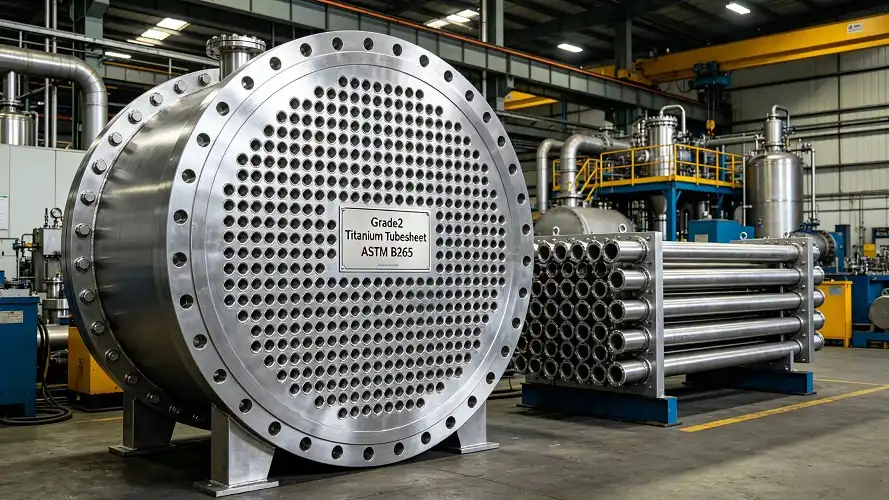
Offshore oil and gas platforms work in what is probably the roughest marine climate. They are exposed to seawater, chemicals used to handle hydrocarbons, and high temperatures. A company in the North Sea switched from copper-nickel condenser tubes to Grade 2 Bright Titanium Tubes in their platform cooling systems. The new tubes have been working perfectly for over 15 years without any maintenance, while the old ones needed to be replaced every 6 to 7 years.
After ten years of use, the smooth, bright surface kept its heat transfer efficiency within 3% of the original design parameters. Copper-nickel tubes, on the other hand, had lost 12–15% of their efficiency over the same time period. This long-term performance directly cut down on fuel use for extra cooling loads, saving money on operational costs on top of the benefits from the maintenance cycle. The placement showed that lifetime cost analysis always favours titanium, even though it costs more at first.
Desalination Plant Applications
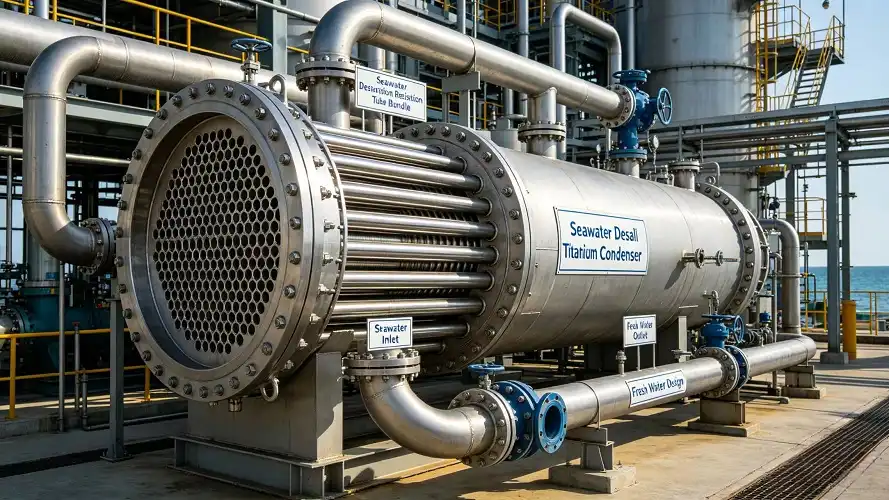
Desalination of seawater is the fastest-growing area of industrial water treatment, with more and more projects happening in places around the world that are having trouble getting enough water. Heat recovery systems and multi-stage flash evaporators are used in reverse osmosis plants. The corrosion resistance of these systems determines how long the equipment lasts and how much it costs to run. A plant in the Middle East chose Bright Titanium Tubes for their thermal desalination unit heat exchangers because they wanted them to be reliable in high-salinity, high-temperature situations.
After five years of processing feedwater at 45°C with more than 45,000 ppm of total dissolved solids, there was no rust and only a small amount of fouling buildup. Comparative sections made of super-duplex stainless steel showed pitting beginnings and 8% more fouling deposits, even though the operating conditions were the same. The plant's workers found that the Bright Titanium Tube parts were responsible for 22% lower maintenance costs and 4% higher water production efficiency. This proved that the choice of material for planned capacity increases was the right one.
Naval and Shipboard Systems
Military ships need their engines and other systems to work all the time perfectly, because if something breaks, it could affect the task and put the crew in danger. Submarine applications have very strict needs because they are submerged in saltwater and have to handle changing pressures and loads from vibrations. Due to its long history of success, the Navy is increasingly specifying titanium for use in crucial piping systems, hydraulic lines, and heat exchangers.
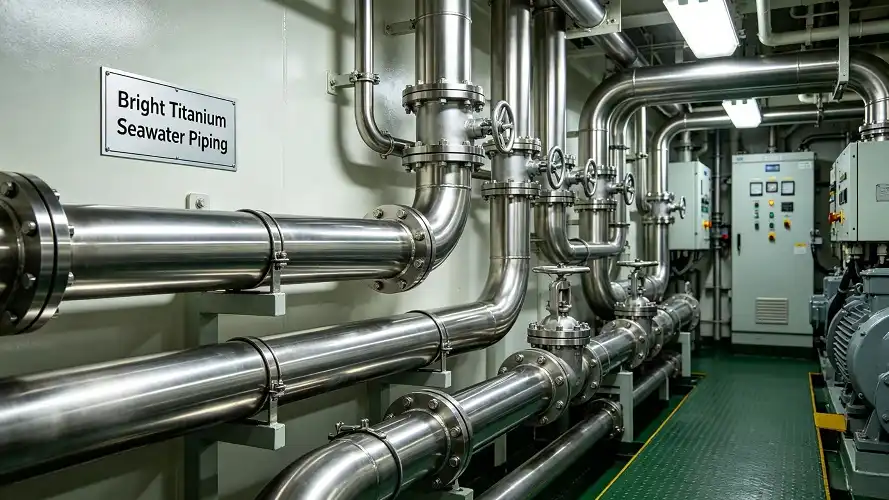
As part of a recent program to update frigates, old copper-nickel seawater pipes were replaced with smooth Bright Titanium Tubes. This made the systems 65% lighter. This saved weight made it possible to add more mission tools without affecting the steadiness or performance of the ship. The installation showed how choosing the right material can affect the overall optimisation of a design, adding value beyond just replacing parts.
Why Choose Bright Titanium Tubes? Benefits for Marine Industry Stakeholders
Lifecycle Cost Advantages
Marine infrastructure investment choices require going beyond original purchase costs to total ownership expenses across decades of service. Bright Titanium Tubes don't need to be replaced as often because they don't rust as other materials do. They can last 30 years or more in situations where stainless steel might need to be replaced every 8 to 12 years. This longer lifespan cuts down not only on the cost of the materials but also on the huge costs of labour, downtime, and logistics that come with replacing tube bundles in operating rooms.
Increasing the time between maintenance tasks is helpful for keeping operations going, especially for offshore platforms and important industrial facilities. Less frequent inspections and cleaning needs free up maintenance staff to work on other tasks, which also makes the plant more available. Energy-efficient maintenance—for example, Bright Titanium Tubes don't get dirty easily, which slows down heat transfer—leaves you saving fuel over the life of the equipment.
Engineering Performance Benefits
When design engineers choose materials that don't corrode, they have a lot more options. Titanium's high strength-to-weight ratio lets thinner walls be used, which saves money on materials while keeping pressure ratings the same. It can also handle higher working pressures within the same measurements. Because the material doesn't erode or corrode at high flow rates, it's possible to make heat exchangers that are smaller and more thermally efficient per unit volume.
Fabrication properties make installation reliable—titanium tubes bond easily using standard methods, and the rust protection of weld joints is the same as that of the base material. The smooth, shiny surface makes it easier to test and check without damaging it, and the lack of surface dirt guarantees a good seal in tube-to-tubesheet joints. These useful benefits lower the risk of installation and shorten the time it takes to start up naval projects.
Regulatory and Environmental Compliance
Marine building has to follow stricter environmental rules about choosing materials and making sure equipment lasts a long time. Titanium's long service life means that it doesn't need to be replaced as often, which cuts down on waste and helps meet sustainability goals while still meeting legal standards for equipment design life. Because the material is non-toxic, there are no worries about how the copper breakdown will affect marine environments, which is becoming a regulatory focus in coastal areas that are sensitive to the environment.
Certification traceability requirements for important marine applications need a lot of paperwork that connects finished goods to the places where the raw materials came from. Manufacturers like Jucheng Titanium that can do all of their own production can provide a full material history from sponge titanium to finished tubes. This makes it easier to meet the needs of classification societies and national standards like ASTM B337, ASTM B338, and AMS.
Conclusion
Corrosion-resistant Bright Titanium Tubes are the best material choice for tough marine applications where dependability, durability, and performance are most important. The vacuum annealing method gives the surface a better quality, preventing hydrogen embrittlement and giving the precise measurements needed for important installs. Comprehensive tests comparing this material to options like stainless steel, copper-nickel, and standard titanium always show that it has lower lifetime costs and better technical performance, which makes the original investment worth it. To make sure a project is a success, it's important to work with experienced manufacturers who can offer technical depth, quality certifications, and proven marine application expertise.
FAQ
1. Why do bright titanium tubes outperform stainless steel in marine applications?
Titanium forms a stable, self-healing oxide layer that protects it from chloride-induced corrosion, which can damage even the best stainless steels. The bright, heated surface gets rid of the dirt and roughness that makes stainless steel cracking happen faster. Titanium's lower density also cuts the weight of installation by 40–60%. Lifecycle study constantly shows that titanium lasts 30 years or more, while stainless steel only needs to be replaced every 8 to 12 years. This means that titanium has a lower total cost of ownership, even though it costs more at first.
2. Can bright titanium tubes be customized for specific project requirements?
Manufacturers who can do both design and production can change the sizes, grades, and other details to fit the needs of each application. Jucheng Titanium makes seamless tubes with wall thicknesses ranging from 0.5 mm to 20 mm and OD3 mm to OD219 mm. These tubes come in a number of grades, such as Gr2 for general corrosion protection and Gr9 for uses that need more strength. We can make sure that the material you need for your marine project is exactly what you need by offering custom lengths, special standards, and testing that is specific to the application.
3. What certifications should I verify when sourcing titanium tubes?
Suppliers you can trust will give you ISO 9001 quality management certification, ASTM/ASME material compliance documentation, and full traceability records that connect the heat numbers of finished products to the heat numbers of raw materials. Material test results should prove that the material's chemical make-up and mechanical qualities meet the standards of the specification. Manufacturers that make products for marine use should show that their products have been approved by a classification society and that they have experience with similar installations. This way, customers can be sure that the materials they sell are real and can handle tough service conditions.
Partner with Jucheng Titanium for Your Marine Bright Titanium Tube Needs
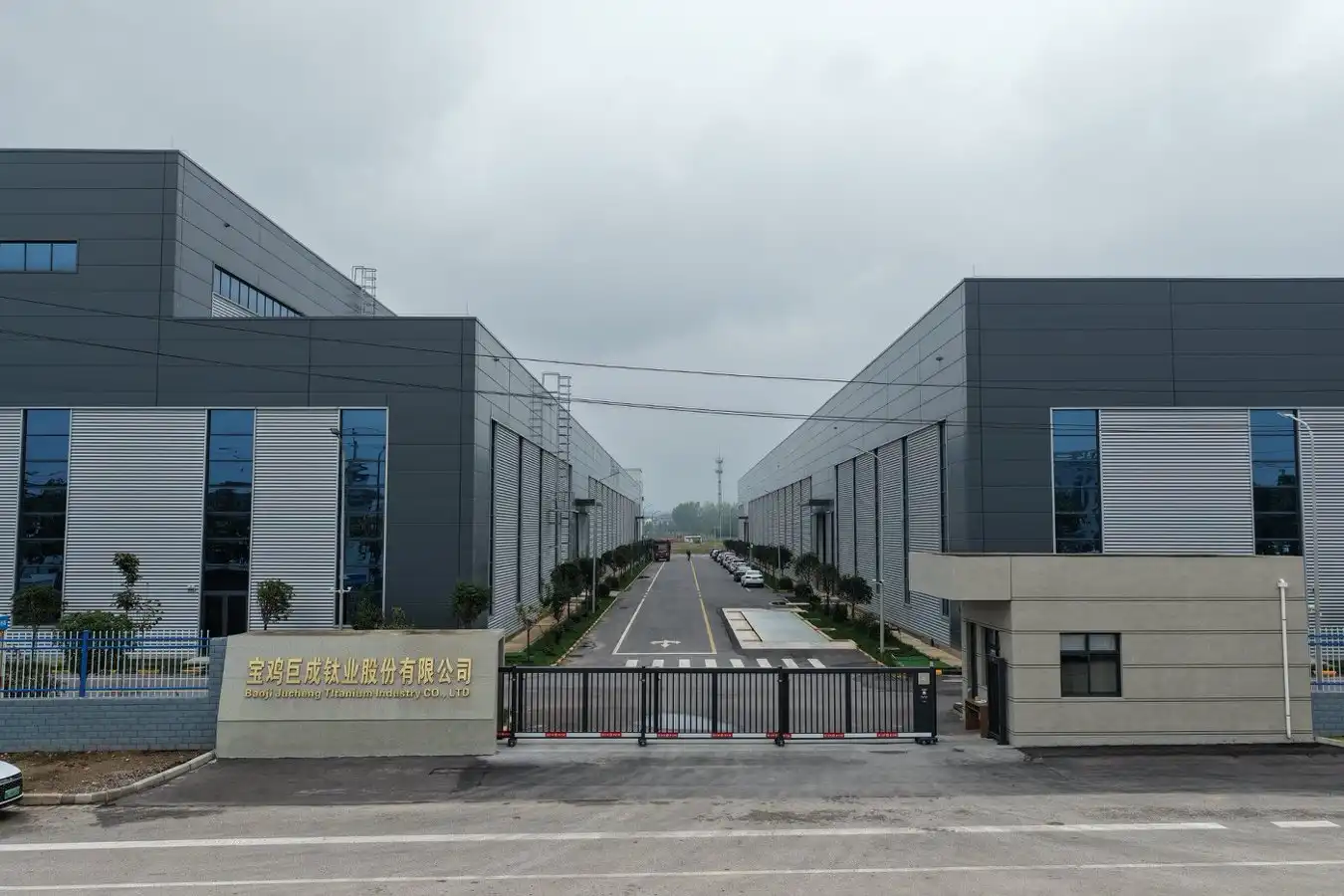
Jucheng Titanium has been making titanium materials for more than 20 years and has 45 patents that are closely related to our production processes. As a National High-Tech Enterprise and a "little giant" supplier, we keep 3,000 tonnes of titanium in stock so that we can quickly supply titanium for important naval projects. Our Bright Titanium Tubes are smooth and meet ASTM B338 and ASME SB338 standards for grades Gr1, Gr2, Gr9, and Gr12. They come in sizes ranging from OD3mm to OD219mm and can be customised to fit your needs. From helping clients choose the right materials to helping with installation, our engineering team works with them and provides full quality documentation and global shipping capabilities. Contact us at s4@juchengti.com to talk about your marine application needs with Bright Titanium Tube manufacturers who are dedicated to providing solutions that go above and beyond performance expectations and project deadlines.
References
1. American Society for Testing and Materials. (2021). ASTM B338-21 Standard Specification for Seamless and Welded Titanium and Titanium Alloy Tubes for Condensers and Heat Exchangers. ASTM International, West Conshohocken, PA.
2. Boyer, R., Welsch, G., & Collings, E.W. (2022). Materials Properties Handbook: Titanium Alloys. ASM International, Materials Park, Ohio.
3. Schutz, R.W. & Thomas, D.E. (2020). "Corrosion of Titanium and Titanium Alloys in Marine Environments." Handbook of Marine Engineering Materials, Volume 3, pp. 487-524.
4. International Titanium Association. (2023). Titanium in Marine and Offshore Applications: Technical Guidelines for Material Selection and Design. ITA Technical Report Series.
5. Lutjering, G. & Williams, J.C. (2021). Engineering Materials and Processes: Titanium. 3rd Edition, Springer-Verlag, Berlin.
6. National Association of Corrosion Engineers. (2022). NACE International Publication 34109: Selection and Application of Titanium Alloys for Seawater Service. NACE International, Houston, Texas.