
Titanium Plate Grade 7 vs. Titanium Plate Grade 11: A Comprehensive Guide
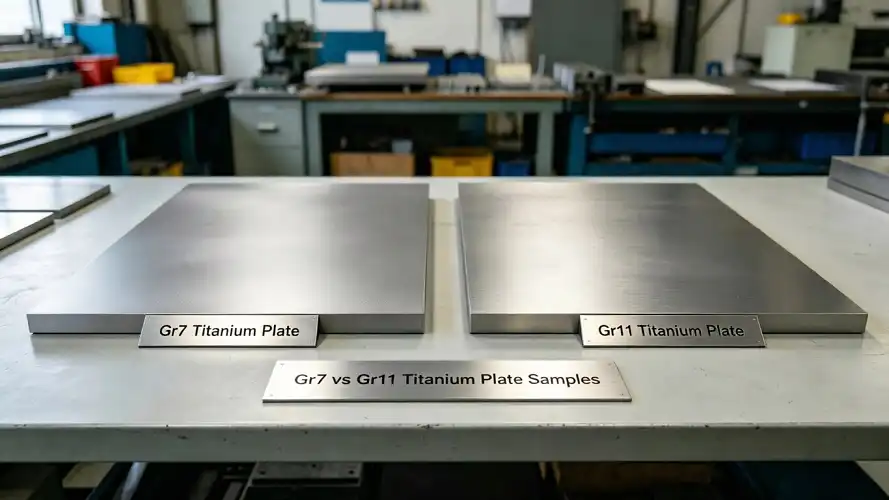
Some procurement professionals argue that Grade 7 titanium plate is better than Grade 11 titanium plate when they are looking for materials for chemical reactors, marine equipment, or aerospace parts. Palladium elements make both metals very resistant to corrosion, but their subtle differences determine how well they work and how much they cost in different settings. Grade 7 has between 0.1 and 0.25% palladium, which makes it very resistant to reducing acids. Grade 11 has a little less palladium and controlled iron content, which makes it more cost-effective while still protecting against corrosion. Knowing which metal works best for your needs—whether you're dealing with hot hydrochloric acid or salty seawater—helps you make better purchasing choices that protect your equipment's lifespan and your budget.
Introduction
Titanium plates are the most reliable material for use in industrial settings where broken equipment means expensive downtime and safety risks. The choice between Grade 7 and Grade 11 titanium plates is important for chemical processing plants that work with strong acids, desalination plants that fight corrosion caused by saltwater, and aircraft makers that need strong materials that are light. These palladium-enhanced metals perform better than widely pure titanium in harsh conditions, but their different compositions cause performance and price differences that buying teams need to know about.
To choose the right titanium grade, you have to look at technical specs, application needs, and the supplier's skills. This guide talks about the differences between these two types in terms of their chemical makeup, mechanical qualities, and real-world uses. We also talk about procurement factors that affect buying decisions, such as pricing structures, certification standards, and the availability of inventory. This thorough comparison gives you the information you need to make the best material choices, whether you're choosing materials for a new heat exchanger project or looking at long-term supplier partnerships.
Understanding Grade 7 and Grade 11 Titanium Plates: Composition and Properties
Chemical Composition Differences
Adding 0.12% to 0.25% palladium to economically pure titanium makes Grade 7 titanium plate (UNS R52400), which is a high-quality alpha-phase metal. This smart addition of palladium greatly lowers the critical current density needed for passivation. This fixes problems with crevice corrosion and pitting in reducing media like sulphuric acid, phosphoric acid, and weak hydrochloric acid. It keeps the titanium balance by making sure that the iron content doesn't go over 0.30% and the oxygen content doesn't go over 0.25%. This way, the palladium creates a galvanic effect that keeps the protective oxide film in place.
Grade 11 (UNS R52250) takes a slightly different method. It has the same 0.12-0.25% palladium content as Grade 7 but is better for certain cost-performance situations. Controlling the amount of palladium in Grade 7 makes it more resistant to corrosion than grades that aren't alloyed. In cases where Grade 7's performance is better than what is needed, it may also save money. Both types meet foreign standards like ASTM B265, ASME SB265, and others that are similar. This makes sure that materials can be tracked and certified, which is important for medical and aerospace uses.
Mechanical and Physical Properties Comparison
Both grades that have been improved with palladium have similar mechanical properties that set them apart from higher-strength metals like Grade 5. Grade 7 has a minimum tensile strength of 345 MPa (50 ksi) and a yield strength of about 275 MPa (40 ksi). It also has a great flexibility of at least 20%. This flexibility makes it possible to shape the metal into complicated shapes and to join it together to build pressure vessels. The hardness of the material is usually between 160 and 200 HBW, which makes it resistant to wear without making it hard to machine.
These alloys with palladium added have a density of 4.51 g/cm³, which is much lower than stainless steel, and a melting point close to 1660°C. It has a thermal conductivity of about 20.8 W/m·K, which is a little less than pure titanium but good enough for heat exchangers. The coefficient of thermal expansion stays the same for standard pipe systems, so changes in temperature don't cause too much stress. All of these properties work together to let engineers make lighter equipment that doesn't need as much structural support and can still hold up in harsh thermal environments.
Corrosion Resistance Characteristics
The best thing about the Grade 7 titanium plate is that it is better at stopping localised rust in high-temperature, low-pH conditions. The palladium content allows a passive film to form in low-oxygen situations where commercially pure titanium would normally break down. When working with hot, weak acids, especially when the pH is below 3 and the temperature is above 80°C, Grade 7 metals don't lose their walls as quickly as lower grades do because of acid condensation.
Grade 11 has about the same level of corrosion protection in most situations, but it has some benefits in chloride-containing solutions. Both grades are very resistant to impingement and erosion-corrosion, which are important in systems that move fluids quickly. This difference is important in very reducing environments or when temperature and concentration are pushing the limits of how well a material can work. Knowing these limits helps buying teams make sure they don't over-specify products and leave enough room for error.
Application and Industry Use Cases: Where to Use Grade 7 and Grade 11 Titanium Plates
Chemical Processing and Hydrometallurgy
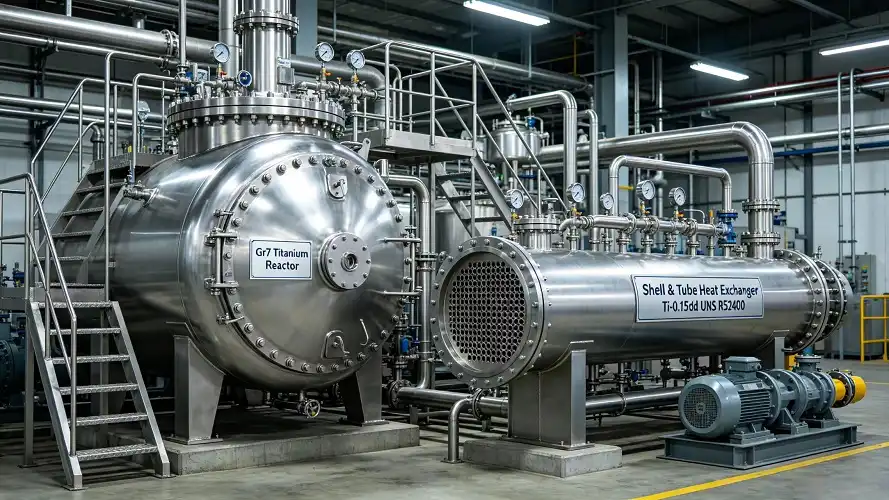
Palladium-enhanced titanium is used a lot in chemical processing plants to make important tools. Grade 7 titanium plates are used a lot for lining reactor vessels, building storage tanks, and making shell-and-tube heat exchanger parts that work with sulphuric and hydrochloric acids that aren't very strong. This alloy stops the crevice rust that usually happens under gaskets or on surfaces that are constantly wet at high temperatures in acid production facilities, where they are exposed to reducing conditions all the time.
These materials are used in hydrometallurgical operations to build electrolytic cells for recovering metals. The plates are the bases for Dimensionally Stable Anodes (DSA), which make sure that the electrical transmission stays the same even in highly acidic anolyte settings by being very resistant to them. This stops the base from dissolving, which would shorten the life of the anode and have a direct effect on how well it works and how much it costs to maintain. Long-term partnerships with specialised titanium suppliers have helped companies like Jiangxi Copper Group prove that these uses are valid.
Marine Engineering and Desalination
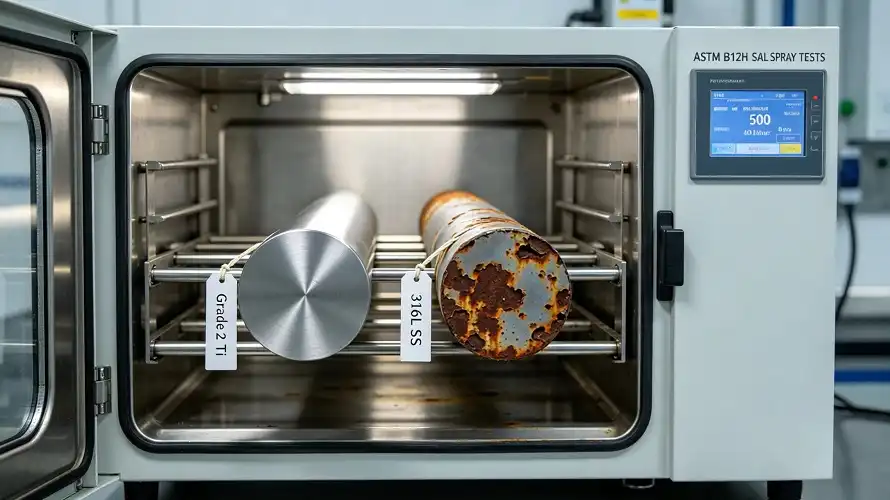
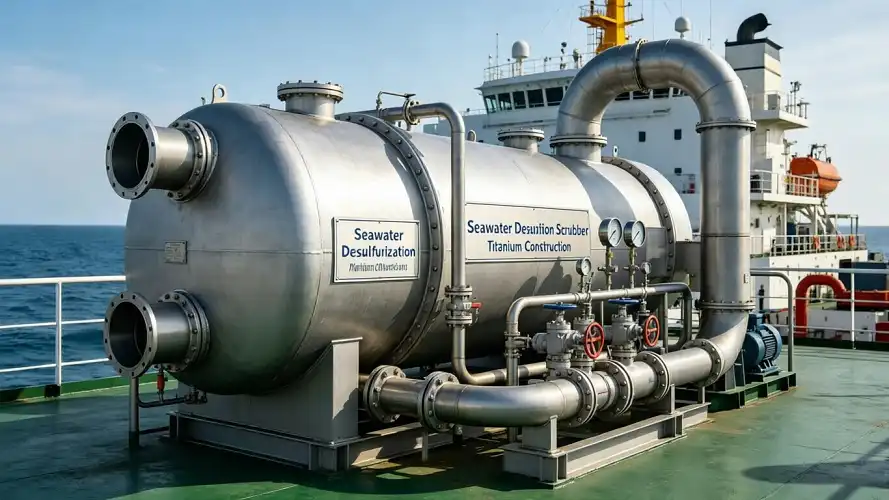
In naval exhaust gas cleaning systems and multistage flash desalination plants, Grade 7 titanium plate and Grade 11 plates are used to deal with crevice corrosion in hot brine settings where oxygen levels change. Commercially pure Grade 2 can handle normal seawater well, but palladium-enhanced grades are needed in places where the temperature is above 260°C or there are tight cracks under bolted connections and heat exchanger tube sheets. For these uses, you need materials that don't let a localised chloride attack weaken the system over the course of expected lifetimes longer than 20 years.
Marine scrubber systems on ships have to deal with harsh situations like high temperatures, acidic condensates, and salt exposure. Because palladium-enhanced titanium doesn't rust, you don't have to worry about equipment breaking down too soon, as you do with stainless steel alternatives. More and more shipbuilders and marine equipment makers are asking for these grades so that repair gaps can be shortened and working efficiency can be increased. This is especially important for ships that operate in rough international seas.
Aerospace and High-Performance Applications
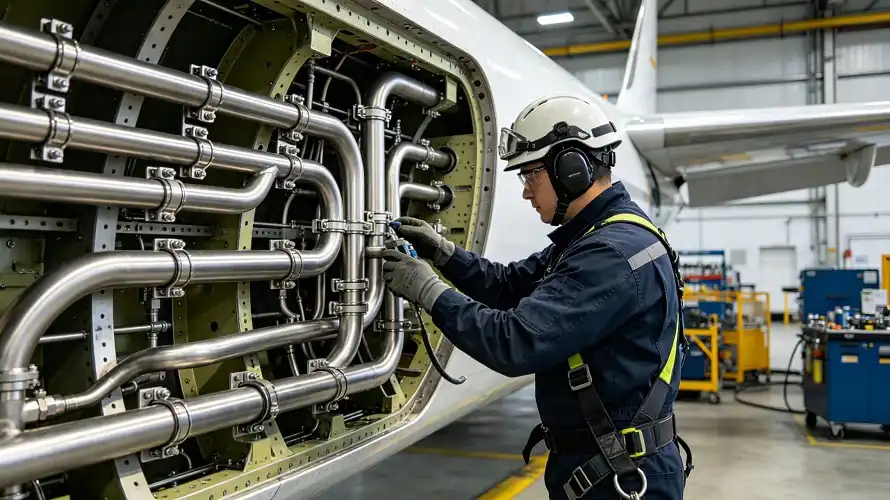
Titanium plates that meet AMS 4911 standards are used by companies that make aerospace parts for structural uses that need to be resistant to corrosion and have modest strength. Palladium-enhanced grades are used in hydraulic systems, fuel handling parts, and environmental control systems where corrosive fluids are present. Grade 5 is usually used for main load-bearing structures. The material's low weight helps improve fuel economy, which is a major factor in choices about what to buy for aerospace.
Defence companies ask for these materials to be used in situations where they will be exposed to salt water, chemical agents, or need to last for a long time in difficult conditions. The standards for tracking and approval that come with buying things for the aircraft industry are a good fit for the quality systems that well-known titanium processors use. Material test reports that list the chemistry, mechanical properties, and heat treatment conditions are needed to get important application approvals.
Procurement Insights: Pricing, Suppliers, and Purchase Considerations for Grade 7 Titanium Plate
Pricing Dynamics and Market Factors
Palladium-enhanced titanium grades are more expensive than pure metals. Grade 7 is usually at the higher end because it has more palladium and needs to be processed in a certain way. Palladium prices change on the market depending on the worth of other commodities, the availability of raw materials, and the demand from other businesses. Professionals in procurement should expect prices to be 30–50% higher than commercially pure Grade 2 titanium. However, this extra cost is usually only a small part of the total cost of the equipment when you consider how long it will last and how little maintenance it will need.
Unit prices are heavily affected by volume discounts. For plate materials, quantity breaks usually happen at stages above 500 kg. Custom sizes come with extra processing fees, especially for thickness requirements that aren't covered by standard rolling schedules or width requirements that are getting close to the mill's capacity limits. By understanding these cost drivers, you can come up with negotiation tactics that balance the costs of keeping inventory with the savings you get per unit. Price stability is provided by annual contracts with scheduled releases, which also help suppliers plan their production more efficiently.
Supplier Selection and Certification Requirements
In order to find skilled Grade 7 titanium plate providers, you need to look at more than just the initial quotes. Basic needs include meeting ASTM B265 and ASME SB265 standards, but top providers also keep aerospace approvals like AS9100 certification and Nadcap accreditation for unique processes. Material traceability through mill test records that list heat numbers, chemical analysis results, and mechanical test data ensures that regulated businesses are ready for audits.
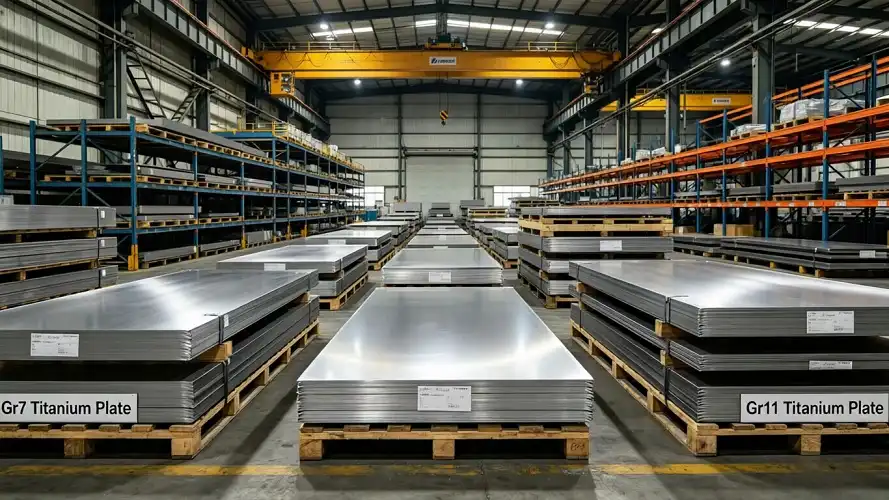
Inventory availability tells you which suppliers are responsive and which ones need longer lead times. Facilities that keep a large stock—ideally 500 tonnes or more of different grades and sizes—can meet the needs of urgent projects and prototype development. Processing options like precise levelling, custom cutting, and surface processes like acid pickling or polished finishes increase value by cutting down on the number of extra steps that need to be taken. Hot-rolled plate suppliers who give thicknesses from 4mm to 80mm, widths up to 2500mm, and lengths up to 10,000mm can meet a wide range of manufacturing needs.
Lead Time Management and Inventory Strategies
Standard lead times for Grade 7 titanium plate from primary mills are between 8 and 16 weeks, which could cause delays in project schedules. By forming strategic partnerships with distributors who keep stock on hand, procurement cycles can be cut down from months to days, which is very important for maintenance shutdowns or sudden equipment failures. Just-in-time inventory methods work well when providers consistently meet shipping deadlines and keep safety stock on hand.
Minimum order amounts depend on the source and the mill's capabilities. For speciality grades, they usually start at around 200 kg, but they could be lower for regular customers or standard sizes. By balancing the minimum order quantity (MOQ) with the project's consumption rates, you can avoid having too much inventory and make sure that materials are available when production plans call for them. Another way to manage supply chain risk without tying up cash in raw materials is through contract manufacturing, in which suppliers hold particular customers' inventory.
Decision-Making Guide: Choosing Between Grade 7 and Grade 11 Titanium Plates
Performance Requirements Assessment
Before choosing between these palladium-enhanced grades, the working factors must be carefully studied. Baseline needs are set by temperature ranges, chemical amounts, pH levels, and exposure times. When working with reducing acids, especially hydrochloric or sulphuric acids below pH 2 and temperatures above 90°C, Grade 7 has been shown to perform better. Grade 11 might be enough in milder situations or when oxidising species keep the passive film stable.
Mechanical loading factors also play a role in the choice. Both grades have about the same level of strength, so they can be used in moderate-pressure applications up to 10 bar, based on the design factors. Engineers might think about thicker parts or different metals for structures that are under a lot of stress or pressure. Both grades are very flexible, which makes cold forming easier. For heavy forming, however, stress-relief heating is needed to avoid stress corrosion problems.
Economic Evaluation and Lifecycle Analysis
The total cost of ownership includes more than just the price of the materials themselves. It also includes the costs of making them, installing them, and keeping them in good shape over the expected service life. Grade 7 costs more to buy, but because it doesn't rust as easily, it may not need protected coatings or replacements as often, which can save money on running costs. When you figure out the net present value of these lifecycle costs, you can often argue for higher standards even when money is tight.
When figuring out the return on investment, the costs of downtime caused by broken equipment should be taken into account. Material dependability has a direct effect on the bottom line in businesses with continuous processes, where unexpected shutdowns cost thousands of dollars per hour. Case studies from chemical processing plants show that equipment made of palladium-enhanced titanium can last 15 to 25 years with little maintenance, while other materials used for the same tasks only last 5 to 8 years.
Industry-Specific Recommendations
Chemical processing plants that use mineral acids with amounts above 10% and temperatures above 70°C should put Grade 7 equipment at the top of their list of priorities. Better resistance to crevice rust is good for heat exchangers, reactor vessels, and piping systems, especially when repair access limits how often inspections can be done. Grade 11 works well in chemical environments that aren't too harsh, or when choosing a material is based on how much it costs.
Grade 7 is usually better for hot brine services and areas that are likely to rust in cracks in desalination plants and marine applications. Grade 11 may be enough for cooler areas or open surfaces where fluids can flow easily. For aerospace applications, standard material requirements should be followed. Grade 7 is better for hydraulic systems that are exposed to fire-resistant fluids or fuel system parts. Medical device makers need to make sure that biocompatibility testing is done for their specific use. Both grades are usually fine for implant-grade needs as long as they are treated correctly.
Conclusion
Grade 7 and Grade 11 titanium plates are different from each other because their compositions are slightly different, and these differences affect how well they work in a variety of situations. Grade 7 works great in harsh, reducing acid environments and high-temperature brine situations where crevice corrosion is a big problem. Grade 11 has similar benefits in many situations and could be cheaper in some cases. To choose the best materials, procurement decisions should take into account scientific needs, lifecycle cost analysis, and the skills of the seller.
Putting money into palladium-enhanced titanium pays off by making tools last longer, requiring less upkeep, and working reliably in corrosive environments. Working with seasoned providers who keep up with their inventory levels, processing abilities, and quality standards makes buying things easier and protects the purity of the materials. These advanced titanium grades give the performance that critical applications need, whether they are used in chemical reactors, desalination systems, or aerospace parts.
FAQ
1. Can a Grade 7 titanium plate be welded using standard procedures?
Yes, Grade 7 titanium can safely use both gas tungsten arc welding (GTAW) and gas metal arc welding (GMAW) as long as they are properly shielded. On both the weld face and the root sides, inert gas shielding keeps contamination from happening, which lowers the resistance to rust. To keep the palladium increase in the weld zones, the filler metal should have the same make-up as the base material. For medium section widths, post-weld stress relief is usually not needed. However, heavy sections should be thermally treated to improve their grain structure and corrosion performance.
2. How does Grade 7 compare to Grade 5 titanium for aerospace applications?
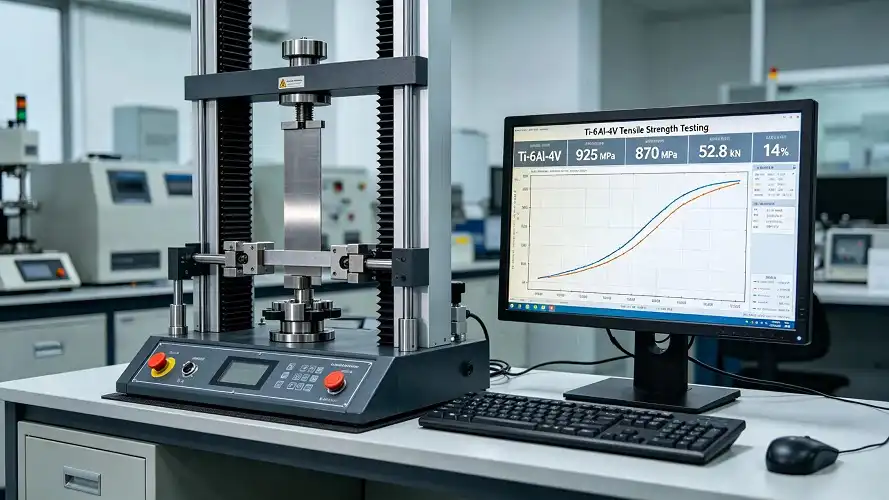
Grade 5 (Ti-6Al-4V) is much stronger than Grade 4 (Ti-6Al-4V), with tensile strengths of around 900 MPa. This makes it better for the main structural aircraft parts. The strength of Grade 7 is about the same as that of widely used pure grades, but it is more resistant to rusting in acidic or chloride conditions. When rust worries are greater than strength needs, aerospace designers choose Grade 7 for hydraulic systems, fuel handling, and environmental control. The products don't directly compete with each other; instead, they work together.
3. Why choose Grade 7 over stainless steel for marine equipment?
Stainless steel can rust in cracks and under marine growth in warm waters above 25°C, which makes it difficult to use in marine settings. In the full temperature range that is found in desalination and marine scrubber applications, Grade 7 titanium plate does not pit or crack. The material doesn't need any protective coatings, so it doesn't need as much upkeep, and you don't have to worry about coating damage. The higher starting costs are worth it for important marine systems because they last longer and don't need to be maintained as often.
Contact Jucheng Titanium for Expert Grade 7 Titanium Plate Supply
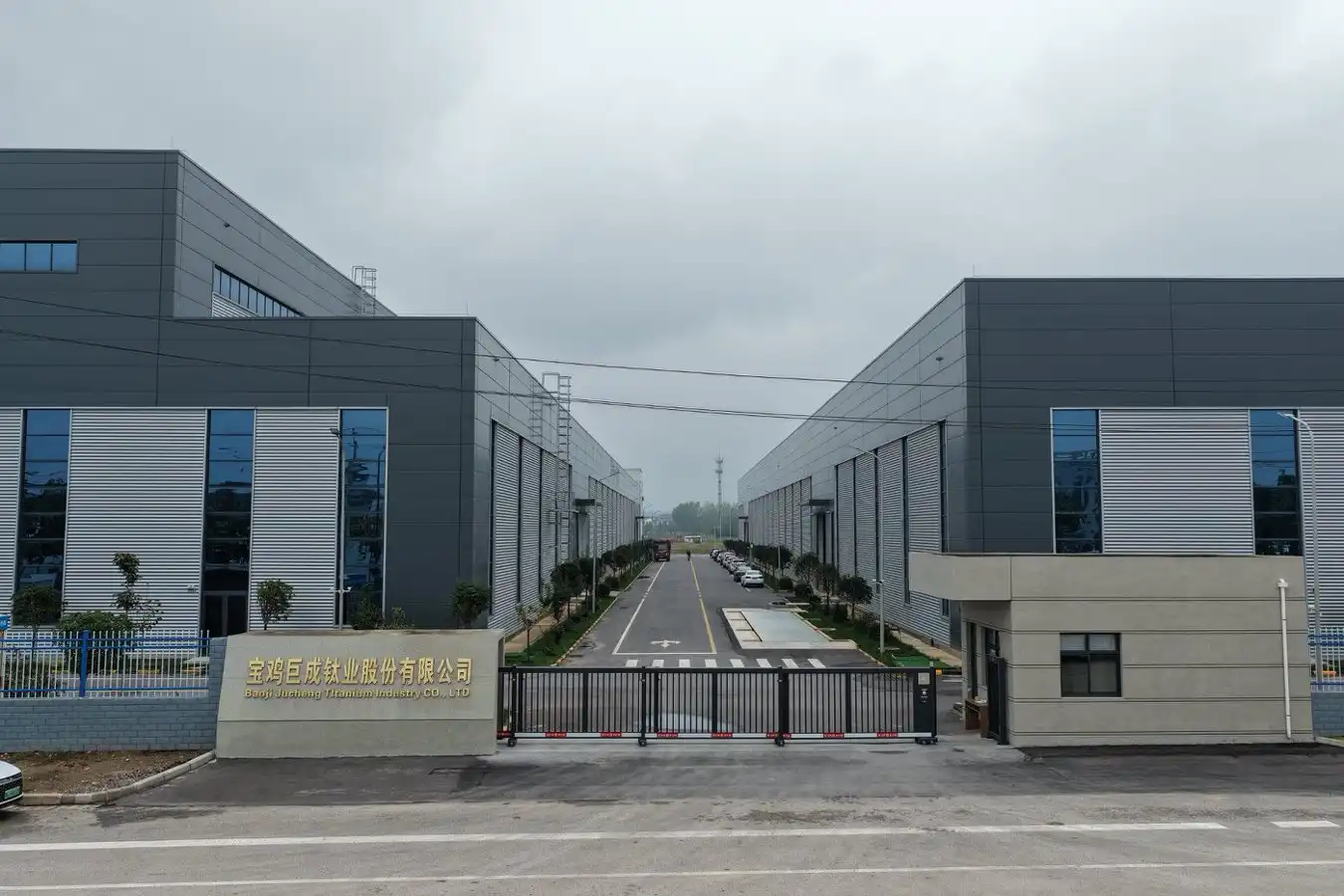
To get solid palladium-enhanced titanium, you need to work with providers who have technical know-how, quality certifications, and quick customer service. Baoji Jucheng Titanium Industry Co., Ltd. has been processing titanium materials for more than 20 years and makes Grade 7 titanium plate that meets ASTM B265 and ASME SB265 standards. Our 3,000-ton inventory of different grades and sizes lets us quickly meet the needs of urgent projects, and our custom processing capabilities allow us to meet exact requirements from 4mm to 80mm thickness.
As a specialised "little giant" business and national high-tech enterprise, we keep strict quality control throughout the whole production process, from hot rolling to melting, levelling, pickling, and finishing the surface. Our technical research and development team works with top study centers to come up with new ways to do difficult tasks in the aircraft, marine engineering, and chemical processing industries. Whether you need standard plate sizes or custom fabrications, our engineering support can help you choose the best materials and set the best processing parameters.
Get in touch with our team at s4@juchengti.com to talk about your unique needs. We accept enquiries from Grade 7 titanium plate distributors, end users, and sellers who are looking for a manufacturer who cares about quality, technical skill, and business success.
References
1. Boyer, R., Welsch, G., & Collings, E.W. (1994). Materials Properties Handbook: Titanium Alloys. ASM International, Materials Park, Ohio.
2. Schutz, R.W., & Thomas, D.E. (1987). Corrosion of Titanium and Titanium Alloys. In ASM Handbook Volume 13: Corrosion. ASM International.
3. Cotton, J.D., & Clark, R.K. (1991). The Use of Palladium in Titanium Alloys for Corrosion Resistance Enhancement. Platinum Metals Review, Volume 35, Issue 4.
4. ASTM International. (2021). ASTM B265-20: Standard Specification for Titanium and Titanium Alloy Strip, Sheet, and Plate. West Conshohocken, Pennsylvania.
5. Sedriks, A.J. (1996). Corrosion of Stainless Steels and Titanium in Marine Environments: Comparative Performance Study. NACE International, Houston, Texas.
6. Donachie, M.J. (2000). Titanium: A Technical Guide, Second Edition. ASM International, Materials Park, Ohio.