
Titanium Flat Plate: Strength Meets Lightweight Versatility
When purchasing managers and engineers have to choose materials that are both strong and light, the titanium flat plate stands out as the best option because it combines performance with usability. This material has a strength-to-weight ratio that is almost as good as that of some specialised alloys. It is also very resistant to corrosion, better than most metals. Knowing how titanium flat plates work in tough conditions can help you make buying choices that keep project schedules and budgets safe, whether you're building parts for spacecraft, equipment for chemical processing, or structures for ships.
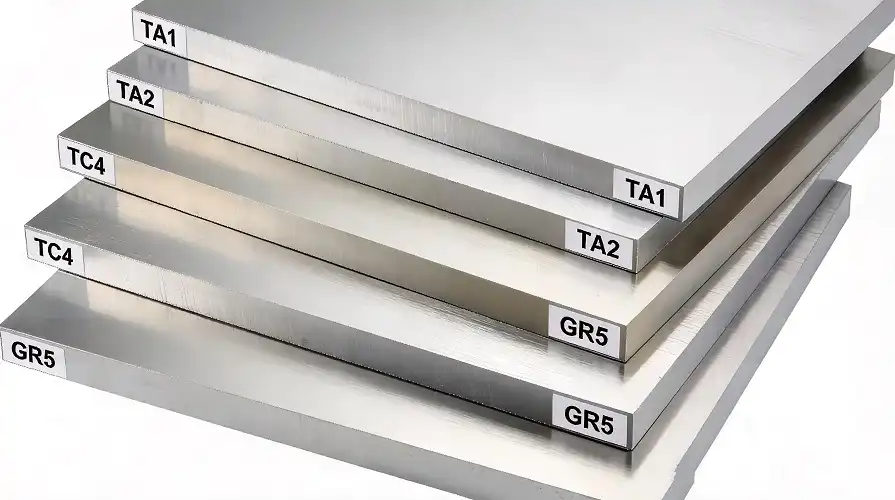
Understanding Titanium Flat Plates: Properties and Manufacturing
Titanium plates are designed solutions that are made using controlled processes that determine their end properties and how reliable they are in serious situations.
Defining Titanium Flat Plates and Their Core Properties
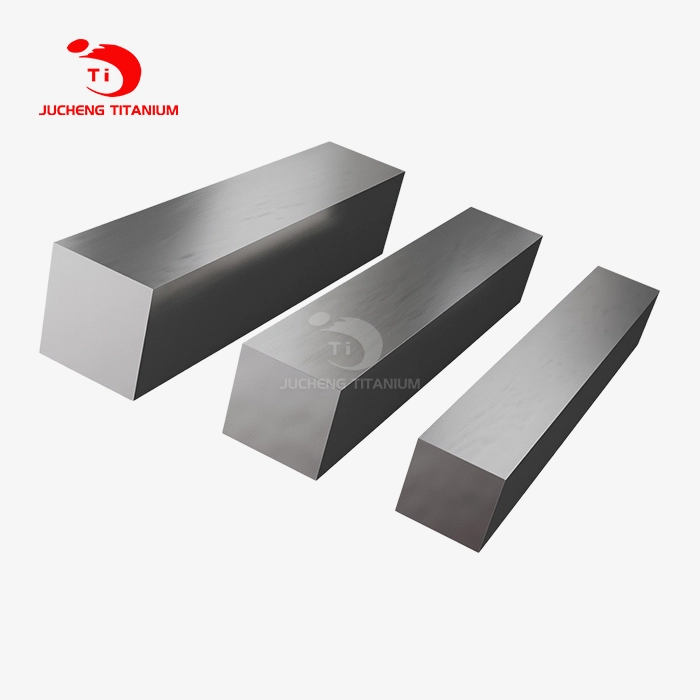
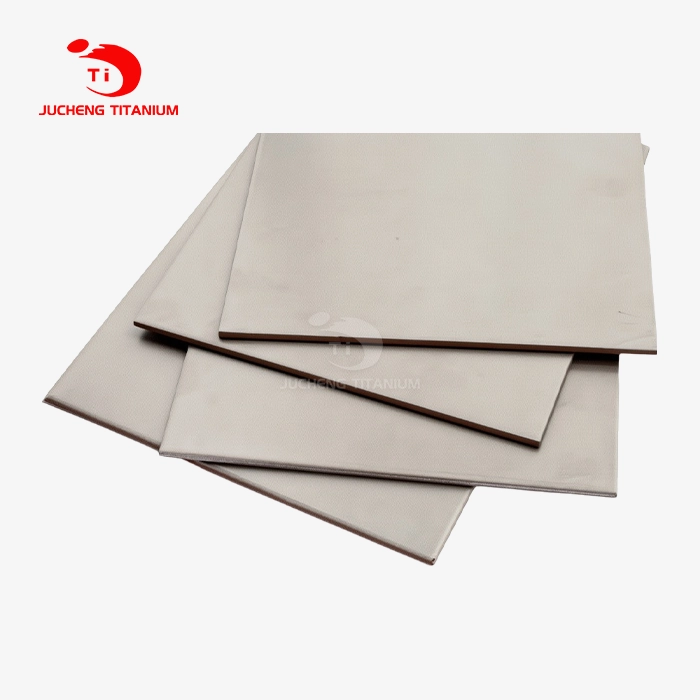
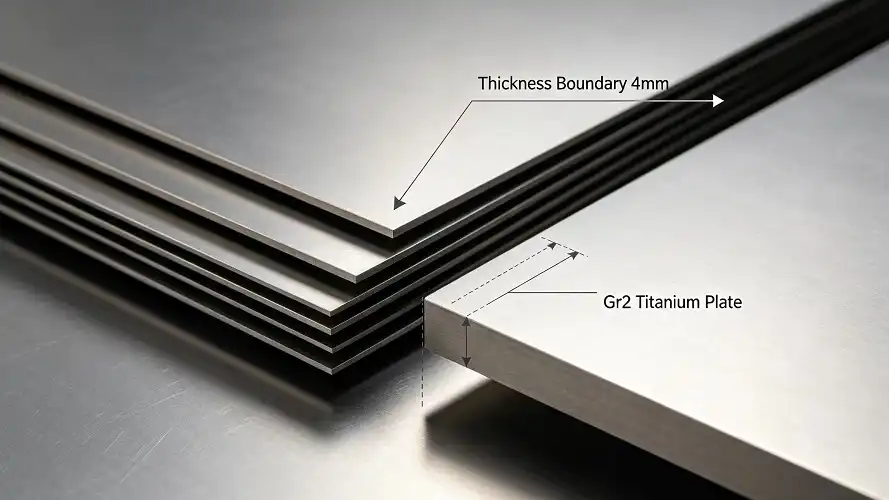
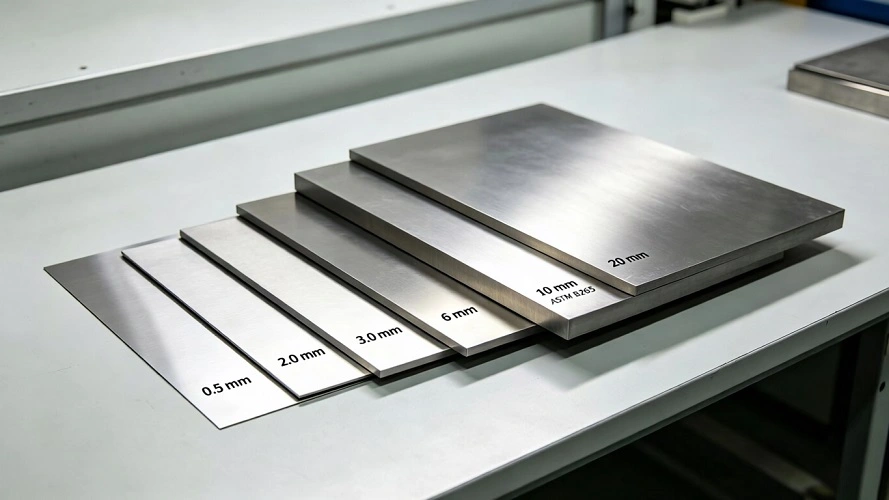
Titanium flat plates are different from smaller sheets because they come in thicknesses between 4 mm and 80 mm, which gives them the structural strength needed for load-bearing uses. At Jucheng Titanium, our hot-rolled plates stay true to size in widths from 950 mm to 2500 mm and lengths up to 10,000 mm or to specific requirements that match project blueprints. The mass of the material is about 4.51 g/cm³, which is almost half that of steel. This lets designers make parts lighter without affecting how well they work mechanically. The melting point of 1,668°C makes it stable at high temperatures, and the natural formation of a protective titanium dioxide (TiO₂) film makes it very resistant to oxidation, salt, chlorides, and many industrial poisons.
Manufacturing Processes That Ensure Quality
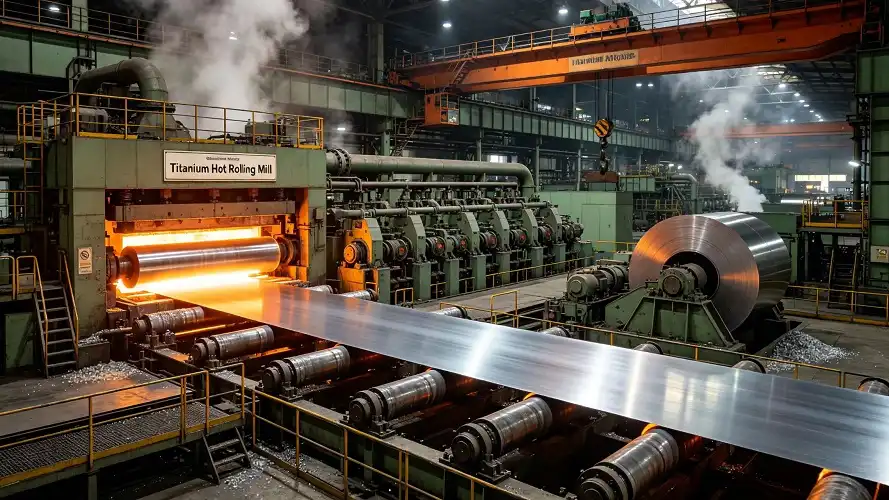
To make plates that meet ASTM B265, ASTM F67, AMS 4911, and ASME SB265 standards, we use a process that includes rolling, heating, levelling, cleaning, and finishing the surface. The hot-rolling method lines up the material's grains, which improves its mechanical qualities and makes it more consistent in size. The annealing heat process reduces internal pressures and increases ductility, making plates that will respond consistently during manufacturing. Surface processes, such as machined, polished, and acid-pickled finishes, get the material ready to be welded, formed, or installed directly. These managed processes make sure that intermediate elements like oxygen, nitrogen, and hydrogen stay within certain limits. This keeps the material from becoming weak over time, which could hurt its performance. Buyers benefit from traceability paperwork that confirms the chemical makeup and mechanical testing results. This is important for medical and aircraft uses where material approval is required.
Grade Selection: Matching Material to Application
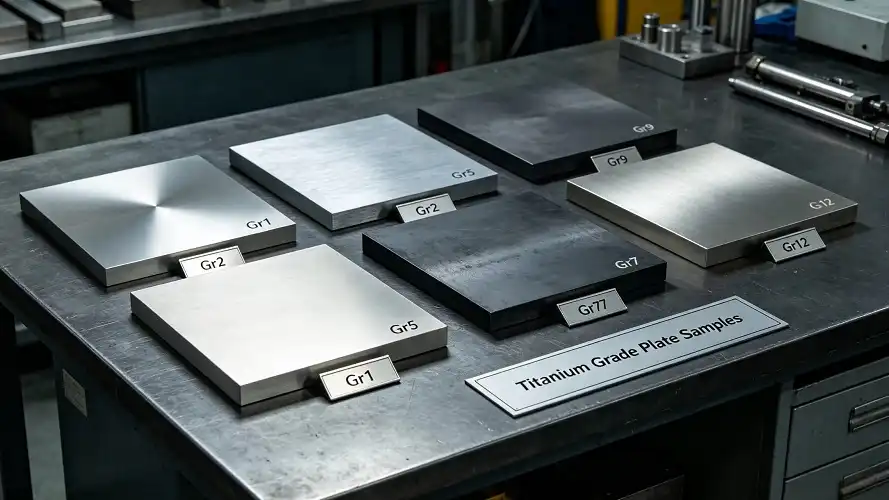
Different grades of titanium meet different practical needs. This lets buying teams find the best balance between cost and performance. Commercially pure grades like Gr1 and Gr2 are great for shaping and don't rust, so they can be used in chemical processing equipment and marine parts. The higher strength of Gr4 is maintained by its good resistance to corrosion. The tensile strength of the alpha-beta metal Gr5 (Ti-6Al-4V) is more than 895 MPa, which is why it is the best choice for high-stress industrial tools and structural parts for spacecraft. Palladium added to Gr7 and Gr12 makes them more resistant to reducing acids, which is useful for certain chemical uses. Gr9 is a strong material that doesn't cost too much. It is used in sports goods and car systems. We keep these grades in stock so that we can quickly meet the needs of urgent projects and support clients' custom alloy specifications for research and development projects.
Titanium Flat Plate Applications and Industry Uses
Titanium plates can be used in many different fields where failure of a material could have serious safety, environmental, or financial effects.
Aerospace and Defense Applications
Titanium flat plates are used by aircraft makers for bulkheads, wing structures, and landing gear parts because they are lighter, which directly improves fuel economy and payload capacity. The material can handle high-cycle wear from being pressed down and inflated many times, and temperature changes from very cold in the stratosphere to very hot inside an engine. Titanium's nonmagnetic properties make it useful for naval ships and ordnance, and its radar transparency makes it a good material for housing specialised equipment. Our aerospace-grade plates meet the requirements of AMS 4911, which means they come with the approval paperwork and lot tracking that defence projects need. We have been providing the aerospace industry for over twenty years, so we know the buying deadlines and quality standards that keep production plans on track.
Chemical Processing and Petrochemical Equipment
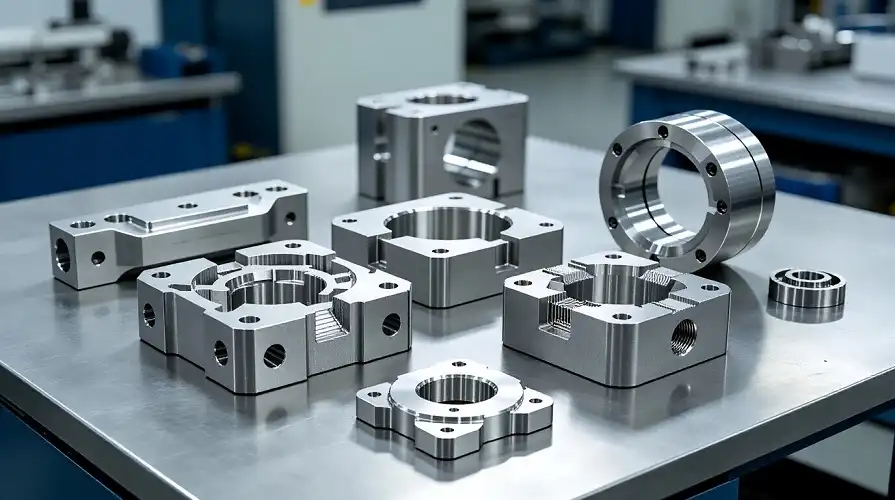
Chemical plants are constantly exposed to acidic media that break down normal materials very quickly. This causes expensive downtime and safety risks. Chlorides, sulphides, and oxidising acids can't pit or crack titanium plates that are used in heat exchangers, reaction vessels, and storage tanks. Our plates are used in places where stainless steel would break in months, so the equipment lasts for decades. Because it works well in high-temperature, high-pressure environments, the material is very important for petrochemical crackers and hydrometallurgical extraction processes. We've provided titanium flat plates for projects at large facilities like Luoyang Petrochemical, where our materials help make the facilities more reliable. Our manufacturing scale allows us to handle large orders without slowing down delivery times. We have a 70% market share in hydrometallurgical anode plates and a 90% market share in coking tools.
Marine Engineering and Offshore Structures
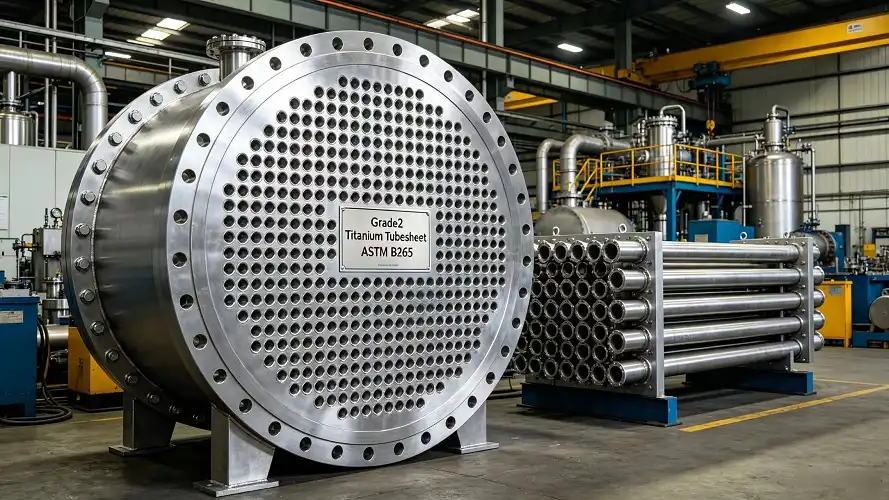
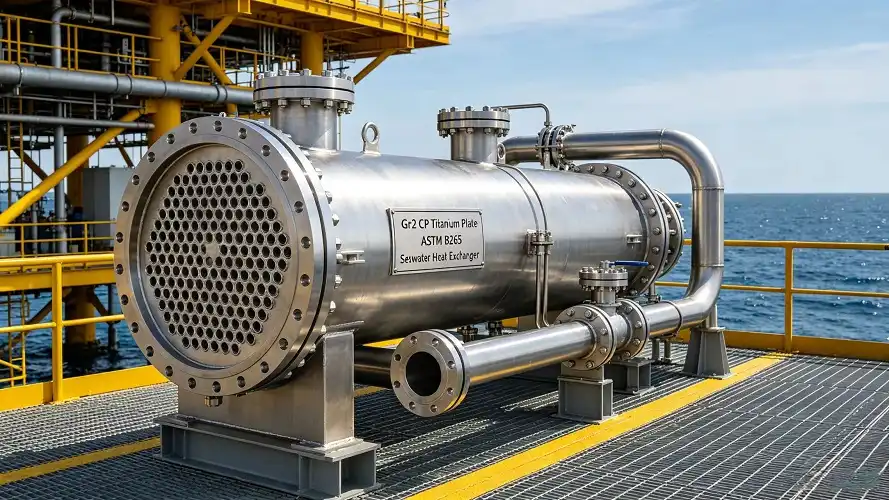
Seawater is one of the most aggressive places for metals to rust, but titanium flat plates do very well in places where other metals rust. Titanium is resistant to saltwater attack and biofouling, which makes it useful for offshore oil platforms, irrigation systems, and ship deck parts. The material works well in subsea equipment, risers, and pressure vessels that work at great depths and where the mechanical integrity cannot be compromised when they are under stress. Marine experts like titanium because it saves weight, which lowers the loads on structures and makes the ship work better. Because we've been supplying marine-grade materials for a long time, we know the certification and testing protocols that are needed for maritime applications. This makes the process of specification and approval go more smoothly.
Medical Device Manufacturing
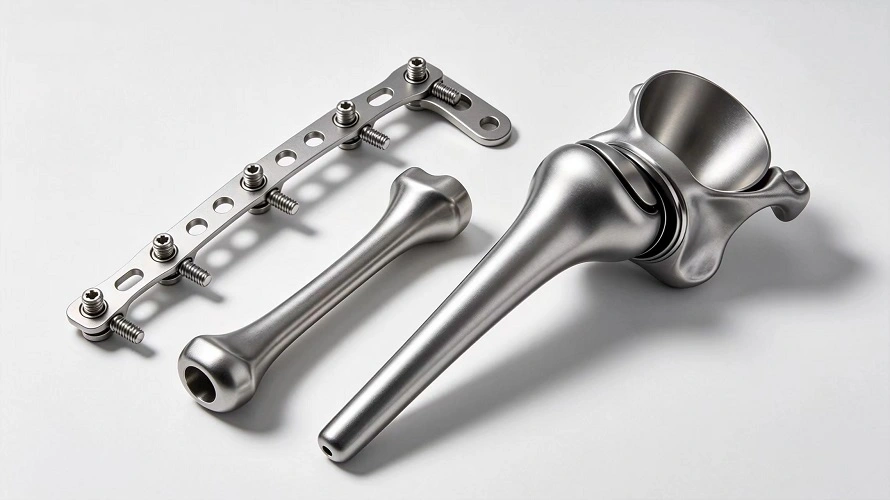
Pure titanium that is sold in stores is essential for surgical implants, orthopaedic devices, and medical tools because it is biocompatible. Gr1 and Gr2 plates are used as starting materials for milling parts that are special to each patient. Their mechanical qualities are very similar to human bone, which means they don't protect against stress as well. The bio-inert nature of the material keeps tissues from reacting badly, and its resistance to corrosion keeps it stable in the body for a long time. Medical device makers like how precise our work is and how clean our production area is, which meets the high-quality standards needed for medical uses. We can handle both small-batch special orders for developing prototypes and large-scale production for well-known implant designs.
Titanium Flat Plate vs. Competing Materials: Making the Informed Choice
Instead of just looking at the beginning price of the material, choosing the right one means weighing its performance features against its total lifecycle costs.
Titanium vs. Stainless Steel
Stainless steel costs less up front, but it needs to be replaced more often in places where it corrodes, which adds up to upkeep costs and lost time. Titanium flat plates hold up better than 316L stainless steel in acidic and salty water for more than 30 years, while stainless steel might only last five to seven. Titanium is 43% lighter than stainless steel, which makes it easier to load and lowers the cost of installation. When engineers add up the total cost of ownership, which includes replacement cycles, labour, and downtime, titanium often ends up being more cost-effective, even though it costs more at first.
Titanium vs. Aluminum
Aluminium is a great way to save weight, but it's not strong enough or resistant to rust enough for many commercial uses. Titanium flat plates are about the same amount lighter than aluminium alloys, but their tensile strength is two to three times higher. This means that smaller parts can still hold the same amount of weight. Galvanic rusting happens when aluminium is mixed with different metals in salt water, but titanium stays stable. Aluminum's lower melting point makes it less useful in aircraft uses that need high-temperature performance. Titanium is better in these areas.
Plates vs. Sheets: Understanding the Distinction
The main difference between plates and sheets is their width and how they are used. Sheets are usually materials that are less than 4 mm thick and can be used for cladding, ducting, and formed parts. Plates that are bigger than 4 mm can support loads in load-bearing devices, pressure tanks, and machined parts. We keep both types in stock so that buyers can choose the exact thickness that works with their engineering calculations instead of ordering too much material and adding cost that isn't needed.
Procuring Titanium Flat Plates: What B2B Buyers Need to Know
To meet project targets without going over budget, good procurement combines the quality of materials, the dependability of suppliers, and the coordination of transportation.
Supplier Verification and Certification
Material certification papers compare the chemical make-up and mechanical qualities of materials to international standards. This keeps buyers safe from low-quality materials that could fail in terrible ways. With every shipment, we include mill test results, material certificates, and proof of third-party review. Our commitment to consistent manufacturing standards is shown by the fact that our quality management system is ISO-certified and that we are a National High-Tech Enterprise. With 4 invention patents and 41 utility model patents that are used in all of our production processes, we bring new ideas that improve the performance of materials and the efficiency of production.
Inventory Availability and Lead Times
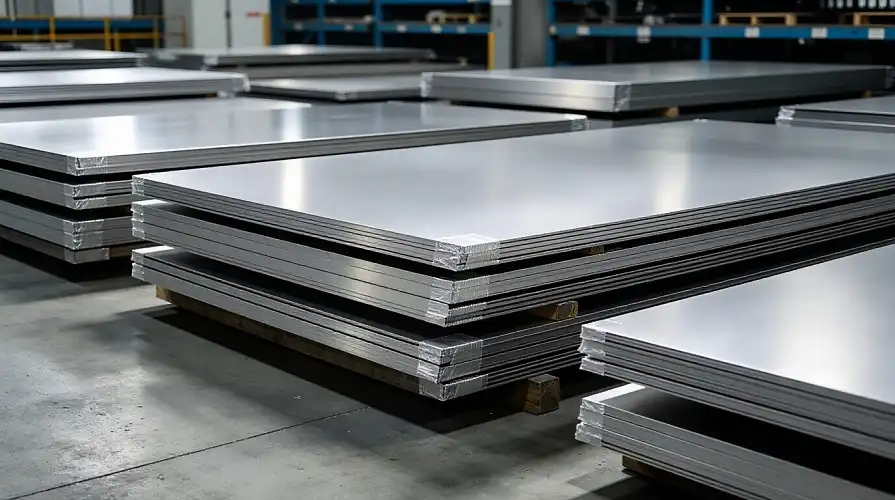
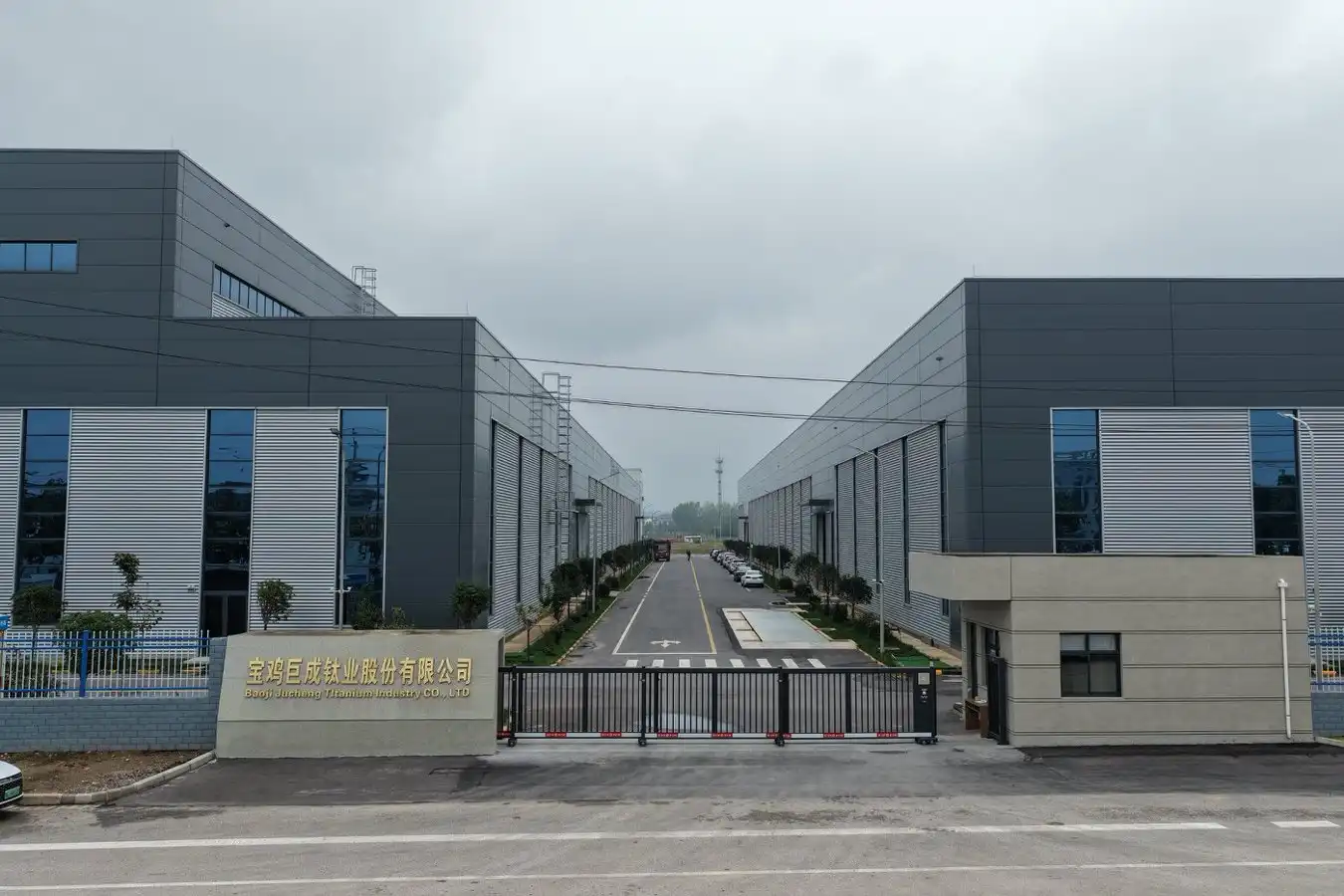
We keep about 3,000 tonnes of titanium in stock all year, so we can quickly fill urgent orders and avoid the weeks-long wait times that happen when materials have to be made to order. This level of inventory supports both large-scale contracts and smaller, more specific needs. Our 120,000-square-meter factory can make more than 1,500 tonnes of titanium plate every year, and it can be expanded to meet rising demand. Customers like that we can meet standard requirements within days and handle unique processing orders with clear deadlines.
Custom Processing and Technical Support
For many uses, precise cutting, edge preparation, or surface processes that go beyond normal mill finishes are needed. We can make things just the way you want them, using water jet cutting, CNC machining, and special surface finishes that are made to fit your fitting needs. During the planning phase, our technical team works with customers to help them choose the right materials and make processing suggestions that make the product easier to make. This way of consulting has helped us build long-lasting relationships with companies like Jiangxi Copper Group and study groups like the Northwest Institute for Nonferrous Metal Studies. These groups use our knowledge to help them come up with new ways to use titanium.
Pricing Considerations and Bulk Advantages
Titanium prices depend on the cost of raw materials, the difficulty of processing, and changes in the world supply chain. Buyers can save money by agreeing to buy in bulk, sending items together, and using standard specs that cut down on custom processing. We help procurement teams make deals that balance the risk of overstocking with price savings. This supports just-in-time delivery that fits with production schedules. As a publicly traded company whose yearly income has grown by more than 30%, we are financially stable, which keeps customer supply chains from getting messed up.
Conclusion
Titanium flat plates are used in engineering to solve difficult industrial problems because they are strong, light, and don't rust. Knowing the different types of materials, how they are made, and what they need for a certain application gives procurement workers the confidence to define materials while building relationships with suppliers that will help the project succeed in the long run. Titanium has lower total costs than other materials because it lasts longer, needs less upkeep, and works better. It should be carefully compared to other materials. Titanium plates are still important materials for innovation and dependability in fields like aerospace, chemical processing, marine engineering, and medical devices that are always trying to improve performance.
FAQ
1. What distinguishes titanium flat plates from titanium sheets?
The main difference is thickness, with plates usually being thicker than 4mm and offering structural ability for load-bearing uses. Sheets that are less than 4 mm thick are used for cladding, ducting, and formed parts that don't need to be very strong. Plates go through more work to get the right size tolerances and mechanical features for pressure tanks and machined parts.
2. How does titanium's corrosion resistance compare to stainless steel?
Titanium makes a solid, self-healing oxide layer that doesn't break down in chloride environments, oxidising acids, or seawater, which are all places where stainless steel gets pitted and corroded in cracks. This passivation happens naturally and stays effective over a wide range of temperatures. It lets the metal work for decades without any upkeep in conditions that would kill stainless steel in just a few years.
3. What standard thicknesses are available for titanium plates?
We have plates in stock that are 4mm to 80mm thick, come in different grades, and are 950mm to 2500mm wide and up to 10,000mm long. Custom sizes can be made to fit the needs of a particular job, and processing options include precise cutting and edge preparation. This gives engineers the freedom to make sure they get materials that meet all of their exact requirements without having to make design choices.
Partner with Jucheng Titanium for Your Material Needs
If you work with a skilled titanium flat plate seller who cares about quality and customer success, getting titanium will be easy. At Jucheng Titanium, we've spent more than 20 years improving how we make things and making sure that our supply chain is reliable so that your project stays on schedule. Our large collection of different grades of materials allows us to complete orders right away, and our custom processing services can handle unique needs that standard materials can't meet. Our expert team can help you find the right materials for your needs, whether you need aerospace-certified plates with full tracking, corrosion-resistant materials for chemical processing, or biocompatible grades for medical devices. Contact us at s4@juchengti.com right away to talk about your needs and find out how our production know-how and dependable supply chain can help you reach your business goals.
References
1. Boyer, R., Welsch, G., & Collings, E.W. (1994). Materials Properties Handbook: Titanium Alloys. ASM International.
2. Donachie, M.J. (2000). Titanium: A Technical Guide (2nd ed.). ASM International.
3. Lutjering, G., & Williams, J.C. (2007). Titanium (2nd ed.). Springer-Verlag Berlin Heidelberg.
4. Schutz, R.W., & Watkins, H.B. (1998). Recent developments in the application in the energy industry. Materials Science and Engineering: A, 243(1-2), 305-315.
5. Veiga, C., Davim, J.P., & Loureiro, A.J.R. (2012). Properties and applications of titanium alloys: A brief review. Reviews on Advanced Materials Science, 32(2), 133-148.
6. ASM International Handbook Committee. (1990). ASM Handbook Volume 2: Properties and Selection: Nonferrous Alloys and Special-Purpose Materials. ASM International.