
Why Is Titanium So Corrosion Resistant?
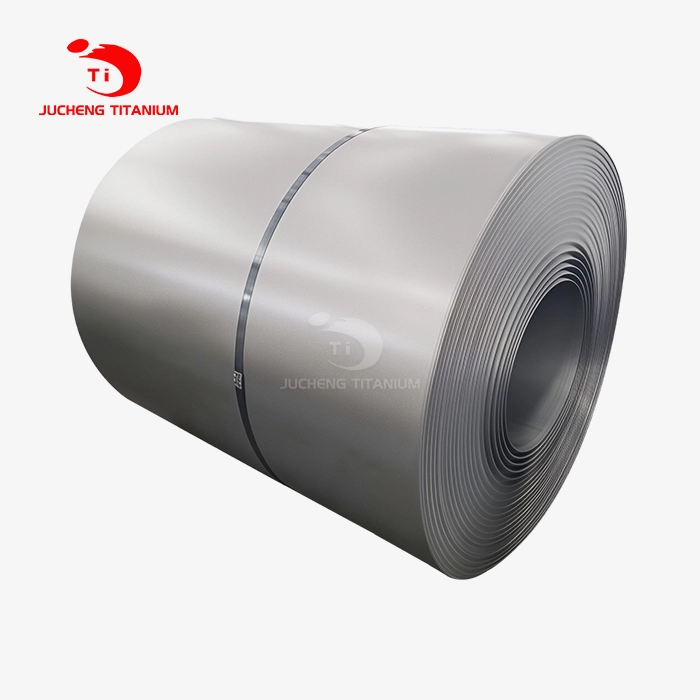
Titanium is very resistant to corrosion because it can form a thin, stable layer of titanium dioxide (TiO₂) on its own when it comes in contact with oxygen or water. Corrosion-resistant titanium sheet is a great option for businesses with harsh working conditions because it has a self-healing passive film that shields the metal below it from harsh chemical attacks. Titanium stays strong in temperatures and pH ranges where stainless steel fails, providing long-term dependability and lower lifetime costs compared to other metals that break down quickly in chloride-rich or acidic environments.
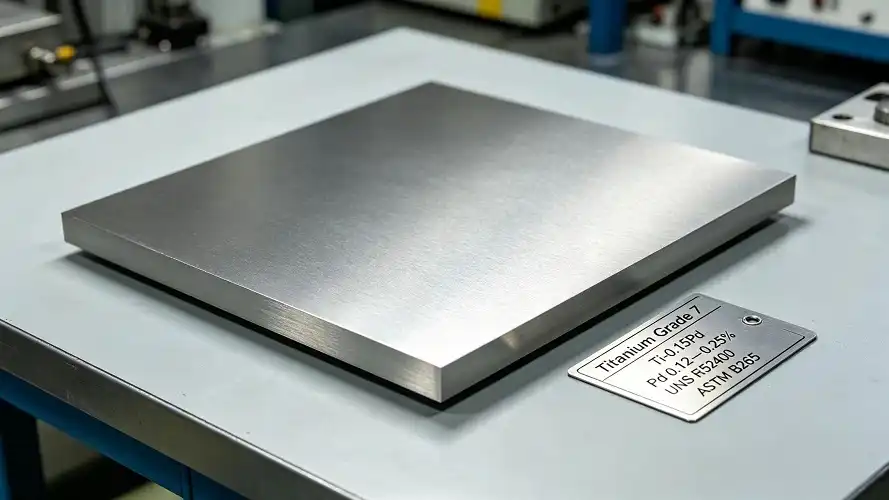
Understanding Titanium's Corrosion Resistance
The Science Behind the Protective Oxide Layer
A very thin oxide film, about 1 to 10 nanometers thick, forms right away on the surface of titanium when it comes into contact with air or water. This TiO₂ layer doesn't react with chemicals and sticks strongly to the base metal. Even if the film is scratched or broken by hand, it heals itself in milliseconds, providing full safety again without any help from outside sources. Titanium is different from metals like carbon steel or aluminum, which need coatings or anodic protection to keep them from rusting, because titanium can repair itself all the time.
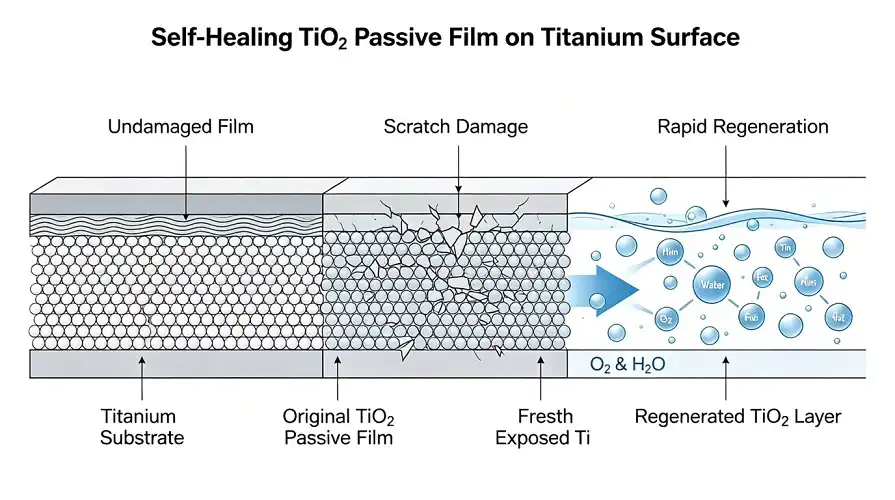
The oxide layer is stable over a wide range of electrochemical conditions. Pure titanium types that are sold in stores can stand up to oxidizing acids like nitric acid, chromic acid, and aqua regia, as well as neutral solutions that contain chlorides. In seawater, where salt spray speeds up the breakdown of most metals, titanium plates show almost no pitting or crevice rust, even after decades of being exposed.
How Titanium Compares to Stainless Steel and Aluminum
Stainless steel needs chromium to form an inactive layer, but this layer doesn't work when chloride levels are higher than 200 ppm or when temperatures are higher than 60°C. When ocean heat exchangers or chemical units that work with brines are used, localized corrosion, like pitting and stress corrosion cracking, is bound to happen. Aluminum also makes a protective layer, but it breaks down quickly in strong acids and bases, which limits its uses.
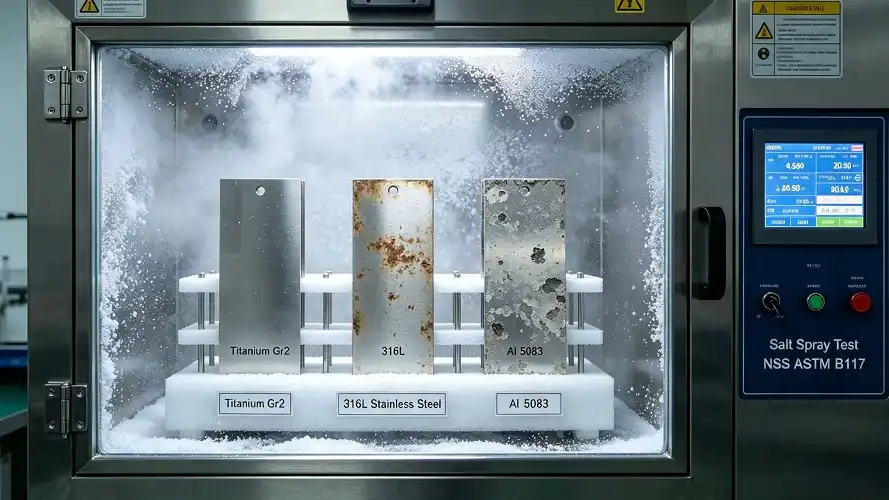
Titanium works better in reducing environments than either of the other materials. In industrial amounts of sulfuric or hydrochloric acid, 316L stainless steel walls thin quickly. Titanium Grade 7 (Ti-0.2Pd) and Grade 12 (Ti-0.3Mo-0.8Ni), on the other hand, keep corrosion rates below 0.1 mm per year. Adding palladium or ruthenium changes the corrosion potential toward noble values. This makes it possible for resistance to form in environments where pure titanium would not passivate as well.
Key Titanium Grades and Their Corrosion Profiles
Understanding grade-specific success is key to choosing the right materials. Grades 1 and 2 are commercially pure titanium, which is very resistant to corrosion in general. Grade 2 is the most common choice for most industrial uses because it is strong and easy to shape. Grade 5 (Ti-6Al-4V), which is a combination of aluminum and vanadium, has better mechanical qualities than grades that aren't alloyed, but it has slightly less corrosion protection.
Grades 7 and 12 have small amounts of noble metals added to them to protect them from acid attack and crack corrosion in chloride solutions that stay still for a long time. These better metals keep desalination evaporators and hydrometallurgical equipment from breaking down completely, which would happen with regular grades. Grade 9 (Ti-3Al-2.5V) is good for aerospace tubing and pressure vessels because it has moderate strength and good corrosion resistance.
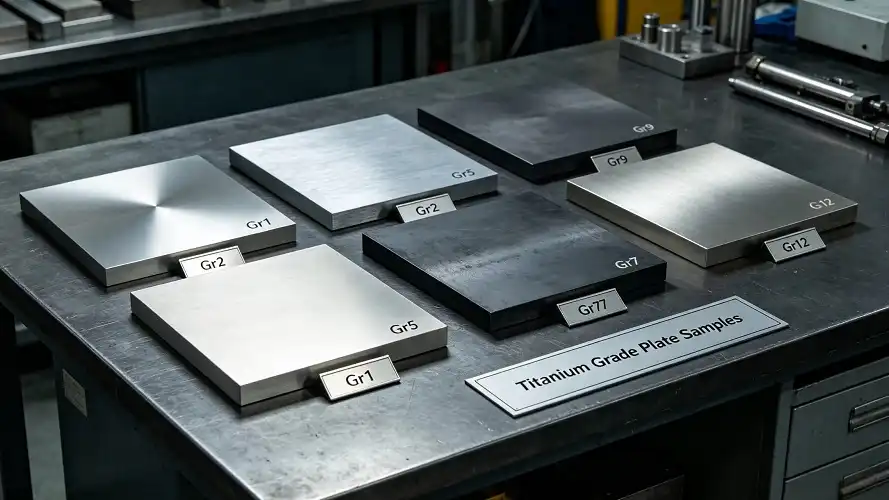
Hot-rolled corrosion-resistant titanium sheets made by companies like Baoji Jucheng Titanium Industry meet ASTM B265 and ASME SB265 standards. This makes sure that the sheets can be tracked and have the same chemical makeup. Annealed states and surface processes like polishing, milling, or acid-pickling make performance even better for certain acidic media.
Comparing Titanium Sheets With Other Corrosion-Resistant Metals
Performance in Marine and Chemical Environments
At room temperature, seawater has about 35,000 ppm of chlorides, which is too high for most solid metals to survive. Corrosion-resistant titanium sheet does not rust or corrode in clean or polluted seawater at any temperature. This makes it the best material for offshore platforms, ship hulls, and condensers at coastal power plants. 316L stainless steel, on the other hand, gets cavity attack under seals and flanges, so it needs to be inspected and replaced more often.
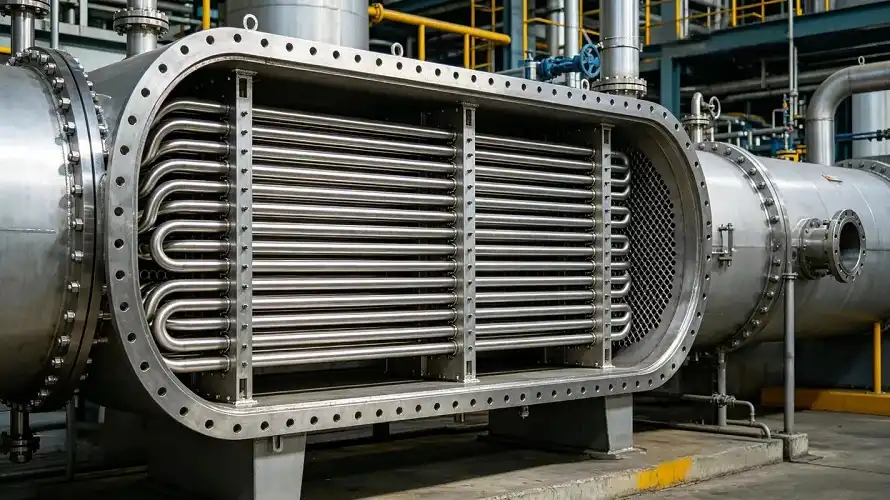
Titanium-clad tanks and pipes are used in chemical processing plants that work with wet chlorine gas, sodium hypochlorite, or acidic chlorides. These places make free chlorine radicals that get into the grain boundaries of stainless steel and cause corrosion between the grains. Titanium's oxide film stays impermeable, so it can be used for decades without losing its shape or contaminating product streams.
Mechanical Strength and Lifecycle Cost Analysis
Its yield strength is between 275 and 450 MPa, and its tensile strength is between 345 MPa (Grade 2) and 550 MPa (Grade 5). Titanium has a density of 4.51 g/cm³, which is almost half that of steel. This means that it has better strength-to-weight ratios than steel. This trait lowers the structural loads on space frames and underwater vehicles, which saves fuel and makes it possible to carry more.
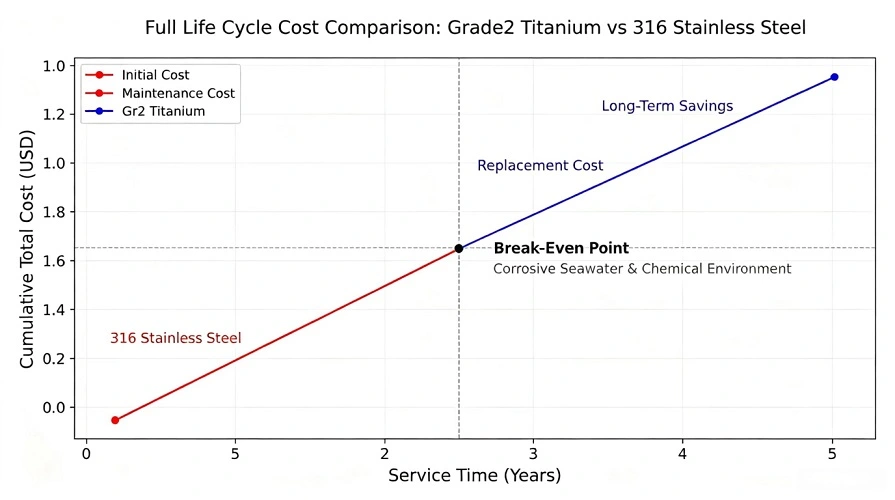
Lifecycle costing shows that titanium is more cost-effective than other metals, even though it costs more to buy at first. A desalination plant's stainless steel heat exchanger might cost 40% less up front, but it needs to be replaced every 5 to 7 years because the tubes wear out. A titanium machine doesn't need to be maintained for more than 30 years, so there is no downtime, labor, or dumping costs. When it comes to acidic service, titanium systems have a 60% lower total cost of ownership over 25 years of use.
Selecting the Right Grade for Your Application
Buying teams have to make sure that the grade of titanium they use is right for the job. Grade 2 is good enough for oxidizing media like nitric acid or seawater because it is very passive and doesn't cost much. For reducing acids like sulfuric acid below 10% concentration or dilute hydrochloric acid, you need Grade 7 or Grade 12 to keep hydrogen from weakening the material and speeding up the attack.
Palladium-enhanced grades are good for shapes that are likely to crack, like flanged joints or tube-to-tubesheet welds. Aerospace parts that want to save weight request Grade 5, which means they are willing to have a little more upkeep in return for better mechanical performance. For medical devices to be biocompatible and resistant to rust in body fluids, they need to be Grade 2 or Grade 23 (extra-low interstitial Grade 5).
With 20 years of experience in application engineering in the defense, petrochemicals, and hydrometallurgy sectors, Jucheng Titanium can help you figure out these trade-offs.
Applications and Benefits of Corrosion-Resistant Titanium Sheets
Critical Use Cases Across Industries
Corrosion-resistant titanium sheet is used in marine engineering for propeller shafts, hull plating, and ballast tank linings because high-speed seawater erodes and corrodes bronze and nickel-aluminum alloys. Titanium risers and flowlines are used on offshore oil platforms to move sour crude oil that contains hydrogen sulfide, a chemical that makes carbon steel crack under sulfide stress.
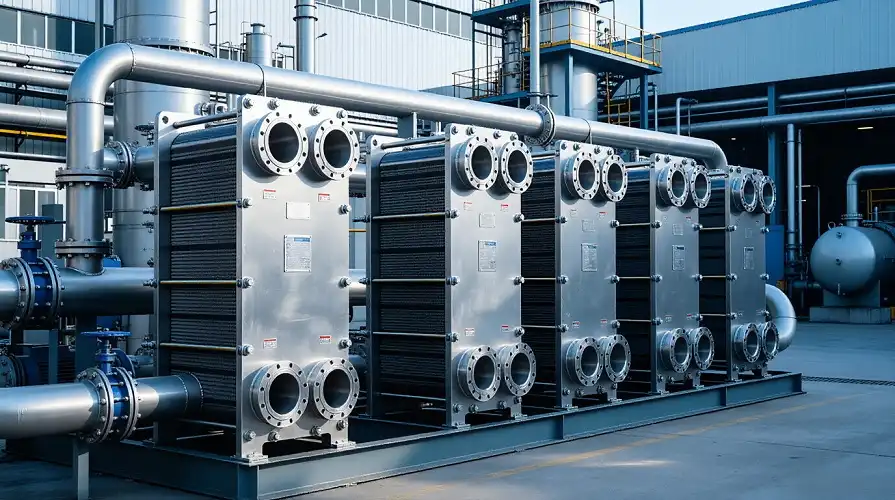
Titanium-clad vessels are used in chemical reactors that process terephthalic acid or chlorinated organics. These vessels combine the corrosion resistance of titanium with the structural economy of carbon steel substrates. Plate heat exchangers with titanium sheets let fertilizer plants be small, and they can handle ammonium nitrate solutions that eat away at stainless steel in months.
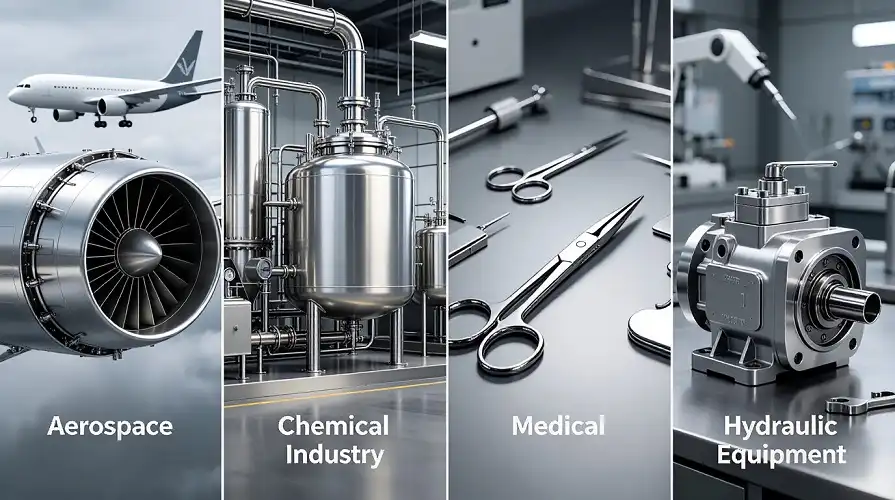
Titanium is used in aerospace hydraulic systems and airframe parts because it doesn't rust or wear down in salty air at high altitudes. Medical autoclaves and surgical instrument trays depend on Grade 2 sheets to keep their surface from oxidizing or pitting after many cycles of steam sterilization.
Longevity, Safety, and Operational Efficiency
Longevity of equipment immediately leads to lower capital costs and uninterrupted production. A titanium desalination evaporator keeps its heat transfer efficiency for thirty years, while options made of cupronickel or stainless steel break down in ten years, getting clogged up and developing holes. Titanium construction makes things safer because catastrophic leaks and releases are statistically much less likely to happen.
Because titanium doesn't easily foul or scale, it improves operational efficiency. Biofouling organisms have a hard time sticking to the smooth oxide surface, which means that cooling water systems need to be cleaned less often. When repair windows are cut down, plant uptime and throughput go up, which are important measures in competitive commodity markets.
Compliance and Customization Capabilities
International standards must be followed by industrial buyers. Titanium sheets made to ASTM B265 standards can be tracked back to the mill where they were made because test records show their chemical make-up, mechanical qualities, and the results of non-destructive tests. AMS 4911 certification proves the provenance of aerospace-grade materials, which is needed for FAA and EASA approvals.
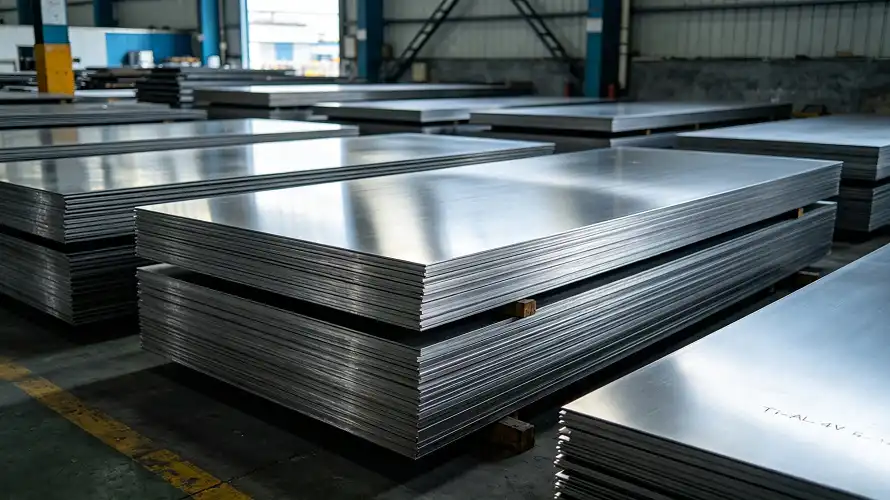
Customization is more than just adjusting the sizes. Jucheng Titanium makes sheets that are 4 mm to 80 mm thick, up to 2,500 mm wide, and up to 10,000 mm long. These sheets can be used for both big pressure tanks and small heat exchanger cores. Surface finishes—polished for pharmaceutical cleanliness, pickled for weldability, or machined for tight fit-ups—match the needs of the next steps in the production process.
Procurement Insights: How to Buy Corrosion-Resistant Titanium Sheets
Evaluating Supplier Credibility and Certifications
Corrosion-resistant titanium sheet suppliers with a good reputation use ISO 9001 quality management systems and AS9100 aerospace certifications when they work with aviation clients. Inspections by outside groups, such as Lloyd's Register or Bureau Veritas, make sure that pressure equipment directives and material standards are being followed.
Intellectual property holdings show how deep R&D goes. Jucheng Titanium has 4 idea patents and 41 utility model patents, which shows that they are always coming up with new ways to process titanium and make tools. Being named a "Little Giant" and a "National High-Tech Enterprise" by China's Ministry of Industry are signs of scientific leadership that is recognized by the government.
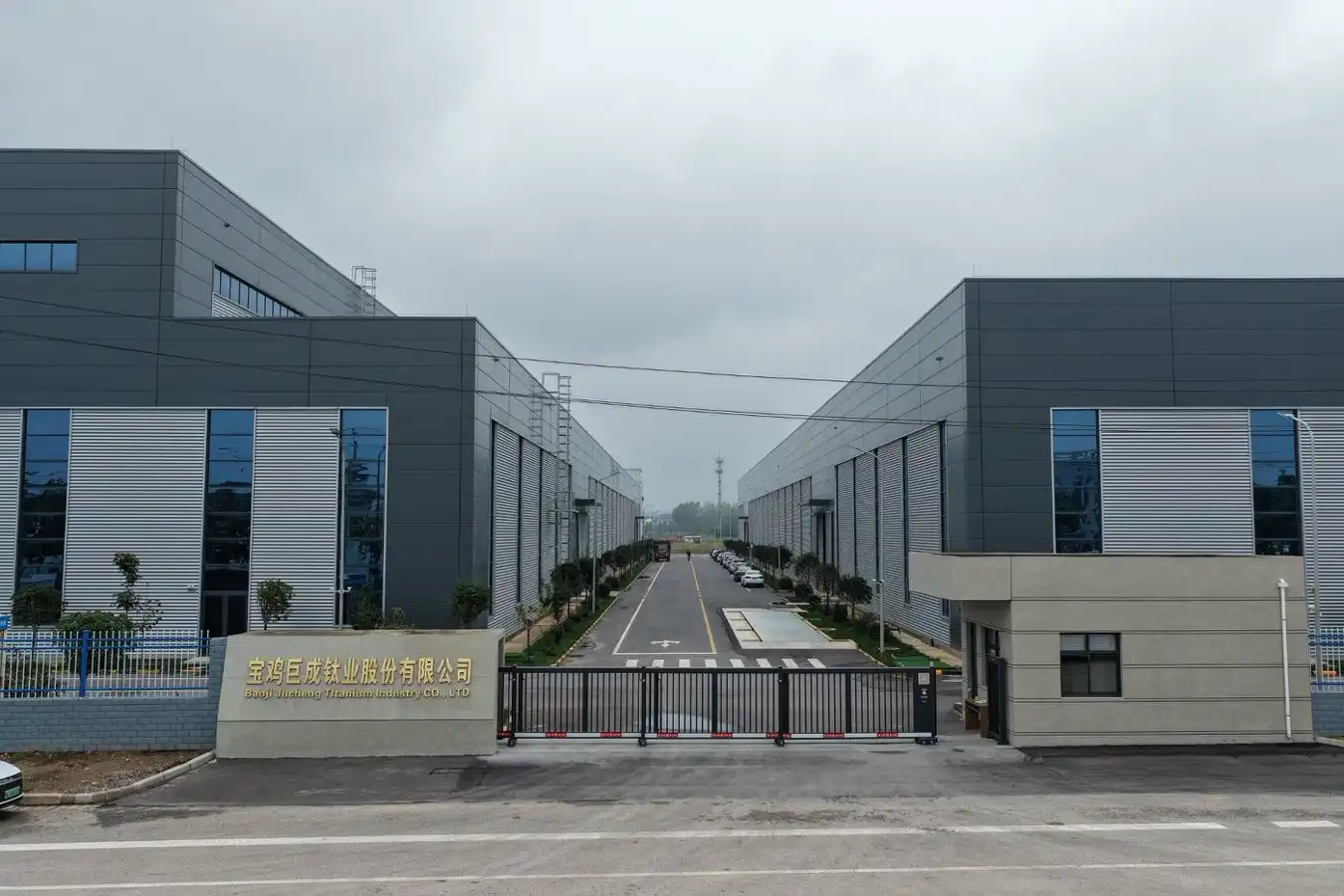
Supply interruptions are avoided by figuring out the production capacity. With 120,000 square meters of space and 3,000 tons of inventory, the company can quickly fill orders, which is very important when project deadlines are tight. Manufacturing scalability for bulk orders is shown by the annual output of more than 500 titanium equipment units.
Understanding Cost Structures and Lead Times
Titanium prices change depending on how the sponge market works and whether palladium or vanadium is added to the alloy. Clear quotes list the cost of the base metal, handling fees, testing fees, and shipping costs. If you order more than 10 tons, you can get volume deals that lower the price per kilogram by 15-20% compared to buying on the spot.
Different products have different lead times. Standard Grade 2 sheets in common sizes ship in 4 weeks, but custom Grade 7 plates that have been tested with ultrasonic waves need 8 to 12 weeks for mill scheduling and quality control. Long-term supply deals lock in prices and reserve output slots, which makes markets less volatile when they are tight.
Logistical and After-Sales Considerations
In order to keep stocking costs low and freight costs low, minimum order amounts are needed. Full container loads are the most cost-effective way to ship, but LCL choices can be used for trial runs. Export paperwork like certificates of origin, packing lists, and, if needed, dangerous goods statements must be in line with the customs rules of the country where the goods are going.
Support after the sale is what sets premium suppliers apart. Jucheng Titanium keeps technical service teams that are fluent in application troubleshooting, qualifying weld procedures, and giving installation advice in the field. If a product doesn't meet standards, it can be returned under a warranty that covers material flaws. Metallurgical analysis services can find out why rust happened when the process got upset.
Why Choose Jucheng Titanium's Corrosion-Resistant Titanium Sheets?
Proven Manufacturing Excellence
Since 2004, Baoji Jucheng Titanium Industry has been based in Baoji, which is known around the world as China's Titanium Valley because it has so many companies that make and sell titanium products. Twenty years of specialization have made processes better, from choosing the sponge to hot rolling, heating, leveling, and finishing the surface. This makes sure that the dimensions and microstructures are all the same.
Listing on the National Equities Exchange in 2017 made the company's administration clear and its finances stable, which reassured international owners that the partnership would be able to last for a long time. A registered capital of 50 million RMB provides working capital for big projects and ongoing upgrades to equipment like CNC machining centers and vacuum annealing furnaces.
Three years in a row of annual sales growth of more than 30% shows that the market is valid. Having more than 70% of the market for hydrometallurgical titanium anodes and 90% of the market for coking industry equipment shows that you are an expert in your field, where performance directly affects your clients' profits.
Tailored Solutions and Competitive Pricing
Jucheng Titanium has a catalogue with more than 500 goods, ranging from raw mill products to complete equipment setups. Custom manufacturing services turn what the customer wants into welded assemblies, machined parts, or hybrid structures that join corrosion-resistant titanium sheets to steel. Universities and the Northwest Institute for Nonferrous Metal Research work together to help engineers come up with new alloys and joining technologies.
Vertical integration is used to set prices for bulk orders, from making plates to putting together equipment. Compared to fragmented buying, landed costs drop by 10-15% when markups from middlemen are removed, and operations are coordinated across the supply chain. Through OEM and ODM programs, wholesalers can brand Jucheng goods, which helps the company reach more customers while keeping quality standards high.
Technical Consultation and Ongoing Support
During pre-sale consultations, material selection software is used to model corrosion rates at temperatures, pH levels, and speeds that are specific to each client. Finite element analysis finds the best way to distribute sheet thicknesses so that weight savings and pressure values are equal. Code compliance and mechanical soundness are ensured by welding process specs that are tailored to the grade of the base metal and the shape of the joint.
After delivery, there is support that includes helping with commissioning, teaching operators how to watch for corrosion, and regular reviews during the guarantee terms. Metallurgical failure analysis looks into sudden damage and suggests changes to the method or better materials. As clients grow their businesses, partnerships change, and Jucheng adjusts its supply to keep up with production ramps.
Conclusion
Corrosion-resistant titanium sheet is the best material for places where other metals fail because it has the best corrosion protection. This is because its oxide film heals itself. From underwater pipelines to chemical reactors, corrosion-resistant titanium sheet lasts for decades without any repairs, changing the economics of the whole lifecycle, even though it costs more up front. To choose the right grade, whether it's commercially pure for general oxidizing media or palladium-enhanced for reducing acids, you need to know what the application needs and what the provider can do. Jucheng Titanium's history of manufacturing, large inventory, and strong technical support infrastructure make it possible to make confident purchasing decisions that keep projects on track and on budget.
FAQ
1. How Can I Verify the Quality of Corrosion-Resistant Titanium Sheets?
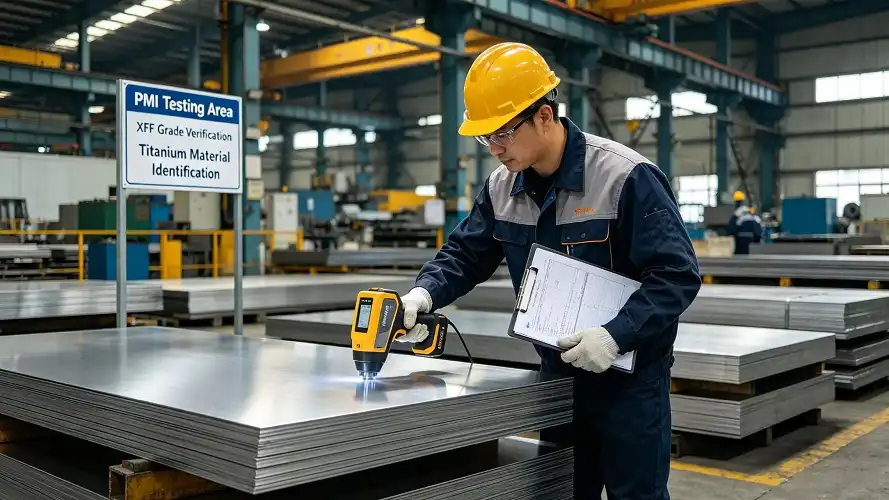
To check the quality of corrosion-resistant titanium sheets, you need mill test records that show the chemical make-up using spectroscopy, tensile testing according to ASTM E8, and ultrasonic checking according to ASTM A578. Ask for Positive Material Identification using portable XRF analyzers to check the grade and find impurities like iron that are above the allowed levels. Witness testing is done by third-party inspection bodies during production, which provides independent proof. Profilometers are used to measure the surface finish and make sure that the roughness meets the drawing requirements. This is very important for sanitary applications or pressure-sensitive seals.
2. What Distinguishes Grade 2 from Grade 7 Titanium?
Grade 2 titanium is commercially pure and has a maximum oxygen content of 0.25%. It is very easy to shape and doesn't rust in neutral or oxidizing conditions. Grade 7 includes 0.1 to 0.25% palladium, which makes it work better in reducing acids like weak sulfuric or hydrochloric acid and stops crack corrosion in chloride solutions above 80°C. The palladium changes the electrical potential, which stops hydrogen generation that speeds up the attack. Grade 7 is about 30% more expensive than Grade 2, but it stops important service breakdowns.
3. Is Titanium Cost-Effective Compared to Stainless Steel in Marine Applications?
Titanium costs three to four times more than 316L stainless steel at first, but a lifetime study clearly favors titanium. Due to crevice rust, stainless steel tube bundles used in saltwater need to be replaced every 7–10 years. This costs 150–200% of the original investment in material, labor, and downtime. Titanium has worked for more than 30 years without breaking down, so these ongoing costs are avoided. A discounted cash flow study of titanium over 25 years shows that it has a net present cost that is 40–60% lower and no longer has unplanned outages that throw off production plans.
Partner with Jucheng Titanium for Your Corrosion-Resistant Titanium Sheet Needs
With over 20 years of experience, Jucheng Titanium is a specialist in corrosion-resistant titanium sheet. Our 3,000-ton collection means that we can quickly send Grade 1, Grade 2, Grade 7, and Grade 12 sheets that meet ASTM B265 and ASME SB265 standards. These sheets can be as thin as 4 mm or as wide as 2,500 mm. In Baoji, China's Titanium Valley, our 120,000-square-meter plant uses ISO 9001 quality methods for hot rolling, annealing, and precise finishing. Jiangxi Copper Group and defense contractors believe in us because we put our products through a lot of tests, come up with innovations that are backed by patents, and offer expert help after the sale. Get in touch with our team at s4@juchengti.com right away to talk about the details of your project, ask for material approvals, and get cheap quotes.
References
1. Schutz, R.W. and Watkins, H.B. "Recent Developments in Titanium Alloy Application in the Energy Industry." Materials Science and Engineering: A, Vol. 243, 1998, pp. 305-315.
2. Cotton, J.B. "The Role of Palladium in Enhancing the Corrosion Resistance of Titanium." Platinum Metals Review, Vol. 11, No. 2, 1967, pp. 50-52.
3. Sedriks, A.J. "Corrosion of Stainless Steels, Second Edition." Wiley-Interscience, New York, 1996.
4. ASTM International. "Standard Specification for Titanium and Titanium Alloy Strip, Sheet, and Plate (ASTM B265-20)." West Conshohocken, PA, 2020.
5. Covington, L.C. "The Influence of Surface Condition and Environment on the Hydriding of Titanium." Corrosion, Vol. 35, No. 7, 1979, pp. 289-294.
6. Boyer, R., Welsch, G., and Collings, E.W. "Materials Properties Handbook: Titanium Alloys." ASM International, Materials Park, OH, 1994.