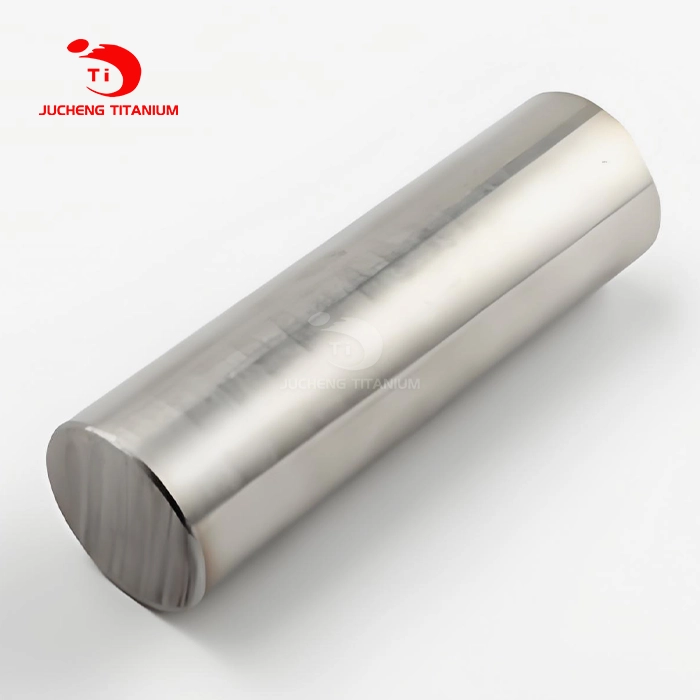

Gr5 Titanium Tube for Performance Automotive Engineering
When experts working on high-performance cars have to find the best way to balance structural strength with weight reduction, Gr5 Titanium Tube stands out as the clear winner. This Ti-6Al-4V alloy tubing has a tensile strength of more than 895 MPa and a density that is 45% lower than steel. It solves an important engineering problem where traditional materials force engineers to choose between durability and mass efficiency. Because it doesn't rust and stays stable at temperatures up to 400°C, it is essential for high-stress automotive uses that need reliability without sacrificing speed.
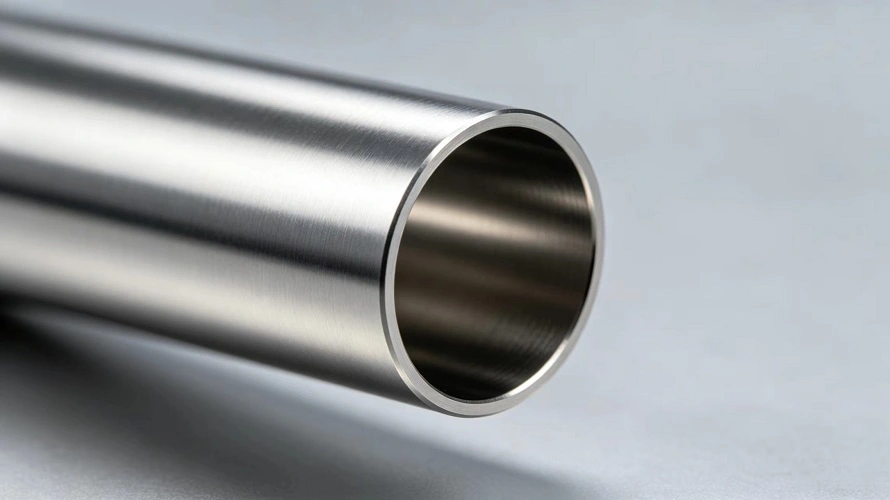
Understanding Gr5 Titanium Tube and Its Key Properties
Chemical Composition Defining Superior Performance
The exact chemical formula behind Gr5 Titanium Tube's dominance is shown by the name Ti-6Al-4V: 90% titanium as the base metal, 6% aluminum to stabilize the alpha phase, and 4% vanadium to strengthen the beta phase. This carefully balanced mix makes an alpha-beta lattice that works better than commercially pure titanium grades while still being easy to work with. Aluminum lowers the density and makes the material more resistant to weathering. Vanadium raises the strength at room temperature and stops phase instability during thermal cycles. Unlike Gr2 or Gr9 alloys, this Ti-6Al-4V mix is the best choice when engineers need the best mechanical performance without sacrificing resistance to rust.
Mechanical Properties That Redefine Engineering Limits
The technical details of seamless Ti-6Al-4V tubing show why it is so highly valued in the speed car industries. Its ultimate tensile strength is at least 895 MPa (130 ksi), and its yield strength is at least 828 MPa (120 ksi). This is four times what 316 stainless steel can do. Elongation is usually around 10%, which is enough to make the material flexible enough for complicated shaping operations while still keeping the structure's integrity. The hardness ranges from 30 to 36 HRC, which makes it very resistant to wear in dynamic situations. At 113.8 GPa, the modulus of elasticity makes deflection patterns that can be predicted, which is very important for precision suspension parts. These features stay the same at all temperatures, from very cold places to 400°C, which is well above the softening point of aluminum alloys and the fast oxidation of steels.
Heat Treatment Protocols Enhancing Performance Characteristics
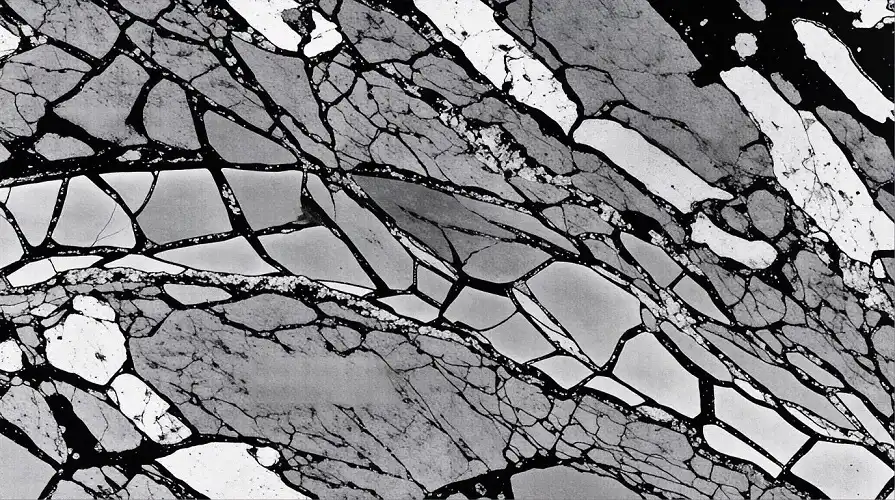
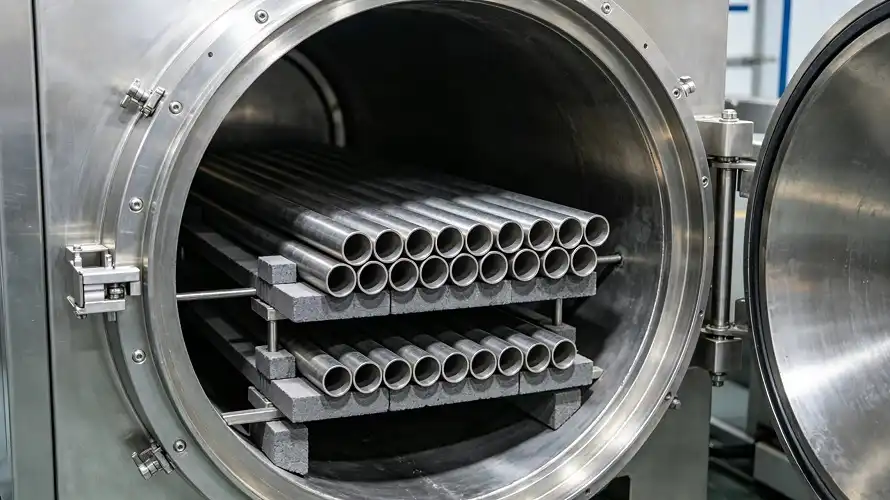
Between 700°C and 900°C, annealing changes the microstructure by making the grain size and phase distribution better for certain uses. Mill-annealed tubing has the right amount of flexibility and strength for basic car fabrication. For elite racing, solution treatment and aging (STA) methods can raise the yield strength above 1100 MPa, but they do so at the cost of less elongation. Our factory in Baoji, China's famous Titanium Valley, uses controlled atmosphere furnaces to stop the formation of alpha-case, a brittle surface layer that lowers fatigue performance. Every batch is metallographically checked to make sure that the grains are evenly distributed and that the phases are balanced. This makes sure that the quality is the same across diameters from OD3 to OD219 mm and wall thicknesses from 0.5 mm to 20 mm.
Comparing Gr5 Titanium Tubes with Alternative Materials
Performance Metrics Against Stainless Steel and Aluminum
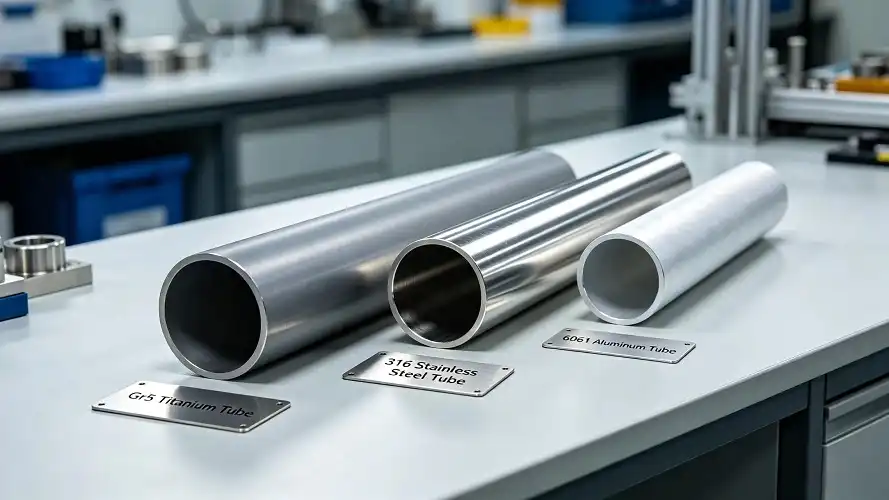
304/316 stainless steel tubing is usually 60–70% less expensive per kilogram than Ti-6Al-4V, so it saves you money at first. Lifecycle analysis, on the other hand, shows hidden problems. Steel's density is 7.9 g/cm³, while titanium's is 4.43 g/cm³. This means that structural parts made of steel are 78% heavier than those made of titanium, which means that speed cars won't save any gas. Corrosion resistance tests show that titanium's passive oxide film grows back on its own after being damaged by mechanical forces, but stainless steel gets pits in chloride-rich environments like those near the coast or from winter road salts. Aluminum 6061-T6 has a lower density of 2.7 g/cm³ but a tensile strength of only 310 MPa. This means that it needs thicker wall sections, which loses the weight advantage and makes it harder to package in engine bays that are already full.
Evaluating Other Titanium Grades and Specialty Alloys
Commercially pure Gr2 titanium is easier to shape and less expensive, but its 345 MPa tensile strength isn't enough for high-stress structural uses like building roll cages or turbocharger pipes that are subject to pressure spikes. Gr9 (Ti-3Al-2.5V) is in the middle. It is stronger than CP grades but not as strong as Gr5 Titanium Tube, so it can only be used for moderate-stress tasks. Inconel 625 nickel superalloy has the same temperature resistance as Ti-6Al-4V and is stronger than it, but its density of 8.4 g/cm³, which is almost twice that of titanium, means it has too many mass disadvantages to be useful. Our extrusion and cold rolling methods achieve tighter tolerances than cast nickel alloys, and the seamless construction eliminates the weld-zone weaknesses that occur in fabricated stainless parts. This makes manufacturing titanium tubes more feasible.
Manufacturing and Quality Assurance of Gr5 Titanium Tubes
Production Methods Ensuring Dimensional Precision
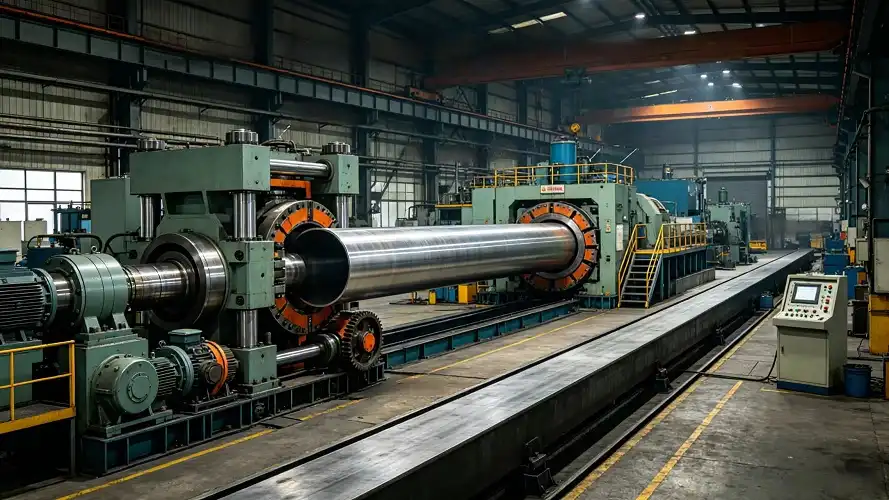
The first step in making a seamless tube is to push hot Ti-6Al-4V billets through precise dies, which makes the first empty shapes. Later, using mandrels for drilling makes the inside measurements better, and cold rolling lowers the outside diameter and wall thickness to the final requirements. This multi-stage process keeps the concentricity within ±0.05 mm along the whole length, which is important for pressure-fitting uses and smooth operation. Between cold working passes, annealing stops the material from work hardening, which would cause it to crack during forming. Pickling in hydrofluoric acid solutions gets rid of surface oxides without hurting the base metal. Multi-roll levelers are then used to straighten the metal and get straightness margins of less than 0.5 mm per meter. Our 120,000-square-meter production site has separate processing lines for materials that are used in aircraft and those that are used in industry. This keeps materials from getting contaminated, which could affect their certification.
Certification Standards Governing B2B Procurement
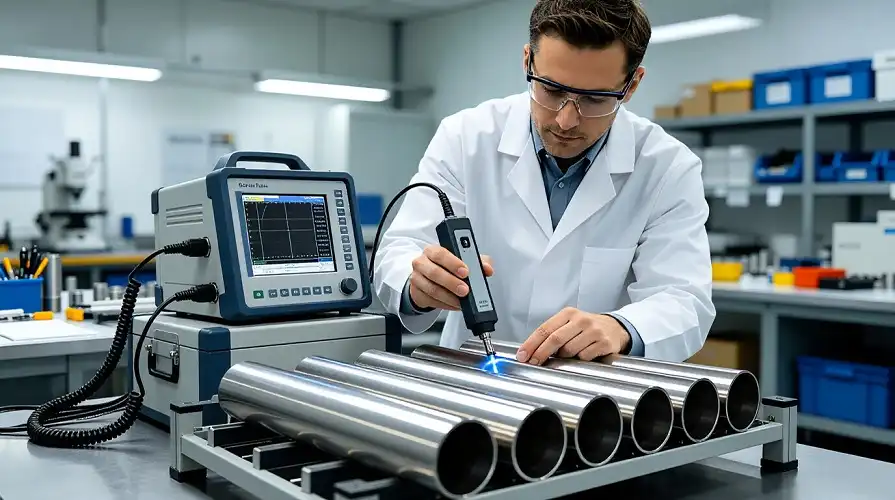
For automotive-grade Gr5 Titanium Tubes, meeting the conditions of ASTM B861, ASTM B338, and AMS 4942 is the minimum. These rules say that optical emission spectrometry must be used to check the chemical composition, that mechanical testing must follow ASTM E8 guidelines, and that every production lot must have a dimensional inspection record. ISO 9001:2015 quality management systems make sure that everything can be tracked, from the mill certificates for raw materials to the shipments of final goods. This creates audit trails that meet OEM standards. Third-party inspection services, such as TÜV or Lloyd's Register, test key applications with witnesses. This proves that our 41 utility model patents and 4 invention patents lead to excellent manufacturing. Ultrasonic testing finds flaws below the surface that can't be seen with the naked eye, and eddy current testing finds surface cracks as shallow as 0.1 mm. These quality control measures explain why our titanium equipment has a 90% market share in use for the coking industry.
Applications of Gr5 Titanium Tubes in Performance Automotive Engineering
Exhaust Systems Delivering Weight and Thermal Advantages
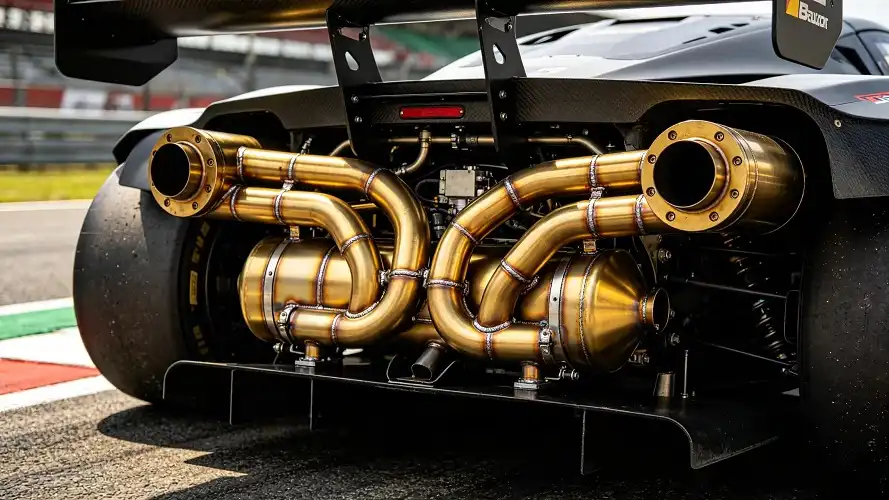
High-performance exhaust manifolds made from Ti-6Al-4V tubing are 40–50% lighter than stainless steel equivalents. This lowers the vehicle's center of gravity and boosts its power-to-weight ratio. Titanium doesn't conduct heat well (6.7 W/m·K compared to 16 W/m·K), so it keeps exhaust gas heat energy. This speeds up turbine spool-up in turbocharged engines while lowering temperatures under the hood that damage nearby parts. The inactive oxide layer keeps the metal from discoloring and scaling, even when the exhaust gas temperature stays at 800°C for a long time. This keeps the components' good looks throughout the vehicle's life. Racing teams say that titanium exhaust systems help them go faster because they have less rotational drag. In some cases, these systems can save 15 kg of mass on V8 setups.
Roll Cages and Suspension Components Enhancing Safety
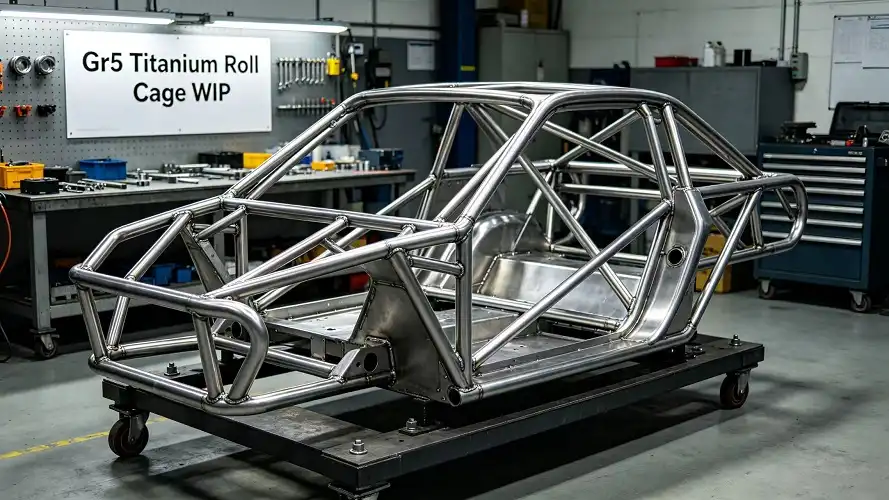
FIA-homologated roll cage tubing needs to have certain strength-to-weight properties that protect the driver during impacts without going over the car's mass limits. Gr5 Titanium Tubes that meet ASTM B338 standards are better at absorbing energy than chromoly steel alternatives. 45 mm outer diameter, 2.5 mm wall thickness configurations give the same structural performance at 43% less weight. This lowers the mass, which lets engineers strengthen more impact zones without going over the legal weight limits. Suspension control arms and strut tower braces also benefit because titanium's elastic modulus makes bending patterns predictable under turning loads and stops the corrosion problems that happen with aluminum parts that are exposed to road debris and water. Through finite element analysis and physical crash testing, our work with the Northwest Institute for Nonferrous Metal Research has proven that these uses are valid.
Fuel Systems and Thermal Management Applications
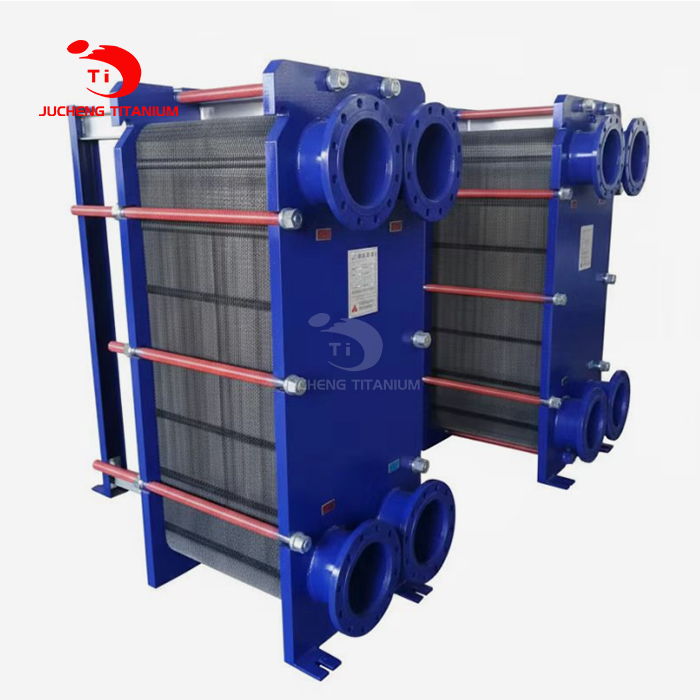
Ti-6Al-4V fuel lines don't corrode like aluminum fittings do when mixed with ethanol, and the material's ability not to spark makes it safer to use in race situations where there is a chance of explosions from fuel vapor. Titanium's resistance to corrosion is used in marine uses, where saltwater quickly breaks down copper-brass radiators, in heat transfer tubes in oil coolers, and intercooler cores. The titanium spiral plate heat exchanger we put at WUGANG Group shows that our industrial-scale thermal management skills can be used in car settings as well. Gr5 Titanium Tube coolant tubes are being used in more and more electric car thermal management systems because the material's electrical resistance stops galvanic corrosion in mixed-metal circuits and controls temperature switching between charging and discharging cycles.
Procurement Guide for Gr5 Titanium Tubes: How to Choose and Buy
Defining Technical Requirements for Your Application
The requirements for buying things should make it clear what mechanical qualities are needed, using ASTM B861 for seamless pressure tubes or ASTM B338 for heat exchanger uses. Dimensional tolerances should be carefully thought through. For example, does the way you're making things need the tighter ±0.1 mm tolerances that can be achieved by cold rolling, or will standard ±0.2 mm suffice? The choice of surface finish affects both how it looks and how well it works. For example, bright annealed surfaces are better at resisting fatigue in high-cycle applications, while acid-pickled finishes make it easier to prepare for welding. When figuring out wall thickness, you have to take into account pressure ratings, bending operations, and safety factors that are specific to car approval needs. Our standard OD3-OD219 mm range can still be changed to fit your needs, and our engineering support team has created special profiles for aerospace clients who need the same level of accuracy.
Evaluating Supplier Capabilities and Credentials
Comparing prices isn't the only thing that goes into qualifying a supplier; production ability, inventory depth, and technical support facilities are also important. Our 3,000-ton standing inventory lets us meet pressing production needs quickly, without the 8–12 week wait times that are usual with suppliers who make titanium to order. Certifications like National High-Tech Enterprise status and "little giant" enterprise recognition show that our manufacturing is sophisticated. Our listing on the National Equities Exchange in 2017 shows that we are financially stable, which is important for long-term supply agreements. Material test reports with heat-traceable lot numbers, dimensional inspection reports with exact measurements, and compliance certificates that refer to relevant ASTM and AMS standards should all be part of quality documentation. Export experience is very important for international purchasing. Our long-term partnerships with Jiangxi Copper Group and our established presence in the North American market for titanium air coolers show that we are adept at managing cross-border shipments, customs paperwork, and delivery coordination.
Understanding Pricing Structures and Order Optimization
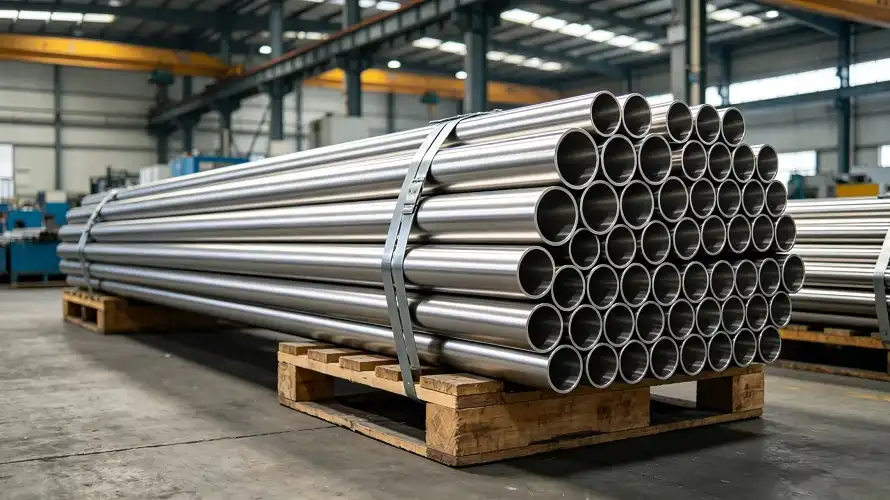
Gr5 Titanium Tube prices depend on the cost of the raw materials (which make up 60–70% of the total cost of the finished product), how hard it is to process, and how many orders are placed. For standard sizes, the minimum order quantity is usually 100 kg. At 500 kg, there are 8–12% discounts, and above 1,000 kg, there are 15–18% discounts. For custom sizes, you have to pay for special dies and tools, but these costs are spread out over bigger production runs. Choosing the right surface treatment has a small effect on the price. For example, bright annealing adds about 5–8% to the cost compared to standard pickling, and precision machining for tight concentricity can add 12–15%. International purchases usually require a 30% deposit, with the balance due upon receipt of shipping documents. However, long-term customers may be able to negotiate longer terms. We make more than 500 sets of titanium equipment every year, which lets us offer competitive prices while keeping the quality standards that have led to three years of 30%+ yearly revenue growth.
Conclusion
Ti-6Al-4V seamless tubing is where advanced metalworking meets realistic engineering. It solves the weight-strength problem that has been holding back the growth of high-performance cars. Its mechanical superiority over other materials, along with its resistance to corrosion and thermal stability, makes it a good choice for uses where failure would have unacceptable results. Precision in manufacturing and strict licensing standards guarantee that the quality of each production batch is the same, and the wide range of uses, from exhaust systems to suspension parts, shows how versatile the product is. Understanding technical needs, evaluating suppliers' skills, and finding the best order conditions are all important for successful procurement. As automotive engineering moves toward electrification and lightweighting requirements, more and more cars will be made from titanium alloy. Early users will benefit from speed and efficiency advantages that others won't have.
FAQ
1. Why does Gr5 outperform other titanium grades?
The tensile strength of Ti-6Al-4V is 2.5 times higher than that of pure Gr2 titanium that is sold in stores, and it also resists rust very well. Adding aluminum and vanadium together makes an alpha-beta microstructure that has better high-cycle fatigue performance, which is very important in active car use. Solution aging and heat treatment make it possible to change the strength in ways that aren't possible with single-phase CP grades.
2. Can Ti-6Al-4V withstand extreme temperature environments?
It can work at temperatures as low as -196°C and as high as 400°C for long periods of time, with short trips to 550°C. The inactive oxide film stays steady in this range, which stops the oxidation that breaks down steel alloys. A thermal expansion value of 8.6 μm/m·K keeps stress to a minimum in systems made of more than one material that are subjected to thermal cycling.
3. How do I order custom sizes beyond standard specifications?
Send our engineering team specific plans that show the outside diameter, wall thickness, length, surface finish, and mechanical property needs. To cover the cost of making the tools, the minimum order quantity for special sizes usually starts at 200 kg. Lead times are between 6 and 10 weeks, depending on how complicated the specifications are and how busy the factory is right now.
Partner With a Proven Gr5 Titanium Tube Manufacturer
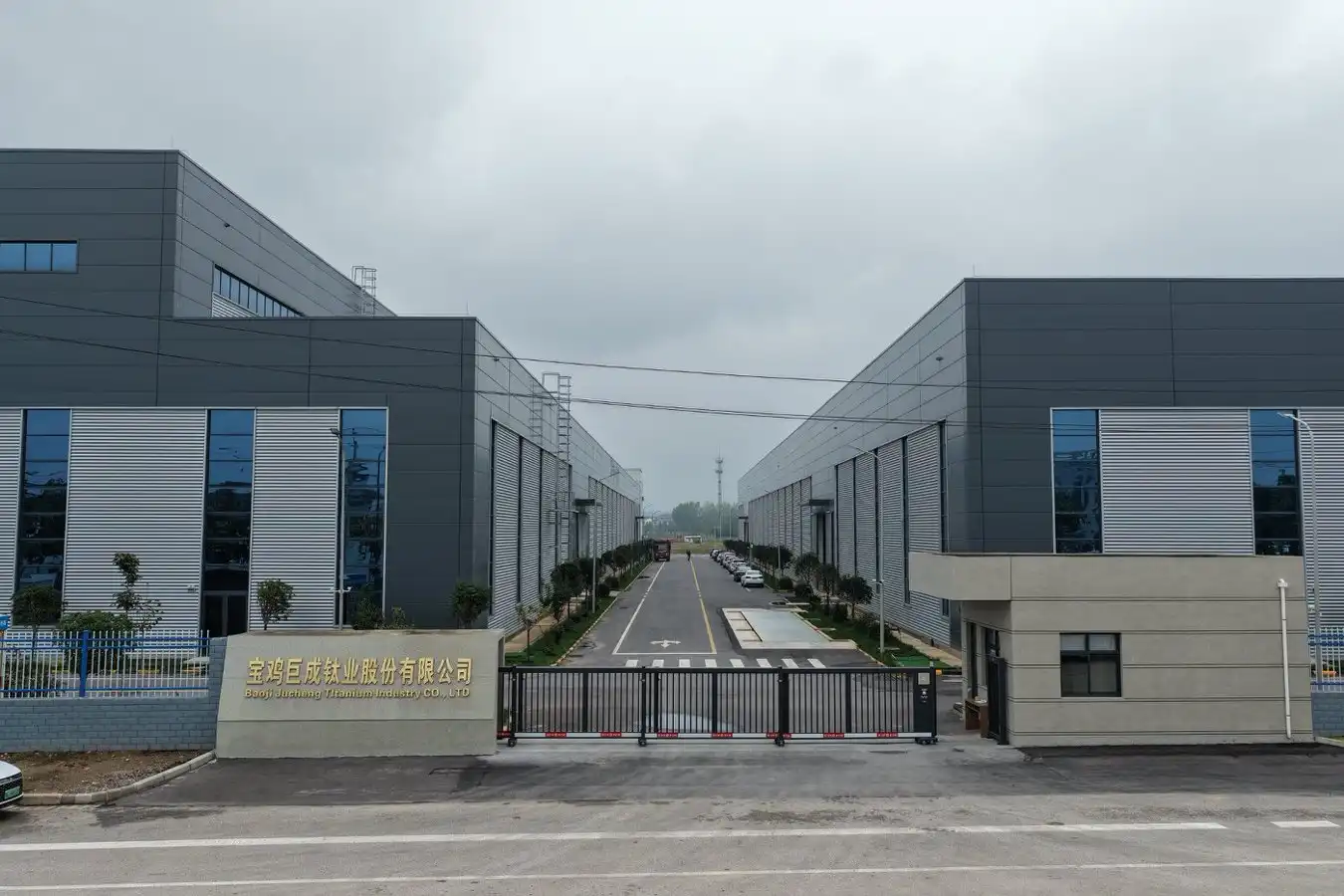
Automotive engineering needs materials and partnerships that always do what they say they will do. Baoji Jucheng Titanium Industry Co., Ltd. has been working with titanium for 20 years and can make parts for the aerospace, chemical processing, and high-performance automotive industries. Our seamless Ti-6Al-4V tubes are made to meet ASTM B861 and AMS 4942 standards. They also come with full material certifications and expert help for the whole process of making your product. We turn material problems into competitive benefits by keeping 3,000 tons of goods on hand for fast fulfillment and offering customization services that are made to fit your needs. Get in touch with our technical team at s4@juchengti.com to talk about your Gr5 Titanium Tube requirements and find out why leading OEMs trust Jucheng Titanium as their strategic supplier for mission-critical applications.
References
1. Boyer, R., Welsch, G., & Collings, E.W. (1994). Materials Properties Handbook: Titanium Alloys. ASM International, Materials Park, Ohio.
2. Donachie, M.J. (2000). Titanium: A Technical Guide, 2nd Edition. ASM International, Materials Park, Ohio.
3. Lütjering, G. & Williams, J.C. (2007). Titanium, 2nd Edition. Springer-Verlag, Berlin Heidelberg.
4. Peters, M., Kumpfert, J., Ward, C.H., & Leyens, C. (2003). Titanium Alloys for Aerospace Applications. Advanced Engineering Materials, Volume 5, Issue 6.
5. Schutz, R.W. & Watkins, H.B. (1998). Recent Developments in Titanium Alloy Application in the Energy Industry. Materials Science and Engineering A, Volume 243, Issues 1-2.
6. Veiga, C., Davim, J.P., & Loureiro, A.J.R. (2012). Properties and Applications of Titanium Alloys: A Brief Review. Reviews on Advanced Materials Science, Volume 32, Number 2.