
Understanding the grade 2 titanium plate Chemical Composition
Grade 2 titanium plate is commercially pure titanium that is made up of about 99% titanium and a small amount of managed minor elements. It is mostly made up of oxygen (0.25% maximum), iron (0.30% maximum), nitrogen (0.03% maximum), carbon (0.08% maximum), and hydrogen (0.015%). This exact balance of elements gives it great resistance to corrosion, a moderate tensile strength of 345 MPa, and great formability. This makes it the workhorse of the industrial world for chemical processing equipment, marine applications, and aerospace parts, where reliability and cost-effectiveness are important.
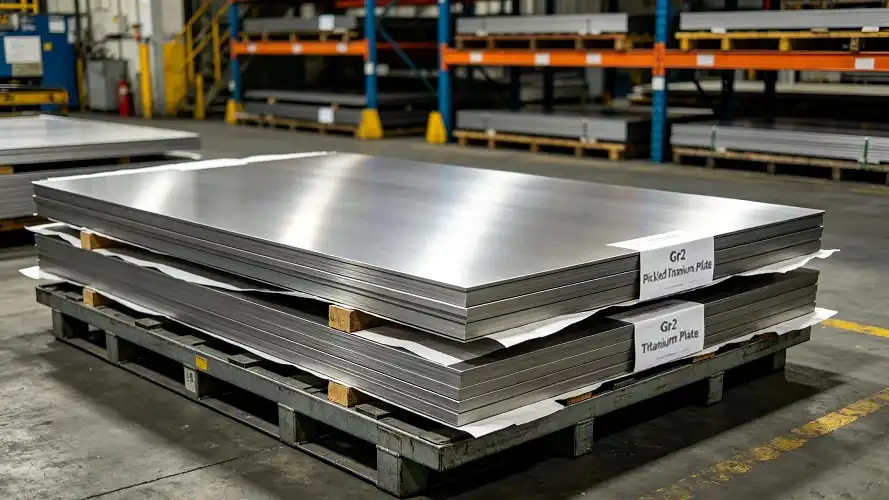
What is a Grade 2 Titanium Plate? Overview and Key Properties
When it comes to unalloyed titanium goods, commercially pure titanium Grade 2 is the most commonly used material. This substance is in the middle of the ultra-ductile Grade 1 and the stronger Grade 3 types. It has good mechanical strength and excellent chemical inertness.
Material Classification and Standards Compliance
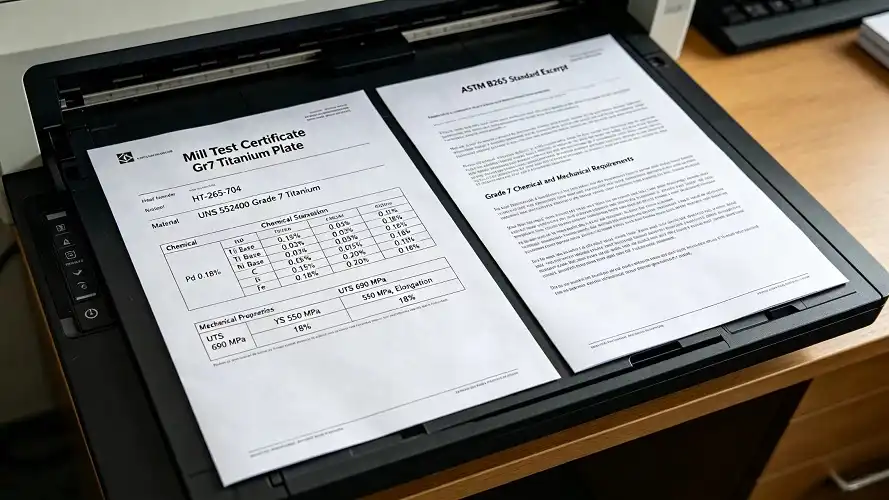
Grade 2 titanium plate strictly follows the rules set by ASTM B265, ASTM F67, AMS 4911, and ASME SB265. Chemical purity, mechanical properties, and size limits are all governed by these worldwide norms. The material stays in an alpha-phase crystal structure across its service temperature range. This directly leads to good weldability without the need for heat treatment after the welding process. Every batch we make comes with material approval and tracking paperwork. This gives aircraft makers and chemical equipment producers the trust they need to buy from us because they know we will follow the rules.
Mechanical and Physical Characteristics
The tensile strength is at least 345 MPa, the yield strength is 275 MPa, and the elongation is more than 20%. The material's density is 4.51 g/cm³, which is about 56% lighter than steel but still provides the same level of structural stability in places where rust is common. Since the melting point is 1660°C, it can be used in high-temperature situations without melting. When building offshore platforms, aeroplane structural parts, and mobile chemical processing skids, where weight reduction directly leads to operating efficiency and fuel savings, this strength-to-weight advantage becomes very important.
Corrosion Resistance Mechanisms
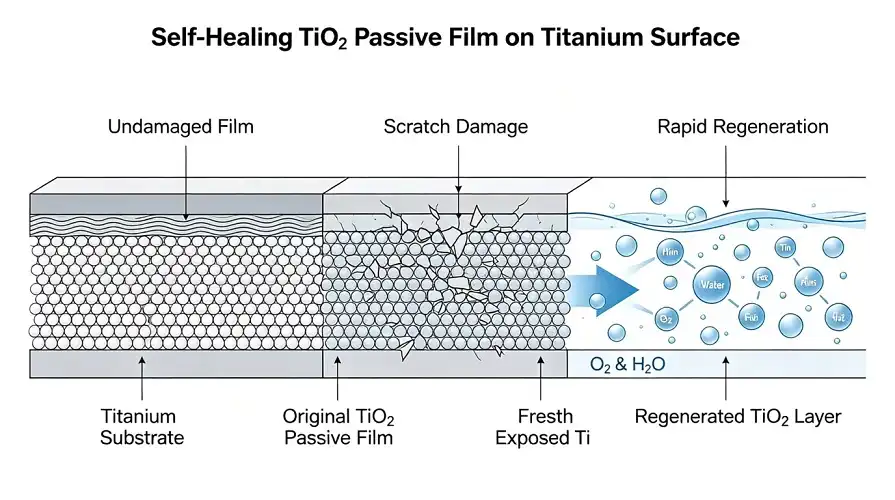
Grade 2 titanium plate makes a stable, self-healing titanium dioxide (TiO₂) passive film when it comes into contact with air. If this oxide layer is broken physically, it grows back right away. It protects against seawater, wet chlorine gas, hypochlorites, nitric acid, and organic acids all the time. While chloride environments cause pitting corrosion in stainless steels, commercially pure titanium stays structurally sound after decades of exposure. Power plants that use Multi-Stage Flash desalination systems depend on this natural resistance to corrosion to keep maintenance to a minimum and extend the life of their equipment beyond 25 years.
Chemical Composition of Grade 2 Titanium Plate: Core Elements and Their Roles
Understanding the elements that make up this material makes it clear why it works better than others in harsh manufacturing settings. Each of the basic elements has a special metallurgical role that affects how the metal is made and how long it lasts.
Titanium Base Content and Purity Requirements
At least 99% of the total composition is made up of the primary element. The rest is made up of controlled interstitial and substitutional elements. This high level of purity sets widely pure grades apart from titanium alloys like Ti-6Al-4V (Grade 5), which add aluminium and vanadium on purpose to make the metal stronger. The lack of alloying elements keeps the cold formability, which lets producers do complex bends, deep drawing, and hydroforming without having to do any annealing steps in between, which would make production more expensive and take longer.
Oxygen as a Strength Modifier
Oxygen content, up to 0.25% at most, serves as an alpha stabiliser that makes the material stronger and harder. As the oxygen level rises, the material moves toward Grade 3 standards, giving up some of its flexibility in exchange for better mechanical properties. Batch-to-batch uniformity is made possible by precise control of air during melting and processing. We keep oxygen levels within tight ranges using vacuum arc remelting (VAR) methods and handling in an inert atmosphere. This lets us provide reliable performance for important uses like aerospace fasteners and medical implant substrates, where variations in the material could put safety at risk.
Iron's Influence on Weldability
A concentration of up to 0.30% iron makes the material more resistant to corrosion in some reducing environments and makes it easier to weld. During solidification, iron is evenly spread throughout the titanium matrix. This improves the grain structure and helps the fusion zone form more smoothly during TIG and MIG welding. This element also makes it less likely that hydrogen will weaken the metal when it is welded in damp conditions. This is important for making chemical reactor vessels and marine pipe systems in the field, where controlled atmosphere welding might not be possible.
Nitrogen, Carbon, and Hydrogen Control
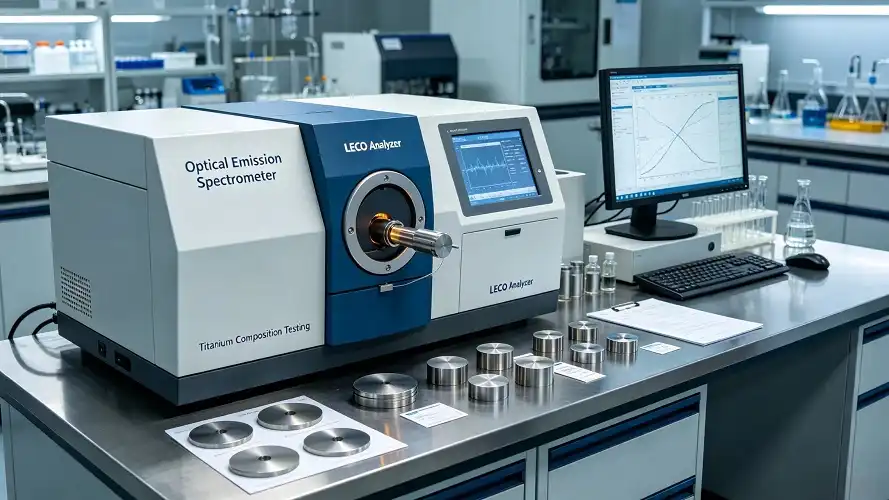
A maximum of 0.03% nitrogen helps make solid solutions stronger and more resistant to fatigue, but it needs to be tightly managed to keep them from becoming rigid. If there is more than 0.08% carbon in titanium, it can turn into titanium carbides, which make the metal less flexible and tough. Hydrogen is the most dangerous impurity, and its percentage should not be higher than 0.015 percent. Higher amounts cause splitting to take longer and hydride to form. As part of our quality control procedures, we use optical emission spectroscopy and LECO analysers to do thorough chemical analyses. These help us make sure that the composition meets our standards before releasing the material. These analytical methods can find trace elements with a level of accuracy of parts per million. This makes sure that every package meets the high purity standards needed for flight.
Comparing Grade 2 Titanium Plate with Other Grades and Materials
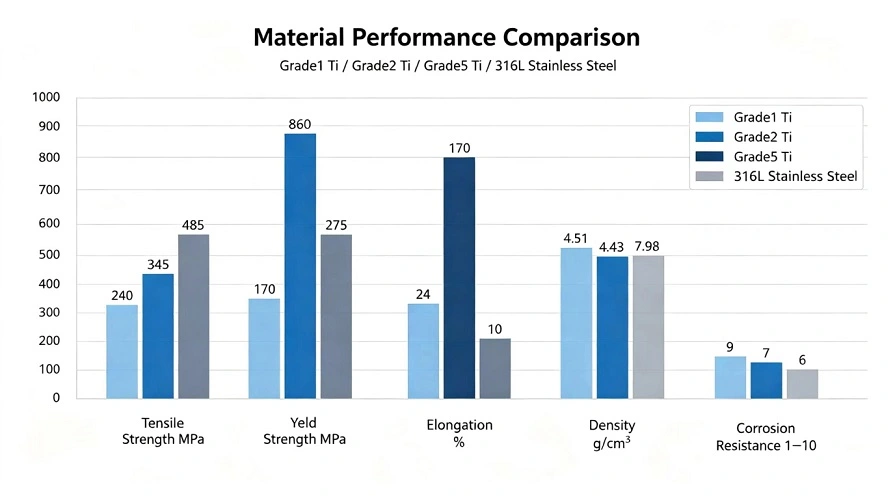
When choosing a material, you have to weigh the pros and cons of its functional performance, resistance to rust, ability to be shaped, and overall cost of installation. By comparing them, procurement experts can find the best options that meet the needs of the unique project.
Grade 2 versus Grade 1 Titanium
Grade 1 has a lower oxygen level (up to 0.18%) than Grade 2, which makes it more flexible but slightly weaker. Grade 1 might be better for uses that need a lot of cold forming or that need the highest elongation values. Grade 2 titanium plate, on the other hand, is stronger without making it much harder to shape. This makes it good for making pressure vessels with moderate internal pressures that need thicker wall sections. The price difference between these grades is still very small—usually less than 5%—so Grade 2 is usually the better choice unless there are special reasons why the lighter material should be used.
Grade 2 versus Grade 5 Titanium Alloy
Ti-6Al-4V (Grade 5) has a tensile strength of more than 900 MPa, which is almost three times as high as that of Grade 2, which is sold in stores. This alpha-beta metal is used in high-stress aircraft structural parts, turbine blades, and medical orthopaedic implants that need to be as strong as possible for their weight. In exchange, it has lower resistance to rust in some strong media, costs more (about 40–60% more than Grade 2), and needs to be welded in a more complicated way, which means it needs to be heated after the welding process. Commercially pure titanium is strong enough for chemical processing equipment that works at temperatures below 400 °C and has moderate mechanical loads. It also has better chemical resistance and is easier to work with.
Titanium Grade 2 versus Stainless Steel
Austenitic stainless steels, such as 316L, are very good at resisting rust in a wide range of settings and cost a lot less. But stress corrosion cracking and pitting corrosion caused by chloride reduce the service life of stainless steel in the chemical process and naval industries. Titanium is completely resistant to these failure modes, which makes up for the higher starting cost by extending service times and preventing expensive equipment breakdowns. We have records of situations where Grade 2 titanium heat exchangers were used instead of stainless steel units that broke after 18 to 24 months. The titanium equipment worked reliably for more than 15 years without any maintenance. Life-cycle cost analysis always shows that titanium is the best choice for uses that involve seawater, cleaning chemicals, and acidic condensates.
Welding and Heat Treatment Considerations
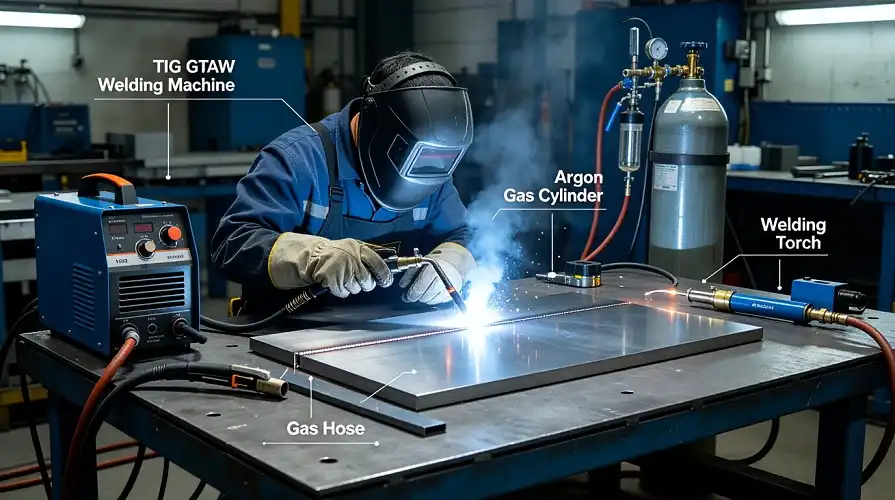
To keep the atmosphere from contaminating commercially pure titanium while it is being welded, it needs to be shielded with an inert gas like argon or helium. Because Grade 2 has a low interstitial content, it can be welded without preheating or post-weld heat treatment in most situations. This makes manufacturing easier than with alloy steels. When the right steps are taken during welding, the strength of the weld joint is usually the same as or greater than the strength of the base material. Our technical support team gives customers thorough welding procedure specs (WPS) and procedure qualification records (PQR). This makes sure that fabricators make joints that are defect-free and meet the ASME Section IX standards for pressure equipment approval.
How Grade 2 Titanium Plate Is Produced and Quality Controlled
The way a material is made has a direct effect on its chemical composition, mechanical properties, and consistency. Understanding how things are made helps people who work in buying see how the quality of different sources varies.
Melting and Refining Operations
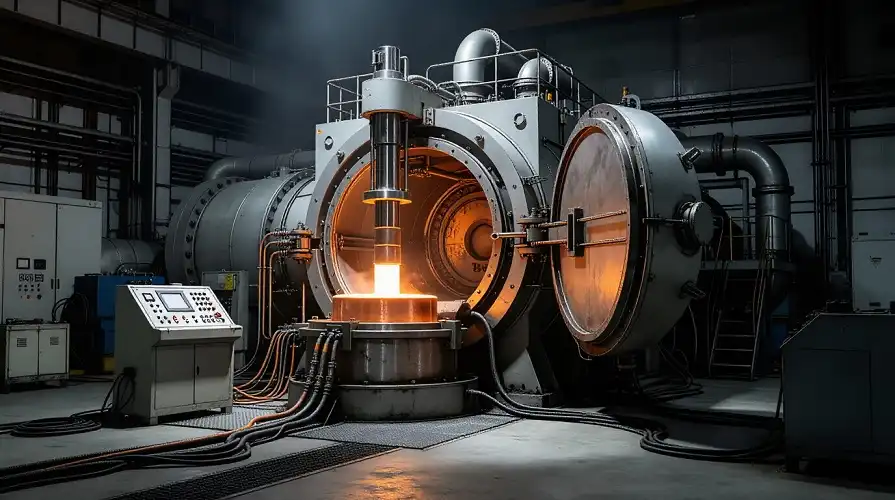
The process starts with making a titanium sponge, which is made by reducing titanium tetrachloride with magnesium. To make bars with a uniform makeup, the sponge is compressed and melted with electron beams or vacuum arc remelting (VAR). Double or triple VAR cycles get rid of any remaining impurities and make sure that the interstitial elements are spread out evenly. Multiple VAR furnaces are used at our plant, and the processes are monitored in real time. The melt pool temperatures are kept within ±10°C limits to control oxygen pickup and avoid segregation flaws. With this precise melting technology, bars are made whose chemistry and grain structure can be predicted. This sets the stage for consistent plate qualities.
Hot Rolling and Annealing Processes
After breakdown forging, ingots are hot rolled at temperatures between 870°C and 950°C. Multiple passes of rolling lower the width gradually, and reheating processes in between keep the temperature at the best level for working. After being hot-rolled, the plate is annealed at 650–750°C to remove any remaining stresses and improve the grain structure. Controlling the annealing atmosphere keeps the dimensions stable and stops the surface from oxidising. We use programmable roller hearth furnaces that are protected by a nitrogen atmosphere. This lets us keep the temperature even across the width and length of the plate. This controlled heat processing makes sure that the mechanical traits are the same across all plate sizes.
Surface Treatment and Finishing
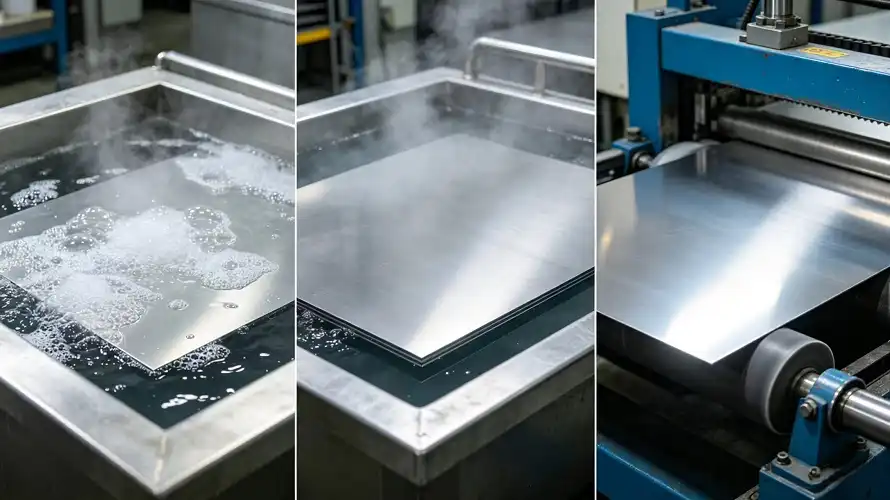
Plates that have been annealed are pickled in hydrofluoric acid and nitric acid solutions to get rid of oxide scale and surface alpha case. This chemical process makes metal surfaces clean enough to be used for welding and rusting. For pharmaceutical-grade equipment, other surface processes include machining to get very close to the specs on dimensions and polishing. Custom requirements can be met by our working skills, which include:
- Thicknesses ranging from 4mm to 80mm, making the structure adaptable to a wide range of uses.
- Large heat exchanger tube sheets and reactor vessel cladding can fit on widths between 950 mm and 2500 mm.
- Length can be extended up to 10,000 mm for making continuous process equipment.
- Custom size cuts down on wasteful materials and labour costs in the manufacturing process.
Some surface styles are acid-pickled, machined, and polished, all of which meet the Ra values that buyers specify. Tolerances for flatness meet ASTM B265 standards, making sure that plates stay within 1% deviation per metre of length for accurate fabrication.
Quality Assurance and Certification Practices
Every batch of products goes through a lot of tests, such as a study of the chemicals used, tensile testing, hardness verification, and an ultrasonic check to make sure the inside is sound. We keep our ISO 9001 quality management certification up to date and run testing labs that meet ISO/IEC 17025 standards. Shipments come with chemical analysis results, mechanical test reports, and material certifications, which make it possible to track everything from the melt number to the delivery of the finished product. This paperwork meets the AS9100 quality standards for aerospace products and the NADCAP special process certifications that defence contractors and commercial aircraft manufacturers need.
Procurement Guide: Buying Grade 2 Titanium Plate with Confidence
To successfully buy materials, you need to look at the skills of suppliers beyond price quotes. Strategic buying looks at things like quality processes, expert help, inventory levels, and the ability to move goods.
Supplier Qualification Criteria
Reliable titanium providers keep certifications that show they can control the production process and make sure the quality of the product. Systematic quality management is shown by ISO 9001 certification, and controls for critical aerospace materials are shown by AS9100 certification. Accreditation from NADCAP for chemical processing and non-destructive testing shows that a company has the right technical skills. Instead of outdated credentials, buyers should ask for copies of current licenses and audit reports that show ongoing compliance. Independent registrars do surveillance audits of our certifications once a year. This gives customers peace of mind that the quality system will always be maintained.
Chemical Composition Verification
Instead of depending on general product specifications, ask for certificates of analysis (COA) for particular lots of materials. The COA should have the exact amounts of all the elements listed in ASTM B265; this includes oxygen, nitrogen, carbon, hydrogen, iron, and any other elements that are still present. Check the reported values against the specified limits to make sure there is enough room for analytical uncertainty. Customers can check the accuracy of test results and see the original spectrometer data if they need to by using our digital COA documents that have QR codes that link to records in a laboratory information management system.
Pricing Structures and Total Cost Analysis
The price of a material depends on how pure it is, how much of it is made, and where it is in the supply line. Commercially pure titanium weighs about 2.5 to 3.5 times as much as stainless steel of the same weight, but it lasts longer and costs less to maintain. The best way to get the best prices is to buy in bulk in semi-truck loads, which are usually between 10 and 15 metric tonnes. We keep more than 3,000 tonnes of different kinds in stock, so we can fill orders quickly without having to wait for special production lead times. Customers can get standard-sized materials within 5–10 business days thanks to this stocking depth. For mill-direct purchase, it usually takes 12–16 weeks.
Logistics and Lead Time Management
When sending Grade 2 titanium plates internationally, they need to be properly packed to keep the surface from getting damaged during transport. Plates should come wrapped in materials that don't absorb water and in wooden crates to protect them during shipping. Ocean freight is still the most cost-effective way to ship large amounts of goods, while air freight meets immediate needs despite having higher transportation costs. Our transportation team handles customs paperwork, freight transfer, and delivery schedules, making sure that materials get to customer facilities on time. We work with heavy-haul carriers that are trained to handle toxic metals, which lowers the risk of damage during delivery.
Technical Support and Customization Services
In addition to providing materials, full expert support is very helpful for complicated tasks. Engineering help should include coming up with new welding procedures, giving advice on fabrication, and suggesting materials that are best for a certain purpose. We offer thorough technical data sheets, material safety data sheets (MSDS), and fabrication guides that were made with 20 years of experience in the field in mind. During the design process, our engineering team works with customers to choose the best materials and thicknesses so that performance standards are met while costs are kept low. Chemical equipment makers, aerospace component providers, and marine engineering firms all over North America and Europe have been able to complete projects successfully with this consultative method.
Conclusion
The chemical makeup of pure titanium Grade 2 directly affects how well it resists rust, how strong it is, and how easy it is to work with. When you control the amounts of oxygen, iron, nitrogen, carbon, and hydrogen in a material, it becomes perfectly balanced for use in harsh industrial settings where it needs to last for a long time. Knowing these structural factors helps you make smart purchasing decisions that make sure the performance of the materials meets the needs of the project. Your investment and project plan will be safe if you choose suppliers based on quality certifications, analytical skills, and expert support resources. When you combine high-quality materials with skilled suppliers, you get the best value over the life of the tools.
FAQ
1. Why does the chemical makeup of the Grade 2 titanium plate have such a big effect on its resistance to corrosion?
Titanium is very good at attracting oxygen, so the passive titanium dioxide film that protects against corrosion forms right away. Interstitial elements like oxygen and nitrogen make this protective layer stronger, but too much carbon or hydrogen can damage the film's integrity. In reducing conditions, the presence makes passivation. Precise compositional control ensures that the film forms consistently in all working situations. This stops localised rusting and increases the life of the equipment.
2. Can heat treatment modify the properties of commercially pure Grade 2 titanium?
Because it doesn't have any alloying elements that form secondary phases, commercially pure titanium doesn't respond very well to heat treatment. Annealing reduces leftover stresses and improves the structure of the grains, but it doesn't cause age stiffening or precipitation strengthening. In the annealed state, properties stay mostly the same, so cold working is the best way to change strength when better mechanical qualities are needed than what Grade 2 can provide.
3. How does chemical composition affect welding parameters for Grade 2 titanium plate?
Low interstitial content in Grade 2 titanium makes it less likely to weaken during welding and crack when heated. Since there are no alloying elements, there are no worries about preferred vaporisation or weld pool segregation, which can happen in alloy systems. It is possible for the weld heat input to be higher than Grade 5 titanium without damaging the metal, which makes the method approval process easier. Proper inert gas protection is still necessary, no matter what the makeup is, to keep the atmosphere from getting contaminated during solidification.
Partner with Jucheng Titanium for Superior Grade 2 Titanium Plate Supply
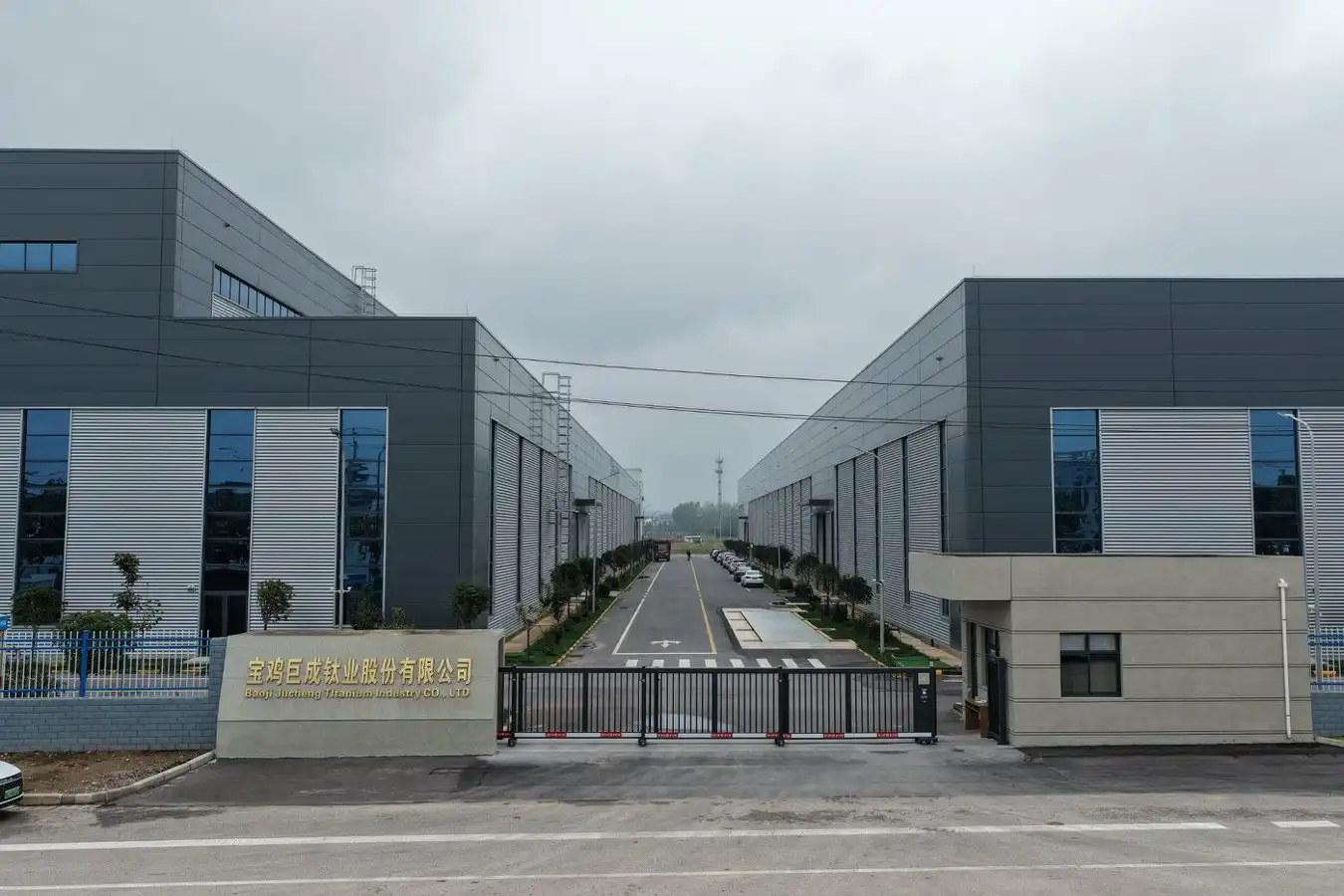
Baoji Jucheng Titanium Industry Co., Ltd. has been in the titanium business for more than 20 years and knows how to help you get what you need. As a national "little giant" business and National High-Tech Enterprise, we keep over 3,000 tonnes of Grade 2 titanium plate ready to ship right away. The plates come in widths ranging from 4mm to 80mm, and they can be custom-sized up to 10,000mm long. Our hot-rolled and annealed titanium plates are certified to meet ASTM B265, AMS 4911, and ASME SB265 standards for chemical composition and come with full traceability documentation. We have over 70% of the market share in hydrometallurgy uses and sell titanium tools to the aerospace, chemical processing, and defence industries around the world. We are located in Baoji, China, which is known as the "Titanium Valley." If you need a dependable source for grade 2 titanium plate for aerospace parts, chemical reactors, or marine equipment, email our team at s4@juchengti.com to talk about your needs and get a reasonable quote backed by ISO 9001 certification and full expert support.
References
1. ASTM International. (2020). ASTM B265-20: Standard Specification for Titanium and Titanium Alloy Strip, Sheet, and Plate. West Conshohocken, PA: ASTM International.
2. Boyer, R., Welsch, G., & Collings, E.W. (1994). Materials Properties Handbook: Titanium Alloys. Materials Park, OH: ASM International.
3. Schutz, R.W. & Thomas, D.E. (1987). Corrosion of Titanium and Titanium Alloys. In ASM Handbook Volume 13: Corrosion. Materials Park, OH: ASM International.
4. Peters, M., Kumpfert, J., Ward, C.H., & Leyens, C. (2003). Titanium Alloys for Aerospace Applications. Advanced Engineering Materials, 5(6), 419-427.
5. Donachie, M.J. (2000). Titanium: A Technical Guide, 2nd Edition. Materials Park, OH: ASM International.
6. Lutjering, G. & Williams, J.C. (2007). Titanium, 2nd Edition. Berlin: Springer-Verlag.