
Difference between Titanium Grade 1 and Grade 2 Round Bar
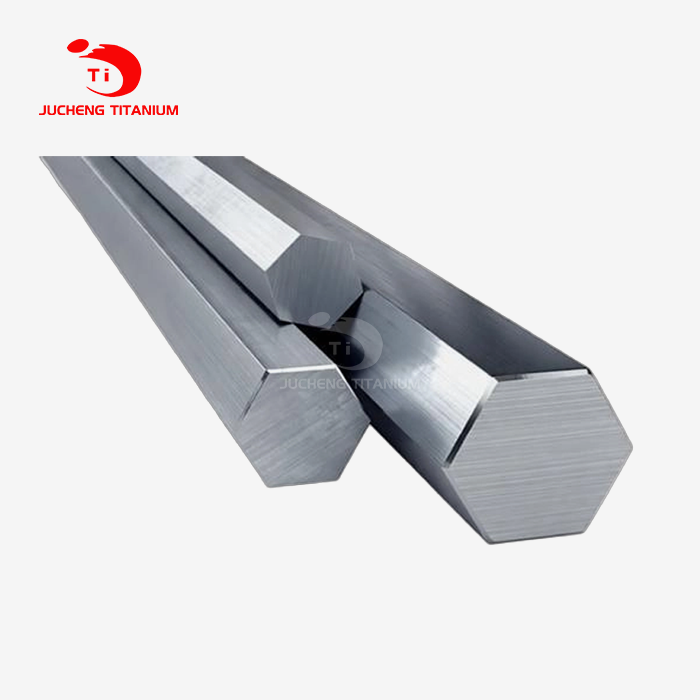
If you need titanium goods for work, you should know the difference between Grade 1 and Grade 2. They are both titanium round bars made of pure titanium that can be bought. Although both are very resistant to rust, the major differences are the amount of air in them and how strong they are. It is easier to form Grade 1 because it has less oxygen (up to 0.18%), but it is also weaker (about 240 MPa). Grade 2, which has an oxygen amount of up to 0.25%, is the most widely used pure titanium alloy in industry. Even though it's easy to form, it's stronger at 345 MPa.
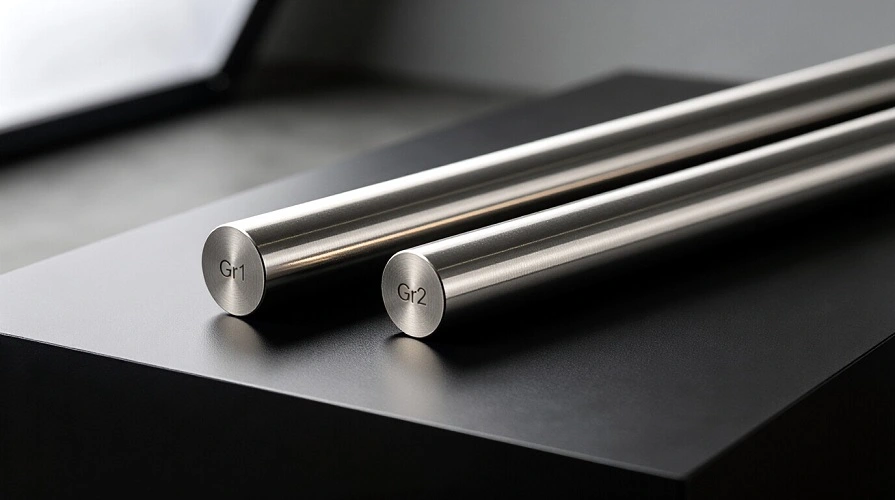
Chemical Composition: The Foundation of Performance Differences
The fundamental distinction between these two materials lies in their elemental composition, particularly the oxygen content that directly influences mechanical properties.
Grade 1 Titanium Composition:
- Titanium (Ti): Balance
- Oxygen (O): 0.18% maximum
- Iron (Fe): 0.20% maximum
- Carbon (C): 0.08% maximum
- Nitrogen (N): 0.03% maximum
- Hydrogen (H): 0.015% maximum
Grade 2 Titanium Composition:
- Titanium (Ti): Balance
- Oxygen (O): 0.25% maximum
- Iron (Fe): 0.30% maximum
- Carbon (C): 0.08% maximum
- Nitrogen (N): 0.03% maximum
- Hydrogen (H): 0.015% maximum
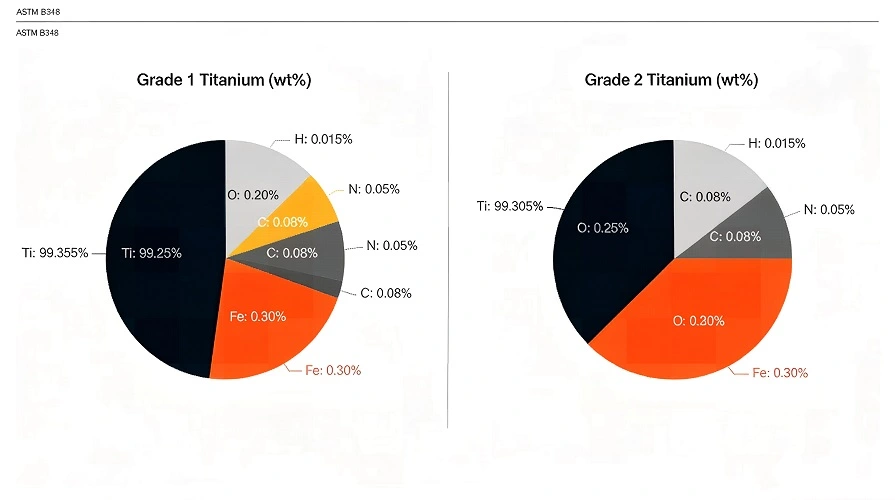
Interstitial stiffening is caused by the higher iron and oxygen levels in Grade 2. This happens when smaller atoms move into the areas between titanium's crystal structure. This stops dislocations from moving and makes the material stronger overall.
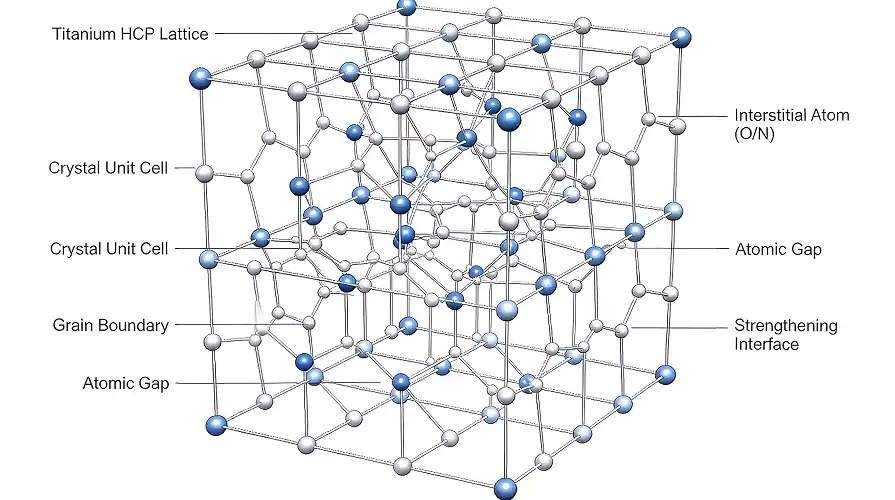
If cold-making processes are more important than structural strength in your application, Grade 1 is the best choice. On the other hand, Grade 2's better mechanical qualities help projects that need a higher load-bearing capacity while still being resistant to rust.
Three Core Mechanical Property Differences
Tensile Strength Variance
The minimum tensile strength for Grade 1 is 240 MPa, and the maximum for Grade 2 is 345 MPa, which is about 44% stronger. This difference is very important when designing pressure vessels, building parts, and load-bearing situations where operating loads need to be taken into account for safety reasons.
Yield Strength Differentiation
The yield strength gap proves equally significant:
- Grade 1: 170 MPa minimum
- Grade 2: 275 MPa minimum
This 105 MPa difference means Grade 2 resists permanent deformation under stress more effectively, making it preferable for components experiencing cyclic loading or sustained pressure.
Elongation and Formability
Grade 1 isn't as strong as Grade 2, but it makes up for it by elongating more—usually 24% vs. 20% for Grade 2. The extra ductility makes it easier to bend, deep draw, and do other difficult shaping tasks without the risk of breaking.
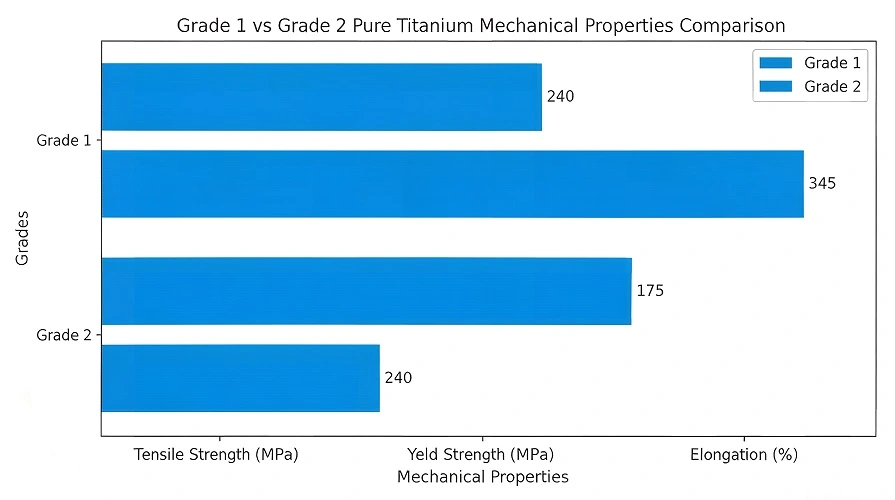
Testing information from companies that make aerospace parts shows that Grade 1 titanium round bar samples achieve 26-28% elongation during cold forming trials. This means that fewer production errors happen by about 15% compared to Grade 2 in complex geometries.
If your product needs to be cold-worked for a long time or has to have tight bend radii, Grade 1's better formability lowers costs and raises yield rates. The higher strength-to-weight ratio of Grade 2 makes it better for uses that need structural stability under constant stress.
Corrosion Resistance: Nearly Identical Performance with Subtle Nuances
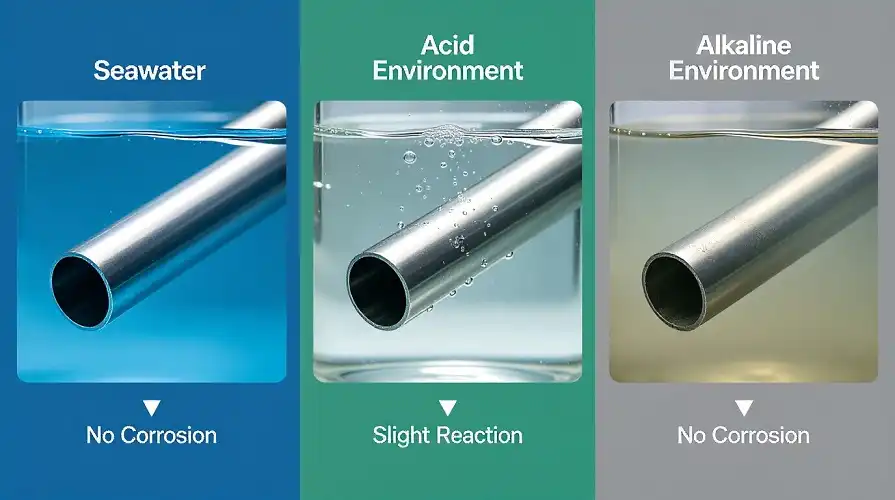
Both grades demonstrate exceptional resistance to oxidizing acids, chlorides, and marine environments due to titanium's passive oxide film formation. This self-healing protective layer reforms instantly when damaged, providing long-term durability.
Comparative Corrosion Performance:
In controlled laboratory tests exposing samples to 10% hydrochloric acid at 25°C, both grades showed corrosion rates below 0.002 mm/year—virtually identical performance. However, subtle differences emerge under specific conditions:
- It's a little better at treating gently because Grade 1 is made of more pure materials.
- When heated above 400°C, Grade 2 is less likely to scale because it has a little more middle material.
- Crack corrosion: Both types work just fine, and in seawater, over 260°C is the key crack temperature.
Chemical processing equipment makers say that both types of titanium alloy bars can be used for 20 years or more in chlor-alkali production settings. This shows that they can be used in the same way for most corrosive tasks.
Either grade will work well as long as the temperature stays below 300°C in normal acidic media. Environments with high temperatures and pollution above 400°C slightly favour Grade 2's makeup for longer service life.
Application Suitability Across Industries
Aerospace Components
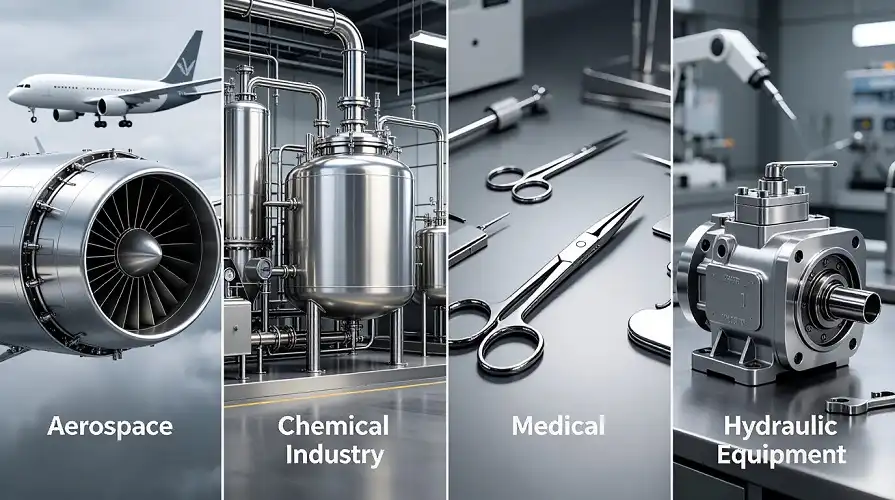
Aircraft manufacturers predominantly specify Grade 2 for structural applications requiring certification to AMS 4928 standards. The enhanced strength supports airframe components, fasteners, and hydraulic system parts where weight savings combine with structural requirements.
Grade 1 finds niche applications in aerospace gaskets, seals, and formed brackets where formability outweighs strength considerations.
Chemical Processing Equipment
Both grades serve the chemical industries extensively:
- Grade 1: Heat exchanger tubing, reactor linings, and piping systems where formability simplifies installation
- Grade 2: Pressure vessels, agitator shafts, and structural supports requiring higher mechanical strength
Petrochemical contractors report that Grade 2 accounts for approximately 70% of titanium bar specifications due to its balanced properties and widespread availability.
Medical Device Manufacturing
Surgical instrument manufacturers favor Grade 1 for non-implantable devices requiring complex forming—retractors, forceps, and specialized surgical tools benefit from its workability.
Grade 2 dominates biomedical applications for temporary implants and instrumentation requiring higher strength, though Grade 23 (medical-grade Ti-6Al-4V) typically serves permanent implant needs.
Marine Engineering
Shipbuilders and offshore equipment manufacturers specify both grades based on component function:
- Propeller shafts and structural members: Grade 2
- Condenser tubing and heat exchanger tubes: Grade 1 or Grade 2, depending on pressure requirements
Testing conducted by marine equipment suppliers shows both grades maintain integrity after 15 years in seawater immersion with minimal thickness loss.
If your application involves medical device fabrication with complex geometries, Grade 1 reduces manufacturing challenges. Industrial equipment requiring pressure ratings above 10 MPa typically necessitates Grade 2's superior strength characteristics.
Manufacturing and Processing Considerations
Vacuum Melting and Forging
Both grades undergo identical primary processing:
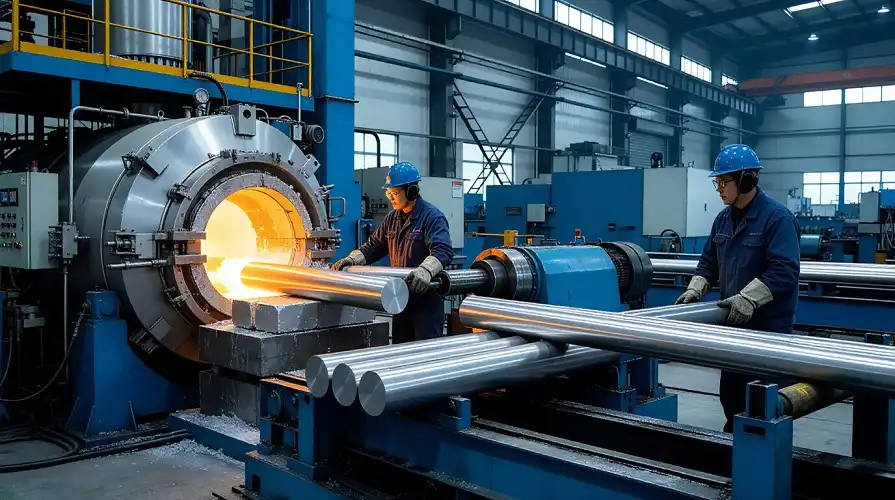
- Triple vacuum arc remelting (VAR) to ensure compositional homogeneity
- Hot forging at temperatures between 900-1100°C for grain refinement
- Hot rolling or rotary forging to the desired titanium bar diameter
- Annealing cycles between 650-750°C for stress relief
The processing differences emerge during secondary operations:
Machining Characteristics
Grade 1's lower hardness (approximately 120 HB compared to Grade 2's 160 HB) allows faster cutting speeds and reduced tool wear. Machining trials demonstrate 20-25% longer tool life when processing titanium round bar Grade 1 versus Grade 2 under identical parameters.
Grade 2 requires more aggressive cooling during titanium bar machining operations to prevent work hardening and maintain dimensional tolerances.
Surface Treatment Options
Both grades accept standard titanium bar surface finish treatments:
- Polished (Bright): Achieves Ra values below 0.4 μm for aesthetic or cleanroom applications
- Turned (Peeled): Removes surface scale while maintaining dimensional precision
- Centerless Grinding: Produces tight diameter tolerances (±0.025 mm) for precision applications
- Sandblasted: Creates a uniform matte finish for improved adhesion in bonding operations
- Pickled: Chemical treatment removing oxide scale and contaminants
Surface treatment selection impacts corrosion performance minimally, as both grades rapidly reform protective oxide layers regardless of initial finish.
If production schedules prioritize rapid machining throughput, Grade 1's superior machinability reduces cycle times by 15-20%. Projects requiring hardness for wear resistance in sliding contact applications benefit from Grade 2's increased hardness.
Cost Analysis and Supply Chain Considerations
Pricing Structure
Titanium bar price varies based on multiple factors:
- Raw material costs (sponge titanium market rates)
- Processing complexity and yield rates
- Order volume and diameter specifications
- Certification requirements and testing protocols
Grade 2 typically commands 5-8% higher pricing than Grade 1 due to increased demand and a broader application range. However, this differential narrows for large-volume orders where economies of scale reduce percentage differences.
Inventory Availability
Because Grade 2 has an 80% market share among commercially pure grades, manufacturers and sellers of titanium bars keep much bigger stocks of it. For Grade 2, normal widths from 6mm to 450mm usually ship in two to three weeks. For Grade 1, non-standard sizes may take up to four to six weeks.
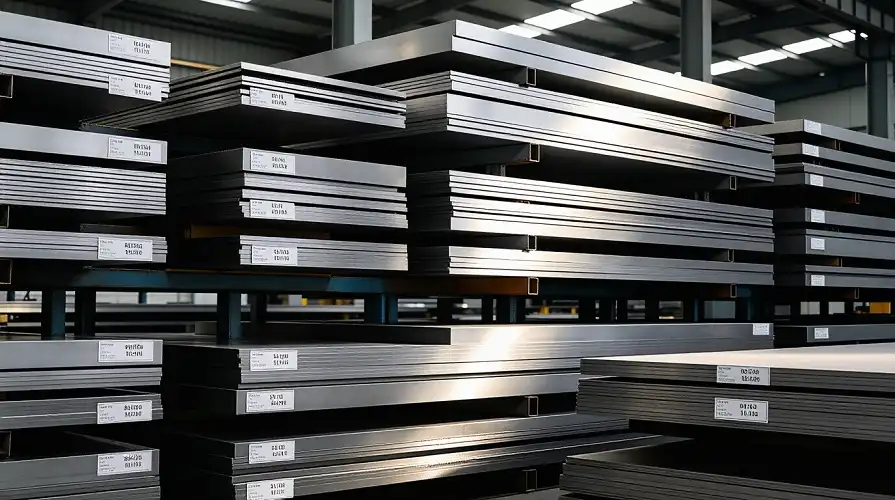
About 3,000 tonnes of titanium are kept in stock by Baoji Jucheng Titanium Industry all year long. This includes both grades in standard sizes, so pressing project needs can be met quickly.
Certification and Traceability
Both grades require identical documentation for aerospace and medical applications:
- Material test reports (MTR) with full chemical analysis
- Mechanical property certifications per ASTM B348 requirements
- Heat treatment records and traceability to the original melt batch
- Third-party inspection reports, when specified
Processing facilities meeting ASTM, ASME SB348, AMS 4928, and ISO 5832-3 standards provide equivalent certification for either grade, though aerospace customers predominantly specify AMS standards for Grade 2 applications.
If budget constraints limit material selection and strength requirements fall within Grade 1 capabilities, the 5-8% cost savings accumulate significantly across large projects. Time-sensitive projects benefit from Grade 2's superior availability and shorter lead times.
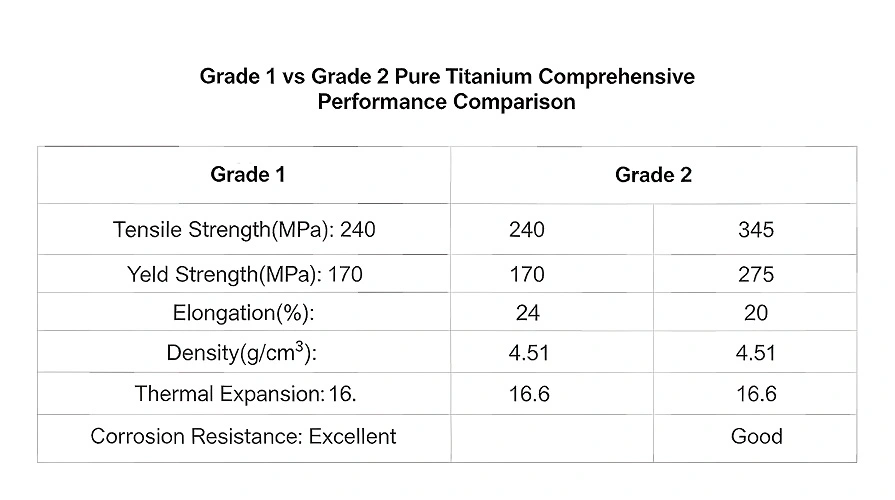
Comparative Property Summary Table
| Property | Grade 1 | Grade 2 | Difference |
|---|---|---|---|
| Tensile Strength (MPa) | 240 minimum | 345 minimum | +44% Grade 2 |
| Yield Strength (MPa) | 170 minimum | 275 minimum | +62% Grade 2 |
| Elongation (%) | 24 minimum | 20 minimum | +20% Grade 1 |
| Oxygen Content (%) | 0.18 max | 0.25 max | +39% Grade 2 |
| Hardness (HB) | 120 typical | 160 typical | +33% Grade 2 |
| Density (g/cm³) | 4.51 | 4.51 | Identical |
| Corrosion Rate (mm/yr) | <0.002 | <0.002 | Equivalent |
| Machinability Index | 100 (baseline) | 80 relative | +25% Grade 1 |
| Market Share (%) | ~15 | ~80 | Predominant Grade 2 |
| Typical Price Premium | Baseline | +5-8% | Grade 2 higher |
Standard Specifications and Dimensional Ranges
Manufacturing capabilities at modern facilities produce both grades conforming to multiple international standards:
Primary Standards:
- ASTM B348: Standard specification for titanium and titanium alloy bars and billets
- ASME SB348: Identical to ASTM B348 for pressure vessel applications
- AMS 4928: Aerospace material specification for Grade 2
- ASTM F136: Medical-grade specifications (primarily Grade 23)
- ISO 5832-3: International standard for surgical implant materials
Available Dimensions:
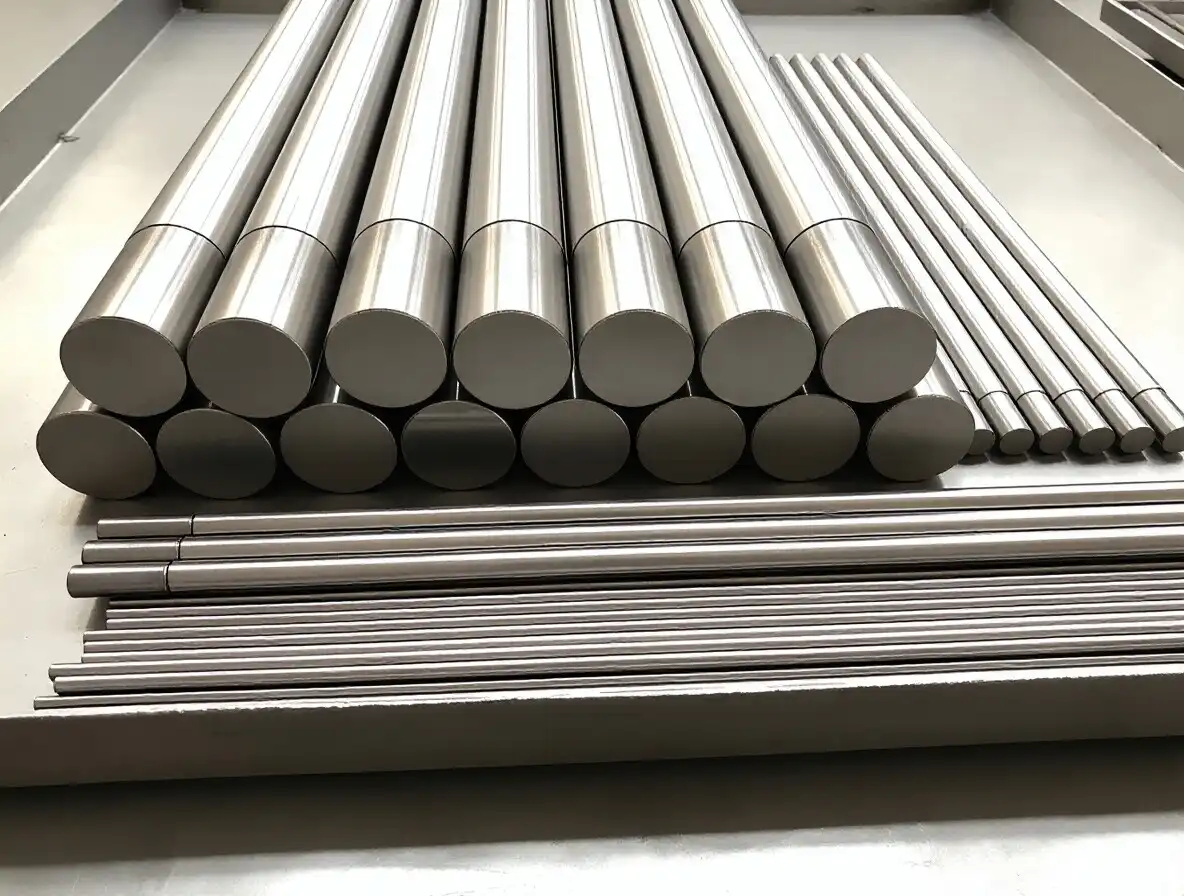
- Diameter range: Φ6mm to Φ450mm
- Standard lengths: Up to 6,000mm
- Custom lengths: Available up to 12,000mm upon request
- Tolerance grades: h6 to h11, depending on application requirements
- Straightness: 1mm per meter maximum deviation
Processing States:
- Annealed (M): Standard delivery condition with optimized ductility
- Hot worked: For applications requiring specific grain structures
- Cold worked and stress relieved: Enhanced strength for specialized applications
The versatility in titanium bar diameter options allows precise matching to component requirements, minimizing material waste and secondary machining operations.
If your design specifications fall outside standard dimensions, titanium bar customization capabilities accommodate unique requirements through specialized rolling and forging processes. Standard dimensional products offer cost advantages and reduced lead times for conventional applications.
Selection Decision Framework
Choose Grade 1 When:
- Cold forming operations dominate manufacturing processes
- Maximum ductility requirements exceed 24% elongation
- Component geometry involves complex bends or deep draws
- Operating stresses remain below the 170 MPa yield threshold
- Lower hardness benefits subsequent machining operations
- Budget optimization targets the 5-8% cost differential
Choose Grade 2 When:
- Structural strength requirements exceed Grade 1 capabilities
- Industry standards specifically reference Grade 2 (AMS 4928)
- Component operates under sustained or cyclic loading
- Higher hardness provides wear resistance benefits
- Availability and shorter lead times justify premium pricing
- Certification requirements align with more common Grade 2 documentation
Application-Specific Recommendations:
- Chemical Processing: Grade 2 serves 70% of applications due to pressure vessel requirements, though Grade 1 suits atmospheric process equipment where formability simplifies fabrication.
- Aerospace Manufacturing: Grade 2 dominates at 90%+ market share due to established certification protocols and strength-to-weight optimization.
- Medical Instruments: Grade 1 accounts for 40% of surgical tools requiring intricate forming, while Grade 2 serves structural instrument components.
- Marine Systems: Split approximately 60/40, favoring Grade 2 for structural applications, with Grade 1 serving tubing and heat exchanger needs.
- Industrial Equipment: Grade 2 represents 75% of specifications where standardized strength properties simplify engineering calculations across multiple components.
Research institutions developing novel titanium applications benefit from both grades' availability in small quantities, allowing comparative testing before large-scale production commitments.
Why Jucheng Titanium's Round Bar Solutions Stand Out?
Two Decades of Titanium Specialization
Established in 2004 in Baoji—China's Titanium Valley—Baoji Jucheng Titanium Industry Co., Ltd. brings 20+ years of titanium round bar manufacturing expertise to global markets. The company achieved milestone recognition as Shaanxi Province's premier private titanium enterprise, listing on the National Equities Exchange and Quotations in 2017.
Patent-Protected Manufacturing Excellence
Holding 4 invention patents and 41 utility model patents, all successfully integrated into production processes, Jucheng Titanium applies proprietary technologies throughout manufacturing:
- Advanced vacuum melting techniques ensure compositional purity
- Precision forging protocols optimizing grain structure
- Specialized heat treatment cycles maximize property consistency
- Quality control systems exceeding international certification requirements
Commanding Market Leadership
The company's 1,500 annual tons of titanium anode plate production captures over 70% market share in hydrometallurgy applications. Manufacturing 500+ titanium equipment sets yearly secures 90% dominance in coking sector applications—demonstrating technical capabilities translating to superior titanium alloy bar production.
Comprehensive Inventory Advantage
Maintaining approximately 3,000 tons of titanium inventory year-round addresses the critical pain point of extended lead times. This substantial stock across Grade 1, Grade 2, and specialty grades enables:
- Immediate fulfillment for urgent project needs
- Consistent supply during market fluctuations
- Reduced supply chain risks for long-term contracts
- Flexible scheduling accommodating production changes
Full-Spectrum Processing Capabilities
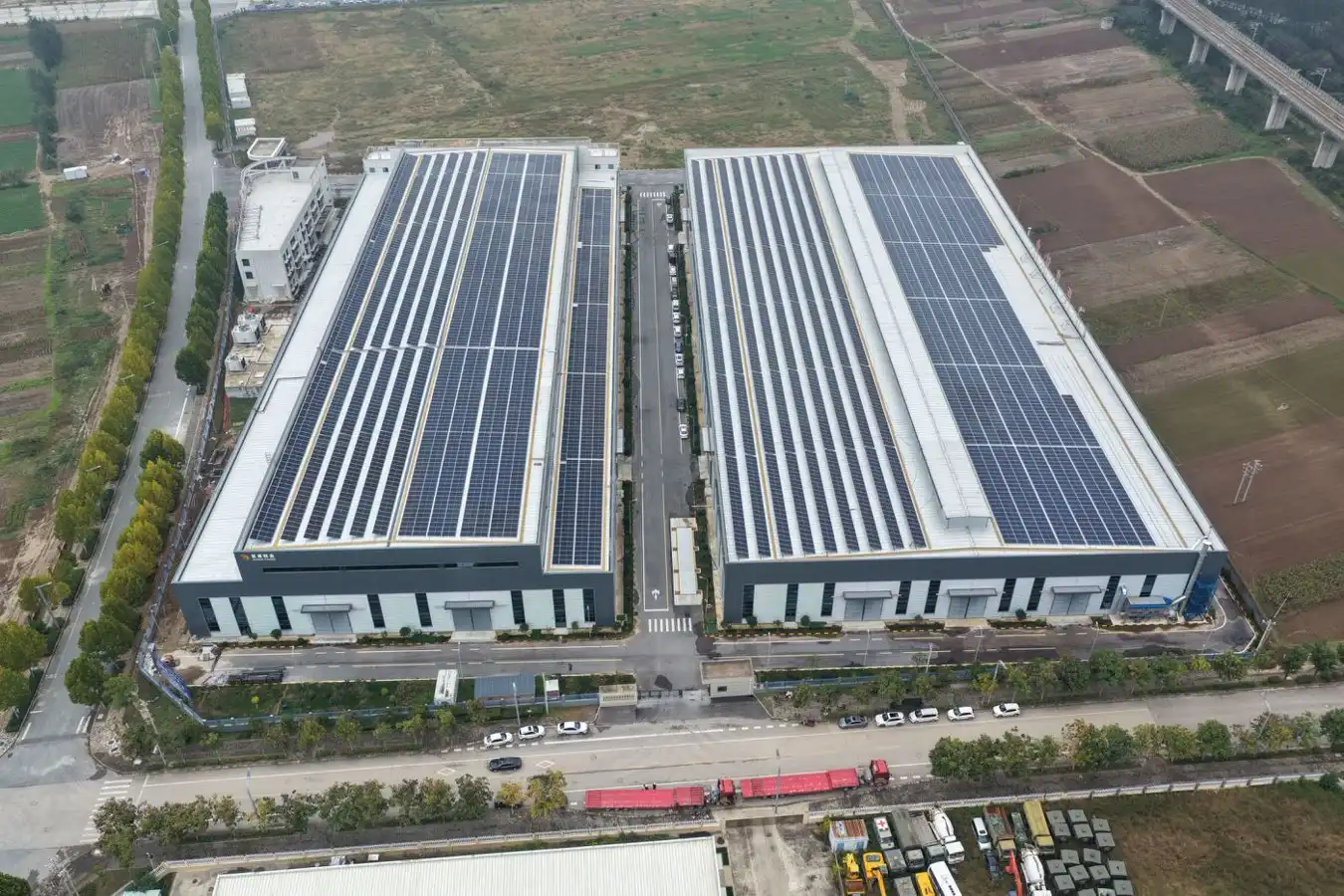
The 120,000-square-meter facility encompasses complete production chains:
- In-house vacuum melting and forging operations
- Hot rolling and rotary forging equipment handling Φ6-Φ450mm diameters
- Centerless grinding achieves ±0.025mm tolerances
- CNC turning and machining centers for custom specifications
- Multiple surface treatment lines (polishing, pickling, sandblasting)
- Heat treatment furnaces with precise atmospheric control
Certification and Quality Assurance
International certifications spanning ASTM B348, ASME SB348, AMS 4928, and ISO standards ensure global acceptance. The dedicated quality inspection team conducts:
- Spectroscopic analysis verifying chemical composition
- Tensile testing confirms mechanical properties
- Ultrasonic inspection detects internal discontinuities
- Dimensional verification across the full length
- Surface quality assessment per specification requirements
Traceability systems track every titanium bar from raw material through final inspection, providing complete documentation satisfying aerospace, medical, and defense industry requirements.
Research and Development Partnerships
Collaborative relationships with Northwest Nonferrous Metals Research Institute, Tsinghua University, and Northwest University position Jucheng at the forefront of titanium technology advancement. These partnerships facilitate:
- New alloy development for emerging applications
- Process optimization, reducing costs while improving properties
- Custom material solutions for unique customer challenges
- Technical consultation supporting design engineering
Global Export Infrastructure
Established distribution networks serving Europe, North America, and Southeast Asia provide:
- Regional warehouse facilities reducing international shipping delays
- Export documentation expertise, navigating customs requirements
- Multilingual technical support teams
- Competitive logistics partnerships optimizing freight costs
Customer-Centric Customization
Understanding that standard products rarely perfectly match specialized requirements, Jucheng offers:
- Custom diameter production from customer drawings
- Non-standard length fabrication up to 12,000mm
- Tailored surface finishes matching specific applications
- Small-batch production for prototyping and testing
- OEM/ODM partnership programs for distributors
After-Sales Service Excellence
The comprehensive after-sales management team ensures customer satisfaction beyond initial delivery:
- Technical consultation addressing application questions
- Material performance troubleshooting and analysis
- Rapid response to quality concerns with corrective actions
- Ongoing communication, gathering feedback for continuous improvement
Proven Industry Applications
Jucheng titanium materials serve demanding applications, demonstrating manufacturing reliability:
- Aerospace components meeting AMS specifications
- Chemical reactors operating in highly corrosive environments
- Medical instruments requiring biocompatibility
- Marine equipment withstanding seawater exposure
- Defense applications demanding consistent quality
The successful commissioning of titanium-based composite tubes at Luoyang Petrochemical and the recognition of all-titanium air coolers in North American markets validate production capabilities across diverse industries.
Competitive Pricing Structure
Volume production efficiencies, integrated manufacturing chains, and strategic raw material procurement enable competitive titanium bar pricing without quality compromise. Bulk order discounts and long-term contract options provide additional value for distributors and OEM partners.
Rapid Growth Trajectory
Achieving 30%+ annual sales revenue growth for three consecutive years while maintaining quality standards demonstrates operational excellence and market recognition. National High-Tech Enterprise designation and "Little Giant" enterprise status confirm innovation leadership within China's titanium industry.
Conclusion
The main difference between Grade 1 and Grade 2 titanium is their different oxygen contents, which cause noticeable changes in their hardness and shapeability. Because Grade 2 has a 44% higher tensile strength, it is usually used for construction purposes. On the other hand, Grade 1's higher flexibility makes it better for certain forming needs. Both types have very high corrosion protection in chemical, marine, and industrial settings. The choice relies on finding the right balance between technical needs, production methods, and supply issues. Working with skilled manufacturers who have large inventories, certifications, and expert help is the best way to make sure you choose the right materials and the project goes well.
Partner with a Leading Titanium Round Bar Supplier
Baoji Jucheng Titanium Industry Co., Ltd. combines manufacturing scale, technical expertise, and customer focus to serve as your reliable titanium bar supplier for critical applications worldwide. Whether sourcing Grade 1 for complex forming operations or Grade 2 for structural aerospace components, our 3,000-ton inventory, custom processing capabilities, and two-decade industry experience deliver materials meeting exact specifications on accelerated timelines. Contact our technical team at s4@juchengti.com to discuss your titanium round bar requirements and discover how our certified manufacturing and global logistics infrastructure solve supply chain challenges while optimizing project costs.
References
1. American Society for Testing and Materials. Standard Specification for Titanium and Titanium Alloy Bars and Billets: ASTM B348-13. West Conshohocken: ASTM International, 2013.
2. Boyer, Rodney, Gerhard Welsch, and E.W. Collings. Materials Properties Handbook: Titanium Alloys. Materials Park: ASM International, 1994.
3. Donachie, Matthew J. Titanium: A Technical Guide, 2nd Edition. Materials Park: ASM International, 2000.
4. Schutz, Richard W. and Thomas, David E. "Corrosion of Titanium and Titanium Alloys." ASM Handbook Volume 13B: Corrosion: Materials. Materials Park: ASM International, 2005.
5. Veiga, C., Davim, J.P., and Loureiro, A.J.R. "Properties and Applications of Titanium Alloys: A Brief Review." Reviews on Advanced Materials Science, Vol. 32, 2012, pp. 133-148.
6. Lutjering, Gerd and Williams, James C. Titanium, 2nd Edition: Engineering Materials and Processes. Berlin: Springer-Verlag, 2007.