
Where to buy titanium sheet metal?
Knowing where to get high-quality titanium sheet metal for aerospace, chemical, and medical device manufacturing is crucial. Specialists in the US, Germany, South Korea, India, Vietnam, Thailand, and Taiwan sell high-quality titanium sheet metal. Each has specific certification criteria, processing capabilities, and shipping networks. You get material that fulfils tight criteria and optimises supply chain efficiency by choosing the correct source. The worldwide titanium sheet metal industry has huge potential and complicated obstacles. Industrial customers must choose between local sourcing for speedier delivery, European suppliers with strict quality control, or Asian manufacturing centres. The US provides high-quality, traceable aerospace material. Germany has precise engineering and metallurgy. Technology and price are competitive in South Korea. Emerging markets like India, Vietnam, Thailand, and Taiwan provide cost benefits and technology advancements. Understanding regional strengths makes procurement strategic rather than transactional. Material certifications vary by area. Lead times vary greatly. Minimum purchase quantities and payment periods reflect local business traditions. One thing remains: vendors must be technically competent, quality-conscious, and reliable.
Understanding Titanium Sheet Metal: Properties and Industrial Applications
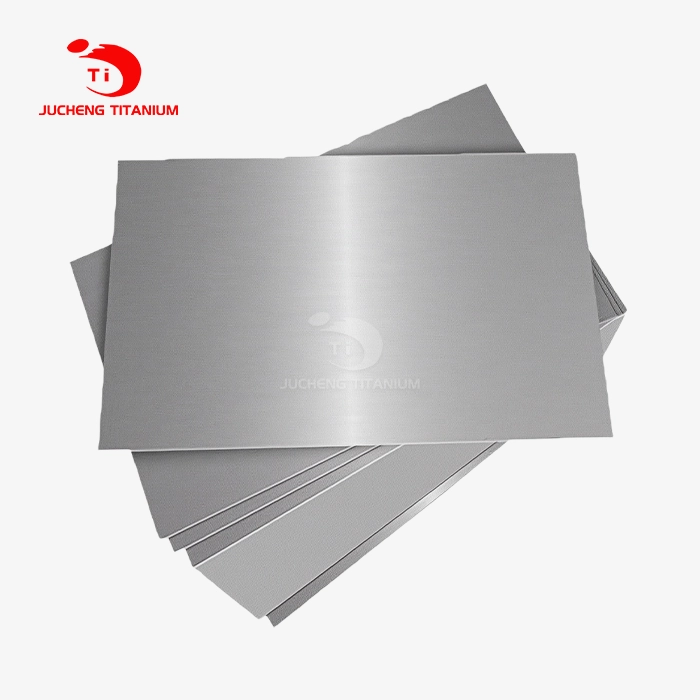
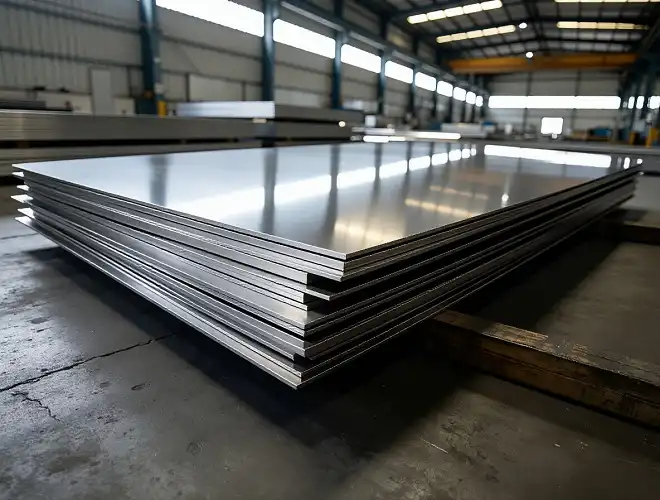
Titanium sheet metal is a high-performance vacuum arc remelted ingot flat-rolled product. Thicker materials are plate, whereas 0.5mm to 4.75mm is "sheet," according to the industry. Thickness affects production methods, mechanical qualities, and application appropriateness.
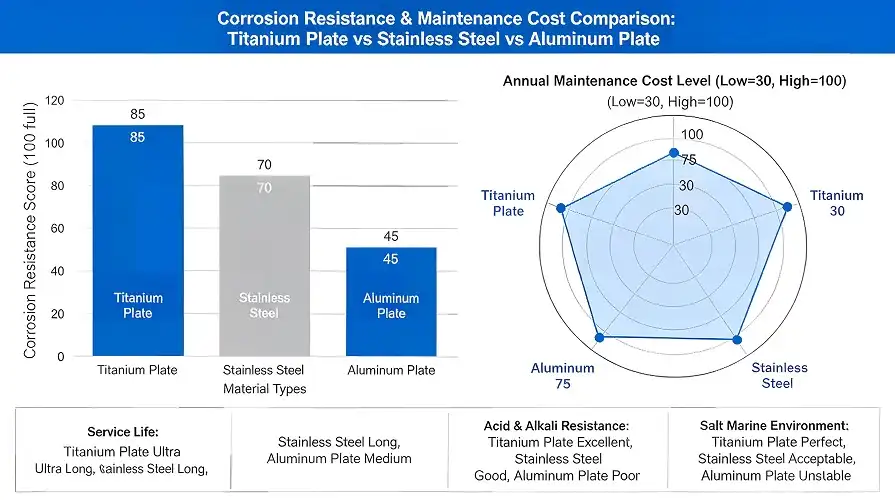
The material solves critical engineering challenges that compromise conventional metals. Steel is overused in aircraft construction. Aluminium corrodes quickly in seawater. Chemical procedures using chloride cause stress corrosion cracking in stainless steel. Titanium sheet metal's stable passive oxide coating that recovers instantly when scratched gives it a high strength-to-weight ratio and corrosion resistance.
Aerospace and Defense Applications
Aircraft manufacturers use titanium sheet metal for engine firewalls, exhaust shrouds, and leading-edge skins. These components survive 600°C temperatures and high-frequency vibrations. This sector is dominated by grade 5 titanium alloy (Ti-6Al-4V), which has tensile strength above 900 MPa and 56% steel density. This material resists catastrophic heat collapse that lighter aluminium cannot.
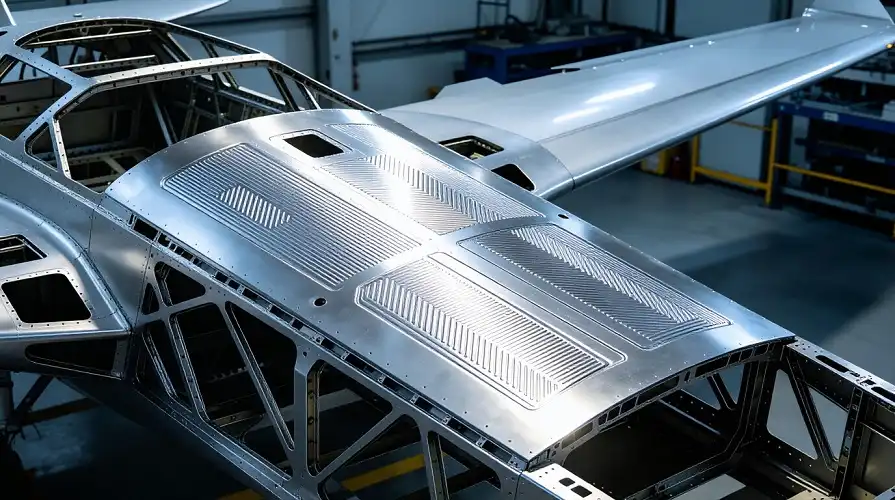
Defence contractors order titanium sheet metal for ship parts and armour. The corrosion resistance is useful in marine areas where seawater promotes galvanic corrosion in typical metals. Material certification must include chemical composition, mechanical qualities, and heat treatment history for traceability.
Chemical Processing Industry
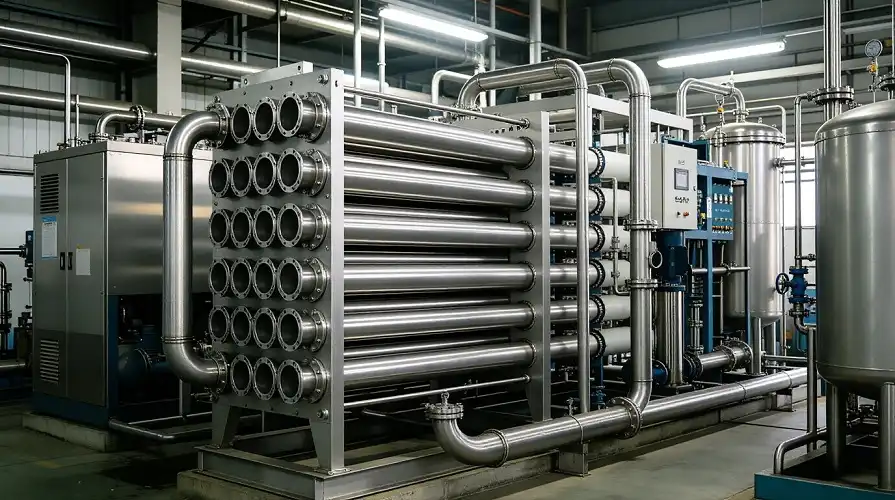
Engineers define Grade 2 commercially pure titanium sheet metal for heat exchanger plates, reaction vessel linings, and chlor-alkali process equipment. Wet chlorine, hypochlorite, and oxidising acids cause pitting and crevice corrosion in stainless steel. A single heat exchanger failure might cost $500,000 in downtime and replacement, justifying titanium's higher starting cost.
Specialised methods are used to make titanium sheet metal due to its unique characteristics. Cold forming titanium needs careful springback control because of its low elastic modulus. Hot forming at 650-750°C reduces residual tensions and enhances formability. Titanium interacts strongly with oxygen and nitrogen at high temperatures, requiring inert gas shielding during welding.
Medical and Biomedical Sectors
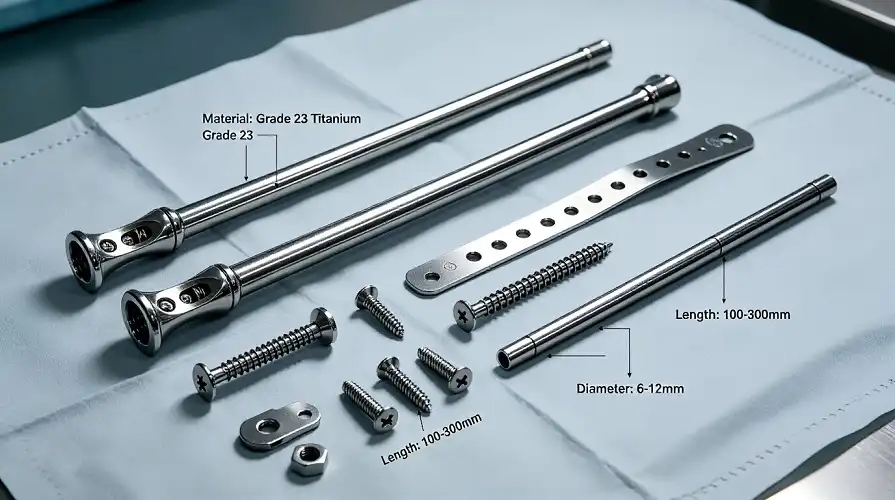
Medical device makers deep-draw titanium sheet metal into pacemaker housings, skull reconstruction plates, and surgical instruments. To ensure osseointegration without immune rejection, the material is biocompatible. Unlike other stainless steel alloys, titanium implants are non-magnetic, making MRI scanning safe.
Medical titanium is heavily regulated. ASTM F67 and F136 conformity, ISO 13485 certification, and lot traceability are required from suppliers. Microcontamination can cause biological reactions; surface finish is important.
Regional Market Analysis: Supply and Demand Dynamics
United States Market
The US titanium industry is strong in aerospace and defence. The Seattle, Southern California, and Connecticut aerospace industries use AMS 4911-certified titanium sheet metal in large quantities. Increased commercial aircraft manufacturing and military modernisation stimulate demand.
Domestic vendors offer faster prototyping, technical support, and communication. Labour and regulatory compliance costs make materials 20–35% more expensive than Asian counterparts. Standard grades have an 8-12 week lead time, while bespoke specs take 16-20 weeks.
Distributors focus on aerospace manufacturing hubs. Common grades (Gr2, Gr5) in typical thicknesses allow service centres to quickly deliver smaller orders. Large OEMs negotiate long-term contracts with primary producers to stabilise price and supply.
German Market
The precise technical tradition of Germany's titanium sheet metal industry is evident. Titanium is used in reactors, heat exchangers, and pipelines by Ruhr Valley and Bavarian chemical processors. Titanium is studied for electric car battery casings and lightweighting.
Metalurgical competence and quality control are German suppliers' priorities. Material certificates describe manufacturing parameters according to EN 10204 3.1. Customers receive technical guidance to optimise material selection and manufacturing.
Consistent material qualities and high-quality surface finish justify premium pricing worldwide. Supply chain dependability and environmental certifications are increasingly important to European buyers under REACH and RoHS.
South Korea Market
South Korea is a titanium sheet metal centre for shipbuilding, petrochemical, and electronics. Hyundai Heavy Industries and Samsung Engineering use titanium for LNG carrier and offshore platform components. An ultra-thin titanium sheet is used in semiconductor production equipment.
Korean vendors combine quality and affordability. Modern rolling mills and heat treatment technologies are used in factories. Established export logistics and English-language technical assistance facilitate international transactions.
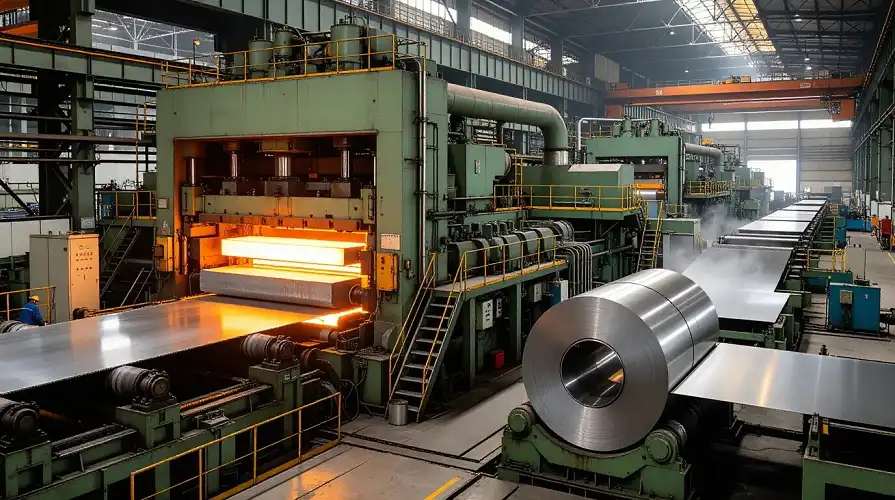
The country's advantageous position speeds shipment to Southeast Asian factories. Lead times are 6-10 weeks, and prices are 15-25% lower than in Europe while keeping quality.
India Market
India's industrial growth boosts titanium sheet metal demand. Defence contractors, chemical processors, and pharmaceutical equipment makers obtain local materials. Government "Make in India" programs promote titanium processing localisation.
Smaller suppliers' uneven quality control and lack of specialised grades are issues. Internationally certified producers need thorough scrutiny. Cost-sensitive buyers willing to engage in supplier vetting processes are attracted by 30-40% price benefits over Western vendors.
Infrastructure upgrades have simplified logistics. Major titanium export ports in Mumbai, Chennai, and Visakhapatnam operate well. Business English facilitates technical communication.
Vietnam, Thailand, and Taiwan Markets
These Southeast Asian manufacturing clusters show growing industrialisation. Vietnam's chemical processing and Thailand's petrochemical industries drive titanium sheet metal demand. Taiwan's electronics and precision manufacturing clusters employ titanium for particular purposes.
Chinese, Japanese, and Korean primary manufacturers typically use local wholesalers. Geographic closeness benefits this strategy; material origin and certification legitimacy must be verified. Pricing competition promotes cost-optimising buyers.
Manufacturing capabilities differ greatly. Taiwan has superior metalworking facilities for precise manufacture. Vietnam and Thailand emphasise distribution and basic processing. Buyers should evaluate the supplier's technical skills before placing substantial purchases.
Comparing Titanium Sheet Metal Sourcing Channels
| **Sourcing Channel** | **Advantages** | **Disadvantages** | **Best For** |
|---|---|---|---|
| Direct Factory Purchase | Lowest pricing, custom specifications, full traceability | High MOQs (500-1000kg), longer lead times, complex logistics | Large volume buyers, long-term contracts, custom alloys |
| Local Distributors | Immediate availability, small quantities, local support | 20-40% price premium, limited grade selection | Prototype development, emergency needs, small projects |
| B2B Platforms (Alibaba, Global Sources) | Supplier variety, price comparison, buyer protection | Quality verification challenges, inconsistent service | Initial supplier discovery, price benchmarking |
| Specialised Trading Companies | Industry expertise, quality pre-screening, consolidated shipping | Moderate markup (10-20%), limited technical support | Mid-volume buyers, multiple grade requirements |
| Titanium Service Centres | Value-added processing, technical consultation, flexible quantities | Higher unit costs, regional availability limits | Custom cutting, surface finishing, and engineering support |
| E-commerce Platforms | Transparent pricing, user reviews, simplified transactions | Limited for industrial quantities, certification concerns | Small-scale buyers, non-critical applications |
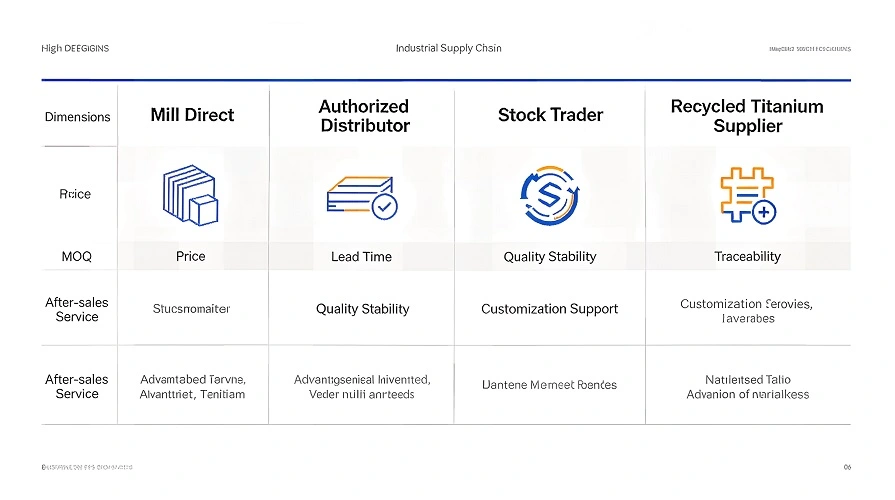
Direct factory purchase is suitable for high-volume, recurrent needs. A chemical processing equipment producer purchasing 5-ton volumes quarterly gets 25-35% lower distributor rates. This strategy requires intense supplier vetting, including facility checks, material testing, and certification verification.
Despite high prices, local wholesalers provide immediate demand. Same-day pickup is welcomed by an aircraft component fabricator who discovers a supply deficit two days before production. Services like precision cutting, surface treatments, and small-lot packing save downstream processing costs.
Global B2B sourcing is democratised but requires careful supplier vetting. Pre-volume orders need business license verification, third-party facility inspections, and sample testing. Buyers can resolve disputes in established venues for fraud or non-conformance.
Practical Guidance: Screening and Verifying Titanium Suppliers
Essential Qualification Criteria
Material certification documents underpin supplier qualification. Request EN 10204 3.1 Mill Test Certificates (MTCs). These documents must detail chemical composition, mechanical properties (tensile strength, yield strength, elongation), heat treatment parameters, and compliance with specified standards (ASTM B265, AMS 4911, ASME SB265).
Independently verify certification validity. SGS, TÜV, and Bureau Veritas inspections are welcome by reliable providers. Spectroscopy validates alloy composition. Mechanical qualities are verified via tensile testing. Ultrasonic examination finds internal flaws. Comprehensive testing costs $500-1500—nothing compared to material failure.
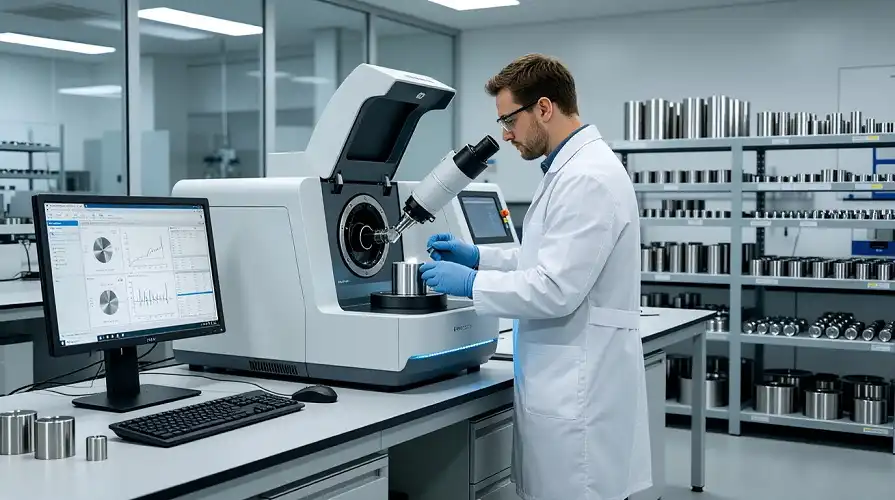
Audit facilities for manufacturing capability. Modern rolling mills, controlled-atmosphere annealing furnaces, and precise levelling equipment indicate high output. Quality management certifications (9001, AS9100 for aerospace, ISO 13485 for medical) show process control. Titanium processing companies with 40+ patents demonstrate ingenuity.
Understanding Minimum Order Quantities and Payment Terms
MOQ requirements vary greatly per sourcing channel. Direct manufacturers want 500-1000 kilograms minimum orders for affordable production lot sizes. Distributors accept 10-50 kilogram orders at high prices. Custom requirements raise MOQs owing to rolling pass or heat treatment cycle setup expenses.
Risk management and working capital affect payment structures. New suppliers frequently request 30-50% deposits and balance upon shipment against shipping documentation. Established accounts go to Net 30 or Net 60, enhancing buyer cash flow. Letters of credit secure overseas transactions, but bank fees add 1-3%.
Payment terms should match order value and relationship maturity. A first $50,000 order warrants cautious payment protection. Supplier partnership conditions should be better for a $500,000 yearly contract with proven delivery success.
Delivery Timelines and Logistics Considerations
Reliable providers ship standard grade (Gr2, Gr5) in common thicknesses in 6-10 weeks. Custom requirements, ingot procurement, rolling campaigns, and heat treatment cycles add 12-16 weeks to lead times. Rush orders incur 15-25% manufacturing schedule acceleration fees.
Shipping abroad takes 2-6 weeks, depending on origin and destination. Ocean freight from Asia to North America takes 3-4 weeks. European locations receive Asian cargo in 4-5 weeks. Air freight decreases transit time to 5-7 days but increases expenses by 6-8 times, making it only for urgent, high-value shipments.
Incoterms indicate cost and risk transfer. Once merchandise is loaded onto the vessel, the FOB price requires customers to organise destination logistics. Cost, Insurance, Freight (CIF) covers port delivery. DDP (Delivered Duty Paid) simplifies procurement but raises supplier prices to pay all buyer facility charges.
Critical Quality Control Points
Surface finish affects application performance. To avoid stress concentration, aerospace components need smooth, defect-free surfaces. Choose from hot-rolled, cold-rolled, or polished finishes with predetermined roughness levels (Ra 0.4-1.6 μm). Material with pits, scratches, or oxide scale exceeding limits is rejected.
Dimensional precision guarantees fabrication compatibility. Measure the thickness difference in the titanium sheet metal width and length. Flatness standards avoid forming or welding issues. Trustworthy vendors maintain ±0.05mm thickness tolerance for cold-rolled materials and ±0.10mm for hot-rolled products.
Edge condition impacts processing safety and efficiency. Burrs should be minimised on slits. Cracks from cutting forces must be checked on sheared edges. Edge preparation (deburred, rounded, or ground) should meet downstream manufacturing demands.
Common Procurement Pitfalls
Prioritising price over qualification is disastrous. Uncertified material may have excessive interstitial elements (oxygen, nitrogen, carbon) affecting mechanical and corrosion resistance. Poor material causes heat exchanger failures that cost tenfold more than the initial savings from inexpensive material.
Non-conforming material results from poor specification communication. Specify grade, dimensions, tolerances, surface finish, testing, and standards. Ambiguity causes disagreements and delays. Carefully write purchase orders using industry-standard parameters.
Overall cost of ownership is ignored, favouring seeming deals. Consider customs, shipping, quality inspection, inventory carrying, and rework or rejection costs. A 15% cheaper supplier with rigorous inbound inspection and 5% rejection rates is more expensive than a premium source with constant quality.
Conclusion
In varied worldwide markets, titanium sheet metal sourcing requires balancing technical requirements, quality assurance, supply chain logistics, and cost optimisation. The US, Germany, South Korea, India, Vietnam, Thailand, and Taiwan provide varied purchase benefits. Defence and aerospace manufacturers value certification rigour and traceability. Chemical processors value supplier reliability and corrosion resistance. Medical device firms need biocompatibility and regulatory compliance.
Supplier qualification, specification communication, sourcing channel selection, and quality verification are key to successful procurement strategies. Relationships with competent suppliers provide steady pricing, priority allocation amid supply limitations, and collaborative technical problem-solving over time.
FAQ
Q1: What grades of titanium sheet metal are most commonly available?
Commercially Pure Grade 2 dominates chemical processing and architecture applications due to excellent formability and corrosion resistance. Grade 5 (Ti-6Al-4V) serves aerospace and high-strength structural applications. Grade 1 offers maximum formability for complex geometries. Grade 12 provides enhanced corrosion resistance in reducing acids. Specialised grades like Grade 7 (with palladium addition) address specific chemical environments, though availability requires longer lead times and higher costs.
Q2: How can I verify the authenticity of a titanium sheet metal?
Request Mill Test Certificates documenting chemical composition and mechanical properties. Conduct an independent spectroscopic analysis confirming alloy composition. Perform hardness testing and tensile testing on sample coupons. Verify supplier business credentials through commercial databases and industry associations. Engage third-party inspection services for facility audits and material verification before large commitments.
Q3: What factors influence titanium sheet metal pricing?
Raw material costs fluctuate with titanium sponge market prices, influenced by global aerospace demand and mining production. Alloy grade affects pricing, with Grade 5 commanding 40-60% premiums over Grade 2. Thickness and width impact yield rates during rolling operations. Order quantity determines unit economics, with volume discounts reaching 15-25%. Certification requirements add costs for additional testing and documentation. Market conditions create regional pricing variations reflecting local supply-demand balance.
Q4: What are typical lead times for custom titanium sheet specifications?
Standard grades in common dimensions ship within 6-10 weeks from suppliers maintaining inventory. Custom alloy compositions require 12-16 weeks, accounting for ingot production, VAR processing, and rolling campaigns. Non-standard widths or thicknesses extend timelines due to specialised tooling requirements. Surface finish specifications like polishing or specific annealing treatments add 1-2 weeks. Rush processing reduces timelines by 20-30% at premium charges of 15-25%.
Partner with a Trusted Titanium Sheet Metal Supplier
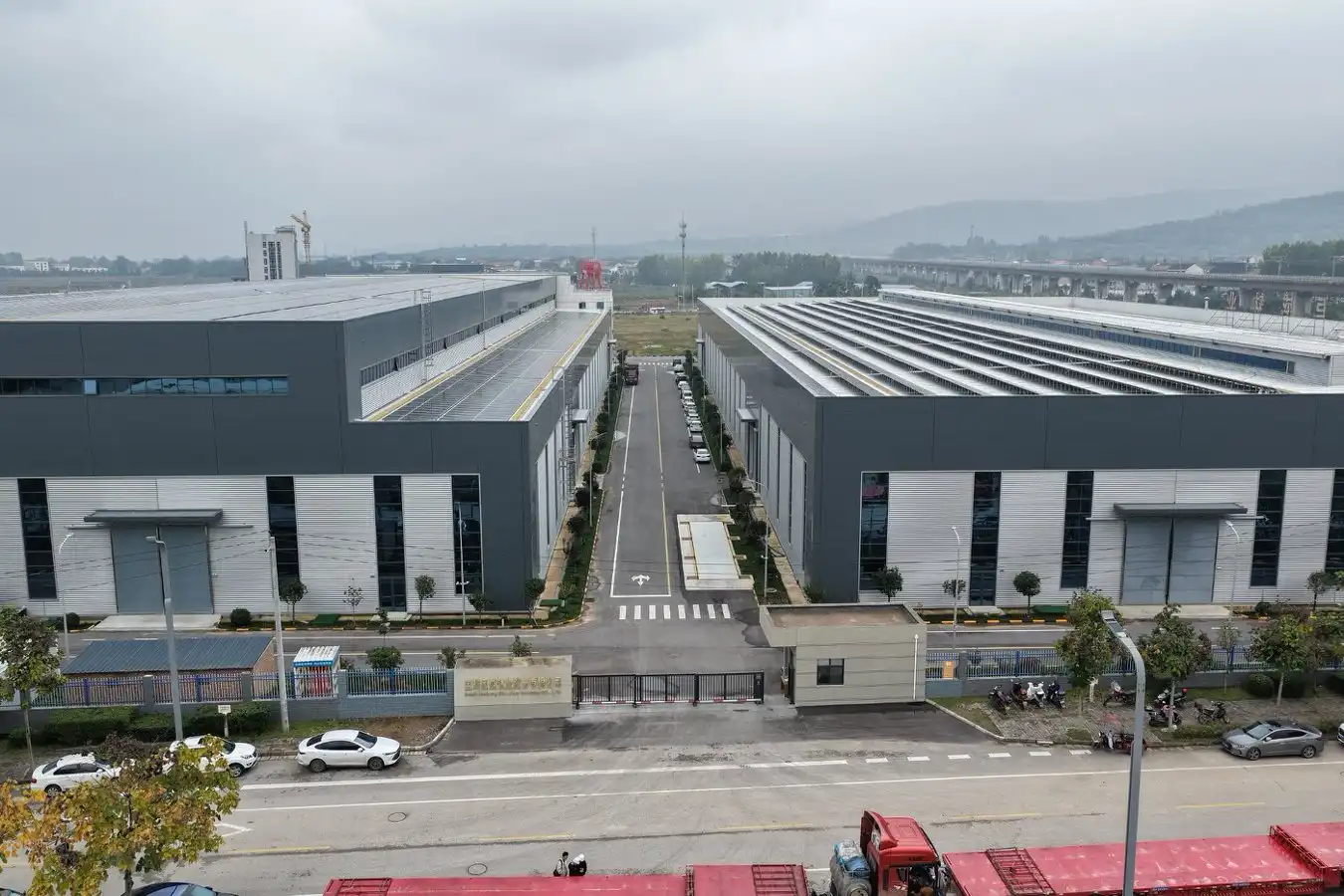
Jucheng Titanium stands ready to fulfil your titanium sheet metal requirements with over 20 years of specialised expertise rooted in China's Titanium Valley—Baoji. Our 120,000-square-meter facility maintains approximately 3,000 tons of titanium inventory, enabling rapid delivery of Grade 1, 2, 4, 5, 7, 9, and 12 materials in thicknesses from 4mm to 80mm, fully compliant with ASTM B265, ASTM F67, AMS 4911, and ASME SB265 standards. Whether you need standard hot-rolled sheets with a pickled surface finish or custom-processed material with specialised annealing and machining, our technical team collaborates closely to meet your exact specifications. Our 45 patents demonstrate continuous innovation serving aerospace, chemical processing, medical device, and industrial equipment sectors globally. Contact our export team at s4@juchengti.com to discuss your project requirements with a titanium sheet metal manufacturer committed to quality, certification integrity, and reliable delivery performance.
References
1. American Society for Testing and Materials. (2020). ASTM B265: Standard Specification for Titanium and Titanium Alloy Strip, Sheet, and Plate. West Conshohocken: ASTM International.
2. Boyer, R., Welsch, G., & Collings, E.W. (1994). Materials Properties Handbook: Titanium Alloys. Materials Park: ASM International.
3. Donachie, M.J. (2000). Titanium: A Technical Guide (2nd ed.). Materials Park: ASM International.
4. Froes, F.H. (2015). Titanium: Physical Metallurgy, Processing, and Applications. Materials Park: ASM International.
5. Lütjering, G., & Williams, J.C. (2007). Titanium (2nd ed.). Berlin: Springer-Verlag.
6. Veiga, C., Davim, J.P., & Loureiro, A.J.R. (2012). Properties and applications of titanium alloys: A brief review. Reviews on Advanced Materials Science, 32(2), 133-148.