
Titanium Metal Plate Specifications and Applications
When engineers and sourcing specialists look for materials that work better than anything else in harsh situations, the titanium metal plate stands out as the clear winner. This high-performance mill product, which usually comes in widths between 4mm and 80mm, fills the need for smaller structures that are still strong. Titanium metal plates solve important industrial problems, like chemical breakdown in harsh settings and the high costs of replacing parts too often, better than other materials that rust or gain weight.
Understanding Titanium Metal Plate: Specifications and Properties
Defining Titanium Plates and Their Unique Characteristics
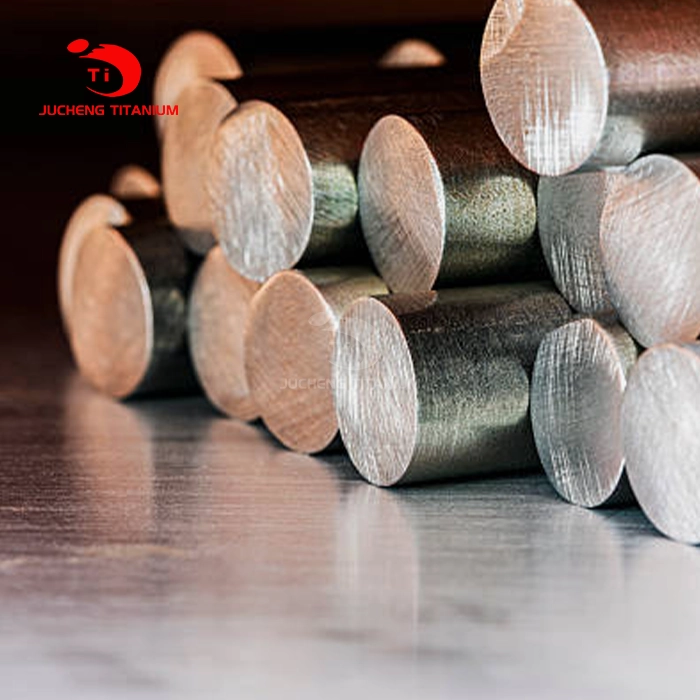
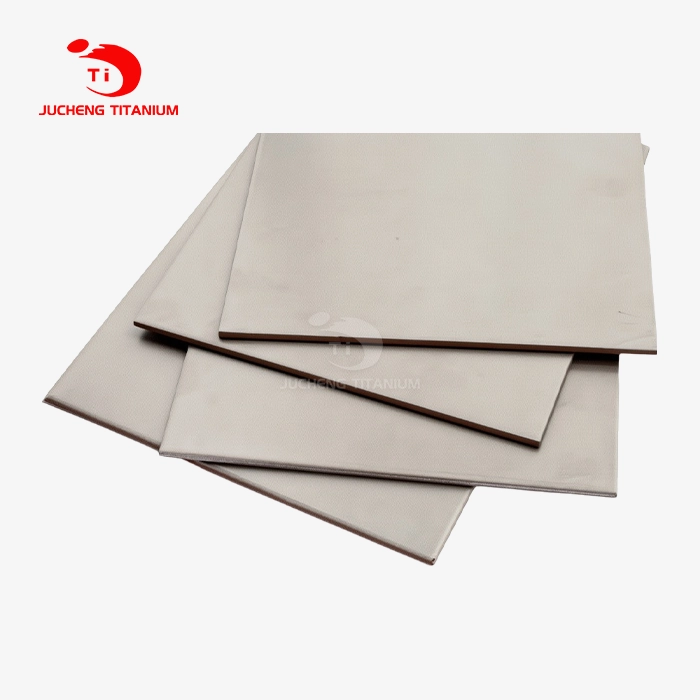
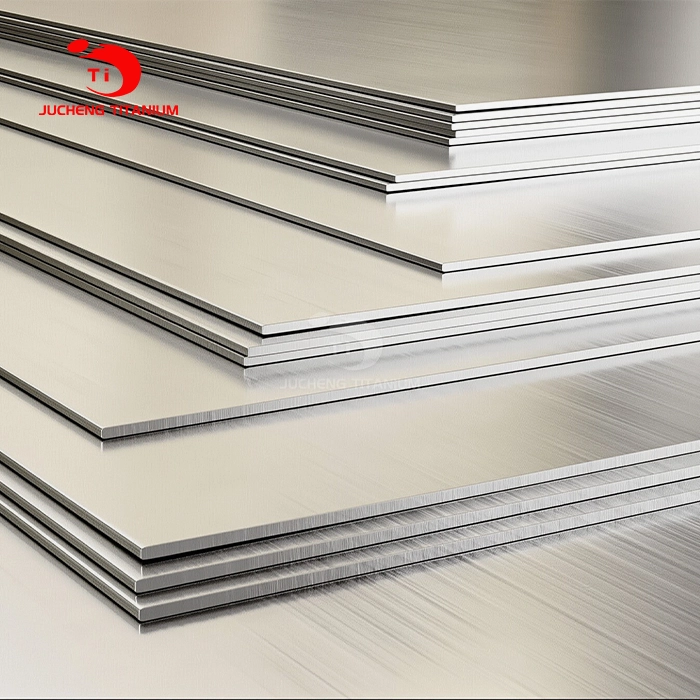
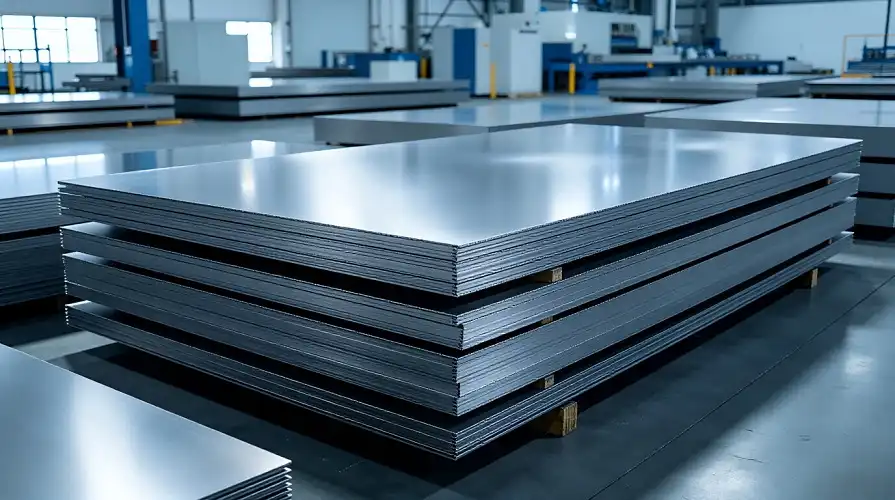
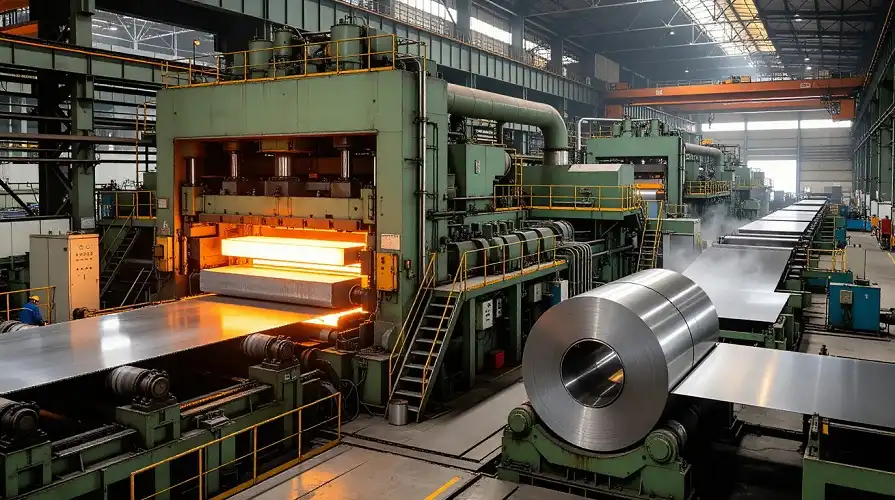
titanium metal plates are flat, precisely made goods that can be told apart by their exact dimensions and mechanical strength. These plates are mostly made by hot rolling and then cooling. Their thicknesses range from 4mm to 80mm, their widths from 950mm to 2500mm, and their lengths up to 10,000mm. Custom measurements can be made to fit the needs of specific projects in the aircraft, chemical processing, and medical device-making industries. When a material is heated, it becomes more flexible and relieves stress. It is then ready to be used directly or in a design.
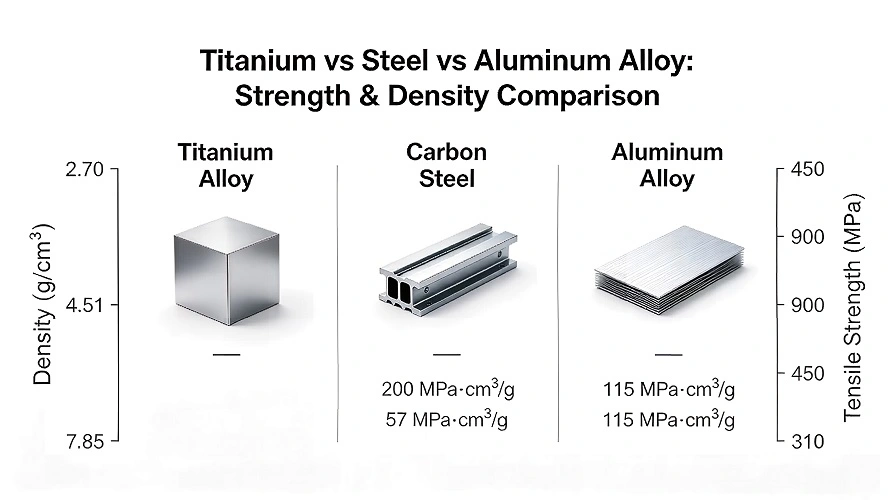
What makes these plates unique is their amazing strength-to-weight ratio—they are about 40% lighter than steel but have the same tensile strength. With a density of 4.51 g/cm³, the material can be used to make structures that are much lighter without losing their ability to hold weight.
Titanium Grades and Their Industrial Applications
Standards in the industry set out several types of commercially pure and alloyed titanium metal plates, each designed for a specific set of conditions:
Grade 1 (Gr1) is the commercially pure titanium that is the lightest and easiest to shape. It has great resistance to rust and can be welded. It is stable in chloride-rich settings, which is good for chemical processing equipment because stainless steel breaks down too quickly there.
Grade 2 (Gr2) is the standard grade used in many businesses because it is strong and easy to shape. Because it is moderately strong and doesn't rust, it is perfect for use in heat exchanges, pressure tanks, and buildings.
Grade 5 (Gr5), which is also called Ti-6Al-4V, is used a lot in aircraft because it is strong, doesn't wear down easily, and keeps working well at temperatures up to 400°C. The mechanical qualities of this metal are used in parts of airplanes that support the structure, the landing gear, and the turbine engines.
Grade 7 (Gr7) has palladium added to it, which makes it more resistant to reducing acids and necessary for chemical plant operations that deal with sulfuric and hydrochloric acid streams.
Grade 9 (Gr9) and Grade 12 (Gr12) are in the middle of the range of strengths and have better corrosion resistance, making them useful for specific tasks in naval engineering and hydrometallurgical processes.
Material Standards and Quality Benchmarks
Following foreign standards makes sure that materials can be tracked and that they always work the same way. ASTM B265 is the main standard that controls the production of titanium metal plates. It sets limits on the metal's chemical make-up, its mechanical properties, and its size variations. ASTM F67 only applies to medical-grade titanium, which ensures that inserted devices are biocompatible. ASME SB265 is in line with codes for making pressure vessels, while AMS 4911 covers standards for materials used in aircraft.
Some of the steps used in manufacturing are rolling to get the desired thickness profiles, heating to improve the microstructure, leveling to fix problems with flatness, and cleaning to get rid of oxides on the surface. Depending on the end use, surface processes like polished, machined, or acid-pickled finishing meet needs for looks, functionality, or cleanliness.
Applications and Benefits of Titanium Metal Plates
Aerospace and Defense Component Manufacturing
Aerospace companies need materials that can handle extreme changes in temperature, jet fuel, and mechanical stress while keeping the structure's weight as low as possible. titanium metal plates meet these needs because they can cut the weight of airplane parts by up to 40% compared to steel options. Grade 5 titanium is used to make bulkheads, wing sections, and parts of the hydraulic system that don't break even after thousands of pressurization cycles. Defense companies use titanium for armor plates and parts of navy ships, where ocean rust would quickly break down ferrous metals.
Chemical Processing and Corrosion-Resistant Equipment
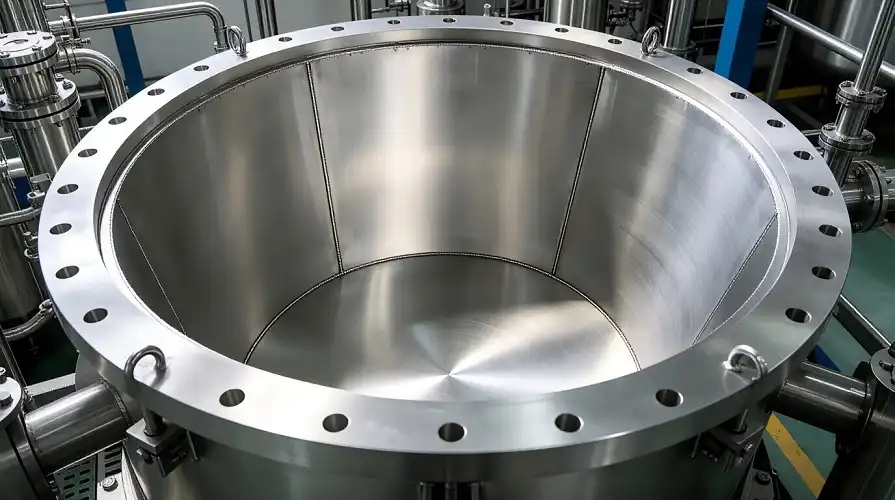
When chemical plants use normal materials, their equipment breaks down catastrophically when they use strong media like sulfuric acid, hydrochloric acid, and chlorine compounds. Titanium metal plates get rid of this weakness by creating a passive oxide film that heals itself when it gets broken. Gr2 and Gr7 titanium are used to make reactor linings, heat exchanger tube sheets, and pipeline systems that last more than 20 years in places where stainless steel only lasts months. The material is resistant to stress corrosion cracking, pitting corrosion, and pocket corrosion, which means less upkeep costs and downtime.
Medical Device and Biomedical Applications
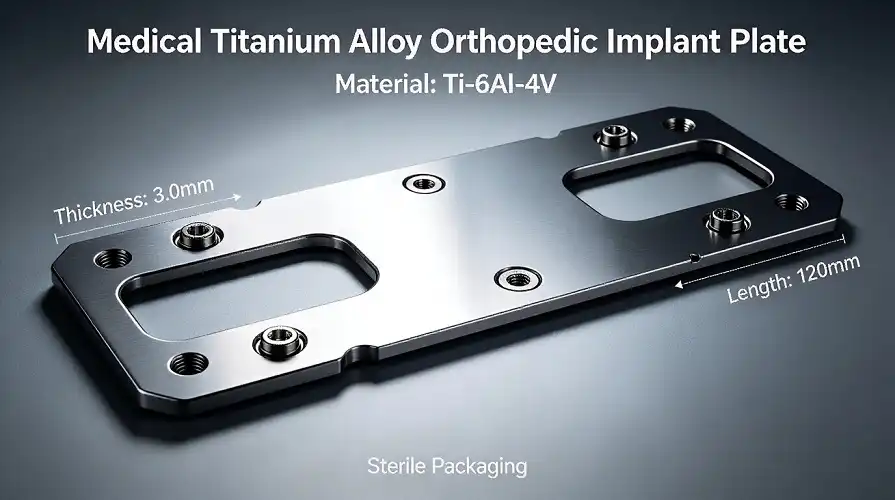
Titanium is the best material for surgical devices and medical tools because it is biocompatible. Gr1 and Gr2 titanium metal plates are used to make orthopedic implants, dental fixtures, and heart devices that fit naturally with human flesh and don't cause immune responses or harmful effects. The material's value of flexibility is very close to that of bone tissue. This means that stress shielding effects that cause implants to come loose are lessened. Medical-grade plates go through strict surface preparation steps, such as acid cleaning and passivation, to make sure they meet the FDA and ISO 13485 cleanliness standards.
Industrial Machinery and Heat Exchange Systems
Titanium is used for condenser tube sheets and heat exchanger units in power plants, desalination plants, and HVAC systems because it conducts heat well and doesn't rust. Coastal power plants that use saltwater cooling don't have to worry about biofouling or galvanic rusting because they use titanium metal plate parts. The substance works consistently in temperatures ranging from very cold (cryogenic) to very hot (600°C), which means it can be used for both processing liquid natural gas and high-temperature industrial tasks.
How Titanium Metal Plates are Made: Process and Quality Control
Manufacturing Process from Ore to Finished Plate
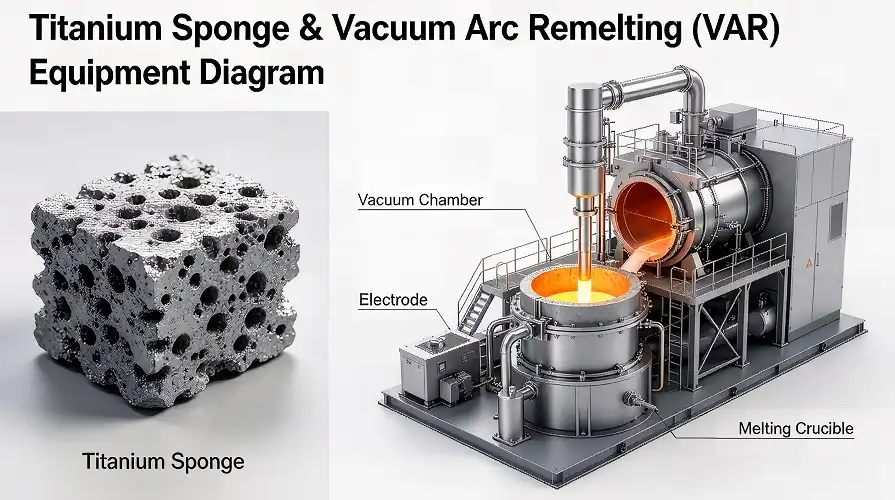
The first step in making a titanium metal plate is to get rutile or ilmenite rock. Next, the chloride process changes the ore into titanium tetrachloride. Titanium sponge is made when magnesium is added to titanium tetrachloride in the Kroll process. Vacuum arc remelting (VAR) turns sponge into bars by getting rid of impurities and making the chemical makeup uniform. When hot rolled at temperatures between 850°C and 950°C, the ingot's thickness is gradually reduced while the grain structure is improved. Work hardening is slowed down, and flexibility is restored with intermediate annealing processes. For uses that need exact control over dimensions, cold rolling gets the final thickness tolerances and surface finish specifications.
Quality Assurance and Certification Protocols
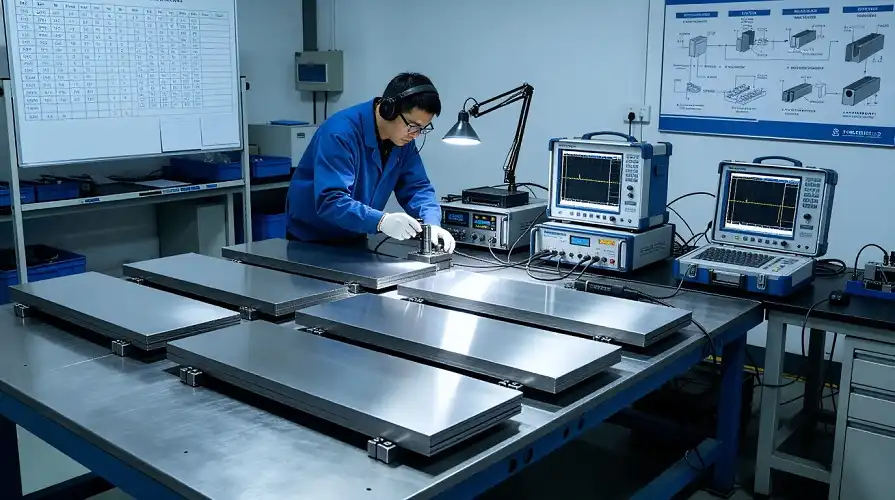
Optical emission spectroscopy is used to check the chemical makeup of every production batch to make sure it meets the grade-specific elemental limits. Tensile testing shows that the basic requirements for yield strength, maximum tensile strength, and elongation qualities have been met. Using the Rockwell or Brinell methods to test for hardness proves that heat treatment works. Ultrasonic testing finds cracks inside things, while liquid penetrant testing finds flaws on the outside. Material test records (MTRs) that come with certification packages list the composition, mechanical properties, heat treatment settings, and the ability to track back to the original ingot lot numbers.
Aerospace sellers follow the rules set by AS9100 for quality control systems, medical device makers follow the rules set by ISO 13485, and fabricators of pressure vessels follow the rules set by ASME Section II for material standards. When procurement contracts call for it, third-party inspection companies provide independent proof.
Comparing Titanium Metal Plates with Other Metals for Procurement Decisions
Titanium vs. Stainless Steel
Stainless steel is cheaper to make, but it can pit and rust in chemical and saltwater conditions because of chloride. The titanium metal plate's passive oxide layer stays solid from pH 1 to 14, but different types of stainless steel break down below pH 4 or above pH 10. Titanium has a 45% higher density than steel, which lets architects make structures with lighter foundations and lower shipping costs. Lifecycle cost study shows that titanium is more cost-effective over its lifetime, even though it costs more at first. This is because it needs less upkeep and replacements.
Titanium vs. Aluminum Alloys
Aluminum is a good material for heat absorption because it is cheap, easy to work with, and good at conducting heat. Aluminum quickly loses its strength above 150°C, but the titanium metal plate stays strong even at high temperatures. When it comes to corrosion resistance, the two materials are very different. Aluminum makes porous oxide layers that are easily attacked by galvanic current, while titanium's dense oxide film offers better protection. Titanium's higher price is justified by its use in aerospace applications that need to work well at high temperatures and resist corrosion.
Titanium vs. Nickel and Copper Alloys
Nickel-based superalloys work best in high-temperature situations above 600°C, but they are very heavy and expensive. Copper metals are very good at conducting electricity and heat in heat exchangers, but they break down quickly in acidic and seawater conditions. Titanium-copper hybrid plates use the best qualities of both materials, blending the conductivity of copper with the corrosion resistance of titanium. This mixed fluid lowers the amount of energy needed for electrolytic processes and increases the life of the equipment.
Procurement Guide: Sourcing and Ordering Titanium Metal Plates
Evaluating Supplier Credentials and Skills
A successful purchase rests on evaluating suppliers based on a number of different factors. Systematic quality control is shown by manufacturing certifications like ISO 9001 for quality management, AS9100 for aircraft standards, and PED for pressure equipment guidelines. Assessments of production ability tell us if sellers keep enough inventory and make enough products to meet delivery dates. Premium providers are different from commodity wholesalers because they offer technical support services like metallurgical advice and custom manufacturing of titanium metal plates.
Checking with current clients for references shows how well the source does at meeting deadlines, making sure materials are consistent, and responding to quality problems. Site trips let people see for themselves how things are made, how inspections are done, and how material is managed.
Lead Times and Customization Options
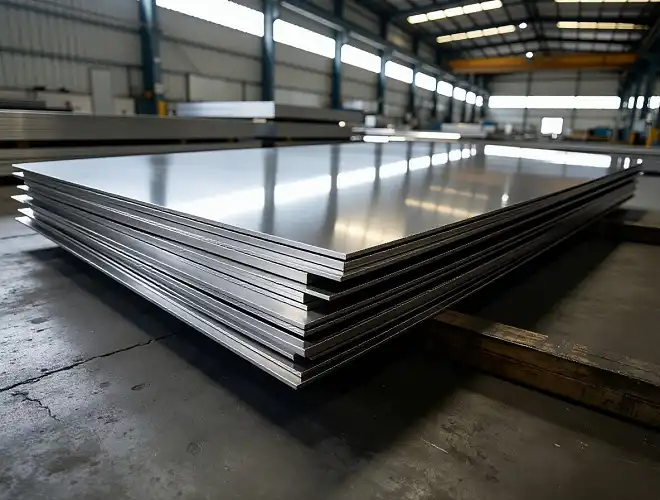
Standard-sized plates usually ship two to four weeks after they are stocked. Lead times are extended to 8–12 weeks for custom specs that need special rolling campaigns or surface treatments that aren't normal. Blanket purchase deals with planned releases protect inventory and keep storage costs as low as possible. Consignment inventory programs put material owned by the provider at the sites of the customers. This makes sure that the material is available right away for urgent production needs.
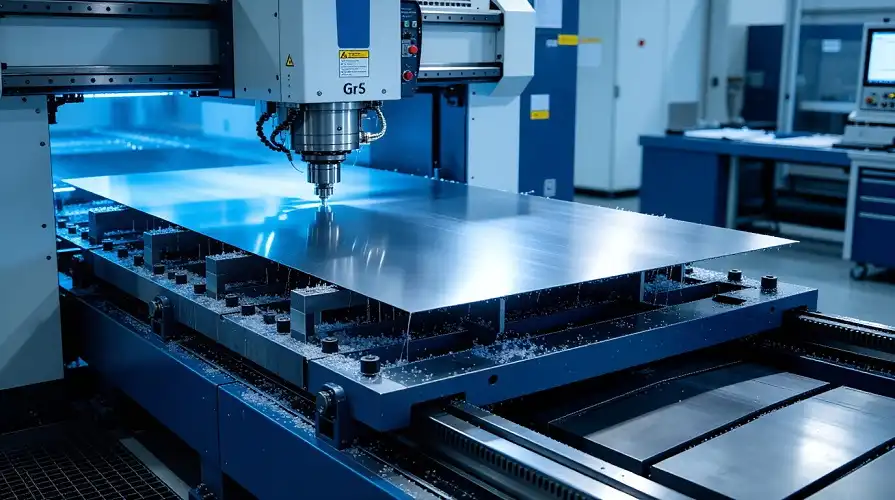
By turning raw plates into nearly net-shaped parts, machining services lower the costs of making other parts. Laser contouring, waterjet cutting, and CNC milling can all make parts with tight tolerances and complicated shapes. Various surface finishing methods, such as electropolishing, bead blasting, and chemical etching, are used to reach certain amounts of surface roughness and cleaning.
Conclusion
Titanium metal plates are smart investments in materials that pay off in the long run by increasing efficiency, lowering costs, and extending the life of equipment. To be successful at procurement, you need to know how to choose grades, how the producing process affects grades, and how to evaluate a supplier's abilities. Because it doesn't rust, is strong for its weight, and doesn't harm living things, this material solves important problems in the chemical, medical, military, and industrial fields that regular materials can't address.
FAQ
1. What titanium grade should I specify for seawater applications?
Grade 2 is a good basic level of corrosion protection for most seawater settings, such as heat exchanges and pipe systems. When combined with palladium, Grade 7 gives better safety in low temperatures or temperatures above 80°C. Grade 12 titanium metal plate is a good choice for uses that need more strength while still being resistant to corrosion in marine settings.
2. How does the titanium plate's corrosion resistance compare to stainless steel?
Titanium creates a stable, self-healing passive oxide layer that stays in place in a wider range of pH levels and chloride amounts than stainless steel types. Titanium doesn't usually fail in the ways that stainless steel does: pitting corrosion, pocket corrosion, and stress corrosion cracking. Titanium's longer service life in harsh chemical and marine conditions makes up for its higher starting cost by saving money over its entire life.
3. What are typical lead times for custom titanium plate orders?
Standard sizes from stock ship in two to four weeks. It takes 8 to 12 weeks for custom specs that need special rolling or heat treatment. Setting up blanket buy deals with scheduled releases makes sure that materials are available, meets the needs of production planning, and keeps the cost of expediting to a minimum.
Partner with Jucheng Titanium for Reliable Titanium Metal Plate Supply
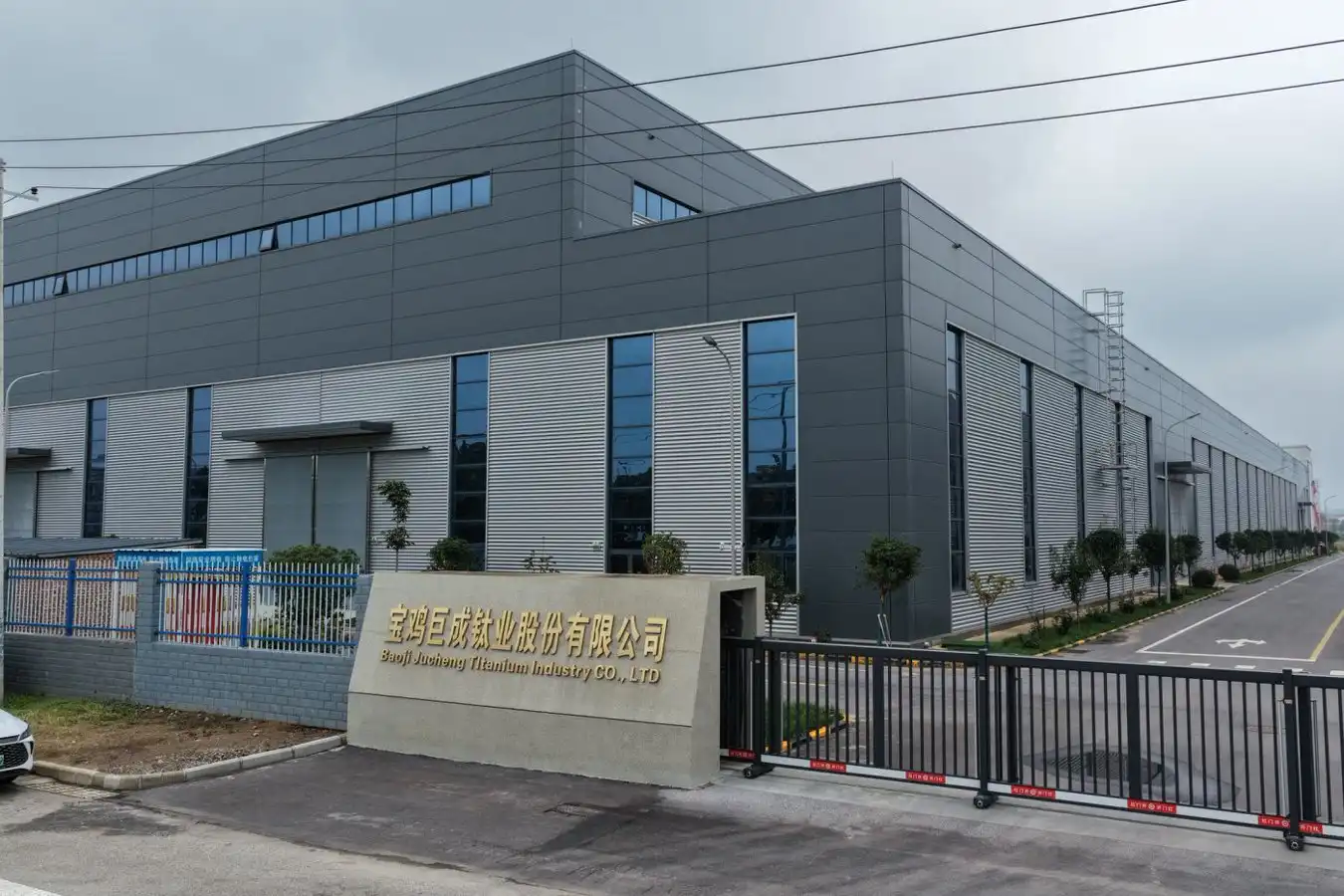
We at Baoji Jucheng Titanium Industry Co., Ltd. have been making and supplying titanium metal plates for more than 20 years. Our warehouse keeps 3,000 tons of all the major grades in stock, including Gr1, Gr2, Gr5, Gr7, Gr9, and Gr12. This makes sure that both standard and special orders are delivered quickly. The plates we work with are between 4 mm and 80 mm thick, up to 2500 mm wide, and up to 10,000 mm long. They all meet the standards set by ASTM B265, ASTM F67, AMS 4911, and ASME SB265.
From the first study of the specifications to the final delivery, our expert team works with clients to provide metallurgical advice, custom manufacturing services, and full quality documentation. With 45 patents and a 70% market share in hydrometallurgical uses, we are a National High-Tech Enterprise that serves aircraft manufacturers, chemical processors, medical device makers, and industrial equipment builders in North America and around the world. You can talk to expert suppliers about your project needs by emailing our engineering team at s4@juchengti.com.
References
1. Boyer, R., Welsch, G., & Collings, E.W. (1994). Materials Properties Handbook: Titanium Alloys. ASM International, Materials Park, Ohio.
2. Donachie, M.J. (2000). Titanium: A Technical Guide, 2nd Edition. ASM International, Materials Park, Ohio.
3. Schutz, R.W. & Watkins, H.B. (1998). Recent developments in the application in the energy industry. Materials Science and Engineering A, 243(1-2), 305-315.
4. Cotton, J.D., Briggs, R.D., Boyer, R.R., Tamirisakandala, S., Russo, P., Shchetnikov, N., & Fanning, J.C. (2015). State of the Art in Beta Titanium Alloys for Airframe Applications. JOM, 67(6), 1281-1303.
5. American Society for Testing and Materials. (2021). ASTM B265-20a: Standard Specification for Titanium and Titanium Alloy Strip, Sheet, and Plate. ASTM International, West Conshohocken, Pennsylvania.
6. Peters, M., Kumpfert, J., Ward, C.H., & Leyens, C. (2003). Titanium Alloys for Aerospace Applications. Advanced Engineering Materials, 5(6), 419-427.