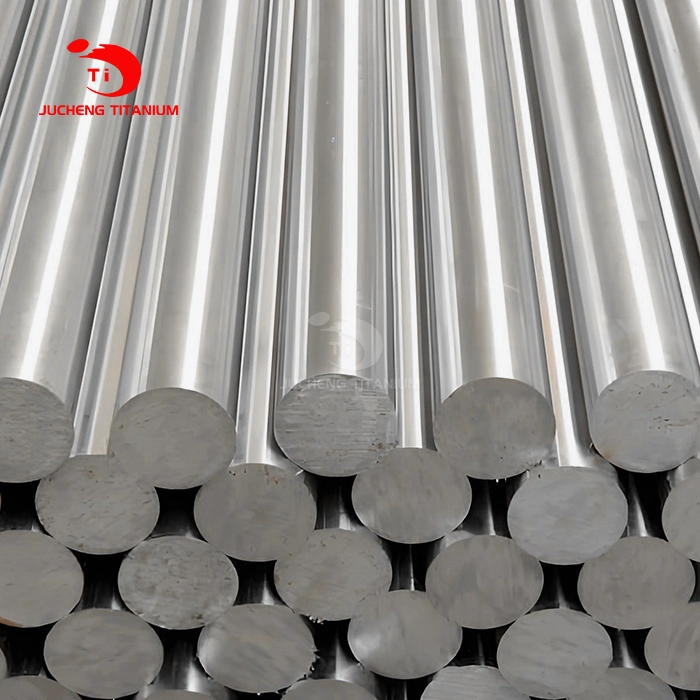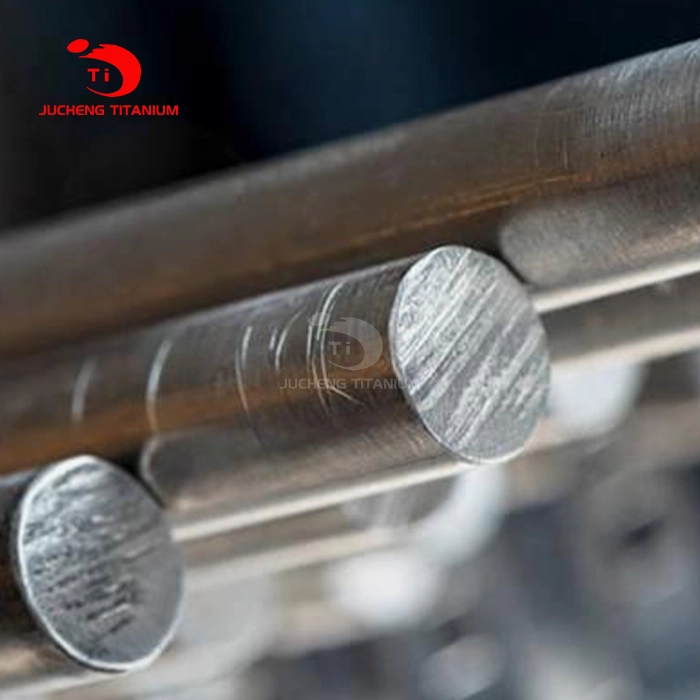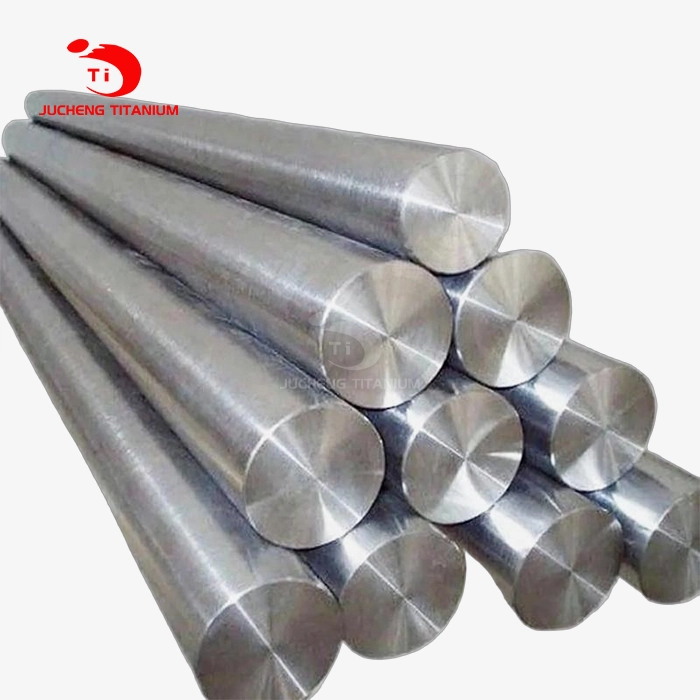

What raw materials are used to make a titanium round bar?
The first step in making a Titanium round Bar is getting titanium sponge, which is the best form of solid titanium that is made by using the Kroll process to get it from rutile or ilmenite ores. This sponge is the main material, and based on the grade, it is often mixed with master alloys that contain iron, aluminum, vanadium, and other elements. The bar's strength, resistance to corrosion, and suitability for use in aircraft, chemicals, or medicine are all directly affected by its makeup. At Jucheng Titanium, we keep more than 3,000 tons of certified titanium in stock. This way, we can make sure that our customers get materials that can be traced back to verified raw sources and meet ASTM B348 and ISO 5832-3 standards.
Understanding Titanium Round Bars: Raw Materials and Composition
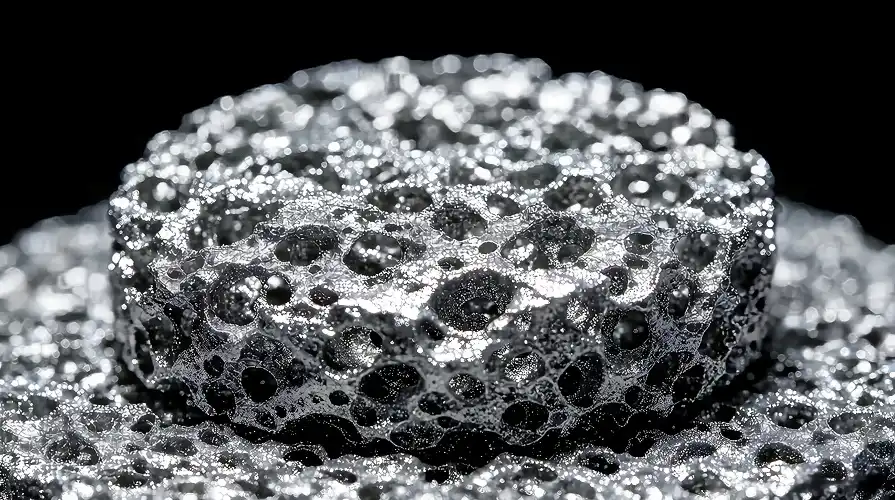
What Exactly Is Titanium Sponge?
Titanium sponge is the main raw material from which all Titanium round Bar mill goods are made. Titanium tetrachloride is made through the Kroll reduction process. It mixes with magnesium in a neutral atmosphere to make a porous metal mass that looks like a sponge. Usually, this stuff is made up of 99.0 to 99.7% titanium. Trace elements like chlorine and magnesium are taken out through vacuum distillation. The finished bar's mechanical traits and ability to be welded depend on the quality of the sponge, which is graded by how much oxygen, iron, and chlorine it contains.
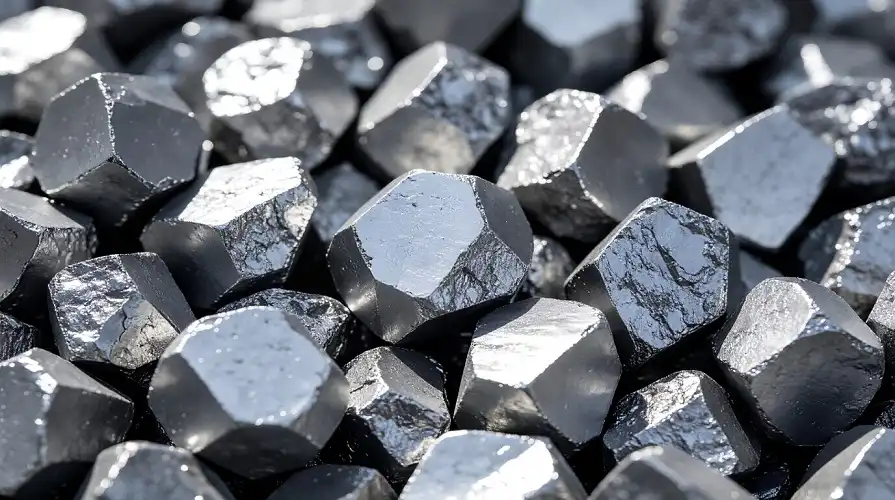
Key Alloying Elements and Their Roles
Commercially pure grades depend almost entirely on titanium sponge, but alloy grades need exact amounts of other raw materials. Aluminum is needed for Ti-6Al-4V (Grade 5) because it makes the material stronger and lighter. Vanadium stabilizes the beta phase, which makes it harder to break. Iron and oxygen are often seen as flaws, but in types like Gr4, they are controlled on purpose to make the steel stronger without making it less flexible. Before melting, spectroscopy checks each element's amount to make sure it meets aircraft standards like AMS 4928.
How Raw Material Purity Affects End Performance
Gr1 titanium rods have an oxygen level of less than 0.18%, which makes them the most corrosion-resistant choice for chemical handling equipment. When the amount of oxygen in Gr4 goes up to 0.40%, the tensile strength goes from 240 MPa to 550 MPa, which is strong enough for structural parts. At Jucheng Titanium, our quality control team checks every batch of sponge and master alloys that come in and throws out anything that doesn't meet certain chemical makeup standards. This care keeps our 90% market share in China's coking business and stops problems from happening further down the line.
Grades of Titanium Round Bars and Their Raw Material Differences
Commercially Pure Grades (Gr1-Gr4)
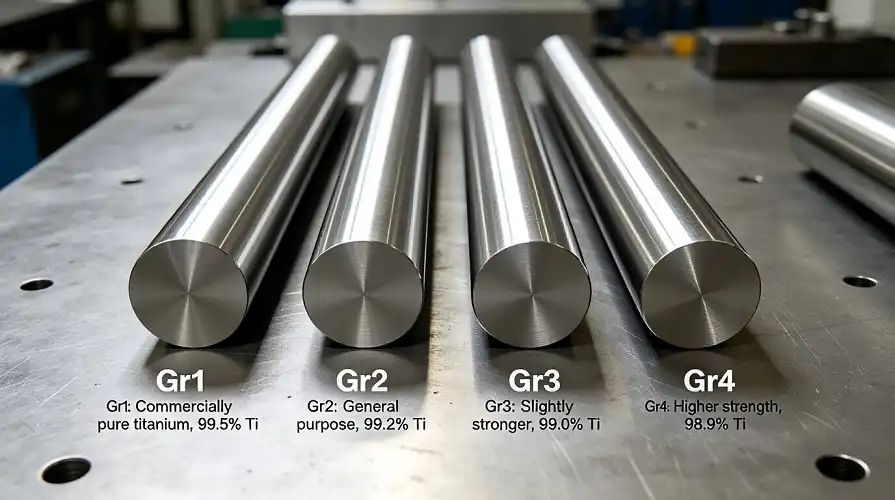
Titanium round Bar comes in different grades, and their raw materials are different. These types are mostly made up of titanium sponge with very little alloying. Gr1 has the fewest interstitial parts, which makes it easier to shape and less likely to rust in marine settings. Gr2 is the main grade, which is strong and easy to weld for general industrial use. Gr4 is better for pressure vessels because it is stronger than Gr1, as it has more air and iron. There isn't a big difference in the cost of raw materials between Gr1 and Gr4 sponge, but there is a big difference in how well they work. So, buying teams should choose the grade based on load needs instead of price alone.
Alpha-Beta Alloy Grades (Gr5, Gr23)
Ti-6Al-4V (Grade 5) is the most common titanium alloy. It is made up of titanium sponge, about 6% aluminum, and 4% vanadium by weight. To keep rigid phases from forming, these alloying elements need high-purity master alloys. For example, aluminum is usually found as Al-V-Ti bars, and vanadium is ferro-vanadium. Grade 23, also known as Ti-6Al-4V ELI (Extra Low Interstitial), has ultra-low oxygen and nitrogen sponge, which is very important for medical implants that need to last more than ten million cycles before they wear out. Because we work with the Northwest Institute for Nonferrous Metal Research, Jucheng Titanium can get ELI-grade raw materials that have oxygen levels below 0.13%, which is what ASTM F136 surgery standards call for.
Specialty Corrosion-Resistant Grades (Gr7, Gr9, Gr12)
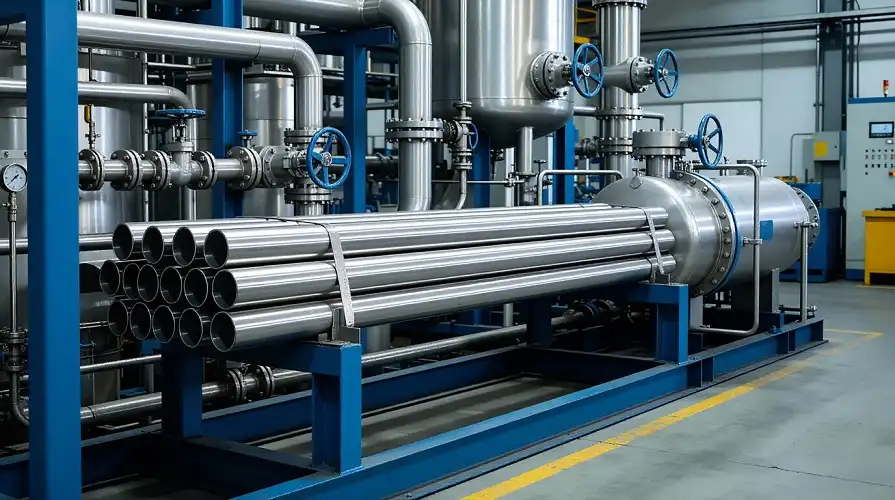
Gr7 adds 0.1 to 0.25% palladium to economically pure titanium, which makes it much more resistant to reducing acids. The palladium master alloy is pricey, but it can be used in sulfuric acid heat exchangers where other grades break down in months. Lower amounts of aluminum and vanadium are used in Gr9 (Ti-3Al-2.5V), which makes it a weldable alloy for aircraft tubes. Gr12 adds molybdenum and nickel to improve protection against crevice corrosion in chloride conditions. Finding the right raw materials for each custom grade is different. Jucheng Titanium has been working with global sources for 20 years, so they can fill even small, specific orders.
Manufacturing Process: From Raw Materials to Finished Titanium Round Bars
Primary Melting Techniques
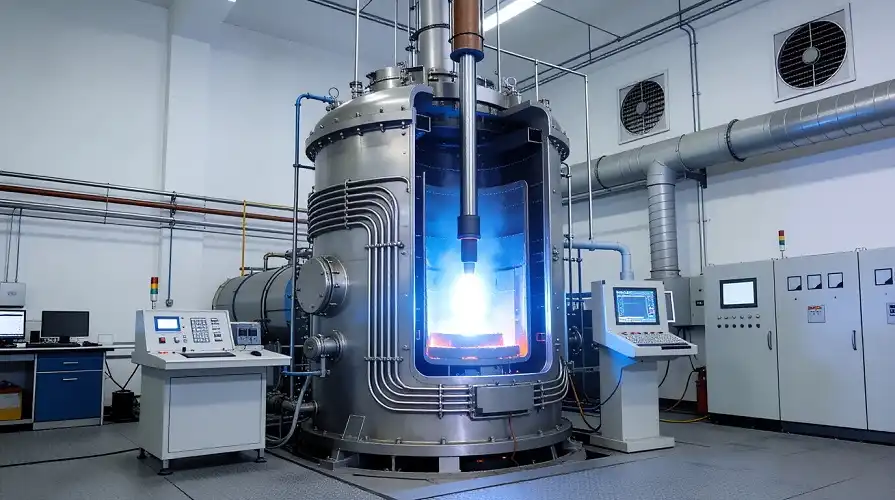
Vacuum Arc Remelting (VAR) uses a reusable electrode arc to melt titanium sponge and alloys in a high-vacuum environment, making Titanium round Bar that is uniform and free of gas holes. To keep the process from segregating, the temperature is kept within ±10°C of over 1,650°C. Electron Beam Melting (EBM) uses ultra-high pressure to attack materials with electrons, which makes the purity even higher. This makes it perfect for medical-grade materials. At our 120,000-square-meter plant, we use VAR furnaces that can make 8-ton ingots. These ingots are then put through ultrasonic tests to find flaws below the surface before they are forged.
Forging and Hot Rolling
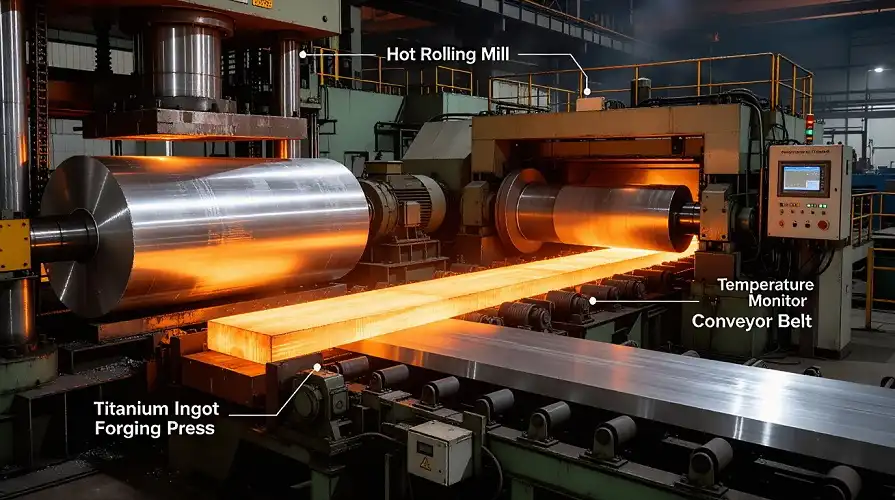
In safe atmosphere furnaces, ingots are heated to 900–1,150°C. They are then formed in hydraulic presses that put 5,000–10,000 tons of force on them. This mechanical working smooths out the grain structure and gets rid of any flaws in the casting. Multiple passes of hot rolling lower the diameter even more, and reheating between passes keeps the temperature above the beta transus for most metals. For smaller sizes (6–100 mm), rotary forging uses axial and radial forces to make bars that are straighter and have a better finish on the outside. The steps we use to process the metal—vacuum melting, forging, hot rolling/rotary forging, centerless grinding, bending, and surface treatment—ensure that the dimensions are accurate to within ±0.1mm.
Heat Treatment and Surface Finishing
Annealing gets rid of any remaining pressures and makes the nanostructures better. To make commercially pure grades, anneal at 650–750°C. To make Ti-6Al-4V, anneal at 700–850°C and then cool in air. Precipitation-hardenable alloys can be treated with solutions and aged, but normal bar stock is usually provided in the annealed state. Some surface treatments are centerless grinding to get close specs, turning to get smooth finishes, sanding to get coatings to stick, and pickling to get rid of oxide scale. Different machining and visual needs can be met by our variety of finishes, which include polished (bright), turned (peeled), ground, sandblasted, and pickled.
Traceability and Certification
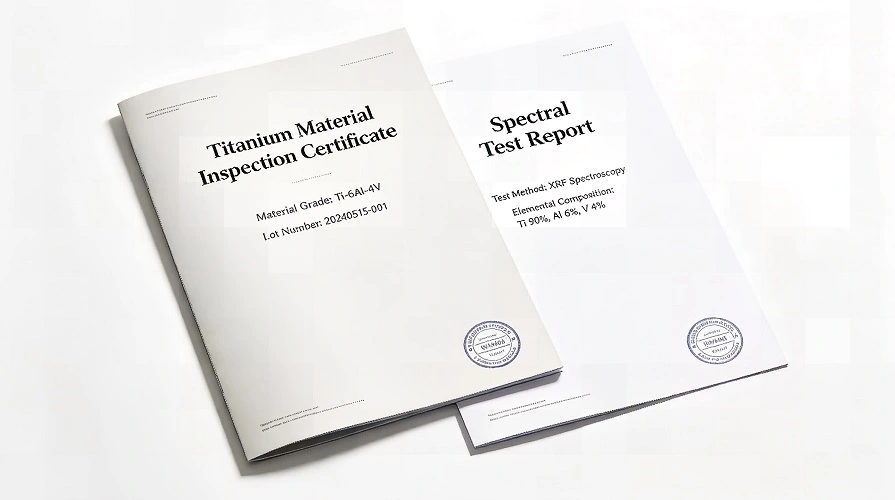
Each bar we make comes with a mill test certificate that lists the batch numbers of the raw materials used, their chemical makeup, their mechanical qualities, and the results of any non-destructive tests that were done. Customers in the aerospace industry can use this tracking chain, which has been checked by ISO 9001 and AS9100, to find its way back to the original sponge lot. Third-party lab tests, copies of which are sent with packages, make sure that the products meet the standards set by ASTM B348, ASME SB348, AMS 4928, AMS 6931, and ISO 5832-3. This kind of paperwork lowers the risk in the supply chain and meets the requirements of strict regulations in the defense and medical device industries.
Titanium Round Bar vs Other Metals: Raw Material Influence on Properties
Corrosion Resistance Comparison
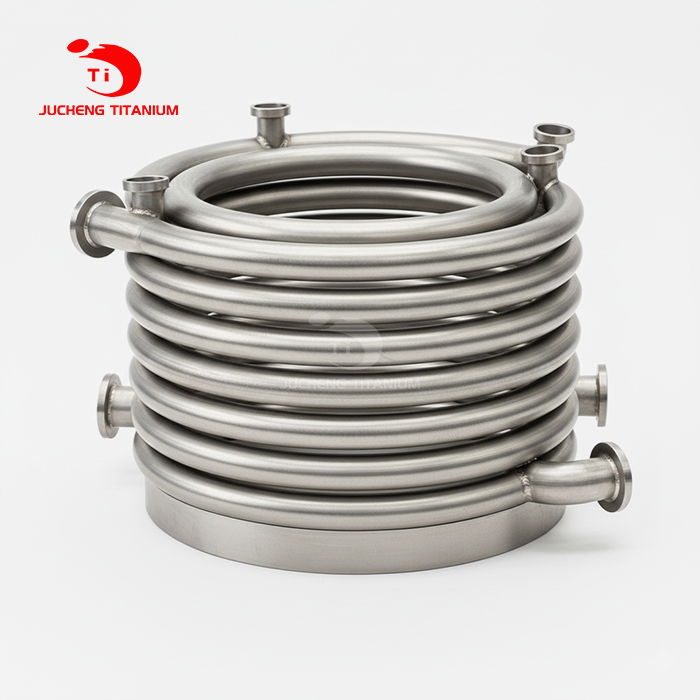
Titanium round Bar creates an inactive oxide layer in milliseconds when it comes into contact with air. This layer protects titanium from chlorides, sulfates, and organic acids that eat away at stainless steel. This happens because titanium has a strong attraction to oxygen, which is something that is built into the raw sponge. Nickel metals like Hastelloy are also resistant to rust, but they need to be expensively enhanced with chromium, molybdenum, and tungsten. Aluminum can only be used in normal pH settings because it corrodes quickly in acidic or alkaline ones. Our titanium heat exchangers that were put at Luoyang Petrochemical have been in use for over 15 years without any cracking. Stainless steel units, on the other hand, need to be replaced every 5 years.
Strength-to-Weight Ratio Analysis
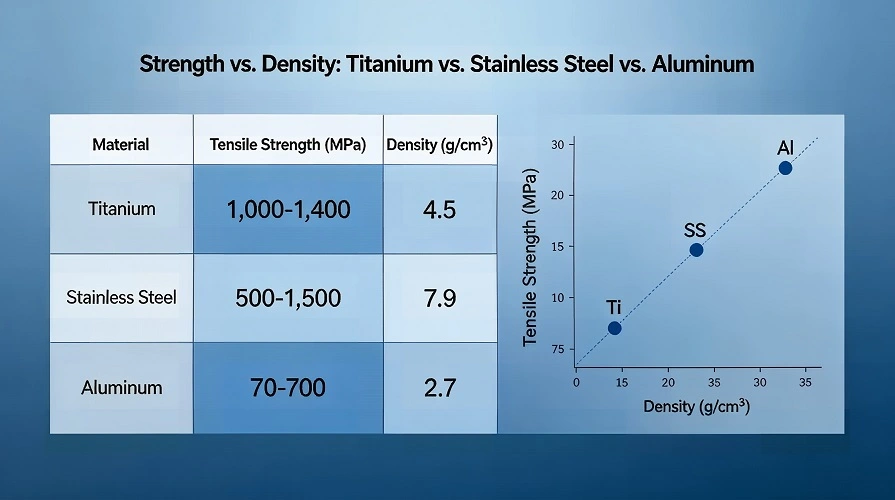
Titanium weighs 4.51 g/cm³, which is 40% less than steel and 60% more than aluminum. But Grade 5 titanium has tensile powers above 900 MPa, which is stronger than most structural steels and only half as heavy. Titanium's hexagonal close-packed crystal structure and the hardening effect of oxygen in the raw material give it this edge. This number is used by aerospace engineers to make planes lighter, which saves up to 15% on fuel. Even though carbon steel's raw materials are cheaper ($1-2/kg vs. $15–25/kg), the savings in lifecycle costs from less weight and upkeep can't make up for it.
Supply Chain and Cost Considerations
China, Russia, Japan, and Kazakhstan are still the main places where titanium sponges are made, with a worldwide capacity of about 200,000 tons per year. Price changes are caused by things like the cost of energy and political unrest. The Kroll process uses 50 to 60 MWh of energy per ton of sponge. Vanadium and other alloying elements are hard to get because 80% of the world's production comes from China and South Africa. Jucheng Titanium's strategic stockpile of 3,000 tons protects customers from changes in the spot market and makes long-term contracts more reliable. This steadiness is very important for project-driven buying in the building of chemical plants, where budget overruns cause delays in schedules.
Procurement Considerations: Choosing Titanium Round Bars Based on Raw Materials
Verifying Supplier Credibility and Raw Material Sources
Suppliers you can trust give you Material Test Reports (MTRs) that show where the raw materials came from, how they melt, and the end chemical makeup. Generic certificates that can't be traced back to a specific batch, refusals to let a third party check, or prices that are much lower than the market average are all red flags when sourcing Titanium round Bar. Prices this low often mean that the goods are recycled trash with unknown levels of impurity. Being a National High-Tech Enterprise and a "little giant" shows that Jucheng Titanium invests in quality systems. Our 41 utility model patents show that we have technical depth that goes beyond commodity dealing. As our aerospace customers often do, visiting production sites proves the quality culture and the ability of the equipment.
Matching Raw Material Grade to Application Requirements
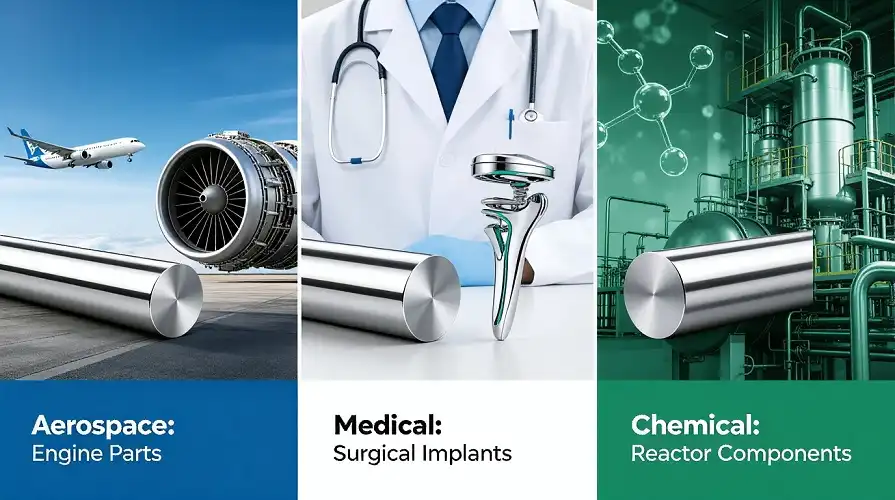
For aerospace parts, you need a new sponge with verified origins and ELI interstitial limits, which is why the price is higher. Commercial-grade sponge may work with chemical equipment if it has been tested for rust and shown to work well in certain process fluids. Manufacturers of medical implants must follow ASTM F136, which means they must get their raw materials from sources that are listed on FDA master files as approved. Our expert team helps customers choose the right grade. Sometimes they suggest over-specified material because of the bad effects of failure, and other times they use accelerated corrosion tests to find cheaper options. With the help of our R&D partnerships with Tsinghua University and Northwest University, this strategic method builds trust that goes beyond business partnerships.
Optimizing Lead Times Through Strategic Sourcing
Any standard size (20–100 mm) and length (up to 6000 mm) can be shipped from our stock in 72 hours. Custom sizes that need to be hot rolled can make wait times up to 4 to 6 weeks, based on how well the melt plan lines up. Aerospace-grade materials with ELI approval may take 8 to 12 weeks because of the time it takes to get the raw materials and do more tests. Our blanket order plans help customers who use just-in-time (JIT) production because they let us hold committed inventory until scheduled releases. Our global export network, which was built through relationships with wholesalers in North America and Europe, makes sure that import rules are followed and customs delays are kept to a minimum, which is very important when production lines are waiting for materials.
Conclusion
The titanium sponge and certain alloying elements like aluminum and vanadium that are used to make Titanium round Bar decide how strong, corrosion-resistant, and useful the finished product is in a wide range of fields, from aircraft to chemical processing. Knowing what the raw materials are made of helps you make smart purchasing choices that balance cost with performance needs. These raw materials are turned into bars that meet strict international standards like ASTM B348 and ISO 5832-3 through processes like VAR melting, shaping, and careful heat treatment. With more than 20 years of experience and 3,000 tons of certified stock, Jucheng Titanium is ready to help you with your material needs through stable supply lines and technical know-how.
FAQ
1. Why is titanium sponge considered the cornerstone raw material?
When used in industry, titanium sponge is the cleanest form of solid titanium that can be found for a Titanium round Bar. Titanium is known for having great rust protection because it is clean and free of iron, carbon, and sulfur, which are common in ferrous metals. The sponge's pores also make it easier to mix with master metals, which makes sure that the mixture is spread out evenly during melting.
2. How do alloying elements improve titanium bar performance?
Adding aluminum lowers the mass while boosting the tensile strength through solid solution strengthening. Vanadium stabilizes the beta phase, which makes the metal better at working at high temperatures and for welding. Palladium protects against reducing acids, even at a level of 0.2%. Each element is chosen based on the factors that are specific to the application, such as chemical exposure, mechanical loads, or temperature changes.
3. What certifications should I verify when sourcing titanium bars?
ASTM B348 verifies that industrial bars meet certain chemical and mechanical requirements. The ASME SB348 standard is used for pressure vessels. There are rules for aircraft material in AMS 4928 and AMS 6931. For medical implants, ASTM F136 is a must. Not only should the maker self-certify mill test certificates, but they should also refer to relevant standards and include third-party laboratory proof.
Partner With Jucheng Titanium for Certified Titanium Round Bar Supply
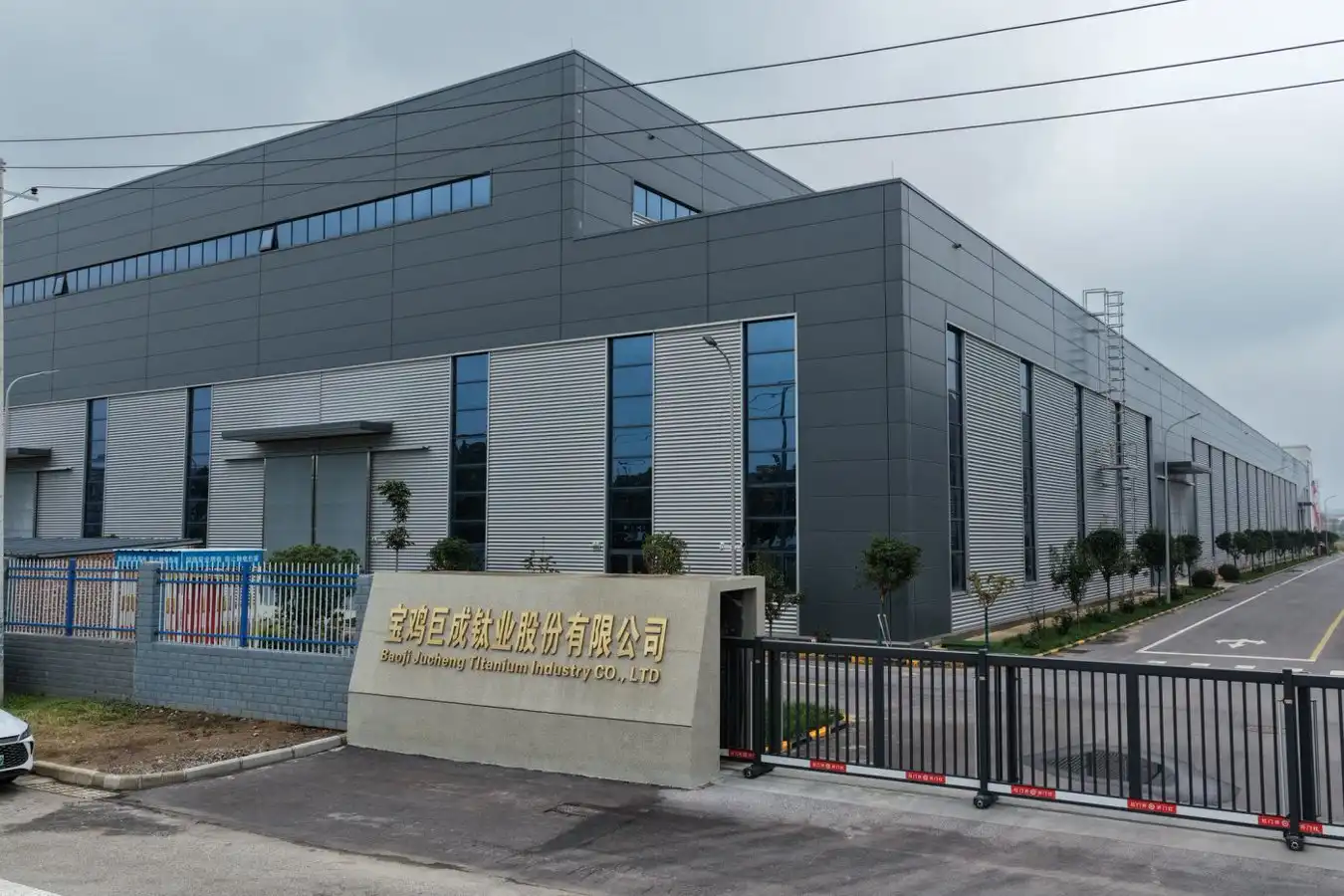
Jucheng Titanium sells high-quality Titanium round bars made from checked raw materials. These bars come in lengths of up to 12000mm and widths of 6 to 450mm. We have types Gr1 through Gr23 in stock, and all of them meet the requirements of ASTM B348, AMS 4928, and ISO 5832-3. We have been making these products for over 20 years and have 41 patents to our name. We offer special processing, such as precision cutting and a number of surface finishes. Our 3,000-ton stock allows us to quickly ship to markets in North America, Europe, and Asia, whether you need a few prototypes or a lot more than 50 tons. Email our engineering team at s4@juchengti.com to talk about your needs and get a thorough quote that includes full material tracking.
References
1. Donachie, Matthew J. Titanium: A Technical Guide, 2nd Edition. ASM International, 2000.
2. Lutjering, Gerd and James C. Williams. Engineering Materials and Processes: Titanium. Springer-Verlag Berlin Heidelberg, 2007.
3. American Society for Testing and Materials. ASTM B348-19: Standard Specification for Titanium and Titanium Alloy Bars and Billets. ASTM International, 2019.
4. Froes, Francis H. Titanium: Physical Metallurgy, Processing, and Applications. ASM International, 2015.
5. Rack, H.J. and J.I. Qazi. "Titanium Alloys for Biomedical Applications." Materials Science and Engineering C, vol. 26, no. 8, 2006, pp. 1269-1277.
6. Boyer, Rodney, Gerhard Welsch, and E.W. Collings. Materials Properties Handbook: Titanium Alloys. ASM International, 1994.