
Titanium Round Bars: A Complete Guide To Sizes, Grades, And Standards
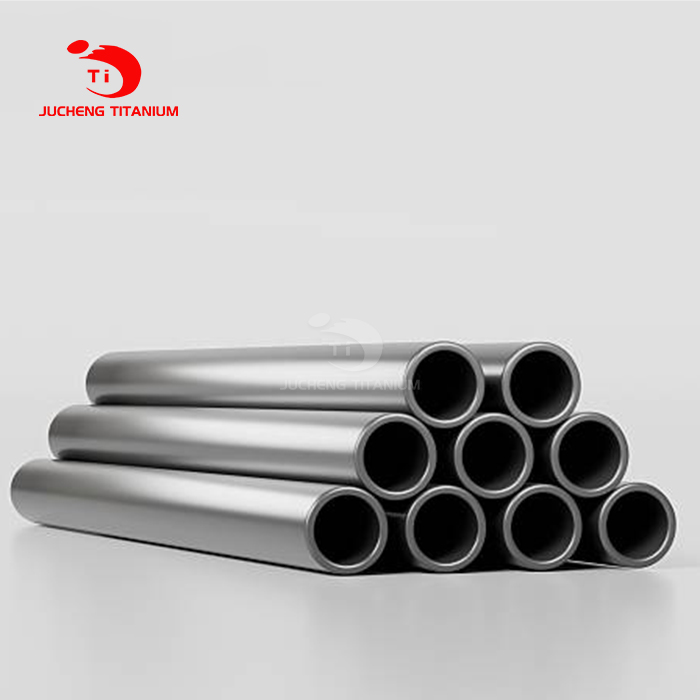
Titanium round bar is a vital metallurgical product to meet difficult industrial needs where other materials fail. These precision-manufactured components provide superior corrosion resistance, strength-to-weight ratios, and biocompatibility in aerospace, chemical processing, medical implants, and defence applications. Titanium rod products withstand harsh temperatures, corrosion, and high-cycle fatigue better than steel or aluminium. Titanium alloy bar stock, produced to ASTM B348, AMS 4928, and ISO 5832-3 standards, supports components with catastrophic failure.
Understanding Titanium Round Bar Specifications and Dimensions
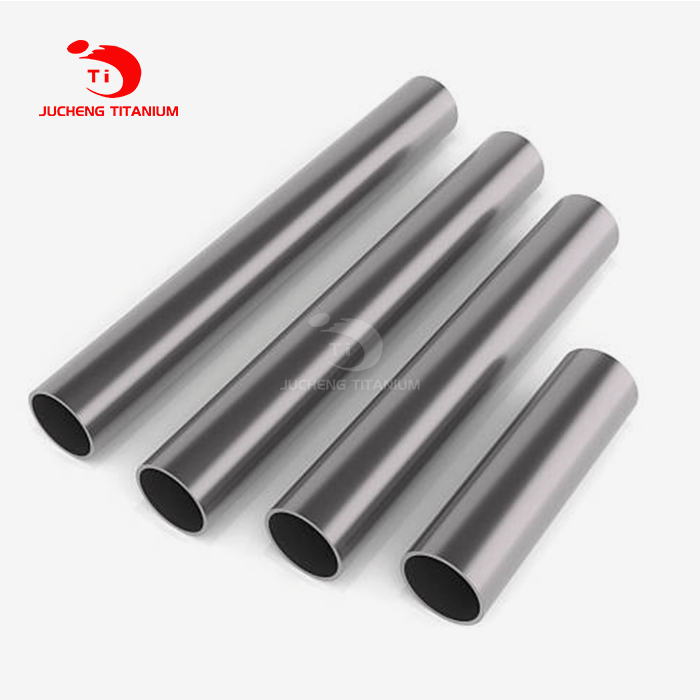
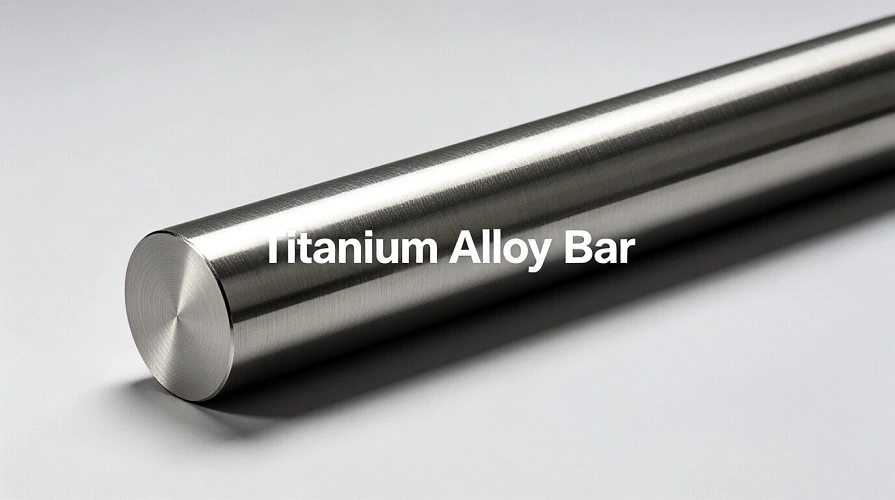
Titanium metal bar products' dimensional flexibility solves equipment makers' and distributors' procurement problems. Our manufacturing capabilities include Φ6mm to Φ450mm diameters, suitable for medical devices and industrial machinery. Standards allow lengths up to 6000mm, while unique applications can reach 12000mm.
Project managers can streamline supply chains by eliminating several vendors due to dimensional adaptability. Aerospace component makers benefit from narrower diameter tolerances (h9–h11) for consistent machining. Chemical equipment integrators like the longer length alternatives because they reduce weld joints in corrosive pipes, where each connection point might fail.
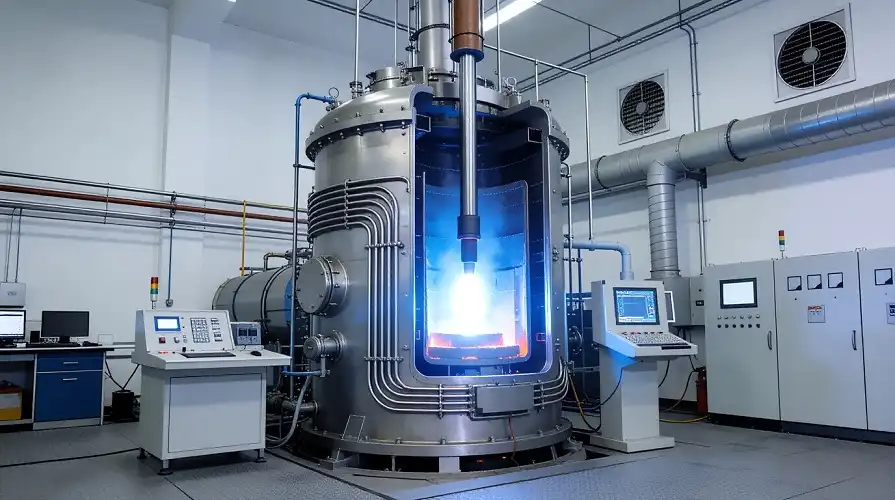
The production process greatly affects material performance. Vacuum melting removes air impurities, then forging refines the grain structure. Before centerless grinding or precise turning, hot rolling or rotary forging improves mechanical qualities. This multi-stage method guarantees titanium bar stock has a homogeneous microstructure across the cross-section, essential for multi-directional stress-loaded components.
Decoding Titanium Grades: From CP Titanium to Advanced Alloys
Component performance and lifespan costs depend on material quality. Commercially Pure (CP) titanium grades Gr1, Gr2, Gr3, and Gr4 increase strength while preserving formability and corrosion resistance. Gr2 dominates chemical processing because it balances workability and chemical immunity at competitive prices.
The aerospace and industrial workhorse alloy is grade 5 titanium bar, Ti-6Al-4V. Despite its low density of 4.43 g/cm³, this alpha-beta alloy has tensile strength surpassing 895 MPa. Aluminium strengthens and decreases density, whereas vanadium stabilises the beta phase, enhancing heat treatment performance. Aerospace manufacturers use Gr5 for structural components to reduce weight and improve fuel economy.
Gr7 and Gr12 add palladium, greatly boosting the reduction of acid resistance. Petrochemical equipment makers use these grades when ordinary CP titanium corrodes faster. Despite its low palladium concentration, passive film production occurs in oxygen-depleted circumstances.
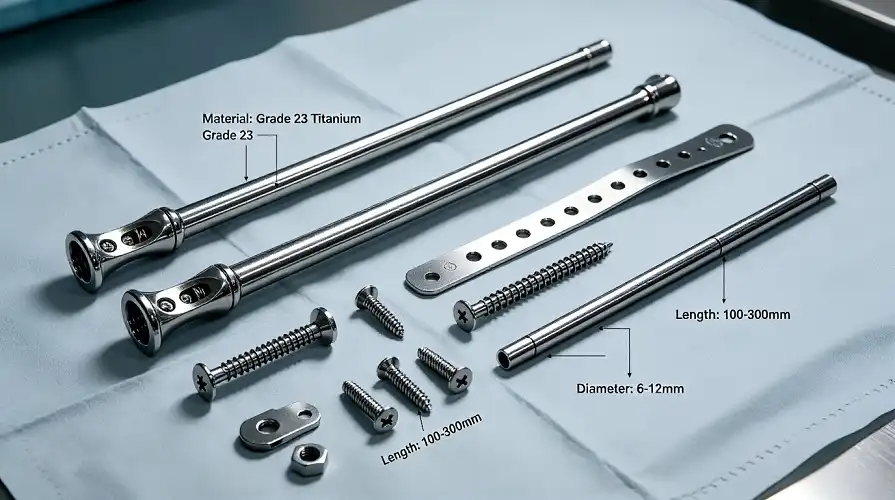
Medical device makers only use Gr23 (Ti-6Al-4V ELI), an Extra Low Interstitial Grade 5. Reduced oxygen, nitrogen, and iron concentration improves ductility and fracture toughness, which are essential for implanted devices that undergo cyclic stress in the body. This grade is expensive but removes the chances of implant failure.
Gr9 (Ti-3Al-2.5V) is between CP grades and Gr5, having intermediate strength and cold formability. Aerospace tube manufacturers choose this grade for hydraulic systems with sophisticated shaping before assembly.
International Standards Governing Titanium Bar Manufacturing
International procurement is less risky with standards compliance, especially for aerospace and medical applications with non-negotiable traceability requirements. The ASTM B348 standard specifies chemical composition, mechanical properties, and testing methodologies for industrial titanium round bar stock. This standard lets distributors obtain products internationally, knowing that dimensions and performance standards are met.
Although similar to ASTM B348, ASME SB348 handles pressure vessel and boiler applications. Chemical plant contractors specify titanium heat exchangers using this standard to ensure ASME code compliance. The parallel standards speed up regulatory clearance, decreasing project delays.
Aerospace companies follow AMS standards. AMS 4928 requires vacuum or vacuum-arc remelting to reduce inclusion content in aerospace structural Ti-6Al-4V bars. Forged components must meet AMS 6931 grain size and ultrasonic inspection standards. Testing and documenting aerospace-grade titanium bars is expensive due to these strict criteria.
ASTM F136 and ISO 5832-3 control surgical implant materials. This standard requires high purity and lot traceability throughout implant lifecycles. Standards compliance is crucial in implant manufacturing, as evidenced by decades-long material certification records.
These discrepancies are crucial during procurement. AMS requirements for non-aerospace applications increase costs, while substituting industrial-grade material for aerospace applications risks regulatory rejection and responsibility.
Processing Methods That Define Performance Characteristics
The transformation from raw titanium sponge to precision titanium round stock involves carefully controlled thermomechanical processing. Vacuum melting represents the foundational step, preventing contamination by atmospheric gases that embrittle the final product. Triple or even quadruple melting cycles refine chemistry and homogenise composition.
Forging operations below the beta transus temperature (approximately 995°C for CP grades) maintain fine alpha grain structure, optimising fatigue resistance. Aerospace suppliers employ isothermal forging in controlled atmospheres, producing near-net shapes that minimise subsequent machining—important when material costs exceed $45 per kilogram.
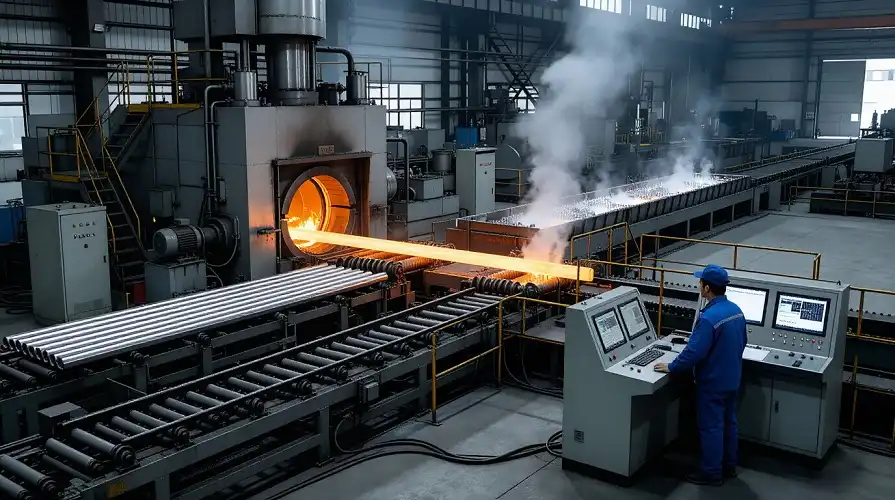
Hot rolling converts forged billets into extended lengths while maintaining microstructure integrity. Rotary forging applies radial compression, ideal for producing a smaller diameter titanium rod with exceptional surface finish and dimensional accuracy. This method reduces subsequent grinding requirements, lowering processing costs for high-volume production.
Centerless grinding achieves final diameter specifications and surface finish requirements. This abrasive process removes surface defects while maintaining tight tolerances essential for precision machining operations. Medical component manufacturers require surface roughness values below 0.8 μm Ra, achievable only through controlled grinding parameters.
Straightening operations correct minor geometric deviations introduced during thermal processing. Precision straightening equipment applies controlled bending moments, yielding titanium bar stock with straightness tolerances under 1mm per meter—critical for automated machining operations where material deflection causes scrapped parts.
Surface Treatment Options and Their Functional Benefits
The state of the surface has a big effect on both how easy it is to machine and how well it resists rust over time. Polished (bright) surfaces make consumer goods like titanium dishes look nicer, but more importantly, they keep the surface from being too rough, which could allow germs to grow in medical or food processing settings. Progressive abrasive polishing gets rid of surface imperfections down to the sub-micron level, leaving a shine that looks like a mirror.
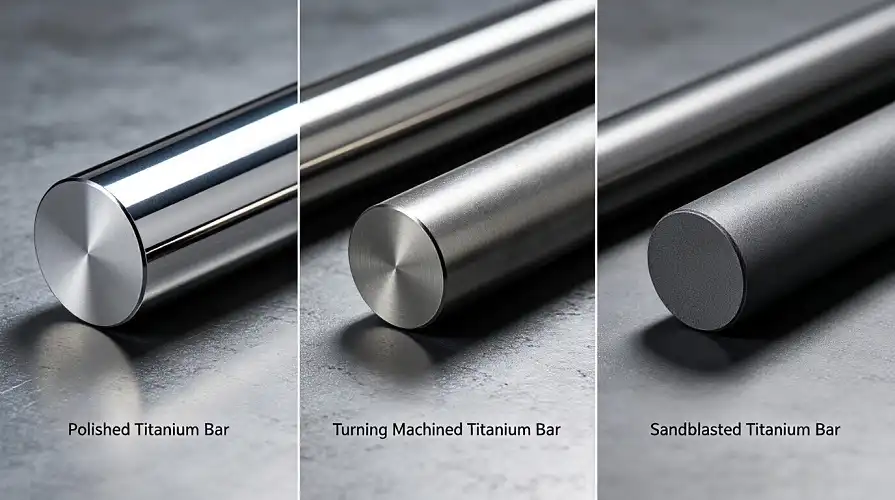
For general cutting stock, areas that have been turned or peeled are the most cost-effective choice. This method gets rid of surface scale and small flaws while keeping a finish with a reasonable amount of texture. When stocking titanium round bar to resell, distributors usually keep turned material on hand, weighing cost against flexibility.
When grinding without a centre, the diameter specs are the tightest, and the surface finish is the most constant. When aerospace makers make titanium alloy bars for important rotating parts, they make sure that the surfaces are ground. This makes sure that the units are balanced and that there is little vibration at working speeds.
Sandblasting makes surfaces evenly rough, which is perfect for covering or sticking things together with glue. Sandblasting is used by companies that make chemical equipment to get the surface energy profiles they need to bond titanium cladding to steel bases. The controlled roughness profile fits together physically with adhesive systems, which makes the link much stronger.
Using acid solutions, pickling gets rid of metal scale and surface dirt chemically. Titanium's natural resistance to rust is brought back by this process, which exposes new metal that quickly forms a stable passive film. When welders get a titanium bar ready to join, they always ask for pickled areas to get rid of contaminants that could weaken the joint.
Industrial Applications Driving Titanium Round Bar Demand
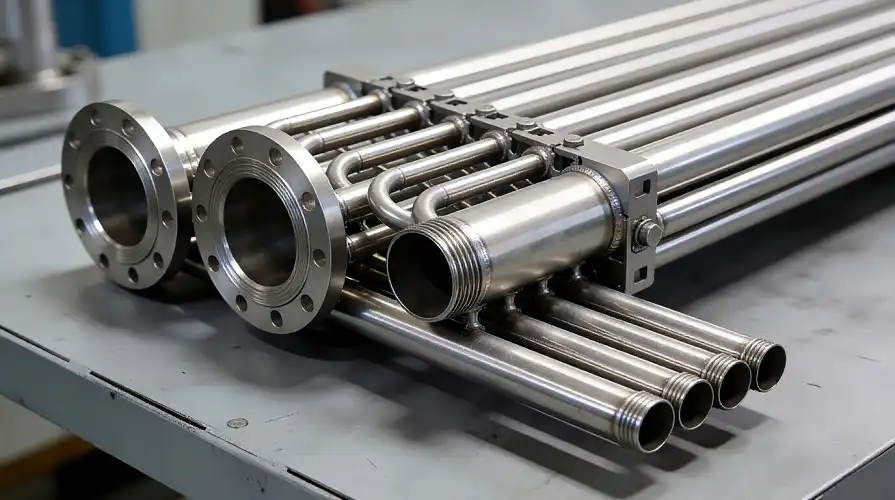
A lot of corrosion-resistant titanium bar stock is bought by chemical production plants. Heat exchanger tube bundles made from Gr2 titanium rod can handle being exposed to chlorine hydrocarbons, sulphuric acid mists, and high-salinity process streams for decades, while stainless steel would be destroyed in just a few months. Because of how long the equipment lasts, the higher cost of materials is justified—replacement costs include not only materials but also longer building shutdown.
Increasingly, petrochemical companies ask for titanium bars for the shafts of rotating equipment that work in sour gas settings. Normal metals are damaged by hydrogen sulphide through sulphide stress cracking, but titanium's passive oxide film stays stable. Companies that make pumps cut Grade 5 titanium bar into turbine shafts. This makes the average time between breakdowns go from months to years.
Titanium round stock is used in the oil and gas industry for underwater uses where seawater corrosion and cathodic protection interference speed up the breakdown of metals. Titanium is being used more and more in drilling riser parts, wellhead equipment, and offshore platform structural elements. This lowers upkeep costs and raises safety gaps.
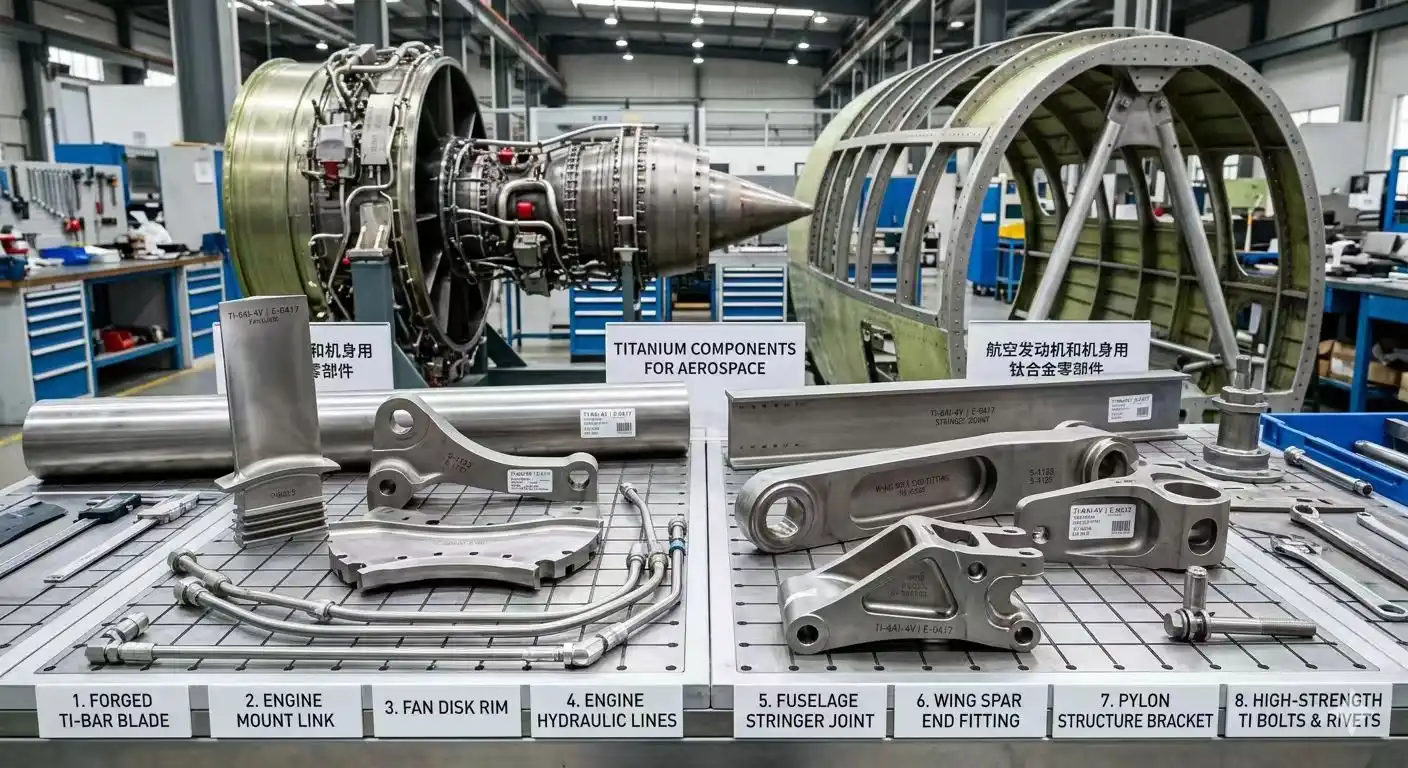
Manufacturers of aerospace parts cut Grade 5 titanium bar into engine mounts, landing gear parts and aircraft fittings. When compared to steel, the 40% weight savings directly improve fuel economy over the lifetime of an aeroplane. Defence companies cut titanium alloy bars into missile cases and armour parts. The success of the system depends on how strong it is compared to how heavy it is.
Medical device makers use Gr23 titanium bar to make orthopaedic implants like tooth implants, spine fixation rods, and hip stems. Biocompatibility stops immune reactions, and mechanical qualities that are the same as human bone mean that stress shielding doesn't happen as much, which stops implants from coming free.
Carbon steel breaks down in bleaching conditions, so industrial machinery builders use titanium bars for parts in paper plants. More and more, food preparation equipment uses titanium round stock for mixing impellers and pump shafts, which gets rid of worries about metal contamination.
Titanium bar cutting is used in power plants to make a condenser pipe that doesn't rust in cooling water. Nuclear plants choose titanium for heat exchangers that are cooled by seawater, even though it costs more at first. This is because titanium tubes last 40 years without needing to be replaced.
Material Properties That Solve Engineering Challenges
The technical superiority of titanium metal bar stems from its unique physical and chemical characteristics. Density of approximately 4.51 g/cm³ delivers structural efficiency unmatched by ferrous alloys. Components designed with titanium achieve equivalent strength at 60% of steel weight, translating to payload increases in aerospace applications or reduced foundation requirements in industrial installations.
Melting point exceeding 1660°C ensures dimensional stability under thermal cycling. Jet engine manufacturers machine Grade 5 titanium bar into compressor blades operating at temperatures where aluminium alloys soften. The high melting point also facilitates welding without hot cracking concerns that plague some aluminium alloys.
Thermal conductivity, roughly one-fifth that of aluminum provides insulation benefits in cryogenic applications. Titanium bar machining produces valve stems for LNG service, where heat leaks into cryogenic fluids cause operational inefficiencies.
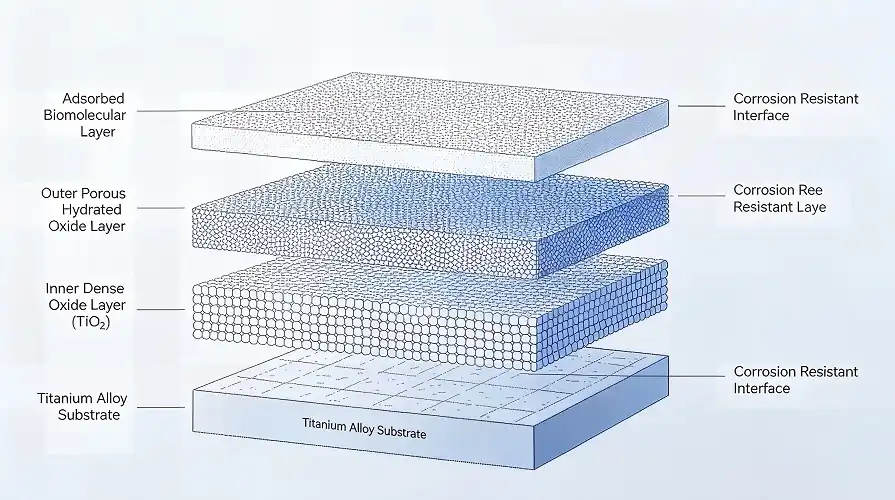
The spontaneous formation of titanium dioxide passive film represents the defining chemical characteristic. This nanometer-thick oxide layer re-forms instantly upon damage, providing self-healing corrosion protection. Chloride ions—destructive to stainless steel—do not penetrate the titanium round bar's passive film, explaining dominance in seawater applications.
Non-magnetic properties eliminate concerns about compass deviation or magnetic resonance interference. Medical equipment manufacturers specify titanium round stock for surgical instruments used during MRI procedures, while minesweeping vessels incorporate titanium components to minimise magnetic signatures.
Elastic modulus of 110 GPa, approximately half that of steel, provides vibration-damping characteristics. Industrial equipment designers leverage this property in titanium bar applications subject to oscillating loads, reducing fatigue failure risks.
Biocompatibility results from the inert nature of the oxide film. Human tissue integrates with titanium implants without inflammatory responses, explaining dominance in medical devices. This same property benefits food processing equipment, eliminating metallic taste contamination.
Quality Assurance and Certification Requirements
Material traceability represents a non-negotiable requirement across critical applications. Each titanium bar production lot carries unique identifiers linking finished products to original melt chemistry, mechanical test results, and processing parameters. Aerospace manufacturers maintain these records for decades, enabling failure analysis should components underperform.
Chemical composition verification through optical emission spectroscopy confirms grade compliance. Aluminium and vanadium content in Grade 5 titanium bar must fall within tight specification windows—variations outside tolerance bands compromise mechanical properties and heat treatment response.
Tensile testing validates strength and ductility. Test specimens machined from production lots undergo standardised loading to fracture, quantifying yield strength, ultimate tensile strength, and elongation. Medical-grade material requires additional impact testing, ensuring fracture toughness meets implant service requirements.
Ultrasonic inspection detects internal discontinuities invisible to surface examination. High-frequency sound waves traverse titanium round stock, reflecting from voids, inclusions, or segregation zones. Aerospace suppliers reject material showing indications above acceptance thresholds defined in AMS standards.
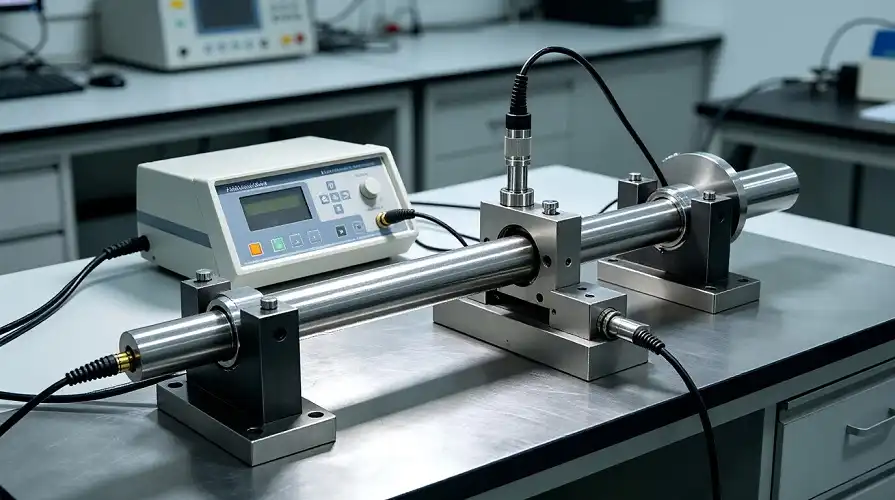
Dimensional verification confirms diameter, straightness, and surface finish meet specifications. Automated gauging systems measure diameters at intervals along bar length, detecting taper or ovality that causes machining difficulties.
Hardness testing provides a rapid assessment of heat treatment effectiveness and work hardening state. Aerospace specifications typically require an annealed condition with hardness below defined maximums, ensuring consistent machinability of titanium round bar.
Grain size evaluation through metallographic examination reveals microstructure characteristics affecting mechanical properties. Fine, equiaxed grains optimise fatigue resistance, while coarse structures indicate processing deviations requiring material rejection.
Certification packages accompanying titanium bar shipments compile test results, confirming standards compliance. These Mill Test Reports become permanent records, supporting quality audits and regulatory inspections throughout component lifecycles.
Conclusion
Titanium round bars offer exceptional performance across diverse industries due to their superior strength-to-weight ratio, corrosion resistance, and biocompatibility. With various grades, such as Gr2 for chemical processing and Gr5 for aerospace, these bars meet stringent standards like ASTM B348 and AMS 4928. Their versatile applications range from medical implants to aerospace components, thanks to precise manufacturing techniques such as vacuum melting and forging. By partnering with a trusted supplier like Baoji Jucheng Titanium, industries can ensure high-quality titanium bars with consistent material properties and traceability, driving long-term performance and cost-efficiency in critical operations.
Partner with Jucheng Titanium: Your Trusted Titanium Round Bar Manufacturer
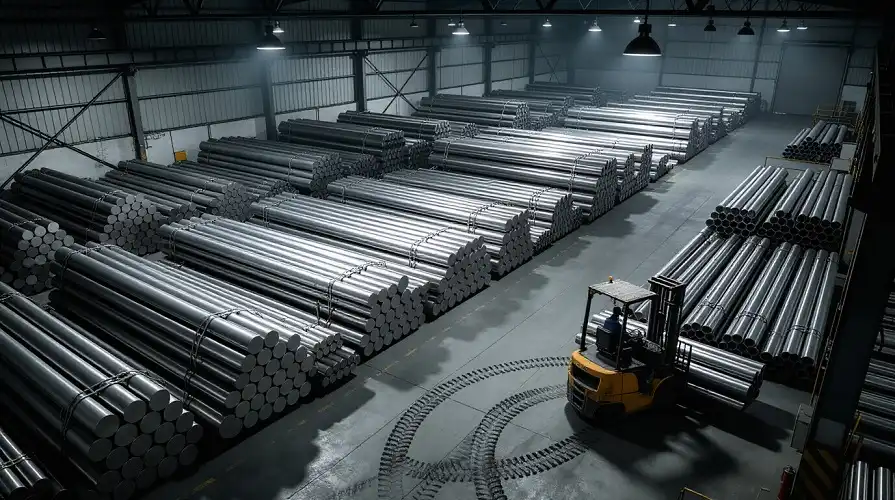
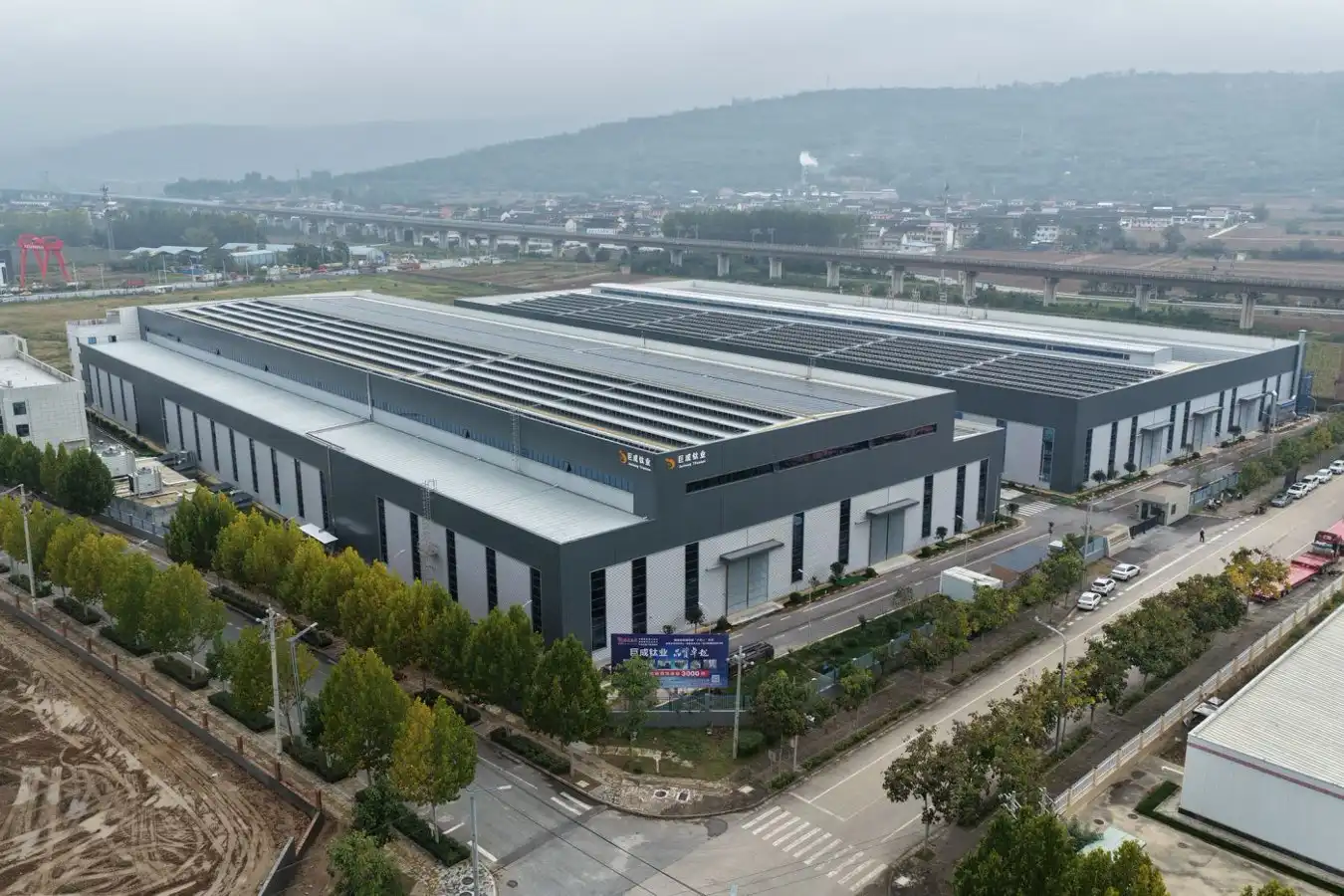
Selecting a titanium round bar supplier demands evaluating technical capabilities, quality systems, and supply chain reliability. Baoji Jucheng Titanium Industry Co., Ltd. combines two decades of specialised titanium processing experience with comprehensive certifications, maintaining a 3,000-ton inventory for immediate delivery. Our precision manufacturing capabilities produce titanium alloy bars to aerospace, medical, and industrial specifications, supported by 45 proprietary patents. Contact our technical team at s4@juchengti.com to discuss your specific requirements—from prototype quantities to large-scale projects requiring consistent material properties and documentation.
References
1. Donachie, Matthew J. Titanium: A Technical Guide, 2nd Edition. Materials Park, OH: ASM International, 2000.
2. Lutjering, Gerd, and James C. Williams. Titanium, 2nd Edition. Berlin: Springer-Verlag, 2007.
3. Boyer, Rodney, Gerhard Welsch, and E.W. Collings, eds. Materials Properties Handbook: Titanium Alloys. Materials Park, OH: ASM International, 1994.
4. Schutz, R.W., and D.E. Thomas. "Corrosion of Titanium and Titanium Alloys." ASM Handbook, Volume 13B: Corrosion: Materials. Materials Park, OH: ASM International, 2005.
5. Peters, M., J. Hemptenmacher, J. Kumpfert, and C. Leyens. "Structure and Properties of Titanium and Titanium Alloys." Titanium and Titanium Alloys: Fundamentals and Applications. Weinheim: Wiley-VCH, 2003.
6. ASTM International. Annual Book of ASTM Standards, Volume 02.04: Nonferrous Metals. West Conshohocken, PA: ASTM International, published annually.