
How long does a titanium skull plate last?
When buying brain implants for making medical devices or for reconstructive purposes, how long a titanium plate lasts is one of the most important things to think about. Titanium skull plates usually last between 10 and 20 years, but this can be longer or shorter depending on the quality of the material, how well they were made, and the patient. Medical-grade titanium metals, especially Grade 2 and Grade 5, are the best for lasting cranial reconstruction because they are very good at osseointegration and corrosion protection in living settings. When procurement workers know about these factors that affect durability, they can evaluate the skills of suppliers and choose materials that combine healthcare outcomes with long-term cost effectiveness.
Understanding Titanium Skull Plates: Material Properties and Manufacturing
Why Titanium Dominates Cranial Reconstruction
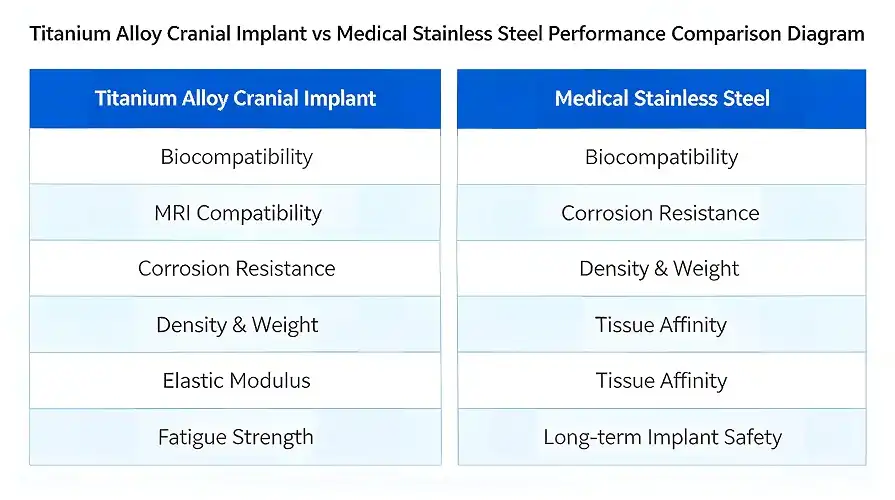
Titanium is the only material that can be used for cranial uses because it has a unique set of qualities. The material is stronger per unit of weight than surgical stainless steel and is completely biocompatible—the body's immune system knows that titanium is chemically neutral, which lowers the risk of rejection. This non-magnetic quality also means that people with titanium implants can have MRI studies without any problems, which is a big practical benefit over ferromagnetic options.
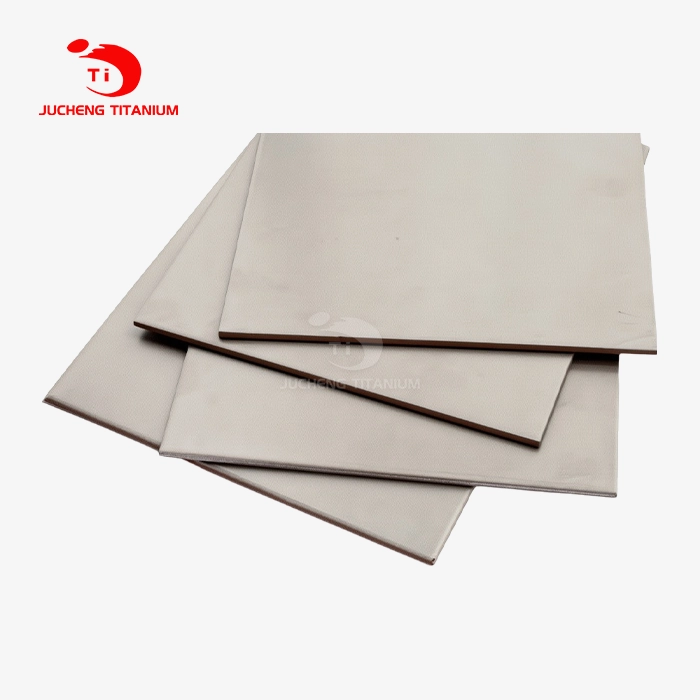
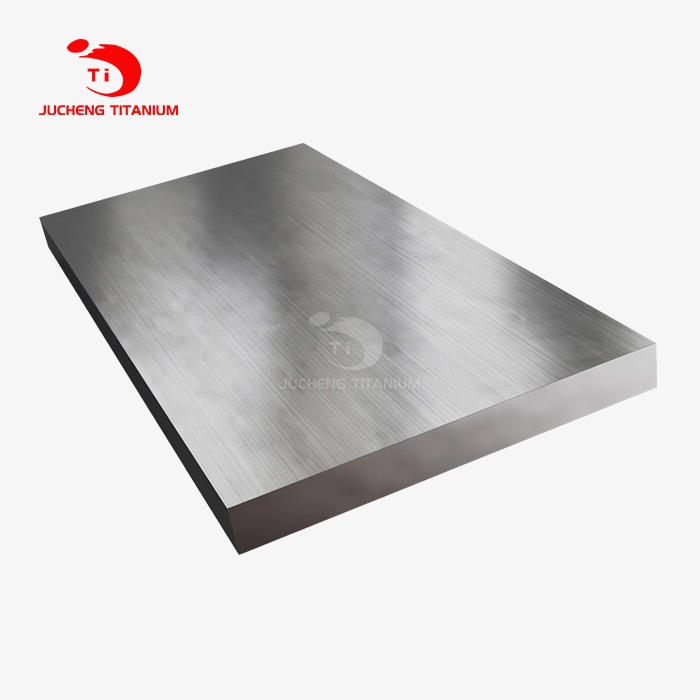
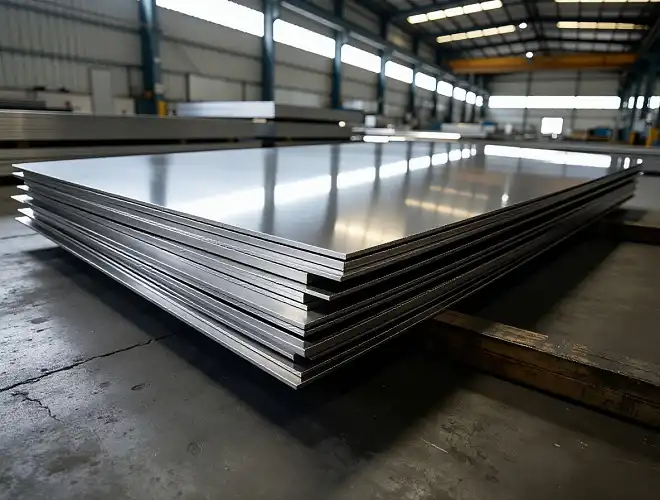
The process starts with vacuum arc remelting of high-purity titanium material to get rid of any small amounts of impurities. Using hot rolling methods, ingots can be turned into sheets of any thickness, usually between 4mm and 80mm, based on the needs of the application. These steps are in line with international standards, such as ASTM B265 for titanium sheet in general and ASTM F67 for materials used in medical implants.

Material Grades and Their Clinical Implications
Grade 2 titanium, which is considered commercially pure, is made up of 99.2% titanium and is very resistant to rust while being moderately strong. This type is good for uses that need to be very formable, like surgical shape and contouring. Ti-6Al-4V, or Grade 5 titanium, has 6% aluminum and 4% vanadium in it, which makes it almost twice as strong as Grade 2 in terms of tensile strength. This type of metal is best for load-bearing cranial structures that need to be resistant to mechanical stress.
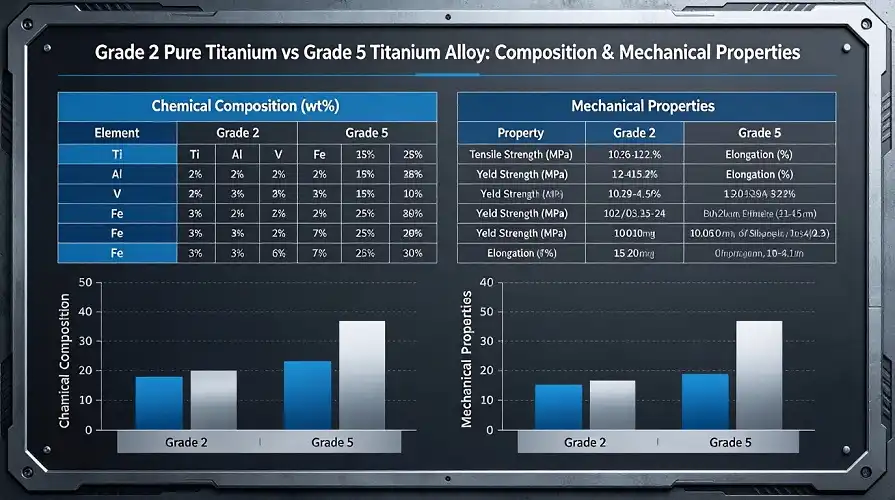
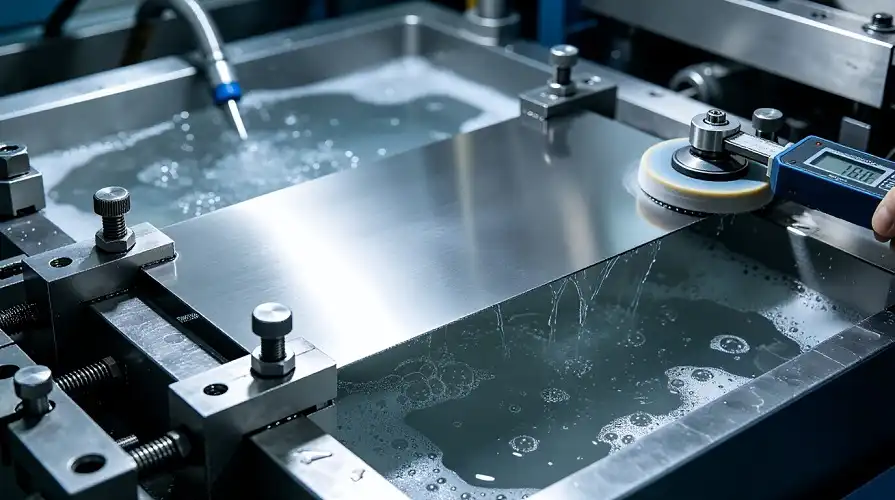
To get surgical-grade surface finishes, factories use annealing to improve the structure and flexibility of the grains. This is followed by precision cutting, polishing, and acid cleaning. Quality assurance methods make sure that standards like AMS 4911 and ASME SB265 are being followed. This makes sure that the raw materials can be tracked all the way to the finished implant. For buying teams, checking these licenses during the qualification process for suppliers keeps expensive quality problems from happening later on.
Processing Methods That Extend Service Life
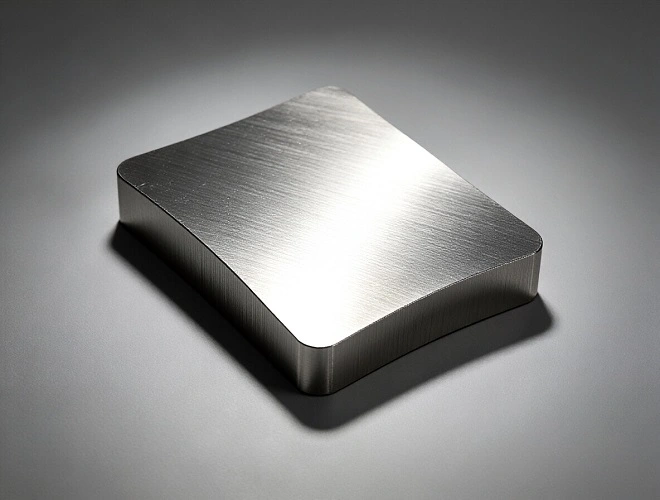
When brain implants are made, they start to last a long time. Rolling methods decide the direction of the grains and the material's mechanical qualities. Controlled annealing processes reduce internal stresses that could cause the material to wear out too quickly. Leveling processes make sure that the flatness tolerances across plate measurements are within 0.5mm. This is very important for making sure that the surgical fit is right.
Treatments for the surface are also very important. Acid treatment gets rid of oxide layers that could get in the way of osseointegration, while polished ends make it harder for bacteria to stick to the surface. Machined surfaces have precise edge patterns that keep soft tissues from getting irritated. Advanced manufacturers can change the surface patterns to help bone cells connect, but these changes need to be thoroughly tested for biocompatibility before they can be used in patients with a titanium plate.
Factors Affecting the Lifespan of Titanium Skull Plates
Material Grade Selection and Durability
Choosing between Grade 2 and Grade 5 titanium has a big impact on how long an implant will last in different body circumstances. Because Grade 2 has a lower strength profile, it can be used in pediatric settings or areas with low loads. Surgeons can shape plates during surgery because it is so easy to shape. However, Grade 5's higher fatigue resistance is often needed for adult frontal bone repair, especially in patients who are busy or who work in high-impact jobs.
All medical-grade titanium alloys have excellent corrosion resistance, but Grade 5's alloying elements can form limited galvanic cells if quality control during production is not maintained. Reliable providers keep strict compositional limits and use ultrasound testing to find internal breaks before they are machined. To make sure these quality rules are being followed, people who work in procurement should ask for material test results and third-party inspection certificates.
Biological Integration and Environmental Factors
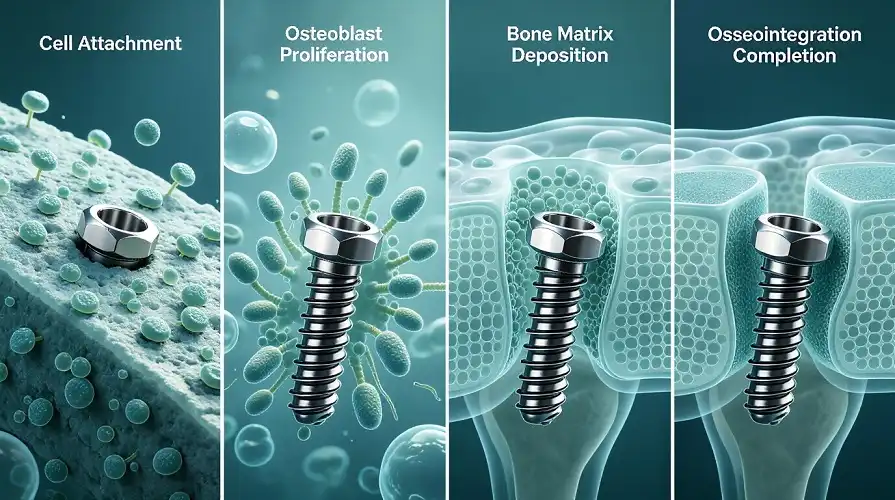
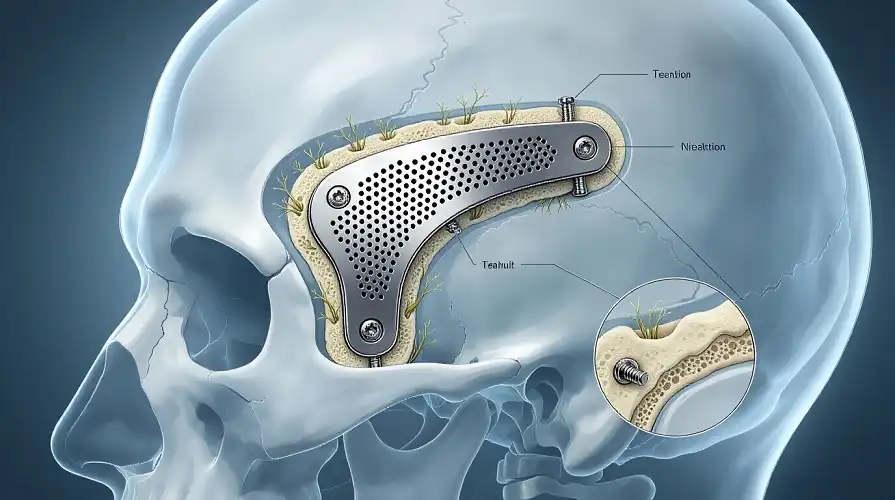
Long-term safety depends on osseointegration, which is the direct structural link between bone tissue and the implant surface. Titanium naturally creates a thin oxide layer (TiO2) that bone cells identify and colonize. This happens 3 to 6 months after the implant, forming a biological link. Over the years, this integration has been getting stronger as long as the surgery method kept the periosteal blood flow going and the main stability was achieved through proper fixation.
In the human body, environmental problems include being exposed to chloride ions all the time in interstitial fluids, changes in pH, and mechanical stresses from daily tasks. The inactive oxide layer of medical-grade titanium fixes itself when it gets scratched, keeping its corrosion resistance for decades of use. However, flaws in the manufacturing process, such as subsurface gaps or incorrect heat treatment, can weaken this defense mechanism. This shows how important source quality systems are.
Design Parameters and Mechanical Considerations
Wear and tear, life and stress distribution are all affected by plate width, hole patterns, and edge designs. Plates that are 1.5 to 2.5mm thick offer more skeletal support, but they also add weight and make soft tissue stand out more. A strategic hole lets bone grow in while lowering the difference in hardness between the implant and the skull. When edges are radiated, stress amounts that could cause cracks to start spreading are kept to a minimum.
With today's computer-aided design tools, implant shape can be customized for each patient using data from a CT scan. This improves fit and shortens the surgery time. Custom implants have better long-term results than stock plates that are bent by hand because they don't have the cold-working stress concentrations that are created during shaping during surgery. When looking for suppliers for OEM makers, procurement teams should check to see if the suppliers can do fast prototyping and have quality control procedures in place for making custom shapes.
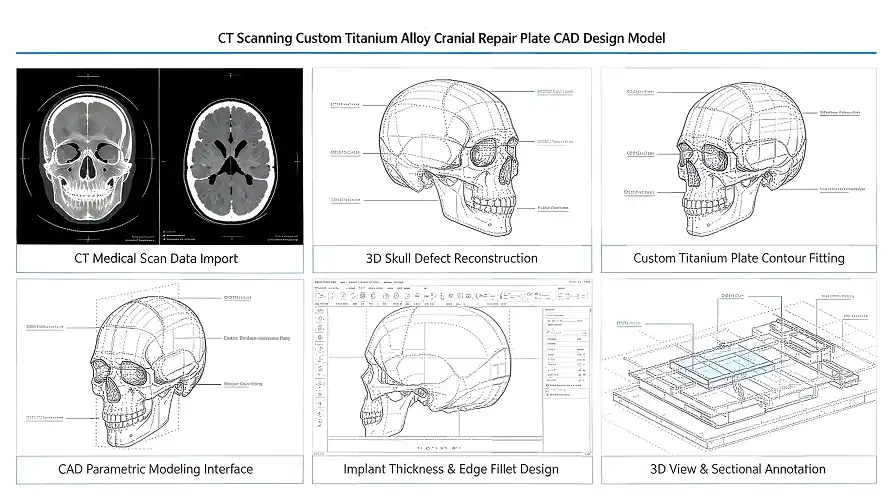
Titanium Skull Plates vs Alternatives: Why Titanium Stands Out?
Comparative Material Performance Analysis
Even though stainless steel implants are cheap, they have some problems that make them less useful for head applications. Their higher density makes outlines feelable under thin scalp tissues, and their magnetic qualities stop some diagnostic images from working. Corrosion can happen in biological settings that are high in chloride, which can cause ions to be released and inflammatory reactions. Over 10-year follow-up periods, clinical studies show that correction rates are 3–5 times higher for cranial plates made of stainless steel than for titanium versions.
Polyetheretherketone (PEEK) polymer implants are better for imaging after surgery because they are radiolucent, but they can't fuse with bone as titanium can. PEEK stays chemically enclosed instead of bonded, which leaves room for fluid or infection buildup. Because the material keeps heat in, it may be uncomfortable for patients in places with very high or low temperatures. Because of these problems, titanium still has a large part of the market, even though it costs more.
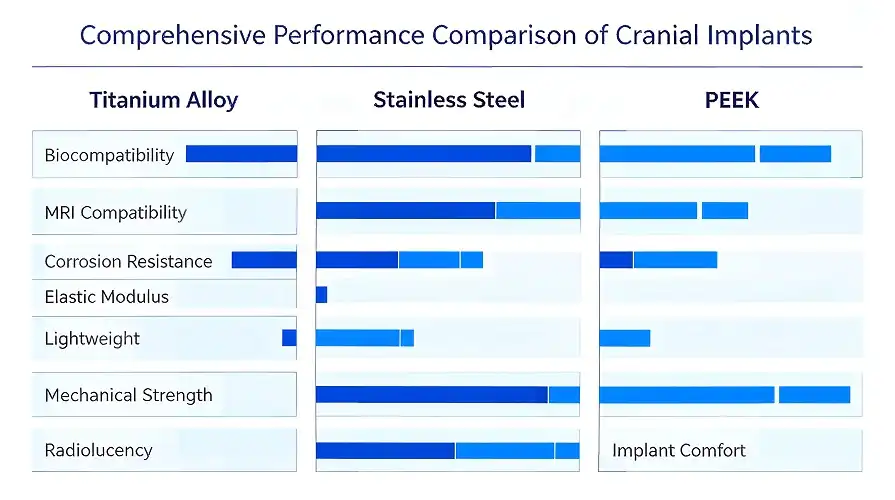
Economic Considerations for Procurement Decisions
Titanium plate initial purchase costs are 40–60% higher than options, but total cost of ownership estimates show a different picture. Titanium lasts longer than most materials, so it doesn't need to be replaced. Revision surgeries, which involve multiple procedures, risks of anesthesia, and longer healing times, add to the cost of healthcare. Titanium's well-established regulatory route and large body of clinical data make it easier for medical device makers to get their products approved than new biomaterials.
Another important factor in buying is the stability of the supply line. Titanium is mostly made in places with strong aircraft and defense businesses. This makes the material readily available even when the market changes. In recent years, Baoji, China, has become a major center for processing titanium. Companies like Jucheng Titanium keep 3,000-ton stocks to meet urgent shipping needs. This depth of supply lets buying teams reach good terms while still upholding quality standards.
Grades Comparison for Specialized Applications
Titanium metals that aren't Grade 2 or Grade 5 can be used for specific tasks. Palladium is added to Grade 7 to make it more resistant to reducing acids. This is important for people whose bodies or medications aren't working normally. Grade 9 (Ti-3Al-2.5V) is a choice with a middle level of strength and better cold formability than Grade 5. Grade 12 is better for welding together systems with more than one part.
These unique classes cost more than other grades, but they solve certain technical problems that make them worth it. Instead of using standard grades, procurement plans should choose materials based on what they will be used for. Suppliers with a wide range of alloys and mechanical knowledge can help make the right choices, but this is usually what sets tier-one makers apart from common suppliers.
Procurement Insights: Buying Titanium Skull Plates for B2B Clients
Supplier Evaluation and Qualification Criteria
When buying medical devices, suppliers must be carefully evaluated in ways other than price comparison. ISO 13485 approval checks that medical device-specific quality control systems are in place, and ASTM F67 compliance checks that materials are biocompatible. The procurement teams should check the traceability systems of their sources to make sure that each plate is linked to a specific ingot lot number and a material test record that goes with it.
As much as qualifications matter, what you can make is even more important. Suppliers who have their own tools for casting, rolling, and finishing maintain better quality control than those who outsource these steps. Vertical integration is shown by Jucheng Titanium, which has 120,000 square meters of production facilities and is in charge of the whole manufacturing process, from checking the raw materials to packing them up at the end. With these kinds of features, unique changes can be made more quickly, and the quality of each production run is the same.
Understanding Global Market Dynamics
Titanium prices change based on demand cycles in aircraft, military buying trends, and actions in the energy industry. About 8% of the world's titanium is used in medical applications. This means that companies that make medical devices take prices rather than set prices. When you work with sellers who keep a lot of extra stock on hand, you can protect your purchasing costs from short-term changes in the market.
Lead times depend a lot on how complicated the product is. Standard plate sizes and thicknesses can usually be shipped within two to three weeks from reputable sources that keep a lot of stock. Custom shapes that need new tools or special tests can lead to times of 8 to 12 weeks. When negotiating delivery promises and punishment terms in contracts, procurement planning should keep these facts in mind.
Specification Development and Communication
For procurement to work, there must be clear, detailed requirements. Minimum needs should list the type of material (based on ASTM standards), its dimensions, the level of finish, and any certificates that are needed. Specifications that aren't clear can lead to quality issues and shipping delays. Giving CAD files for custom shapes gets rid of mistakes in reading and lets suppliers give comments on the design for manufacturing.
Minimum order amounts show how much it costs to set up for special handling. For standard sizes, the MOQ can be as low as 10 to 50 pieces, but for special designs like a titanium plate, it's usually 100 to 500 pieces to justify the cost of the tools. Suppliers who offer sample numbers help with product development processes, but the price per unit may be three to four times the volume of production. To find the best balance between growth flexibility and cost efficiency, you need to work with your suppliers in a planned way instead of just buying things when you need them.
Conclusion
Titanium skull plates endure 10–20 years, demonstrating how material technology has changed brain rehabilitation. Knowing how material grades, manufacturing quality, and application demands impact each other helps B2B procurement professionals make wise sourcing decisions that balance cost and quality. Despite its higher initial cost, titanium leads the market because of its biocompatibility, corrosion prevention, and functionality.
Successful buying methods go beyond price negotiations. They also evaluate suppliers' ability to satisfy needs, follow specifications, and manage supply chain risks. The rigorous medical device industry laws promote collaborations with producers that provide quality, technical understanding, and timely assistance. As cranial reconstruction technologies move toward personalised medicine, buying teams with experienced suppliers will speed up product development and make them more competitive globally.
FAQ
Q1: How long do titanium skull plates typically remain functional?
Medical-grade titanium skull plates usually work for 10 to 20 years, but many of them are physically sound for the rest of the patient's life. How long something lasts depends on what grade of material it is. For example, Grade 5 titanium alloy is more resistant to wear than the widely pure Grade 2. The quality of manufacturing has a big effect on longevity. Plates made to ASTM F67 standards with the right heat treatment and surface finishing show great resistance to rust. Results are also affected by the type of surgery done and things unique to each patient, such as bone health and exercise level. Clinical research shows that implantations can last for 30 years or more with no problems. However, regular tracking is needed to find any problems early.
Q2: What distinguishes Grade 2 from Grade 5 titanium for cranial applications?
Grade 2 titanium is made up of 99.2% pure titanium and is very resistant to rust and easy to shape. It is good for low-stress uses that need to be shaped during surgery. Grade 5 (Ti-6Al-4V) has aluminum and vanadium alloying elements that almost double the tensile strength. This makes it better for areas of the skull that have to hold weight. The better fatigue resistance of Grade 5 makes it last longer under cyclic loads, but its higher hardness makes it less flexible for medical use. When making decisions about what to buy, buyers should make sure that the grade they choose meets the physical needs, legal compliance needs, and cost limits that are unique to each product application.
Q3: Can suppliers customize titanium plates for specific surgical applications?
Manufacturers of titanium that you can trust can make plates with thicknesses from 4mm to 80mm and lengths up to 2500mm, all in line with ASTM B265 standards. Custom shapes made from CT scans of the patient improve physical fit and cut down on surgery time. Surface processes like grinding, sanding, and acid pickling can be changed to fit the needs of the product. For custom specs, the minimum order quantity is usually between 100 and 500 pieces, but sample numbers help with product development. Medical device companies that are coming up with new ways to rebuild the skull can be most flexible when they work with suppliers that offer design engineering and fast prototyping services in-house.
Partner with Jucheng Titanium for Superior Medical-Grade Titanium Plate Solutions

With 20 years of experience handling titanium in a specific way, Baoji Jucheng Titanium Industry Co., Ltd. is ready to help you with your brain implant manufacturing and medical device development programs. Our medical-grade titanium plates are made in Grades 1, 2, 4, 5, 7, 9, and 12 so that they can meet the exact needs of your application. They are compliant with ASTM B265, ASTM F67, and AMS 4911 standards. Our 120,000-square-meter plant in China's Titanium Valley keeps 3,000 tons of stock all year long. This lets us quickly turn around orders of both standard sizes and custom specs.
We are a National High-Tech Enterprise and a specialized "little giant" business. We have 4 idea patents and 41 utility model patents that are used in every step of our production. Our quality control systems make sure that all of your certifications and traceability information are included with your regulatory applications. Our engineering team is here to help you with technical questions as you develop your product, whether you need a few prototypes for clinical trials or a lot of them at a good price, and they can do it all.
We work with companies that make medical devices, implants, and study institutions all over the world. Our main focus is on meeting the needs of companies in North America when they need to buy things. You can email our team at s4@juchengti.com to talk about your needs for a titanium plate supplier, get material specs, or set up an audit of your plant.
References
1. Steinemann, S.G. (1998). "Titanium—the material of choice for implants?" Periodontology 2000, Volume 17, pp. 7-21.
2. Rack, H.J. and Qazi, J.I. (2006). "Titanium alloys for biomedical applications." Materials Science and Engineering C, Volume 26, Issue 8, pp. 1269-1277.
3. Niinomi, M. (2008). "Mechanical biocompatibilities of titanium alloys for biomedical applications." Journal of the Mechanical Behavior of Biomedical Materials, Volume 1, Issue 1, pp. 30-42.
4. Geetha, M., Singh, A.K., Asokamani, R., and Gogia, A.K. (2009). "Ti based biomaterials, the ultimate choice for orthopaedic implants—A review." Progress in Materials Science, Volume 54, Issue 3, pp. 397-425.
5. Kaur, M. and Singh, K. (2019). "Review on titanium and titanium based alloys as biomaterials for orthopaedic applications." Materials Science and Engineering C, Volume 102, pp. 844-862.
6. Chen, Q. and Thouas, G.A. (2015). "Metallic implant biomaterials." Materials Science and Engineering R: Reports, Volume 87, pp. 1-57.