
Maintenance And Care Tips For Titanium Plates
When you buy industrial-grade titanium plate components, you're picking a material that is known for being very resistant to rust, having a high strength-to-weight ratio, and lasting a very long time in tough situations. Taking good care of these expensive items will ensure the best return on investment. In the 20 years that Jucheng Titanium has been in business, we've seen how following the right repair steps can add years to the useful life of equipment used in aircraft, chemical processing, and industrial settings. Understanding titanium's unique metallurgical properties and putting in place repair schedules that are specific to your operating setting are the keys.
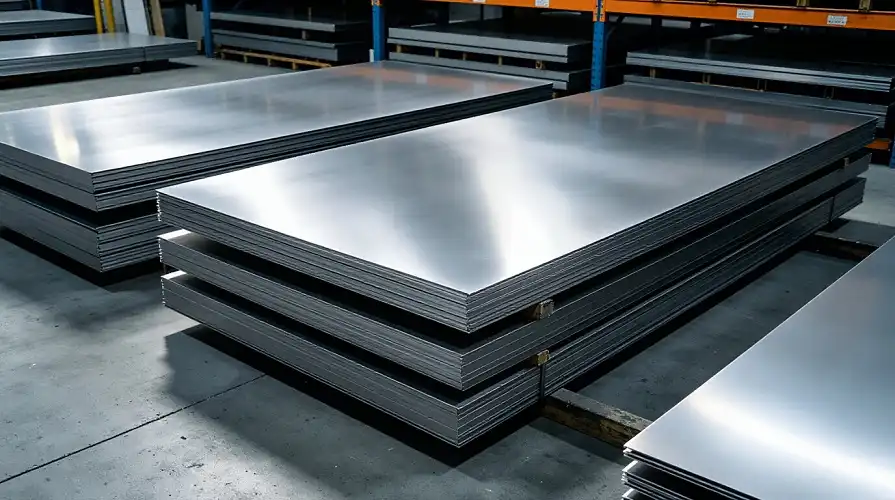
Understanding the Unique Properties of Titanium Plates
Why Titanium Behaves Differently Than Other Metals
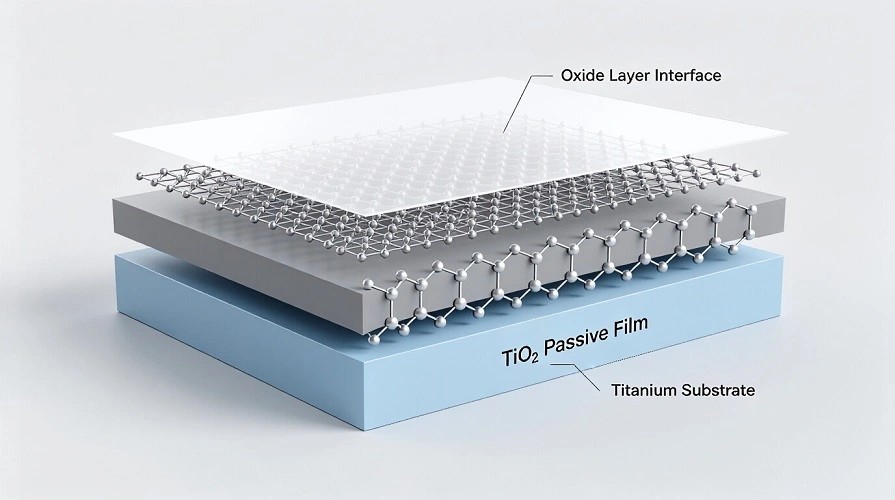
Titanium surfaces naturally make a layer of self-healing titanium dioxide that acts as a barrier for protection that is very different from the barriers found in stainless steel or aluminium. When this inactive oxide film is broken in oxygen, it keeps growing back. This gives it natural corrosion protection that doesn't need much help from outside sources. Titanium has an amazing mechanical strength without the weight problems that come with other materials. Its density is only 4.51 g/cm³, which is about half that of steel. This mixture has a direct effect on upkeep needs, usually lowering the number of times that protective coatings need to be applied again compared to other metals.
Material Grade Selection and Maintenance Implications
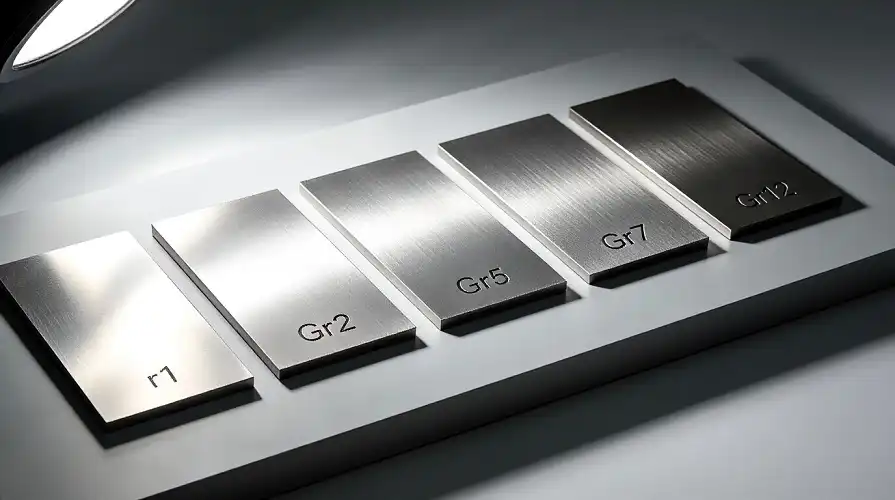
varied titanium varieties require varied maintenance due to their composition and function. 100% pure titanium Grade 1 and 2 are the strongest and most corrosion-resistant. This makes them ideal for harsh media-exposed chemical handling equipment. Grade 5 (Ti-6Al-4V) offers improved mechanical properties due to aluminium and vanadium. It works for large aeroplane structural parts.
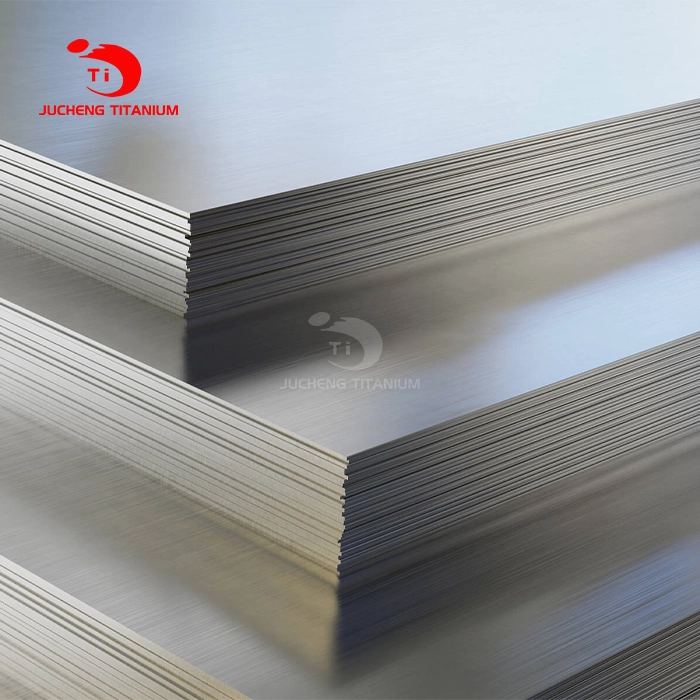
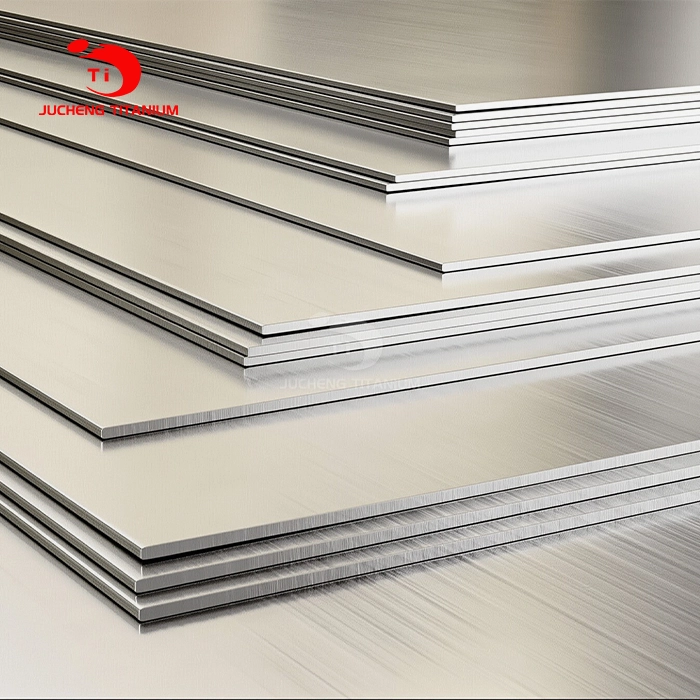
The kind you buy affects long-term maintenance plans. Jucheng Titanium makes ASTM B265, AMS 4911, and ASME SB265-compliant hot-rolled titanium plates from 4 to 80 mm thick. Rolling, levelling, and polishing our annealed plates improves surface quality and reduces maintenance. Gr7 and Gr12 are treated with palladium to resist crevice rust in less acidic environments. No protective coating may be needed in some circumstances.
Comparing Maintenance Requirements Across Materials
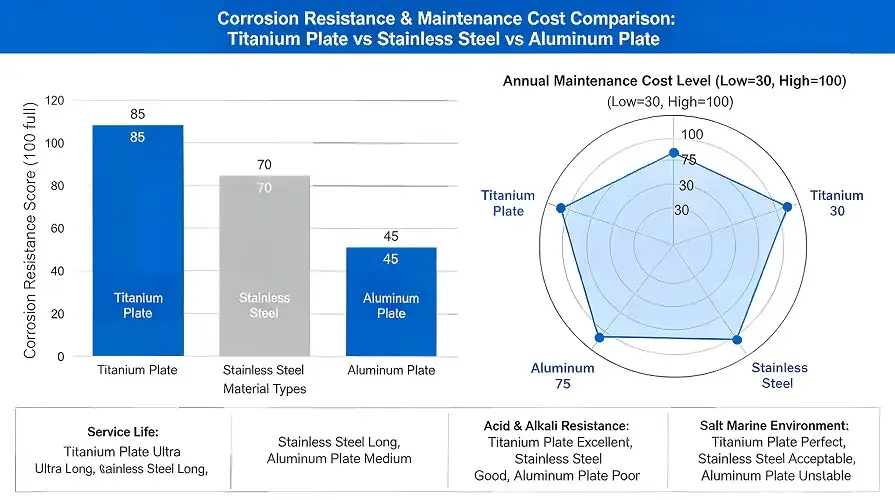
When you look at titanium plates next to other options, the benefits in terms of upkeep become clear. Passivation processes must be done on stainless steel on a daily basis to keep it from rusting, especially after welding or mechanical damage. To stop air rust, aluminium needs to be anodised or painted. In industrial settings, the coating needs to be checked every three months to make sure it is still intact. The self-renewing oxide layer of titanium gets rid of the need for these repeated treatments in most cases, but certain care routines are still needed to get the best results. Knowing these differences helps procurement teams correctly predict costs that go beyond the original purchase price over the product's life.
Common Challenges in Titanium Plate Maintenance and Their Causes
Identifying Surface Degradation Patterns
Titanium is very resistant to corrosion in general, but over time, some weather factors can weaken the surface. Hydrofluoric acid and strong phosphoric acid at high temperatures can damage titanium plates, so it needs to be replaced or protected. Hydrogen absorption at high temperatures in vacuum or reducing atmospheres can weaken materials. This is especially important in aircraft use, where heat cycling lasts for a long time. Surface contamination from iron particles inserted during manufacturing or installation forms galvanic couples that start localised rusting. This shows up as brown staining, which is usually only on the surface and means the surface wasn't prepared properly.
Welding-Related Maintenance Considerations
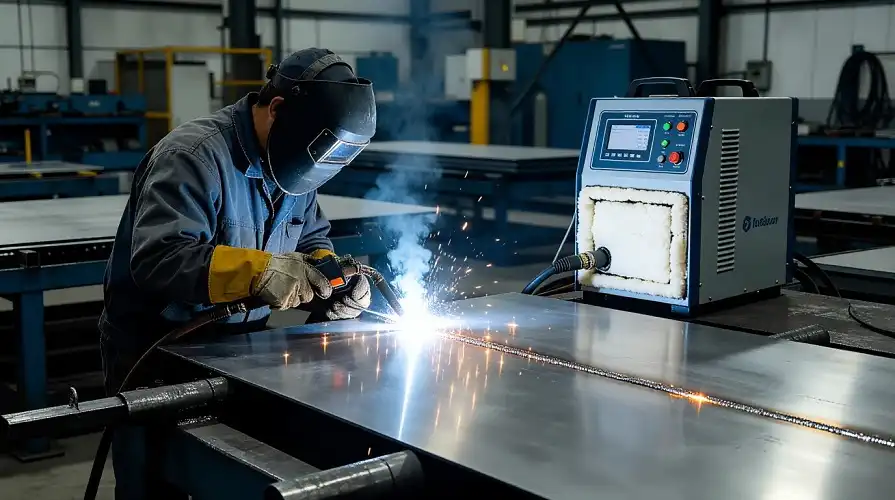
Titanium pieces have unique welding issues. Heat-affected regions near the weld gaps will have differing microstructures and mechanical characteristics if not adequately treated. When shielding gas coverage is inadequate during welding, ambient contamination forms hard alpha-case layers on weld surfaces that must be pickled or ground off. We manufacture around 500 titanium heat exchangers and reactors annually. The correct post-weld heat treatment and surface finishing reduce future maintenance, according to our expertise.
Storage and Handling Impact on Maintenance Needs
Keep everything clean when storing to avoid maintenance issues. Steel storage racks and handling equipment leave iron pieces on the plate that accelerate localised rust when used. Chloride-containing storage conditions seldom affect used parts, although they can produce crevice corrosion in stagnant moisture between stacked plates. Humidity from temperature changes may discolour unprotected surfaces. Titanium storage with non-metallic racks and temperature control considerably reduces these concerns.
Practical Maintenance and Care Tips for Titanium Plates
Establishing Effective Cleaning Protocols
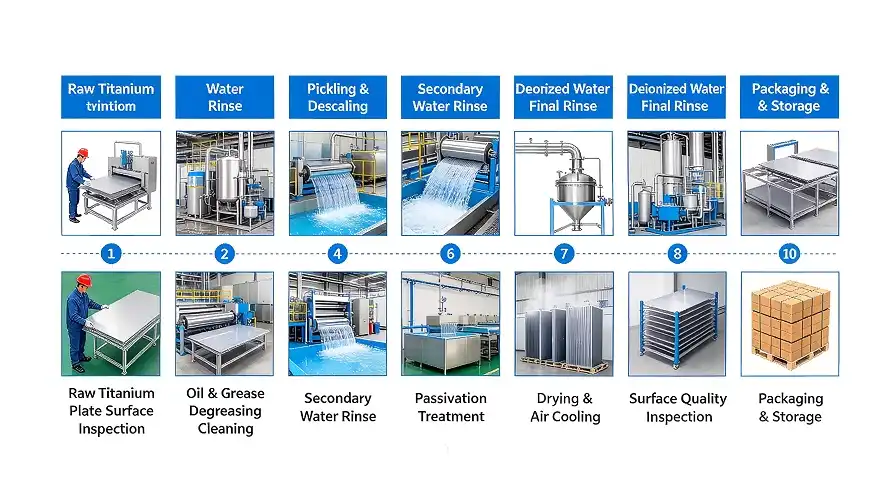
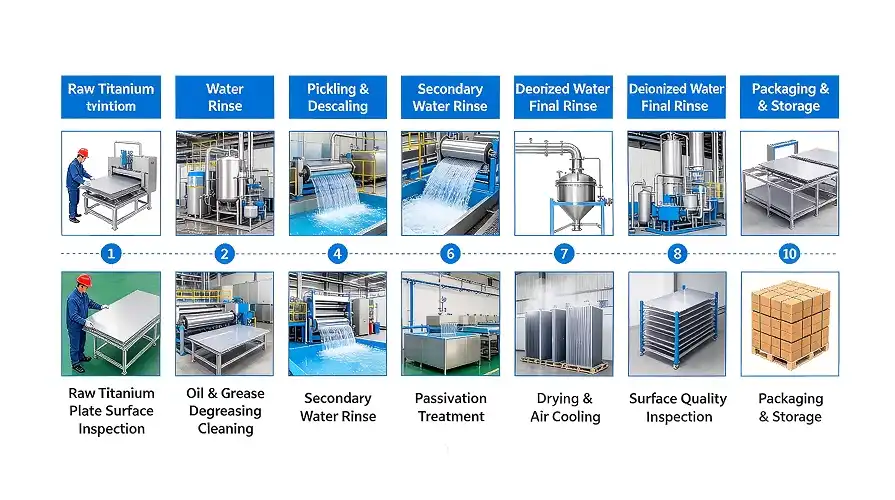
Cleaning the surface on a regular basis keeps it in good shape and stops dirt and grime from building up, which could damage the protective oxide layer. For most commercial uses, washing things every so often with warm water and mild alkaline detergents (pH 7–10) gets rid of the dirt, oils, and processing leftovers that have built up. Soft-bristle brushes or cleaning pads that aren't made of metal keep the surface from getting scratched while physically removing tough deposits. Thoroughly rinsing with deionised water after cleaning with soap gets rid of mineral layers that could hold corrosive agents.
Solvents that are safe for titanium plates, like ethyl alcohol or acetone, can be used to remove organic contaminants without harming the base metal when a deeper clean is needed. Periodic acid pickling with nitric-hydrofluoric acid mixes (20–40% HNO₃ to 1–3% HF) can help chemical processing equipment get rid of heat tint and iron particles that are embedded in the metal and restore pure oxide layers. This rough treatment should carefully follow the manufacturer's instructions, since too much rusting takes away base metal for no reason. At Jucheng Titanium, our expert team creates pickling methods that are tailored to different grades and surface conditions. This way, we can get the best results without over-processing.
Implementing Inspection Schedules
Visual checks done on a regular basis can find problems before they get worse and cost a lot to fix. Industrial setups usually benefit from walk-through checks every three months, where exposed areas are checked for damage like discolouration, pitting, or mechanical damage. Detail checks with magnification once a year can find cracks in high-stress areas early on, especially near welds or made sections. When chemical processing equipment is exposed to corrosive media, it needs to be checked more often—maybe once a month—with a focus on gasket contacts, weld joints, and places where fluids can't drain properly, and corrosive solutions can build up.
Preventative Measures Extending Service Life
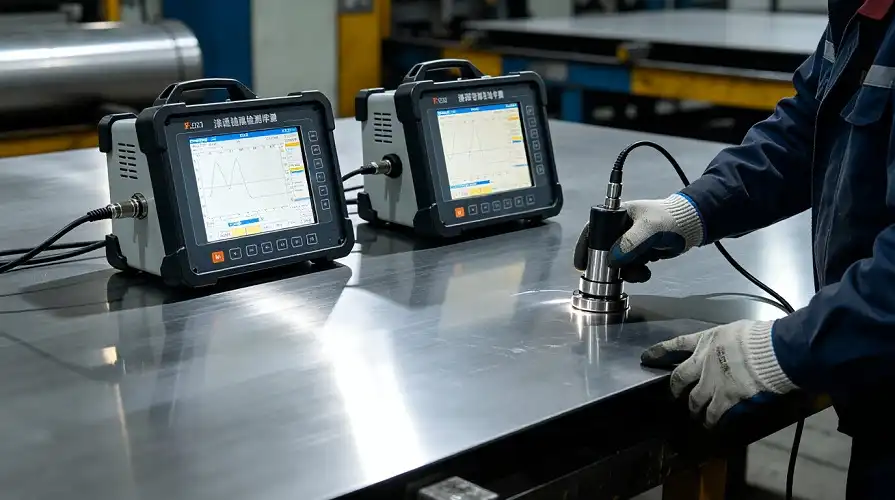
Dimensional tests that measure thickness at specific times assess overall corrosion rates over time, establishing baselines for when parts need to be replaced. Ultrasonic thickness gauging and dye penetrant examination provide data to support maintenance decisions. Historical records of check results can be utilised to determine the appropriate maintenance intervals and systemic design issues.
In addition to reactive maintenance, planned measures extend asset life. Titanium plates often don't need coatings. For increased safety in hostile environments, thermal spray coatings or chemical vapour deposition layers can be applied. Cathodic protection systems inhibit galvanic corrosion in saltwater when titanium is mixed with less noble metals. This is frequently unnecessary because the correct materials were chosen during design.
Selecting the Right Titanium Plate and Supplier for Optimised Maintenance
Matching Material Grade to Application Requirements
Buying choices have a big effect on how much care a part needs over its whole life. Manufacturers of aerospace parts that need the highest level of strength usually choose Grade 5 material, which means they have to be a little more careful with upkeep around soldered structures. Chemical workers who work with oxidising acids find that Grade 2 works well with little help, while those who work with reducing acids may find that the palladium improvement in Grade 7 is worth the extra cost. Manufacturers of medical devices need materials that are biocompatible and pure, like Grade 2 or Grade 23. Tough surface finish standards cut down on upkeep after processing.
At Jucheng Titanium, our over 3,000-ton collection lets us quickly deliver different types, such as Gr1, Gr2, Gr4, Gr5, Gr7, Gr9, and Gr12, in thicknesses ranging from 4mm to 80mm. This large stock meets both regular buying needs and fast repair needs. Our custom cutting services give you titanium plates with exact measurements that meet your needs. The widths range from 950 mm to 2,500 mm, and the lengths go up to 10,000 mm. This keeps field cutting to a minimum, which would mean more surface cleaning is needed if contamination is introduced.
Evaluating Supplier Technical Support Capabilities
Knowledge of a provider affects maintenance effectiveness. Technical guidance for choosing chemical exposure ratings prevents premature breakdown and replacement. Suppliers who recommend post-weld heat treatments for your production procedures ensure welds have the same corrosion protection as the underlying metal. This prevents joints from being attacked more than other metal pieces. Discussing strange service situations with a metallurgist will help you adjust repair techniques accurately instead of guessing.
After 20 years in Baoji, China's Titanium Valley, we've gained a lot of scientific expertise from Tsinghua University, Northwest University, and the Northwest Institute for Nonferrous Metal Research. This network solves tough material challenges by developing low-maintenance processing methods. Our 4 innovation patents and 41 utility model patents demonstrate our commitment to improving product performance and affordability over time.
The Value of Comprehensive After-Sales Service
Supplier assistance goes beyond the original delivery and includes questions about maintenance that come up during the operating phases. Small problems don't get worse when responsive technical teams deal with specific maintenance issues like strange discolouration, strange rust patterns, or manufacturing problems. When problems happen, suppliers who keep thorough mill test records and traceability paperwork can figure out what went wrong and separate material defects from application problems.
Jucheng Titanium's full after-sales service management team is always there to help you and make sure you're happy with the product for as long as it lasts. The consistency of our products is controlled by our quality inspection methods, and our desire to look into customer feedback and make changes shows that we are committed to ongoing growth. With this partnership method, you're not just buying things; you're also getting a long-term professional resource to help you with your efforts to improve maintenance.
Future Outlook: Innovations in Titanium Plate Maintenance
Advanced Surface Treatments and Coatings
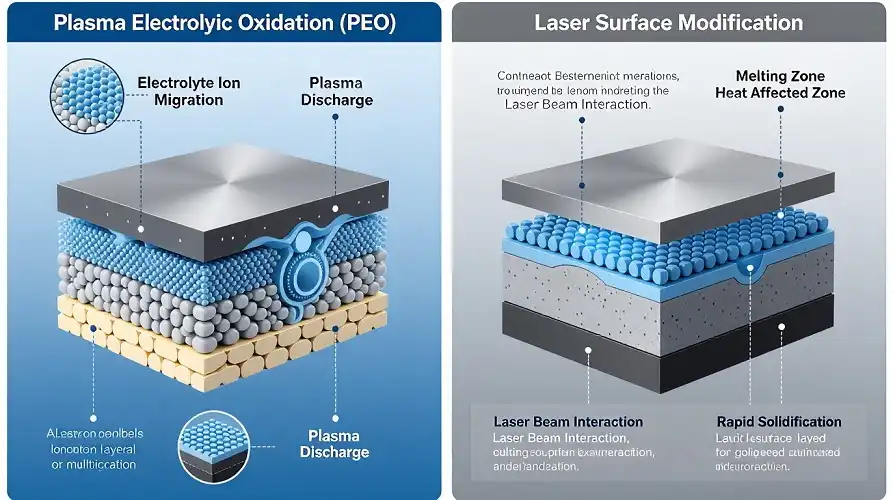
New methods for surface engineering look like they could improve titanium's already great performance. Plasma electrolytic oxidation makes ceramic-like surface layers that are much stronger than the base titanium. This makes the material more resistant to wear in sliding contact uses while still keeping it safe from corrosion. Laser surface texturing changes the shape of the surface on a tiny level, which controls how wet the surface is and could make it more resistant to biofilm in food processing and hospital settings. By stopping toxins from sticking, these treatments may lower the number of times that need to be cleaned.
Digital Monitoring and Predictive Maintenance
Industry 4.0 might revolutionise titanium plate maintenance. Real-time condition data from embedded sensors that assess temperature, tension, and rust potential allows repair plans to be altered from time to condition. Machine learning techniques can discover deterioration trends before failures in monitored data streams. This allows individuals to intervene before performance or safety issues arise.
Digital twins of titanium installations are updated using sensor data. Complex modelling can forecast service life under varied operational conditions. This function optimises maintenance schedules based on business needs, not arbitrary dates. Procurement professionals should consider how effectively suppliers' digital integration abilities may differentiate them from the competition and minimise the total cost of ownership by improving upkeep.
Sustainable Lifecycle Management
Concern for the environment is having a bigger effect on industry repair plans. Titanium can be recycled and keeps all of its qualities when it is handled again. This supports circular economy models in which used parts are turned into raw materials for new products instead of being thrown away. Maintenance plans that focus on fixing and cleaning instead of replacing things are in line with environmental goals and often save money as well.
By creating uniform standards for judging condition, used titanium plates that are taken out of service before the material is completely worn down could be sold on secondary markets. Parts that don't meet flight requirements anymore might work fine in chemical processing tasks that aren't as demanding. This would extend their useful life and spread the costs among many users. As sustainable measures become more important along with standard performance and cost factors, these new practices will change how buying and maintenance planning are done.
Conclusion
When titanium plates are properly maintained, their unique qualities are kept, and their usefulness is increased in tough industrial settings. Effective upkeep strategies are based on knowing the properties of the materials, following the right cleaning and inspection procedures, and choosing skilled suppliers with strong expert support. As digital technologies that allow for predictive maintenance and environmentally friendly practices become more popular, procurement workers who take these things into account when choosing materials and evaluating suppliers will get better lifetime economics. As businesses put long-term performance over immediate cost considerations, the titanium plate is becoming more and more appealing due to its natural durability, corrosion resistance, and strength benefits.
FAQ
Q1: How often should titanium plates be inspected in industrial applications?
How often you inspect relies on the state of the service and how important the application is. General industrial installations should have visual checks every three months to look for damage to the surface or strange colour changes. Once a year, they should have full exams that include measuring dimensions and non-destructive tests. Equipment used in chemical processes that works with acidic media needs to be inspected once a month, with a focus on high-risk areas like weld joints and drainage points. Schedules for aerospace parts are set by the manufacturers and are often based on flight hours or operating cycles. By collecting baseline inspection data during the first service, you can adjust the time between inspections based on the rate of decline seen in your operating environment.
Q2: Does welding affect the corrosion resistance of titanium plates?
Titanium's high rust resistance is maintained by proper bonding, but weak spots can be created by using the wrong techniques. When there isn't enough inert gas protection in the air during welding, it pollutes the atmosphere and creates brittle, unstable surface layers that need to be removed. Heat-affected areas may have changed microstructures and slightly different electrochemical properties, but they usually stay very immune to rust. Pickling and heat treatment after welding bring areas back to a state close to the base metal. By following standard welding methods, making sure there is enough gas coverage, and doing the right post-weld treatments, you can make sure that the performance of welded titanium plates is the same as that of unwelded plates.
Q3: What cleaning agents are safe for titanium plate surfaces?
Mild alkaline cleansers with a pH of 7 to 10 can clean titanium well without hurting it, so they can be used for regular upkeep. Safely get rid of oils and greases with organic solvents like acetone and isopropyl alcohol. When cleaning titanium, don't use hydrofluoric acid amounts above 5% or highly alkaline solutions above pH 12. In some situations, these can damage titanium. Specialised acid pickling with nitric-hydrofluoric mixes gets rid of heat tint and buried contaminants well, but it needs to be carefully controlled, and safety measures must be followed. To keep dust from building up, always rinse well with deionised water after using chemicals to clean.
Partner with Jucheng Titanium for Superior Quality and Expert Support
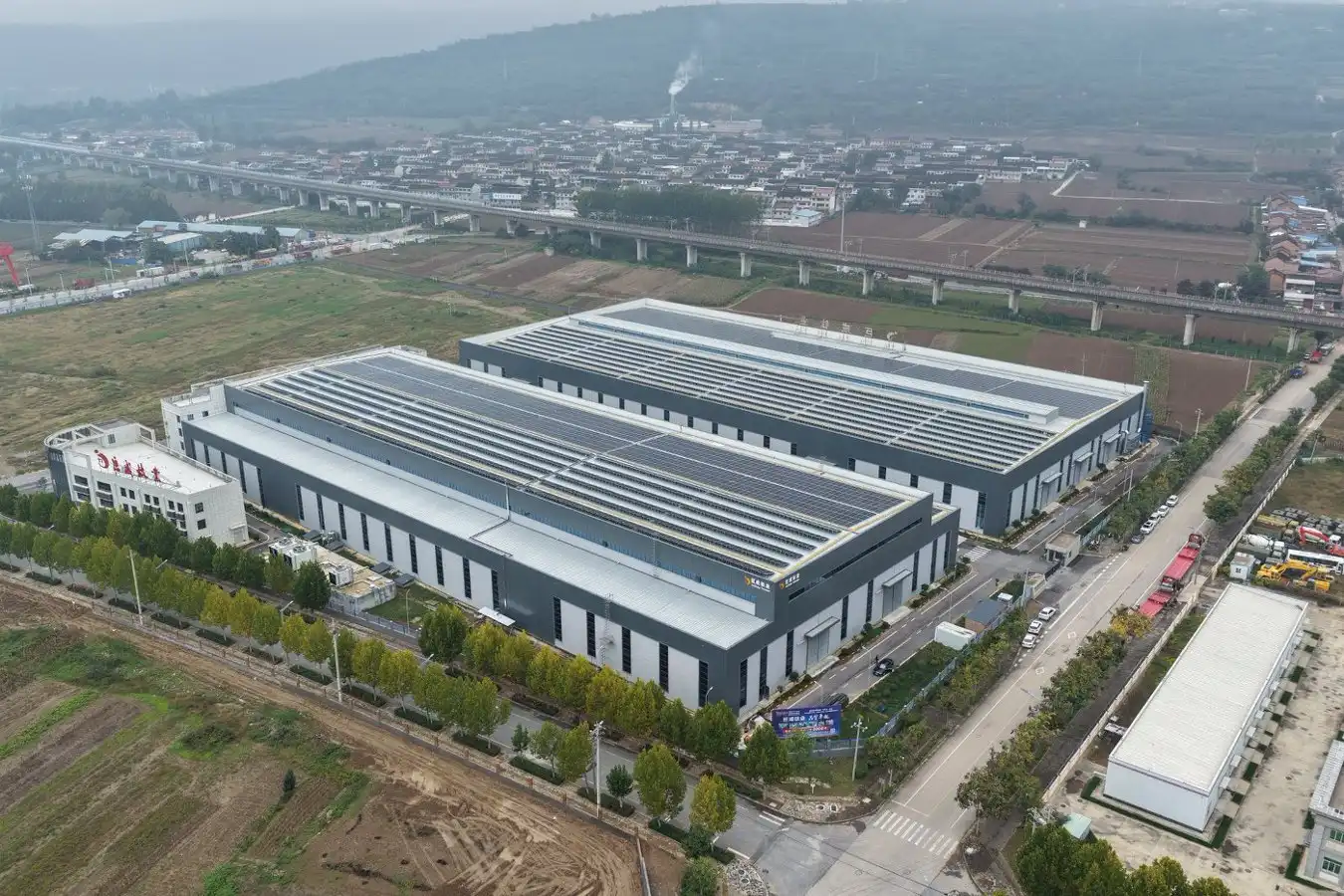
To get the most out of your titanium plates and make them last as long as possible, you must first find the right source. Jucheng Titanium has been in the business for more than 20 years and makes high-quality titanium plates that meet ASTM B265, AMS 4911, and ASME SB265 standards in grades Gr1 through Gr12. Our large inventory of 3,000 tons guarantees fast delivery, and our custom manufacturing capabilities—making plates from 4 mm to 80 mm thick and up to 2,500 mm wide—meet your exact needs, minimising the risks of contamination and changes being made on-site.
In addition to providing high-quality materials, we also offer full expert support for upkeep issues that are unique to your working setting. Because we work with top research schools and have over 40 years of joint engineering experience, we can suggest the best grades, surface treatments, and maintenance schedules that keep costs low over the product's lifetime while keeping reliability high. Our after-sales support team is always here to answer questions and make sure your materials work at their best, whether you're looking for materials for aeroplane parts, chemical processing equipment, or industrial machinery. Get in touch with us at s4@juchengti.com to talk about how our titanium plate options and upkeep know-how can help your business.
References
1. American Society for Testing and Materials. "Standard Specification for Titanium and Titanium Alloy Strip, Sheet, and Plate." ASTM B265-20, West Conshohocken, PA, 2020.
2. Boyer, R., Welsch, G., and Collings, E.W. "Materials Properties Handbook: Titanium Alloys." ASM International, Materials Park, OH, 1994.
3. Donachie, Matthew J. "Titanium: A Technical Guide, 2nd Edition." ASM International, Materials Park, OH, 2000.
4. Schutz, R.W. and Thomas, D.E. "Corrosion of Titanium and Titanium Alloys." In Corrosion: Fundamentals, Testing, and Protection, Vol. 13A, ASM Handbook, ASM International, 2003.
5. Peters, M., Kumpfert, J., Ward, C.H., and Leyens, C. "Titanium Alloys for Aerospace Applications." Advanced Engineering Materials, Vol. 5, No. 6, 2003.
6. Lütjering, Gerd and Williams, James C. "Titanium, 2nd Edition." Springer-Verlag, Berlin Heidelberg, 2007.