
How long can titanium plates stay in your body?
Titanium plates have changed the way medical devices are made, especially in orthopedic and reconstruction operations that need to be strong and compatible with the body. For procurement workers who are looking for materials to make medical devices, knowing how long medical-grade titanium plates last is essential for making smart buying choices. Clinical data show that titanium plates that are made correctly can work in the body for at least 20 to 30 years, and often for the rest of the patient's life. Titanium has the unique ability to make a stable, self-healing oxide layer that guards against corrosion in the biochemically complex environment of the body. This is why they last so long.
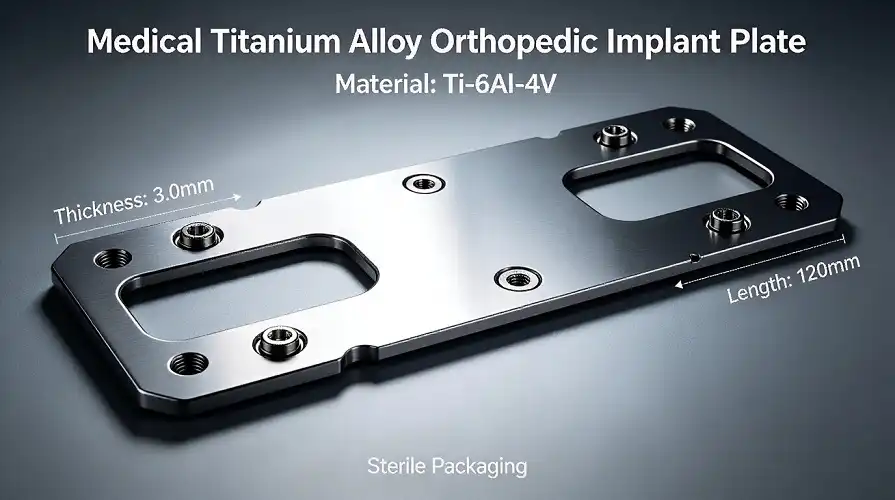
Understanding Titanium Plates in Medical Applications
Medical-grade titanium materials are a clever engineering answer to one of healthcare's toughest problems: making devices that the body can accept without rejecting while still remaining structurally sound under constant mechanical stress.
Chemical and Physical Properties That Matter
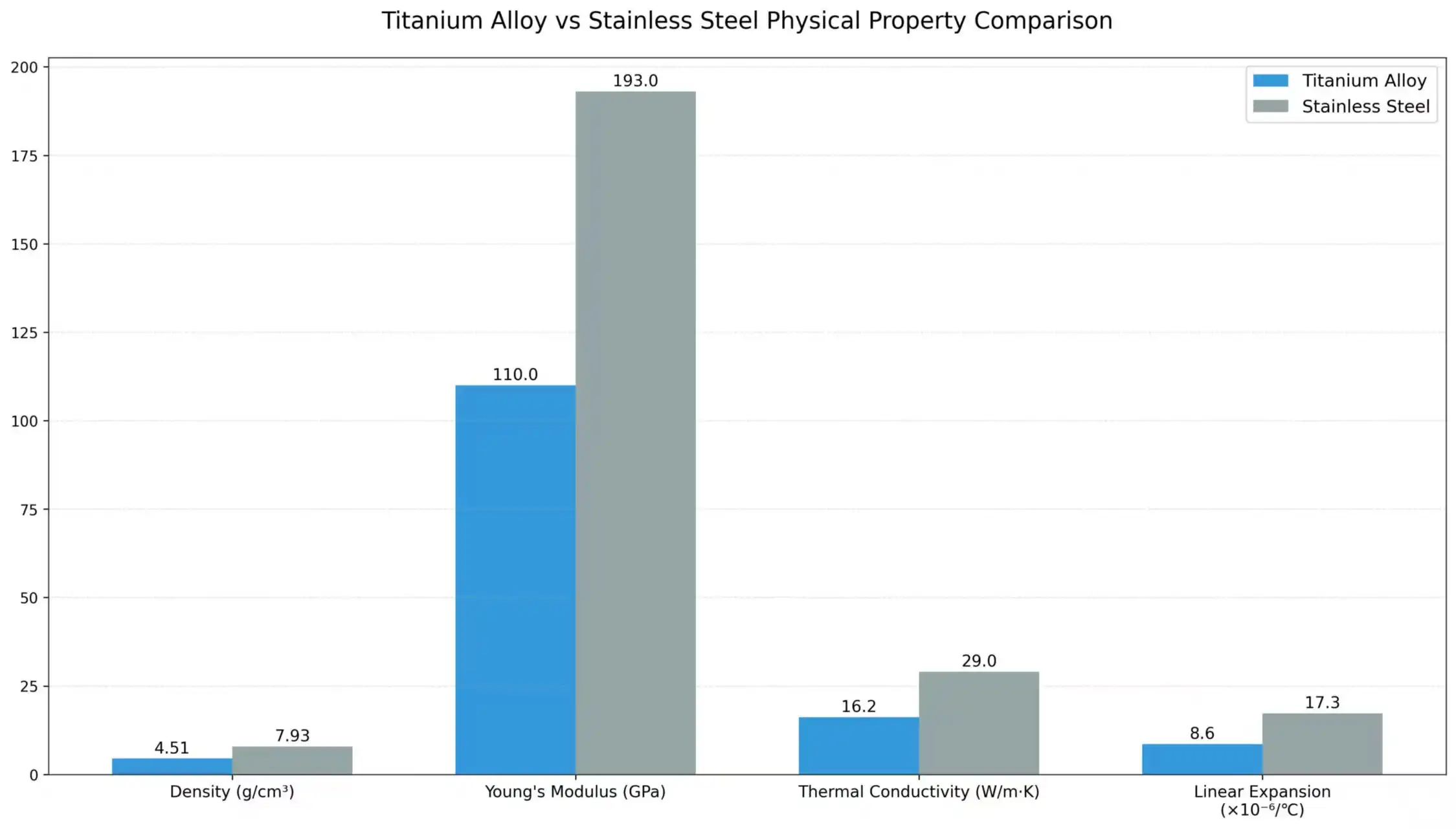
The way titanium is manufactured makes it useful in medicine. Titanium weighs 4.51 g/cm³, making it lighter than stainless steel yet as strong. Low density makes load-bearing spine applications simpler for patients. The material's melting point of 1,668°C keeps it stable during high-temperature cleaning. Titanium generates a passive coating of titanium dioxide (TiO₂) when exposed to air, making it distinctive. If this small barrier breaks, it repairs itself immediately, shielding weaker metals from human fluids.
Distinguishing Plates from Sheets
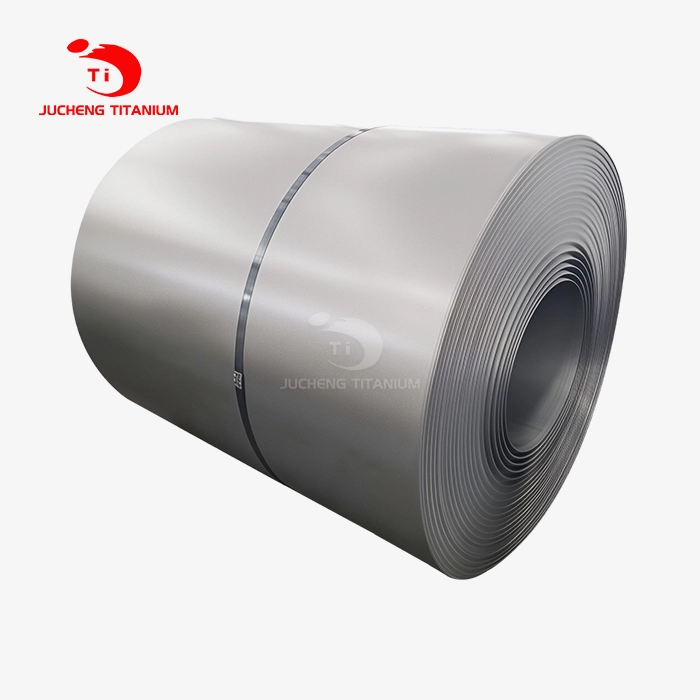
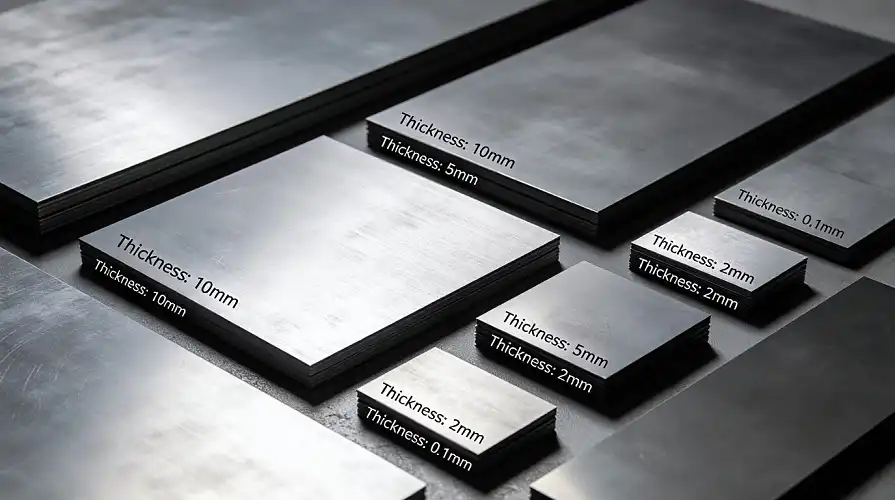
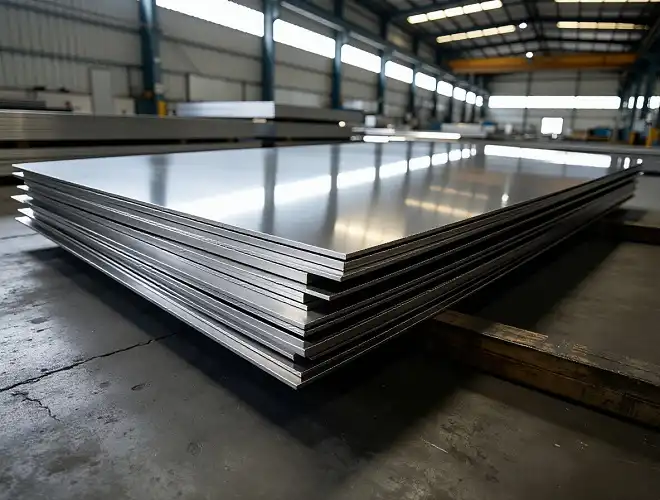
Knowing the difference between titanium plates and sheets helps you choose the proper ones. Hot rolling titanium plates with a width over 4mm aligns the grain structure for better mechanical properties. Plates from 4mm to 80mm thick are employed in high-power structural applications. However, sheets thinner than 4.75mm are preferred for weight reduction over load-bearing.
Medical-Grade Titanium Specifications
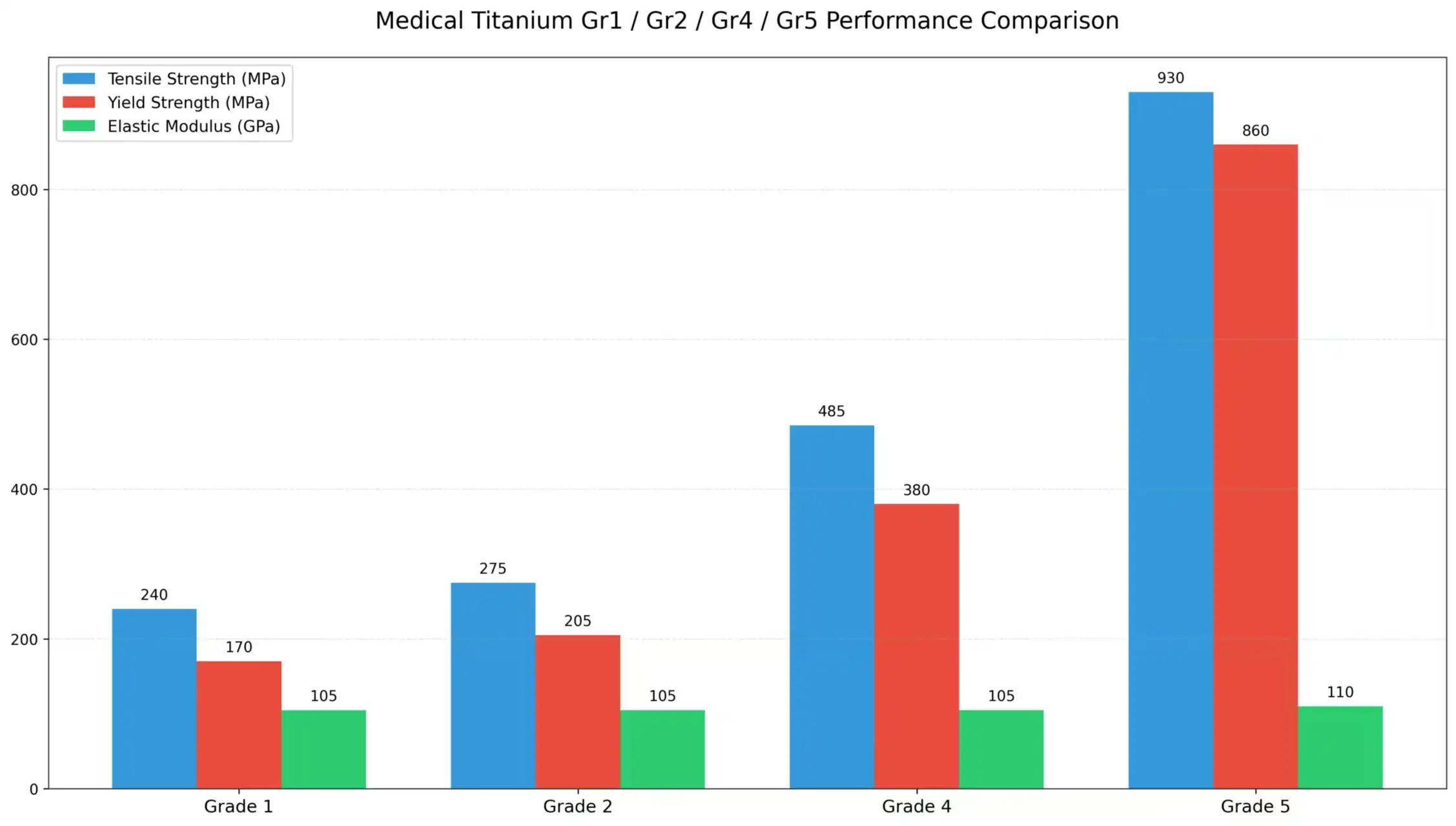
Commercially Pure (CP) titanium Grades 1, 2, and 4, and titanium alloy Grade 5 are typically requested by medical device manufacturers. Grade 1 provides the finest rust protection and moderate strength, making it ideal for readily formed head plates. Grade 2 is suitable for general orthopaedic fixing since it is strong and flexible. Grade 5 is exclusively utilised for high-stress activities like spine fusion gear because its tensile strength exceeds 895 MPa. These materials satisfy ASTM F67 and B265. This ensures that oxygen, nitrogen, and hydrogen intermediate elements stay within limitations to prevent material weakness.
How Long Do Titanium Plates Typically Last Inside the Human Body?
The question of how long titanium plates will last affects both the health of the patient and the cost of buying medical devices. People who are investing in high-quality titanium products can get reassurance from clinical data.
Decades of Proven Performance
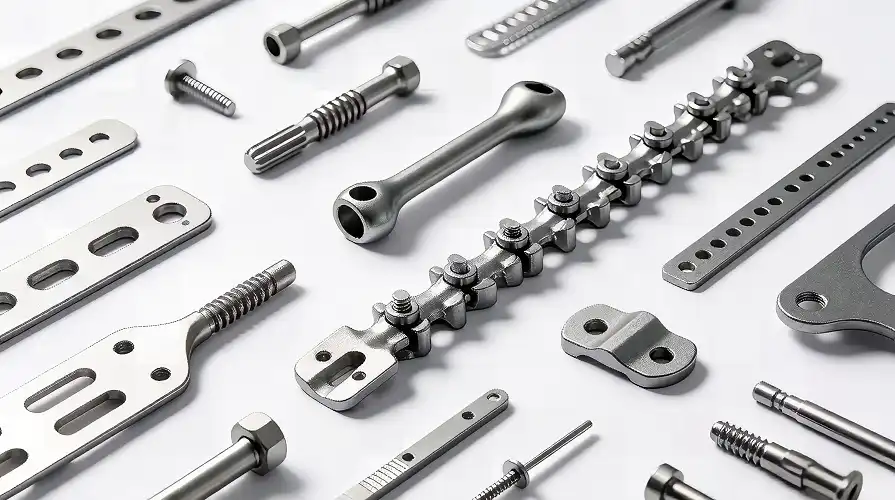
Longitudinal medical studies that follow patients with titanium hip implants show that the devices continue to work properly for more than 30 years. Studies in orthopedic journals show that titanium plates used in jaw repair, femoral fixation, and spine stability keep their skeletal integrity over a long period of time. Biodegradable options are only meant to be used for short-term fixes. Medical-grade titanium plates that are put in as permanent implants usually last longer than the people who have them. Because they last longer, they don't need to have any more treatments, which lowers healthcare costs and raises patients' quality of life.
Variables Influencing Lifespan
The useful lifespan is based on a number of things that are all linked. The health of the patient affects the result. People whose diabetes is well controlled and whose immune systems are strong have better implant integration than people whose healing is slowed down. Different implant locations put different mechanical pressures on the bone. For example, a titanium plate used to stabilize a non-weight-bearing face fracture is under less stress than hardware used to stabilize a weight-bearing tibial fracture. Mechanical loading patterns are very important because any metal can fail after repeated high-stress cycles. However, titanium's high wear strength makes this risk much lower than with other metals.
Titanium's Competitive Advantages
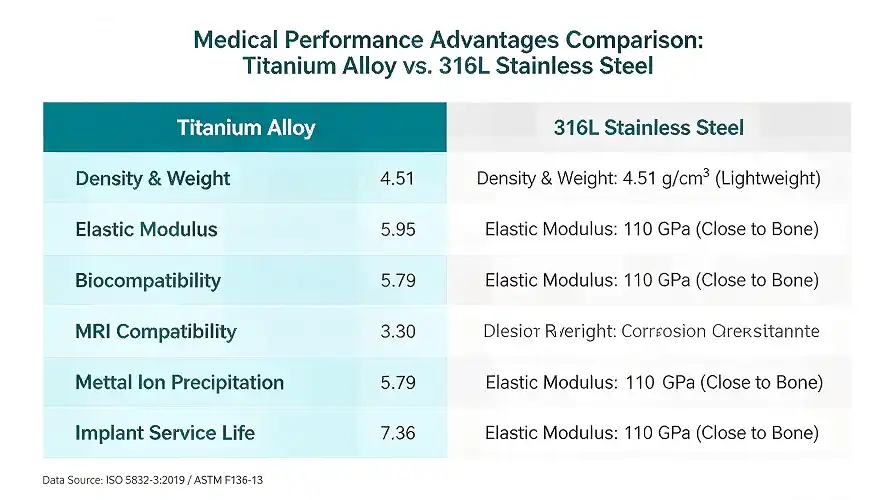
When directly compared to stainless steel 316L, which has been the standard for medical implants for a long time, titanium performs much better. Nickel and chromium, which are found in stainless steel, can sometimes cause allergic reactions and tissue reactions. The modulus of elasticity for stainless steel is much higher (190-200 GPa) than that of titanium's is (110 GPa). This means that when the implant takes loads that the bone should hold, it creates stress shielding effects that could cause the bone to break down. Aluminum metals are sometimes thought of for uses where weight is important, but they are toxic in the long term, unlike titanium, which is not at all. Titanium still has the highest biocompatibility grade. Osseointegration, which is when bone directly bonds to the implant surface, happens naturally without the need for special treatments.
Factors Affecting the Longevity of Titanium Plates in the Body
When people know the differences between a 20-year titanium plate and a 40-year implant, they can make smarter choices about what to buy. These things directly affect where the materials come from and the quality of the making.
The Biological Environment's Chemical Challenge
The human body is a very unfriendly place for foreign substances to live. There are chloride ions, proteins, and different pH levels in interstitial fluids that make the electrical conditions good for rusting. Titanium's inactive oxide layer gives it great resistance, but mistakes in the manufacturing process or contamination can make this defense less effective. Surface flaws caused by bad cutting can leave cracks where rusting can start. This is why the type of surface treatment—polished, machined, or acid pickled—is important for more than just looks. The alpha-case layer that forms during hot rolling is removed by acid pickling. This leaves behind new titanium that forms a uniform protective oxide right away. When it comes to preventing infections, polished surfaces lower the chance that bacteria will stick to them.
Mechanical Fatigue Considerations
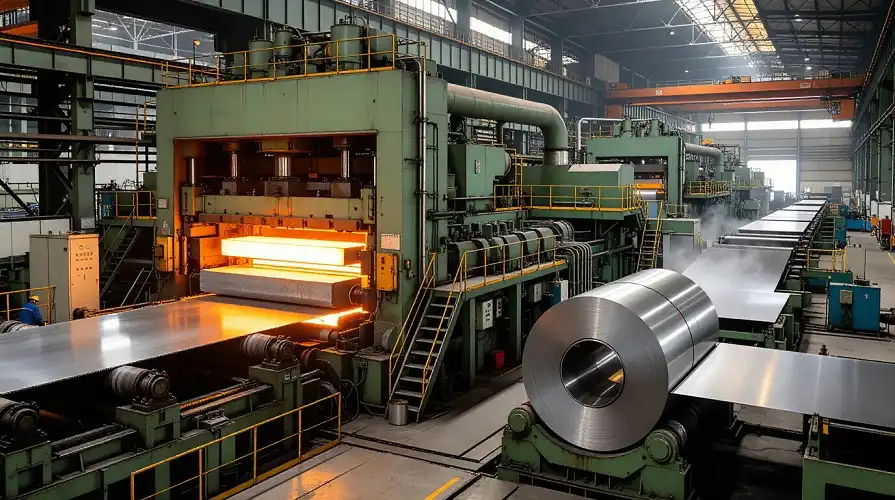
Titanium is very resistant to fatigue, and knowing how fatigue works helps buying teams judge the quality of suppliers. Fatigue failures happen when tiny cracks spread through the grain boundaries of a material when it is loaded and unloaded over and over again. Controlled hot rolling and cooling methods make high-quality titanium plates with good grain structures that stop cracks from spreading. Adding 6% aluminum and 4% vanadium to Grade 5 titanium alloy makes it stronger, and it has a stress strength that is about 50% higher than commonly pure grades. Plates that meet the flight standards set by AMS 4911 go through extra tests that check their fatigue performance. This gives medical uses even more confidence.
Manufacturing Quality Standards
The chemical makeup and the way the implant was made have a direct effect on how long it lasts. Reliable producers keep the oxygen level of Grade 2 titanium between 0.18 and 0.40%. This keeps the strength and ductility in balance. Too much oxygen makes things rigid, and not enough oxygen makes them weak. Heating to 650–900°C and then slowly cooling the metal is called annealing. It reduces internal stresses caused by rolling processes and improves the structure of the grains. Procurement teams get the quality guarantee they need for medical uses from suppliers who offer traceability paperwork that connects each plate batch to a specific ingot melt and processing parameters. The materials made to ASME SB265 standards for pressure tanks often go beyond medical-grade standards. This gives procurement workers a good way to measure the quality of materials.
Procurement Considerations for Medical-Grade Titanium Plates
When it comes to medical devices, choices about where to get titanium plates have effects that go far beyond price per kilogram. Compliance with regulations, the dependability of the supply chain, and the ability to provide expert help are what set good suppliers apart from great partners.
Grade Selection for Application Requirements
To find the right titanium grade for a medical purpose, you need to know how the performance of commercially pure titanium and alloyed titanium differs. About 80% of medical implants are made of grade 2 titanium, which has a tensile strength of about 345 MPa and is very resistant to rust and easy to weld. Because it's cheap, it's perfect for low-stress uses like bone plates for reconstructing the face or surgery on the hand. Grade 5 titanium alloy costs a lot more than other grades, but it is almost three times as strong, which is why it is used in spine fusion bars, hip replacement stems, and other high-load implants. Suppliers who offer expert advice that fits the properties of materials to biomechanical needs are helpful for procurement teams that work with implant makers.
Supplier Certification and Quality Systems
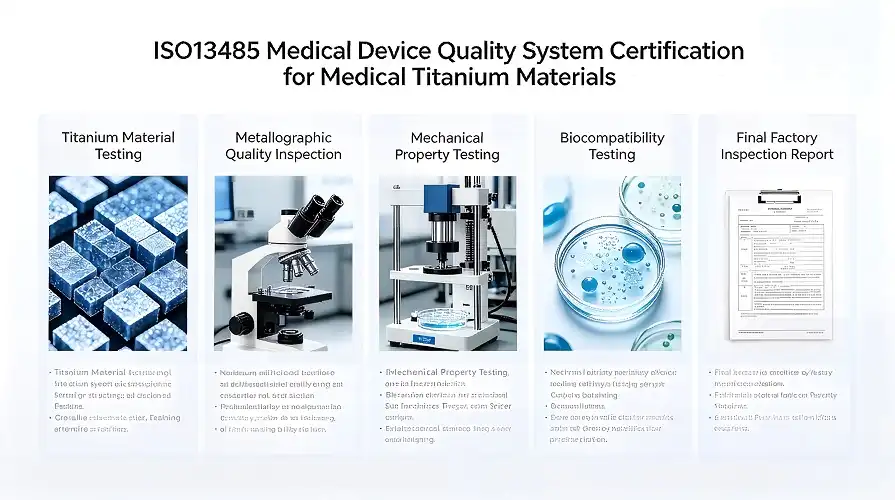
Companies that make medical devices and use ISO 13485 quality control systems need their vendors to follow the same quality standards. Besides basic material certifications, procurement workers should make sure that sources have the right aerospace certifications. AMS specifications often show manufacturing capabilities that are higher than the minimums required by the medical industry. Material test reports (MTRs) that list the chemical make-up, mechanical properties, and heat treatment settings for each output lot are very important for keeping track of things. Suppliers who keep a lot of stock, like 3,000 tons of different grades of titanium, show that they are financially stable and can keep supply lines running smoothly without any wait time problems.
Customization Capabilities and Lead Times
Standard plate sizes are useful for many things, but medical innovation often needs unique measurements. Suppliers that offer thicknesses from 4mm to 80mm, widths up to 2,500mm, and lengths up to 10,000mm give implant designers a lot of options. Customization services, such as precise cutting, controlled surface cleaning, and edge preparation, add value that goes beyond the supply of raw materials. When it comes to quality control, manufacturers who do their own rolling, heating, leveling, and pickling are better than wholesalers who use outside processors. When making medical devices, lead time predictability is very important because limits are set by contract manufacturing schedules and regulatory filing timelines that can't be changed.
Baoji Jucheng Titanium Industry has built its name over 20 years of experience in processing titanium. It has 4 invention patents and 41 utility model patents that directly help the making of medical-grade products. Our 120,000-square-meter warehouse keeps a lot of stock so that we can deliver quickly when project deadlines call for it. The fact that the company is a National High-Tech business and a specialized "little giant" business shows that it consistently does high-quality work that medical device buying teams value.
Maintenance and Replacement: When and Why Titanium Plates May Need Removal
Procurement workers can better understand the full lifecycle costs and clinical effects of material choices when they know when titanium plates need to be taken out.
Medical Indications for Removal
Even though titanium is very biocompatible, there are times when implants need to be taken out. When kids get titanium plates during growth spurts, they usually need to be taken off once the bones are fully healed so that they can grow normally. Infection is still the main reason for unexpected removal. Titanium itself is less likely to allow bacteria to colonize than stainless steel, but biofilm growth on any foreign body can cause infections that won't go away, which means the hardware needs to be removed. Hardware that sticks out and irritates soft tissues may need to be taken off, especially in places under the skin where there isn't much tissue coverage. Titanium allergies are very rare—less than 0.6% of cases have been reported—but if they are proven through patch testing, the jewelry must be taken off.
Monitoring and Assessment Technologies
Modern medical technology allows implant monitoring without touching. CT images with metal artefact reduction reveal how the bone and implant link, whereas standard X-rays indicate major changes in implant location or structure. Bioelectrical impedance analysis and other innovative technologies may detect corrosion early by observing electrical changes. Currently, these instruments are largely utilised for investigation. X-rays are taken every six weeks, three months, six months, and finally once a year for clinical surveillance. This finds issues early, when they're easiest to solve.
Innovations Extending Implant Longevity
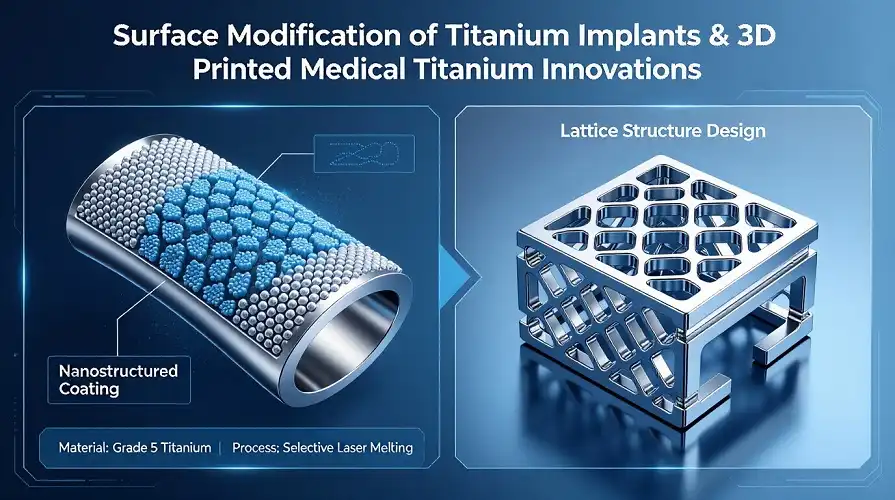
Materials science advances improve titanium implants. Surface changes, including plasma blasting, anodisation, and calcium phosphate coating, accelerate osseointegration. Each patient's structure and mechanical loading may be taken into account when designing an implant with additive manufacturing. Stress levels that cause wear failures may decrease. Studying titanium-tantalum metal combinations may make them more biocompatible and corrosion-resistant. Titanium manufacturers like Jucheng Titanium collaborate with academic institutes like Tsinghua University and Northwest University to develop next-generation medical device materials.
Conclusion
Medical-grade titanium plates naturally last a very long time in the human body. They usually last 20 to 30 years and can sometimes last forever. This amazing performance comes from titanium's special mix of low density, high strength, and unmatched rust resistance, thanks to its oxide layer that heals itself. When buying materials for making medical devices, procurement workers need to think about a lot of things to make sure the implants work well. These include choosing the right material grade, making sure the seller has good quality systems, being able to customize the materials, and following all the rules. When the right material specifications, high-quality production, and clinical use come together, they decide whether an implant will last a patient's whole life or need to be replaced early. As material science and manufacturing methods change, titanium's place as the most popular material for permanent medical implants only gets stronger.
FAQ
Q1: Can titanium plates cause allergic reactions or tissue rejection?
Titanium is very compatible with living things; allergic responses have been reported in less than 0.6% of implant patients. The substance doesn't cause the foreign body reactions that other metals do. Osseointegration, or direct bone joining to titanium surfaces, happens naturally. This is very different from encapsulation reactions the body makes around materials that aren't compatible. People who are known to be sensitive to nickel or cobalt usually don't have any problems with titanium.
Q2: How does titanium quality affect implant lifespan?
The quality of the material directly affects how long titanium plates last in several ways. Precision in chemical makeup is needed to get the right mix of strength and flexibility. Too many interstitial elements make the material brittle, and not enough levels make it less resistant to rust. Controlled hot rolling, the right amount of annealing, and surface treatment during the manufacturing process form microstructures that are resistant to stress crack development. Materials that meet ASTM F67 and AMS 4911 standards are put through a lot of tests to make sure they are of high quality.
Q3: Why do titanium plates cost more than stainless steel alternatives?
Titanium costs more to buy than stainless steel because the raw materials are more expensive, and the processing needs to be more precise. Medical-grade titanium is very expensive because it needs to be melted in a special vacuum, and hot working is very hard to do correctly. These costs are balanced out by better clinical results, such as fewer complications, no longer having stress shielding effects, and fewer needs for corrective surgery. Titanium's value offer is appealing to device makers who care more about the total cost of ownership than the cost of individual parts.
Partner With Jucheng Titanium for Your Medical-Grade Material Needs

Join forces with Jucheng Titanium to get the medical-grade materials you need. Baoji Jucheng Titanium Industry has been making reliable medical devices for over 20 years and has a track record of doing so. Our wide range of products includes medical-grade titanium plates that meet ASTM B265 and ASTM F67 standards for Grades 1, 2, 4, 5, 7, 9, and 12. These plates come in thicknesses ranging from 4mm to 80mm and can be made in any size to fit the needs of the project. As a National High-Tech Enterprise that keeps 3,000 tons of stock on hand, we get rid of supply chain risks that cause production plans to get thrown off. Our manufacturing processes include hot rolling, precise heating, controlled pickling, and advanced surface finishing. Medical device buying teams that need certified titanium plate suppliers can benefit from our strict quality systems, full material tracking, and quick expert support. Email our team at s4@juchengti.com to talk about your unique material needs, get full specifications, or set up testing for your next medical device project.
References
1. Steinemann, S.G. (1998). Titanium—The Material of Choice for Implants in Dentistry and Orthopedics. Journal of Materials Science: Materials in Medicine, 9(12), 679-685.
2. Long, M., & Rack, H.J. (1998). Titanium Alloys in Total Joint Replacement—A Materials Science Perspective. Biomaterials, 19(18), 1621-1639.
3. Niinomi, M. (2002). Recent Metallic Materials for Biomedical Applications. Metallurgical and Materials Transactions A, 33(3), 477-486.
4. Geetha, M., Singh, A.K., Asokamani, R., & Gogia, A.K. (2009). Ti-Based Biomaterials: The Ultimate Choice for Orthopedic Implants—A Review. Progress in Materials Science, 54(3), 397-425.
5. American Society for Testing and Materials (2020). ASTM F67-13: Standard Specification for Unalloyed Titanium for Surgical Implant Applications. ASTM International, West Conshohocken, PA.
6. Hanawa, T. (2019). Titanium-Tissue Interface Reaction and Its Control with Surface Treatment. Frontiers in Bioengineering and Biotechnology, 7, Article 170.