
Does a titanium rod affect your immune system?
When engineers, buying managers, and people who make medical devices think about using titanium rods for implants or other purposes, they need to know a very important question: Does a titanium rod hurt your immune system? That's the easy answer: no. Very few people have bad responses to titanium rods, so they are very safe. They are safe to become part of human meat because they are not doing anything. Because of this, they are the best choice for dentistry posts, surgical implants, and medical device structures. Titanium can make a stable oxide layer that keeps it from reacting badly with human fluids and cells, so it can be used by living things. It is important to know about biocompatibility for both medical and practical reasons, like when you are shopping. You can choose materials that meet safety standards and rules if you know how titanium affects biological systems. This is true whether you are looking for titanium for medical implants, airplane parts, or chemical processing equipment.
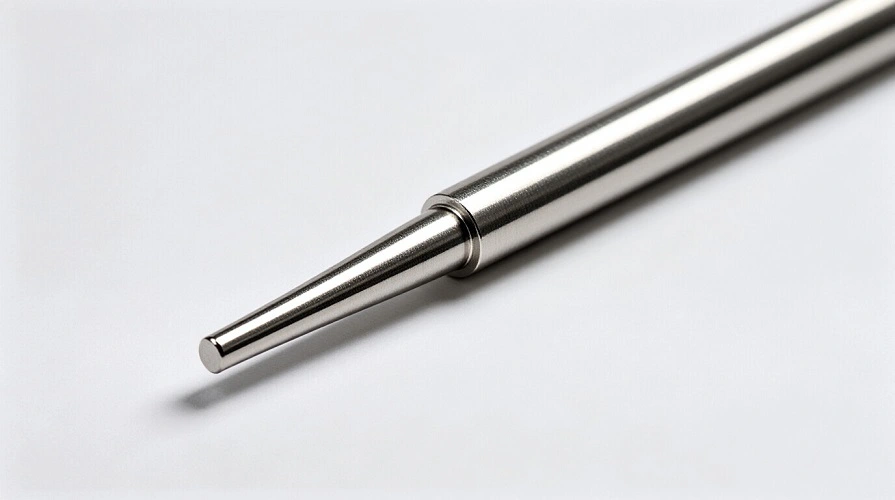
Understanding Titanium Rods and Their Interaction with the Human Body
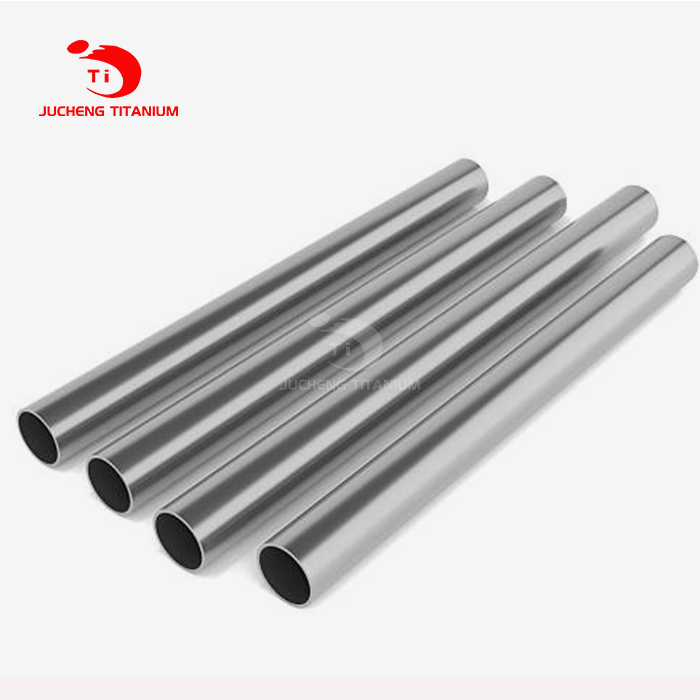
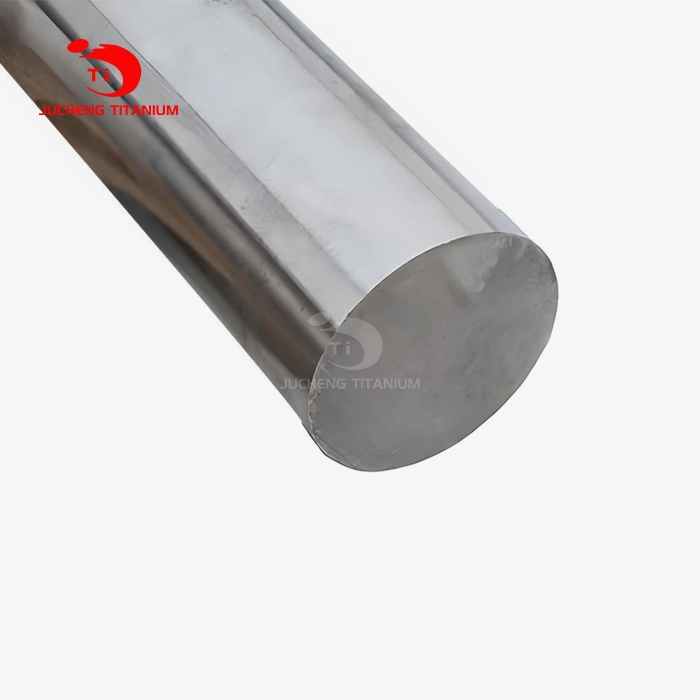
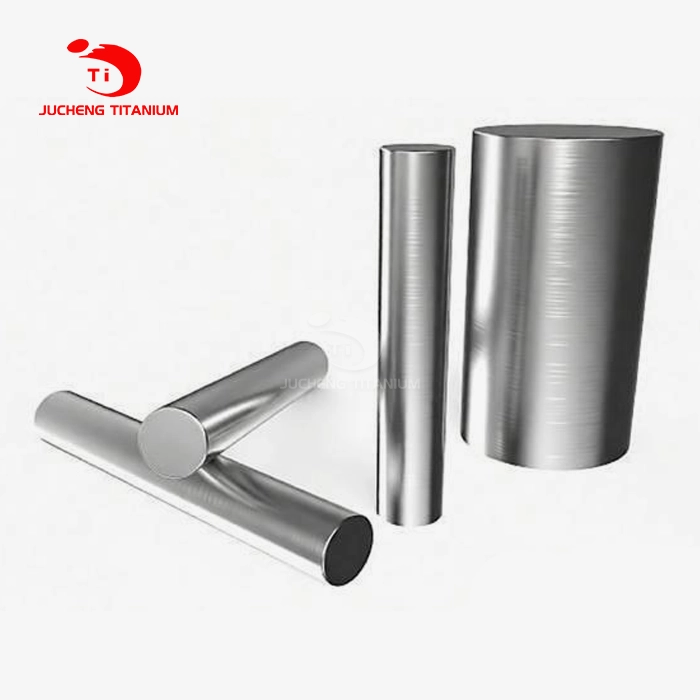
Tiny tubes called titanium rods are carefully made from commercially pure titanium or high-tech alloys like Ti-6Al-4V (Grade 5) and Ti-6Al-4V ELI (Grade 23). They are made in a strict way, with steps like vacuum melting, casting, hot rolling, and cooling, to get their great mechanical properties. Titanium metals don't contain many flaws because of how they are made chemically. This means that people who have them put in are less likely to have inflammatory responses.

Why Titanium Dominates Medical and Industrial Applications
Medical equipment is mostly made of titanium because it doesn't rust, is safe, and is strong for its weight. Titanium doesn't give off metallic ions that can boost the immune system as cobalt-chromium metal or stainless steel does. On its own, a thin film of titanium dioxide (TiO₂) forms on the surface. This acts as a barrier between the metal and the skin, keeping the body safe from allergic responses.
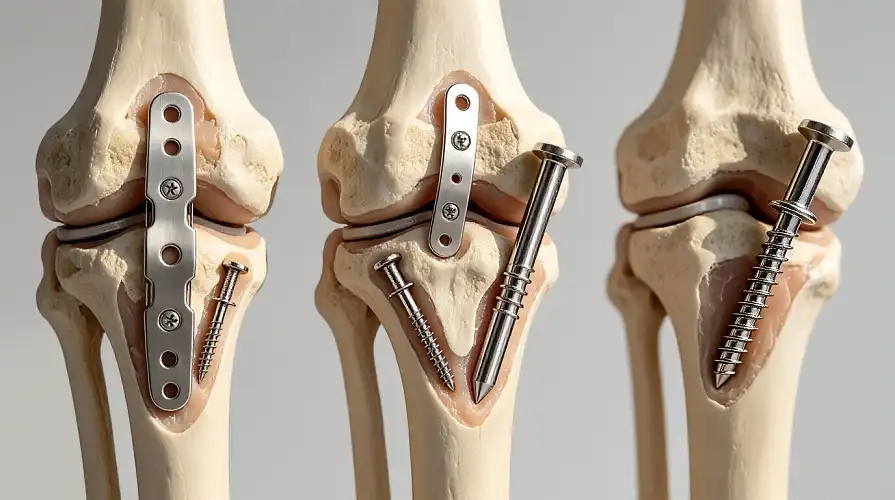
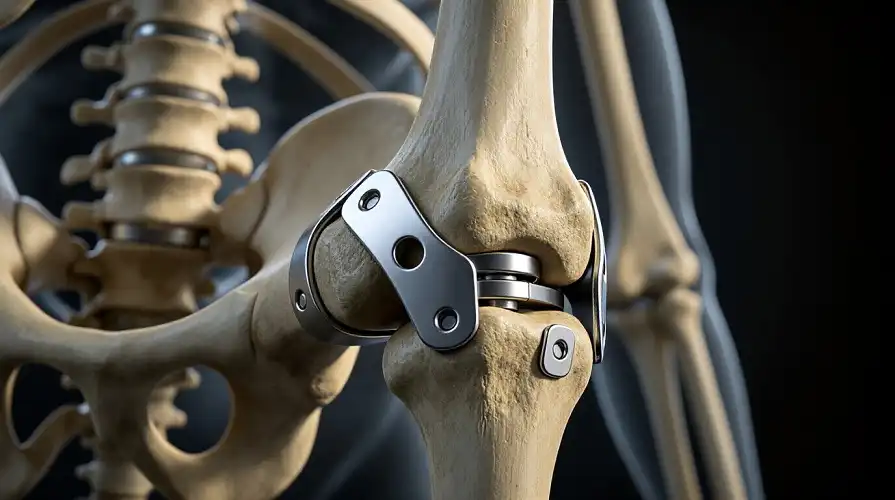
If you go to a hospital, titanium rods can be used to hold back teeth, fix broken bones, and fuse your spine together. With a Young's modulus of about 110 GPa, they are more like human bone than steel. This means they don't protect against stress as well, which can break bones. Titanium implants can last more than 20 years without being rejected because they are immunocompatible and don't react with the body's own cells.
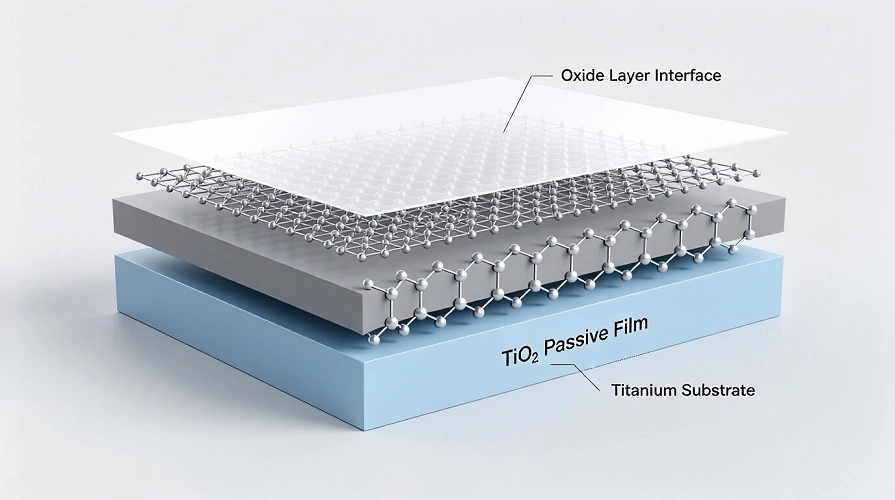
The Role of Surface Treatments in Enhancing Biocompatibility
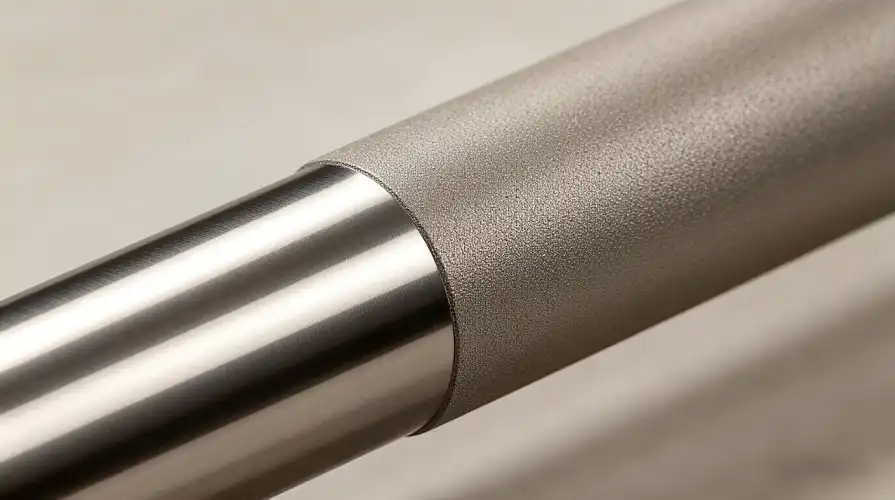
Pickling, cleaning, and grinding the surface of titanium rods make them even better for medical use. Germs can't stick to polished surfaces as well, so there is less chance of getting sick after surgery. When you sandblast something, the surface gets harder, which helps osseointegration, the process by which bone grows into the implant. International standards for medical-grade titanium, like ASTM F136 and ISO 5832-3, say that it needs to be very pure and have a strong structure. These changes in production are needed to meet those standards.
At Baoji Jucheng Titanium Industry Co., Ltd., we manufacture titanium rods conforming to ASTM B348, ASME SB348, and AMS 4928 specifications. Our things are grouped into 23 groups, or Gr1, and their sizes range from 6 mm to 450 mm. They also come in lengths that can be adjusted up to 12000mm, going from 6000mm to 12000mm. By vacuum freezing and centerless cutting, we make sure that every rod meets the exact wants of clients in the military, medical field, and business world.
Scientific Evidence on Titanium Rods and Immune System Impact
There has been a lot of research that shows titanium rods almost never make the immune system sick. Scientists have written that titanium allergies affect less than 0.6% of people who have implants. This is a very small number compared to nickel or chromium allergies. When these things do happen, they're generally because other metals were mixed in with the titanium while it was being made, not the titanium itself.
Investigating Hypersensitivity and Allergic Responses
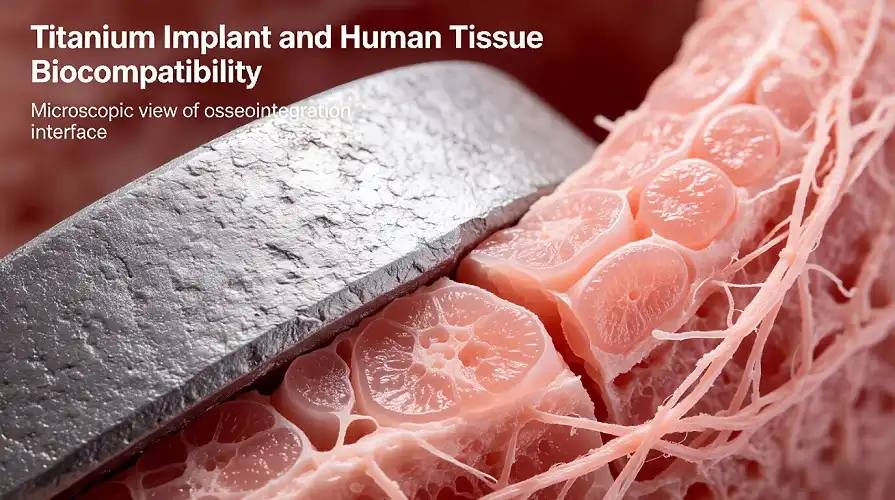
Hypersensitivity to titanium is caused by Type IV delayed-type responses. T-lymphocytes mistake titanium particles for antigens from other organisms during these responses. Titanium is chemically steady, so this defense response doesn't happen very often. Titanium ions don't have much of an effect on activation in lab tests that use cell transformation assays. A metal like nickel, on the other hand, can cause skin irritation and immune cell growth when touched.
Also, studies have shown that titanium rods with oxide layers on them blend better with skin. That's why the TiO₂ film doesn't mix with live things. It also stops rust products that could make cytokines that cause inflammation work. When you look at different types of histopathology, you can see that the tissues around titanium implants are safe in the long term because they have normal cellular architecture and no signs of chronic inflammation.
Grade-Specific Considerations for Immune Compatibility
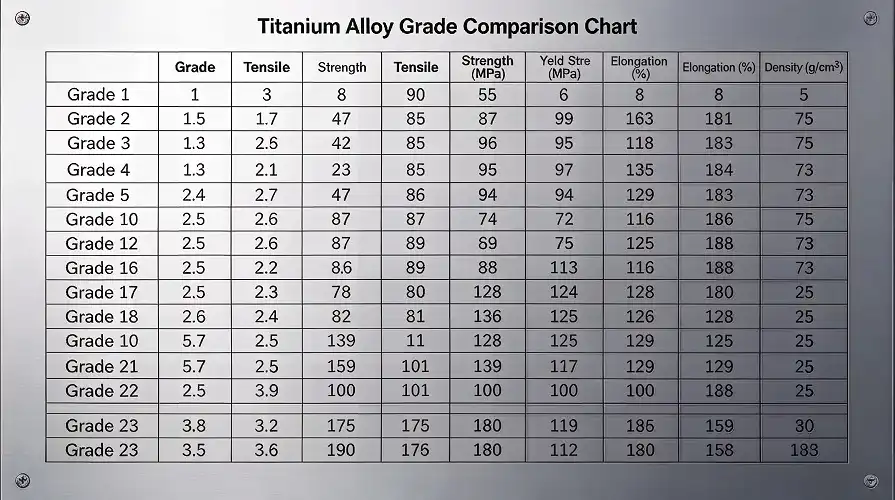
Titanium of different types has different amounts of alloying elements and pure titanium. This changes how well they work with the nervous system. Pure types (Gr1–Gr4) that are sold in stores have very little aluminum and vanadium in them, so people who are allergic to metals can use them. Grade 5 (Ti-6Al-4V) is stronger because it has vanadium and aluminum in it, but it is still widely used in surgery and doesn't cause any big immunity problems. Since Grade 23 (Ti-6Al-4V ELI) is meant to be inserted, it has very little interstitial material and was made to be as safe as possible.
It's also important what you do to the skin. It is possible to make coatings that help cells stick to objects better while stopping the immune system from reacting. We sell bars at Jucheng Titanium that have been heated and have surface finishes that are right for the job. For instance, the rods can be cleaned to make them more accurate for surgery or treated to make them resistant to chemicals. In both hospital and work situations, this makes sure that they do their best work.
Key Properties of Titanium Rods Relevant to B2B Procurement
When people who buy things look at titanium rods, they need to know about the chemical and mechanical properties that make the product work well. Tensile strength, rust resistance, and temperature stability are not just words that you hear in school. They have a real impact on how long things last, how safe they are, and how much it costs to own everything.
Mechanical Strength and Durability
It is possible to stretch titanium bars between 240 MPa (Gr1) and over 900 MPa (Gr5). This means that they can handle a lot of stress. Titanium is about 45% lighter than steel, so it can be strong without being heavy. Its mass is only 4.51 g/cm³. In the military and in the air, this weight loss means more ammo and better fuel economy. It means that patients will feel less pain and heal faster after getting medical implants.
It doesn't rust or decay, which is another great thing about it. Titanium bars don't rust or char in places with cracks or holes, like seawater, salt solutions, and acidic media. This is a very important quality for items that handle chemicals because stainless steel would break down quickly without it. Every year, Jucheng Titanium makes more than 500 sets of titanium equipment, such as heat exchangers, air coolers, and reactors. We know how to use these traits in industry, as shown by this.
Manufacturing Precision and Quality Assurance
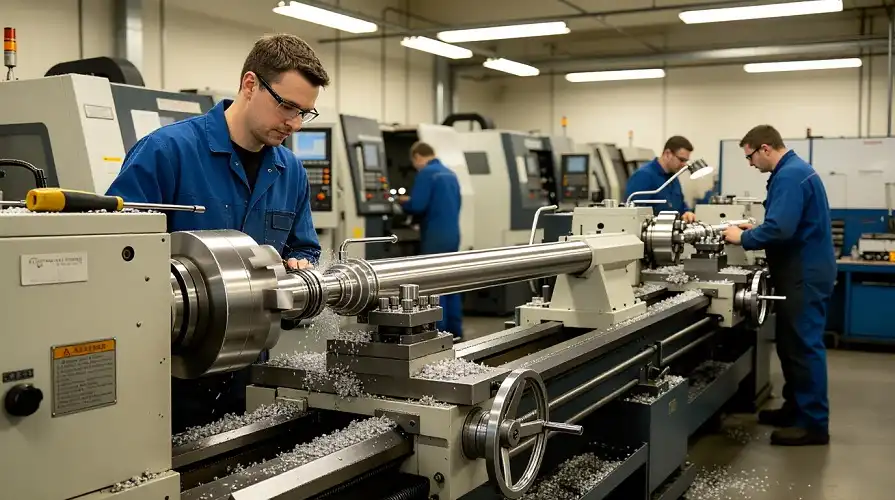
Before we make our goods, we freeze them to get rid of any dirt or other impurities. Then, to improve the grain structure, we make and roll the items while they are still hot. If you want better mechanical accuracy, you can use rotational forging. But when it comes to centerless grinding and turning, the limits are very tight. It is very important that every stick fits the requirements set by ASTM B348, AMS 6931, and ISO 5832-3. Certifications and tracking information for the materials are given for each batch. This makes sure that the buying process is clear and that all the rules are followed.
Controlling quality is more than just making things. University and research centers like Tsinghua University and the Northwest Nonferrous Metals Research Institute work with our technical research and development team to make new metals and improve surface engineering. Jucheng is a National High-Tech Enterprise and a "little giant" in specialized manufacturing because it is so committed to quality. Every year, sales grow by more than 30%.
Comparative Purchasing Insights: Titanium Rods vs Other Materials
To find the right material, you have to weigh the needs of the product against efficiency, cost, and cost. Iron, nickel, stainless steel, and titanium rods are often stacked against each other. This metal is good and bad in its own way.
Titanium vs Stainless Steel
With its low cost and ease of use, stainless steel is a good choice for projects that need to stick to a budget. While it doesn't rust in chloride, it doesn't work well with living things like titanium does. Implants made of stainless steel in medical gear can give off chromium and nickel ions, which could cause allergic reactions. This risk is taken away by titanium's passive oxide layer, which makes up for its higher price at first by making it last longer and needing less maintenance.
Titanium vs Aluminum
This metal is lighter and better at moving heat than most others, but it's not as strong or resistant to rust. Aluminum can kill cells, so it can't be used in organic devices. This metal is very useful since it is both strong and light. Also, it doesn't react with living things, which makes it great for things like airplane bolts and orthopedic implants.
Titanium vs Nickel Alloys
Superalloys made of nickel work well at high temperatures, but they are heavy and can make people very allergic. Ten to fifteen percent of people can't handle nickel, which means it can't be used in gadgets that are implanted. Since titanium is not magnetic, MRI tests can be done on people who have implants without any problems. This is very helpful for doctors to figure out what is wrong.
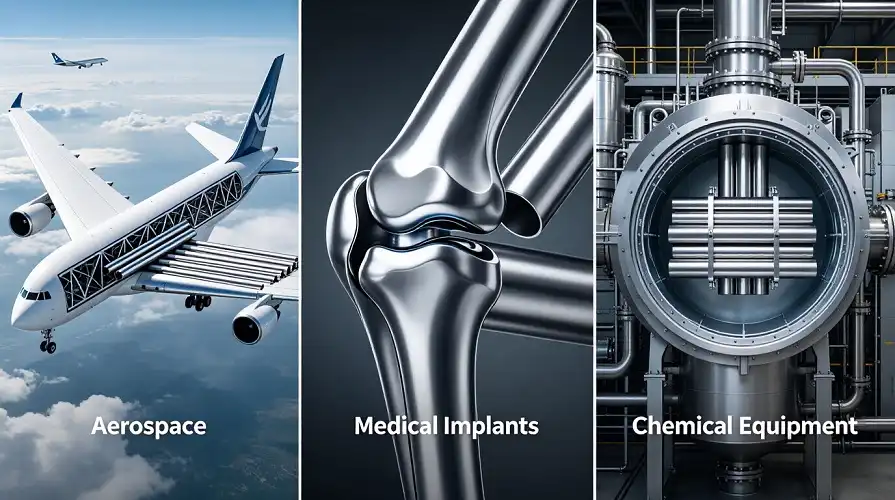
Choosing the correct grade depends on application demands. Grade 2 provides excellent corrosion resistance for chemical equipment, while Grade 5 offers the strength needed for aerospace components. Grade 23 is mandatory for implantable devices requiring maximum purity. At Jucheng, we maintain over 3,000 tons of titanium inventory across all grades, enabling rapid fulfillment of custom orders and urgent project requirements.
Procuring Titanium Rods: Best Practices for Global B2B Clients
For a buy to go well, it's important to have a trusted source, check the quality, and have good logistics. Global buyers have to deal with tricky approval rules, fluctuating prices, and supply chain risks in order to get titanium rods that meet project standards.
Identifying Trusted Suppliers and Certification Standards
You should check with your providers to see if they follow standards like ASTM, AMS, and ISO 5832 and have ISO 9001 quality control certifications. To keep track of the product, ask for mill test records (MTRs) that show the chemicals used, how the product works, and how it can be tracked. Sellers you can trust will offer marks of inspection from groups like SGS or TÜV that show the materials are real.
Baoji Jucheng Titanium Industry Co., Ltd. has been in the titanium business for over 20 years. That company was the first private one in Shaanxi Province to go public on the National Equities Exchange and Quotations. It's clear that we can come up with new ideas since we have 4 creation patents and 41 utility model patents. Jiangxi Copper Group and a number of research universities work with us, which shows that we are a trustworthy tech company and that our supply chain is stable.
Navigating Pricing and Logistics
Titanium pricing fluctuates based on sponge costs, energy prices, and global demand. Establishing long-term supply agreements with manufacturers can stabilize pricing and secure allocation during market shortages. Bulk orders reduce per-unit costs, particularly for standardized sizes and grades.
When planning logistics, it's important to think about the rules for sending goods to other countries. This is especially true for military and defense uses that need to follow export rules. Jucheng packs things the way you want them packed and organizes shipping all over the world, making sure packages arrive on time in North America, Europe, and Southeast Asia. Our facility is 120,000 square meters, so it can handle a lot of work and get to important tasks quickly.
Evaluating Supplier Capabilities
Make sure the provider can machine things, has a lot of stock, and can give you expert advice. Can they make sizes other than normal stock? Are there science tips that can help you pick the best materials? As part of its OEM/ODM services, Jucheng helps with design, makes samples, and offers professional support after the product has been delivered. This turns us into a strategic partner instead of just a material vendor.
Conclusion
It's not possible for titanium rods to hurt the immune system because they are biocompatible and don't respond with chemicals. Because they can make thick oxide layers, they stop processes that cause swelling. Because of this, they are great for both medical treatments and business uses. If buyers know about the quality of the material, the standards for making it, and the best ways to buy things, they can make choices that balance price, performance, and safety. Titanium is a strong and durable metal that has a great track record when it comes to making medical devices, tools for processing chemicals, and airplane parts.
Frequently Asked Questions
1. Can titanium rods cause allergic reactions?
It is known that less than 0.6% of cases where titanium rods cause allergic reactions. Reactions are usually caused by impurities or other metals that are mixed in with the titanium, not just titanium itself. This risk is smaller for medical-grade titanium that meets ASTM F136 standards because it has strict controls on how pure it is.
2. How long do titanium rods last in the body?
Tooth implants and dental caps made of titanium can last more than 20 years and still work well after that time. Because they can osseointegrate and don't rust, they stay stable for a long time without breaking. Keeping an eye on your health regularly can help find any odd issues early on, but titanium has a history of lasting a very long time.
3. What certifications should I look for when purchasing titanium rods?
Make sure it meets the requirements set by ASTM B348, ASME SB348, AMS 4928, and ISO 5832-3. For medical uses, you need to be certified to ASTM F136 or F67. They should give mill test results, chemical makeup analyses, and third-party inspection papers to show that the products are real and can be followed.
Partner with a Trusted Titanium Rod Manufacturer
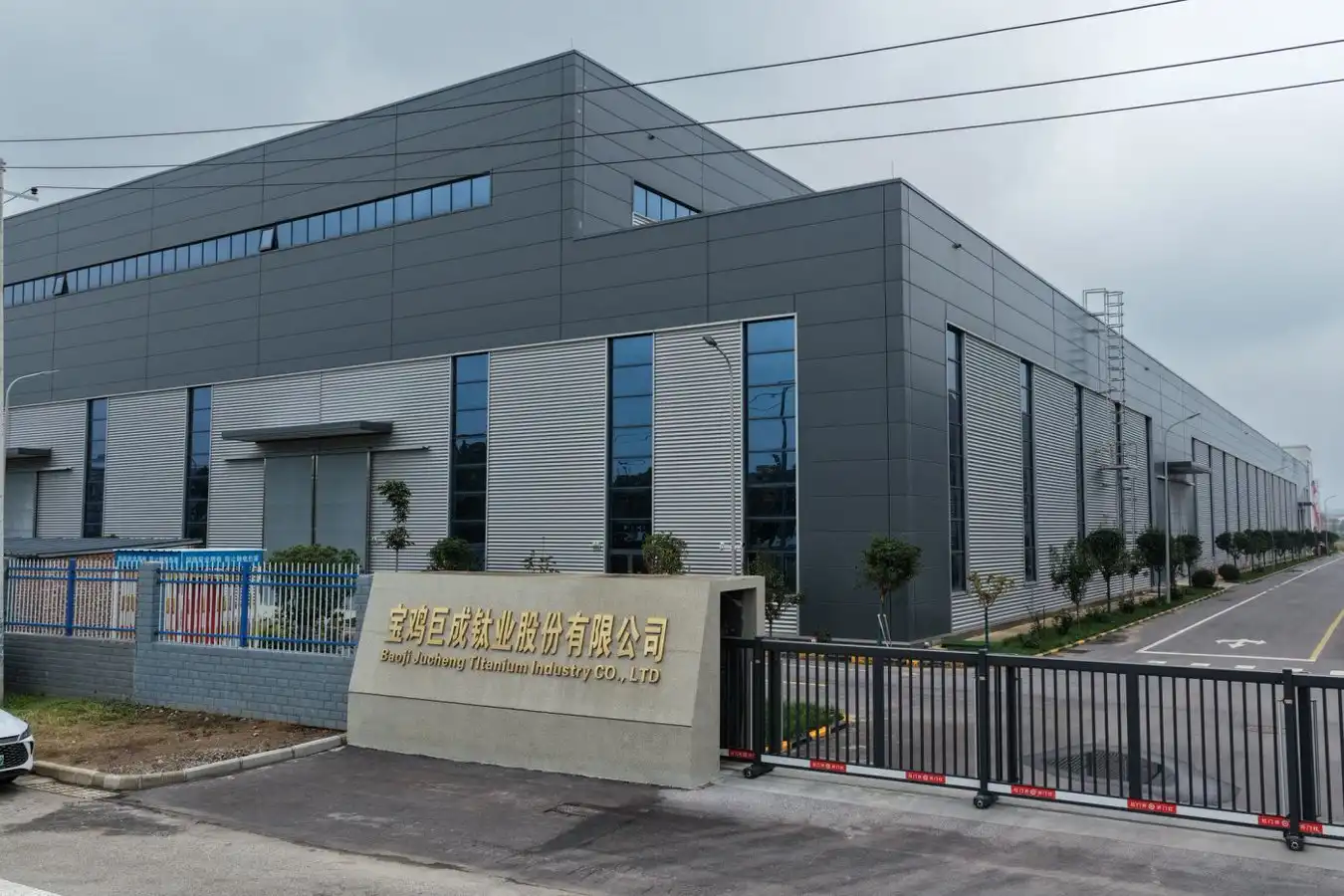
Baoji Jucheng Titanium Industry Co., Ltd. combines over 20 years of industry expertise with advanced manufacturing capabilities to deliver high-quality titanium rods tailored to your specifications. Our inventory of over 3,000 tons across grades Gr1 to Gr23 ensures fast delivery for urgent projects, while our custom processing services accommodate unique dimensional and surface treatment requirements. Whether you need medical-grade rods meeting ASTM F136 or aerospace components conforming to AMS 4928, our certified production processes guarantee compliance and performance. Reach out to our team at s4@juchengti.com to discuss your project needs with a reliable titanium rod supplier committed to quality, innovation, and customer success. Visit jucheng-ti.com to explore our full product range and discover how we empower diverse industries with precision-engineered titanium solutions.
References
1. Steinemann, S.G. (1998). Titanium—the material of choice? Periodontology 2000, 17(1), 7-21.
2. Sidambe, A.T. (2014). Biocompatibility of advanced manufactured titanium implants—A review. Materials, 7(12), 8168-8188.
3. Long, M., & Rack, H.J. (1998). Titanium alloys in total joint replacement—a materials science perspective. Biomaterials, 19(18), 1621-1639.
4. Geetha, M., Singh, A.K., Asokamani, R., & Gogia, A.K. (2009). Ti-based biomaterials, the ultimate choice for orthopedic implants—A review. Progress in Materials Science, 54(3), 397-425.
5. Niinomi, M. (2008). Mechanical biocompatibilities of titanium alloys for biomedical applications. Journal of the Mechanical Behavior of Biomedical Materials, 1(1), 30-42.
6. Hallab, N., Merritt, K., & Jacobs, J.J. (2001). Metal sensitivity in patients with orthopedic implants. The Journal of Bone and Joint Surgery, 83(3), 428-436.