
Choosing The Right Titanium Round Bar Grade
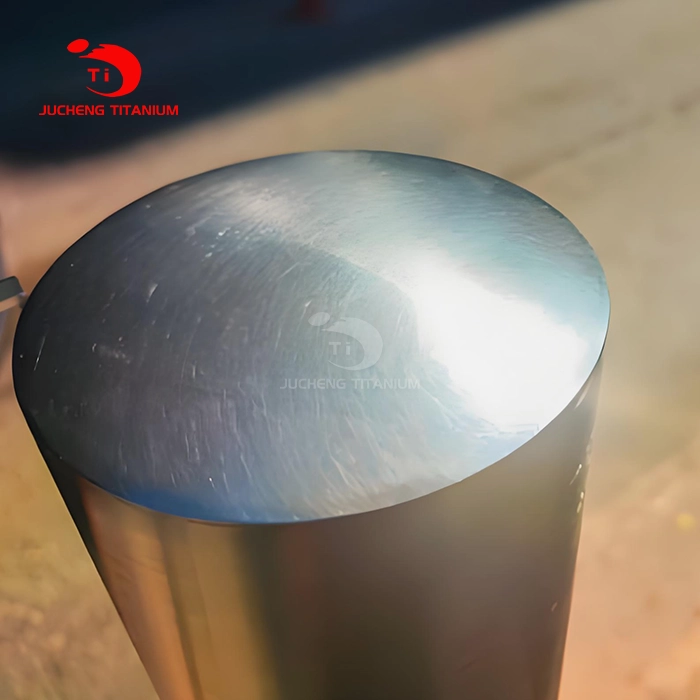
Choosing the right type of Titanium round Bar has a direct effect on how well the product works, how much it costs, and how well it runs in the long run. It takes vacuum melting, casting, hot rolling, and precise finishing steps to make a Titanium round Bar, which is a high-performance metal product. Unlike regular steel or aluminum options, these bars are very resistant to rust, have high strength-to-weight ratios, and are biocompatible in harsh industrial settings. When looking for materials for medical devices, aircraft structural parts, or chemical processing equipment, it's important to know the difference between grades so that you can find materials that meet the technical needs of your project and your budget.
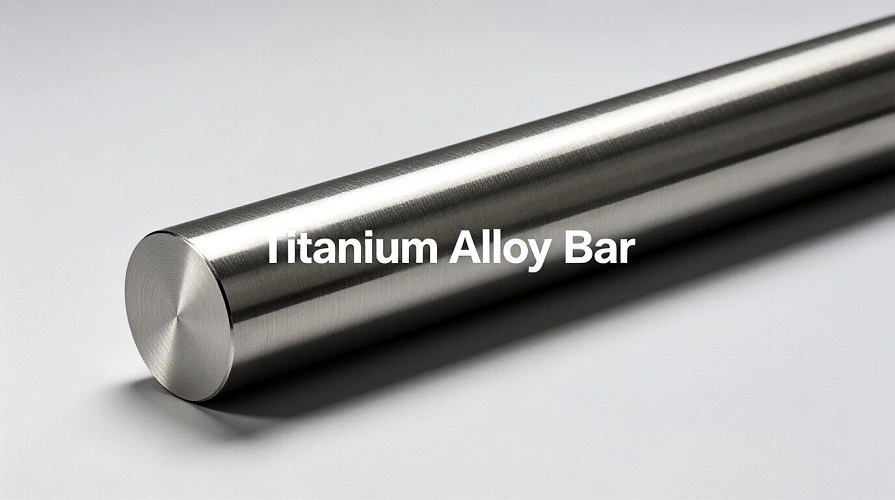
Understanding Titanium Round Bar Grades
In the Titanium round Bar business, they are divided into two main groups: commercially pure (CP) types and titanium alloys. The chemical makeup and mechanical qualities of each type are different, which determines which uses they are best suited for.
Commercially Pure Titanium Grades
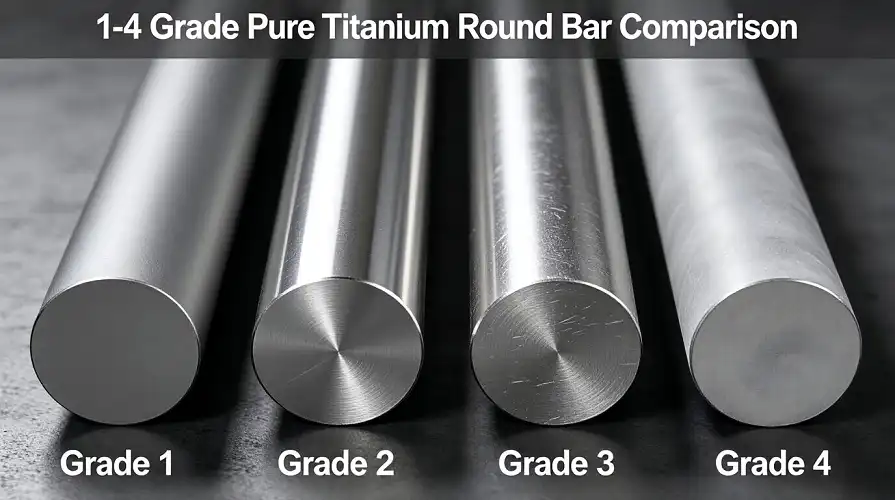
CP Titanium round Bar comes in Grades 1 through 4. They are mostly different in how much oxygen and iron they contain, which affects their strength and flexibility. Grade 1 is the most flexible and weakest, so it is best for deep drawing operations and places with a lot of chemicals that break down quickly. Grade 2 is the best combination of strength (yield strength of about 275 MPa) and resistance to corrosion. It is used in about half of all Titanium round Bar uses in the world. Heat exchangers, cooling systems, and building parts made of this grade work very well. The strength of Grade 3 is slightly higher than that of Grade 2, and the strength of Grade 4 is the highest of all the CP grades (yield strength around 480 MPa). This makes it ideal for pressure tanks and industrial machinery that needs better mechanical performance without giving up resistance to rust.
Titanium Alloy Grades
Grade 5, which is also known as Ti-6Al-4V, is the most popular alloyed Titanium round Bar because it has the best mechanical qualities. This alpha-beta metal has tensile strengths of over 895 MPa and yield strengths of over 828 MPa. It is made up of 6% aluminum and 4% vanadium. Grade 5 works great in aircraft uses that need high strength-to-weight ratios, like landing gear parts, turbine blades, and structural fasteners. Grade 23 (Ti-6Al-4V ELI) is the extra-low interstitial version of Grade 5. It has better ductility and fracture hardness, which is important for medical devices and cold uses.
Palladium is added to grades 7 and 12, which makes them more resistant to reducing acids and commercial chlorides. These types are made to work with certain chemical production problems that regular CP Titanium round Bar can't. Grade 9 (Ti-3Al-2.5V) has a modest level of strength and great cold formability, making it useful for hydraulic tubing and airplane parts that need both strength and fabricability.
Corrosion Resistance Characteristics
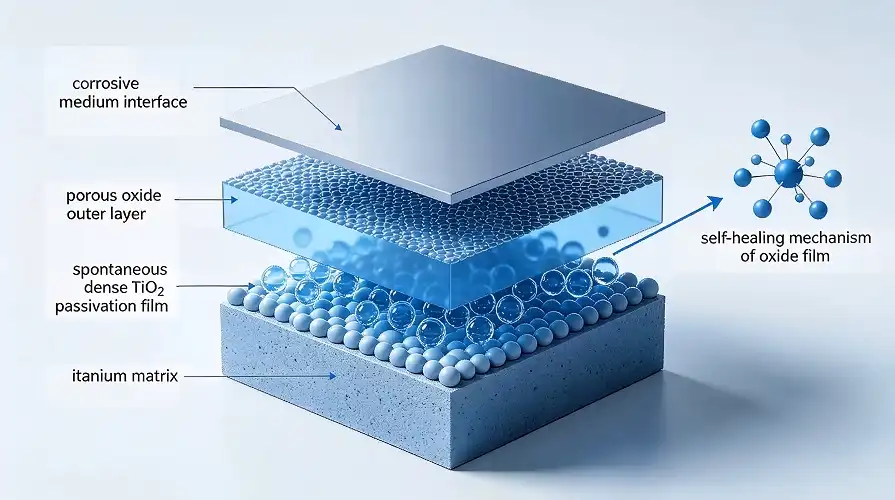
Titanium round Bar is known to be resistant to weathering because when it comes in contact with air, it forms a stable layer of titanium dioxide (TiO2). If this inactive film gets broken, it heals itself right away. This makes it resistant to pitting, crevice corrosion, and stress corrosion cracking in chloride conditions where stainless steel fails. CP grades are better at withstanding oxidizing acids, and palladium-enhanced classes work better in reducing acid conditions as well. When you know these differences, you can avoid expensive material failures in tough work circumstances.
How to Choose the Right Titanium Round Bar Grade for Your Application?
In order to choose the best grade of Titanium round Bar, performance standards must be carefully weighed against business concerns. Our criteria screening method takes into account the most important things that buying teams need to think about when making decisions.
Mechanical Strength Requirements
Minimum strength levels are set by the load-bearing needs of your product. The high tensile strength and wear resistance of Grade 5 are usually needed for aerospace parts that are loaded and unloaded dynamically and over and over again. Chemical processing equipment that works with modest pressures consistently with Grade 2 Titanium round Bar, which saves money on materials and keeps the structure's integrity. The flexibility of Grade 2 makes it good for industrial heat exchangers and condenser systems because it can handle cycles of thermal expansion without breaking. Check your design stress figures against the grade specs. If you over-specify the strength, you'll waste money, and if you under-specify it, the structure could fail catastrophically.
Corrosion Environment Analysis
The chemical environment decides which grade will last the expected amount of time in work. Grade 2 can handle most industrial environments, seawater, and reactive acids like nitric and chromic acids. Chemical plants that use low conditions to work with hydrochloric acid need palladium improvement of Grade 7 or Grade 12 Titanium round Bar. Marine uses always choose Grade 2 because it is resistant to saltwater and doesn't have the problems that stainless steel does with galvanic rust. Grade 12 is resistant to hydrogen sulfide attack, which is good for petrochemical plants that work with sour gas. Before you decide on the exact specs, compare grade resistance charts that show your unique corrosive agents, concentration levels, and working temperatures.
Machinability and Fabrication Considerations
The total cost of a job is greatly affected by how efficiently it is made. It is easier to make CP Titanium round Bar grades than high-strength metals, which cuts down on tool wear and cycle times. If you use the right cutting settings and water, Grade 2 is easy to machine. To control the tendency for work to harden, Grade 5 needs carbide tools, slower cutting speeds, and rigid sets. When you need to join, bend, or shape something, CP grades are better because they are more flexible. Grade 23 has better fracture hardness, which helps with important machining tasks for medical equipment whose biocompatibility depends on the purity of the surface.
Cost-Performance Optimization
The price of materials is very different between grades. Grade 2 Titanium round Bar is usually the least expensive choice because it can be used in a lot of different situations and doesn't cost too much. Grade 5 costs more, but it saves weight that more than makes up for the higher price in aircraft uses where every kilogram counts. To find the total cost of ownership, you need to add up the price of the materials, the cost of making them, the expected service life, and the cost of upkeep. When lifetime analysis is done, it is common to find that a higher-grade original investment pays off because of less downtime and longer replacement intervals.
Comparing Titanium Round Bars with Alternative Materials
Knowing how Titanium round Bars work compared to other materials makes it clear when precision is needed and when other materials will do.
Titanium Versus Stainless Steel
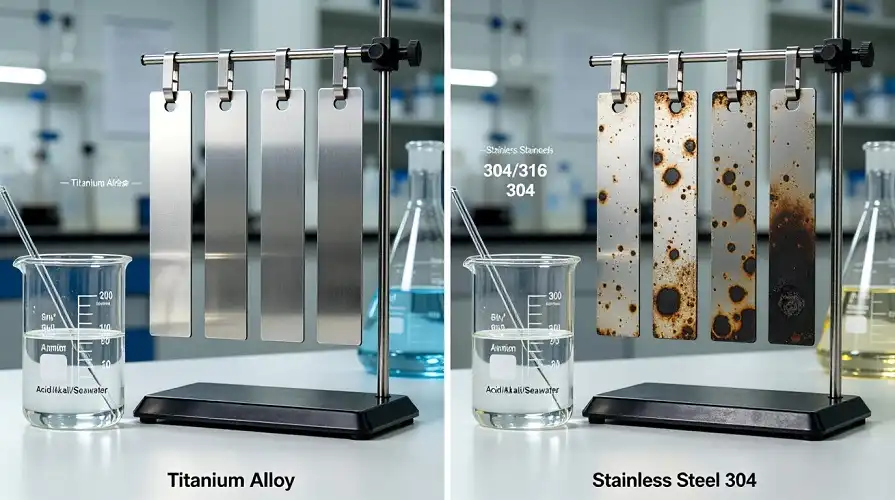
Titanium round Bar can survive in chloride-rich settings for a very long time, but stainless steel will rust and break down over time. In situations where weight is important, Grade 2 sections weigh 40% less than stainless steel sections of the same size. This lowers the structural loads. Low conductivity makes it better for cold insulation needs, while stainless steel's high conductivity makes it better for some heat transfer tasks. Titanium round Bar is not magnetic, which is very important in medical imaging tools and naval compass uses where magnetic interference from stainless steel is a problem. Chemical production plants that replace failed stainless steel parts with Grade 2 parts usually get 3–5 times longer service life, even though they cost more at first.
Titanium Versus Aluminum
Aluminum is much less dense than Titanium round Bar (4.51 g/cm³ vs. 2.7 g/cm³), but it is much less strong. Grade 5 is about the same strength as high-strength aluminum metals and only a little heavier. It also doesn't rust as aluminum does, which is something aluminum can't do. Titanium round Bar is better than aluminum metals for uses above 150°C because they lose strength quickly as the temperature rises. It is used by aerospace engineers for hot sections and parts that are under a lot of stress. Aluminum is used for structures that aren't loaded very heavily because cost is more important.
Round Bar Versus Alternative Titanium Shapes
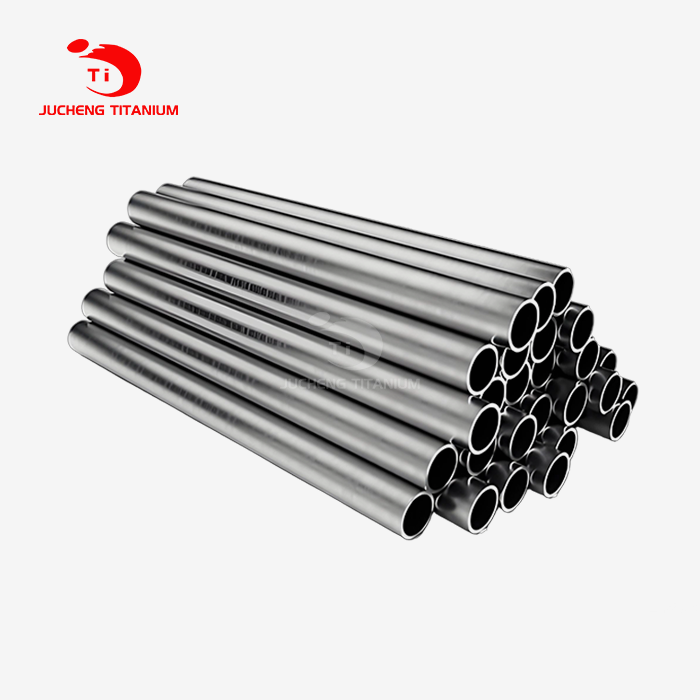
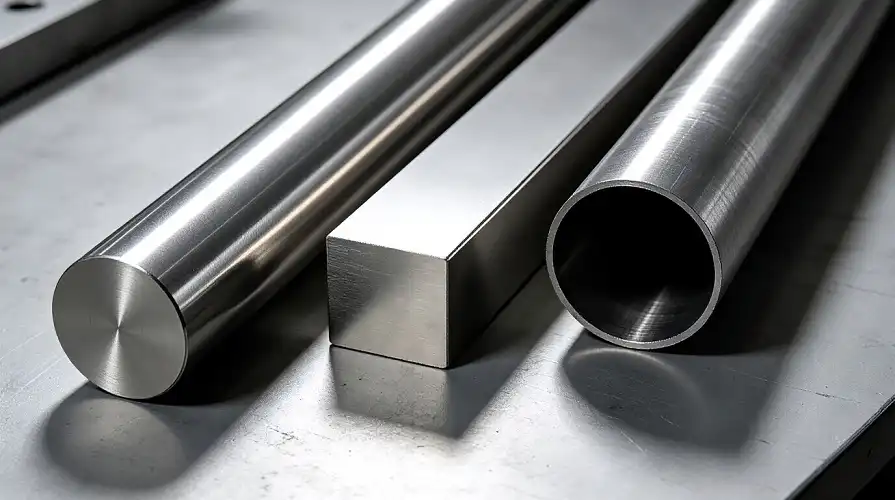
When it comes to cutting, Titanium round Bars are better than square bars and hollow pipes. When you turn round stuff into cylindrical parts, you get them quickly and with little loss. When milling rectangular parts, square bars work well, but when milling circular parts, they make more waste. Hollow pipes use less material for tube parts, but they can't be used for solid shafts, and make cutting settings more difficult. Keep a range of sizes in stock, from 6mm to 450mm, to cut down on pre-machining work and speed up production plans.
Machining and Heat Treatment of Titanium Round Bars
To get the most work done while keeping quality high, you need to know how to handle Titanium round Bars in a certain way.
Machining Best Practices
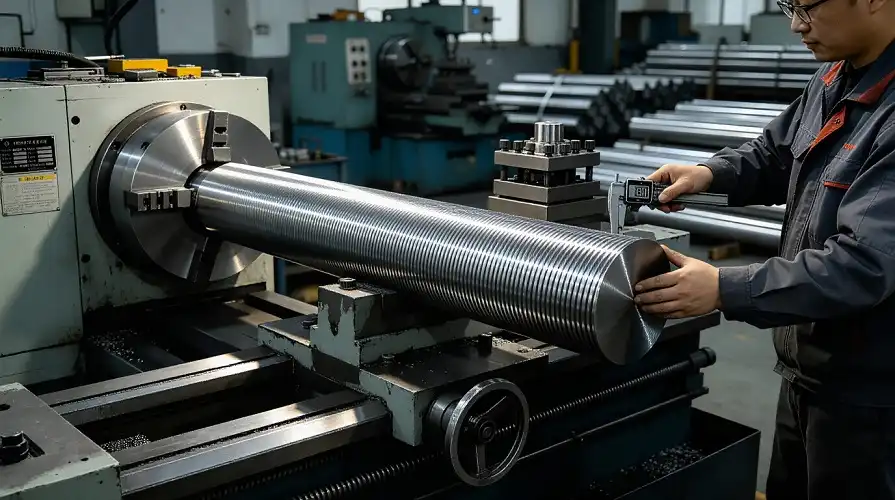
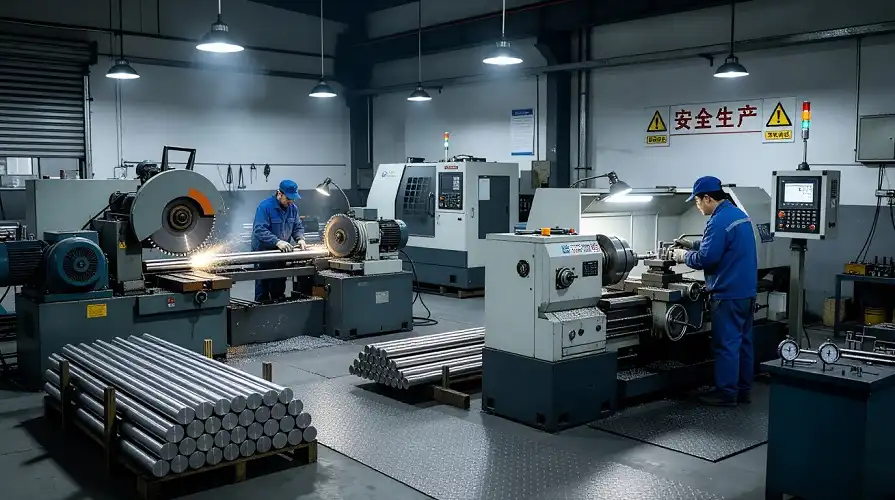
Titanium round Bar work hardens quickly, so you need carbide or polycrystalline diamond tools that are very sharp. To keep the cut zone from becoming too hard, keep the feed rates steady. Low thermal conductivity focuses heat at the tool-chip contact, speeding up tool wear. Use a lot of cutting fluid to keep the heat under control. Slow down the cutting 40 to 60 percent compared to steel processes. Machine sets that are rigid reduce vibrations that damage finishes. Centerless grinding can make diameters very close to each other for precise tasks, while turned surfaces are better for general engineering needs.
Heat Treatment Applications
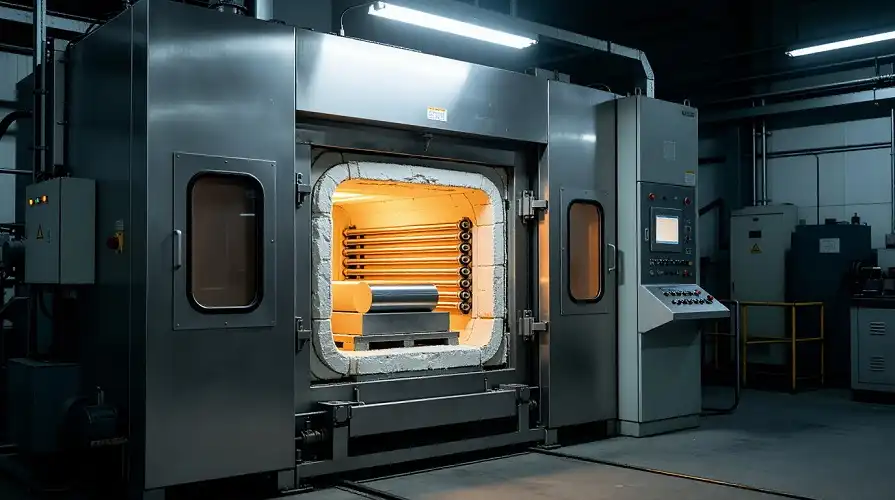
Annealing removes any remaining forces from casting and machining, which keeps the dimensions of the Titanium round Bar stable. Stress reduction annealing works best at 540–650°C for CP grades, but 730–850°C is needed for Grade 5. The strength of Grade 5 is improved by solution treatment and aging processes, which make it perfect for use in aircraft parts. Medical-grade materials are vacuum-annealed to keep the surface from getting dirty, which would make them less biocompatible. Check out the ASTM B348 and AMS standards to find the exact heat treatment values that are right for your grade and application.
Procuring Titanium Round Bars: What B2B Buyers Need to Know
To keep projects on schedule and within budget, good Titanium round Bar buying combines the quality of materials, the dependability of suppliers, and the terms of the deal.
Supplier Selection Criteria
Compliance with certification is the basis of evaluating suppliers. Use mill test records to make sure that ASTM B348, ASME SB348, and any other relevant AMS standards are being followed for the Titanium round Bar. For aerospace uses, AMS 4928 compliance with full tracking is needed. Manufacturers of medical devices need to be certified by ASTM F136 and meet the requirements of ISO 5832-3. It's important that suppliers can make things. Vacuum melting, rotary casting, and precise grinding tools all show that they can make a lot of things. How the Titanium round Bar is processed has a direct effect on how consistent it is and how regular its mechanical properties are. You should be able to find surface treatments like sanding, pickling, and grinding that meet your needs without having to do any extra work.
Inventory and Delivery Considerations
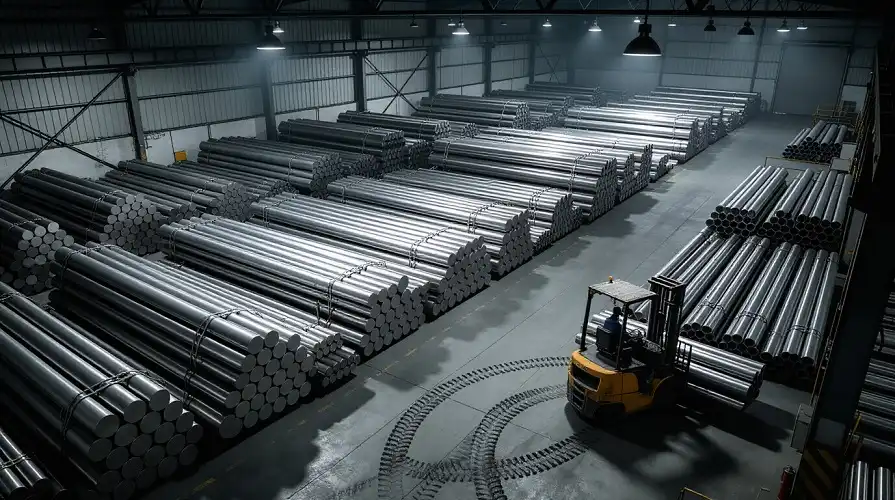
Lead times for Titanium round Bar are very different between providers. Standard grades in popular sizes can usually be shipped within days from wholesalers with a lot of stock. Custom alloys, on the other hand, need 6–18 weeks for mill production cycles. Some sellers require ton quantities, while others can work with prototype quantities. Minimum order numbers affect small-volume purchases. Custom length needs that are longer than normal 6000mm stocks incur extra handling fees. Check the supplier's inventory level—facilities that keep 3000 tons or more on hand can handle urgent needs and repeat orders without long delays.
Pricing and Negotiation Strategies
Base prices are based on the grade chosen. CP Grade 2 sets the base price, while Grade 5 Titanium round Bar commands 50–80% discounts. Unit prices are greatly affected by the number of orders; combine needs to get mass savings. Due to the difficulty of forging, width affects price; diameters bigger than 300mm are charged more. Finishing the surface adds to the cost; a turned surface is cheaper than a precision-ground or polished finish. To deal with the unstable market, negotiate good payment terms for big orders and set prices for long-term contracts. Ask for standard products like material certificates, dimensional inspection reports, and chemical analysis paperwork to make sure the quality is checked.
Conclusion
To pick the correct Titanium round Bar grade, you need to carefully consider the technical needs, the surroundings, the way the bar will be made, and your budget. CP Grade 2 is the most versatile and cost-effective, and it can be used in the widest range of situations. Grade 5 has the best strength-to-weight ratio for high-stress and aircraft uses. Palladium-enhanced grades are used to solve specific problems in chemical processes. When the Titanium round Bar specification offers long-term value despite higher starting costs, comparisons of materials against stainless steel and aluminum make it clear. Understanding how cutting works and what heat treatment can do makes output more efficient. When choosing a supplier, make sure they meet your project's quality standards and certification requirements by focusing on their inventory depth, certification compliance, and open delivery terms.
FAQ
Q1: What is the difference between Grade 2 and Grade 5 titanium round bars?
Titanium round Bars of Grade 2 are commercially pure. It is very resistant to corrosion and has a middling strength (yield strength = 275 MPa), making it perfect for use in chemical processing and naval uses. Grade 5 (Ti-6Al-4V) is an alpha-beta alloy made up of vanadium and aluminum. It has a much higher yield strength (>828 MPa) and better wear resistance, which are important for high-performance industrial tools and structural parts for spacecraft.
Q2: Can titanium round bars be heat-treated to increase strength?
Because they are made up of only one phase, CP Titanium round Bar types (1-4) respond best to annealing for stress release rather than strengthening heat treatments. Solution treating and aging processes that find the best mix between strength and flexibility work well with grade 5 titanium alloys. Controlled annealing is used to keep medical-grade materials harmless while removing any remaining strains.
Q3: How does titanium's corrosion resistance compare to stainless steel?
Because of its steady titanium dioxide inactive film, the titanium round Bar does much better than stainless steel in places with chloride, seawater, and oxidizing acids. In these situations, pitting and crevice rust happen to stainless steel, but not to titanium. When chemical companies replace stainless steel with Grade 2 titanium, parts usually last three to five times longer in harsh, corrosive conditions.
Partner with a Trusted Titanium Round Bar Supplier

At Baoji Jucheng Titanium Industry Co., Ltd., we have more than 20 years of experience working with companies across North America that make airplane parts, chemicals, medical devices, and industrial equipment. Over 3,000 tons of approved inventory are kept at our site. It includes Grades 1, 2, 3, 4, 5, 7, 9, 12, and 23 Titanium round bars in diameters from 6mm to 450mm and is made to meet ASTM B348, AMS 4928, and ASTM F136 standards. We can make lengths to order up to 12000 mm, and the surface can be polished, turned, centerless ground, or pickled. Our expert team helps engineers choose the right grade, set the right machining settings, and make suggestions based on specific applications. They back these up with full mill certifications. Get custom quotes from us at s4@juchengti.com and find out why top procurement managers trust Jucheng Titanium as a reliable Titanium round Bar maker.
References
1. Boyer, R., Welsch, G., & Collings, E.W. (2007). Materials Properties Handbook: Titanium Alloys. ASM International, Materials Park, Ohio.
2. Donachie, M.J. (2000). Titanium: A Technical Guide, 2nd Edition. ASM International, Materials Park, Ohio.
3. Lütjering, G., & Williams, J.C. (2007). Titanium, 2nd Edition. Springer-Verlag, Berlin Heidelberg.
4. ASTM International. (2021). ASTM B348-21: Standard Specification for Titanium and Titanium Alloy Bars and Billets. West Conshohocken, Pennsylvania.
5. Aerospace Material Specification AMS 4928R. (2019). Titanium Alloy Bars, Wire, Forgings, Rings 6Al-4V Annealed. SAE International, Warrendale, Pennsylvania.
6. Froes, F.H. (2015). Titanium: Physical Metallurgy, Processing, and Applications. ASM International, Materials Park, Ohio.