
Does CP Titanium Rod Corrode in Saltwater?
When choosing maritime materials, corrosion resistance is key. Due to its stable, self-healing titanium dioxide (TiO2) protective coating, the CP titanium rod resists seawater corrosion. This passive oxide coating prevents chloride ion penetration, avoiding pitting and crevice corrosion, the main saltwater failure mechanisms for stainless steel and aluminum. Offshore platforms, desalination facilities, and marine propulsion systems that require durability choose commercially pure titanium because it retains structural integrity after decades of seawater exposure.
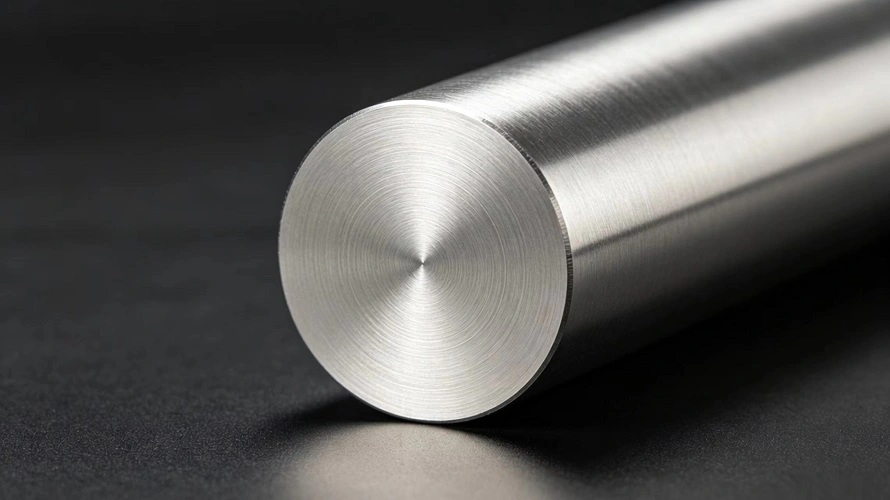
Understanding CP Titanium Rod and Its Corrosion Resistance
What Makes CP Titanium Different from Other Metals?
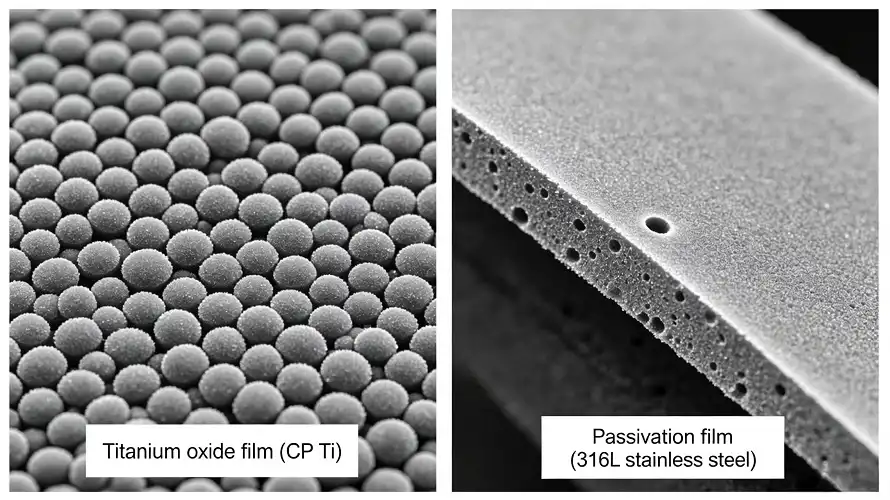
Commercially pure titanium is unalloyed and low in secondary elements. Crystalline structure and oxygen affinity give the material its characteristics. Titanium spontaneously forms its protective oxide layer within milliseconds of oxygen or moisture contact, unlike stainless steels, which use chromium.
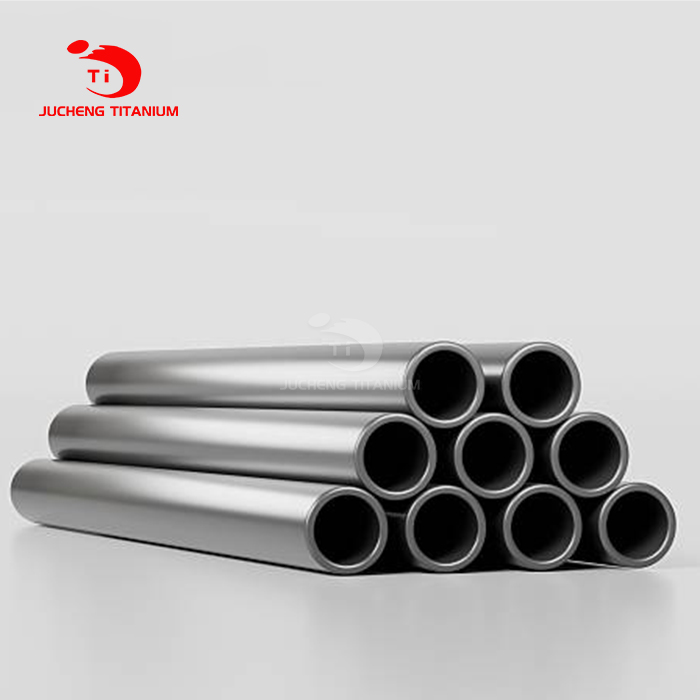
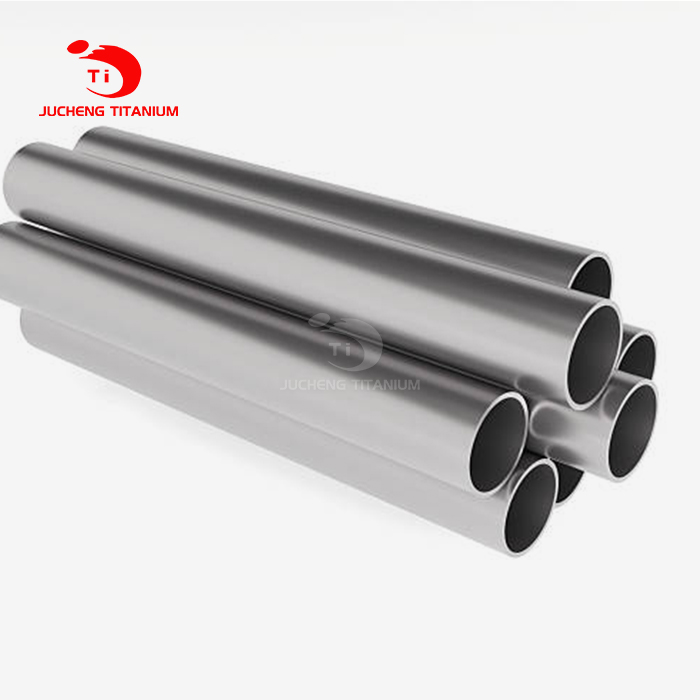
We make Grades 1–4 CP titanium rods per ASTM B348 and ASME SB348 specifications. For deep-drawing marine components, Grade 1 has maximum ductility and 240 MPa tensile strength. Industry workhorse Grade 2 has formability and 345 MPa strength for general structural applications. Gradations 3 and 4 increase load-bearing marine gear strength to 550 MPa. Each grade has saltwater corrosion resistance comparable to platinum-group metals but costs less than unusual alloys.
Chemical Composition and Mechanical Properties
Performance is closely related to purity. Grade 2 commercially pure material is 99.2% titanium, 0.25% oxygen, and 0.30% iron. Interstitial elements reinforce the matrix without loss of corrosion resistance. Keeping nitrogen and carbon below 0.03% and 0.08% prevents brittle phase development.
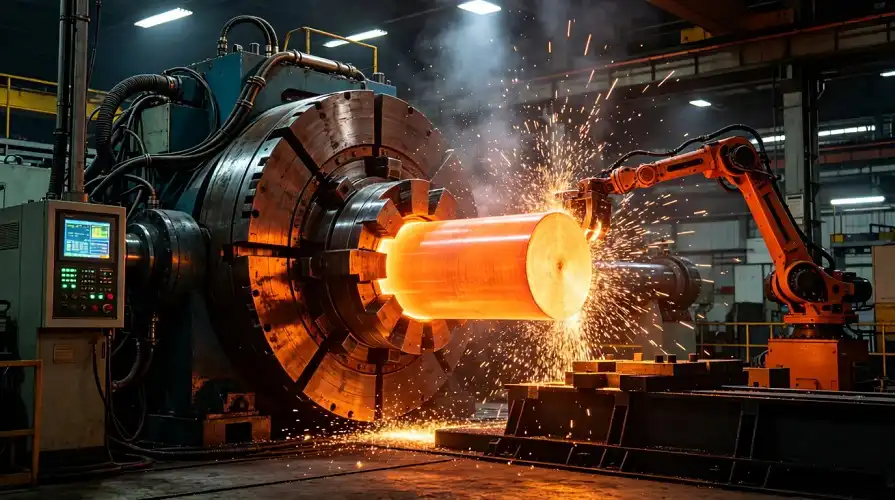
Our vacuum melting, several forging cycles, and hot rolling provide a uniform microstructure without high-density impurities. Rotary forging improves grain structure and fatigue resistance for cyclic wave loading. The annealed condition balances strength and ductility, with conventional tensile tests showing elongation above 20%.
How Surface Treatment Affects Performance
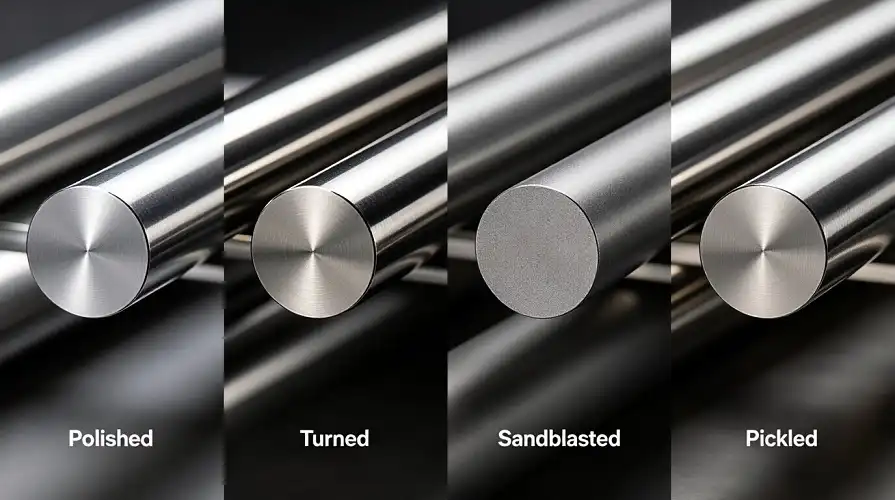
Initial passivation speed depends on the surface state. A variety of finishes are available for specialized purposes. CNC machines can regulate diameter within h8 accuracy with centerless grinding. Bright polished surfaces increase oxide formation and aid examination. Pickled finishes expose new titanium for passivation by removing alpha case, the oxygen-enriched surface layer generated during hot working. Composite assembly mechanical bonding is increased by sandblasting.
Annealing reduces cold working pressures, stabilizing manufacturing dimensions. Heat treatment at 650-750°C optimises grain size without affecting corrosion resistance. Commercially pure grades do not require solution treatment, easing inventory management and procurement lead times.
Does CP Titanium Rod Corrode in Saltwater? Analyzing the Facts
The Science Behind Saltwater Corrosion
Chloride ions (19,000 ppm), dissolved oxygen, marine life, and velocity effects make seawater a unique corrosive medium. Most metals' passive coatings are attacked locally by chloride ions. The electrochemical potential difference between metal and saltwater accelerates material loss through galvanic processes.
Traditional marine alloys use barrier coatings or cathodic protection. Chromium oxide coatings in stainless steels are easily compromised by chlorides. Through controlled oxidation, aluminum alloys lose material. Both techniques require maintenance and replacement.
Titanium's Protective Oxide Layer Mechanism
Titanium has a unique defense. Seawater instantly oxidizes the surface, generating a dense 10 nm TiO2 coating. This barrier is chloride-ion-impermeable, electrically insulated, and self-healing. Fresh titanium behind the coating oxidizes in seconds after mechanical damage, protecting without external intervention.
ASTM G48 accelerated corrosion testing in simulated seawater at extreme temperatures shows corrosion rates < 0.001 mm per year. CP titanium rod components show low thickness loss on offshore oil rigs lasting 20-30 years. Marine growth accumulation is more operationally dangerous than material decay.
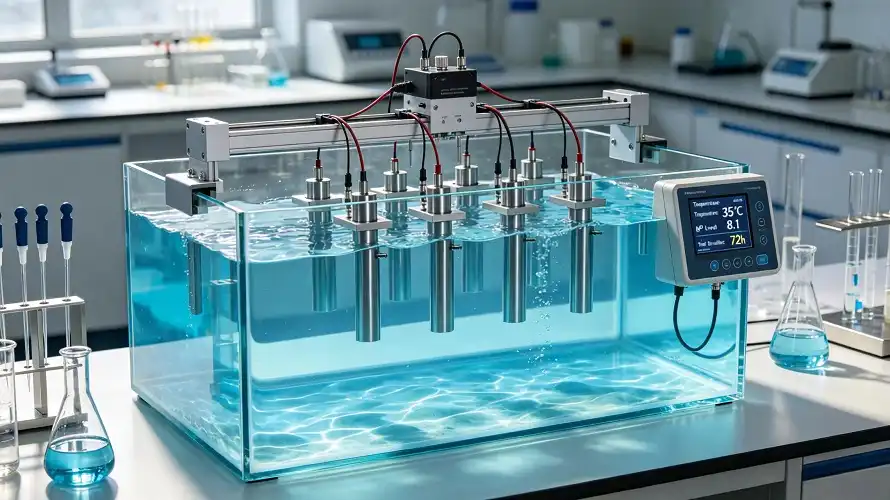
Environmental Factors That Influence Durability
Ti has excellent corrosion resistance, although certain circumstances must be considered. Gaskets and threaded connectors can retain stagnant saltwater, causing pH fluctuations. In most natural maritime conditions, commercially pure grades resist crevice corrosion below 90°C. Grade 7 (including palladium) may be needed for geothermal brine heat exchangers at higher temperatures.
Only cathodically shielded titanium cathodes absorb hydrogen. Proper separation from sacrificial anodes precludes this. Galvanic coupling increases corrosion in less noble metals but not in titanium. Insulating washers and using appropriate fasteners safeguard surrounding components.
Comparing CP Titanium Rod with Other Materials for Marine and Saltwater Applications
CP Titanium Versus Stainless Steel
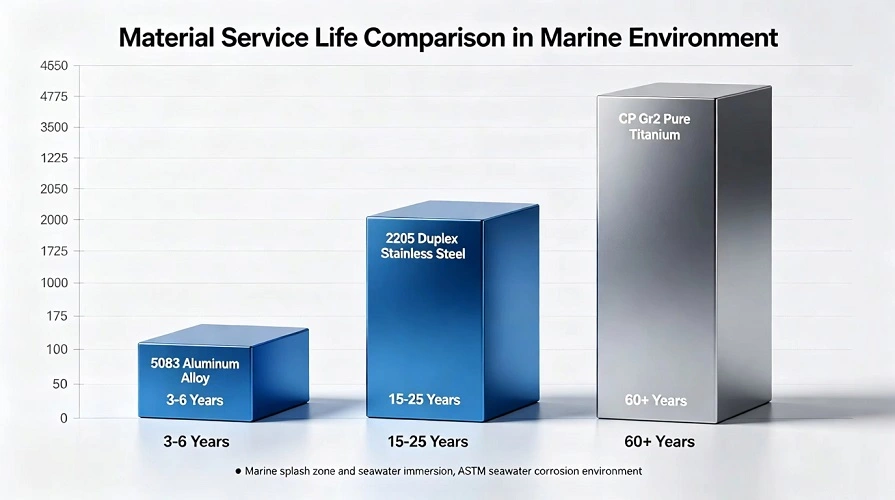
Due to established supply chains and reduced material prices, marine-grade stainless steels (316L, duplex) dominate saltwater applications. Pitting corrosion occurs in quiescent zones and marine fouling; these alloys function well in moving saltwater. Lifecycle planning includes regular inspection and replacement cycles. Service life is 10-15 years, depending on exposure intensity.
CP titanium rod eliminates maintenance intervals. Total cost of ownership estimates favor titanium in crucial applications despite its 3-5 times higher kilogram procurement cost. The material needs no coatings, cathodic protection, or planned replacements. Titanium's lighter density (4.5 g/cm³ vs. 8.0 g/cm³ for stainless steel) reduces offshore structural support needs.
Titanium Alloys Like Ti-6Al-4V Versus CP Grades
Grade 5 (Ti-6Al-4V) titanium alloy has 900 MPa tensile strength, twice that of Grade 4 commercially pure material. This strength advantage allows weight-critical aerospace and defense component reduction. Good saltwater resistance, greater machining costs, stress relief to prevent stress corrosion cracking, and beta phase stability make the alloy complicated.
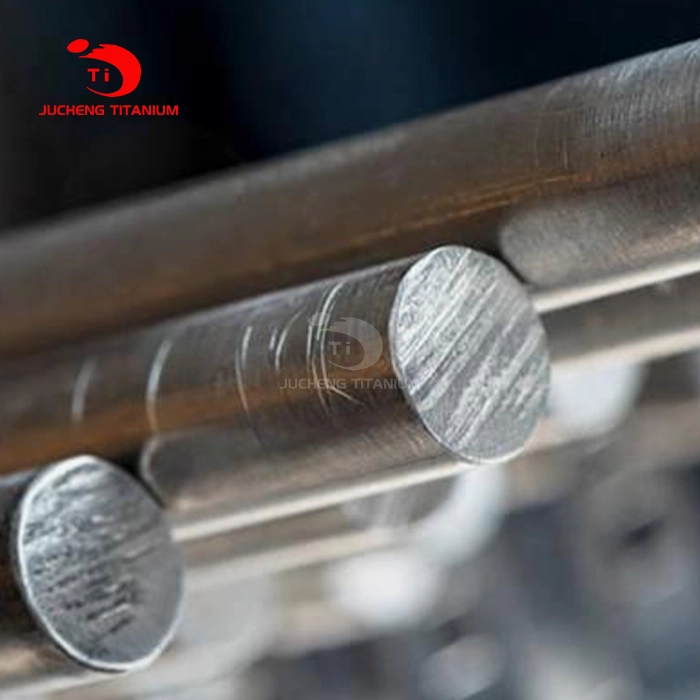
Commercially pure grades are cheaper for marine structural applications where the strength-to-weight ratio is less important than corrosion protection. We stock CP and alloy rods in diameters from 6mm to 450mm and bespoke lengths up to 12,000mm. Grade selection relies on project-specific load estimates, environmental exposure, and manufacturing requirements.
Aluminum Alloys and Other Lightweight Alternatives
Marine aluminum alloys (5083, 6061) have a density of 2.7 g/cm³ but are prone to corrosion without regular maintenance. Monitor and replace sacrificial anodes. Tropical seawater pitting begins within months, needing regular inspections. The material suits above-waterline superstructures with modest environmental exposure and weight.
Titanium's lifespan costs are competitive when replacement frequency and downtime are considered. Chemical processing clients report titanium equipment lasting 40 years against 8-12 years for coated steel or lined containers. This durability tackles equipment replacement costs and unscheduled shutdowns for our chemical sector customers.
How to Select and Procure the Right CP Titanium Rod for Saltwater Applications?
Matching Grade to Application Requirements
Grade 2 balances mechanical characteristics, formability, and cost for 80% of maritime applications. Unless circumstances require differently, procurement managers should indicate this grade. Grade 1 is ideal for hydroforming heat exchanger tubes, where ductility avoids cracking. Grades 3 and 4 handle propeller shaft and seabed anchoring system structural stresses.
Environmental temperature determines the heat transfer equipment grade. Under 70°C, conventional CP titanium rod grades work perfectly. Grade 2 is appropriate at 70-90°C with adequate crevice design. Grade 7 (0.12-0.25% palladium) is needed above 90°C or in hydrometallurgy circuits with reducing acids. To meet tight project deadlines, we supply all commercial grades.
Certification and Quality Compliance Standards
Traceability is essential in marine and chemical procurement. Every rod leaves our plant with EN 10204 3.1 Mill Test Certificates showing heat number, chemical composition validated by spectroscopic analysis, and production lot mechanical test findings. Ultrasonic testing following AMS 2631 Class A standards reveals internal discontinuities, assuring pressure-bearing component structural integrity.
Our quality system is ISO 9001:2015 and AS9100 aerospace-certified for process control. We have 4 titanium processing invention patents and 41 utility model patents, so we understand aerospace and defense contractors' technological needs. Customer-specific third-party witness testing and inspection is available.
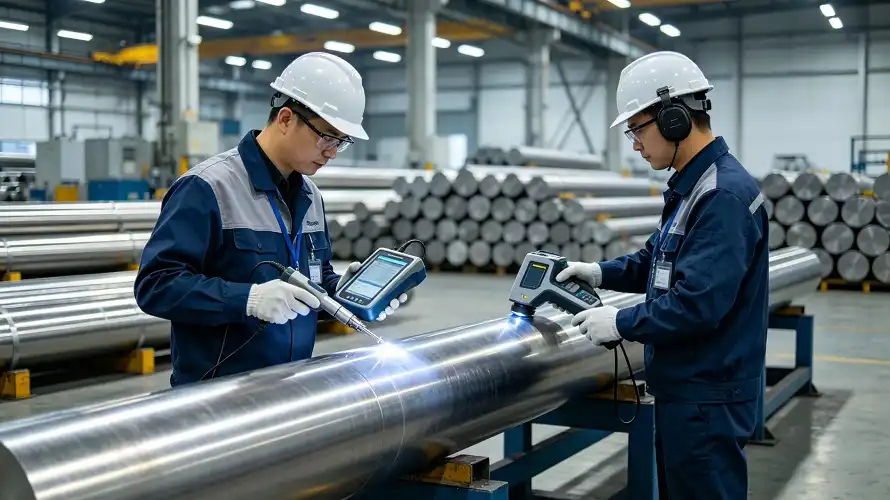
Procurement Considerations and Lead Times
We stock 3,000 tons of titanium in various grades and dimensions for fast standard-size fulfillment. Common sizes (10mm, 12mm, 16mm, 20mm) ship in 48 hours for amounts under 500 kg. Centerless grinding and surface treatment take 2-3 weeks for custom measurements. Our expanded forging line can handle lengths up to 12,000mm.
We accommodate R&D institutes and prototype builds with variable minimum order quantities. Material assessment can be done in 10-kilogram batches before manufacturing. Above 500 kg, volume pricing applies, with additional reductions for yearly supply agreements. Our export logistics team handles international container loading and documentation, solving aerospace and chemical equipment manufacturers' delivery dependability issues.
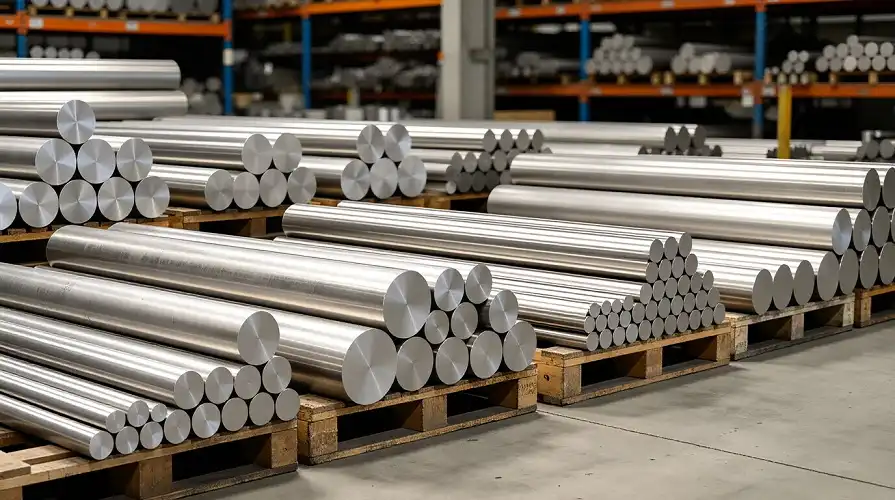
Maintenance and Handling Tips to Maximize CP Titanium Rod Lifespan in Saltwater
Installation Best Practices
Installation care keeps the corrosion-resistant passive film. To avoid galvanic cells from embedded steel particles, utilize titanium-only grinding or machining equipment. Clean cuts without material transfer are achieved with stainless steel or carbide tools.
Copper-based anti-seize solutions induce galvanic corrosion, whereas nickel-based ones lubricate CP titanium rod threaded connections safely. Since titanium's lower modulus of elasticity causes more elastic deformation under load, the torque parameters should be followed properly. Overtightening destroys threads, while underload creates crevices.
Routine Inspection and Cleaning Protocols
Titanium requires less maintenance than other maritime materials. Marine growth removal is the objective of periodic examination, not corrosion. Soft deposits wash off with freshwater, while stubborn encrustations need delicate mechanical cleaning. Avoid wire brushes that scratch surfaces—use plastic scrapers or wooden tools to remove fouling.
Heat exchanger tube bundles benefit from yearly freshwater cleansing to remove salt deposits that insulate surfaces and diminish heat transfer efficiency. Titanium resists scale and biofouling better than copper alloys; chemical cleaning is unnecessary. Maintenance labor expenses are reduced over the equipment's lifespan due to simplicity.
Real-World Performance Data from Marine Projects
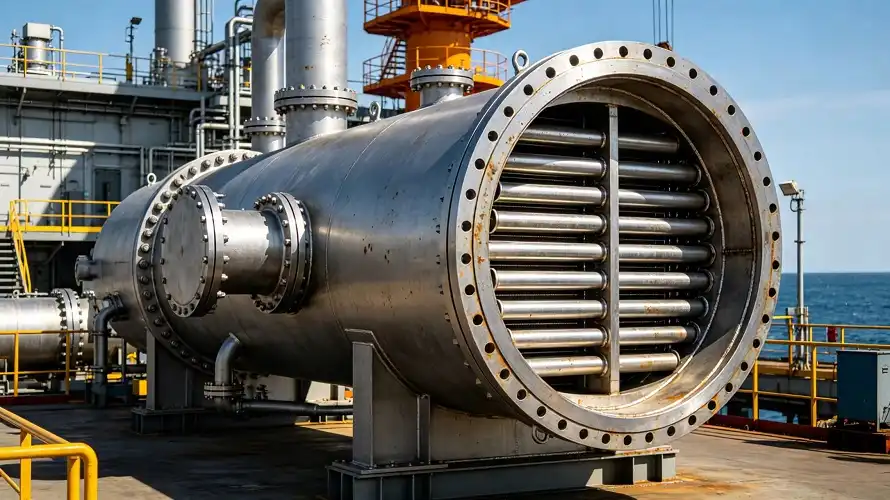
Titanium equipment serves maritime clients in several fields. Titanium anode plates—we manufacture 1,500 tons annually—operate constantly in acidic copper and zinc electrowinning cells in hydrometallurgy. These installations show the material's resilience under corrosive chemistry and electrical current, which kills stainless steel in months.
In the rigorous coking business, our titanium heat exchangers have over 500 installations and 90% market dominance. Ammonia, hydrogen sulfide, and cyanides in quench water systems perforate steel and corrode copper-nickel alloys at high temperatures. Titanium components complement plant operational cycles and eliminate mid-life replacements with 20-year service intervals. These case studies help procurement teams assess lifetime costs.
Conclusion
Through their self-healing oxide coating, CP titanium rods resist seawater corrosion better than standard marine materials, avoiding maintenance and replacement cycles. The material's performance in aerospace, chemical processing, and offshore sectors proves its reliability in essential applications where failure has serious repercussions. Grade 2 meets most maritime structural criteria when matched to load, temperature, and climatic conditions. Despite higher material costs, verified supplier procurement provides material traceability and quality compliance, while low maintenance reduces overall ownership costs. We understand the technical and logistical problems B2B procurement teams encounter when procuring materials for demanding maritime applications from our 20 years of titanium processing experience.
FAQ
Q1: Can Commercially Pure Titanium Completely Replace Stainless Steel in Marine Applications?
Titanium is appropriate for important components when dependability justifies higher initial prices due to its corrosion resistance and lifespan endurance. Titanium is best for severe crevice, high-temperature, or zero-maintenance applications. For non-critical constructions with inspection points and replacement tolerance, stainless steel is cost-effective. The selection depends on lifespan cost analysis, not material pricing.
Q2: What are the early warning signs of Corrosion Issues?
Titanium deterioration is rare in correctly specified applications, unlike stainless steel. Heat exposure causes blue, purple, or gold discoloration, not rusting. Localized brightening indicates fast oxide film self-healing after mechanical injury. Precision measurement during planned inspections detects corrosion as surface roughening or dimensional changes. Galvanic corrosion corrodes dissimilar metals but not titanium.
Q3: Which Material Certifications Should Procurement Teams Require?
For every export, require EN 10204 3.1 Mill Test Certificates for chemical composition, mechanical qualities, and heat traceability. Compliance with ASTM B348 or ASME SB348 verifies dimensions and metallurgy. For pressure applications, AMS 2631 ultrasonic testing reports certify internal soundness. AS9100 or NADCAP accreditation shows aerospace-level process control, whereas ISO 9001 certifies supplier quality management systems. These papers offer aerospace and military clients with auditable material traceability.
Partner with Trusted CP Titanium Rod Manufacturers for Your Marine Projects
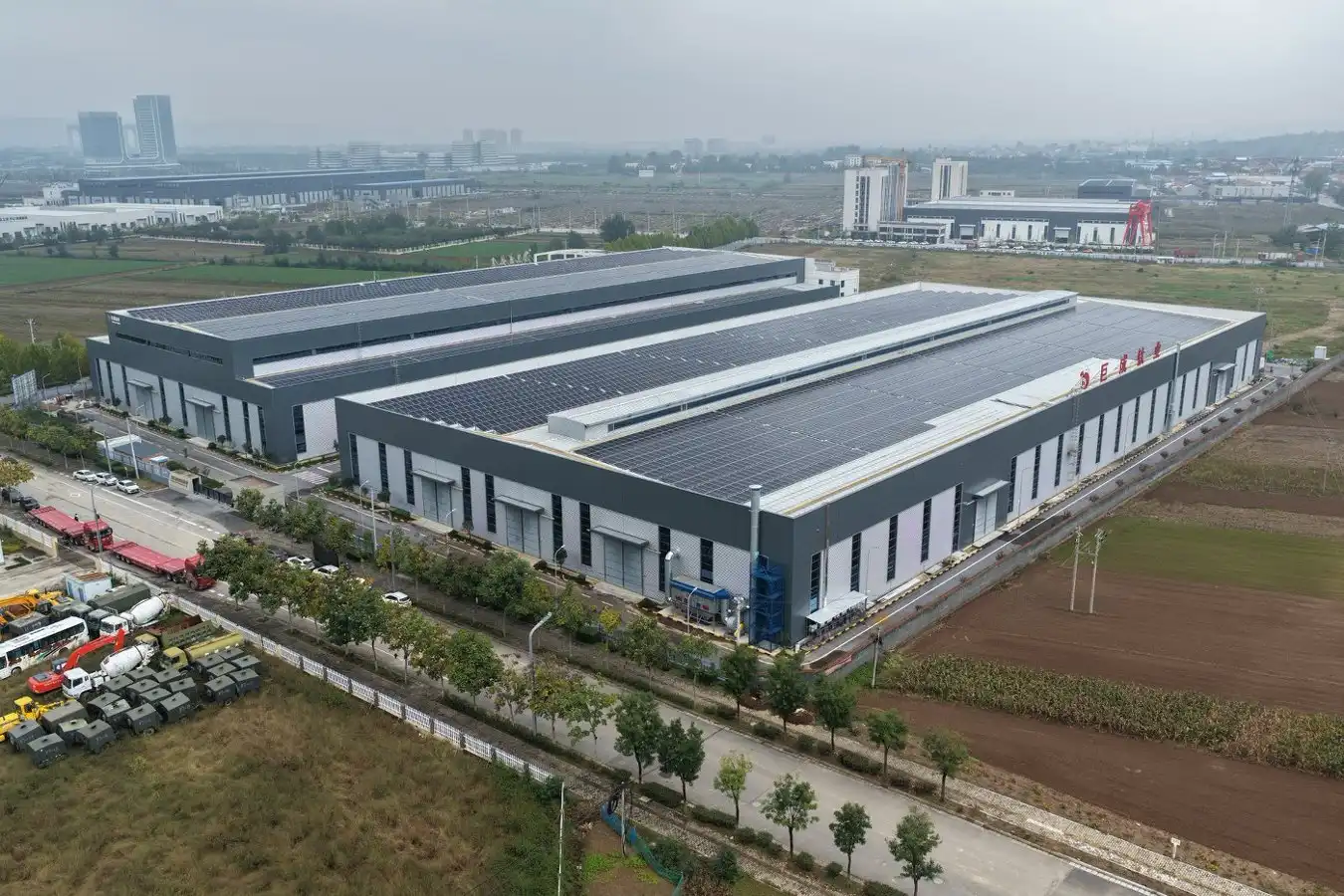
Jucheng Titanium is a national high-tech firm and "little giant" with two decades of titanium material processing experience. Our 3,000-ton inventory delivers ASTM B348-compliant CP titanium rods in diameters from 6mm to 450mm and bespoke lengths up to 12,000mm quickly. We understand chemical processor and marine engineer integration issues since we manufacture over 500 titanium equipment sets yearly. With 45 titanium processing patents, we offer technical consulting beyond material supply to improve designs for manufacturability and performance. Contact our engineering team at s4@juchengti.com for saltwater application advice, material certifications, and project-specific quotes. We provide quality assurance and logistical reliability for your procurement timetable, whether sourcing small prototype numbers or yearly supply agreements.
References
1. Schutz, R.W., and Watkins, H.B. (1998). "Recent Developments in Titanium Alloy Application in the Energy Industry." Materials Science and Engineering: A, Vol. 243, Issues 1-2, pp. 305-315.
2. Boyer, R., Welsch, G., and Collings, E.W. (1994). Materials Properties Handbook: Titanium Alloys. ASM International, Materials Park, Ohio.
3. Cotton, J.B. (1967). "The Role of Passive Films in the Corrosion Resistance of Titanium." Platinum Metals Review, Vol. 11, No. 2, pp. 50-54.
4. ASTM International (2021). ASTM B348-13: Standard Specification for Titanium and Titanium Alloy Bars and Billets. West Conshohocken, Pennsylvania.
5. Francis, R., and Byrne, G. (2016). Corrosion of Titanium and Titanium Alloys. In: Shreir's Corrosion, Volume 3, Elsevier, pp. 2081-2097.
6. Lutjering, G., and Williams, J.C. (2007). Titanium: Engineering Materials and Processes, 2nd Edition. Springer-Verlag, Berlin Heidelberg.