
What are the mechanical properties of the Gr1 pure titanium tube?
Understanding the Gr1 Titanium Tube mechanical behavior is crucial when designing materials for vital industrial applications. This grade is commercially pure titanium with a minimum tensile strength of 240 MPa and a yield strength of 170 MPa with elongation rates over 24%. High ductility and formability due to low interstitial oxygen concentration and alpha-phase microstructure make it excellent for complicated pipe designs in corrosive situations where deformation resistance is as important as strength.
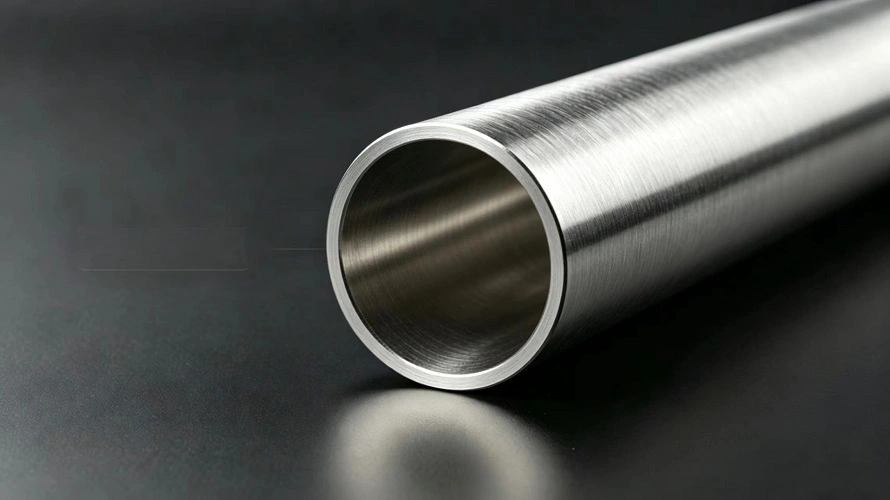
Understanding Gr1 Pure Titanium Tube: Composition and Characteristics
The most ductile commercially pure Gr1 Titanium Tube is Gr1. The chemical composition restricts trace elements to 0.03% nitrogen, 0.08% carbon, 0.015% hydrogen, 0.20% iron, and 0.18% oxygen, with titanium at 99.5% purity. Low interstitial element concentrations affect mechanical softness and formability.
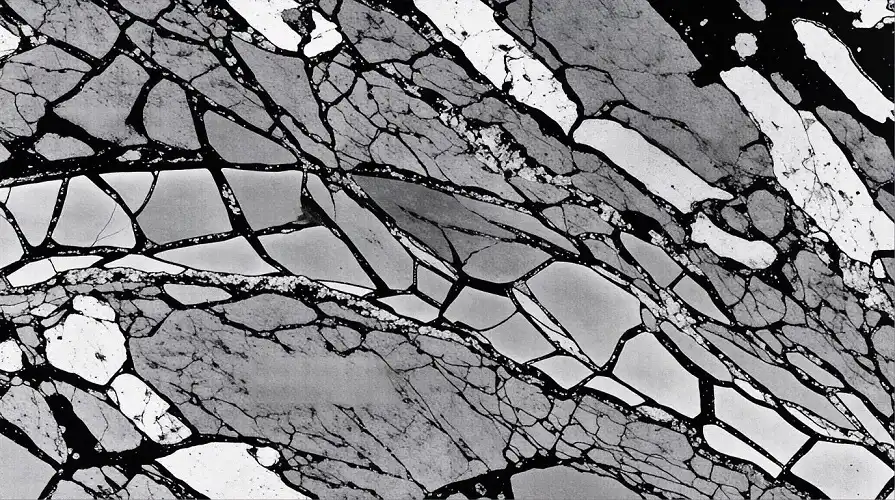
Chemical Purity and Structural Integrity
Gr1 has far lower iron and oxygen levels than higher-grade titanium alloys. This purity provides a single-phase alpha microstructure that resists temperature-induced phase transitions, ensuring dimensional stability. With a density of 4.51 g/cm³, the material reduces weight by 45% while preserving structural integrity compared to ordinary stainless steel.
Corrosion Resistance in Harsh Environments
Gr1 titanium generates a strong, self-healing oxide layer immediately after air exposure. Chloride-induced stress corrosion cracking, a frequent austenitic stainless steel failure scenario, is prevented by this passive coating. This corrosion resistance reduces maintenance and extends equipment lifespan in hypochlorite, organic acid, and brine solution chemical processing plants.
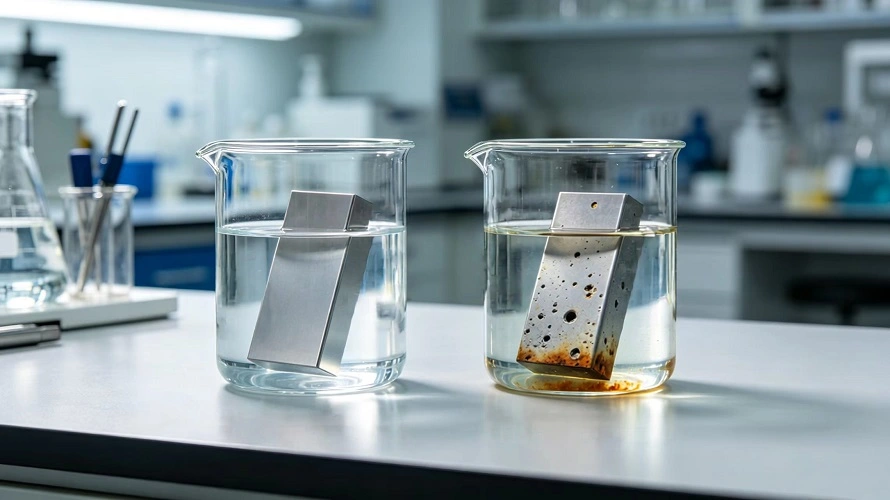
Seamless Manufacturing Advantages
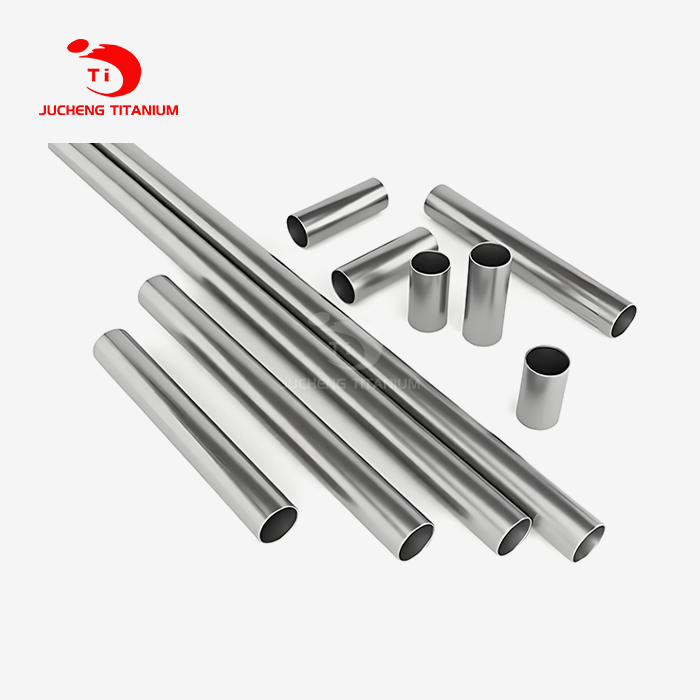
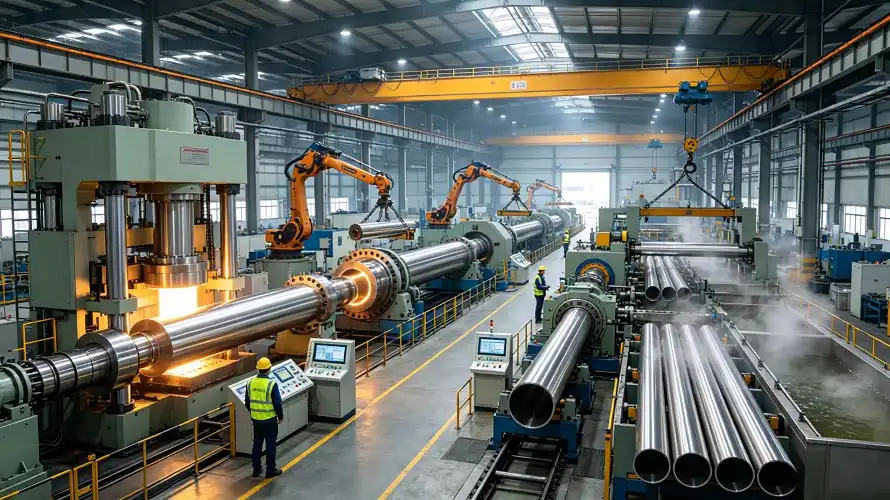
Seamless tubes minimize heat-affected zone vulnerabilities in welded structures by extrusion, piercing, cold rolling, annealing, pickling, and straightening. We can manufacture parts with outer diameters from OD3 to OD219 mm and wall thicknesses from 0.5 to 20 mm per ASTM B337, ASTM B338, ASTM B861, AMS 4942, and ASME SB338 standards. This seamless integrity eliminates isolated failures in cyclic loading and guarantees consistent pressure ratings.
Detailed Mechanical Properties of Gr1 Titanium Tube
Quantifiable mechanical features indicate operational stress performance, guiding procurement selections. Gr1 Titanium Tubes combine strength and workability.
Tensile and Yield Strength Parameters
Gr1, the softest commercially pure titanium grade, is ideal for cold forming with a minimum tensile strength of 240 MPa. Minimum yield strength is 170 MPa, allowing extensive plastic deformation before fracture. This trait helps when making complicated heat exchanger coils or traversing tight radius bends in tiny installations.
Elongation and Ductility Characteristics
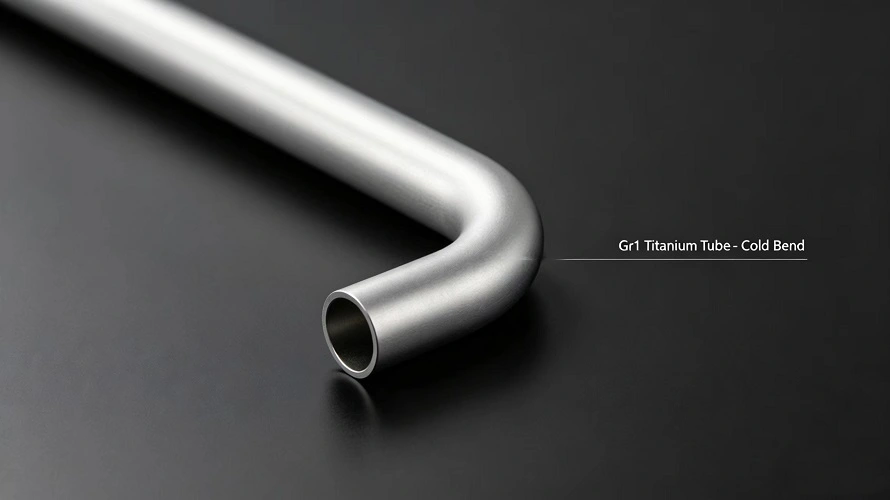
In seamless tubes, elongation exceeds 24% and typically 30%. With its excellent ductility, deep drawing, hydroforming, and spin forming can be done without annealing. By reducing manufacturing costs and ensuring structural durability, formability benefits engineers building complicated manifold systems. Without surface cracking, the material meets strict manufacturing standards for 1T cold bend radii.
Hardness and Wear Considerations
Gr1 has lower hardness than alloyed titanium grades (120–140 HB Brinell scale), which improves machinability and decreases tool wear during secondary processes. The softer matrix accommodates thermal expansion differentials in dissimilar metal junctions, eliminating interface stress concentration failures. Applications that prioritize corrosion over abrasion benefit from this hardness profile.
Fatigue Strength Under Cyclic Loading
The tiny, equiaxed grain structure created under controlled annealing improves fatigue performance in Gr1 titanium. The material has consistent endurance limits during alternating stress cycles, especially in corrosion-prone settings. This feature allows offshore platform and desalination plant tubing systems to sustain millions of pressure changes without cracking.
Thermal Performance and Heat Resistance
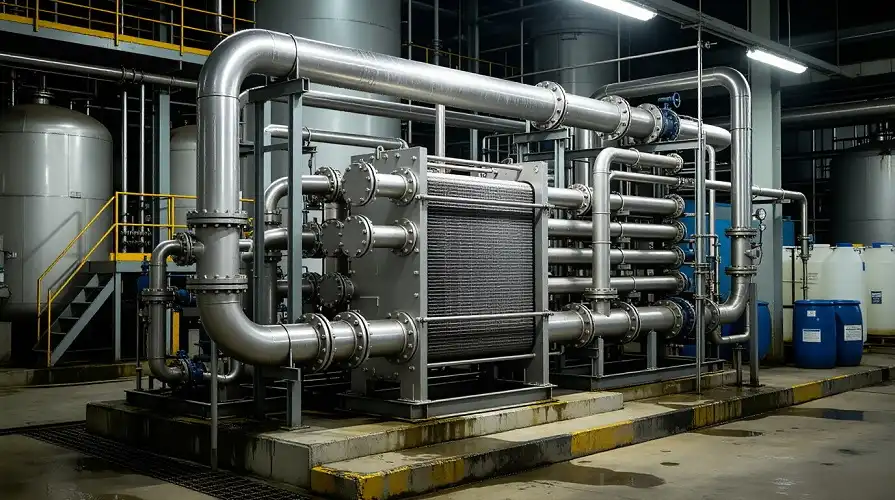
Gr1 is mechanically stable up to 300°C, although its strength decreases afterward. The 8.6 × 10⁻⁶/°C thermal expansion coefficient reduces dimensional changes during heat cycling, reducing joint leaks in flanged connections. In a hostile medium, heat exchangers use thermal stability and thermal conductivity to transmit energy efficiently.
Comparing Gr1 Titanium Tube to Other Materials: Making the Right Choice
Multiple performance criteria and project limitations determine material choices. Gr1 Titanium Tube is used for corrosion resistance and formability rather than strength.
Gr1 Versus Gr2 Titanium
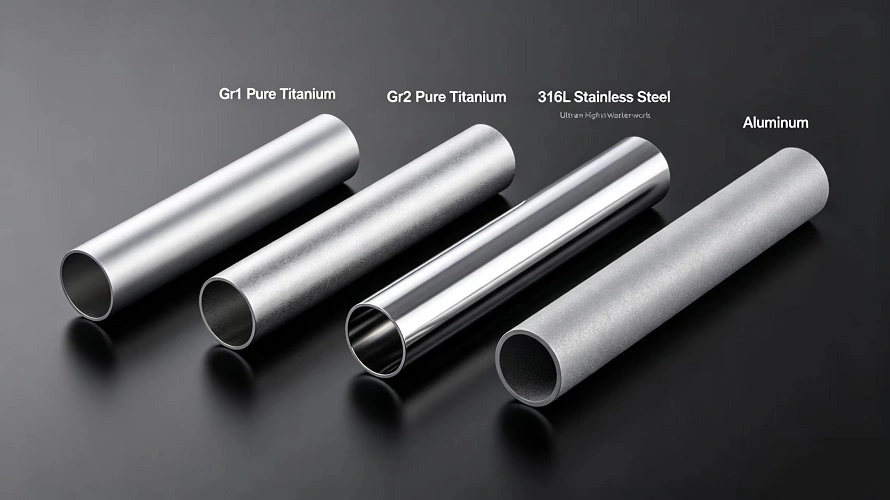
Gr2 titanium has a minimum tensile strength of 345 MPa but less ductility, with elongation of about 20%. Gr2's oxygen concentration increases solid solution hardening strength but decreases cold workability. When tube production requires sophisticated bending or expansion, procurement managers choose Gr1, whereas Gr2 is used for higher load-bearing capacity with mild forming.
Performance Against Stainless Steel Alternatives
Type 316L stainless steel resists corrosion in many conditions but fails catastrophically over 60°C chloride exposure. Gr1 titanium has wider temperature and concentration passive film stability. Weight differential matters in aeronautical and marine applications where structural mass affects performance. Although titanium has higher initial material prices, lifespan analysis shows reduced total ownership costs due to prolonged service intervals and no corrosion allowances in design calculations.
Aluminum Tubing Comparisons
Aluminum alloys are cheaper and have better thermal conductivity than titanium, but they don't resist acid and salt corrosion. Seawater pitting corrosion affects grade 3003 aluminum tubing but not Gr1 titanium. Titanium has three times the mechanical strength of aluminum, allowing thinner walls to counteract density disparities. Systems that need low weight and long-term durability in harsh settings use titanium.
Procurement Insights: Buying Gr1 Titanium Tubes for Your Business
Understanding market trends, supplier capabilities, and quality verification methods helps source superior Gr1 Titanium Tubes. Strategic procurement balances material requirements, delivery times, and budgets.
Supplier Qualification and Certification
Reputable producers have worldwide standard certifications. ISO 9001 quality management systems maintain process consistency, whereas NADCAP accreditation verifies aerospace-specific process controls. Mill certificates, chemical analysis, and mechanical property verification provide lot traceability in material test reports. Partnerships with the Northwest Institute for Nonferrous Metal Research and Tsinghua University's materials science departments help us record our 120,000-square-meter manufacturing plant.
Pricing Factors and Order Economics
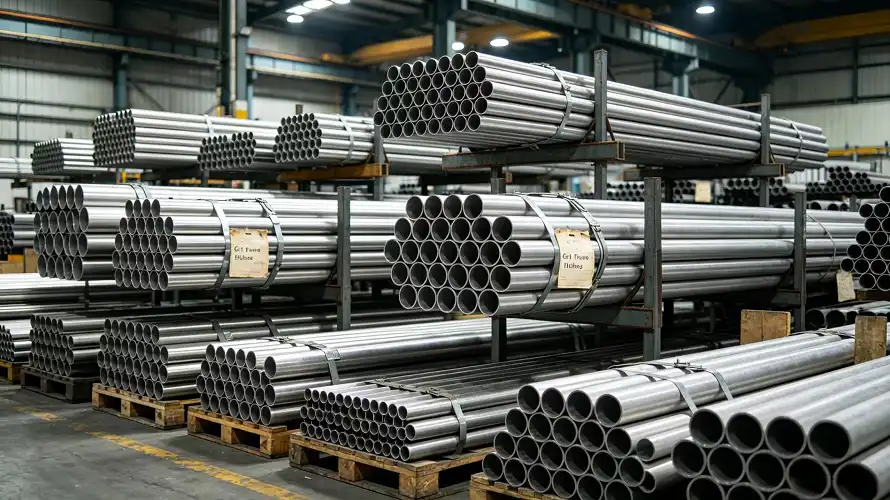
Global supply dynamics affect raw titanium sponge costs and tube pricing. With stricter dimensional tolerances and specialist surface treatments, polished, machined, or acid-pickled finishes cost more than annealed. Our 3,000-ton stockpile allows reasonable pricing for prototypes and manufacturing runs beyond 50 tons. Custom measurements beyond typical OD ranges may need specialist tooling, influencing production times and price.
Lead Times and Logistics Planning
Using North American export channels, our Baoji factory ships standard specs in 4-6 weeks. Depending on production queue status, custom configurations take 8-12 weeks to process. Seamless tubes nest efficiently, boosting cargo density and lowering freight costs. We work with titanium-experienced freight forwarders to ensure customs clearance and ITAR compliance.
Building Strategic Supplier Relationships
Long-term collaborations benefit from forecast sharing, inventory consignment, and engineering collaboration. Our technical staff helps with material substitution research, finite element analysis validation, and field failure investigations. With over 500 titanium equipment sets produced annually, we can service rising customers, and our 30% year-over-year sales increase since 2020 shows market confidence.
Ensuring Quality and Performance: Verification and Standards
Quality assurance techniques verify material conformity before key system integration to preserve procurement investments. Thorough testing finds operational safety issues for the Gr1 Titanium Tube.
International Standards Compliance
ASTM B338 specifies dimensional tolerances, chemical composition restrictions, and mechanical property requirements for seamless and welded titanium tubes for condensers and heat exchangers. ASME SB338 provides equivalent Boiler and Pressure Vessel Code technical material. AMS 4942 requires ultrasonic inspection and stricter interstitial element regulations for aeronautical applications. We base our production systems on these criteria, although internal specifications typically surpass stated minimums for performance margins.
Mechanical Testing Protocols
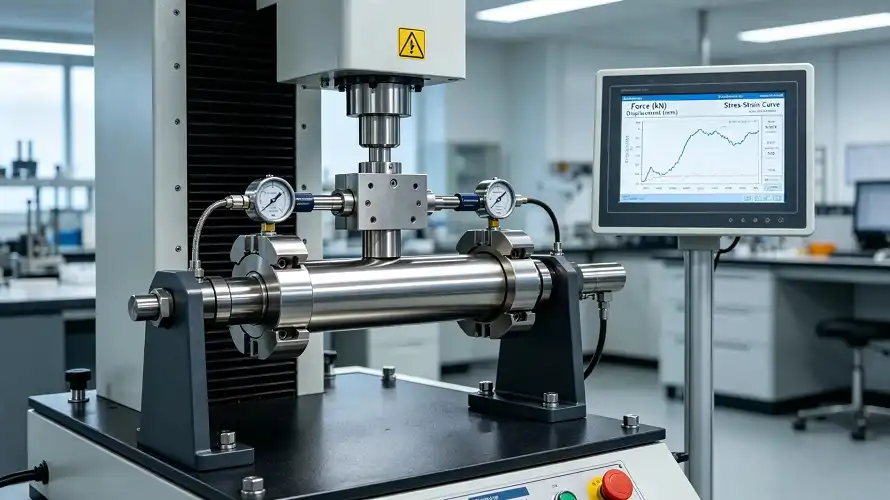
Full-section specimens preserved in the tube's metallurgical state are used for ASTM E8 tensile testing to verify yield, ultimate, and elongation values. Flattening tests under ASTM E290 evaluate formed section ductility and weld integrity. Hardness mapping detects processing irregularities that may indicate incorrect annealing. Our quality laboratory uses statistical process control algorithms to sample batches at a specific frequency with thermal lot labeling for 100% traceability.
Advanced Inspection Methods
Ultrasonic testing after AMS 2631 finds visually unseen underlying inclusions or cavities. Eddy current detects completed tube surface-breaking problems. Leak integrity is tested at 1.5 times design pressure using hydrostatic pressure. Non-destructive assessments enhance dimensions verification using laser micrometers, attaining ±0.002 mm repeatability. Our quality has gained us National High-Tech Enterprise and "little giant" enterprise status, certifying our technological skills.
Case Study: Luoyang Petrochemical Installation
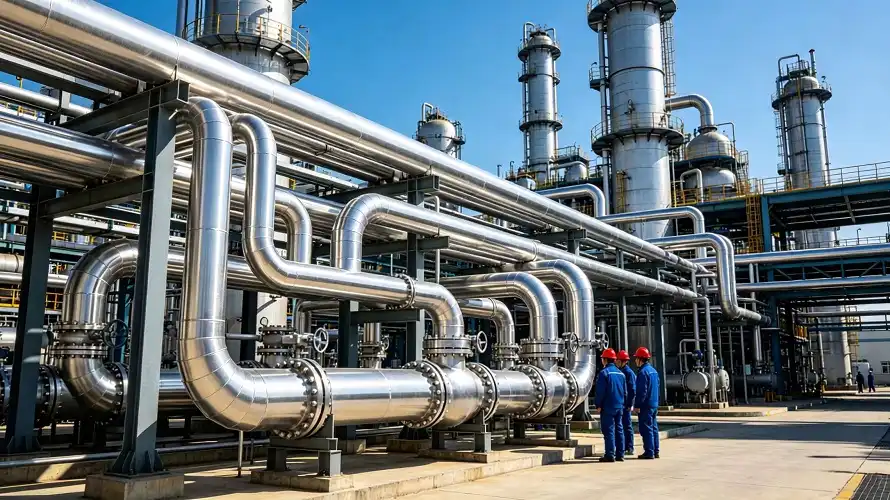
The Luoyang Petrochemical commissioning of our Gr1, corrosion resistant titanium pipe, proves its performance. Hydrogen sulfide and chlorides caused rusted stainless steel components in a crude distillation overhead system to fail. No corrosion was found after 18 months of continuous operation, eliminating unexpected maintenance and lengthening turnaround intervals by 24 months. This performance data guides the improvement of parameters.
Conclusion
Gr1 Titanium Tube tackles chemical processing, maritime, and demanding industrial problems with its corrosion immunity, formability, and lightweight construction. Its 240 MPa tensile strength, 170 MPa yield strength, and >24% elongation allow complicated production geometries and structural capacity. Gr1 titanium outperforms stainless steel and aluminum in corrosive situations despite greater material prices. Strategic procurement demands working with recognized manufacturers with quality systems, technical competence, and reliable supply chains for immediate and long-term growth.
FAQ
Q1: How strong is the Gr1 titanium tube compared to the Gr5 titanium alloy?
Gr5 titanium alloy (Ti-6Al-4V) has 3.7 times the tensile strength of Gr1 (240 MPa). Gr5 lacks Gr1's corrosion resistance and cold formability. At high temperatures, Gr5 is used for structural strength, whereas moderate-strength applications select Gr1 for corrosion immunity.
Q2: Are Gr1 titanium tubes suitable for high-temperature steam service?
For low-pressure steam applications, Gr1 titanium has robust mechanical characteristics up to 300°C. Strength deterioration increases, and hydrogen absorption hazards rise over this threshold. Chemical process steam condensers below 250°C are appropriate, while high-pressure power-generating systems beyond 400°C require improved alloys or alternatives.
Q3: What factors most significantly influence Gr1 tube pricing?
Raw titanium sponge prices account for 60-70% of final tube costs. Tight tolerances, specialist surface treatments, and non-standard dimensions increase production cost by 15-25%. Order volume influences pricing through production efficiency benefits; amounts over 10 tons receive 8-15% volume discounts. Global supply limits have raised basic prices 12% from 2022.
Partner With Jucheng Titanium for Reliable Gr1 Titanium Tube Supply
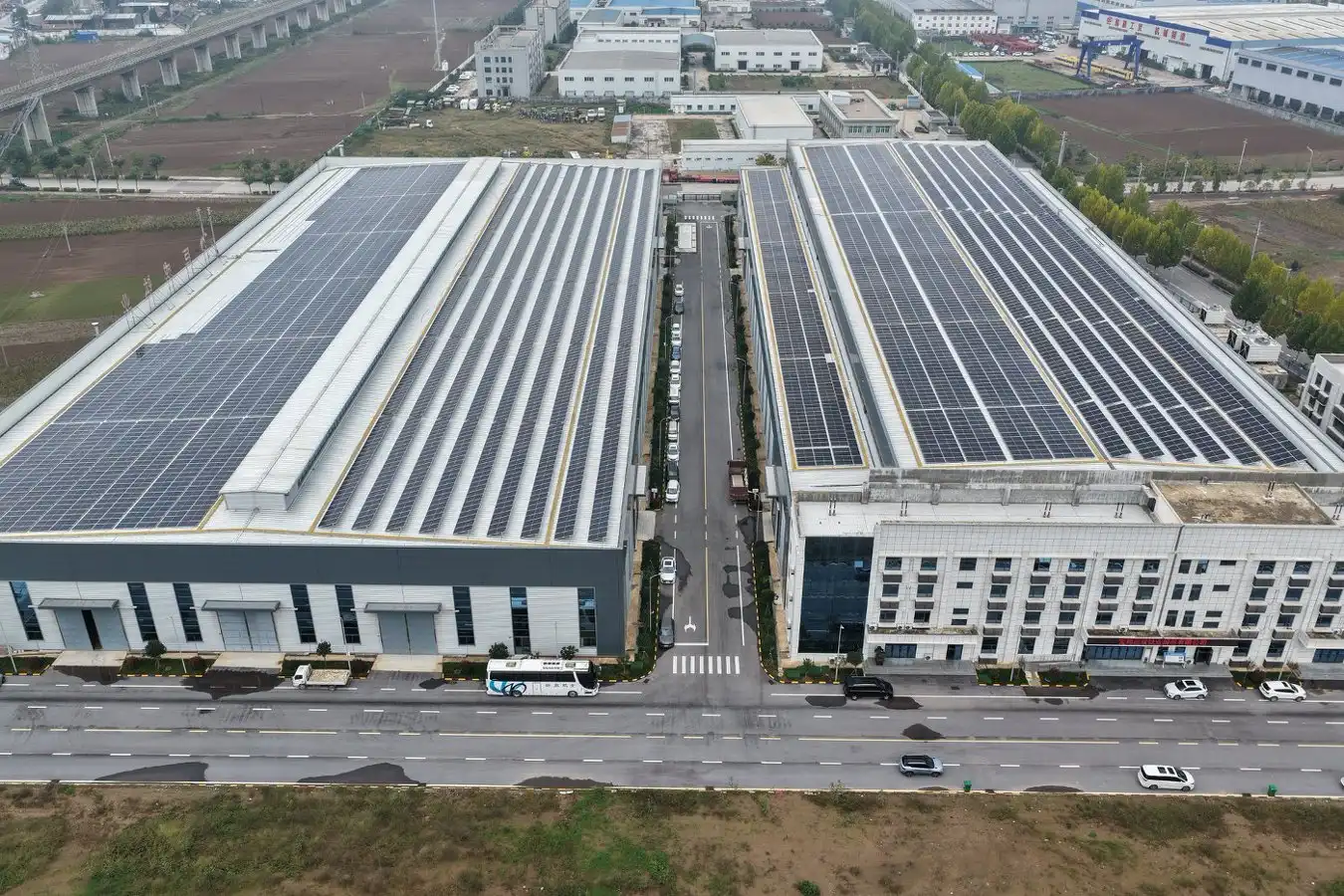
From our 120,000-square-meter factory in Baoji, China's Titanium Valley, Jucheng Titanium has perfected titanium tube manufacture for over two decades. Our 3,000 tons of Gr1 Titanium Tube inventory allows us to quickly offer standard and bespoke requirements to North American aerospace, chemical processing, and industrial equipment companies. Our 41 utility model patents and 4 invention patents turn research into production benefits, and National High-Tech Enterprise accreditation verifies our technological skills. Our technical team provides specification assistance and material certifications for seamless ASTM B338 tubing for crucial heat exchanger retrofits and custom-dimensioned tubes for prototype development. Contact our export division at s4@juchengti.com to discuss your needs with materials professionals who understand U.S. manufacturer sourcing problems.
References
1. Boyer, R., Welsch, G., & Collings, E.W. (1994). Materials Properties Handbook: Titanium Alloys. ASM International, Materials Park, Ohio.
2. Donachie, M.J. (2000). Titanium: A Technical Guide, 2nd Edition. ASM International, Materials Park, Ohio.
3. Schutz, R.W. & Watkins, H.B. (1998). Recent developments in titanium alloy application in the energy industry. Materials Science and Engineering A, 243(1-2), 305-315.
4. ASTM International. (2021). ASTM B338-21: Standard Specification for Seamless and Welded Titanium and Titanium Alloy Tubes for Condensers and Heat Exchangers. West Conshohocken, Pennsylvania.
5. Lutjering, G. & Williams, J.C. (2007). Titanium, 2nd Edition. Springer-Verlag, Berlin Heidelberg.
6. Peters, M., Kumpfert, J., Ward, C.H., & Leyens, C. (2003). Titanium Alloys for Aerospace Applications. Advanced Engineering Materials, 5(6), 419-427.