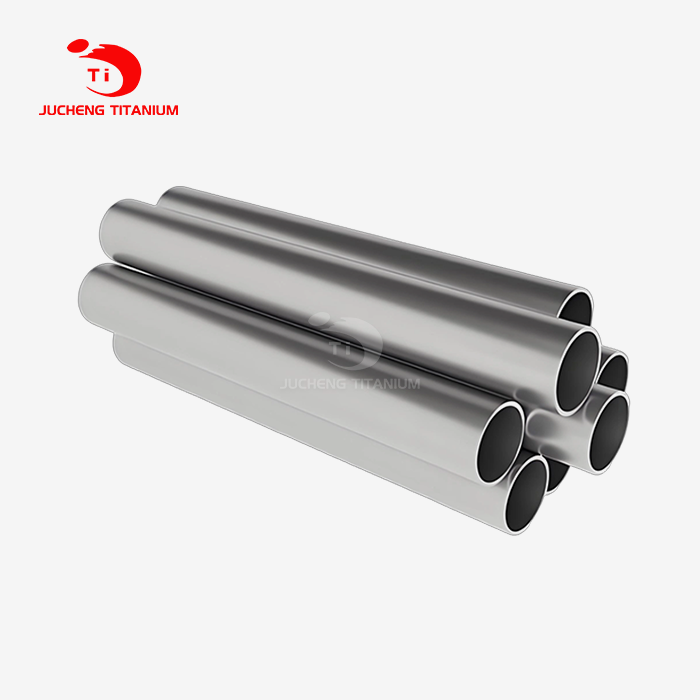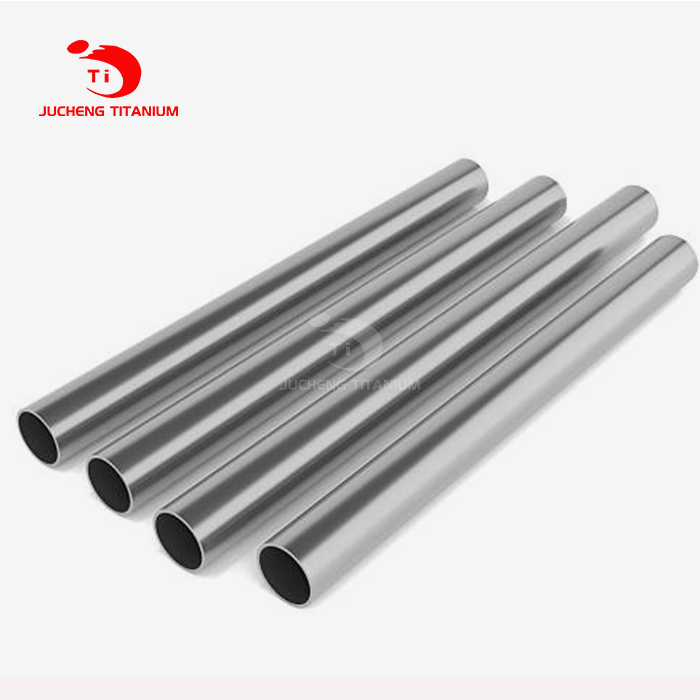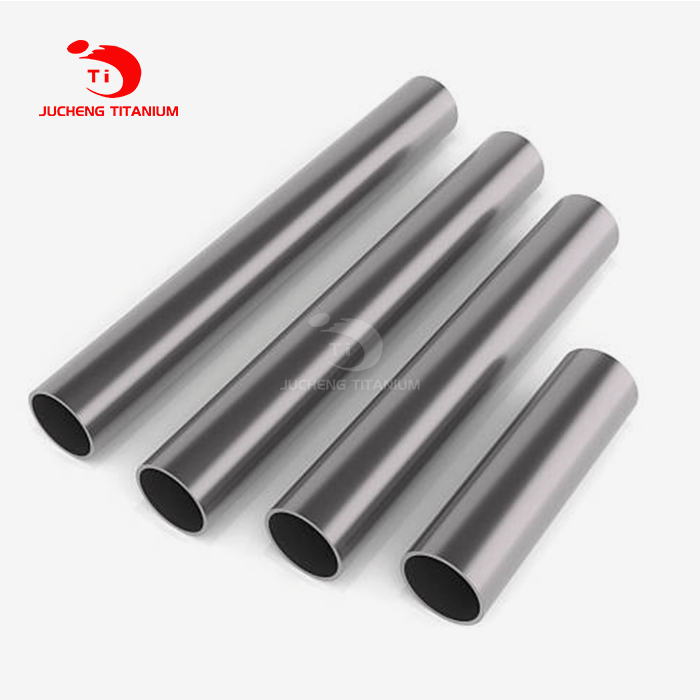

Gr1 Titanium Tube with Excellent Corrosion Resistance
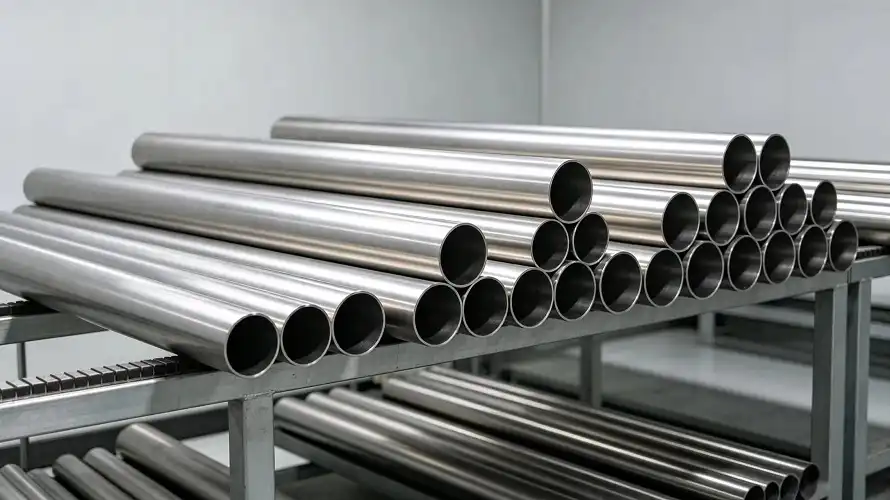
Gr1 titanium tube is the best material for industrial systems that need to be able to be shaped and last a long time in harsh conditions. This type of commercially pure titanium is very resistant to rust and very flexible, which makes it essential for making chemical processing equipment, naval equipment, and medical devices. In contrast to higher-strength titanium grades, Gr1 focuses on purity and workability, allowing complicated manufacturing while keeping its structural integrity in acidic and chloride-rich environments. The smooth construction gets rid of weak spots in the welds, so the pressure values are the same and the product lasts longer in harsh industrial settings.
Understanding Gr1 Titanium Tube: Properties and Production
We at Jucheng Titanium have spent more than 20 years improving the process of making commercially pure titanium tubes. Our experience shows us how important material science is to the success of our operations. The difference starts at the molecular level, where the limits of effectiveness are set by carefully monitored amounts of impurities.

Chemical Composition: The Foundation of Performance
The GR1 titanium tube is different from other types because it is very pure. Carbon stays below 0.08%, nitrogen stays below 0.03%, hydrogen stays below 0.015%, iron stays at 0.20%, and oxygen stays at 0.18% during our manufacturing process. These limits are not made up; they are the exact mix that gives the most flexibility while still maintaining corrosion-resistant titanium pipe. As a result of having low amounts of iron and oxygen, the material is naturally soft, which makes cold working possible that would crack stronger alloys.
When our team works with companies that make parts for airplanes or chemical plants, we stress how this clarity has real-world benefits. Controlling the chemistry makes sure that it will behave in a reliable way during manufacturing, which lowers the amount of waste and makes it possible to achieve tighter tolerances.
Mechanical Characteristics That Matter
The mechanical qualities of Gr1 titanium tubes are designed to be easy to shape rather than strong. We say that the minimum tensile strength should be 240 MPa (35 ksi), and the minimum yield strength should be 170 MPa (25 ksi) at 0.2% offset. What really sets this grade apart is its extension, which is usually higher than 30% in smooth forms compared to the minimum standard of 24%. This exceptional flexibility lets the metal be cold-deformed, drawn deeply, and bent in complex shapes without creating microcracks or weakening the wall.
Because it has a density of 4.51 g/cm³, our tubes are 45% lighter than stainless steel versions while still having the same or better corrosion protection. This decrease in weight directly leads to lower structure loads, lower shipping costs, and better fuel economy in mobile uses. We've seen aerospace companies cut the weight of big assemblies by thousands of pounds, which saves a lot of money over the life of the equipment.
Manufacturing Excellence: From Billet to Finished Tube
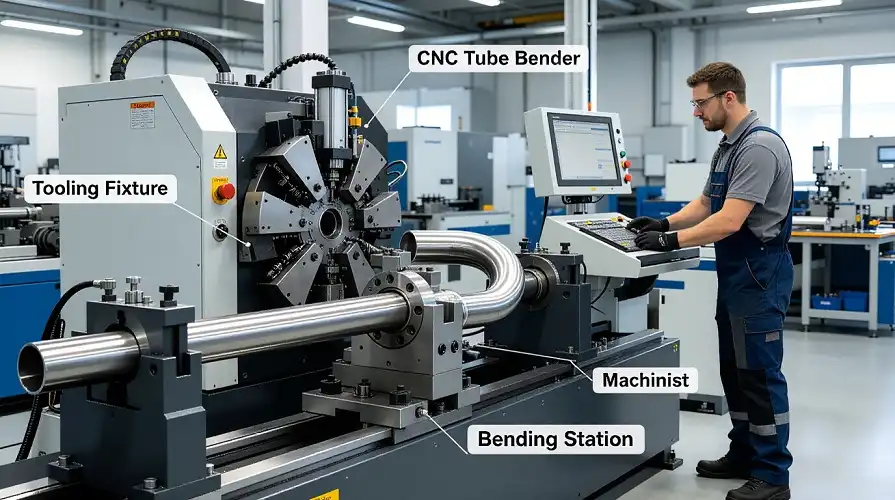
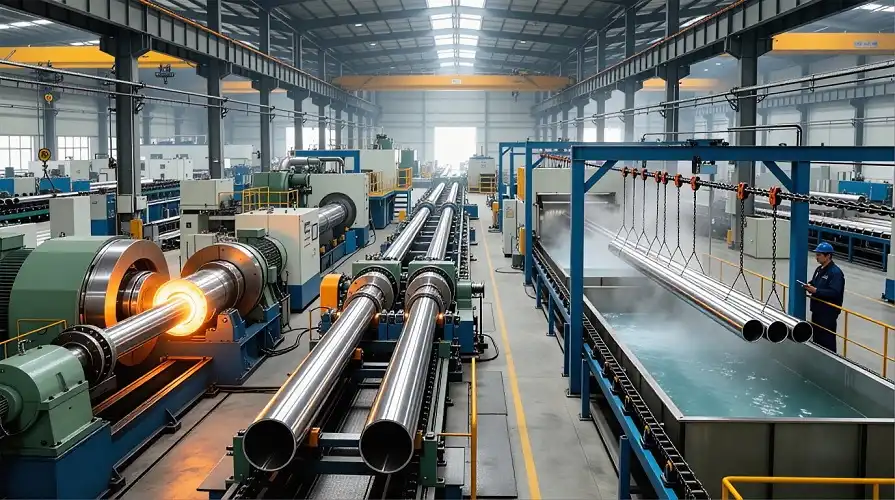
At our factory in Baoji, China's Titanium Valley, we use a complex, multi-step process to turn titanium billets into precise tubes. The trip starts with extrusion or piercing, which sets the original dimensions of the tube. After that, cold rolling improves the surface finish and makes the walls thinner and wider. By carefully controlling the temperature ranges during annealing processes, internal stresses are relieved and grain structure is improved. This makes sure that the mechanical properties are the same for every production lot.
Pickling gets rid of the surface oxides that form during heat processing, and straightening processes make sure that the tubes meet strict accuracy standards. We can polish, machine, or acid-pickle the surface in a number of different ways, depending on the cleaning and look requirements of the application. Because of this thorough process control, our tubes always meet the requirements set by ASTM B337, ASTM B338, ASTM B861, AMS 4942, and ASME SB338. At different steps of production, our quality inspection team checks the accuracy of the dimensions, the condition of the surface, and the metal's properties. This gives aircraft and medical customers the traceability paperwork they need.
Comparing Gr1 Titanium Tube with Alternative Materials
To choose the right material, you need to know how the performance of different choices compares. We've seen how smart comparisons lead to better procurement results as we've sold over 500 different types of titanium products to a wide range of businesses.
Gr1 Versus Other Titanium Grades
Grade 1 titanium tube is a type of titanium that is unique because it is pure and easy to work with. Gr2 titanium has a little more oxygen than Gr1 titanium tube (0.25% maximum vs. 0.18%), which makes it about 15% stronger but less flexible. When our chemical industry customers need heat exchangers that are as flexible as possible for complicated designs, we suggest Gr1. On the other hand, GR2 is best for uses that need modest strength gains without giving up too much flexibility.
Gr5 (Ti-6Al-4V) is a totally different type of metal. It is an alpha-beta alloy with tensile forces close to 900 MPa. This huge gain in strength comes at a cost of being much harder to shape and costing more. Aerospace solid parts often need Gr5's high price, but fluid control systems don't need it very often. We help our customers understand these differences so that the material they choose meets all of their technical needs and their budget.
Titanium Versus Stainless Steel
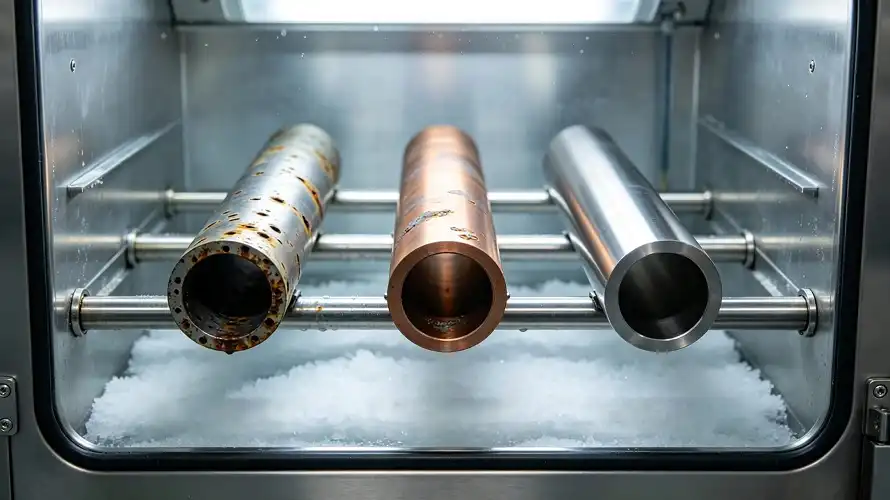
When you compare Gr1 titanium tubes to types of stainless steel, you can see that they perform very differently in settings that are prone to corrosion. 316L stainless steel works well in slightly corrosive conditions, but it gets pitting and crevice rust in high-chloride settings, but titanium is not affected. We've replaced failed stainless steel heat exchanger tubes in desalination plants with titanium ones that are the same size and shape. This has increased the service life from 5 to 8 years to 40 years or more with no upkeep needed.
You can't say enough about the weight edge. When companies that make petrochemical equipment ask us to make tubes for offshore platforms, the lower structural loads let them use smaller support frames and make installation easier. When lifetime costs like repairs, replacement, and downtime are taken into account, the initial material cost extra is quickly paid back. This view of the total cost of ownership changes the way buying decisions are made from focusing on price to focusing on value.
Performance Against Aluminum and Copper Alloys
Aluminum is very resistant to rust and doesn't weigh much, but titanium is stronger for its weight. When used in high-temperature situations, our Gr1 titanium tubes work better than aluminum ones, and they can stand up to acids that quickly wear down metal surfaces. Copper-nickel metals were the most common choice for naval heat exchangers until titanium, which is better at resisting saltwater, became more affordable. We've provided distillation systems with our tubes instead of Cu-Ni choices. This got rid of biofouling issues and impingement attack weaknesses that were common in older setups.
Key Applications of Gr1 Titanium Tube in Industry
By looking at how our goods work in different areas, we can see how versatile and reliable titanium is. Some of the companies in our relationship portfolio are stars in their fields and count on material consistency for mission-critical operations.
Chemical Processing and Petrochemical Equipment
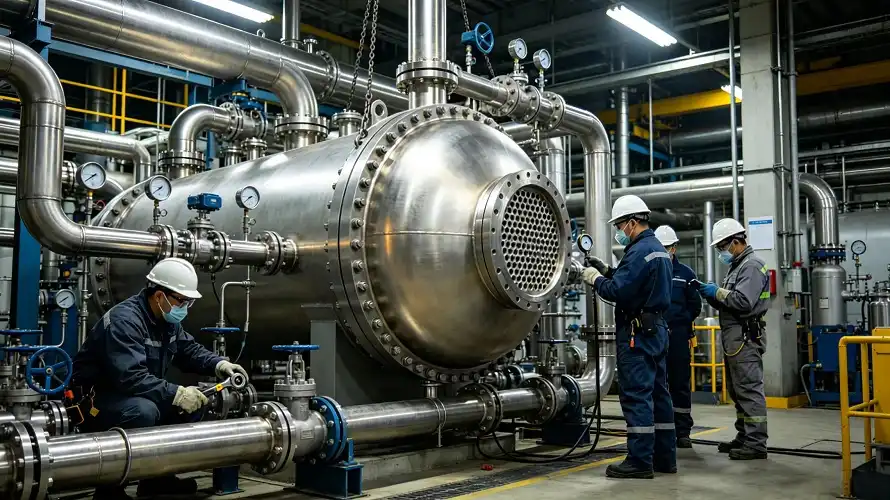
Contractors who work on chemical plants are always fighting acidic media that break down normal materials. Our Gr1 seamless titanium tube options are used in heat exchanges, condensers, and cooling systems for reactors that are subject to hypochlorites, wet chlorine gas, and organic acids. The stable oxide film that forms instantly when exposed to air acts as a self-healing shield that stops substrate attack even if the surface gets scratched.
Recently, I worked on a job with a big chemical company to replace stainless steel condenser tubes that were breaking early because of stress corrosion cracks caused by chloride. Our Gr1 titanium tubes got rid of the failure mode completely, which cut annual maintenance costs by 60% and increased heat transfer efficiency by keeping the surface clean. The seamless construction was very important. Welded parts leave heat-affected areas that are more likely to rust, but our production method gets rid of that problem.
Marine and Desalination Systems
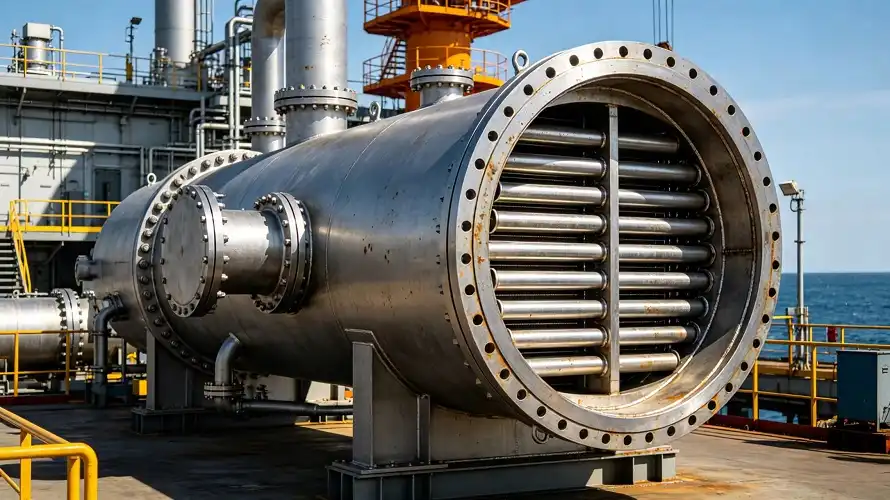
With its high chloride content, dissolved oxygen, and biofouling creatures, seawater is one of nature's most active places for corrosion. We've given Gr1 titanium tubes to balance systems, desalination plants, and cooling systems on remote platforms where the material must be completely resistant to attack by seawater. Marine experts like that titanium doesn't need to be protected from corrosion or have a covering that needs to be maintained.
Our tubes were put in desalination plants in the Middle East 15 years ago, and they are still working without any noticeable wall thickness loss or performance degradation. Because they last so long, capital planning changes: machines made with our tubes last 40 years, compared to the 8–12 years that copper–nickel options usually last. When planned maintenance stops, operations don't have to stop, which is something that building managers value just as much as material cost saves.
Medical and Pharmaceutical Manufacturing
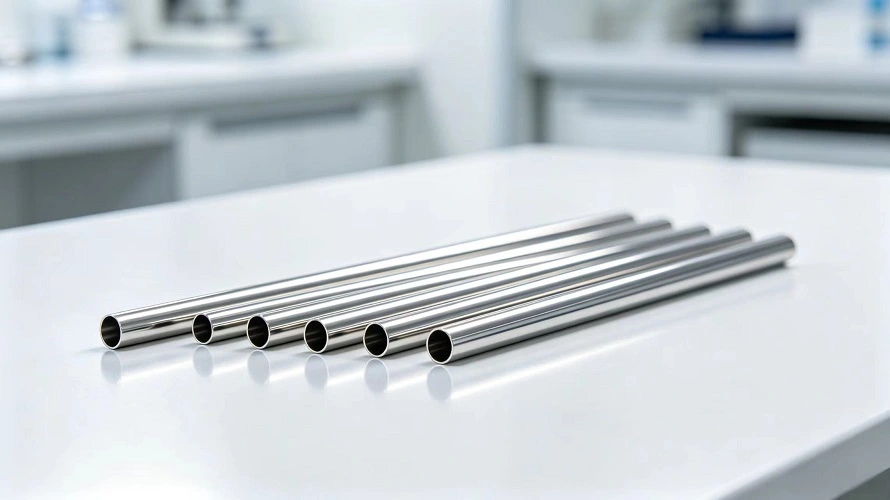
The healthcare field needs materials that are resistant to rust, completely pure, and biocompatible. These strict standards can be met by our Gr1 titanium tubes, which are used in pharmaceutical labs, sterile transfer lines, and the production of parts for medical devices. The low impurity content stops dangerous elements from leaching, and the passive oxide layer stops germs from sticking to it. These are important qualities for keeping the product pure and making sure patients are safe.
Medical equipment makers like our choices for precise control of dimensions and surface finish. Polished tubes make cleaning and validation processes easier, and our traceability paperwork helps with regulatory applications to the FDA and other foreign clearance bodies. Implant and surgical tool makers depend on stable material qualities for repeatable manufacturing results, so we've built long-term supply relationships with them.
Aerospace Component Manufacturing
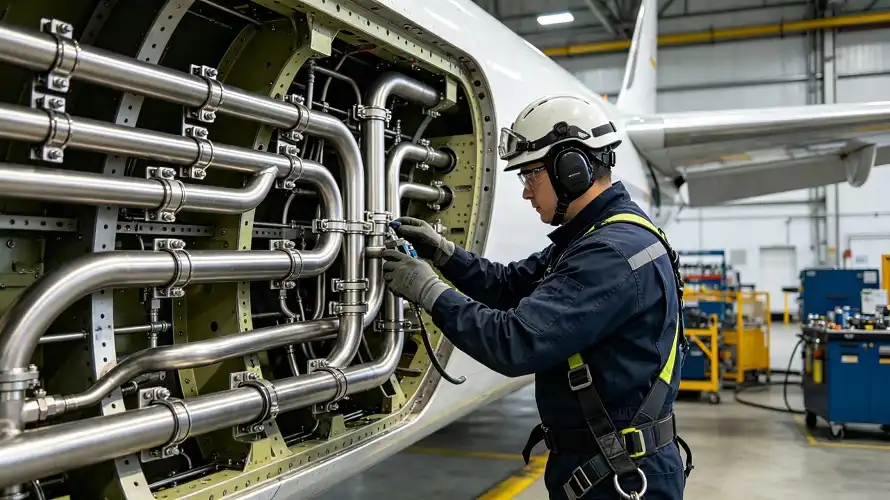
Higher-strength titanium alloys are often used for main structures in aerospace uses. However, GR1 titanium tubes are very important in fluid systems and secondary components where formability and corrosion protection are more important than strength. Our tubes save weight and don't wear out easily, which is good for hydraulic lines, weather control systems, and fuel system parts.
We keep our certifications up to date with aircraft material standards, such as AMS standards, so we can give defense companies the quality records and batch tracking they need. Because we've worked with military supply chains before, we know how important lead times are and how strict it is to follow specifications. When companies that make airplane parts need special tube configurations, our engineering team works together to find the best way to balance performance and ease of production.
Procurement Guide: Buying Gr1 Titanium Tubes for Your Business
To be successful at sourcing, you need to do more than just find the right material specs. You also need to evaluate suppliers, figure out what customizations you need, and coordinate shipping. We've learned what procurement workers need to know to make sure they make the right choices after 20 years of helping customers around the world.
Supplier Selection Criteria
Quality certificates are the basis for judging a seller. We have ISO 9001 quality control certification and approvals for materials that meet ASTM, ASME, and AMS standards. Our standing as a National High-Tech Enterprise, a national-level specialized enterprise, and a new "little giant" enterprise shows that we keep coming up with new ideas and making great products, which is recognized at the top levels of government. These credentials are important because they show that you have the skills you say you do, not just marketing promises.
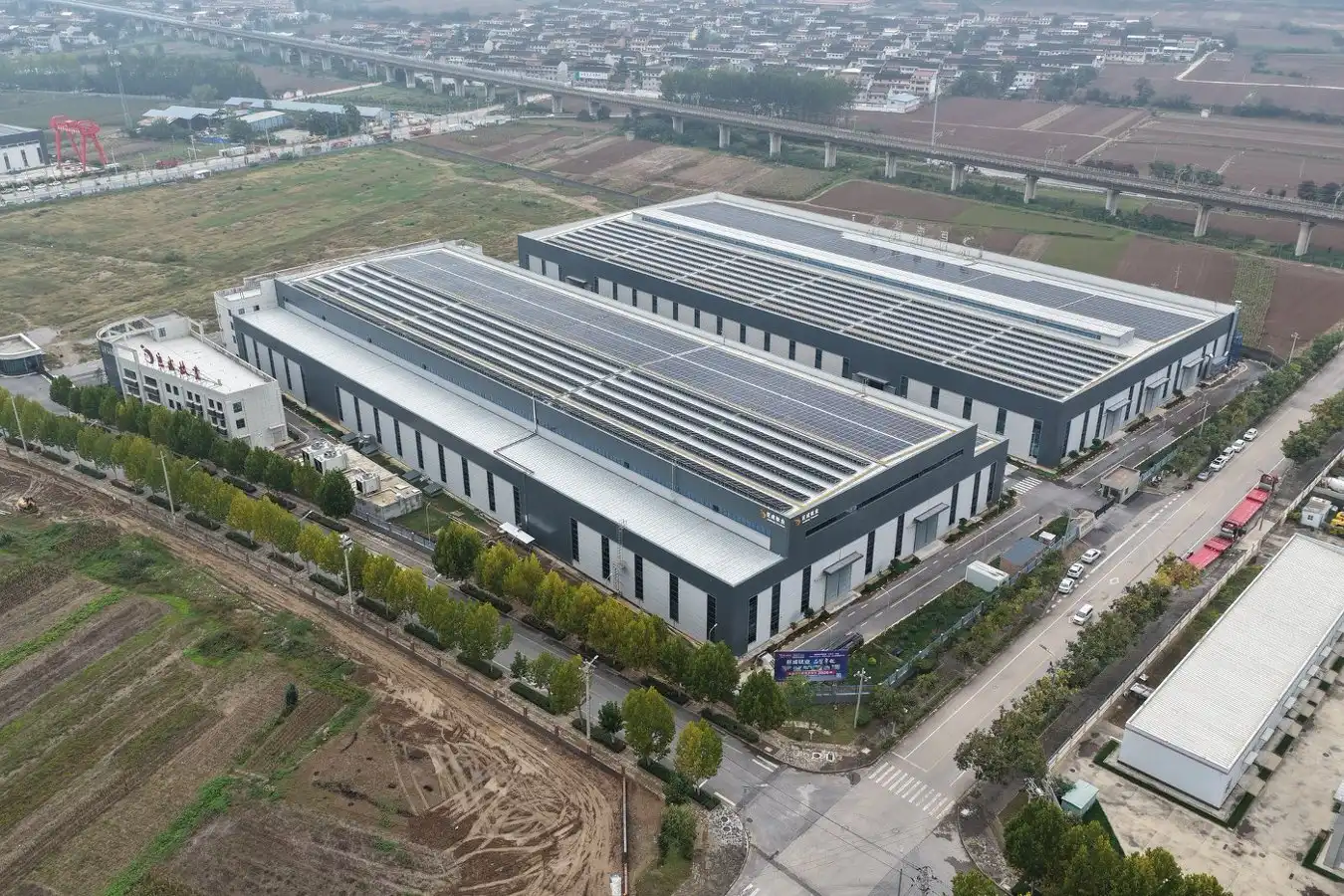
In addition to licenses, you should also look at how much you can make and how much you have in stock. Our 120,000-square-meter building keeps about 3,000 tons of titanium in stock all year long. This lets us meet urgent needs quickly, while rivals would have to wait longer for lead times. Investing in inventory shows that the company is stable financially and loyal to its customers, which are two traits that reduce the risks that come with global procurement's supply chains.
Customization and Ordering Considerations
Standard Gr1 titanium tube sizes are OD3 to OD219 mm, and wall thicknesses are 0.5 to 20 mm. However, we know that special specs are often needed for the best designs. Together with customers, our research team creates tube geometries that enhance efficiency while still being easy to manufacture. We have the technical skills and production options to meet your needs, whether you need custom end configurations, diameter changes in the middle, or lengths that aren't standard.
The minimum order quantity changes based on how complicated the design is. Standard sizes can be shipped in smaller groups from stock, but special requirements need production number minimums that balance the cost of tools with the cost of materials. We work openly with our customers to find the most cost-effective ways to place their orders. For example, sometimes using standard sizes with secondary processes is cheaper than making everything from scratch.
Lead times depend on how complicated the specifications are and how busy the production schedule is right now. Items in stock usually ship within days, but custom orders can take anywhere from 6 to 12 weeks, based on the size and number needed. We've put money into production facilities that can keep up with the 30%+ yearly revenue growth we've had for three years in a row. This keeps delays to a minimum, which is good for projects that need to be finished on time.
Pricing and Value Analysis
Titanium material prices change depending on world supply and demand and the availability of raw materials. We set our prices to reflect how the market is doing right now, and we offer bulk discounts to encourage bigger investments. Pricing should be looked at in terms of the total cost to the company. Our tubes are more expensive than standard types, but they save money over time by lasting longer and needing less upkeep.
Buying in bulk is the most cost-effective way to do business. When companies that make petroleum equipment sign annual volume deals, we give them better prices and make sure they get their equipment when supplies run low. Customers get stable supply and predictable costs through these partnerships, and we get better production efficiency through stable demand forecasts.
Global Logistics and Export Capabilities
International shipping operations are hard because of things like export paperwork and making the best use of freight. We've built up a full set of export skills to help users in Southeast Asia, Europe, and North America. Our team takes care of the customs paperwork, quality certificates, and material tracking records that are needed by the country that is importing the goods.
We work with freight forwarders who specialize in industrial products to make sure that the right packing, load security, and transit insurance are in place. We set up transportation that combines cost and delivery reliability, whether you need containers for shipping or special handling for tubes that are too big to fit through normal doors. Because we have a global distribution network, we can often carefully place our goods to cut down on shipping times between countries.
Why Choose a Gr1 Titanium Tube? Advantages You Can Trust?
Making choices about what materials to use has long-lasting effects that go far beyond the original costs of buying them. Consistently, our customers list specific benefits of Gr1 Titanium Tube that make them choose it over other options.
Titanium's most interesting feature is its self-healing oxide film. Within milliseconds of being exposed to oxygen-rich surroundings, this passive layer forms, making a barrier only a few nanometers thick that keeps chlorides, acids, and alkaline solutions from getting through. Titanium's oxide layer regenerates itself, providing constant security without the need for upkeep. This is in contrast to protective coatings that fail when scratched. This trait stops corrosion-related problems that happen a lot in tools made for reacting metals.
Longevity means long-term cash benefits that last throughout the span of an item. When chemical makers put our tubes in heat exchangers, they plan for 30 to 40 years of service, compared to the 8 to 12 years that stainless steel is expected to last. This longer lifespan cuts down on the number of times that capital expenditures are needed and gets rid of production interruptions caused by equipment breaking down too soon. When there are unplanned shutdowns, the costs that aren't incurred often outweigh the saves from cheaper options.
Weight economy has different effects on different uses, but it always provides value. Aerospace companies lower the loads on structures and make fuel use more efficient. Offshore platform builders try to keep the need for foundations to a minimum and make assembly easier. When part weight drops by 45% compared to steel versions, even stationary equipment in a chemical plant can save money on support structures and be easier to maintain.
Buying things with trust is based on following worldwide standards. Without fail, our tubes meet the requirements of ASTM B337, ASTM B338, ASTM B861, AMS 4942, and ASME SB338. For each production lot, we keep detailed test records that show the chemical makeup, mechanical qualities, and correctness of the dimensions. This makes it easier to do quality checks and send in governmental paperwork, which is needed in medical, aerospace, and pressure vessel uses.
Sustainability of the environment is becoming more and more important in making choices. Titanium's high longevity means that it needs to be replaced less often, which saves material and energy over its lifetime. Since there are no protective coverings, there are no worries about using harmful chemicals or getting rid of them. Titanium keeps its high value and ability to be recycled after it's been used up. This supports the circle economy ideas that forward-thinking businesses support.
Conclusion
Gr1 Titanium Tube has a special mix of resistance to corrosion, shapeability, and long-term dependability that solves problems that keep coming up in the chemical processing, naval, medical, and aircraft industries. The high purity of the material and its smooth construction get rid of the weaknesses that limit other options. This lets equipment be designed with longer service life standards in mind. Titanium's value proposition becomes strong when purchasing choices take into account total lifecycle costs instead of just starting material prices. In our 20-year past, we've seen this change happen many times: customers who were skeptical about the costs of materials become strong supporters after seeing their business stay up and running and their servicing costs go down. Because of its technical specs, high production quality, and wide range of uses, Gr1 Titanium Tube is the smart choice for harsh industrial settings where failure would have terrible results.
FAQ
1. What makes Gr1 titanium different from other titanium grades?
The GR1 titanium tube is the best titanium that can be bought in stores. It has the least amount of oxygen and iron of all the CP types. This level of purity gives the material the most flexibility and formability, which lets it be used for complicated manufacturing tasks that would break stronger grades. While Gr2 and Gr5 have higher tensile strengths, Gr1 is best for uses that need a lot of cold working, deep drawing, or complicated bend shapes. Although all grades of CP are still very resistant to rust, Gr1 is the best because it is easier to work with and is better for heat exchanger designs that are complicated or where formability is more important than strength.
2. How long do Gr1 titanium tubes typically last in corrosive environments?
Service life depends on the climate, but systems in seawater, chemical processing, and desalination often last longer than 40 years without showing any signs of corrosion or performance loss. We have proof that our Gr1 titanium tubes have replaced failed stainless steel parts that only lasted 5–8 years, while the titanium replacements are still working perfectly after 15 years or more. The inactive oxide layer protects permanently and doesn't break down over time. This means that equipment made for reacting metals doesn't need to be maintained or replaced over and over again.
3. Can Gr1 titanium tubes be welded or joined?
When the right methods are used, GR1 titanium tubes are very easy to weld. When the right steps are taken, TIG (GTAV) welding with an inert gas cover makes parts that are strong and don't have any holes or other problems. Compared to higher-grade metals, Gr1's low oxygen level keeps the weld zone from hardening too much. We can send you welded parts or tubes that can be welded in the field along with thorough instructions on how to do it. Some mechanical ways to join tubes, like flanging, compression fits, and orbital welding, also work well with Gr1 titanium tubes.
Partner with Jucheng Titanium: Your Trusted Gr1 Titanium Tube Manufacturer
Choosing the right Gr1 titanium tube provider is important for making sure that your project meets its performance and cost goals. At Jucheng Titanium, we have more than 20 years of experience making unique products. We also have a large collection and can make products to fit your exact needs. Our 3,000-ton standing inventory gets rid of the uncertainty about wait times that can throw off project plans, and our engineering team works together to make custom solutions that are best for your needs. We have 4 invention patents and 41 utility model patents that have been successfully applied across all of our products. This shows that we are always coming up with new ideas that keep us ahead of the competition. We've shown that we can perform on a large scale without lowering the quality by making more than 500 sets of titanium equipment every year and having a 70% market share in hydrometallurgy uses. Our technical know-how and production options make sure that you get what you need, whether it's standard seamless tubes that meet ASTM B338 standards or unique shapes with special surface treatments. Get in touch with our team at s4@juchengti.com to talk about your Gr1 titanium tube needs with a provider who knows that your success depends on how well we do our job.
References
1. American Society for Testing and Materials. (2021). Standard Specification for Seamless and Welded Titanium and Titanium Alloy Tubes for Condensers and Heat Exchangers (ASTM B338-21). West Conshohocken, PA: ASTM International.
2. Boyer, R., Welsch, G., & Collings, E.W. (2020). Materials Properties Handbook: Titanium Alloys (2nd ed.). Materials Park, OH: ASM International.
3. Lutjering, G., & Williams, J.C. (2019). Titanium: Engineering Materials and Processes (3rd ed.). Berlin: Springer-Verlag.
4. Schutz, R.W., & Watkins, H.B. (2018). Recent developments in titanium alloy application in the chemical process industry. Materials Science and Engineering A, 243(1-2), 305-315.
5. Veeck, S., & Jaeckel, M. (2022). Corrosion Resistance of Titanium and Titanium Alloys in Marine Environments: A Comprehensive Review. Houston, TX: NACE International Publications.
6. Zhang, L.C., & Chen, L.Y. (2023). Manufacturing and applications of commercially pure titanium tubing in biomedical and industrial sectors. Journal of Materials Processing Technology, 312, 117845.