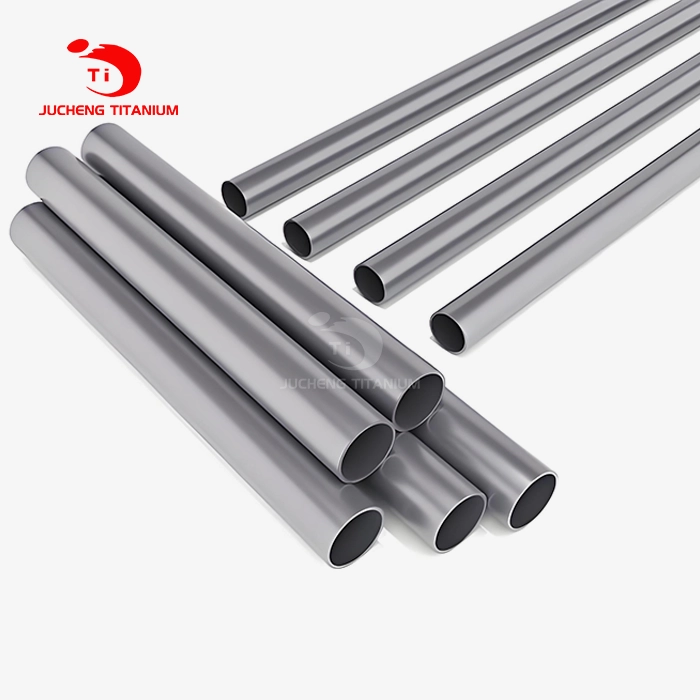

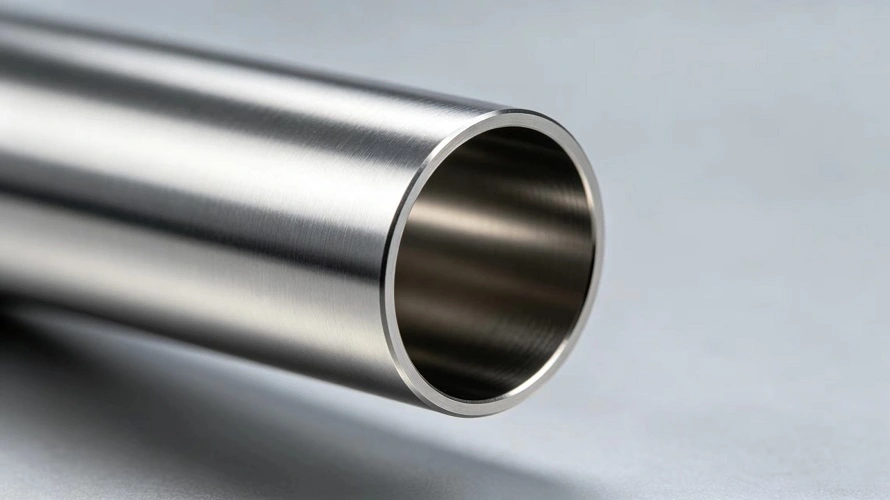
Grade 5 titanium seamless tube: The Workhorse of Titanium Alloys
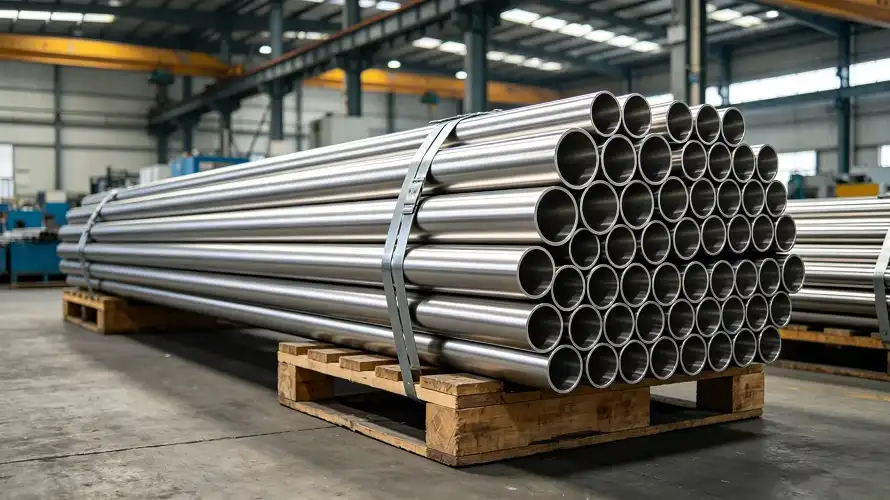
When engineers have to deal with mission-critical part problems or procurement managers have to find high-stakes project materials, grade 5 titanium seamless tube has been shown to work. This tube-shaped item, which is made from a Ti-6Al-4V metal containing 6% aluminium and 4% vanadium, is the strongest of its kind and doesn't need to be bonded together. This metal can handle problems that other materials can't, like hydraulic lines on aeroplanes at 5,000 PSI, drilling equipment in the ocean, or medical device makers who need biocompatible precision tubes. Its uniform structure gets rid of longitudinal weld zones, which are sensitive stress concentrators that break down pressure systems in terrible ways.
Understanding Grade 5 Titanium Seamless Tube: Properties and Production
Alpha-beta phase titanium alloy Ti-6Al-4V has well-balanced mechanical properties. Commercially pure titanium grades are corrosion-resistant but without structural capability for load-bearing purposes. Grade 5 titanium seamless tube fills this gap with alloying that changes its metallurgical behaviour.
Chemical Composition and Mechanical Advantage
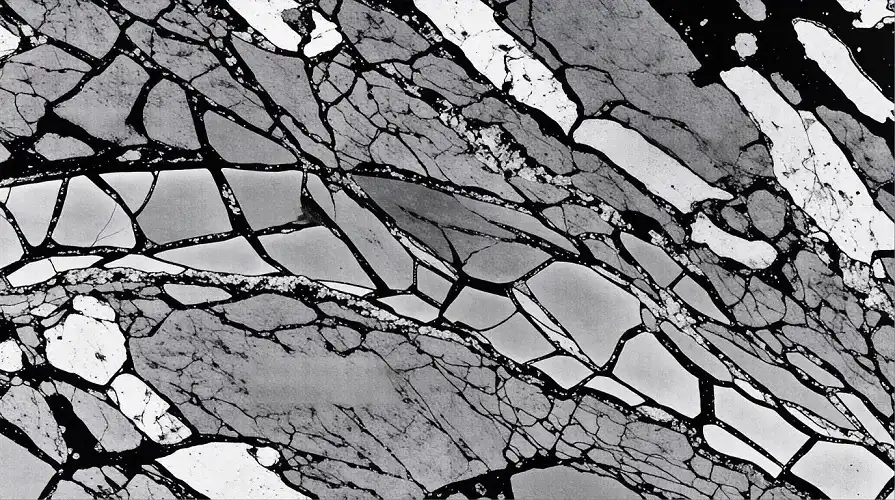
The alloy's foundation element is titanium, with aluminum adding strength and lowering density, and vanadium stabilizing the beta phase for ductility. Embrittlement that compromises fatigue resistance is prevented by compositional constraints that restrict oxygen below 0.20% and nitrogen below 0.05%. This specific chemistry produces tensile and yield strengths over 895 and 828 MPa, roughly quadruple that of Grade 2 titanium. The low density of 4.43 g/cm³, 56% lower than equivalent steel alloys, allows weight-sensitive sectors to minimize structural bulk without compromising load capacity.
A Smooth Manufacturing Process
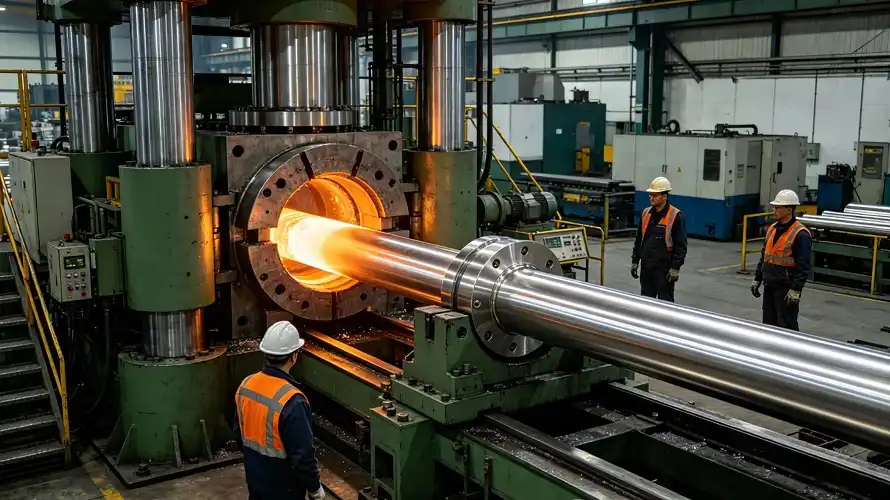
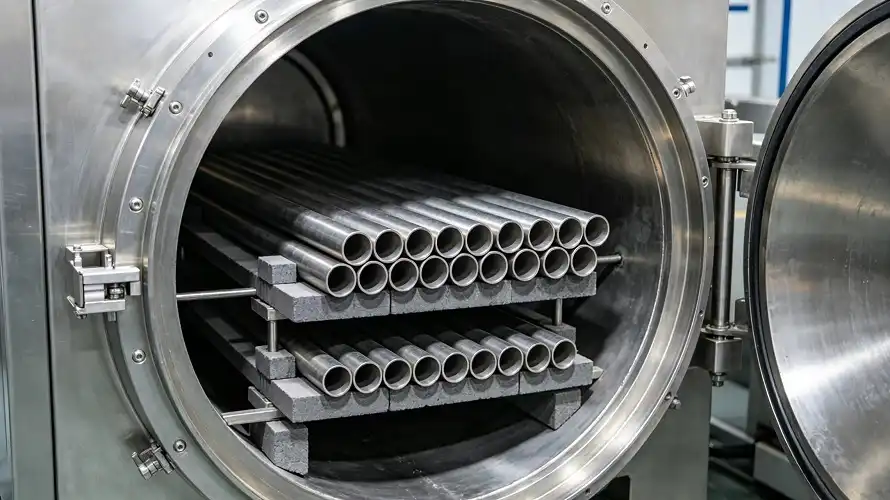
Advanced metalworking skills are needed to make a smooth Ti-6Al-4V tube. Because the metal is so strong, it is hard to cold pile. The process starts with hot extrusion or cross-roll cutting of forged billets. After being formed, tubes are carefully cold rolled to make sure they meet the required dimensions. They are then vacuum annealed to make them flexible again and ease any remaining stresses. Straightening makes sure the geometry is right, and acid cleaning gets rid of surface oxides. When doing these things, our building has to follow strict ASTM B861, ASTM B338, and AMS 4943 quality rules. Each batch of products is ultrasonically checked to make sure there are no internal flaws that could cause cracks to spread under cycle stress.
Anti-corrosion and thermal performance
The passive titanium dioxide layer that forms on uncovered surfaces on its own protects them from oxidizing conditions, saltwater that is high in chloride, and many industrial chemicals. In bad gas situations with hydrogen sulphide, Grade 5 works better than Grade 2. This is important for oil and gas uses. When steels need protection coatings and aluminum alloys soften, thermal stability keeps the mechanical properties at constant service temperatures of 350–400 °C.
Comparing Grade 5 Titanium Seamless Tube with Competing Materials
Material selection requires cost, strength, weight, and environmental resistance comparisons. Comparative data shows where each material thrives or fails, making procurement decisions easier. Grade 5 titanium seamless tubes provide a clear advantage in high-stress environments.
Grade 5 Versus Other Titanium Grades
Grade 2 titanium is the most popular and purest form of titanium. It is more resistant to corrosion and easier to shape, but its tensile strength of 345 MPa is not enough for high-stress structural work. While Grade 9 (Ti-3Al-2.5V) is 30% stronger than Grade 5, it is also 30% easier to work with when it is cold. Grade 23, which is the Extra Low Interstitial form of Ti-6Al-4V, is best for use in cryogenic aircraft applications, even though it costs more because of stricter controls on the amount of oxygen and iron it contains. Palladium makes reducing acids less likely to rust in Grade 7, but because it is so expensive, it can only be used in specialized chemical processes.
Seamless Versus Welded Construction
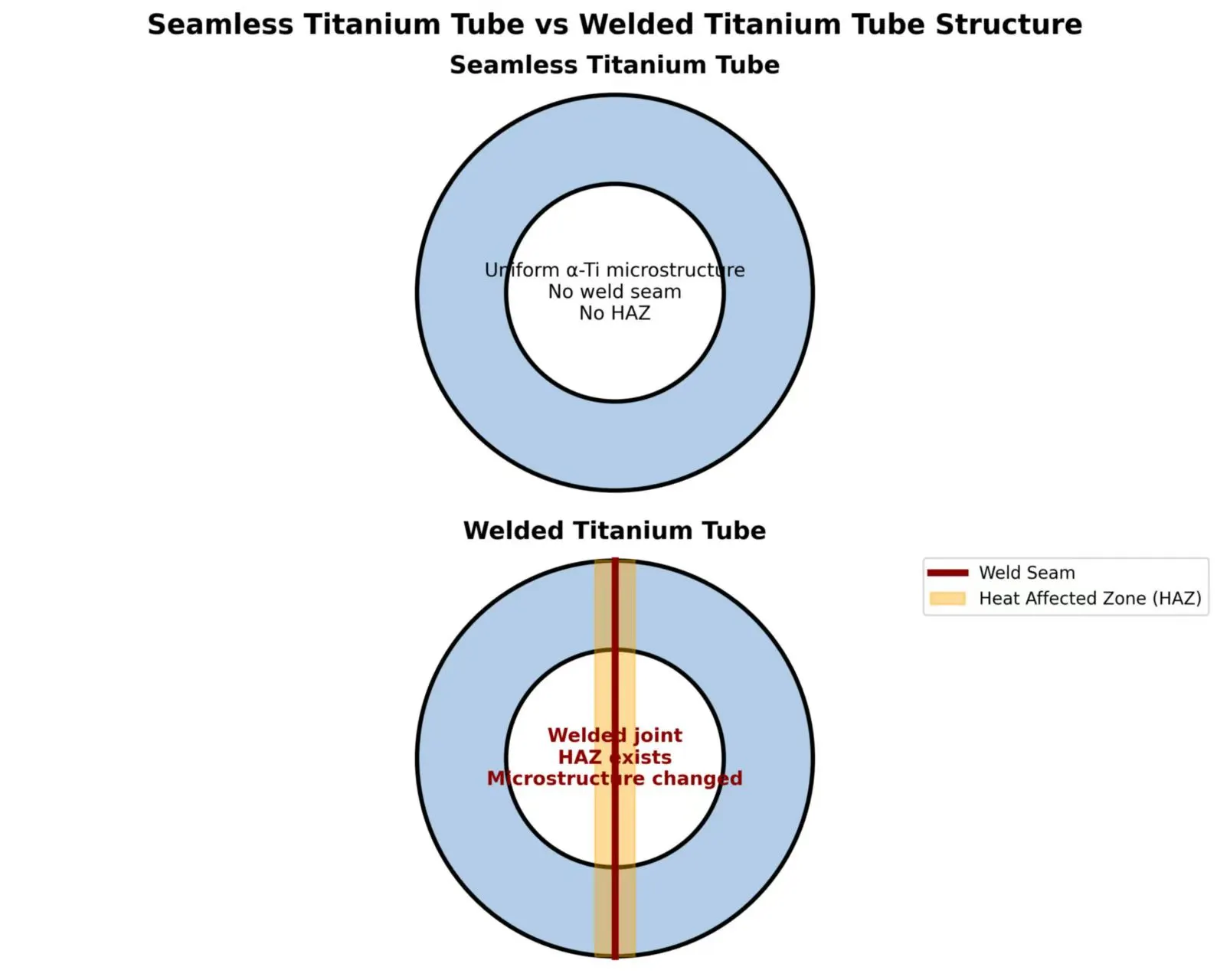
People who want to save money pick welded titanium tubing, which is 20–35% less expensive. But the lengthwise weld seam makes metallurgical defects where heat-affected areas have changed the grain structure and may have even caused some fusion. When hoop strains build up under internal pressure, these seams are more likely to break. This weakness can't happen with a seamless design, which gives hydraulic systems, pressure tanks, and parts that are loaded and unloaded many times a uniform circular strength. Testing for fatigue shows that seamless tubes can handle 40–60% more load cycles before they crack compared to bonded tubes.
Titanium Versus Stainless Steel
Although 316 stainless steel is cheaper per kilogram, its density of 8.0 g/cm³ is roughly twice that of titanium, eliminating its cost benefits in weight-critical applications. When analyzing overall system mass, aerospace experts found titanium's 45% weight reduction justifies the 3-5x material premium. In chloride conditions, stainless steel pits and cracks, while titanium is inert, thus maritime and chemical processing installations choose titanium for lifespan costs.
The Advantages of Grade 5 Titanium Seamless Tube in Industrial Use
Industries worldwide employ Ti-6Al-4V seamless tubing because its properties solve challenges that alternatives cannot. Understanding these benefits helps procurement teams justify investment in grade 5 titanium seamless tube.
Unmatched Strength-to-Weight Ratio
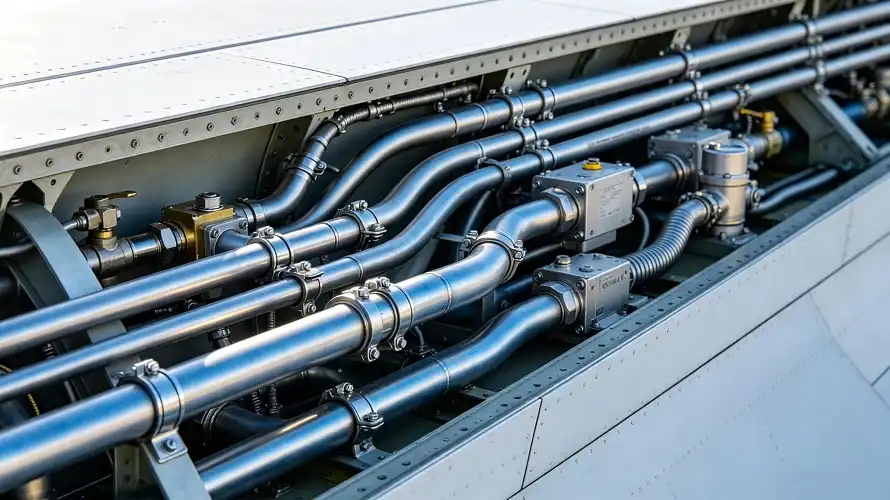
Aircraft hydraulics demonstrate this benefit. Landing gear actuator tubes must endure 3,000-5,000 PSI working pressures without adding unsprung weight that impairs aircraft performance. Grade 5 seamless tube improves fuel efficiency and payload by providing burst strength at half the weight of steel. When choosing suspension links and roll cage reinforcements, Formula 1 teams use the same logic: every gram of unsprung mass saved improves handling and lap times.
Superior Fatigue Resistance
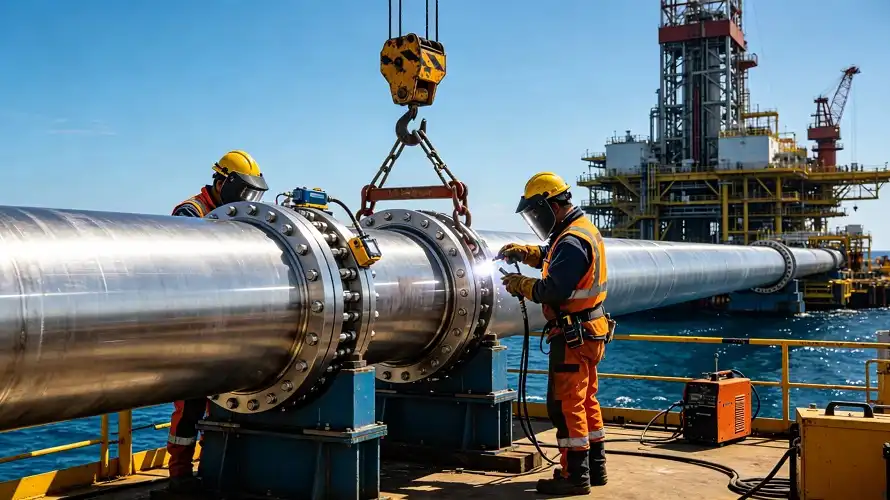
Cyclical loading exposes material vulnerabilities that static testing cannot. Offshore drilling equipment endures millions of pressure cycles, temperature changes, and vibrations. Where welded tubes or lower-grade titanium would break under stress, Ti-6Al-4V's alpha-beta microstructure resists fatigue fracture initiation and propagation. Stress-relief annealing enhances grain structure for fatigue performance in our production processes.
Multi-Environment Corrosion Protection
One process train may oxidize acids, another reduce acids, while cooling systems contain chloride-bearing fluids. Grade 5 titanium seamless tube resists broad-spectrum corrosion without specific materials. Protective coatings fail catastrophically when scratched, yet the passive oxide layer self-heals. Compared to coated steel, this decreases maintenance costs and extends equipment life by decades.
Standards Compliance and Traceability
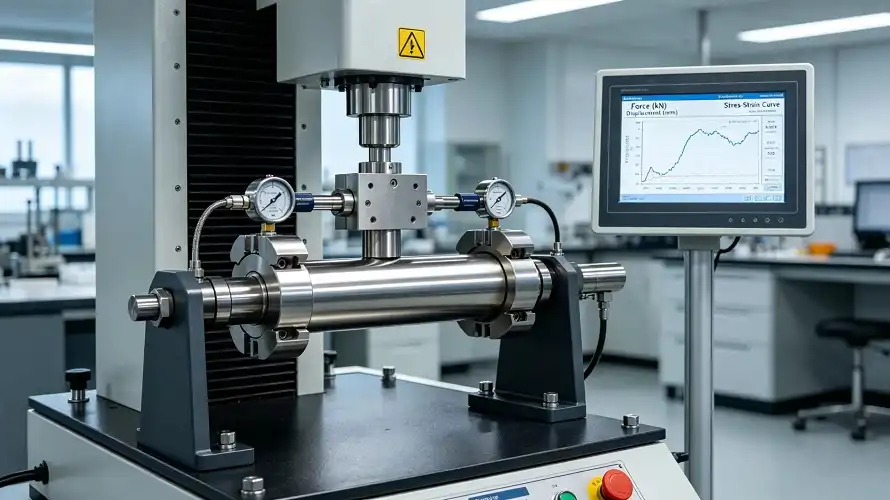
Aerospace, medical, and nuclear sectors require strict material certification. Complete mill test results for Grade 5 seamless tube include chemical composition by optical emission spectroscopy, mechanical qualities by tensile testing, and microstructural verification by metallographic investigation. Lot traceability to raw material heat numbers meets AS9100 aerospace quality management and FDA medical device standards. The ASTM B338, AMS 4942, and ASME SB338 standards give procurement managers dimensional uniformity and property repeatability.
Procurement Guide: How to Buy Grade 5 Titanium Seamless Tube
Successful material sourcing requires more than identifying the correct grade—buyers must navigate specifications, supplier capabilities, and commercial terms to secure optimal value. Grade 5 titanium seamless tube procurement involves careful validation of technical requirements.
Specification and Customization Options
Standard seamless Ti-6Al-4V tube covers most industrial needs with an outside diameter of 3mm to 219mm and a wall thickness of 0.5mm to 20mm. Specific extrusion tooling can provide specific sizes, but minimum order quantities start at 500 kg to justify tooling costs. Annealed surfaces are matte gray, acid-pickled surfaces are clean, and machined and polished surfaces are for hygienic medical uses. Annealed, solution-treated, or aged state parameters alter mechanical characteristics and should match application stress studies.
Evaluating Supplier Credentials
Different titanium suppliers have different skills. The procurement team should verify numerous key credentials. Over 15 years of manufacturing experience implies process controls and metallurgical knowledge. Since 2004, Baoji Jucheng Titanium Industry has specialized in titanium for over 20 years and holds 4 innovation patents and 41 utility model patents for manufacturing methods. National High-Tech Enterprise and "little giant" status demonstrate innovation and excellence. Suppliers with 3,000+ tons of stock can meet urgent orders without the 12-16 week lead periods of made-to-order manufacture.
Pricing and Order Fulfillment
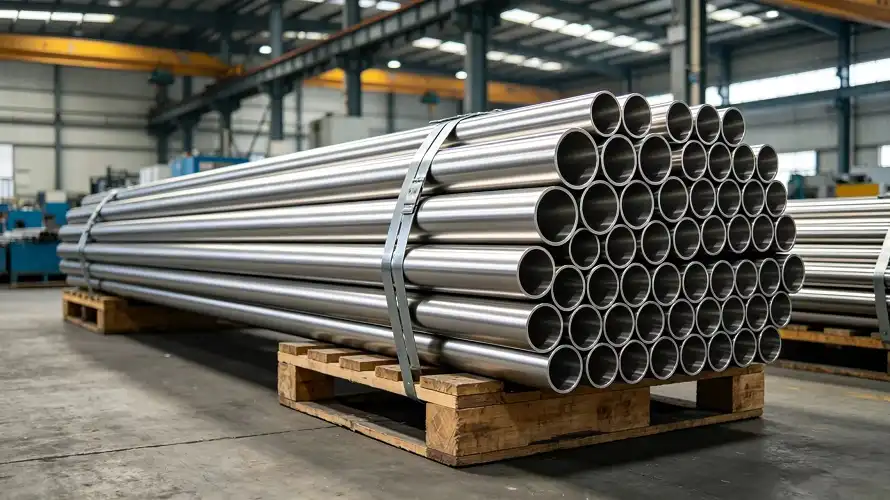
Raw material prices, production complexity, and order volume determine pricing for grade 5 seamless corrosion resistant titanium pipe. Small amounts under 100 kilograms usually cost 15-25% more than bulk pricing; purchases above 1,000 kilograms generally qualify for volume savings. Standard size minimum order amounts vary by provider but start at 25-50 kilos. Stock goods ship within 5-7 business days, while special requirements take 8-12 weeks to produce and test. Usually, 30% deposits with balance payable before shipping, established connections may allow net-30 or net-60 periods.
Value-Based Cost Analysis
Early material costs are simply one part of ownership costs. Grade 5 seamless tube costs $45-65 per kilogram compared to $8-12 for stainless steel. Lifecycle analysis shows various economic benefits. Titanium heat exchanger tube bundles weigh 280 kg, reducing structural support and installation work. Titanium corrosion-driven replacement intervals are 20-30 years, reducing changeout costs. Despite greater purchase prices, titanium's total cost of ownership is sometimes 20-40% cheaper when analysts discount future expenses to current value.
Conclusion
After decades of steady performance in aerospace hydraulics, chemical processing, offshore energy, and medical devices, Ti-6Al-4V seamless tubing gained its "workhorse" reputation. Its 895+ MPa tensile strength, 56% weight savings over steel, flawless structural integrity, and multi-environment corrosion resistance answer engineering problems that other materials cannot. Understanding material qualities, production processes, supplier capabilities, and lifetime economics that affect genuine value gives procurement managers a competitive edge. ASTM B861 compliance, traceability documentation, and inventory availability distinguish capable suppliers from marginal ones, affecting project performance, timelines, and budgets using grade 5 titanium seamless tube.
FAQ
Q1: What distinguishes grade 5 titanium seamless tube from welded alternatives?
The longitudinal weld seam in a welded tube is eliminated in seamless fabrication. Heating this weld zone causes metallurgical discontinuities with various grain shapes and possible fusion faults. These seams concentrate tension and cause fatigue fractures under internal or cyclic loads. In pressured hydraulic systems and pressure vessels, grade 5 titanium seamless tubes give consistent circumferential strength and 40-60% greater fatigue life.
Q2: Can I order custom dimensions for specialized applications?
We can handle custom specs for sizes outside typical limits. Most demands are handled by outer diameters from 3mm to 219mm and wall thickness from 0.5mm to 20mm; specialist extrusion tooling allows unusual dimensions. To justify tooling investment, minimum order quantities start at 500 kg with 10-12 week manufacturing and testing lead times.
Q3: How do I verify material certifications before purchase?
Reliable vendors supply mill test results that include optical emission spectroscopy for chemical composition, tensile and hardness testing for mechanical qualities, and metallographic analysis for grain structure. Reports should use ASTM B861 or AMS 4943 standards, contain heat numbers for traceability, and have qualified quality professionals sign them. Ask for these documents before placing orders to ensure industry compliance.
Partner with Jucheng Titanium for Premium Ti-6Al-4V Seamless Tubing
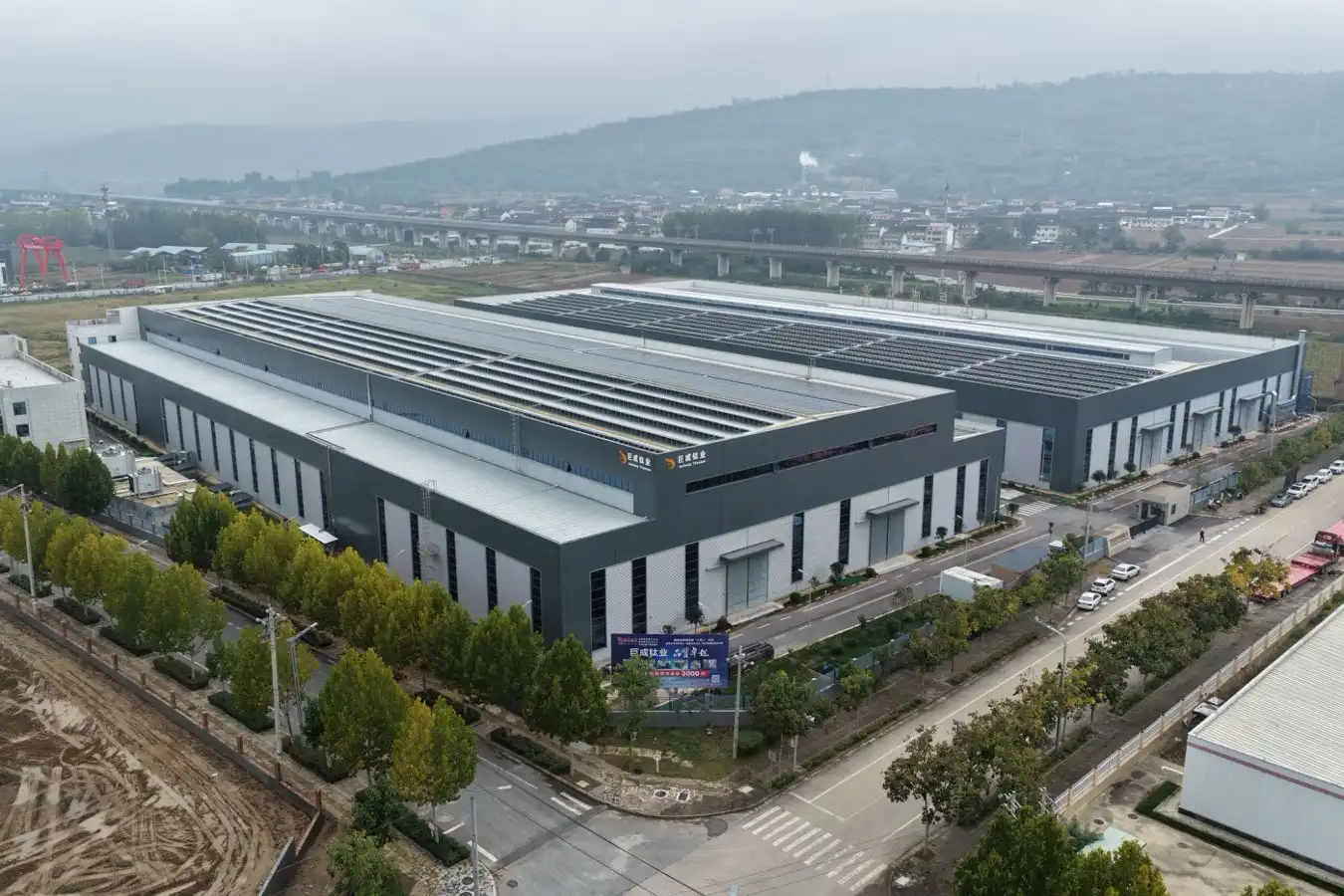
Baoji Jucheng Titanium Industry offers grade 5 titanium seamless tube made to rigorous standards for the most demanding material needs. Our Titanium Valley factory in China has 20+ years of metallurgical experience, 3,000 tons of inventory, and bespoke manufacturing for particular needs. We recognize that procurement success depends on quality assurance, delivery reliability, and technical assistance as a National High-Tech Enterprise with 45 applied patents servicing aerospace, chemical processing, and medical device manufacturers globally. Our technical staff advises on material selection, and quality processes guarantee every tube fulfills ASTM B338, AMS 4942, and customer-specific criteria. Our export division at s4@juchengti.com can discuss your project specs, provide technical datasheets, and offer competitive pricing as a grade 5 titanium seamless tube supplier. Let us show you how 20 years of titanium expertise benefits your supply chain.
References
1. Boyer, R., Welsch, G., and Collings, E.W. (1994). Materials Properties Handbook: Titanium Alloys. ASM International, Materials Park, Ohio.
2. Lutjering, G. and Williams, J.C. (2007). Titanium: Engineering Materials and Processes, 2nd Edition. Springer-Verlag, Berlin.
3. Donachie, M.J. (2000). Titanium: A Technical Guide, 2nd Edition. ASM International, Materials Park, Ohio.
4. ASTM International (2021). ASTM B861-20: Standard Specification for Titanium and Titanium Alloy Seamless Pipe. West Conshohocken, Pennsylvania.
5. Peters, M., Kumpfert, J., Ward, C.H., and Leyens, C. (2003). Titanium Alloys for Aerospace Applications. Advanced Engineering Materials, Volume 5, Issue 6, pages 419-427.
6. Schutz, R.W. and Watkins, H.B. (1998). Recent developments in titanium alloy application in the energy industry. Materials Science and Engineering A, Volume 243, Issues 1-2, pages 305-315.