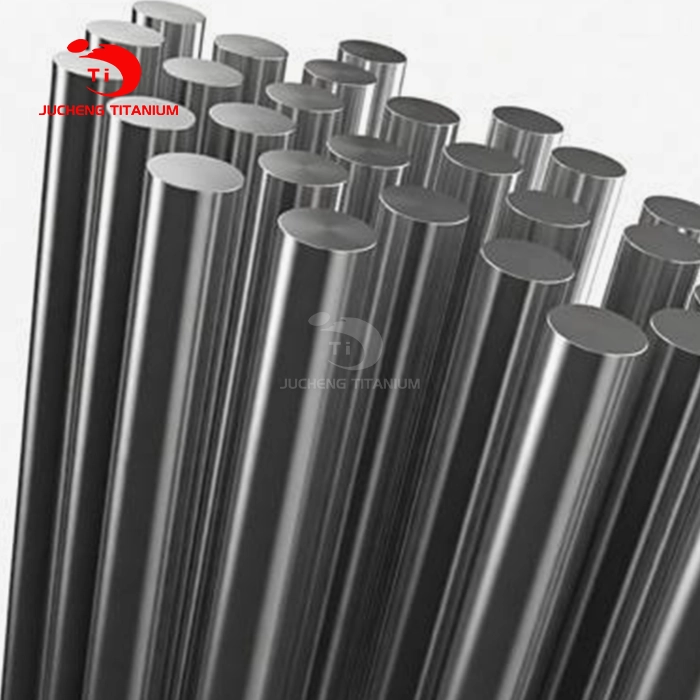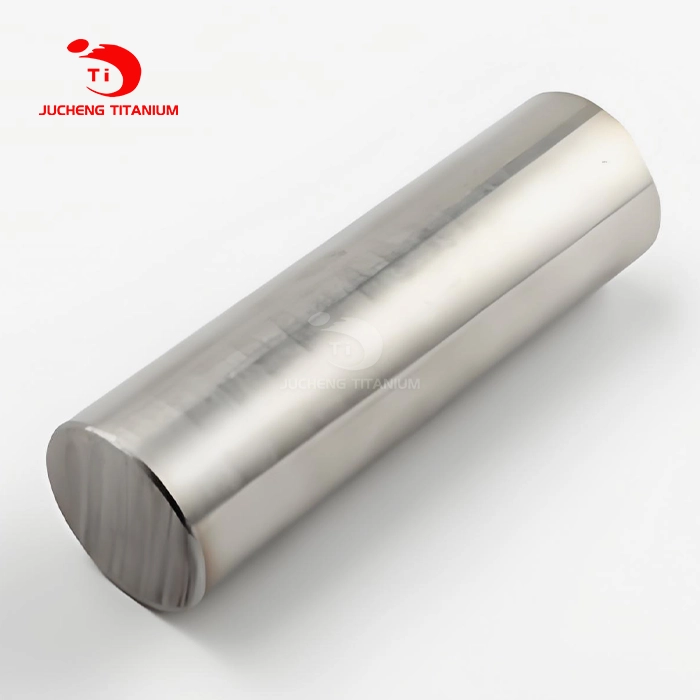

Why Is Titanium Grade 5 Seamless Tube Widely Used?
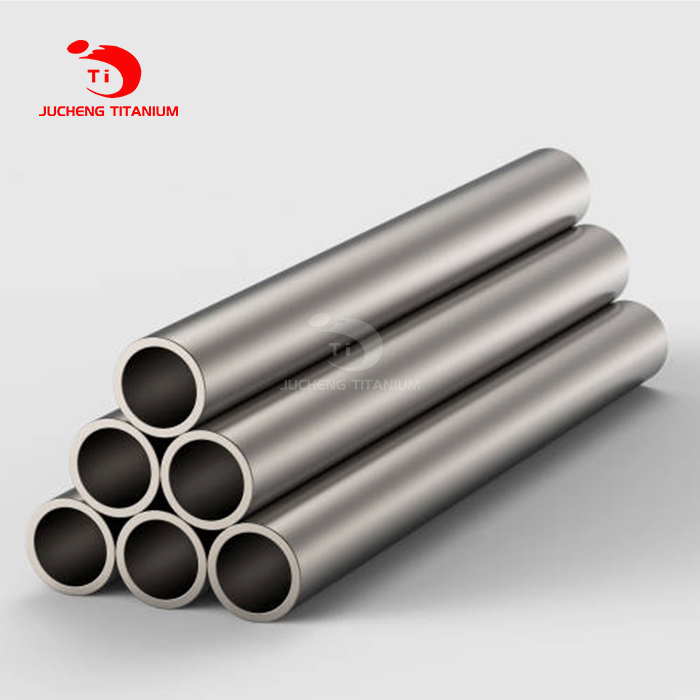
Engineers and procurement professionals in aerospace, chemical processing, and high-performance manufacturing choose titanium grade 5 seamless tube. This titanium grade 5 seamless tube has no welded seams, providing superior structural integrity under intense pressure and temperature. It dominates mission-critical applications where failure is not an option due to its 56% weight reduction compared to steel, tensile strength above 895 MPa, and corrosion resistance.
Introduction
When procurement managers need stress-resistant materials, they choose titanium grade 5 seamless tube. This premium material solves significant industrial issues, including high-pressure hydraulic system failures, aircraft structural component weight penalties, and offshore drilling corrosion fatigue. Seamless production eliminates the weakest link—welded joints—in traditional tubing under cyclical loading.
Performance-reliability materials are in demand worldwide. Aerospace component producers require crack-resistant tubing for 30,000 flight cycles. Chemical plant operators need acid-resistant plumbing without shutdowns. Biocompatible FDA-traceable materials are sought by medical device manufacturers. All these requirements are met by the titanium grade 5 seamless tube, which has reliable supply chains and quality documentation.
Why this alloy dominates important applications helps procurement teams make educated selections that lower TCO. Lower maintenance, longer service life, and lower insurance rates frequently balance the original material expenditure in the first year.
Understanding Titanium Grade 5 Seamless Tube
What Defines This High-Performance Alloy
Ti-6Al-4V is an alpha-beta titanium alloy with 6% aluminum and 4% vanadium. The perfect chemical balance makes this material stronger than commercially pure titanium, yet workable. Inert gas fusion study confirms oxygen level below 0.20% to prevent embrittlement.
Mechanical Properties That Matter
The property profile fulfills ASTM B861 and AMS 4943 criteria. Minimum tensile strength is 895 MPa, and yield strength is 828. The material has a density of 4.43 g/cm³, an elastic modulus of 113.8 GPa, and a hardness of 36 HRC. A 5,000-psi hydraulic line can withstand pressure spikes that would tear welded alternatives. Chemical plant heat exchangers use the alloy because it preserves structural characteristics up to 400°C.
Seamless Versus Welded Construction
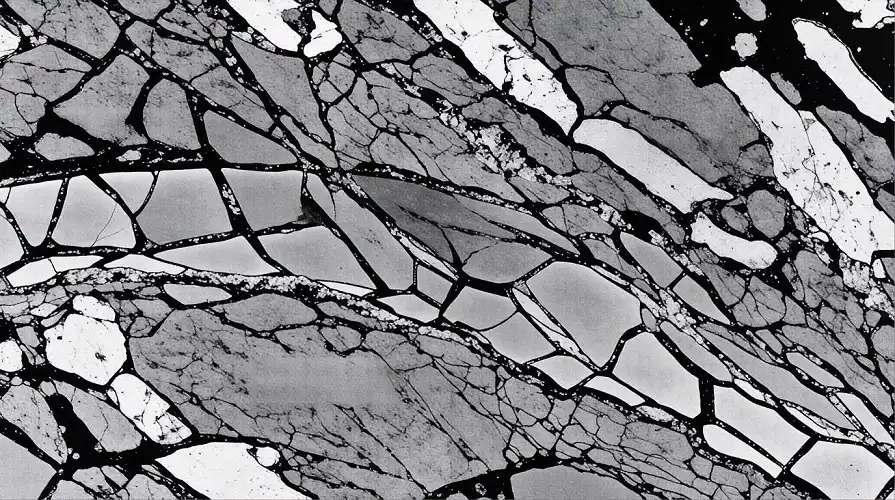
Due to its great strength and low cold ductility, the alloy makes titanium grade 5 seamless tubes difficult to make. Specialized vacuum annealing follows hot forming. Complexity raises manufacturing costs but offers key benefits. Microstructural discontinuities in welded seams cause fatigue fractures during repeated load cycles. A single weld failure in 10,000-foot-deep deepwater oil production equipment can cause environmental disasters and millions in production losses. Seamless construction avoids this risk completely.
Key Benefits and Uses of Titanium Grade 5 Seamless Tube
Aerospace Applications Where Weight Equals Fuel
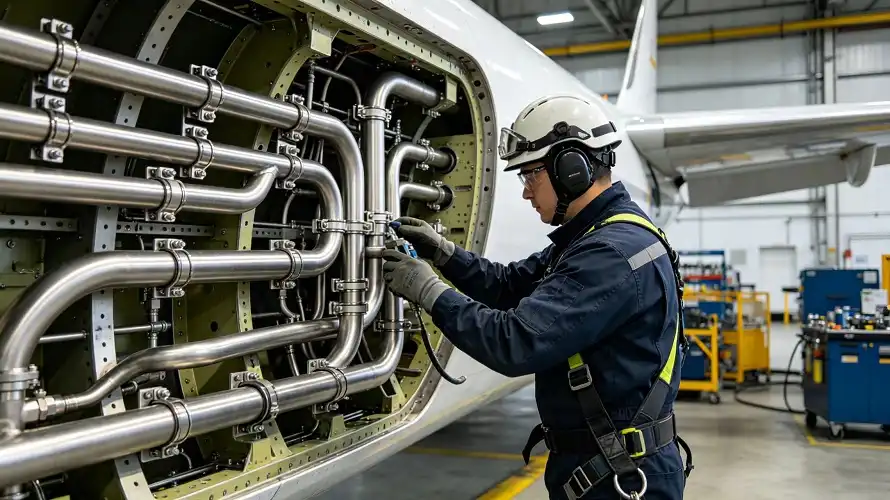
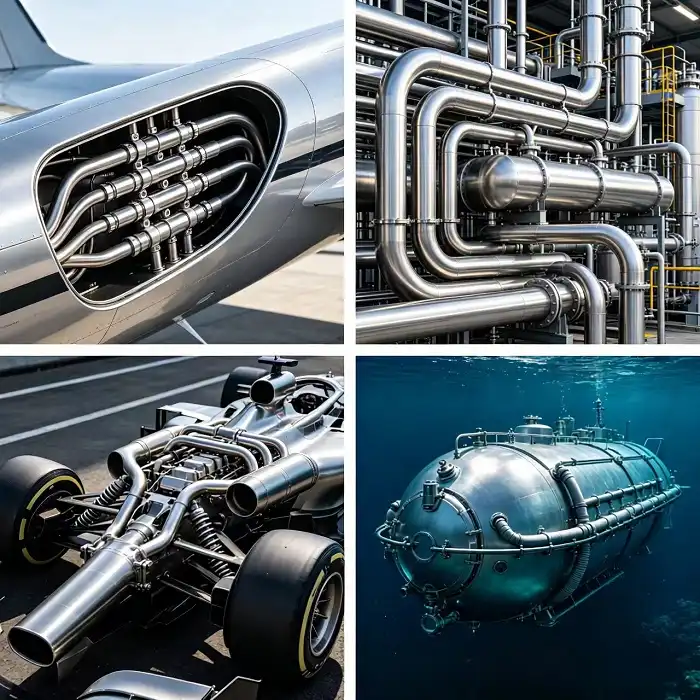
Tubing that withstands 3,000-5,000 psi while reducing weight is needed for aircraft hydraulic systems. Replace steel tube with titanium grade 5 seamless tube alternatives to lower airframe weight by 44%, saving fuel over 25 years. Commercial airlines estimate that removing one kilogram saves each aircraft $3,000 in fuel expenses. Besides economics, the material's vibration-induced fatigue resistance eliminates in-flight breakdowns that endanger passengers.
Seamless tube structure benefits landing gear actuators, fuel distribution manifolds, and environmental control system ducting. Military aircraft also experience salt spray during carrier missions and severe temperatures from -55°C at altitude to +85°C on desert tarmacs. The alloy's passive oxide layer regenerates spontaneously, protecting against corrosion without cracking or delaminating.
Chemical Processing and Corrosive Environments
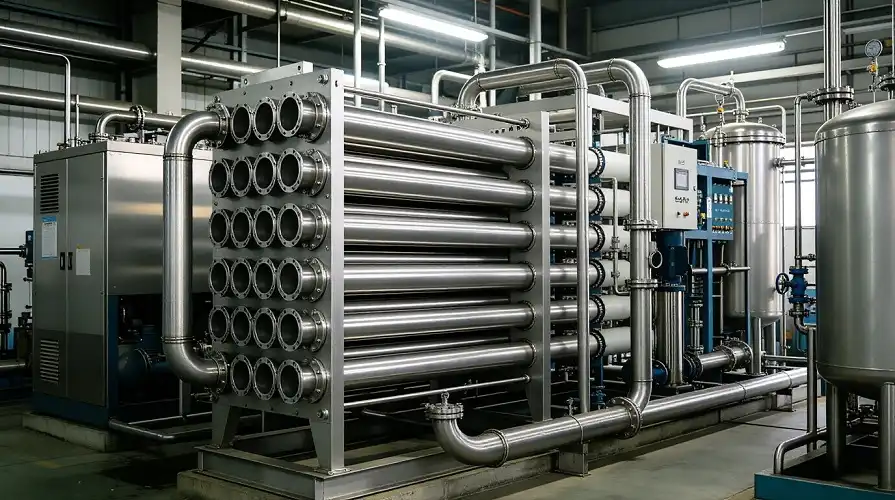
Stainless steel is destroyed in months in chlor-alkali, titanium dioxide, and offshore oil platform facilities. In traditional materials, chlorine gas, sulfuric acid, and hydrogen sulfide assault produce stress corrosion cracking. Titanium grade 5 seamless tube resists this. Chemical plant operators replace stainless heat exchanger tubes every 18 months with titanium grade 5 seamless tube counterparts that last 15+ years, saving downtime costs and enhancing production dependability.
When hydrogen embrittlement spreads from weld heat-affected zones in sour gas service, titanium grade 5 seamless tube is essential. HPHT subsea equipment benefits from the alloy's saltwater corrosion resistance and strength retention at high temperatures. The material's 100-year service life eliminates replacement planning in difficult regions, lowering installation costs.
High-Performance Motorsports and Industrial Machinery
Formula 1 teams use titanium grade 5 seamless tube for suspension, exhaust, and driveline components to reduce unsprung weight and improve handling. Without structural deterioration, the tubing endures 300+ race kilometers of intense vibration and temperature cycling. Dimensional stability during heat cycling avoids production problems in hydraulic press cylinders, CNC machine tool spindles, and semiconductor manufacturing equipment.
Power plants employ tubing in steam turbines and heat recovery units. Tight tolerances for turbine efficiency over decades are maintained by the material's creep resistance at temperatures nearing 400°C.
Material Performance Comparison
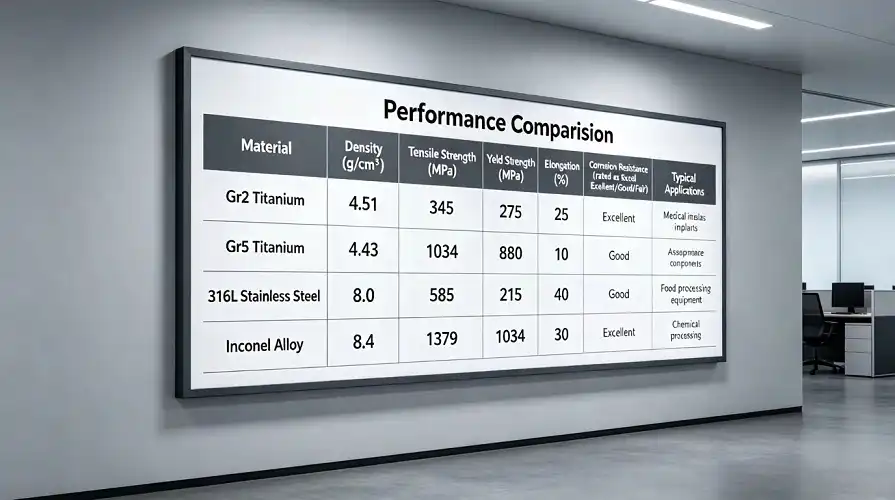
Many procurement teams compare grade 5 to alternatives. Ti-6Al-4V has 40% better tensile strength than grade 2 titanium, allowing thinner walls and lighter assemblies. Titanium is 3-4 times more expensive than 316L stainless steel but has 56% weight savings and better chloride corrosion resistance. Inconel 625 nickel alloy equals high-temperature performance but weighs 80% more, hurting aeronautical uses. Similar in weight, aluminum alloys are weak for high-pressure use and corrode quickly in maritime settings.
Manufacturing and Quality Assurance of Titanium Grade 5 Seamless Tubes
Production Process Excellence
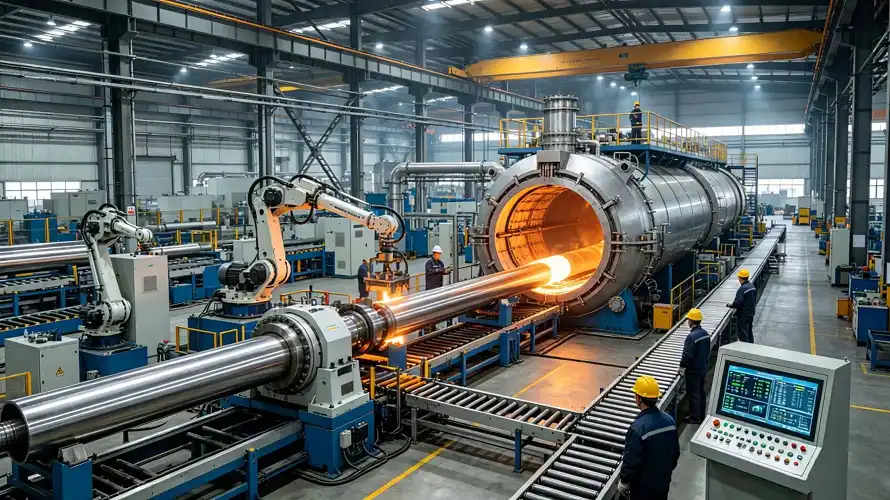
Titanium grade 5 seamless tube is made by vacuum arc remelting to control impurities and maintain a homogenous microstructure. Hollow parts are formed via hot extrusion at 950°C of the solidified ingot through a die. A central cavity can be created with inclined rollers in cross-roll piercing for bigger diameters while retaining surface integrity.
Due to its strength and work hardening, the titanium grade 5 seamless tube is difficult to cold pilger. Baoji Jucheng Titanium Industry restores ductility with specific annealing cycles between forming phases. The final heat treatment balances strength and toughness, creating annealed, solution-treated, or aged tubing depending on use.
Acid pickling removes oxide scale, mechanical polishing cleans pharmaceutical surfaces, and precise machining fits tight aeronautical fittings. Straightening removes thermal processing distortion and prevents residual strains from cold work.
Quality Certification Standards
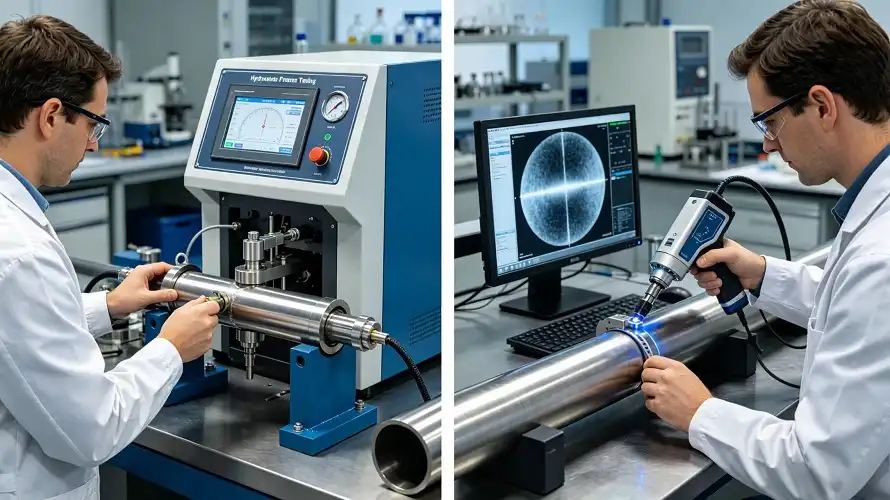
ASTM B861 for corrosion-resistant seamless pipe, ASTM B338 for condenser tubing, and AMS 4942 or 4943 for aerospace applications are common procurement criteria. These standards require optical emission spectroscopy for chemical composition, tensile testing for mechanical properties, and metallographic microstructural assessment.
Eddy current testing for surface fractures, ultrasonic examination for interior voids, and hydrostatic pressure testing for leak integrity are non-destructive testing methods. Material test reports track raw material heat numbers to completed dimensions for each production batch. Aerospace vendors have AS9100D quality management and NADCAP special process certifications.
With over 20 years of titanium processing experience, Jucheng Titanium offers dimensional tolerances of ±0.05mm for outer diameter and ±10% for wall thickness spanning OD3mm to OD219mm size ranges. The consistency allows direct installation without further machining, minimizing procurement lead times and assembly costs.
Testing Protocols That Guarantee Reliability
Critical applications need further certification. Crack-free performance is confirmed by fatigue testing sample tubes with 50,000 operating cycles of pressure stress. Long-term stability is verified by corrosion testing in realistic service settings like 6% HCl at 80°C for chemical processing. Hardness mapping across tube cross-sections identifies defective heat treatment microstructure.
Tracking tubes from the ingot source to the final inspection allows root cause investigation if field issues develop. This paperwork meets FDA medical and FAA aerospace component criteria. National-level specialized "little giant" firms like Jucheng Titanium build quality infrastructure that assures procurement teams that material performance fulfills specifications.
Procurement Guide: How to Choose and Buy Titanium Grade 5 Seamless Tubes
Evaluating Supplier Capabilities
Assessing manufacturer qualifications beyond price quotes is key to successful procurement. Suppliers should have mass manufacturing capability to meet project deadlines—Jucheng Titanium has 3,000 tons of stock for fast delivery—and bespoke processing flexibility. Certified suppliers must have ISO 9001 quality management, ASME Section VIII pressure vessel materials, and major OEM customer approval.
Equally important is technical help. Can the provider offer application-specific heat treatment metallurgical consultation? Do they provide prototypes before mass production? A supplier's technical response shows if they understand engineering needs or just provide commodity products.
Understanding Cost Structures
Multiple variables affect titanium grade 5 seamless tube pricing beyond raw material costs. Thin walls and smaller diameters increase processing steps and per-kilogram costs. Custom sizes need tooling, while stock sizes are cheaper and available immediately. Order volumes exceeding 500 kg usually qualify for discounted pricing.
Factory-direct vs. distributor sourcing shows trade-offs. Direct partnerships with Jucheng Titanium producers reduce middlemen margins and allow production engineers to customize. Distributors are convenient for local inventories and lower quantities, but charge 15-25%. The whole procurement cost should include lead times, minimum order quantities, payment conditions, and technical assistance, not just unit pricing.
Specification and Customization Options
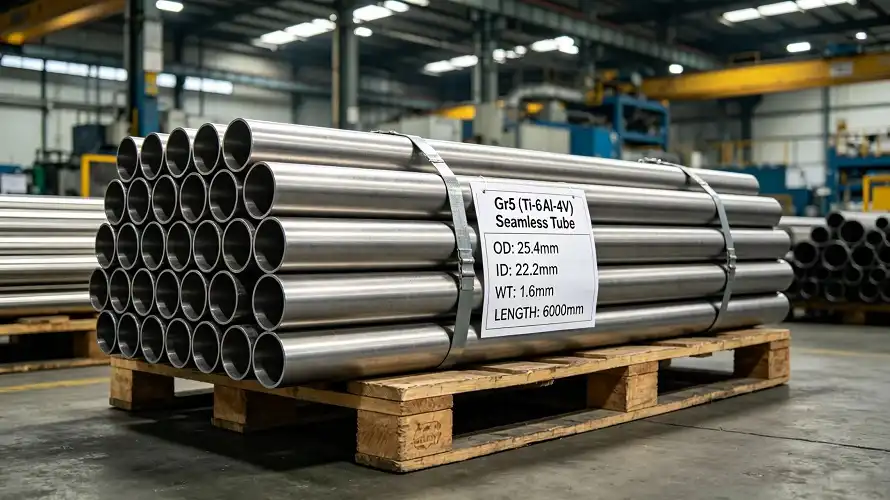
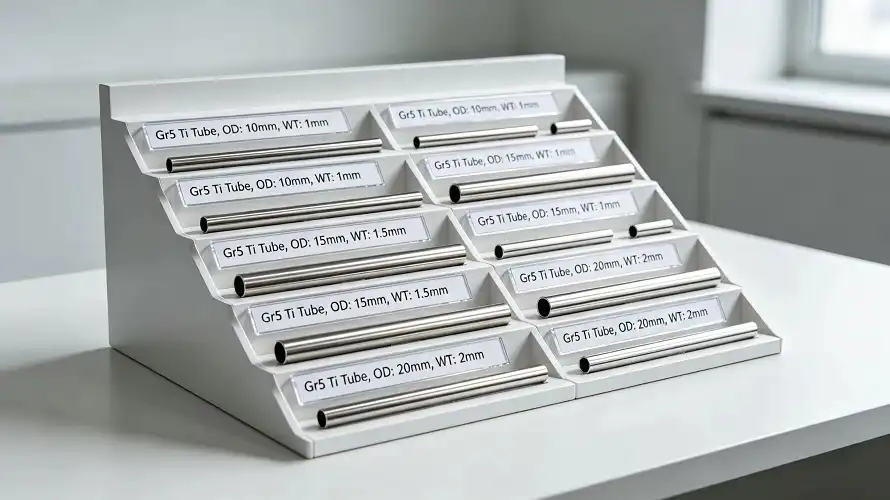
Standard corrosion resistant titanium pipe has outer diameters from 3mm to 219mm and wall thicknesses from 0.5mm to 20mm, produced to ASTM B861 or B338 requirements in annealed, pickled, or bright-annealed conditions. To determine viability and lead times, production planners must discuss custom needs such as pressure vessel diameter-to-thickness ratios or lengths exceeding 6-meter sections.
Acid-pickled surfaces are suitable for welding, polished finishes fulfill pharmaceutical cleanability standards, and machined ends allow direct fitting connections. To avoid shipment damage, procurement teams should establish inspection criteria, material test report detail level, and packing procedures.
Jucheng Titanium's engineering team optimizes designs using their 4 innovation patents and 41 utility model patents for application-specific solutions. Their 120,000-square-meter production facility handles raw material processing to final fabrication, allowing single-source responsibility for complicated projects.
Conclusion
Titanium grade 5 seamless tube is widely used in aerospace, chemical processing, and high-performance sectors due to its strength, corrosion resistance, and structural integrity. The seamless manufacturing approach reduces fatigue stress and corrosive attack failure sites in welded alternatives. Procurement experts know that initial material expenditures pay off in mission-critical applications through prolonged service life, less maintenance, and operational dependability. Project success is assured by choosing providers with strong technical skills, extensive certifications, and timely engineering support. The material's performance benefits drive specification in next-generation equipment designs where failure implications surpass material investment by orders of magnitude.
FAQ
Q1: How does grade 5 compare to grade 2 titanium for corrosive applications?
Commercial grade 2 titanium has better corrosion resistance in most settings due to its purity. Grade 5's nearly double tensile strength allows thinner walls and lighter buildings. In ambient chemical facilities, grade 2 is cost-effective, whereas grade 5 is better for high-pressure or elevated-temperature corrosive services.
Q2: What challenges affect bending seamless Ti-6Al-4V tubing?
The alloy's springback and strength complicate bending. Localized heating and hot bending are needed to achieve tight radii without wall thinning or breaking. The minimum bend radius usually exceeds three times the tube diameter. Complex shapes may need machining from bar material; procurement specifications should address forming requirements early.
Q3: Can seamless grade 5 tubes be welded reliably?
Weld titanium grade 5 seamless tubes reliably? To avoid air contamination, Ti-6Al-4V welding requires argon shielding and backpurging. Heat-affected zones become ductile after welding, preventing brittle failure under service stresses. Certified welders and procedures guarantee joint integrity matches base material attributes. Many aeronautical applications require titanium grade 5 seamless tube to eliminate welding.
Partner With a Trusted Titanium Grade 5 Seamless Tube Supplier
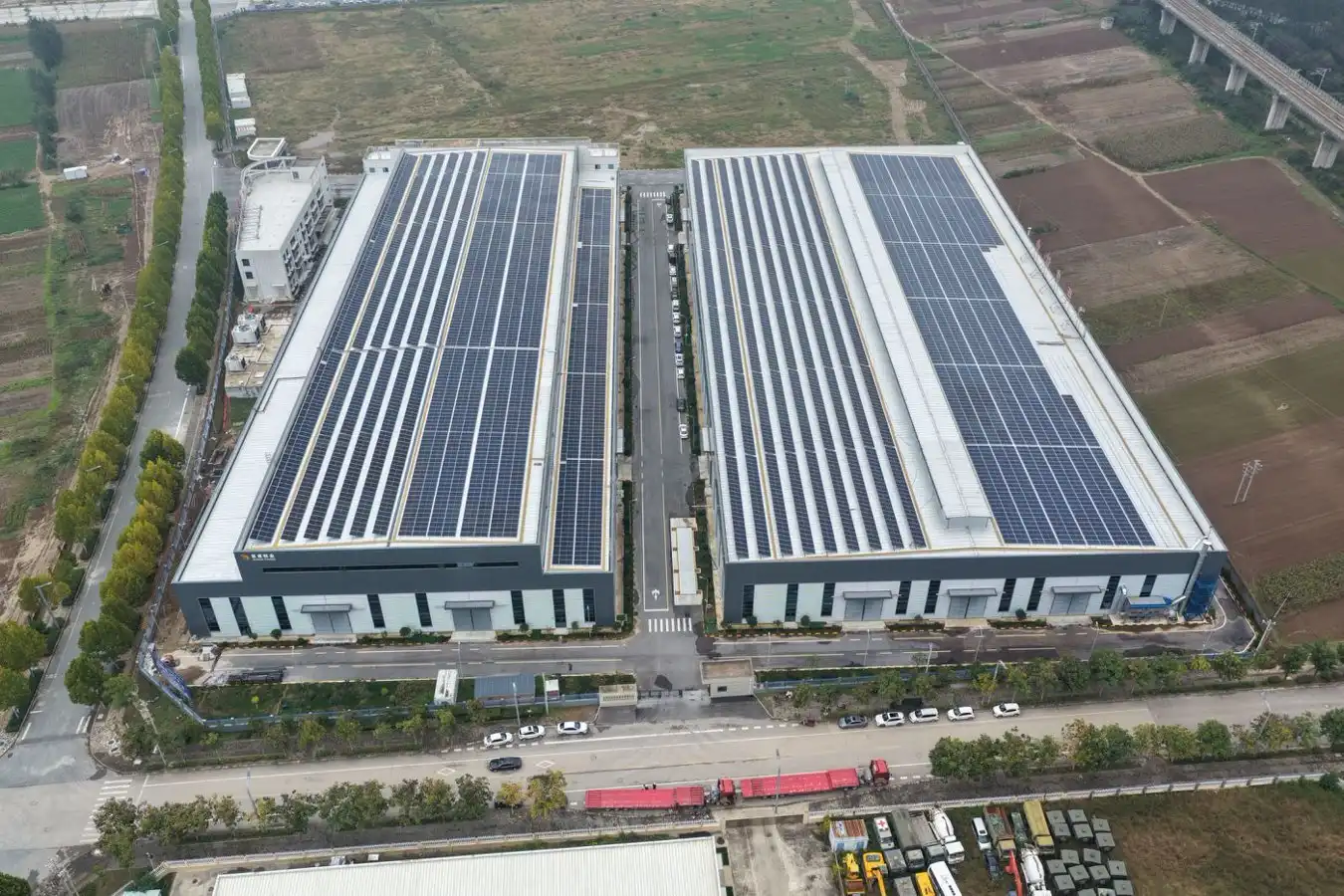
Project success depends on reliable material performance, on-time delivery, and prompt technical collaboration from the correct titanium grade 5 seamless tube supplier. Baoji Jucheng Titanium Industry specialises in titanium processing for demanding applications globally for over 20 years. Jucheng, a national "little giant" with 50 million RMB registered capital and ISO-certified production in 120,000 square meters, has 3,000 tons of inventory to meet urgent needs and customize unique specifications.
Our technical team works with procurement specialists to optimize material selection, ensure dimensional feasibility, and give application-specific suggestions based on 45 production-tested patents. Jucheng provides verified quality and traceability for chemical processing equipment, ASTM B861 tube, and aircraft hydraulic components. Contact our technical sales team at s4@juchengti.com to discuss your titanium grade 5 seamless tube needs and obtain precise quotes from a project-focused manufacturer.
References
1. Boyer, R., Welsch, G., & Collings, E.W. (1994). Materials Properties Handbook: Titanium Alloys. ASM International, Materials Park, Ohio.
2. Donachie, M.J. (2000). Titanium: A Technical Guide, 2nd Edition. ASM International, Materials Park, Ohio.
3. Lutjering, G., & Williams, J.C. (2007). Titanium, 2nd Edition. Springer-Verlag Berlin Heidelberg.
4. ASTM International. (2021). ASTM B861-14: Standard Specification for Titanium and Titanium Alloy Seamless Pipe. West Conshohocken, Pennsylvania.
5. Peters, M., Kumpfert, J., Ward, C.H., & Leyens, C. (2003). Titanium Alloys for Aerospace Applications. Advanced Engineering Materials, Volume 5, Issue 6.
6. Schutz, R.W., & Watkins, H.B. (1998). Recent Developments in Titanium Alloy Applications in the Energy Industry. Materials Science and Engineering A, Volume 243, Issues 1-2.