
Everything You Need to Know About Titanium Seamless Pipe
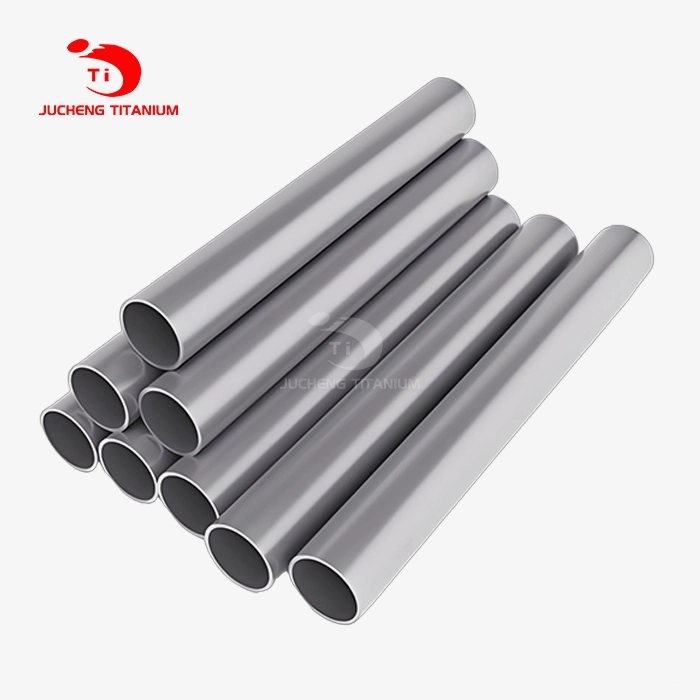
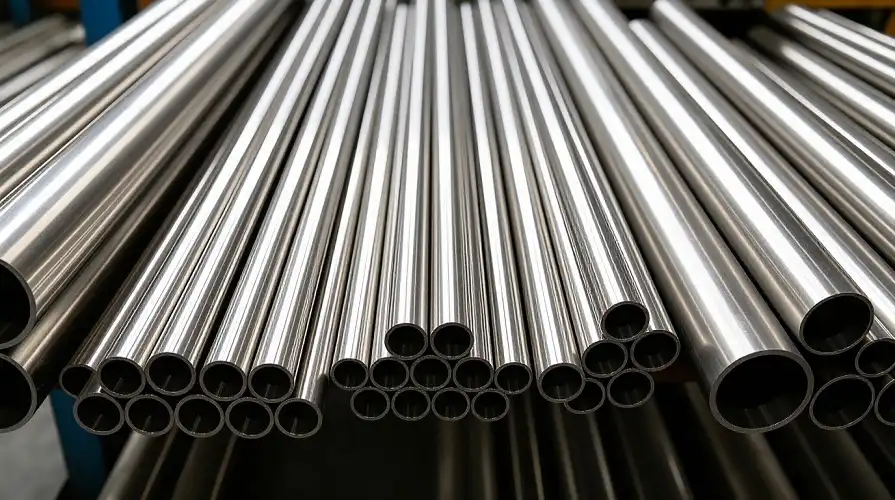
Titanium seamless pipe is the best option for extreme-environment applications in industrial systems. Without welded seams, these pipes are extruded or pierced for superior structural integrity and corrosion resistance. Titanium seamless pipe has uniform mechanical qualities throughout its wall thickness, unlike welded options that introduce heat-affected zones and weak areas. This reduces the joint efficiency de-rating factor, giving aerospace hydraulic systems, chemical process equipment, maritime condensers, and medical instrumentation increased operating pressures and dependability. Understanding their specs, performance, and procurement provides appropriate material selection for the most challenging projects.
What is a Titanium Seamless Pipe? A Complete Guide
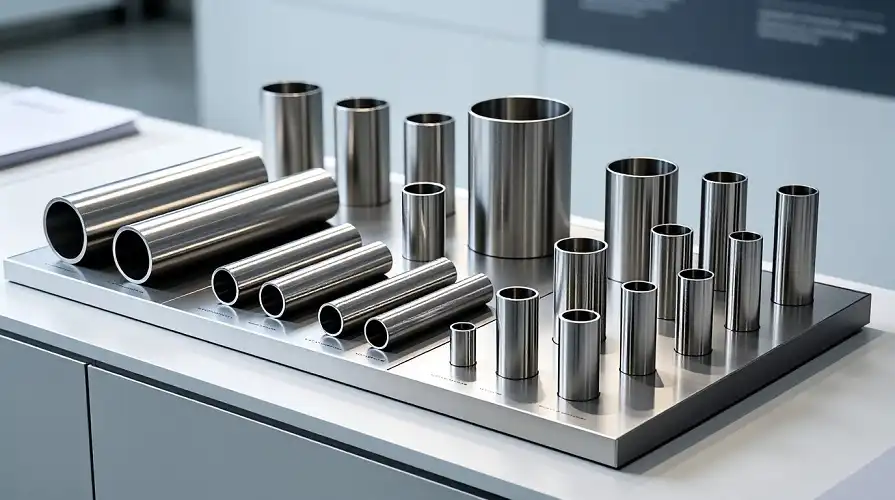
Manufacturing Process and Structural Advantages
Specialized hot-working methods retain titanium's characteristics in the titanium seamless pipe. Rotary piercing employs mandrels to generate seamless profiles, whereas extrusion drives hot titanium billets through a die to make hollow tubes. Annealing heat treatment relieves internal tensions and improves ductility after cold rolling precision. These pipes lack longitudinal welds, avoiding microstructural discontinuities that lower pressure ratings and corrosion resistance.
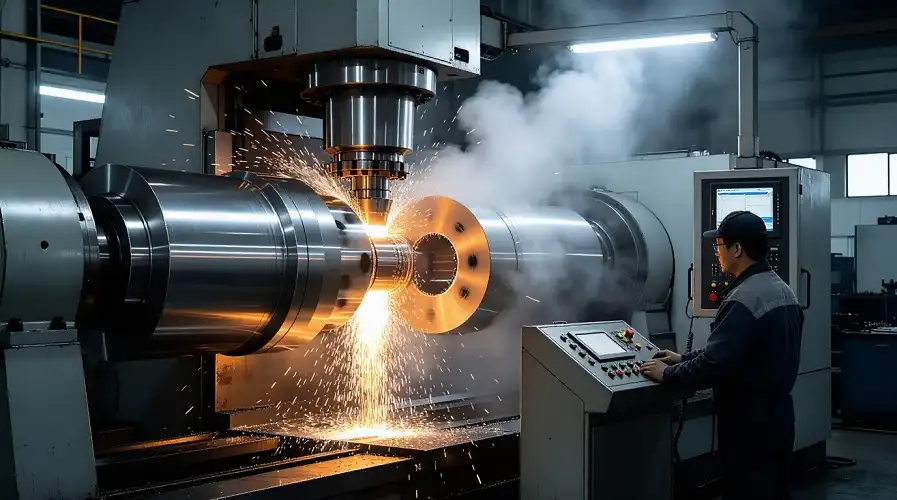
Grade Classifications and Chemical Compositions
Titanium seamless pipes have different grades for different performance needs. Gr1 can be used for intricate shaping, Gr2 is the workhorse grade, balancing strength and formability, and Gr3 is significantly stronger. Gr5 (Ti-6Al-4V) alloys have tensile strength above 895 MPa for aircraft structural applications, whereas Gr7 contains palladium for stronger acid resistance. Gr9 (Ti-3Al-2.5V) balances hydraulic tube economically, and Gr12 meets specific chemical processing applications. Each grade meets ASTM B861, B338, and ASME SB338 chemical, mechanical, and dimensional tolerance criteria.
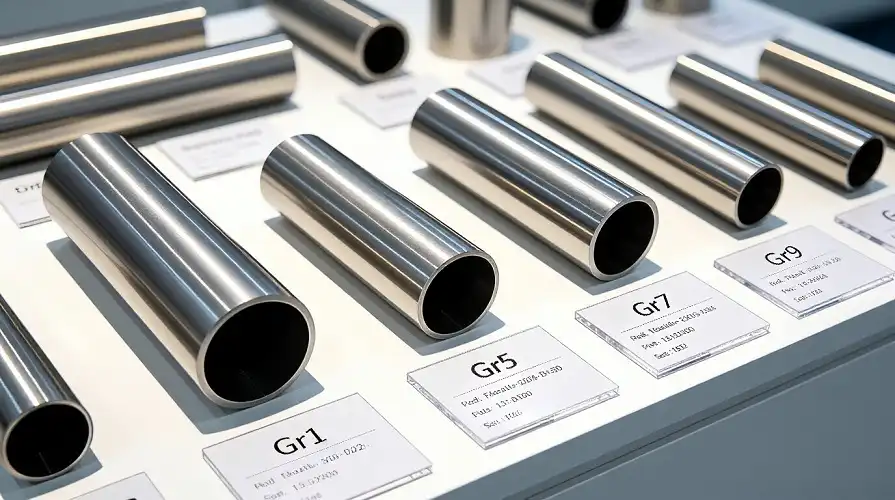
Physical and Mechanical Properties
A stable titanium dioxide passive coating that regenerates instantaneously when damaged gives the titanium seamless pipe outstanding corrosion resistance. These pipes offer exceptional strength-to-weight ratios, with a density of 4.51 g/cm³, 60% less than steel. Grade 2 has 345 MPa tensile strength and good elongation, whereas Grade 5 has 895 MPa or more. From cryogenic temperatures to 400°C, the material resists fatigue cracking and chloride stress corrosion better than stainless steel.
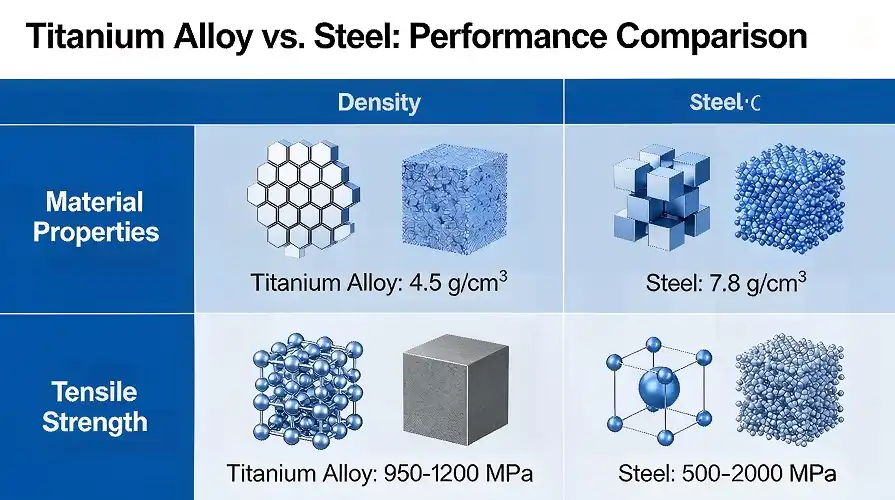
Titanium Seamless Pipe vs Other Pipes: Comparative Analysis for Informed Buying
Performance Against Stainless Steel and Carbon Steel
Titanium seamless pipes outperform other pipe materials in corrosive situations, according to procurement teams. Seawater and chloride-rich media pit and crevice stainless steel 316L, although titanium is unaffected. Titanium removes costly coatings and cathodic protection systems used for carbon steel. Weight matters in offshore platforms and airplanes, where every kilogram affects structural loading and fuel economy. Though titanium's initial material prices are greater, lifetime research shows that maintenance intervals, replacement frequency, and downtime avoidance lower its total cost of ownership.
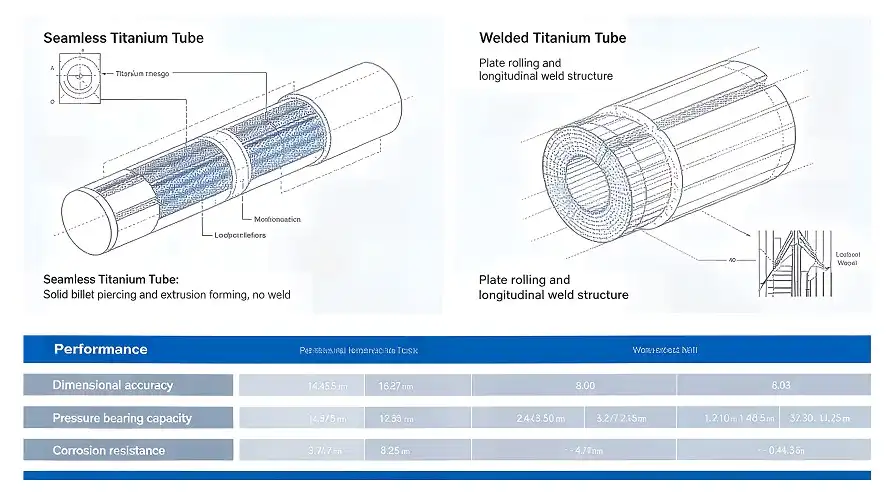
Seamless Versus Welded Titanium Pipe
Even within titanium product families, seamless fabrication outperforms welded pipes. Welded connections create heat-affected zones with changed grain structures that minimize corrosion and mechanical characteristics. Because they eliminate the joint efficiency factor that degrades welded seams, titanium seamless pipes have 20% higher operating pressure ratings. Titanium seamless pipes may be ultrasonically tested for internal faults throughout their wall thickness, but welded pipes must be inspected at the fusion zone. Titanium seamless pipe's homogeneous ductility makes bending, flaring, and hydroforming easier without weld integrity problems.
Grade-Specific Selection Criteria
Application priorities determine Grade 2 or Grade 5 titanium seamless pipe selection. Grade 2 is ideal for chemical plant heat exchanger bundles and complicated pipe layouts because of its moderate strength and formability. Its greater ductility allows cold bending to tighter radii without cracking. Grade 5 is needed for aircraft hydraulic systems with 3,000 psi working pressure due to the highest strength-to-weight ratio. Despite lower cold formability and greater material costs, the alloy's better strength permits thinner walls that cut weight and retain structural margins.
Key Applications and Benefits of Titanium Seamless Pipes in Industry
Aerospace and Defense Systems
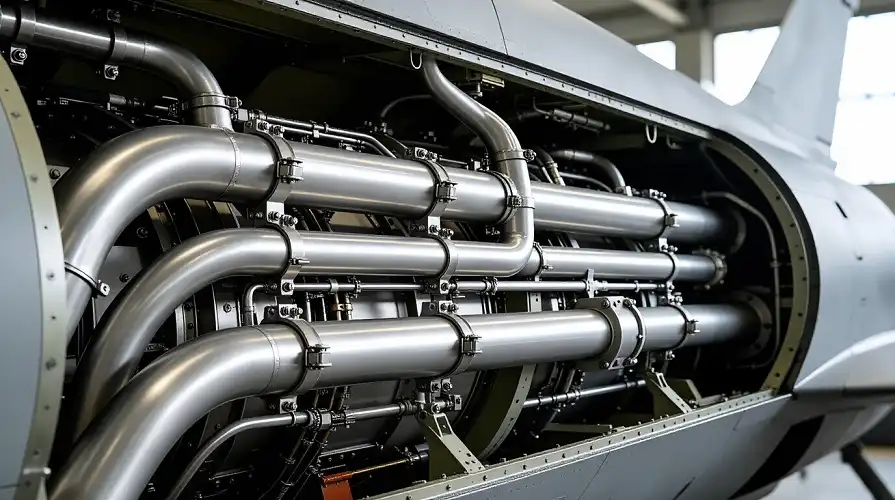
Aircraft manufacturers use titanium seamless pipe for hydraulic, fuel, and pneumatic distribution networks. The material's excellent strength-to-weight ratio decreases aircraft bulk, boosting fuel economy and payload. Grade 5 titanium seamless pipes prevent fatigue fracture propagation that grounds fleets for inspection and harsh temperature cycling from base operations to high-altitude cruising. Defense contractors use titanium's non-magnetic characteristics for undersea pipe systems to maintain stealth. Fully traceable applications require material certificates for chemistry, mechanical testing, and lot-specific quality records.
Chemical Processing and Petrochemical Equipment
Chemical plant engineers battle corrosion from acids, alkalis, and chlorinated chemicals that degrade pipework. Heat exchanger bundles, reactor cooling coils, and process transfer lines with aggressive media benefit from titanium seamless pipe. A significant petrochemical complex in Luoyang, China, uses titanium heat exchangers to eliminate copper-nickel alloy tube failures. Without rust, the equipment has served for over a decade. Titanium's resistance to sulfur compounds and high-temperature oxidation that destroys stainless steel is seen in coking installations.
Marine and Power Generation Industries
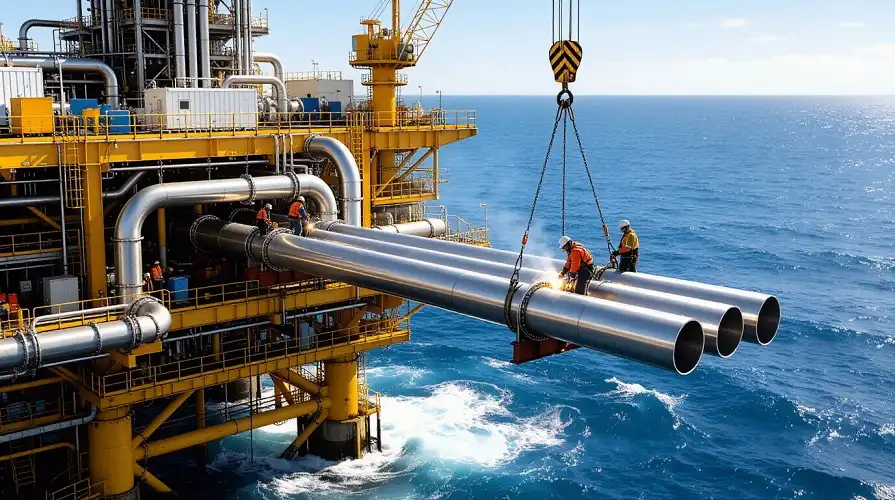
Titanium's best use is in seawater. Coastal power facilities employ titanium seamless pipe condenser tubes to avoid marine growth, pitting corrosion, and erosion-corrosion in copper-nickel and stainless steel systems. For reliable seawater injection and firewater networks, offshore oil rigs use titanium pipe. Titanium is used in saltwater cooling circuits for naval propulsion and auxiliary gear. The material performs well in marine conditions because its passive oxide coating is stable in chloride concentrations that destroy other alloys.
Medical and Biomedical Devices
Implantable components and surgical instruments benefit from titanium's biocompatibility. Orthopedic implants, dental equipment, and minimally invasive surgical tools use clean, seamless titanium pipe. The material's strength permits gadget downsizing, and non-toxicity prevents tissue responses. FDA and ISO 13485 mandate particle count verification and endotoxin testing for medical-grade pipes. Manufacturers separate manufacturing regions to avoid industrial material contamination.
How to Source High-Quality Titanium Seamless Pipes: A Buyer's Guide
Manufacturer Evaluation and Certification Requirements
Verify quality management methods and industry certifications before choosing a titanium seamless pipe provider. Reputable firms use ISO 9001 with aerospace extensions like AS9100 for aviation or ISO 13485 for medical products. Manufacturing experience over a decade with case studies in your industry is required. Request mill test data for each manufacturing lot's chemical and mechanical qualities to verify materials certifications. Accredited testing labs should verify ASTM standards for suppliers.
Quality Control and Testing Protocols
Inspections identify quality titanium seamless pipes from inferior ones. Ultrasonic testing finds pipe wall gaps and inclusions that might cause service problems. Eddy current testing finds undetectable surface and near-surface flaws. Pressure containment at 1.5 times the rated operating pressure is tested hydrostatically for structural integrity. Laser micrometers verify wall thickness uniformity, outside diameter tolerances, and ovality within specification. Mechanical testing verifies tensile, yield, and elongation parameters using destructive sampling. Grade composition is verified by chemical analysis per ASTM standards.
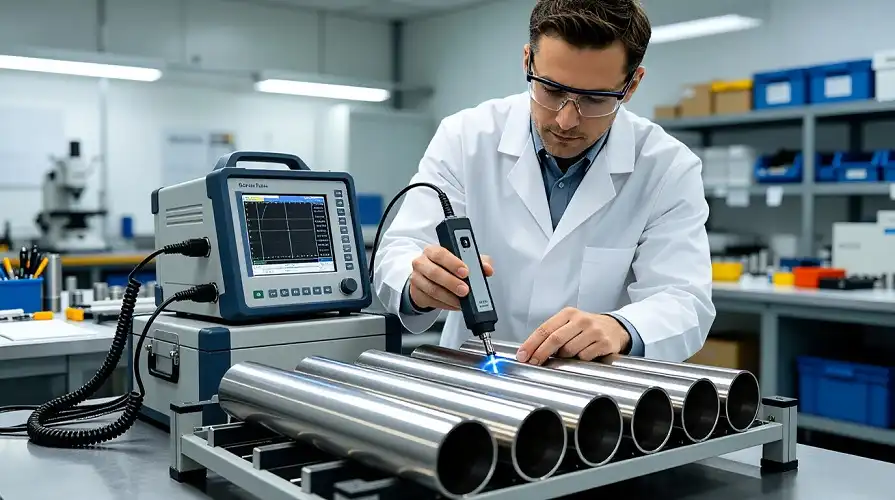
From incoming material verification to final product certification, established manufacturers like Jucheng Titanium have thorough quality processes. Their two-decade titanium processing experience shows they have the institutional expertise to provide specification-compliant products. The company's modern inspection equipment and metallurgical personnel guarantee every pipe fulfills client standards.
Procurement Considerations and Lead Time Management
Understanding market trends and supplier capabilities helps buy titanium seamless pipes. Standard sizes from OD3mm to OD219mm with wall thicknesses from 0.5mm to 20mm have reduced lead times from manufacturers with large inventories. Since material must be processed for your order, custom dimensions or grades delay processing. Smaller distributors need greater MOQs to justify manufacturing setup expenses. Framework agreements with volume guarantees help budget certainty because raw titanium sponge prices and worldwide demand patterns vary.
Beyond commodity pipe supply, manufacturers offering customization services add value. Selecting polished, machined, or acid pickled finishes assures assembly process compatibility. In-house fabrication companies can offer bent tubes, flanged assemblies, or pre-cut lengths to decrease production labor. Strategic suppliers offer technical assistance for material selection, grade optimization, and production.
Conclusion
Industries requiring uncompromising performance in corrosive, high-stress, and weight-sensitive applications need titanium seamless pipe. Multiple grade possibilities provide specialized performance characteristics to meet service requirements, and the production method eliminates welded seams that affect structural integrity. Procurement specialists may confidently specify these pipes by understanding comparative benefits over alternative materials, major application domains, and strict supplier qualification standards. The material's corrosion resistance, strength-to-weight ratio, and operational lifespan justify initial cost surcharges by lowering lifecycle costs and improving system dependability.
FAQ
Q1: How does seamless titanium pipe compare to welded pipe in pressure rating?
Titanium seamless pipe construction reduces the joint efficiency de-rating factor for welded seams, providing 20% greater operating pressure ratings. Uniform microstructure across the pipe wall ensures mechanical qualities without heat-affected zones that weaken welded alternatives. This makes titanium seamless pipes ideal for high-pressure hydraulic systems and subsea applications that require dependability.
Q2: Which grade should I choose for general industrial use?
Grade 2 (UNS R50400) is the industrial standard, with moderate tensile strength of approximately 345 MPa, high ductility for cold forming, and exceptional corrosion resistance in various chemical conditions. Grade 5 is only used in aircraft structural applications where the maximal strength-to-weight ratio justifies its greater cost and restricted formability.
Q3: What quality assurance measures should I require?
Each production lot should have thorough material certificates, including chemical, mechanical, and non-destructive testing findings. Ultrasonic, eddy current, and hydrostatic testing should establish internal soundness, surface integrity, and pressure containment at 1.5 times working pressure. Dimensional inspection reports must meet outside diameter, wall thickness, and ovality limits.
Partner with Jucheng Titanium for Your Seamless Pipe Requirements
For over 20 years, Baoji Jucheng Titanium Industry Co., Ltd. has specialized in titanium seamless pipe manufacture for aerospace, chemical processing, and industrial equipment. We stock 3,000 tons of titanium as a National High-Tech Enterprise and "little giant" specialized business to offer standard and bespoke requirements quickly. Our product portfolio includes Gr1–Gr12 grades in OD3mm–OD219mm diameters, produced to ASTM B338, B861, and ASME SB338 specifications with complete traceability.
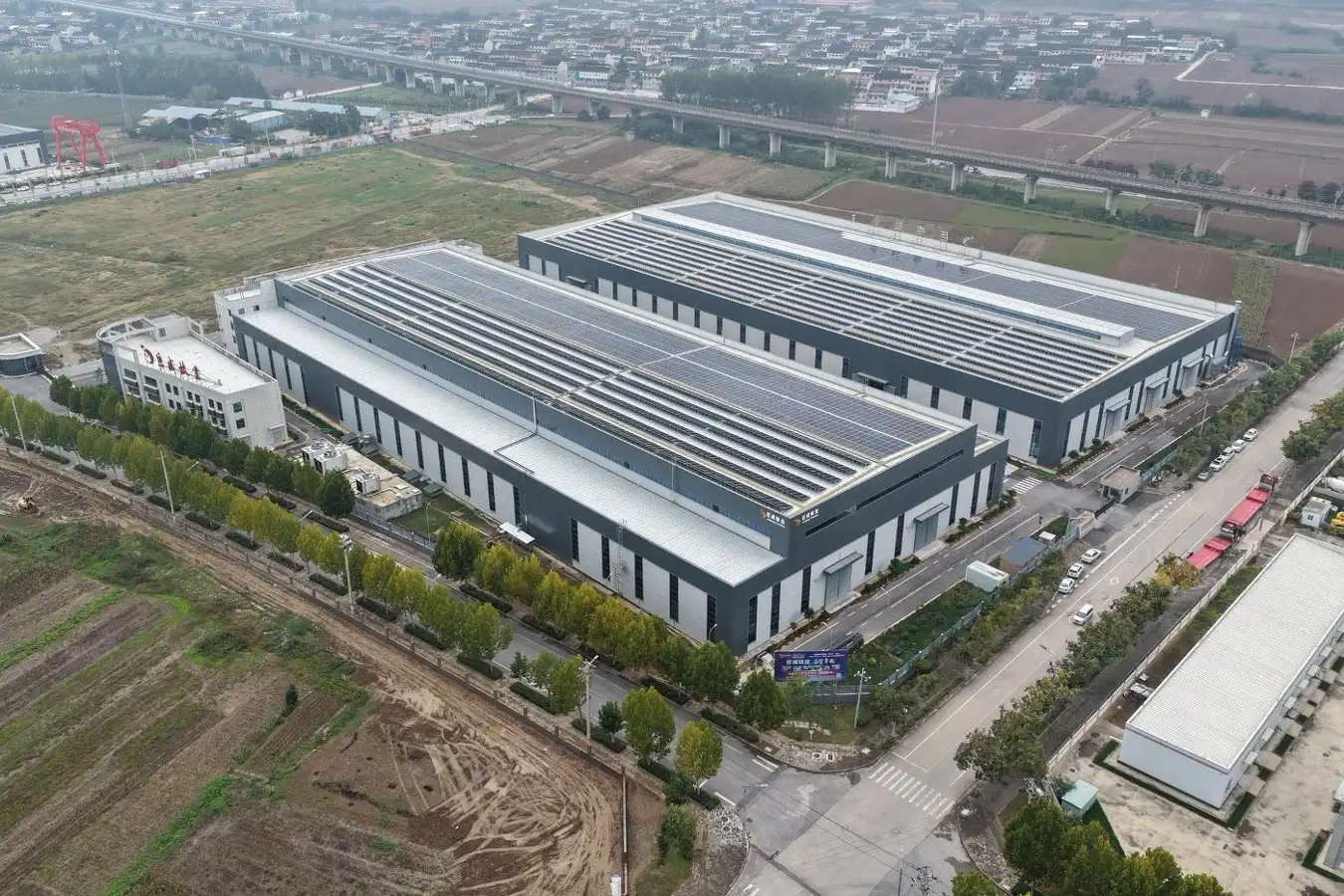
Our 120,000-square-meter plant in Baoji, China's Titanium Valley, offers modern extrusion, cold rolling, and precision machining with strict quality control. We provide unique surface treatments, dimensional setups, and material selection assistance. Our technical staff helps you specify titanium seamless pipe for corrosive chemical service, aircraft hydraulic systems, and marine applications.
Contact our procurement professionals at s4@juchengti.com to discuss project needs, seek specific quotes, or obtain material certifications. For mission-critical applications, B2B buyers need quality assurance, technical competence, and fast support from a reputable titanium seamless pipe supplier.
References
1. Boyer, R., Welsch, G., & Collings, E.W. (1994). Materials Properties Handbook: Titanium Alloys. ASM International, Materials Park, Ohio.
2. Donachie, M.J. (2000). Titanium: A Technical Guide, Second Edition. ASM International, Materials Park, Ohio.
3. ASTM International (2021). ASTM B861-21: Standard Specification for Titanium and Titanium Alloy Seamless Pipe. West Conshohocken, Pennsylvania.
4. Schutz, R.W. & Thomas, D.E. (1987). Corrosion of Titanium and Titanium Alloys. In Corrosion: Metals Handbook, Ninth Edition, Volume 13. ASM International.
5. Peters, M., Kumpfert, J., Ward, C.H., & Leyens, C. (2003). Titanium Alloys for Aerospace Applications. Advanced Engineering Materials, 5(6), 419-427.
6. Sedriks, A.J. (1996). Corrosion of Stainless Steels versus Titanium Alloys in Marine Environments. Materials Performance and Characterization Standards, ASTM Special Technical Publication.