
Titanium Gr. 2 Round Bar and Its Applications
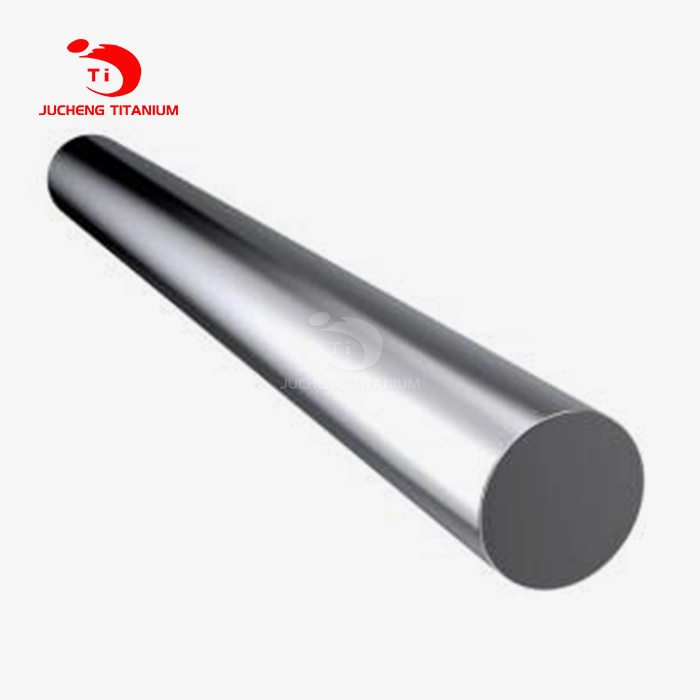
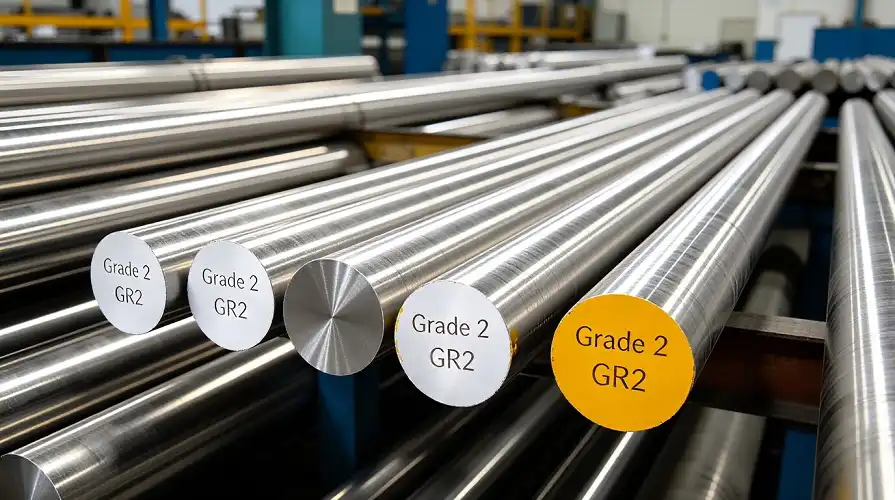
Purchasers of materials for harsh industrial settings must balance performance, durability, and cost. The most popular commercially pure titanium bar stock, grade 2 titanium round rod, has exceptional corrosion resistance, moderate strength, and outstanding formability. UNS R50400, which meets ASTM B348 requirements, solves problems in chemical processing, maritime engineering, and aerospace where conventional metals fail. Manufacturers use it for dependable, long-term performance in corrosive or weight-sensitive applications due to its unique features.
Understanding Grade 2 Titanium Round Bar: Properties and Performance
Grade 2 titanium is the workhorse of commercially pure titanium alloys due to its technical character. Understanding its composition and performance helps procurement teams choose the proper material.
Chemical Composition and Quality Standards
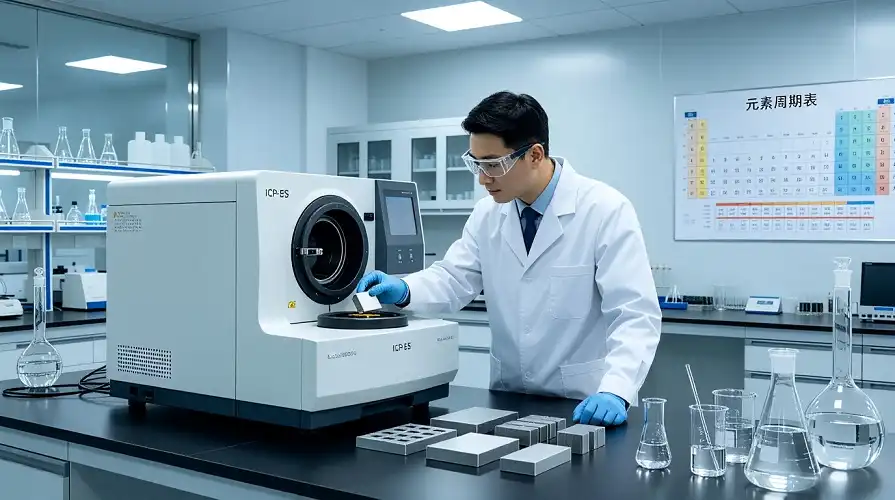
Grade 2 titanium has tight compositional restrictions that affect mechanical performance and corrosion resistance. The substance is mostly titanium (balance) with well-regulated interstitial elements such as iron (0.30%), oxygen (0.25%), carbon (0.08%), and nitrogen (0.03%). Strength and ductility are affected by oxygen content—higher oxygen enhances tensile strength but decreases formability. Iron content affects corrosion resistance in some settings; fine control is needed for consistent performance. Every grade 2 titanium round rod produced by Jucheng Titanium fulfills international quality requirements by following ASTM B348, ASME SB348, and ISO 5832-3. From vacuum melting to forging, hot rolling, and surface treatment, our production process includes stringent quality tests to guarantee compositional integrity.
Mechanical Properties and Performance Metrics
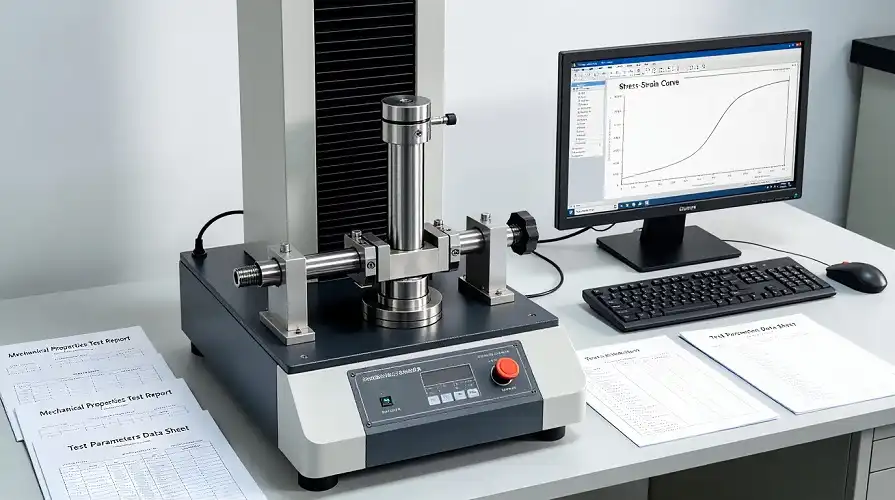
Grade 2 titanium's mechanical profile balances performance for many applications. Minimum ultimate tensile strength is 345 MPa (50 ksi) and yield strength is 275 MPa (40 ksi), with elongation about 20%. Compared to Grade 5 (Ti-6Al-4V), this combination has good cold formability and structural integrity. Shock absorption in dynamic loading circumstances is improved by its modulus of elasticity of 105 GPa, half that of steel. This material reduces weight by 60% compared to steel counterparts, making it ideal for aeronautical and maritime applications where fuel efficiency and payload capacity are crucial. Its density is 4.51 g/cm³. The material is suited for high-temperature chemical processing equipment because of its dimensional stability and melting point approaching 1660°C.
Corrosion Resistance Characteristics
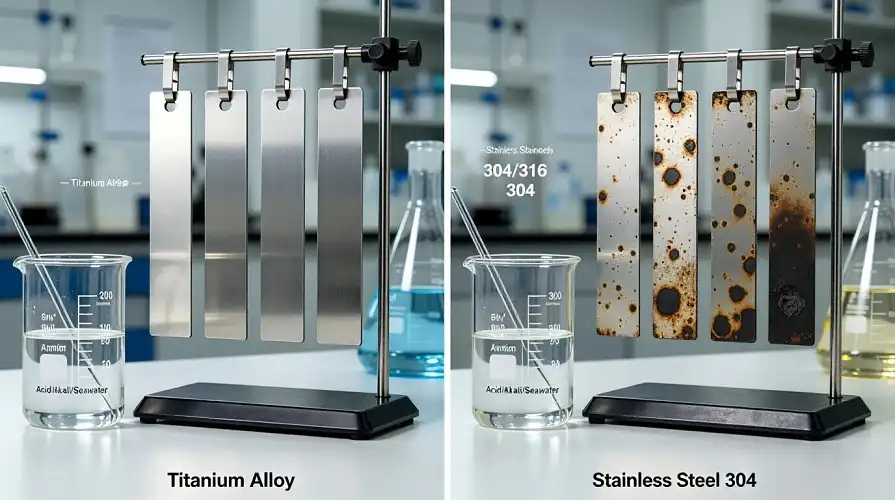
In oxidizing situations, Grade 2 titanium forms a durable, self-healing titanium dioxide passive coating, which makes it corrosion-resistant. Seawater, moist chlorine, oxidizing acids (nitric and chromic acids), and many organic chemicals cannot penetrate this protective layer. The material resists crevice corrosion in saltwater up to 260°C, surpassing stainless steel in chloride-induced pitting conditions. Grade 2 titanium performs well in oxidizing environments but is susceptible to strong reducing acids, such as concentrated hydrochloric or sulfuric acid, without inhibitors. Understanding these environmental constraints helps engineers choose the right grade—Grade 7 with palladium reduces acids better than Grade 2.
Applications and Benefits of Grade 2 Titanium Round Bar in Industry
Grade 2 titanium round bars are used in many industries where conventional materials fail or need regular replacement. The material's unique features answer operational problems in varied situations.
Chemical Processing and Petrochemical Equipment
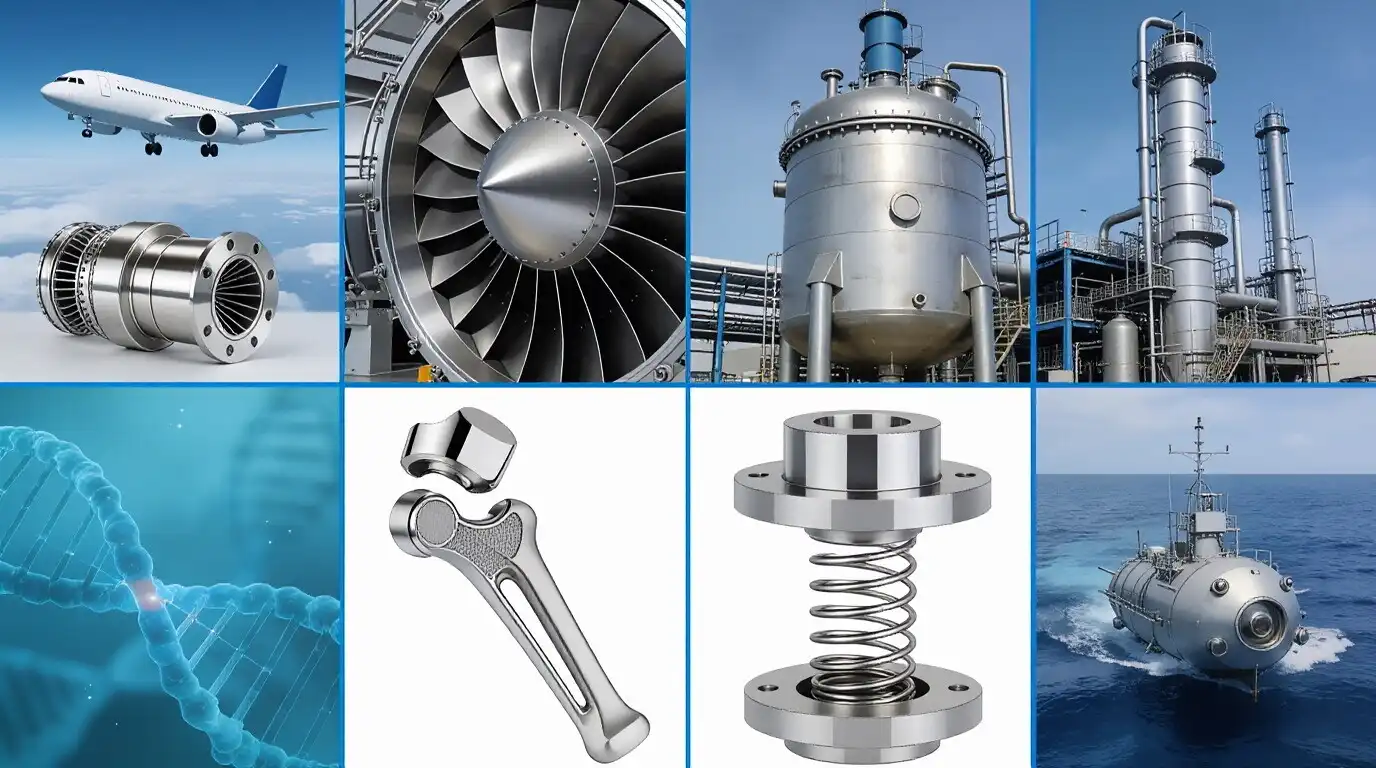
Grade 2 titanium is used in chemical components exposed to hostile media where equipment failure can have serious safety and economic ramifications. Valve stems, pump shafts, heat exchanger tie-rods, and reactor internals made of grade 2 titanium round rod resist oxidizing acids, chlorine compounds, and corrosive process streams that rapidly erode stainless steel. A large Texas petrochemical plant replaced stainless steel pump components with Grade 2 titanium parts, improving service life from 18 months to almost eight years and eliminating metal ion leaching. Significant process equipment failures are prevented by the material's chloride stress corrosion cracking resistance. Apart from performance, Grade 2 titanium's compatibility with many chemical compounds simplifies inventory by replacing several exotic alloys and lowering maintenance and spare parts costs.
Marine and Offshore Engineering
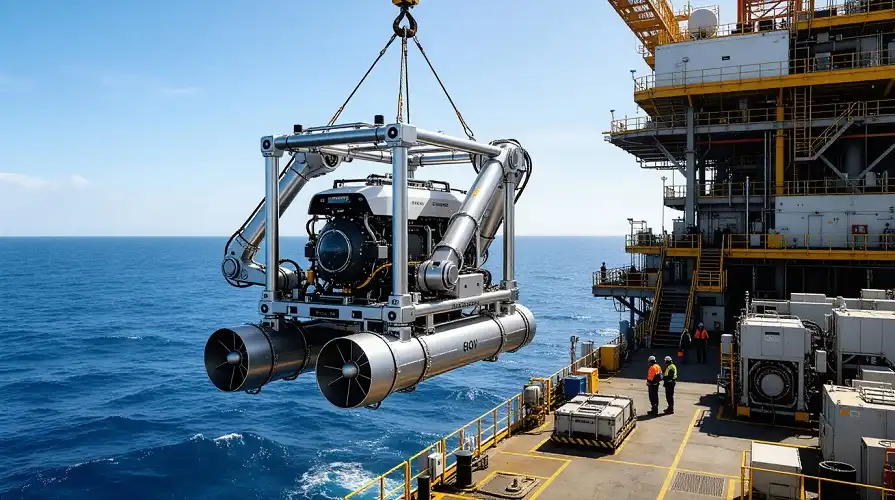
Saltwater exposure, biological fouling, and microbiologically driven corrosion plague subsea equipment makers. In marine applications, grade 2 titanium solves these concerns and lasts over 20 years. This material resists electrochemical corrosion and biofouling in propeller shafts, instrumentation housings, desalination plant components, and offshore platform gear. Grade 2 titanium's durability in high-temperature brine settings helps desalination operations maintain evaporator efficiency without scale formation or corrosion. Swapping essential fasteners and structural components to Grade 2 titanium eliminated scheduled replacement intervals and maintenance vessel mobilizations, saving an offshore oil platform operator in the Gulf of Mexico 40% in lifetime costs.
Aerospace and Defense Applications
Grade 2 titanium is used for non-structural aerospace components due to corrosion resistance and weight savings. Grade 2 is used in hydraulic system fittings, environmental control components, and fasteners where formability and weldability are advantageous. Grade 5 dominates high-stress structural applications. The material is biocompatible and suited for commercial airplane cabin air quality systems and potable water lines. Defense contractors use Grade 2 titanium for harsh-environment naval vessels, submarines, and ground equipment. Grade 2 titanium was used for prototype unmanned underwater vehicle components by a defense equipment company to meet neutral buoyancy objectives and retain structural integrity at operating depths. Specialized military applications that need magnetic signature reduction benefit from the material's non-magnetic characteristics.
Medical Device Manufacturing
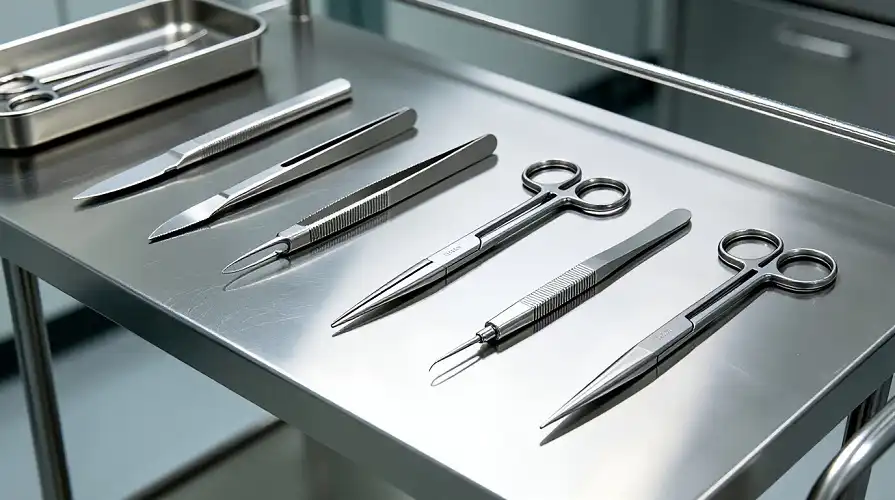
Grade 2 titanium is preferred for medical applications due to its ASTM F67 biocompatibility. The material's corrosion resistance in sterilizing and biological fluids benefits surgical tool handles, orthopedic external fixation devices, and dental instrument components. Grade 23 (Ti-6Al-4V ELI) dominates implantable device manufacture owing to its better mechanical qualities, whereas Grade 2 is used for formability and machinability. Medical equipment producers like the material's ability to survive hundreds of steam sterilization cycles without degrading dimensional precision and surface polish. A surgical instrument maker saved 35% by switching difficult instrument designs from Grade 5 to Grade 2, leveraging enhanced cold formability while retaining clinical performance.
Grade 2 Titanium Round Bar vs. Other Metals and Titanium Grades: Making the Right Choice
Understanding performance trade-offs and overall ownership costs guides material selection. Compare Grade 2 titanium to other materials to see when it's best.
Comparison with Other Titanium GradesA A
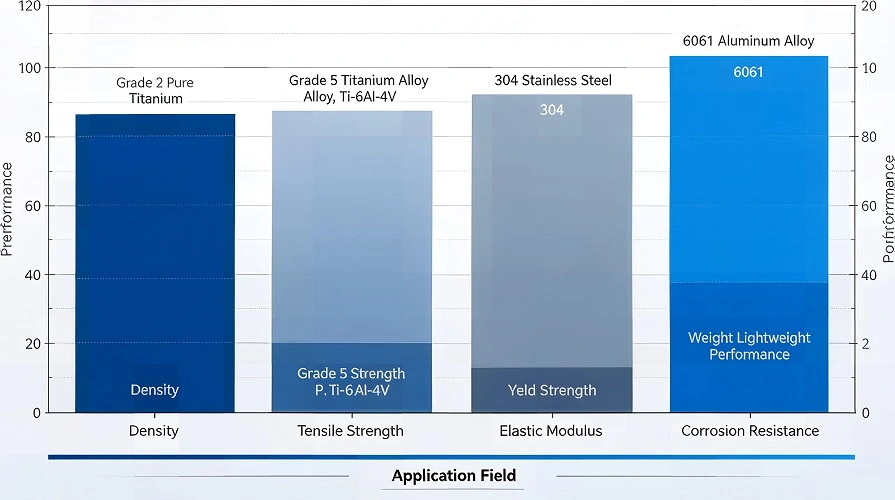
poorer interstitial concentration gives grade 1 titanium slightly better corrosion resistance but 20% poorer tensile strength, restricting structural uses. Grade 2 is strong enough for most non-aerospace applications and has good formability and weldability. Grade 5 (Ti-6Al-4V) has double the tensile strength at 895 MPa minimum, but is harder to machine, less weldable without post-weld heat treatment, and more expensive. The procurement team should specify Grade 2 for corrosion-critical applications with moderate strength and Grade 5 for high-stress structural components. Grade 7 with palladium adds corrosion resistance to reducing acid conditions, but costs more—use it only when Grade 2's corrosion resistance fails testing or field experience. Grade 23 is used in aerospace and medical implant applications that demand high purity and fatigue resistance.
Grade 2 Titanium vs. Stainless Steel and Aluminum
Stainless steel is cheaper but fails catastrophically in chloride-rich conditions with pitting and crevice corrosion. Grade 2 titanium reduces these failure mechanisms, justifying higher upfront costs with longer service life and lower maintenance. Grade 2 titanium heat exchanger components had 60% lower total cost of ownership over ten years than super duplex stainless steel due to the elimination of replacement cycles and production downtime, despite 3.5 times higher initial material costs. Aluminum alloys are lighter and cheaper but lack corrosion resistance in maritime and chemical conditions. Surface treatments give temporary protection that declines over time, needing constant maintenance. Grade 2 titanium has a higher strength-to-weight ratio than aluminum, allowing thinner pressure vessel walls. Grade 2 titanium offers corrosion resistance and structural integrity for engineers who want aluminum's weight and stainless steel's strength.
Return on Investment Considerations
Lifecycle cost study shows Grade 2 titanium round stock's economic benefits in corrosive settings despite higher acquisition prices. Durable components decrease replacement costs, inventory costs, and equipment failures that disrupt production. When made of Grade 2 titanium, equipment that needs annual inspection and replacement with stainless steel components can last decades without maintenance. Titanium component weight reduction minimizes fuel consumption throughout equipment service life, lowering operational costs in aircraft and marine applications. Instead of relying exclusively on purchase price, procurement managers should obtain total cost of ownership evaluations from suppliers. Jucheng Titanium delivers lifecycle cost modeling to assist clients in estimating long-term value when evaluating material alternatives for specific applications.
Procurement Guide for Grade 2 Titanium Round Bar
Supplier competencies, product standards, and logistics must be understood to ensure quality-certified material supply. Material uniformity and delivery reliability are ensured via strategic procurement.
Supplier Selection and Certification Requirements
Verifying production capabilities and quality certifications helps find competent vendors. ISO 9001 quality management systems, NADCAP aerospace accreditation, and target market-specific credentials are held by reputable producers. Each shipment should include material test reports (MTRs) that track chemical composition, mechanical characteristics, and heat treatment history to melt batches. Aerospace and medical device businesses need C of C declarations and ASTM, AMS, or ISO compliance. Jucheng Titanium's 20 years of manufacturing experience and national-level specialized enterprise recognition demonstrate our commitment to quality. We hold four invention patents and 41 utility model patents applied directly to production processes, ensuring titanium processing technological leadership.
Standard Sizes and Customization Options
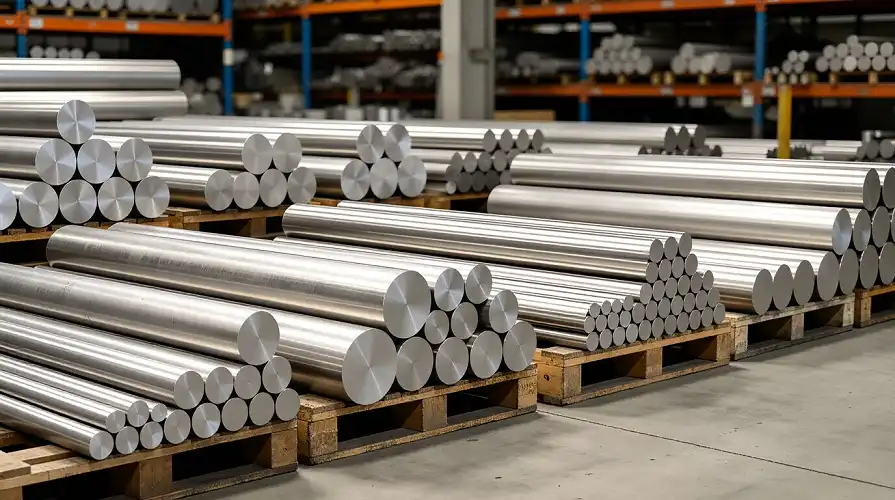
Grade 2 titanium round bars come in Φ6mm to Φ450mm diameters, with regular lengths up to 6000mm and bespoke lengths up to 12000mm upon request. Standard stock sizes include 10mm, 12mm, 16mm, 20mm, 25mm, 30mm, 40mm, 50mm, 60mm, 80mm, 100mm, and greater increments for flexible machining applications. Polished (bright finish for precision machining), turned or peeled (removing surface scale for tight tolerances), centerless ground (precise diameter control), sandblasted (coating adhesion), and acid pickled (standard mill finish). The standard provided state, annealed, provides maximum machinability and formability. With 3000 tons of titanium inventory year-round, Jucheng Titanium can quickly deliver standard sizes and support custom orders with our advanced vacuum melting, forging, hot rolling, and rotary forging processes.
Bulk Ordering and MOQ Strategies
Unit costs and supply chain efficiency are greatly affected by volume purchasing. Manufacturers provide tiered pricing based on order quantities, with reductions starting at 500 kg and an ideal price at multi-ton volumes. Standard sizes have cheaper MOQs (50-100 kg) than bespoke diameters or lengths, which may require 500 kg or more to justify manufacturing setup costs. Bulk purchase orders with planned releases safeguard prices and manage inventory investment by reserving material at contracted prices for production schedules, balancing cost savings and working capital. Customers get supply continuity and a good price while manufacturers optimize production planning via long-term supply agreements. Jucheng Titanium's sales staff uses our large inventory to accommodate spot orders and scheduled delivery plans to meet customer production cycles and budgets.
Lead Times and Logistics Considerations
Standard stock goods ship within 1-2 weeks of order confirmation, whereas bespoke specifications take 6-12 weeks, depending on diameter, length, and surface treatment. Precision grinding and heat treatments add 2-4 weeks to manufacture. International shipments require export documentation, customs clearance, and transit periods of 3-6 weeks for ocean freight or 1-2 weeks for urgent air freight. Commercial invoices, packing lists, material test reports, certificates of origin, and importing country compliance certifications are proper export documents. Working with experienced vendors with worldwide logistics networks lowers delays and compliance issues. Jucheng Titanium's global export supply chain experience streamlines cross-border procurement for North American customers with paperwork help and freight forwarding coordination.
Machining and Handling Best Practices for Grade 2 Titanium Round Bar
Grade 2 titanium machining demands knowledge of its properties and proper processes to obtain quality results while minimizing tool wear and production costs.
Machining Techniques and Tool Selection
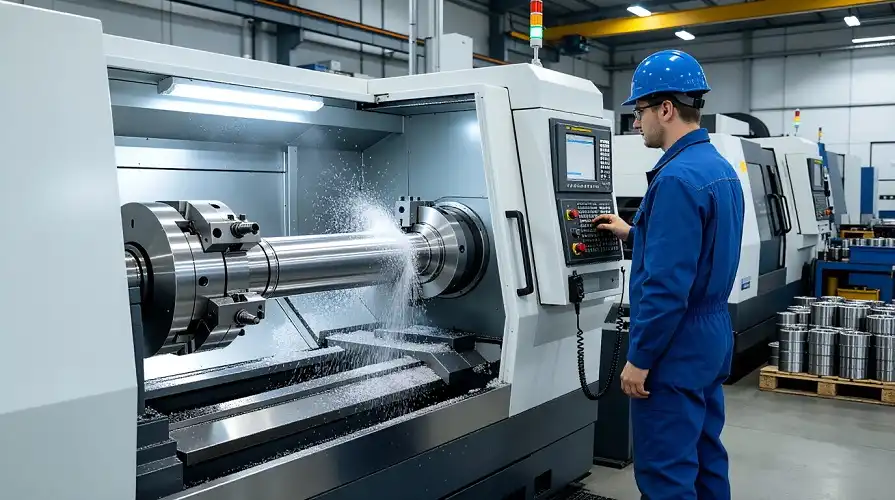
When machining titanium round stock, the low thermal conductivity of titanium concentrates heat at the cutting edge, causing tool wear and requiring special machining conditions. Positive 10-15-degree rake angles on sharp carbide or cobalt high-speed steel tools reduce cutting forces and heat. For turning operations with carbide tools, cut at 50–80 surface feet per minute with adequate flood coolant to remove heat and avoid work hardening. For roughing, the depth of cut should not exceed 0.125 inches every pass, while feed rates of 0.005-0.015 inches per revolution balance productivity and tool life. Titanium's inclination to work harden makes interrupted cuts and climb milling troublesome. Conventional milling with a steady chip load avoids surface hardening that spoils following passes. Monitoring tool wear reduces surface finish degradation and dimensional inaccuracy; changing inserts before extreme wear optimizes tool costs. For titanium machining beginners, visit material suppliers for application-specific parameters. Jucheng Titanium's engineering team makes machining suggestions based on part geometries and production needs.
Post-Machining Treatment and Surface Finishing
Hot treatment after machining removes residual tensions from cutting, limiting precision component dimensional displacement. Stress reduction at 480-595°C for 30-120 minutes and air cooling stabilizes tight-tolerance items without altering mechanical qualities. This is crucial for components with high service temperatures or cyclic loads, when stress-induced distortion might cause failure. Passivation treatments improve service corrosion resistance by enhancing the natural oxide layer. Electropolishing smooths and passively eliminates surface material for hygienic food processing and pharmaceutical equipment. Anodizing titanium generates attractive color finishes through controlled oxide layer thickness, although most industrial uses are ornamental rather than useful. Thermal processing scale and impurities are removed by acid pickling, preparing the base metal surface for coating or assembly.
Storage and Handling Protocols
Correct storage avoids contamination that weakens titanium's corrosion resistance and weldability. Separate material from carbon steel and other metals to minimize galvanic contact and contamination. Wood, plastic, or coated metal storage racks safeguard inventory. Wearing clean cotton gloves prevents skin oil and contaminants from contaminating welded or corrosive surfaces. Impact damage to machined surfaces can be prevented by wrapping or compartmentalizing parts to prevent contact and costly rework. Though less important than for reactive metals, avoiding moisture and industrial atmospheres protects the surface condition. To prevent lengthy bars from bending during transport, wooden containers with shock-absorbing materials are used. Each bar's heat number, specification, and size are clearly marked to prevent production errors. These protocols provide optimal material delivery to end-use applications, supporting quality and customer satisfaction.
Conclusion
Grade 2 titanium round bars work well in industrial applications that need corrosion resistance, strength-to-weight ratio, and durability. Understanding the material's qualities, comparing performance to alternatives, and using suitable procurement procedures helps manufacturers choose the best material for their needs. Grade 2 titanium round rod provides a balanced solution that addresses critical operational challenges while providing superior lifecycle value compared to conventional materials, whether your application involves chemical processing equipment, marine components, aerospace hardware, or medical devices.
FAQ
Q1: What distinguishes Grade 2 from Grade 1 titanium round bars?
Grade 1's reduced oxygen concentration (0.18% maximum vs. 0.25% for Grade 2) improves formability and corrosion resistance. Grade 2 has good corrosion resistance and formability and 20% greater tensile strength (345 MPa minimum vs. 275 MPa for Grade 1). Most industrial applications employ Grade 2 because it is strong enough for structural components while maintaining commercially pure titanium manufacturing benefits. Grade 1 serves specific applications that prioritize formability or corrosion resistance above strength.
Q2: Can Grade 2 titanium be welded to stainless steel?
Creating brittle intermetallic complexes (especially iron-titanium phases) by direct fusion welding titanium to stainless steel causes instantaneous joint failure. Galvanic corrosion can be prevented via explosive bonding, friction welding, or mechanical attaching with electrical separation for dissimilar metal joining. Transition joints with metallurgically suitable intermediates enable welding in particular applications, but they need advanced production procedures.
Q3: How does Grade 2 titanium perform in aerospace applications?
Grade 5 (Ti-6Al-4V) dominates aircraft structural applications because of its strength-to-weight ratios, whereas Grade 2 is used for non-structural components for corrosion resistance, formability, and weldability. Grade 2 is used in corrosive hydraulic fittings, environmental control system components, and fasteners. It satisfies aircraft material requirements like AMS 4921 for bar stock, assuring important application consistency. Grade 2's consistent welding and simplicity of forming complicated geometries appeal to aerospace makers over hot-formed high-strength alloys.
Partner with Jucheng Titanium for Reliable Grade 2 Titanium Round Rod Supply
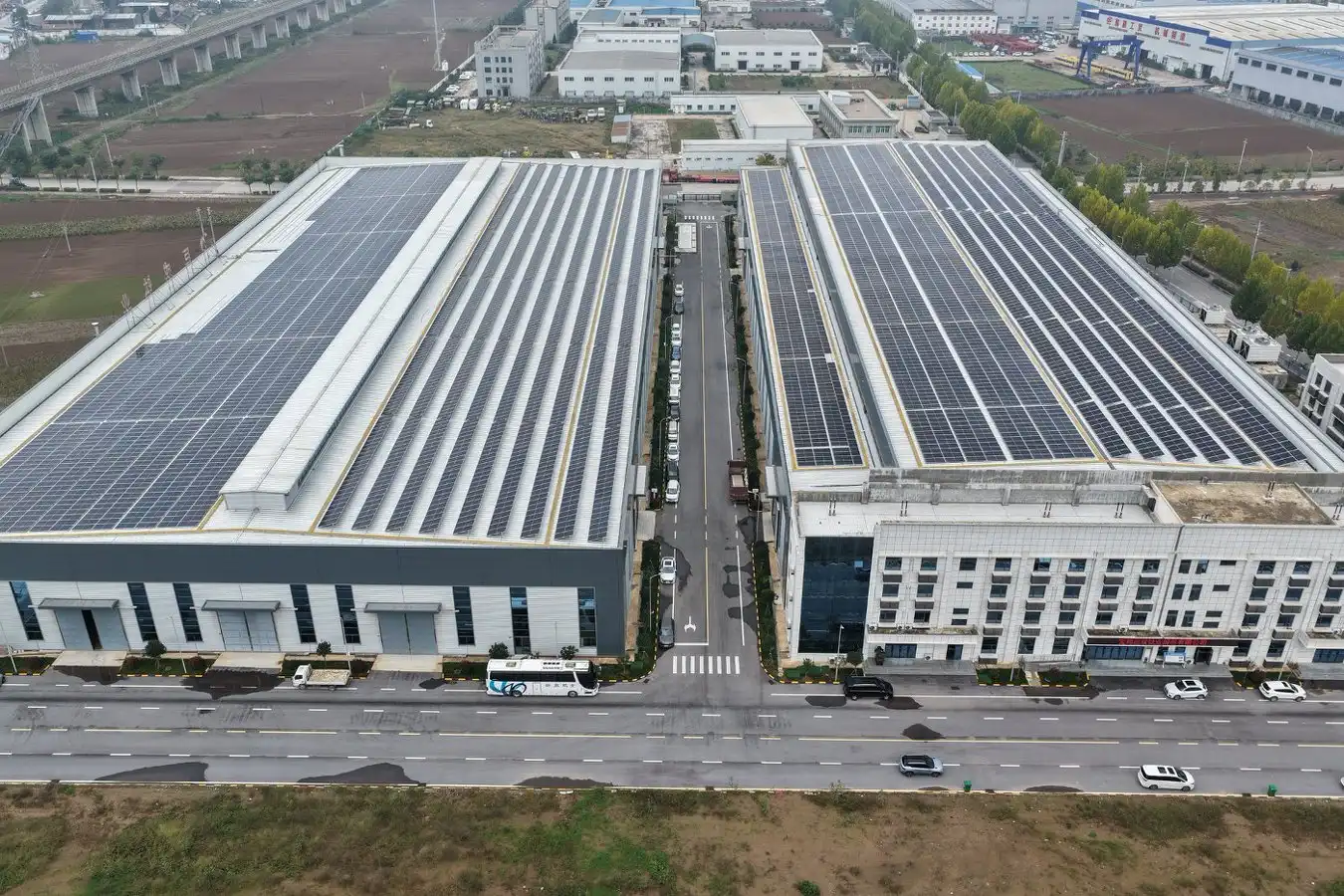
Jucheng Titanium, your grade 2 titanium round rod supplier, has over 20 years of manufacturing experience, cutting-edge processing equipment, and a large inventory. Our four innovation patents and 41 utility model patents applied directly to our production methods support our national high-tech enterprise rank and "little giant" position in titanium processing. Our year-round titanium inventory of 3000 tons enables fast delivery of standard specifications and customized solutions for particular project needs, with diameters ranging from Φ6mm to Φ450mm and lengths up to 12000mm, all in compliance with ASTM B348, ASME SB348, and ISO standards. North American customers receive smooth delivery with comprehensive paperwork and logistical assistance from our worldwide export network. Contact our engineering team at s4@juchengti.com to discuss your application requirements, request material certifications, or get detailed quotations for your next project. We offer technical consultation and competitive pricing for titanium procurement.
References
1. Boyer, R., Welsch, G., & Collings, E.W. (1994). Materials Properties Handbook: Titanium Alloys. ASM International, Materials Park, Ohio.
2. Donachie, M.J. (2000). Titanium: A Technical Guide, 2nd Edition. ASM International, Materials Park, Ohio.
3. Schutz, R.W. & Thomas, D.E. (1987). Corrosion of Titanium and Titanium Alloys. Metals Handbook, Volume 13: Corrosion, ASM International.
4. ASTM International. (2020). ASTM B348-20: Standard Specification for Titanium and Titanium Alloy Bars and Billets. West Conshohocken, Pennsylvania.
5. Lütjering, G. & Williams, J.C. (2007). Titanium, 2nd Edition. Springer-Verlag, Berlin Heidelberg.
6. Peters, M., Kumpfert, J., Ward, C.H., & Leyens, C. (2003). Titanium Alloys for Aerospace Applications. Advanced Engineering Materials, Volume 5, Issue 6, Pages 419-427.